Summary
Editor's rating
Value for money: where these shoes actually make sense
Looks and fit: decent style, but on the narrow side
Comfort: fine for casual play, but not for wide feet or long days
Synthetic build, light sole: what it feels like in the hand
Durability: holding up well so far for a budget shoe
On-court performance: light, grippy, and decent for the price
What you actually get with these Lico indoor shoes
Pros
- Good grip and light feel for indoor courts and gym sessions
- Price is much lower than big-name indoor shoes while still being usable
- Durability is decent for casual use, with several users keeping them for a year or more
Cons
- Fit is narrow, especially in the forefoot, not ideal for wide feet
- Cushioning is only moderate and may not suit long sessions or sensitive joints

Specifications
View full product page →| Brand | Lico |
Budget indoor shoes I grabbed for badminton and gym
I picked up the Lico Women's Airsoft Indoor Court Shoe in Marine Lemon White mainly because I wanted something cheap for indoor badminton and the occasional gym session. I wasn’t looking for a status symbol, just a pair that wouldn’t wreck my knees on hard floors and that I wouldn’t cry over if they wore out in a year. The price was clearly below the big brands, so I went in expecting something basic, maybe a bit rough around the edges.
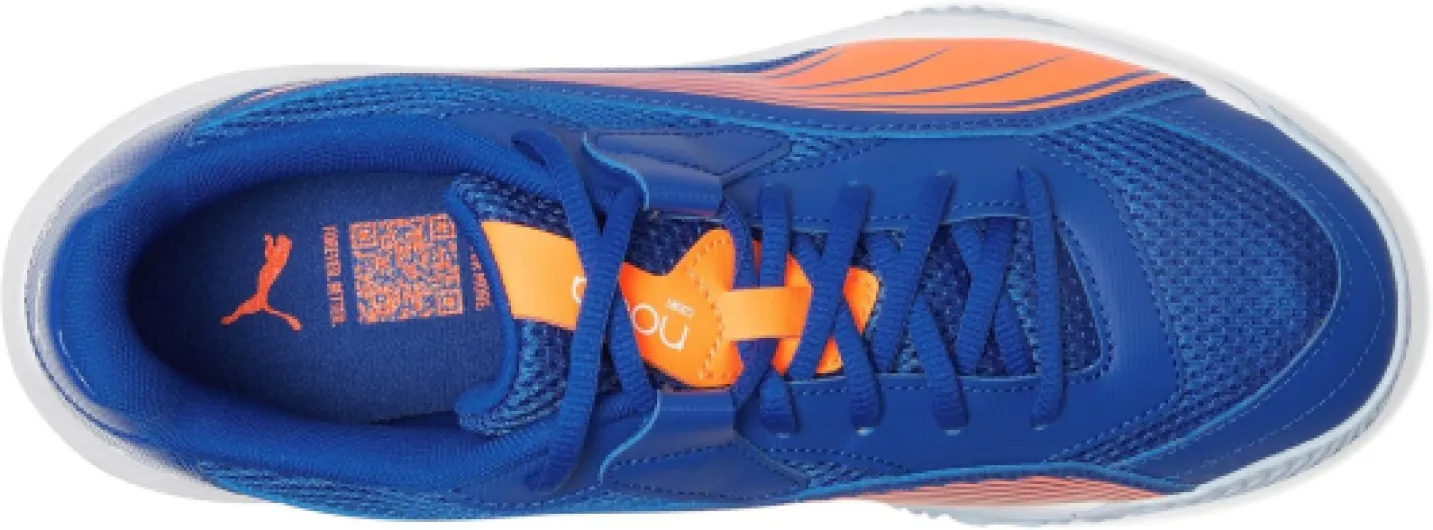
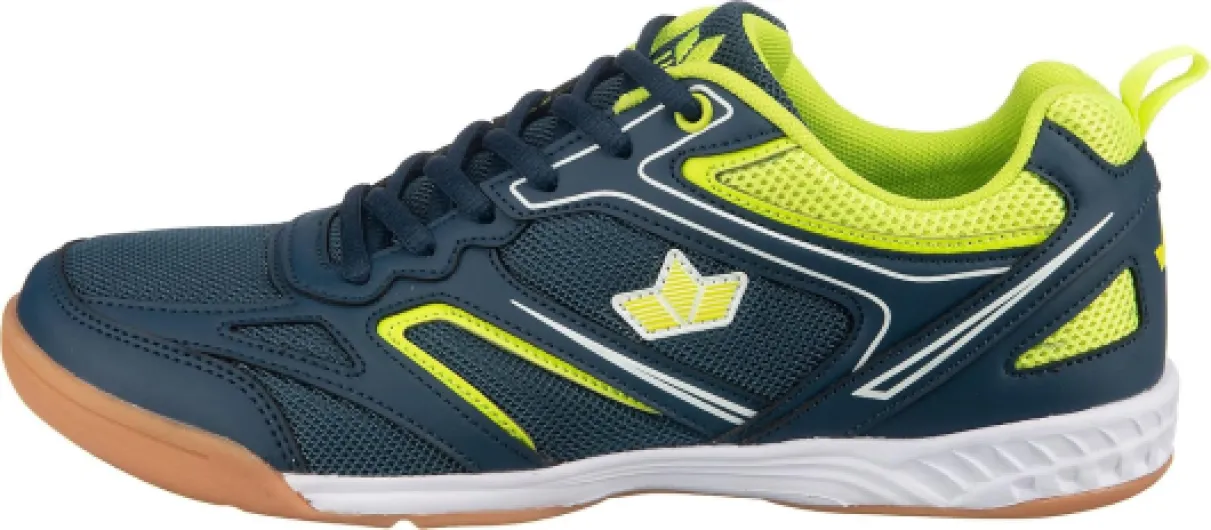
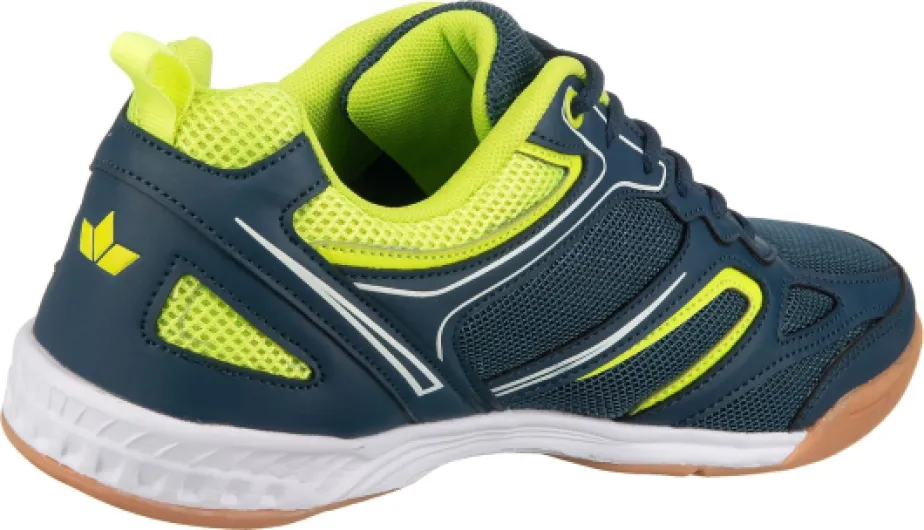
First impression out of the box: they look like standard indoor trainers, nothing flashy, but the colour combo is alright. The navy with the lemon accents is a bit sporty without screaming for attention. They honestly look more expensive than they are, which is a nice bonus if you don’t want to look like you’re wearing bargain-bin shoes at the gym. But I’ll be clear: the style is fine, just not the kind of thing you’d buy purely for the look.
I mainly used them for badminton and a bit of light circuit training. So we’re talking quick lateral moves, short sprints, and a lot of stopping and starting on indoor courts. That’s where you really see if a shoe grips properly and if the cushioning is enough so your feet and knees don’t complain after an hour. On that front, they perform better than I expected for the price, but they’re not on the same level as higher-end indoor shoes from the big brands.
Overall, my first takeaway after a few sessions was: they get the job done for casual use, especially if you’re not super picky and you have fairly narrow to normal feet. But they’re not perfect. The width is on the tight side, the cushioning is more "okay" than "great", and the materials feel clearly synthetic. If you want serious performance or have wide feet, I’d be careful. If you want something cheap that works, they’re worth a look.
Value for money: where these shoes actually make sense
For me, the main selling point of these Lico Airsoft Indoor shoes is value. They cost noticeably less than big-name indoor shoes from brands like Asics, Yonex, or Adidas, often around half the price or even less. For that money, you’re getting a pair that is light, grippy, and decent enough for regular indoor use. If you’re on a budget, or you just don’t want to invest a lot in a sport you play once or twice a week, they make sense.
Where they really shine is for casual players and gym users: people who need non-marking indoor shoes for classes, badminton night, school sports, or the occasional pickleball game. In that context, they’re good value. You don’t have to baby them, and if they last you a year or more, that’s already a solid return for the price. The fact that several reviews say "would buy again" tells me I’m not the only one who sees them as a practical budget choice.
On the flip side, if you have wide feet, joint problems, or you play at a high level, the value drops. You might end up uncomfortable or upgrading quickly to something better, which means the money you spent here is basically wasted. In that case, it’s smarter to pay more upfront for a pair that really fits your needs. Also, if you want premium cushioning or fancy materials, these just won’t satisfy you.
So, in simple terms: good value if you want cheap, functional indoor shoes and your feet are on the narrow/normal side. Not such good value if you’re picky about comfort, have wide feet, or expect high-end performance. They sit in that "decent but nothing special" zone, which is fine when the price is right and you know what you’re getting into.
Looks and fit: decent style, but on the narrow side
Design-wise, these Lico shoes are pretty standard indoor trainers. The Marine Lemon White colour is basically navy blue with some yellow accents and white parts on the sole and details. It’s sporty without being loud. If you’re used to very bright volleyball or badminton shoes from the big brands, these will look calmer. Personally, I liked that they don’t scream for attention. They look clean enough to wear to a casual gym session without feeling like you’re in full pro gear.
The shape of the shoe is where things get a bit more specific. They’re marketed as medium width, but in reality I’d say they run slightly narrow, especially in the forefoot. I don’t have very wide feet, and I still felt a bit of pressure on the sides during the first two sessions. It eased up a bit as the upper softened, but I get why one of the reviews just said "Very narrow." If you already know you have wide feet or you hate tight shoes, you’ll probably be annoyed. If your feet are on the slim side, you’ll be fine.
The cut is low-top, which is good for mobility but gives you basically no ankle support. For badminton and light gym work, that was fine for me, but for indoor football with a lot of twisting, I’d be careful if you’re prone to ankle issues. The toe box is rounded, so your toes have some room in length, but again, the width is the limiter. The heel area holds the foot reasonably well; I didn’t have major heel slippage as long as I laced them properly.
One thing I did like: they look more expensive than they are. A couple of people at the gym asked what brand they were, which doesn’t usually happen with cheap shoes. The stitching and panels are fairly clean, and from a distance they pass as mid-range indoor shoes. If you care about not looking like you’re wearing the bargain option, that’s a small plus. Just keep in mind the design is functional first, style second, and the narrow fit is the main design drawback.
Comfort: fine for casual play, but not for wide feet or long days
Comfort is where these shoes land squarely in the "good enough" zone. Out of the box, I felt a bit of stiffness in the upper and a slight squeeze on the sides of my forefoot. After two or three sessions, the upper loosened a little, but not dramatically. The length is true to size for me, so I’d say they run true in length but narrow in width. If you’re between sizes and have normal-width feet, I’d still stick to your usual size. If you know you have wide feet, I’d either size up or just look elsewhere.
The cushioning is somewhere between minimal and moderate. For a one-hour badminton session, they were fine. My feet didn’t feel destroyed afterwards, but I also didn’t get that "ah, this feels soft" sensation. It’s more like: you forget about them while you play, which is okay. For longer use, like walking around all day or doing a long multi-hour tournament, I’d probably want more padding or a better insole. With my own insoles, comfort improved quite a bit, especially under the heel.
Inside, the textile lining is okay. No rubbing or hot spots for me, even on the first day, which is a good sign. The tongue has a bit of padding, so the laces don’t cut into the top of your foot. The heel collar is also padded enough to avoid blisters, as long as your socks are decent. I didn’t have to tape any spots, which I sometimes do with cheaper shoes.
Where comfort really drops is if your feet are wider than average. That one-star review saying "Very narrow" isn’t lying. I can imagine someone with wide feet being uncomfortable pretty quickly, especially if they’re doing a lot of lateral movement. So overall: comfortable enough for normal or narrow feet doing short to medium sessions, but not a great choice for wide feet or long days on your feet unless you tweak them with better insoles and accept the snug fit.
Synthetic build, light sole: what it feels like in the hand
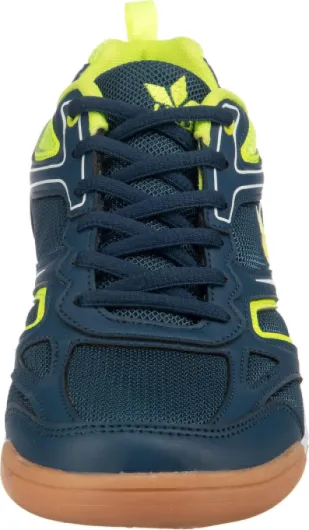
Everything about the materials screams practical and cost-controlled. The upper is fully synthetic, and you can feel it right away: it has that slightly plasticky touch, not the soft feel of mesh and leather mixes you get on more expensive indoor shoes. The inner lining is textile, a bit rough at first but not irritating once you’ve got socks on and you’re moving. The plus side of all this synthetic stuff is that the shoes are relatively light, and they don’t soak up sweat like crazy.
The sole is rubber, with a light profile. Flex-wise, they bend decently at the forefoot, so you’re not fighting the shoe on quick pushes. The cushioning in the midsole feels like basic EVA or something similar. There’s enough there so you’re not slamming your foot straight into the floor, but it doesn’t have that bouncy feel you get from higher-end foams. If you’re used to budget trainers from discount sports shops, it’s about that level, maybe a touch better.
The insole is textile on top with some moderate padding underneath. It’s removable, which is good news if you use your own orthotics or want to swap in a better insole. I actually tried them with a slightly thicker aftermarket insole, and that immediately made them more comfortable, especially for longer sessions. So the shoe works okay as a base if you plan to upgrade the inside. Out of the box, the insole is fine for shorter workouts but nothing special.
Breathability is average. The synthetic upper doesn’t vent as well as a fully mesh shoe. After about an hour of play, my feet were warm but not completely drenched. If you’re someone who sweats a lot, you’ll want decent sports socks. Also, since they’re synthetic, don’t expect them to stretch much. What you feel on day one is roughly what you’ll have long term, which matters if they’re already tight in width. Overall, the materials match the price: not premium, a bit basic, but practical enough for indoor use.
Durability: holding up well so far for a budget shoe
Durability is always the big question with cheaper sports shoes. Based on my use and what I see in the reviews, these Lico shoes are surprisingly decent in that area. I’ve been using them a couple of times a week on indoor courts and in the gym. So far, the sole hasn’t peeled, the stitching is intact, and there are no big signs of the upper cracking or tearing. They definitely don’t feel like they’re going to fall apart after a month.
The rubber sole shows some normal wear on the contact points, but nothing alarming. The grip is still good, and I don’t see bald spots yet. The synthetic upper is holding its shape; it doesn’t stretch much, which is good for stability but also means it won’t "break in" a lot if it’s tight from the start. The inner lining and heel area also look okay so far—no holes or heavy fraying where the heel rubs, which is usually the first place cheap shoes fail.
One Amazon review mentioned using them for badminton for over 12 months and being happy with how they held up, which matches my feeling: they’re built well enough for regular casual use. If you’re training hard five times a week, I wouldn’t expect miracles. But for 1–3 sessions a week, they seem to cope fine. The fact that several people say they’d buy them again is a good sign at this price point.
The only area I’d watch long term is the cushioning. With cheaper EVA-type midsoles, you usually lose some softness after a while. I can already feel they’re not super plush, so if they flatten a bit more, it could get a bit hard underfoot. That’s partly fixable with a better insole. Overall, for the money, durability is pretty solid. They feel like shoes you can beat up for a season or more without babying them, which is exactly what I want from budget indoor trainers.
On-court performance: light, grippy, and decent for the price
In actual use, these Lico Airsoft Indoor shoes did better than I expected for the price bracket. The biggest positive is the grip. The rubber sole sticks well to standard indoor sports floors. During badminton and some light agility drills, I didn’t have any scary slips. You can plant, stop, and push off sideways without feeling like you’re on ice. For pickleball and basic indoor football, they should be fine too, as long as you’re not at a super competitive level where you need top-tier gear.
Another plus is the weight. They feel fairly light on the foot, which helps with quick steps and changes of direction. You don’t feel like you’re dragging bricks around. That said, the trade-off is that the sole doesn’t feel super beefy, so you don’t get a huge amount of shock absorption. For standard weekly sessions, it’s okay. If you’re playing several times a week or have knee issues, you might want something with more cushioning.
Stability is decent but not outstanding. The base is wide enough so you don’t feel wobbly, but because of the low-top cut and the moderate cushioning, you don’t get that locked-in, secure feeling you get from higher-end court shoes. For my level (casual to intermediate), it was fine. I could move quickly and didn’t feel like I was about to roll an ankle. But if you’re doing very explosive moves or heavy indoor football, I’d be cautious and maybe look for something with a bit more structure.
Over a few weeks of use, the performance stayed consistent. The grip didn’t suddenly vanish, and the cushioning didn’t completely flatten. They’re clearly designed for indoor sports and gym work and they do that job reasonably well. Just keep your expectations in check: they’re solid budget performers, not pro-level shoes. For the price, you get light, grippy, no-frills performance that works for casual play and training.
What you actually get with these Lico indoor shoes
On paper, these are simple indoor court shoes with a regular fit and medium width, low-top cut, and a rubber non-marking sole. They’re sold as unisex, but I tested the women’s sizing. The model is called "Airsoft Indoor", which sounds fancy, but in reality it just means light synthetic upper with a bit of cushioning in the sole. Nothing high-tech going on here, just standard indoor trainer construction.
The shoe is built with a synthetic outer and a textile inner lining. The insole is also textile, with cushioning that feels somewhere between minimal and moderate. It’s not one of those memory foam beds, but it’s not a rock either. The sole is rubber, relatively flat, with enough grip for sports like badminton, indoor football, or general gym work. They’re lace-up with classic eyelets, no velcro, no fancy tightening system. In short: basic, functional setup.
Lico markets them for indoor sports like football and general training, but in practice they’re fine for:
- Badminton / squash / pickleball
- Gym sessions (machines, light circuits, classes)
- Indoor walking or PE for kids/teens
If you expect fancy packaging or extras, forget it. You get a standard shoe box, the pair of shoes, and that’s it. No spare laces, no extra insoles. Honestly, that fits the price point. The overall presentation matches what I’d call "budget sports store" level: not ugly, not premium, just straightforward. The important part is how they feel on the court, and we’ll get to that next.
Pros
- Good grip and light feel for indoor courts and gym sessions
- Price is much lower than big-name indoor shoes while still being usable
- Durability is decent for casual use, with several users keeping them for a year or more
Cons
- Fit is narrow, especially in the forefoot, not ideal for wide feet
- Cushioning is only moderate and may not suit long sessions or sensitive joints
Conclusion
Editor's rating
Overall, the Lico Women’s Airsoft Indoor Court Shoe is a solid budget option for indoor sports and gym work, as long as your expectations are realistic. The grip on indoor floors is good, the shoes are light, and the build quality is better than what you usually see at this price. For casual badminton, pickleball, light indoor football, or general gym sessions, they do the job without fuss. They also look a bit more premium than their actual price, which is a nice bonus.
The downsides are pretty clear: they run narrow, the cushioning is only moderate, and the materials feel basic. If you have wide feet, sensitive joints, or you play very often and at a high intensity, you’ll probably be happier spending more on a higher-end model. But if you’re just after an affordable, no-nonsense indoor shoe for 1–3 sessions a week, and your feet are normal to narrow, they’re a practical choice that should hold up reasonably well.