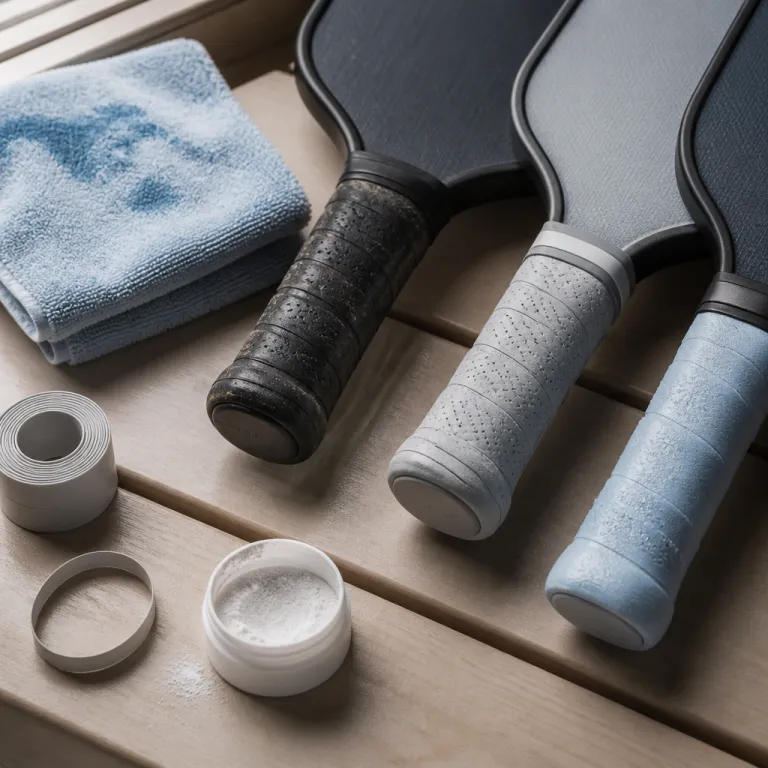
Why sweaty hands ruin control and how the right grip fixes it
When your hands start to sweat, even the best pickleball paddle can feel like a bar of soap. A slippery handle destroys control, reduces power, and makes every pickleball rally feel like a fight against your own equipment. Players who understand how perspiration, tacky materials, and paddle grip design interact can turn this weakness into a real advantage.
On a hot court or in humid conditions, the wrong pickleball grip forces you to squeeze the paddle harder, which tightens your forearm and kills touch at the kitchen line. A well chosen overgrip for pickleball instead gives a dry feel, better sweat absorption, and a more predictable response on every shot, so you can relax your hands and focus on ball placement. This is why serious players test several grips and paddle overgrips before deciding which option truly feels best under pressure.
If you regularly play pickleball outdoors, you have probably felt your paddle twist slightly on off center hits. That tiny movement means lost control, more mishits, and a higher risk of elbow strain, especially when your sweaty hands break contact with the handle. Choosing the best pickleball grips for sweating is not about fashion or a trendy light blue color; it is about building a secure connection between your hands and the paddle so your technique, not your grip tape, decides the outcome of each point.
Key features that define the best pickleball grips for sweating
Players who want the best pickleball grips for sweating should start with three pillars: sweat absorption, surface texture, and overall thickness. A good pickleball grip or overgrip must pull moisture away from your skin quickly, then maintain a dry feel long enough for an entire match. If the material becomes slick after a few games, your paddle grip will betray you exactly when the match gets tight.
Surface texture matters as much as raw tacky feel, because some players prefer a slightly rough, cloth like overgrip while others like a smoother, more rubbery pickleball grip. When you read product descriptions, pay attention to whether the manufacturer emphasizes sweat absorption, long lasting tack, or pure comfort, since each focus changes how the paddle feels during play. For example, a very tacky grip can feel amazing at first contact but may become too sticky in humid conditions, while a more porous grip tape can stay consistent even when your hands are dripping.
Thickness also shapes control and comfort, especially if you already own several pickleball paddles with different handle sizes. A thin paddle overgrip lets you fine tune the circumference without losing feedback from the pickleball paddle core, which many control oriented players value. If you need to build up the handle more significantly, layering multiple paddle overgrips or using a thicker base grip can help, but remember that too much bulk can reduce feel and make quick grip changes harder during fast kitchen exchanges.
For readers choosing a full setup, it is smart to align your grip choice with your racket selection, and a guide on how to choose the right paddle and ball set for serious pickleball play can complement your grip decisions. Matching the right pickleball paddles, balls, and grips ensures that your equipment works together instead of forcing constant compromises. Once you understand how each element affects control, power, and comfort, you can identify the best pickleball combination for your style rather than copying someone else’s setup.
Tourna style overgrips, tacky options, and what sweaty players really need
Among players with sweaty hands, Tourna style overgrips have earned a strong reputation for their dry feel and aggressive sweat absorption. The classic Tourna Grip, often seen in a distinctive light blue color, was originally popular in tennis but now appears on many pickleball paddles as well. When wrapped correctly over a standard pickleball grip, this type of overgrip can transform a slippery paddle into a reliable tool for long matches.
Tourna Grip is designed to feel almost chalky when dry, then become grippier as it absorbs sweat, which is why many players consider it one of the best pickleball grips for sweating. Some pickleball athletes also experiment with Tourna Tac, a related product that offers a more tacky surface while still managing moisture reasonably well. If you like a slightly sticky feel but still need strong sweat absorption, alternating between Tourna Grip and Tourna Tac on different paddles can help you decide which balance of tack and dryness suits your play.
Specialized paddle overgrips marketed as pickle grips or overgrip for pickleball often use similar materials but tweak thickness, cushioning, or surface pattern. When you read user report comments on retail platforms such as Amazon, pay attention to how players describe the feel after several weeks, not just on day one. A grip that feels the best straight out of the package may lose its edge quickly, while a more modest looking grip tape can deliver consistent control and comfort across many intense sessions.
To narrow the field, many players start by testing four to six well known options: a classic dry Tourna style overgrip for extreme sweat, a slightly tacky synthetic grip for mixed conditions, a cushioned comfort grip for players with tender hands, a thin high feedback overgrip for control specialists, and a perforated, ventilated grip for very humid climates. Each category trades a bit of one quality—such as cushioning or stickiness—for gains in another, so comparing them side by side under the same court conditions quickly reveals which profile matches your game.
How to wrap, secure, and maintain a sweat proof pickleball grip
Even the best pickleball grips for sweating will fail if they are wrapped poorly or left to degrade. Start by removing any worn grip tape or overgrip from your paddle, then clean the handle lightly so the new pickleball grip adheres properly. When you apply a fresh paddle overgrip, begin at the butt cap, stretch the material gently, and overlap each turn by a few millimetres for consistent thickness.
Most quality paddle overgrips include a small piece of finishing tape, which you should place firmly at the top of the handle to prevent unraveling during play. If your kit does not include finishing tape, a thin strip of electrical tape can work, but avoid bulky layers that change the feel of the paddle grip. Once wrapped, hold the paddle as you would in a real rally and check whether your fingers and thumb sit comfortably without sharp edges or loose sections.
Maintenance is just as important as the initial wrap, especially for players whose hands sweat heavily in humid conditions. If your overgrip for pickleball becomes dark, slick, or starts to smell, it is time to replace it, even if the underlying grip still looks intact. Competitive players often change their pickleball grips or paddle overgrips every few weeks, while recreational players might stretch them longer but should still monitor feel and control closely.
Some athletes keep multiple paddles in rotation, each with a slightly different grip thickness or texture, so they can adapt to changing weather and sweat levels. When you read your own match notes or mental report after a session, pay attention to whether missed shots came from poor technique or from the paddle twisting in your hands. If the latter is true, a fresh grip or a different overgrip pickleball option is usually a cheaper and more effective fix than buying a new pickleball paddle at a higher price.
Matching grip choice to playing style, pro habits, and real court conditions
Grip selection should always reflect how you actually play pickleball, not just what looks good in a product photo. Touch oriented players who rely on dinks, drops, and resets usually prefer a thinner, less cushioned pickleball grip that maximizes feedback from the paddle face. Power hitters and singles specialists may choose slightly thicker grips or multiple paddle overgrips to reduce vibration and protect their hands during heavy drives.
Professional players such as Tyson McGuffin often adjust their paddle grip setups depending on venue, lighting, and climate, which shows how sensitive performance can be to small changes. While you may not copy a full Tyson McGuffin configuration, you can still learn from this approach by testing different grips in both dry and humid conditions. For example, you might use a more tacky grip tape for indoor play, then switch to a high absorption Tourna Grip style overgrip for outdoor tournaments where sweat becomes a bigger factor.
Recreational players sometimes underestimate how much their hands change during a long day of pickleball, especially when they rotate between several paddles. A grip that feels perfect during warm up can become too slick or too soft after hours of sweat and repeated impact. Keeping a small roll of spare grip tape, a couple of light blue Tourna Grip strips, and some finishing tape in your bag ensures that you can refresh your paddle grip quickly instead of fighting a slippery handle all afternoon.
Footwork and stability also interact with grip confidence, because when your shoes slip, your hands often overcompensate by squeezing the paddle harder. Players who invest in supportive footwear, such as dedicated court shoes reviewed in guides to high performance pickleball shoes, often report better balance and a lighter hold on the paddle. That relaxed hold, combined with the best pickleball grips for sweating, lets you swing freely, maintain control, and keep your focus on strategy instead of equipment problems.
Buying smart: price, availability, and what to test first
When you start searching for the best pickleball grips for sweating, the range of options and price points can feel overwhelming. Many players begin with multi pack overgrips sold on Amazon, because these offer a low cost way to test different textures, thicknesses, and colors such as the popular light blue Tourna style. Buying several types at once lets you compare how each grip behaves under real sweat and pressure instead of relying only on marketing claims.
For most players, the base grip that comes on a new pickleball paddle is serviceable but rarely optimized for sweaty hands. Adding a dedicated overgrip for pickleball on top of that stock grip usually delivers a noticeable improvement in control, comfort, and sweat absorption. If you already own multiple pickleball paddles, you can wrap each one with a different paddle overgrip, then rotate them during a single session to feel which combination truly performs best.
When you read product descriptions and user report sections, look for comments that mention sweaty hands, humid conditions, and long match performance rather than only initial tacky feel. Some players prioritize a very sticky pickleball grip, while others value a more neutral dry feel that stays consistent even when drenched. The best pickleball choice for you is the one that keeps the paddle stable in your hands from the first warm up dink to the final match point, without forcing you to over squeeze or constantly wipe your palms.
Remember that a roll of quality grip tape or a pack of paddle overgrips costs far less than a new high end pickleball paddle, yet can change your confidence dramatically. Treat grips and overgrips as consumable performance parts, just like balls or shoes, rather than permanent accessories. With a small investment in the right pickle grips and a habit of regular replacement, you can maintain pro level control and comfort even if you are still working toward your own best pickleball ranking.
Key statistics on sweat, grip performance, and pickleball play
- Sports science research on racket sports has reported that hand and forearm strength can decline noticeably after prolonged play in hot, humid conditions, which directly affects control and shot accuracy for pickleball players. Studies on tennis and squash athletes, for example, consistently show measurable drops in grip force as fatigue and heat build up.
- Laboratory tests on overgrip materials in tennis and similar sports indicate that modern synthetic grips can absorb substantial amounts of moisture relative to their dry weight, which helps explain why dry feel overgrips remain effective for full matches even with heavy sweat. Exact absorption figures vary by brand and material, but high absorption polyurethane and non woven fabrics are typically used when moisture management is a priority.
- Market analyses of racket sport accessories indicate that overgrips and grip tape represent a significant share of equipment upgrades, reflecting how many players rely on fresh grips rather than changing paddles to improve feel and control. Industry reports from sporting goods associations regularly list grips among the top selling consumables for tennis, badminton, and pickleball.
- In surveys of recreational and competitive racket sport athletes, a large majority report that they change their overgrip at least once per month during peak season, highlighting the importance of regular grip maintenance for consistent performance. Club level questionnaires in tennis and badminton show similar replacement habits, which translate well to pickleball play even though exact frequencies differ between individuals.
FAQ: best pickleball grips for sweating
Which type of grip is best for very sweaty hands ?
Players with very sweaty hands usually benefit from high absorption overgrips that prioritize a dry feel over extreme tackiness. Tourna Grip style products and similar cloth like overgrips tend to perform well in humid conditions. These grips pull sweat away from the skin, keeping the paddle stable without requiring an excessively tight hold.
Should I use an overgrip on top of the stock pickleball paddle grip ?
Most players with moisture issues gain better control by adding an overgrip for pickleball on top of the original handle. The extra layer improves sweat absorption and lets you fine tune thickness for your hand size. If the handle becomes too large, you can remove the stock grip and use only a base wrap plus a thin overgrip.
How often should I replace my pickleball grip or overgrip ?
Replacement frequency depends on how often you play pickleball and how much you sweat. Competitive players often change overgrips every one to three weeks, while casual players might wait longer but should replace them once the surface feels slick or loses its texture. Any visible wear, darkening, or odor is a clear sign that performance has dropped.
Is a tacky grip always better for control ?
A tacky pickleball grip can feel secure initially, but it is not always best in very humid conditions. If the surface becomes too sticky, it can grab your skin and interfere with quick grip adjustments during fast exchanges. Many players prefer a balance of moderate tack and strong sweat absorption for reliable control across different weather conditions.
Do professional players change their grips for different venues ?
High level players, including well known competitors like Tyson McGuffin, often adjust their paddle grip setups based on climate and court conditions. They may choose more absorbent overgrips for outdoor events and slightly tackier options for controlled indoor environments. Recreational players can apply the same logic by keeping a few different grip types in their bag and rotating them as conditions change.