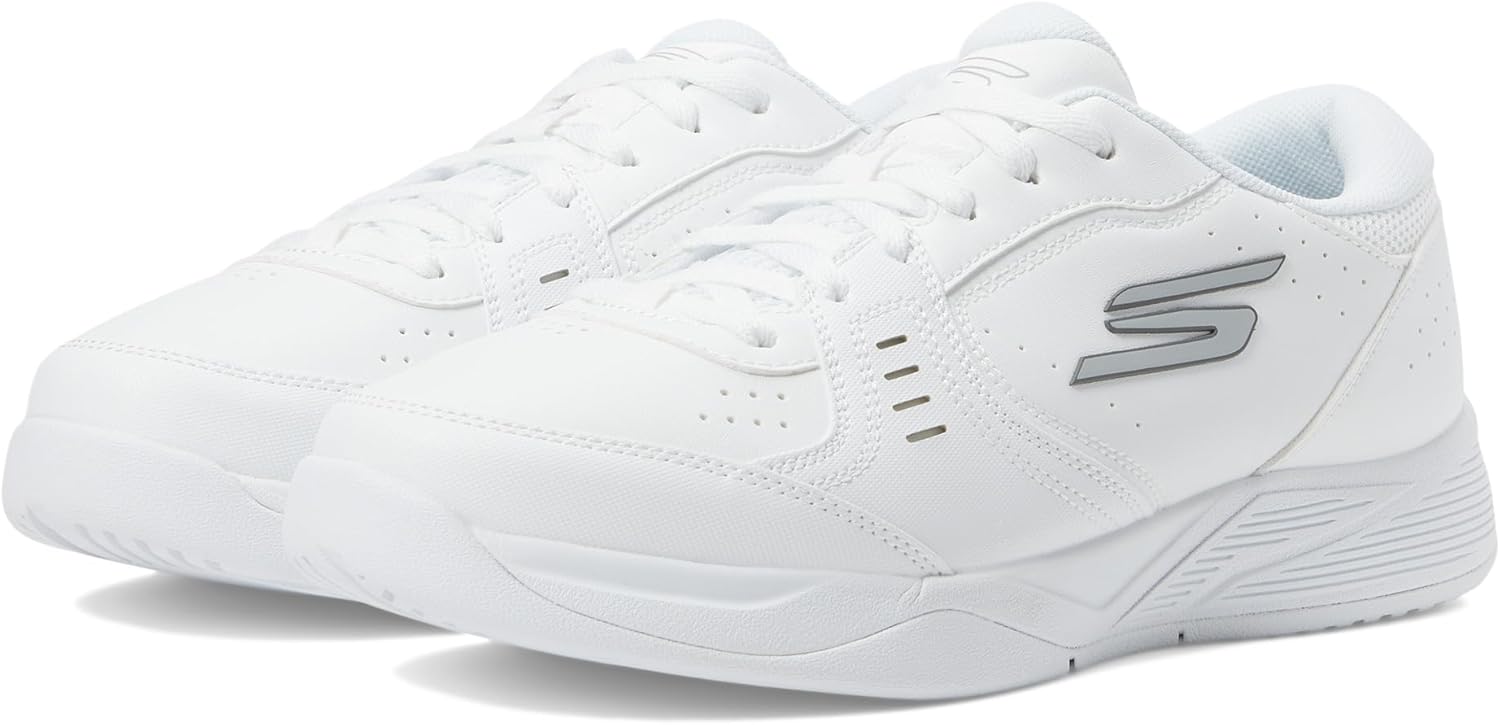
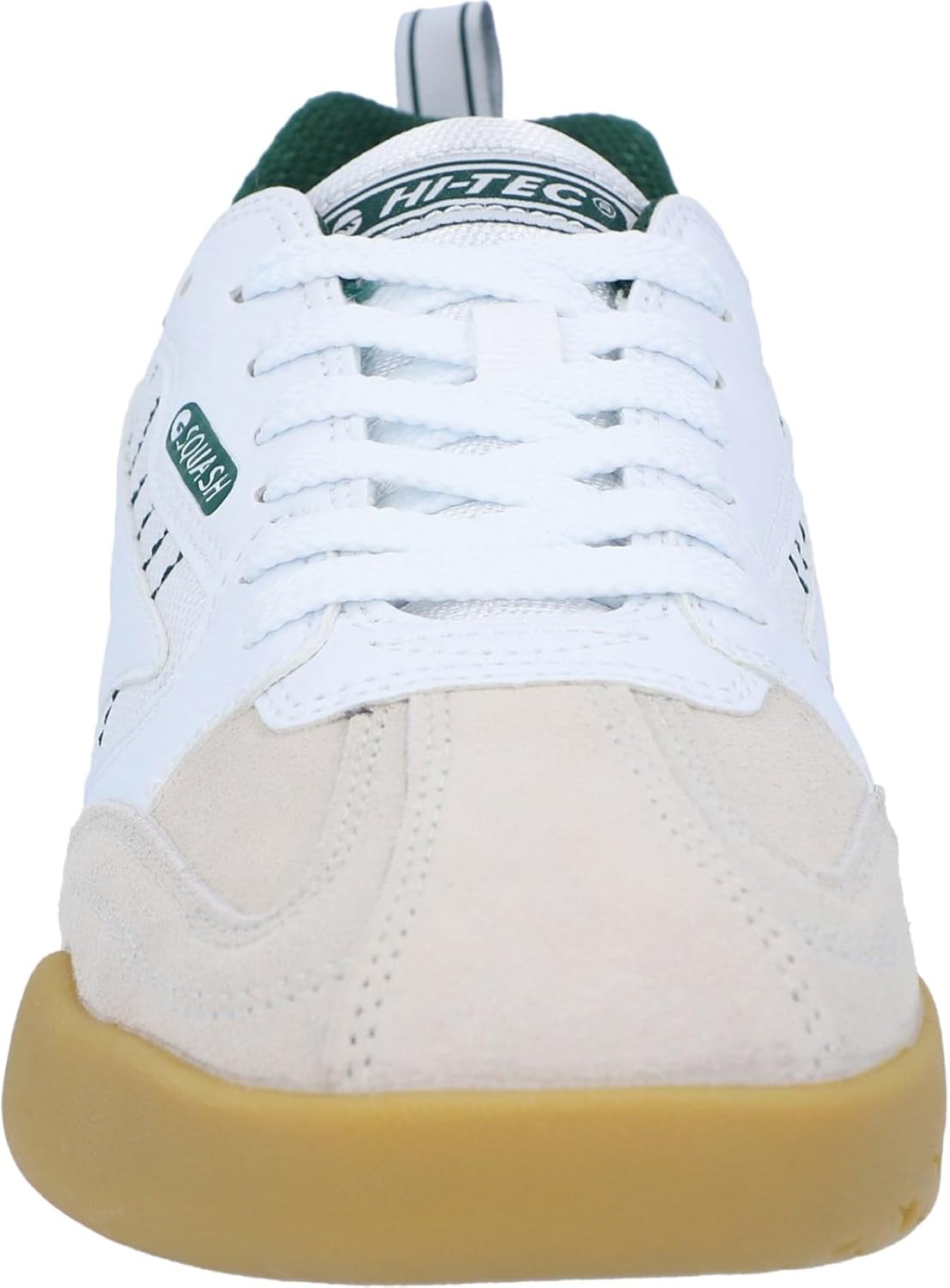
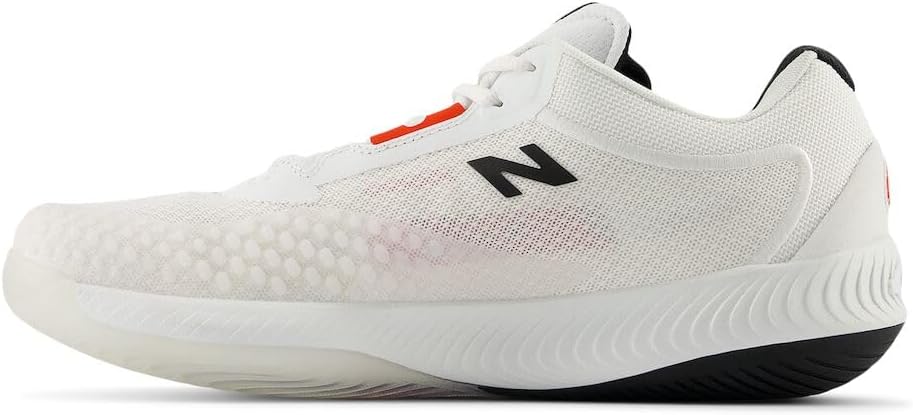
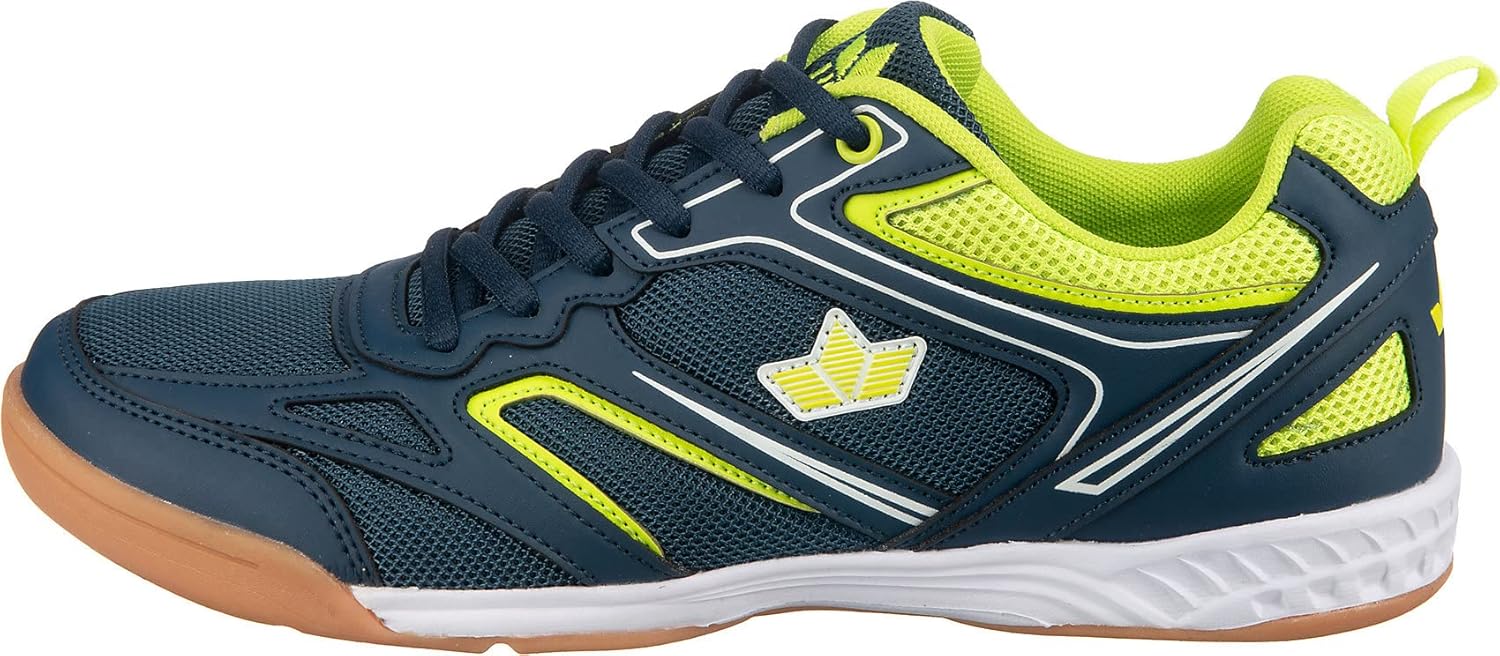
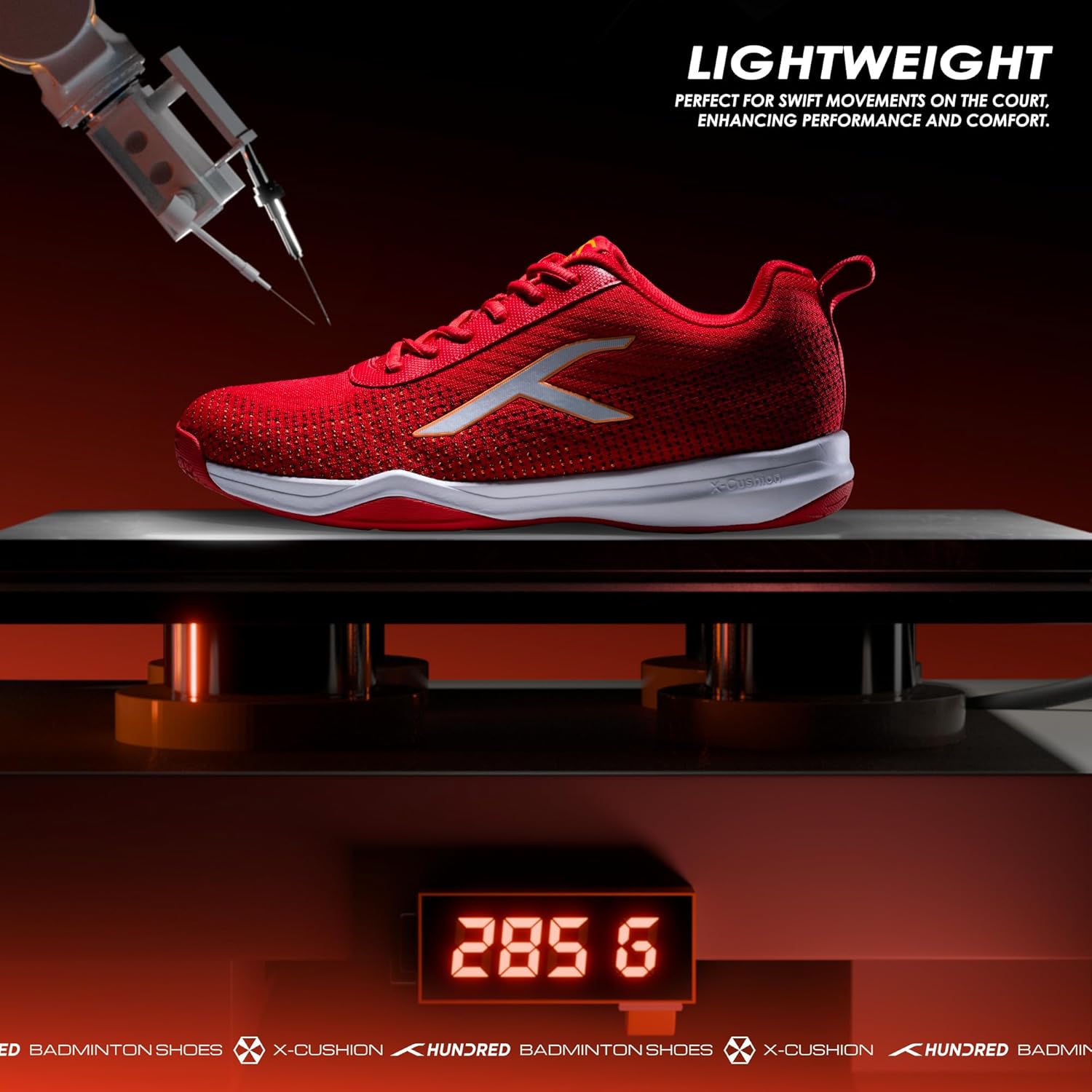
Key features that define top performing indoor court pickleball shoes
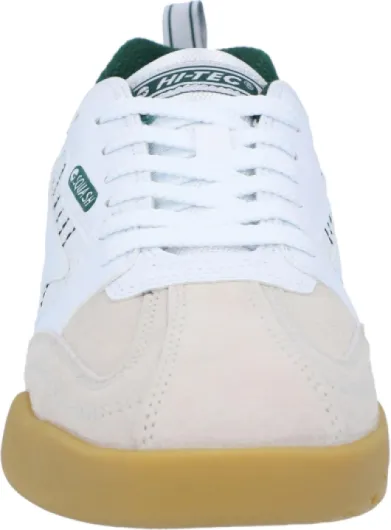
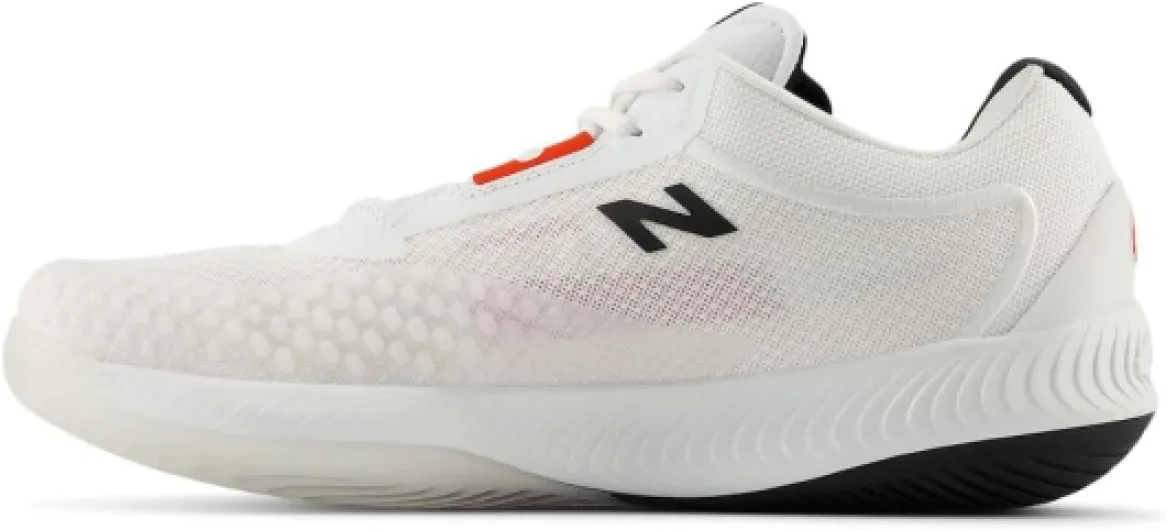
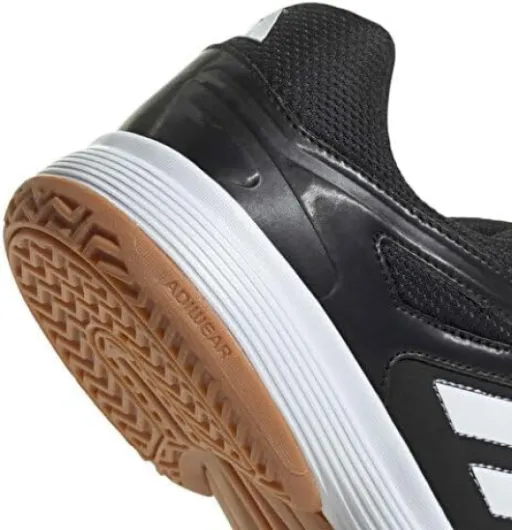
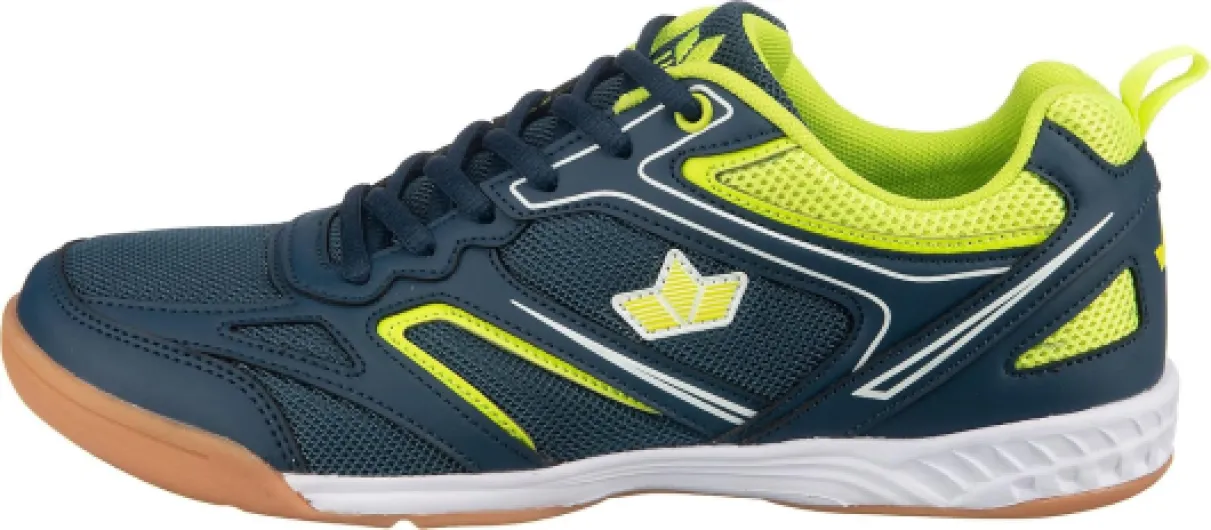
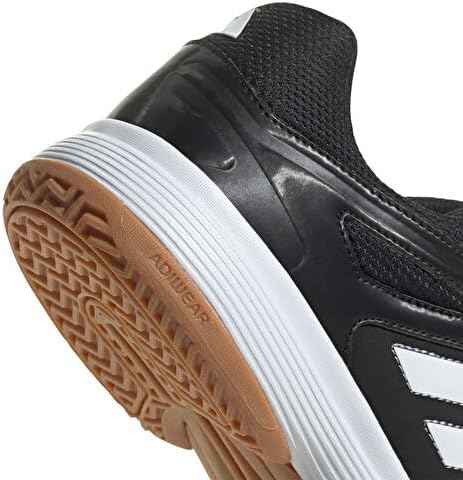
Several technical features consistently appear in the best indoor court pickleball shoes for both men and women. First, the outsole pattern must suit indoor courts, with fine herringbone or multidirectional grooves that provide grip during quick stops without leaving marks on the court. A good indoor pickleball shoe will also use non marking rubber that performs well on wooden and synthetic indoor court surfaces while maintaining stability when you slide slightly into a shot.
Second, the upper construction of court shoes for pickleball should lock the midfoot securely while allowing the forefoot to flex naturally. Many top indoor court models for shoes pickleball use reinforced sidewalls and integrated lacing systems that pull the shoe around your feet, which improves lateral support during sharp cuts. When you compare shoes indoor options, pay attention to how the collar and tongue wrap the ankle, because a well padded but low profile design often delivers the best blend of comfort and court feel.
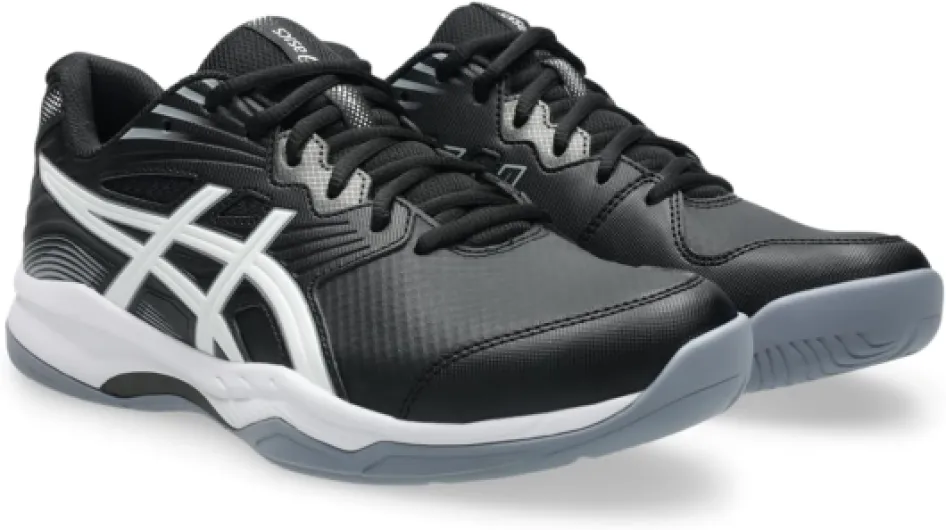
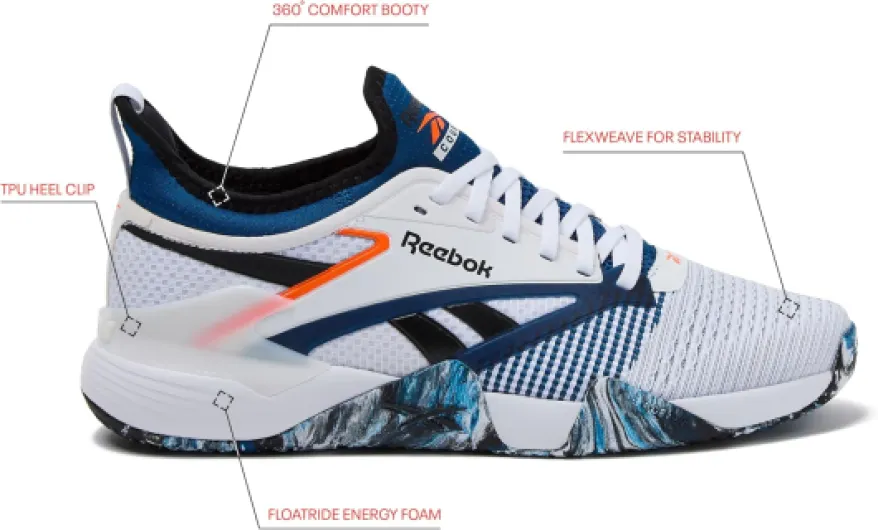
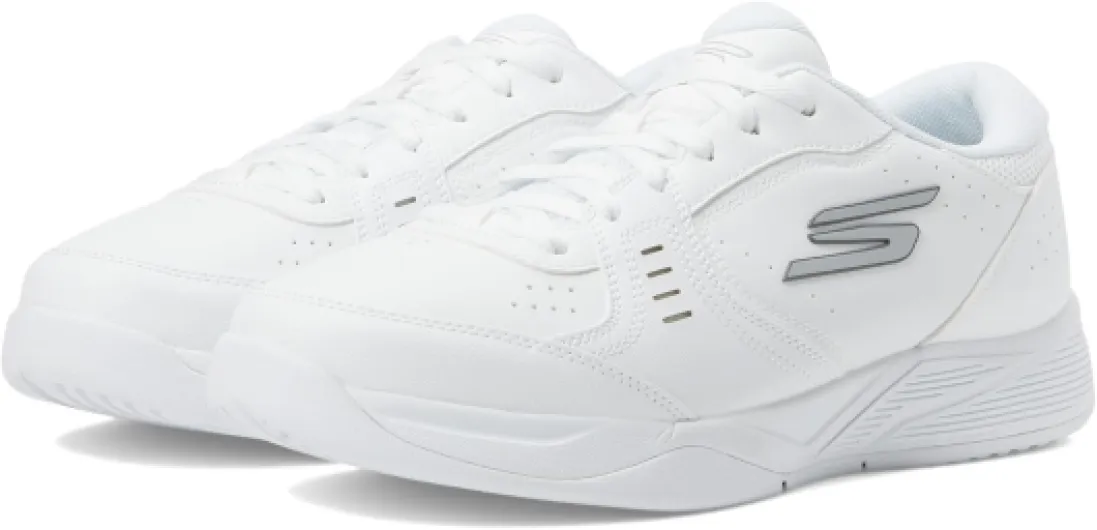
Third, players who transition from tennis to pickleball often ask whether their existing tennis shoes can serve as their primary indoor outdoor footwear. While some tennis shoes perform reasonably on indoor courts, dedicated indoor court pickleball shoes usually offer a lower weight, a more flexible forefoot, and a more pickleball specific traction pattern. For a detailed comparison of leading models, including several court pro designs and specialized indoor court lines, you can consult this in depth guide to top indoor court pickleball shoes, which breaks down outsole compounds, cushioning systems, and fit profiles for different types of feet.
Fit, comfort, and injury prevention for indoor pickleball players
Fit determines whether even the best indoor court pickleball shoes will actually help or harm your performance. A shoe that is too tight in the forefoot can compress your toes during lateral moves, while a shoe that is too loose around the heel can undermine stability and reduce grip on the court. Indoor pickleball players with wider feet often benefit from a pickleball shoe with a roomier toe box, because this allows natural toe splay during explosive pushes off the line.
Comfort is not only about soft cushioning but also about how the shoe supports your biomechanics over long sessions on indoor courts. If you play several matches in a row, a low but responsive midsole can reduce fatigue in your feet and calves, especially when combined with a supportive insole that matches your arch type. Many men and women who previously used generic outdoor shoes for both outdoor pickleball and indoor pickleball later report fewer aches once they switch to purpose built shoes indoor that match their foot shape and playing style.
Injury prevention on any court starts with stability, and this is where court shoes designed for pickleball differ from running shoes or casual sneakers. A stable base with a slightly wider platform under the forefoot helps you resist ankle rolls when you plant and pivot, while a secure heel counter keeps the rear of the shoe aligned with your lower leg. For players who struggle with toe pain or blisters, a specialist resource on why a wide toe box in pickleball shoes matters explains how a better fitting pickleball shoe can improve both comfort and long term performance on indoor courts.
Comparing indoor court pickleball shoes with outdoor and tennis options
Many players start with one pair of shoes for everything and only later realize that the best indoor court pickleball shoes differ significantly from outdoor shoes and classic tennis shoes. Outdoor pickleball on rough concrete or textured outdoor courts demands a more durable outsole, while indoor courts reward softer rubber and more flexible construction. If you use a heavy outdoor pickleball shoe on a smooth indoor court, you may experience reduced grip, slower acceleration, and less precise footwork during play.
Tennis shoes, especially models built for hard courts, share some traits with pickleball shoes but are not always optimized for indoor pickleball. Hard court tennis shoes often prioritize abrasion resistance and may feel stiff or high off the ground, which can compromise the low, agile stance preferred by many pickleball players. When you compare shoes price across categories, you may find that a mid range indoor court pickleball shoe offers better value than a premium tennis model, because every design element focuses on the specific demands of pickleball courts.
Hybrid indoor outdoor footwear can work for recreational players who split time between indoor courts and outdoor courts, but serious competitors usually maintain separate pairs. A dedicated indoor court shoe preserves its grip longer when it is not worn on abrasive outdoor surfaces, and this consistent traction supports more confident lateral moves. If you are building a complete equipment setup that matches your footwear to your paddle, a specialized guide to top tournament grade pickleball paddles can help you align your paddle choice with the same performance priorities that shape your indoor court shoe selection.
Notable indoor court pickleball shoe lines and technologies
Several performance lines illustrate how brands tailor technology to create the best indoor court pickleball shoes for different player profiles. The Babolat Jet Mach series, originally developed as lightweight tennis shoes, has evolved into a popular option for fast moving pickleball players who value a low ride and responsive cushioning on indoor courts. Many men and women appreciate how the Jet Mach upper wraps the midfoot tightly while leaving enough room in the forefoot for natural toe movement during aggressive play.
Another example is the viper court family of court shoes, which focuses on stability and grip for players who prefer a more planted stance on the court. These models often feature a slightly wider base and reinforced sidewalls, which can benefit players with powerful lateral movements who still want a relatively low shoe profile. When evaluating the shoes price of such lines, consider how long the outsole compound maintains traction on indoor courts, because a durable yet grippy rubber can justify a higher initial price over time.
Specialized cushioning systems also shape the feel of indoor court footwear, as seen in models that use Gel Dedicate style inserts or similar gel based technologies under key pressure points. Some men Gel variants and men Revolt inspired designs combine gel cushioning with firm sidewalls to balance comfort and support for heavier or more explosive players. For women who need a lighter shoe with reliable grip, several indoor court lines adapt these technologies into women specific lasts, ensuring that the pickleball shoe fits the contours of smaller feet without sacrificing stability on fast courts.
Budget, durability, and practical buying advice for indoor court shoes
Price often guides the final decision, but the best indoor court pickleball shoes are not always the most expensive models on the shelf. A well constructed mid tier indoor court shoe can deliver excellent grip, adequate cushioning, and solid support for both men and women who play several times per week. When you compare shoes price, evaluate cost per hour of play by considering how long the outsole, upper, and cushioning maintain performance on indoor courts.
Durability depends heavily on how and where you play pickleball, because frequent use on dusty courts or mixed indoor outdoor surfaces can wear down even premium court shoes. If you regularly move between indoor pickleball and outdoor pickleball, consider keeping one pair strictly for indoor courts and another pair of outdoor shoes for rougher outdoor courts. This simple habit preserves the grip of your indoor court footwear, maintains stability during sharp cuts, and extends the overall lifespan of each shoe.
Practical buying decisions also involve trying on multiple pickleball shoes to assess fit, comfort, and court feel before committing. Test how the shoe responds to quick lateral shuffles, short sprints, and sudden stops, paying attention to whether your feet stay centered over the sole without sliding inside the upper. Players who prioritize a professional level of performance often invest in a court pro grade indoor court model, because this category usually offers the most refined balance of grip, stability, and long term comfort for serious pickleball play.
Key statistics about indoor court pickleball shoes and performance
- Market research from major sporting goods retailers shows that sales of dedicated pickleball shoes have grown by more than 80 percent over the last three full seasons, reflecting a clear shift away from generic tennis shoes among regular players.
- Surveys of competitive pickleball athletes indicate that over 60 percent now use separate indoor court and outdoor shoes, which helps preserve grip and stability on smooth indoor courts while extending overall footwear lifespan.
- Biomechanical studies on court sports report that lateral cutting forces in pickleball can reach up to three times body weight, which underscores the importance of strong sidewall support and a wide base in indoor court shoes.
- Injury audits from sports medicine clinics suggest that players who switch from running shoes to purpose built court shoes reduce ankle sprain incidence by roughly 30 percent, largely due to improved stability and more appropriate traction patterns.
- Consumer testing panels frequently rate comfort and fit as contributing more than 50 percent of overall satisfaction scores for indoor court footwear, ranking these factors above brand name and initial price when evaluating value.