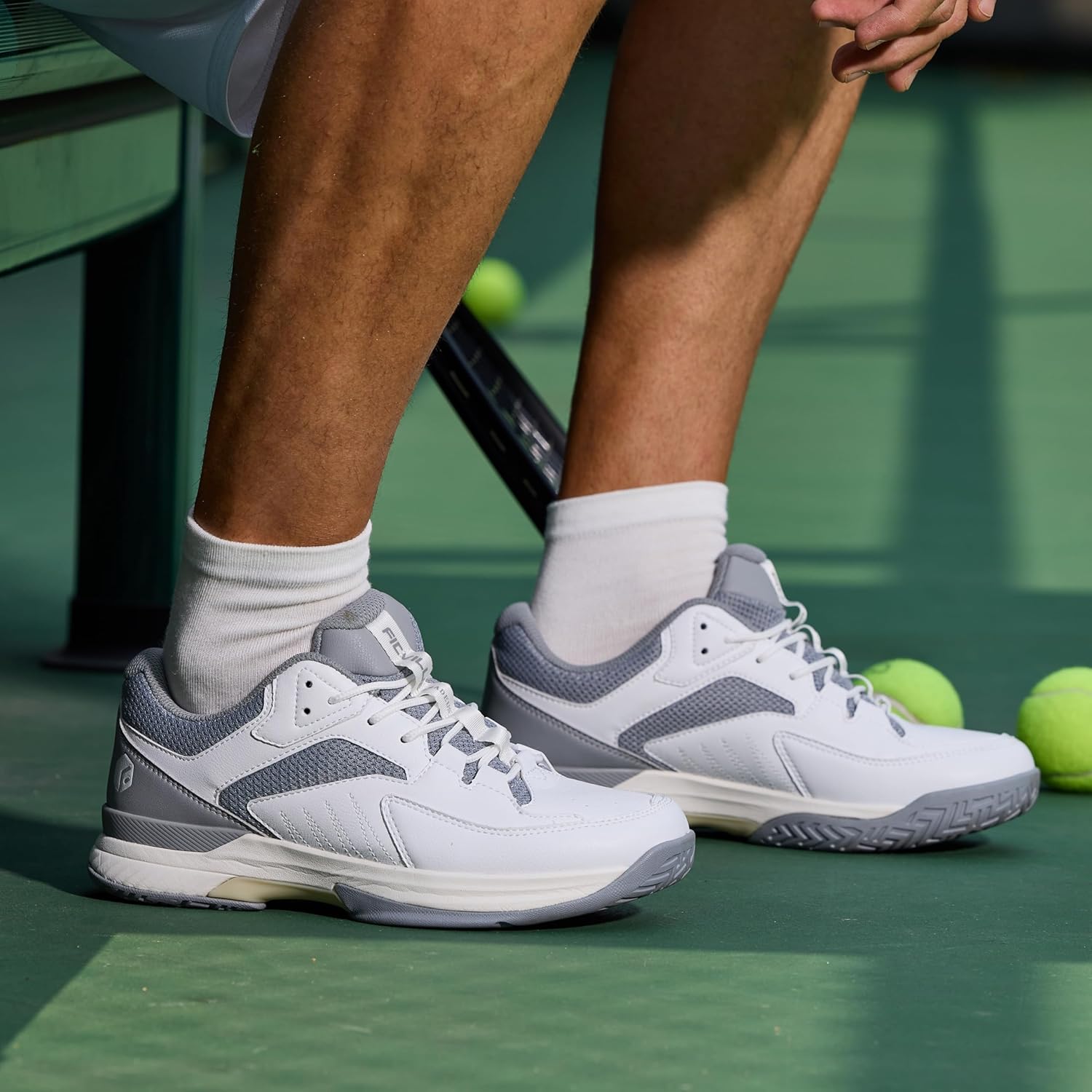
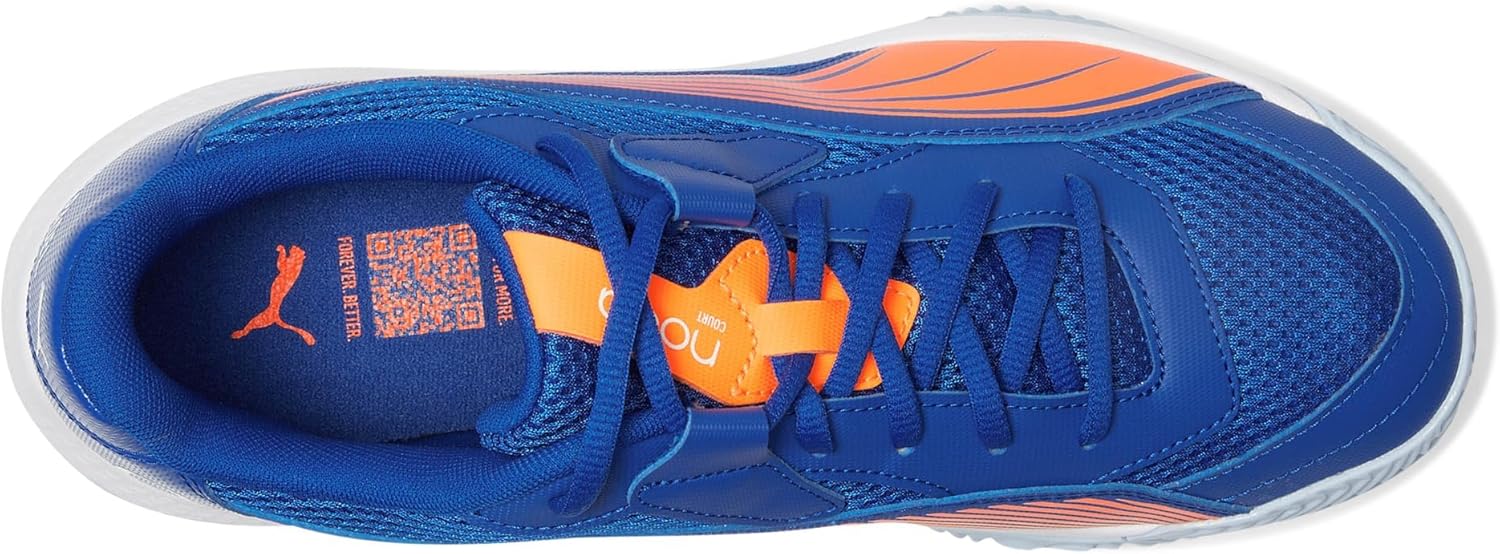
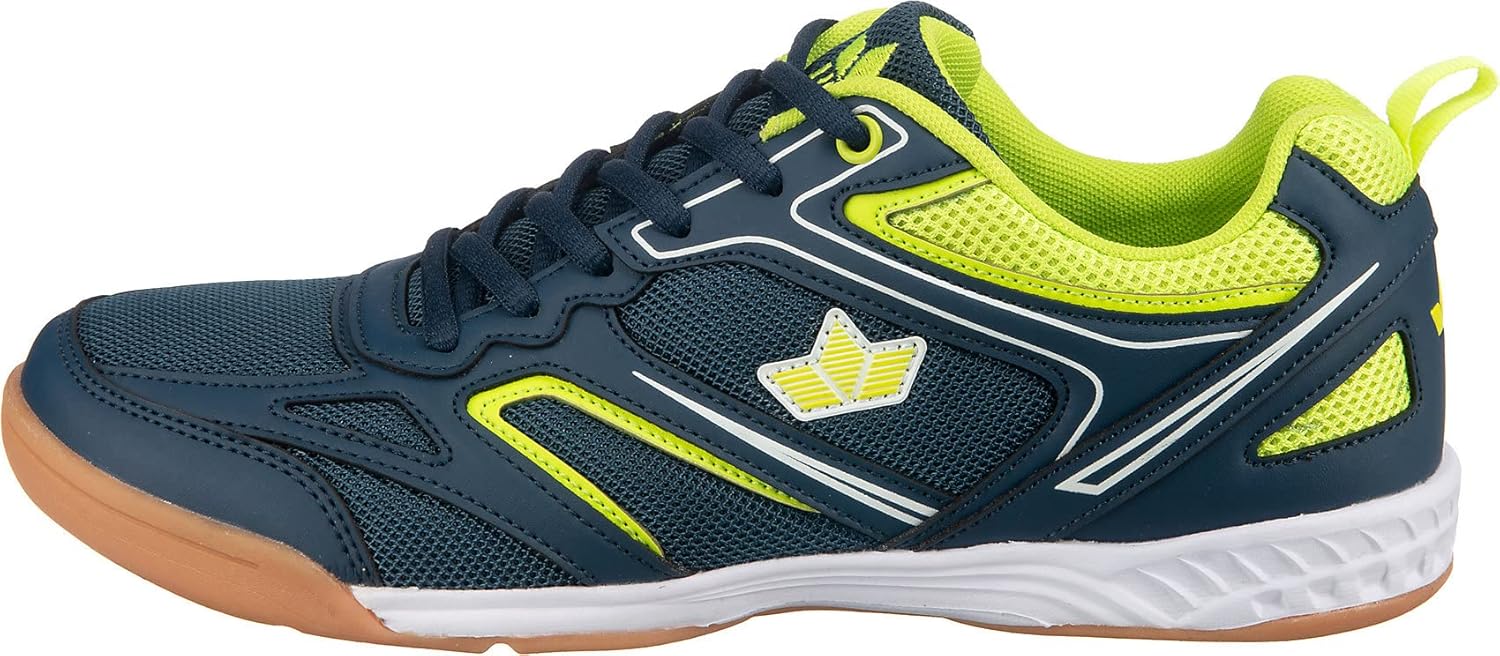
Key features that define the best non marking sole pickleball shoes
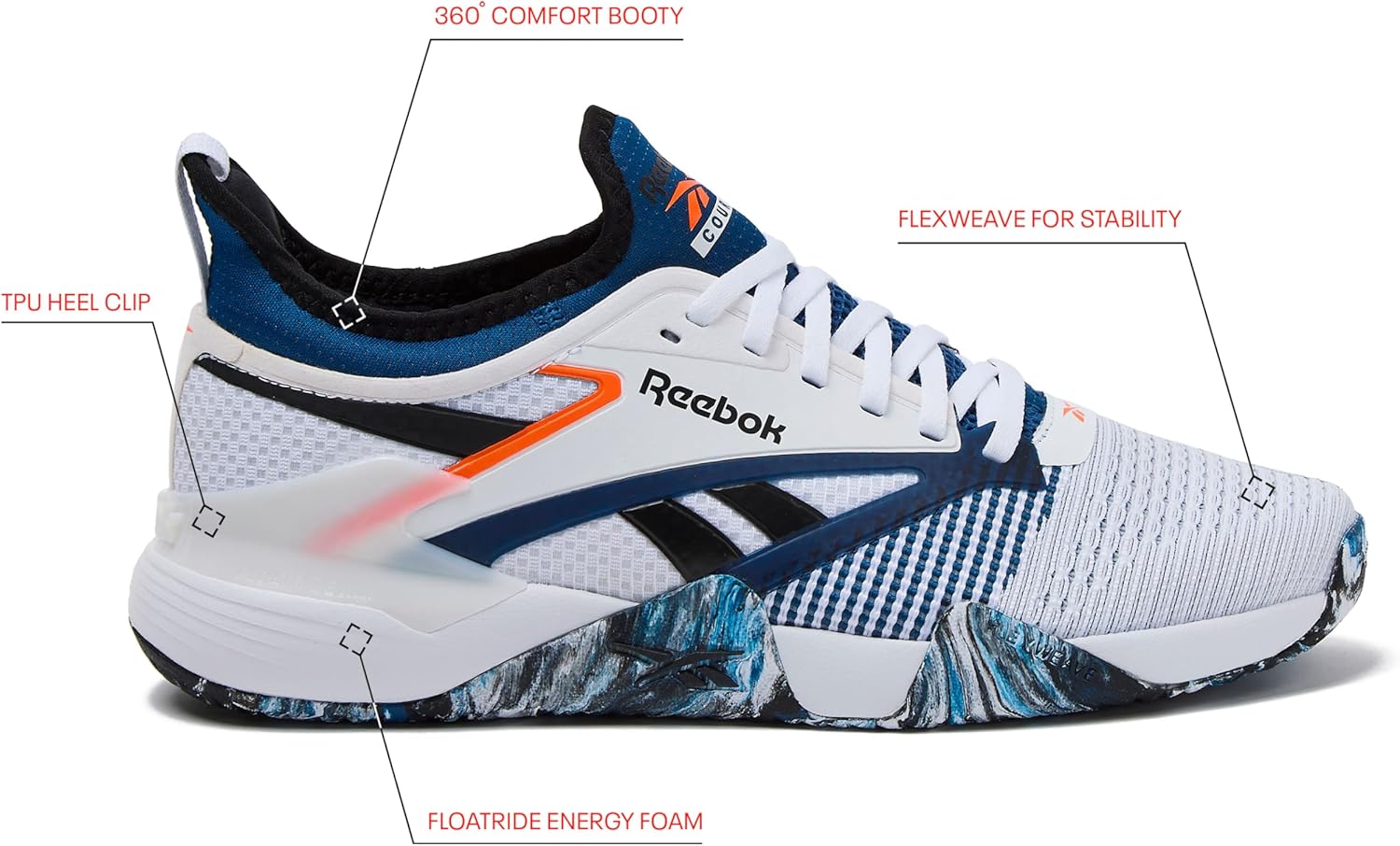
The best non marking sole pickleball shoes share several technical traits that separate them from generic tennis shoes or running shoes. First, the outsole uses a softer rubber compound and a tread pattern designed for multi directional grip, which helps you stop quickly without leaving marks on the court. Second, the midsole and upper are tuned for lateral support, ankle support, and arch support rather than straight line speed.
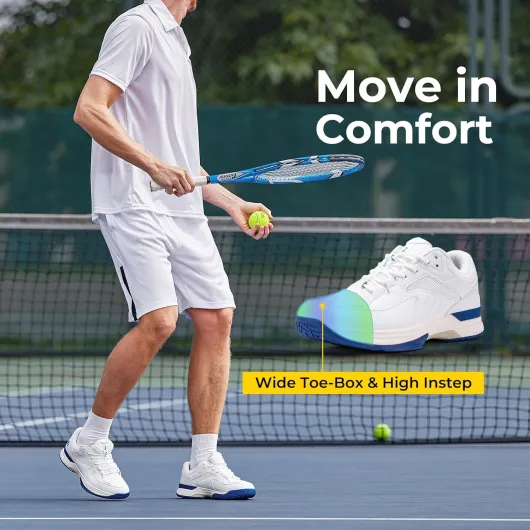
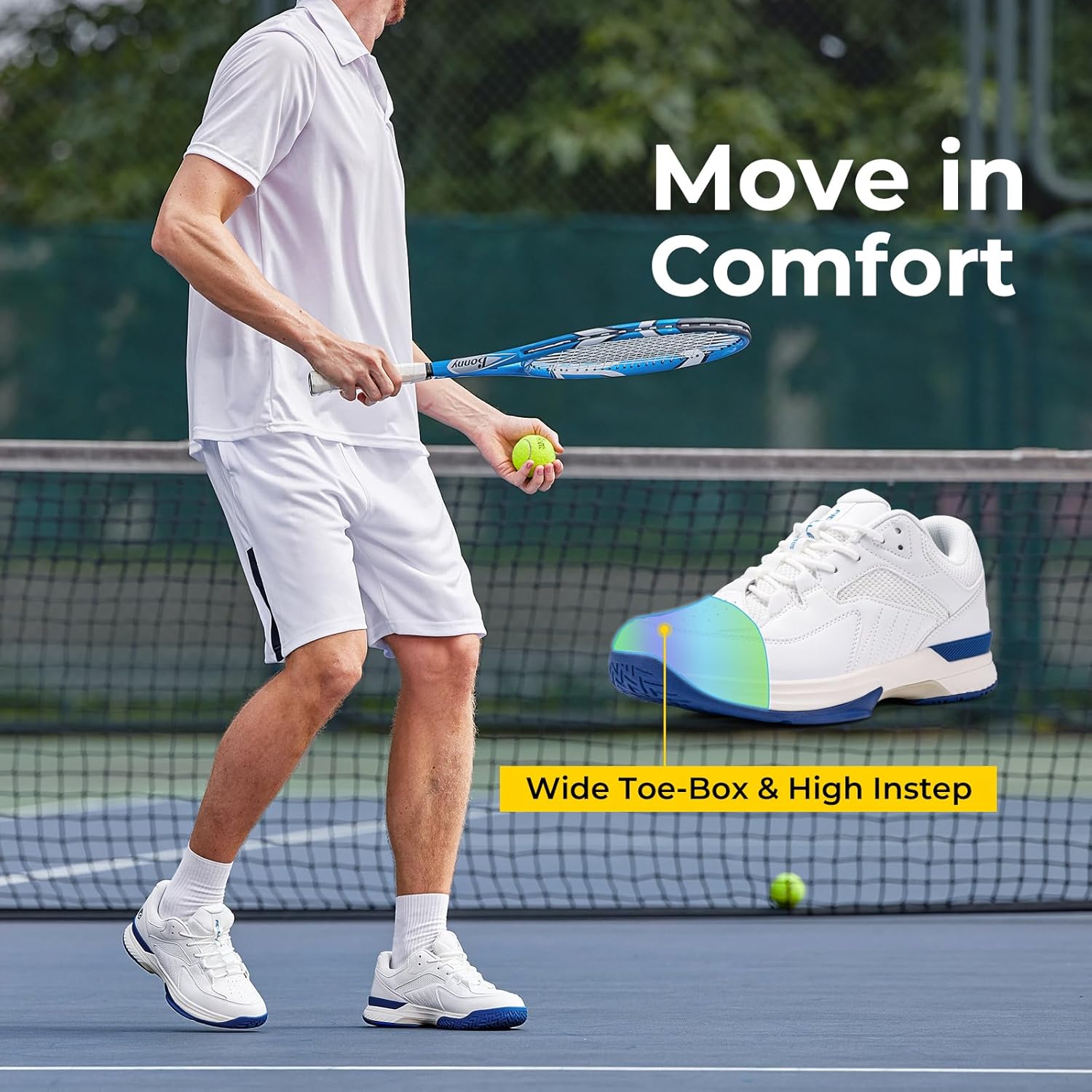
When you evaluate any pickleball shoe, look closely at the toe box, because a cramped front section can cause black toenails during aggressive play at the net. Players with wide feet often need either a dedicated wide size or at least a half size up, especially in stiffer court shoes from top brands that run narrow. Reading the fit notes on a product page before you buy, whether on a specialist retailer or on Amazon, can save you from an expensive return and wasted loading time between matches.
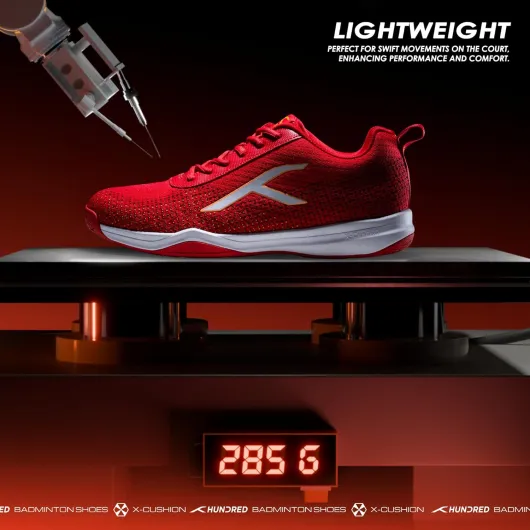
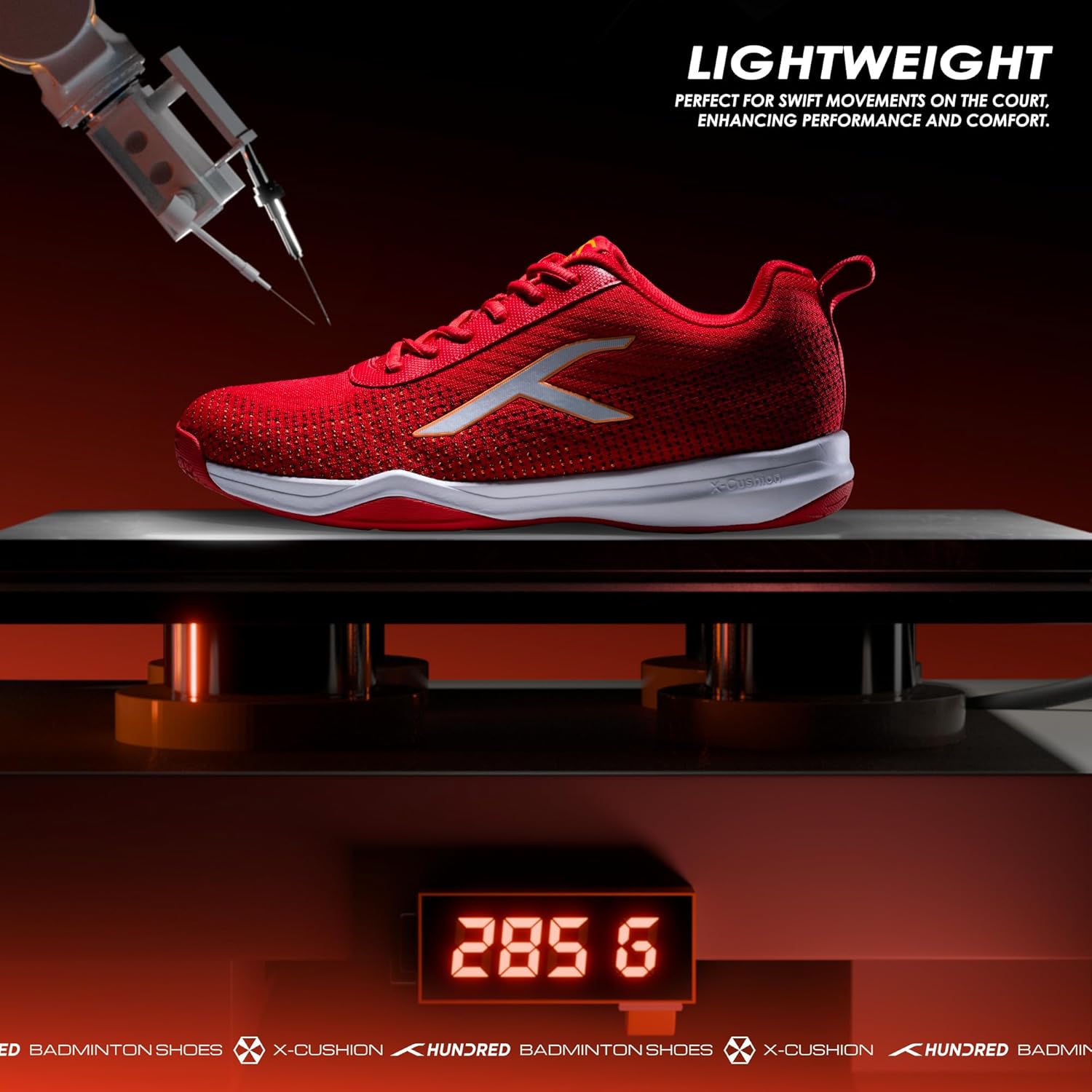
Weight also matters, because a lighter shoe usually feels faster but may sacrifice some durability and underfoot support. Heavier court shoes often provide better cushioning and a more stable platform for powerful lateral movements, which many intermediate and advanced pickleball players prefer. In our own court sessions, we evaluate models by tracking how secure they feel on hard stops, how evenly they distribute pressure during long rallies, and how the rubber wears after several months of mixed indoor and outdoor play.
Fit, comfort, and support for different pickleball player profiles
Comfort in pickleball shoes starts with matching the size and shape of the shoe to your foot, not just chasing the best looking model from top brands. A secure heel, a supportive midfoot, and a toe box with enough wiggle room allow you to play longer sessions without hotspots or blisters. If you have wide feet, prioritise court shoes that are offered in multiple width options or that reviewers describe as naturally roomy.
Support is the second pillar, because pickleball involves constant lateral shuffles, split steps, and sudden stops that stress the ankles and knees. Strong lateral support around the midfoot and ankle support from a well padded collar reduce the risk of rolling your ankle when you chase a lob near the baseline. Good arch support, whether built into the insole or added via an orthotic, also helps distribute pressure evenly across the foot during long rallies.
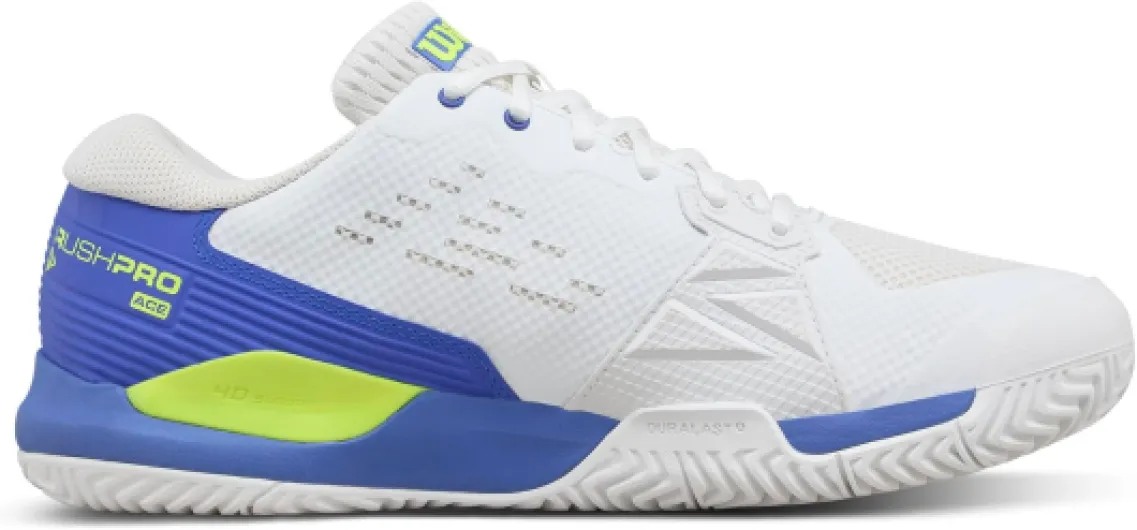
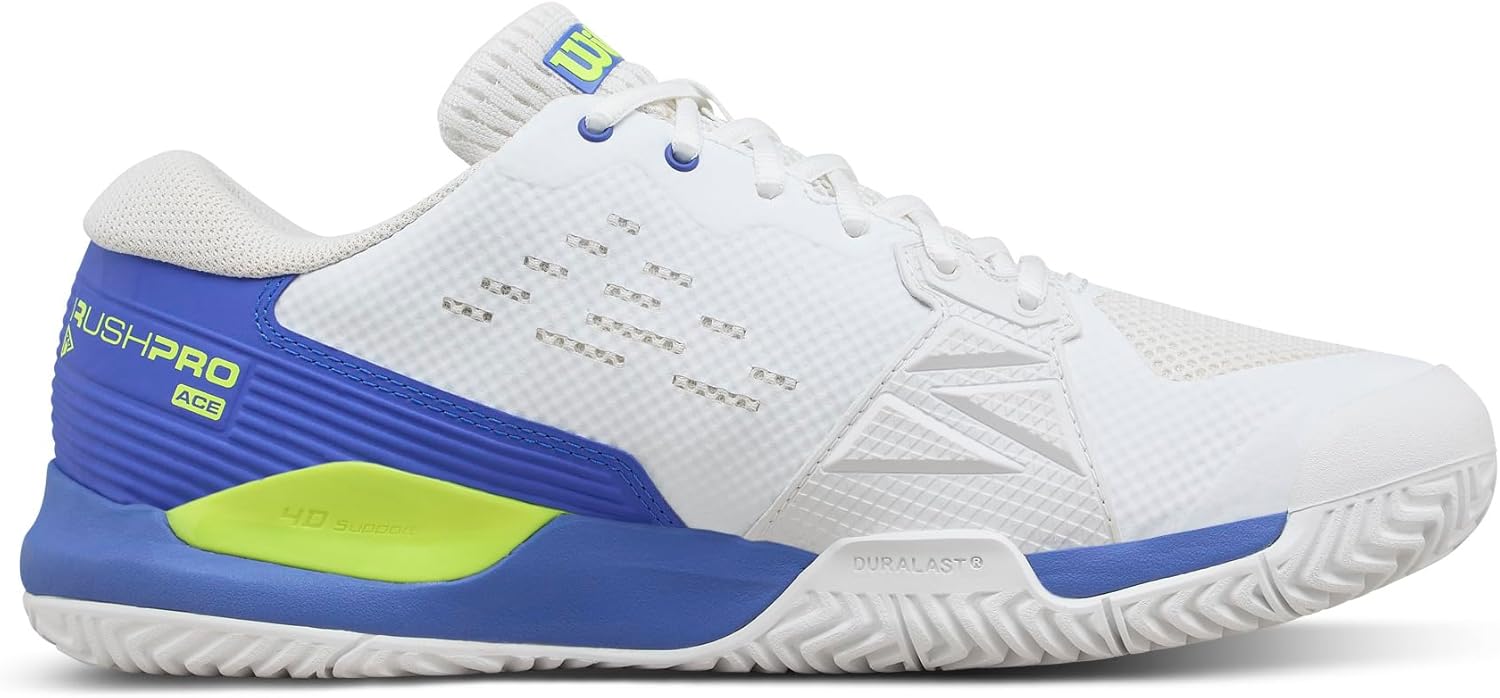
Comfort is not only about cushioning, because an overly soft midsole can feel unstable on a hard court and may reduce overall durability. Many players find that a medium firm court shoe, similar in feel to models in the Wilson Rush Pro line, offers a better balance between impact protection and court feel. When you read user feedback, pay attention to comments about long term comfort after several months of play, not just first impressions out of the box.
Comparing pickleball shoes, tennis shoes, and running shoes on court
Many new players start pickleball in old running shoes, but this choice quickly shows its limits on a dedicated court. Running shoes are built for forward motion with high heel cushioning, which can feel unstable during side to side play and quick pivots. Their outsole rubber is often not optimised for indoor courts, so grip can be inconsistent and sometimes leaves marks.
Tennis shoes are closer to ideal, because they are designed for lateral movements and hard court durability, yet they still differ from purpose built pickleball shoes in subtle ways. A modern pickleball shoe often uses a slightly lower profile and a more flexible forefoot, which helps with quick dinks and short sprints in the non volley zone. Some tennis shoes also use very hard rubber for maximum durability, which can reduce grip on dusty outdoor pickleball courts compared with softer court shoes tuned for this sport.
Specialised models such as the Diadem Court Burst or the Diadem Court Burst swiss express editions focus on explosive first steps and controlled slides, making them strong candidates for the best pickleball footwear list. These court burst designs combine a robust rubber sole with targeted lateral support, so you can push off aggressively without feeling your foot roll over the edge of the shoe. When you compare price, remember that a durable court shoe that protects your joints often offers better long term value than a cheaper running shoe that wears out quickly or increases injury risk.
Indoor versus outdoor pickleball shoes and how to choose wisely
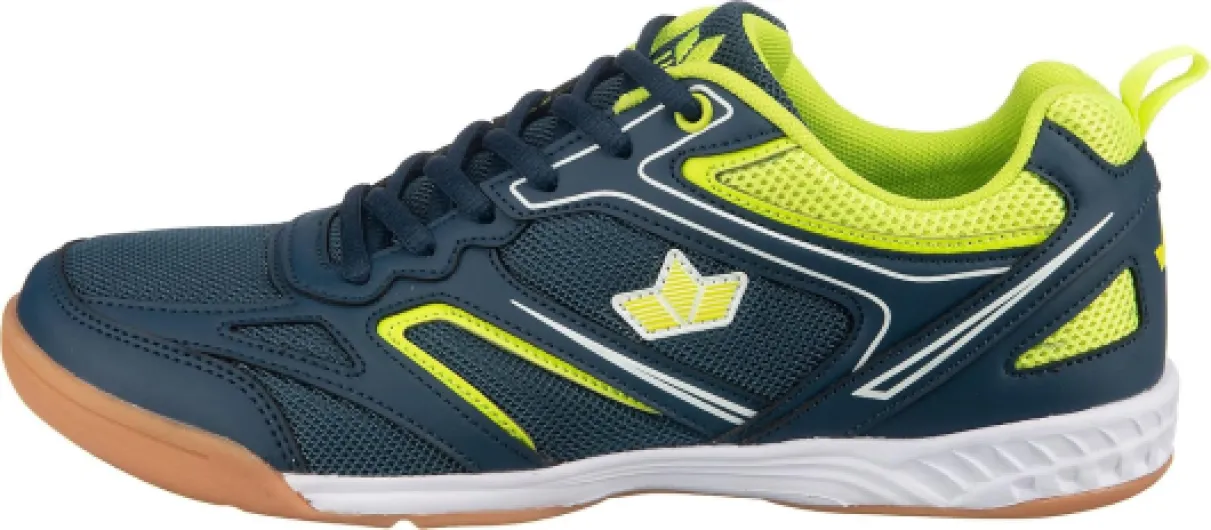
Choosing between indoor and outdoor pickleball shoes depends on where you play most of your matches and practice sessions. Indoor courts, usually made of wood or synthetic gym flooring, demand a non marking rubber sole with a fine tread pattern for consistent grip. Outdoor pickleball courts, often textured concrete or asphalt, require more durable rubber and deeper grooves to handle dust, sand, and small debris.
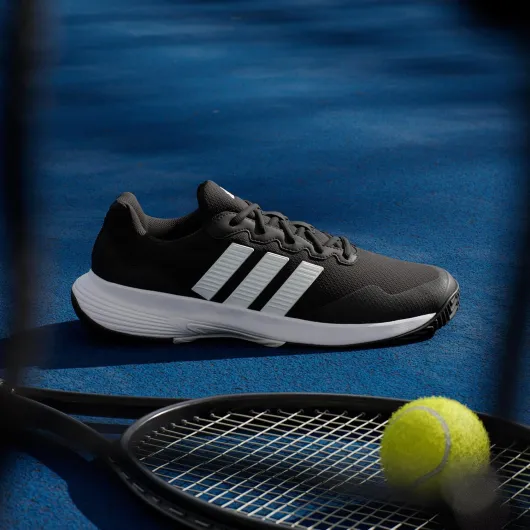
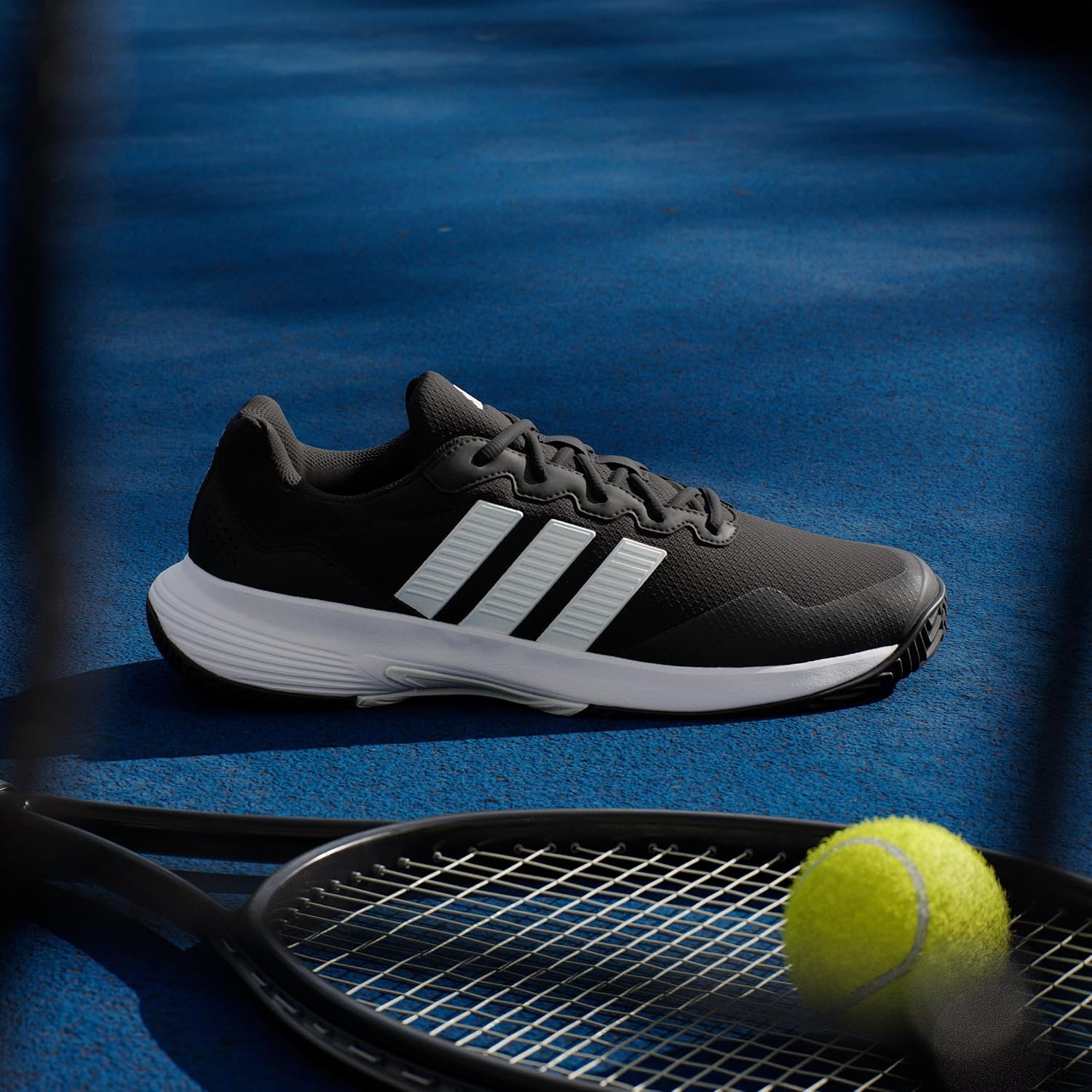
If you mainly play indoors, prioritise court shoes marketed for volleyball, handball, or indoor tennis, because these almost always use non marking rubber compounds. Models like the Adidas Speedcourt or similar indoor court shoe designs offer excellent grip without leaving traces, which keeps club owners happy and surfaces clean. For outdoor play, look for pickleball shoes or tennis shoes with reinforced toe areas and thicker rubber around high wear zones, especially if you slide into wide balls near the sidelines.
Many players eventually own two pairs of shoes, rotating an indoor court shoe for winter leagues and an outdoor model for summer tournaments. This approach spreads wear, maintains better grip in each environment, and extends overall durability, which can offset the higher initial price. To sharpen your game further, pairing the right footwear with targeted drills using a training aid such as the Pro Pickleball Target Net practice system helps you translate secure footing into more precise shot making.
How to read reviews, ratings, and technical specs before you buy
Online reviews are invaluable when you compare the best non marking sole pickleball shoes across multiple retailers and top brands. When you read feedback on Amazon or specialist shops, focus on comments about grip, comfort, and durability rather than only the overall star rating. A shoe with slightly lower stars but consistent praise for support and fit on your type of court may serve you better than a trendier model.
Pay attention to how reviewers describe their foot shape, because someone with narrow feet may rate a snug court shoe as perfect while a player with wide feet finds the same size unwearable. Look for mentions of whether the shoe runs true to size or if most players recommend going up a half size, especially in structured models with a firm upper. Comments about ankle support, arch support, and lateral support during aggressive play are particularly relevant for competitive pickleball athletes.
Technical specs such as weight, stack height, and rubber compound can also guide your choice, though they rarely appear in casual reviews. Some retailers now include basic measurements and even simple impact tests that show how the midsole compresses under load, which helps you predict long term comfort. When you compare price across different court shoes, remember to factor in expected durability, because a more durable rubber sole that lasts an extra season often justifies a slightly higher initial cost.
Care, rotation, and replacement timing for your pickleball footwear
Even the best non marking sole pickleball shoes lose performance over time as the rubber wears down and cushioning compresses. A simple rule is to inspect the outsole regularly for smooth patches, because once the tread pattern fades, grip on the court drops sharply. If you start sliding unintentionally on stops that once felt secure, your shoe is probably past its prime.
Rotating between two pairs of court shoes can extend durability and maintain more consistent comfort across long seasons. One practical strategy is to keep a primary pickleball shoe for matches and a secondary pair for practice, especially on abrasive outdoor courts that chew through rubber quickly. This approach allows the midsole foam to recover between sessions, which improves both support and long term cushioning.
Cleaning also matters, because dust and chalk can clog the grooves of the rubber sole and reduce grip on indoor courts. Wiping the outsole with a damp cloth before you play restores traction and helps the non marking rubber function as intended. Storing shoes in a cool, dry place away from direct sunlight slows down material ageing, so your investment in quality court shoes pays off over more hours of safe, enjoyable play.
Key statistics about pickleball footwear and court safety
- Industry participation reports over the last few years show rapid growth in pickleball across North America, which has sharply increased demand for dedicated pickleball shoes rather than repurposed running shoes.
- Surveys of indoor facilities and club policies suggest that a clear majority now require non marking soles on all indoor courts, making a compliant court shoe effectively mandatory for league and tournament play.
- Sports medicine clinics consistently note that lateral ankle sprains are among the most common acute injuries in court sports, highlighting the importance of strong lateral support and ankle support in every pickleball shoe.
- Independent product testing and long term user logs often find that specialised court shoes maintain effective grip for several hundred hours of play, while general purpose running shoes can lose reliable traction on hard courts in significantly less time.
- Retail data from large online platforms such as Amazon frequently show that models labelled as non marking or indoor court shoes receive, on average, higher star ratings for grip and stability than multi sport trainers used on the same surfaces.