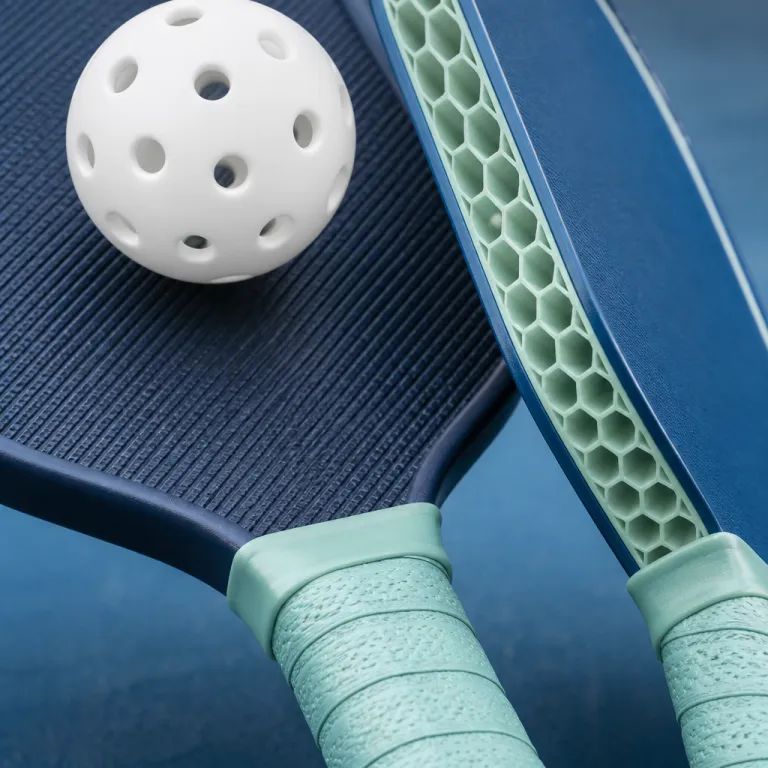
1. Why the newest pickleball paddles matter more than you think
The newest pickleball paddles are not just cosmetic upgrades; they reshape how every rally feels. Modern engineering blends power, control, and spin so that a single pickleball paddle can suit both ambitious beginners and seasoned players. When you compare older paddles with today’s high-performance models, the leap in stability, feel, and consistency is immediately obvious.
Manufacturers now track avg swing weight, static weight, and twist weight with the same precision that tennis brands use for tour frames. This data driven approach lets engineers tune the paddle core, foam inserts, and balance point so that each paddle family targets a specific style of pickleball. As a result, players can choose between control paddles, power paddles, and hybrid models instead of guessing which paddles best match their game.
On court, this means fewer mishits and a larger effective sweet spot across the face of the paddle. A well designed elongated paddle with a stable foam core will resist twist on off center contact, preserving both power and directional control. For many players, that extra forgiveness from current-generation paddles translates directly into more confidence at the non volley zone.
How design metrics shape real play
Three numbers now dominate paddle spec sheets; static weight, swing weight, and twist weight. Static weight is the actual mass of the pickleball paddle, usually between 215 and 240 grams for most pickleball paddles, while swing weight measures how heavy the paddle feels in motion. Twist weight reflects how resistant the paddle is to twisting on off center hits, and a higher twist weight usually means better stability and a more solid feel.
Engineers then adjust the balance point to fine tune maneuverability for different players. A higher balance point toward the tip increases power but also raises swing weight, while a more handle heavy balance improves control and quick reactions at the kitchen. Recent designs use internal foam, perimeter weighting, and advanced carbon fiber layups to reach these targets without making the paddle feel clumsy.
Brands now publish avg values for these metrics across their power series and control paddles, helping players compare models more intelligently. When you see a pro using a specific elongated paddle on tour, you can often find a retail version with similar swing weight and twist weight. That transparency is one reason modern pickleball paddles feel more predictable and easier to match to your style of pickleball.
| Paddle type (example) | Static weight (g) | Approx. swing weight | Relative twist weight | Face material |
|---|---|---|---|---|
| Control-focused carbon model | 215–225 | Lower | Medium–high | Textured carbon fiber |
| Power-oriented elongated paddle | 225–240 | Higher | High | Raw carbon or hybrid composite |
| All-court hybrid design | 220–230 | Medium | Medium | Carbon or fiberglass composite |
2. Carbon fiber, raw carbon, and the science of spin and control
Surface technology is where the newest pickleball paddles have advanced fastest. Many high end pickleball paddles now use carbon fiber faces, and some rely on textured raw carbon to maximize spin potential on the pickleball. These materials allow manufacturers to tune rpm, dwell time, and feel in ways that fiberglass and simple composite faces never could.
A raw carbon surface grips the ball longer, which increases rpm and gives players more control over dipping drives and sharp crosscourt angles. When combined with a responsive polymer or foam core, this texture helps the paddle generate both high spin and reliable touch on dinks. That is why so many pro level models, including several in the Joola Pro and Aura Pro families, emphasize raw carbon or advanced carbon fiber weaves in their marketing.
For players who value precision, the newest pickleball paddles with carbon fiber faces often function as true control paddles. The balance between stiffness, core thickness, and surface texture determines how easily you can reset hard shots and roll topspin from the baseline. If you want a deeper technical dive into how carbon fiber reshapes power, control, and feel, you can study this detailed guide on carbon fiber pickleball paddle design.
Matching spin potential to your playing style
Not every player needs maximum rpm from their paddle, even among the latest carbon fiber paddles. Some players prefer a smoother carbon fiber or composite surface that offers moderate spin but a more predictable launch angle. Others want a raw carbon face that bites the pickleball aggressively and rewards advanced brushing techniques.
When you evaluate spin, pay attention to how the paddle feels on both soft and hard shots. A paddle that produces high rpm on serves but feels too lively on dinks may not qualify as one of the paddles best suited to your control needs. Conversely, a control focused pickleball paddle with a slightly muted feel can still generate enough spin if the balance point and swing weight let you accelerate the head easily.
Many brands now publish avg spin ratings or rpm test results for their power series and control paddles. While these numbers are helpful, your own perception of feel, stability, and sweet spot size should guide the final choice. The newest pickleball paddles give you a wide spectrum of spin and control options, so test both raw carbon and smoother carbon fiber faces if possible.
3. Core, foam, and elongated shapes; how structure drives performance
Beneath the surface, the core of a pickleball paddle determines much of its personality. Polymer honeycomb remains the standard, but the newest pickleball paddles increasingly use foam core elements around the perimeter or even full foam constructions. These designs change how power, control, and vibration damping interact across the paddle face.
A foam core or foam injected edge can enlarge the sweet spot and raise twist weight without adding excessive static weight. This helps elongated paddles remain stable on off center contact, which is crucial when you reach for wide dinks or stretch volleys. Some power paddles in modern power series lines combine a thick polymer core with foam perimeter weighting to deliver both high power and a surprisingly plush feel.
Shape also matters; elongated paddle designs offer extra reach and leverage for power, while more traditional shapes prioritize maneuverability and control. The newest pickleball paddles often come in both elongated and standard versions that share the same core and surface materials. To understand how these structural choices influence power, control, and feel, you can review this analysis of modern pickleball paddle design.
Balancing weight, balance, and swing dynamics
Every structural choice affects weight distribution, which in turn shapes how the paddle swings. A heavier static weight can boost power and stability, but too much mass at the tip raises swing weight and may slow your reactions at the kitchen. The newest pickleball paddles aim for an avg swing weight that keeps power accessible while preserving quick hand speed.
Manufacturers manipulate the balance point by adding foam, carbon fiber, or even small metal weights in strategic locations. A head light balance with a moderate static weight often suits control paddles, while a slightly head heavy balance can turn the same core into a power paddle. Players should pay attention not only to the listed weight but also to how the paddle feels during rapid exchanges and overheads.
When you test different pickleball paddles, compare how easily you can change direction mid swing. A paddle with a well tuned balance point and reasonable swing weight will feel like an extension of your arm, even in elongated form. That intuitive feel is one of the hallmarks of the newest pickleball paddles designed for competitive players.
4. Signature lines; Joola Pro, Aura Pro, and themed designs
Signature and themed lines illustrate how brands tailor the newest pickleball paddles to specific audiences. The Joola Pro series, for example, targets competitive players who want a blend of power, spin, and precise control from a raw carbon or advanced carbon fiber face. Within that Joola Pro family, you will find both control paddles and power paddles, each with distinct core thickness, balance point, and swing weight.
Another example is the Aura Pro line, which emphasizes a refined feel and a generous sweet spot for players who value touch. Many Aura Pro paddles use foam core or foam enhanced constructions to soften impact while maintaining high twist weight and stability. These paddles best suit players who like to work the ball with spin and angles rather than relying solely on raw power.
Some brands also experiment with color themed models such as Crystal Blue or Blue Endurance editions. A Crystal Blue paddle might share the same core and carbon fiber layup as a standard model but offer a distinct aesthetic that appeals to style conscious players. Blue Endurance versions sometimes highlight durability and long term performance, signaling that the newest pickleball paddles can be both visually striking and technically advanced.
Playful names; Butter Loco, Bread Butter, and beyond
Not all innovation comes wrapped in serious branding; some of the newest pickleball paddles carry playful names. Models like Butter Loco and Bread Butter paddles aim to stand out while still delivering high performance specs. A Butter Loco paddle might emphasize a buttery soft feel at impact, while a Bread Butter model could market itself as the reliable everyday pickleball paddle you reach for first.
Behind the fun names, these paddles still rely on careful tuning of static weight, twist weight, and balance point. Many Butter Loco and Bread Butter paddles use carbon fiber faces and optimized cores to compete directly with more traditional pro lines. Players should evaluate them using the same metrics; power, control, spin, and overall feel during real pickleball rallies.
When you compare Joola Pro, Aura Pro, Butter Loco, and Bread Butter paddles side by side, focus on how each family prioritizes different performance traits. Some will lean toward power series characteristics with higher swing weight and explosive response, while others behave more like classic control paddles. The newest pickleball paddles give you the freedom to choose a personality that matches both your game and your sense of style.
5. Matching the newest pickleball paddles to your playing profile
Choosing among the newest pickleball paddles starts with an honest assessment of your strengths. If your game already features natural power, a lighter control paddle with a lower swing weight and a head light balance point may help you tame the ball. Players who struggle to finish points often benefit from power paddles with slightly higher static weight and a more tip heavy balance.
Skill level also matters; newer players usually appreciate a large sweet spot, moderate power, and a forgiving feel. Many modern pickleball paddles with foam core or thicker polymer cores provide that blend, especially when paired with a textured but not overly aggressive carbon fiber surface. Advanced players, by contrast, may seek elongated paddles with raw carbon faces to maximize rpm and reach on drives and serves.
Do not overlook comfort; the avg player spends several hours on court each week, so weight and vibration damping affect long term enjoyment. A paddle that feels too high in swing weight can cause fatigue, even if its power and spin numbers look impressive. The newest pickleball paddles often include subtle foam inserts and tuned cores to reduce harsh impact without dulling feedback.
Practical testing tips for real players
When you test a pickleball paddle, evaluate it in specific scenarios rather than casual hitting. Start with soft dinks and resets to judge control, then move to drives, serves, and overheads to assess power and rpm. Notice how the paddle behaves on mishits near the edge; a stable design with good twist weight will keep the ball in play more often.
Try both standard and elongated paddles to see how reach and balance affect your timing. An elongated paddle with a well tuned balance point can feel surprisingly quick, while a shorter paddle with poor balance may feel sluggish. Pay attention to how the handle and grip size influence your ability to generate spin and adjust the paddle face angle.
Finally, compare several of the newest pickleball paddles back to back using the same balls and court conditions. Keep simple notes on power, control, feel, and perceived sweet spot size rather than obsessing over every code or spec number. Over a few sessions, patterns will emerge, and you will identify which paddles best support your natural style of pickleball.
6. Building a complete gear setup around your new paddle
The newest pickleball paddles perform best when integrated into a thoughtful overall equipment setup. Once you settle on a primary pickleball paddle, consider how balls, shoes, and even your bag support consistent play. Competitive players often carry two or three pickleball paddles with similar static weight and balance to maintain a familiar feel if one breaks.
A well organized bag also protects your investment in high end carbon fiber or raw carbon faces. Look for a backpack or bag with padded paddle compartments, ventilated shoe storage, and enough space for balls and accessories. For a curated overview of options, you can review this guide to top pickleball backpacks that pair well with the newest pickleball paddles.
Some brands even coordinate colorways, such as Crystal Blue or Blue Endurance themes, across paddles and bags. While aesthetics should not override performance, a cohesive setup can make you feel more prepared and professional on court. The key is to ensure that every piece of gear, from your Butter Loco or Bread Butter paddle to your footwear, supports the way you actually play pickleball.
Maintaining performance over time
Even the newest pickleball paddles require basic care to maintain performance. Avoid leaving your paddle in a hot car, as extreme temperatures can damage the core, foam, and carbon fiber layers. Wipe the surface regularly to keep the texture clean, which helps preserve spin and consistent rpm on the pickleball.
Monitor edge guards, grips, and any visible foam core areas for wear. Regrip the handle when it becomes slick, since a secure hold is essential for controlling swing weight and paddle face angle. If you notice dead spots or a reduced sweet spot, it may be time to rotate in a backup from your collection of pickleball paddles.
By treating your paddle as precision equipment rather than a disposable accessory, you extend the life of its core, maintain its balance point, and protect your investment in high performance design. That mindset aligns with how pro players manage their Joola Pro, Aura Pro, and other tour level paddles. For recreational players, the same habits ensure that the newest pickleball paddles continue to deliver reliable power, control, and feel season after season.
Key figures about modern pickleball paddles
- According to the Sports & Fitness Industry Association (SFIA) 2023 report on U.S. participation, pickleball grew by 158.6 percent over the previous three year span, which has driven a surge in demand for the newest pickleball paddles across all skill levels. This figure comes from the SFIA’s 2023 “Topline Participation Report,” which summarizes multi-year growth trends.
- Many leading manufacturers now target a static weight range of roughly 215 to 240 grams for standard pickleball paddles, balancing power and maneuverability for the avg recreational player. These ranges are reflected in spec sheets from major brands and are consistent with typical retailer listings.
- Independent lab style tests published by paddle review platforms such as Pickleball Studio and Pickleball Central’s in-house reviews indicate that textured raw carbon and advanced carbon fiber faces can increase spin rates by roughly 10 to 20 percent rpm compared with older smooth composite surfaces. Their published measurements use controlled serving and ball-tracking setups to compare relative spin.
- Market analyses from major sporting goods retailers, including Dick’s Sporting Goods and Tennis Warehouse’s pickleball division, indicate that elongated paddles account for roughly one third of high end paddle sales, reflecting growing interest in reach and leverage among competitive players. These estimates are based on internal sales breakdowns shared in category overviews and buyer guides.
- Consumer surveys from large pickleball communities, such as Pickleball Forum on Facebook and regional club questionnaires, suggest that more than 60 percent of players now consider swing weight and balance point as important as brand name when choosing among the newest pickleball paddles. While survey methods vary, the consistent theme is that players increasingly rely on measurable specs.
FAQ about the newest pickleball paddles
How do I choose between power paddles and control paddles ?
Power paddles usually have a slightly higher static weight, a more head heavy balance point, and a firmer core that returns more energy to the ball. Control paddles tend to be lighter with a lower swing weight, a softer core or foam elements, and surfaces that prioritize touch over raw power. If you already hit hard, lean toward control paddles, while players who struggle to finish points often benefit from a modern power series model.
Is an elongated paddle better than a standard shape ?
An elongated paddle offers extra reach and leverage, which can increase power and spin on serves and drives. However, the higher swing weight and narrower sweet spot may feel less forgiving for some players, especially near the kitchen. Standard shapes usually provide quicker handling and a wider sweet spot, so the best choice depends on whether you value reach or maneuverability more.
What weight should I look for in a pickleball paddle ?
Most adult players do well with a pickleball paddle in the 215 to 235 gram range, which balances power and control for typical recreational play. Lighter paddles near the lower end of that range reduce fatigue and help with quick reactions, while heavier paddles near the upper end add stability and depth on shots. Always consider both static weight and swing weight, because two paddles with the same listed weight can feel very different in motion.
Do carbon fiber and raw carbon paddles wear out faster ?
High quality carbon fiber and raw carbon paddles are generally durable, but their textured surfaces can gradually smooth with heavy use, slightly reducing maximum spin. Proper care, such as avoiding extreme heat and cleaning the face regularly, helps maintain performance over time. Many players find that a well made carbon fiber pickleball paddle remains competitive for several seasons of regular play.
How many paddles should a serious player own ?
Serious players often keep at least two similar paddles so they can switch quickly if one is damaged during a match. Some also carry a third paddle with a different balance or core, such as a dedicated control paddle for windy conditions or a power paddle for indoor play. Recreational players can manage with a single high quality paddle, but having a backup is wise once you start playing organized events.