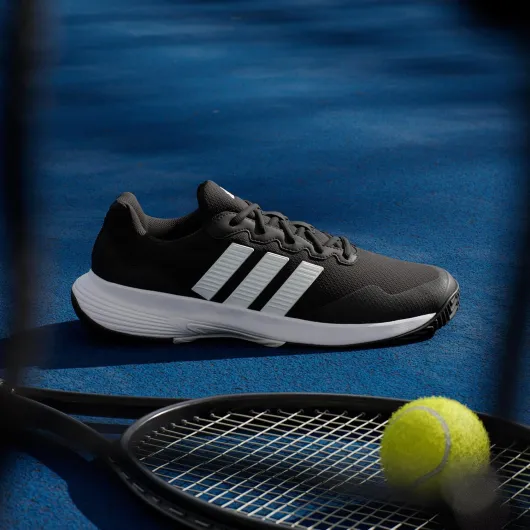
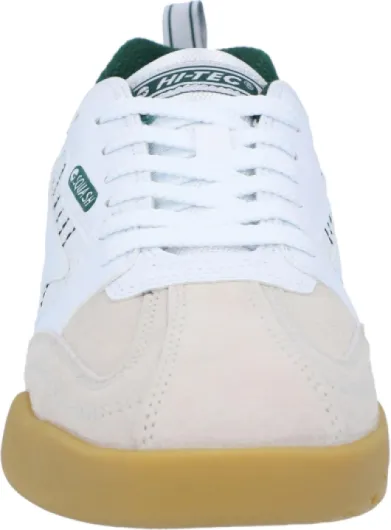
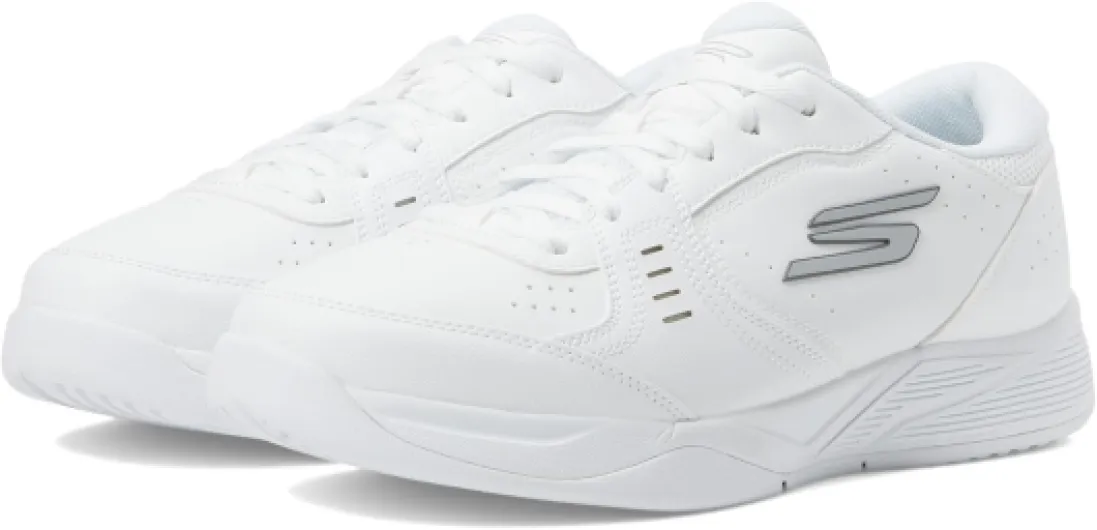
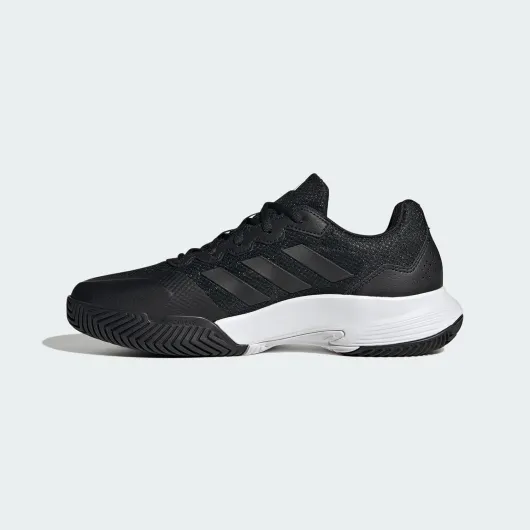
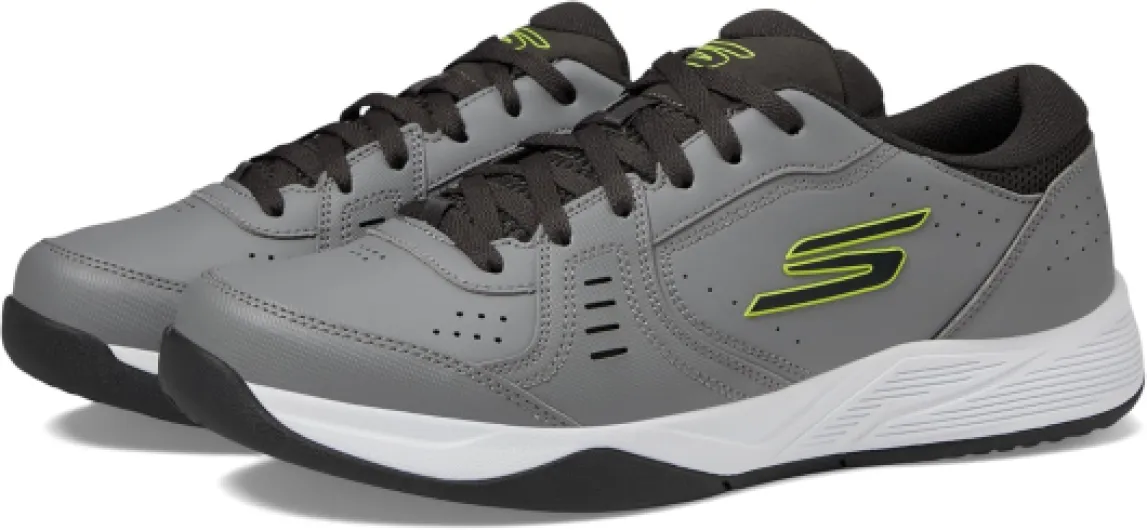
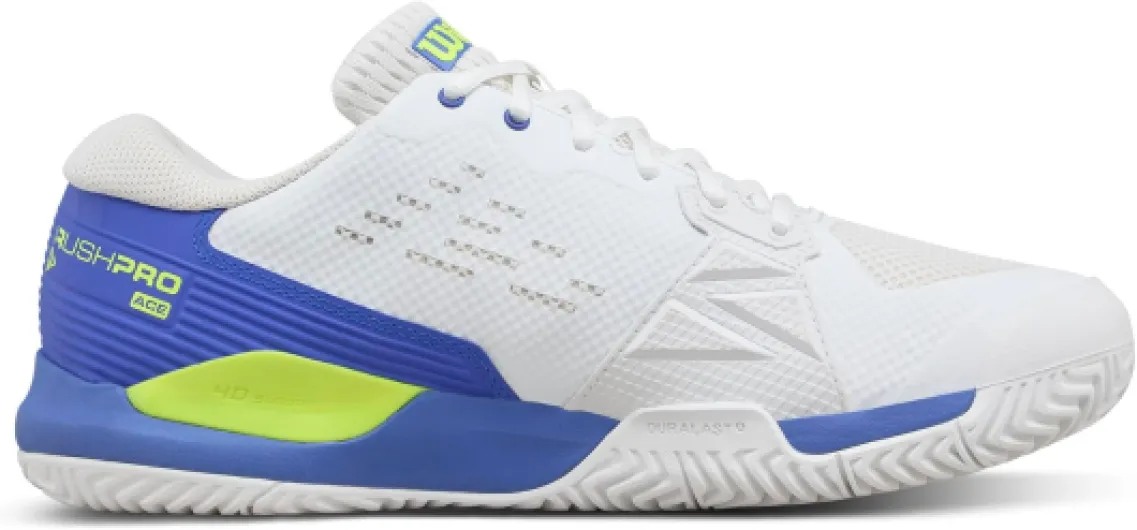
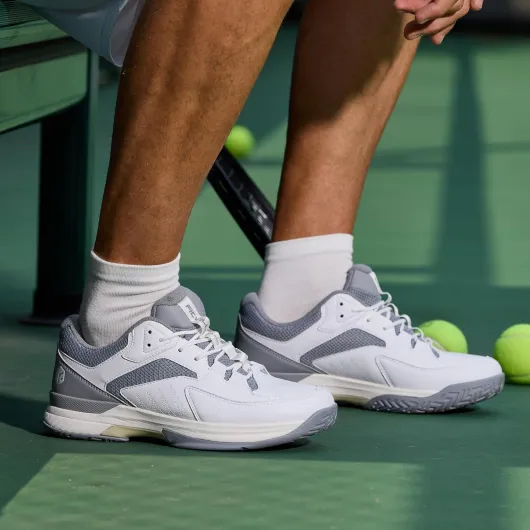
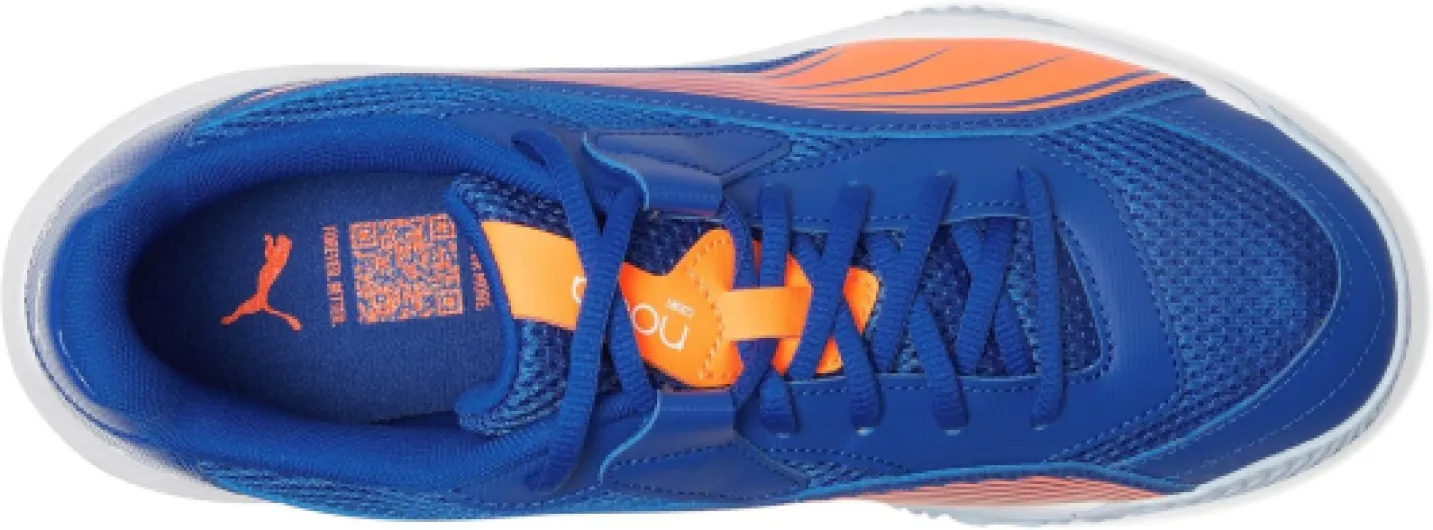
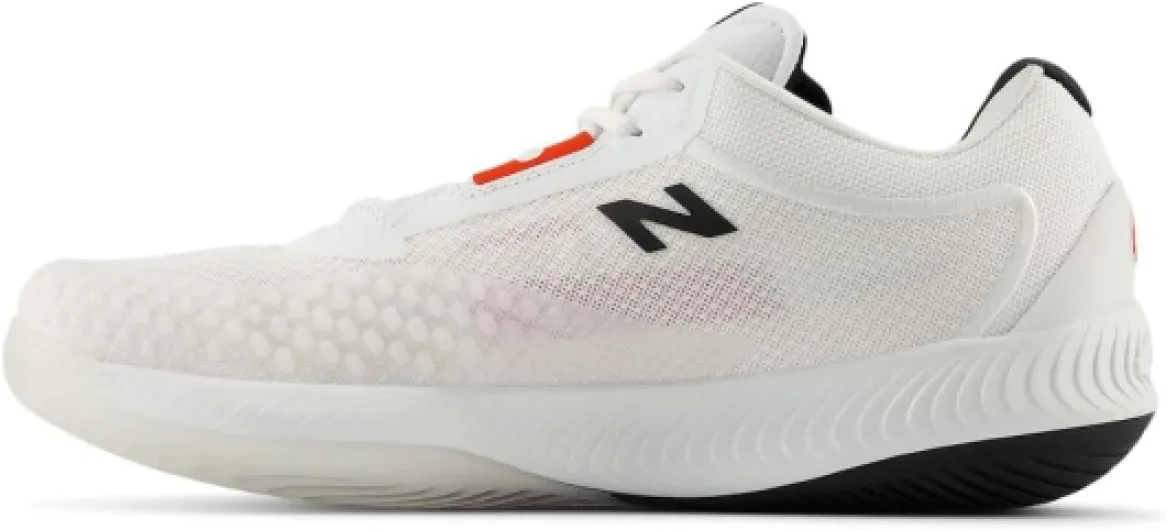
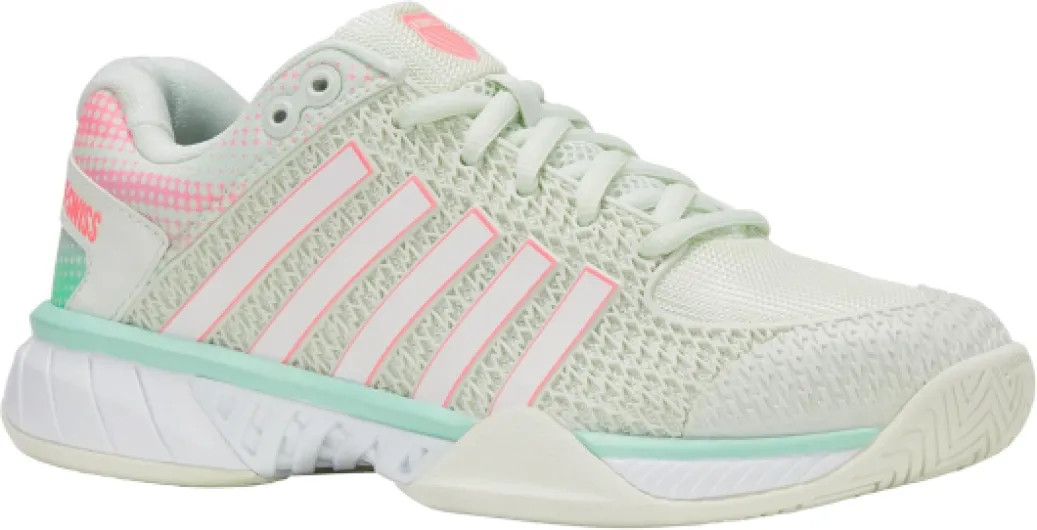
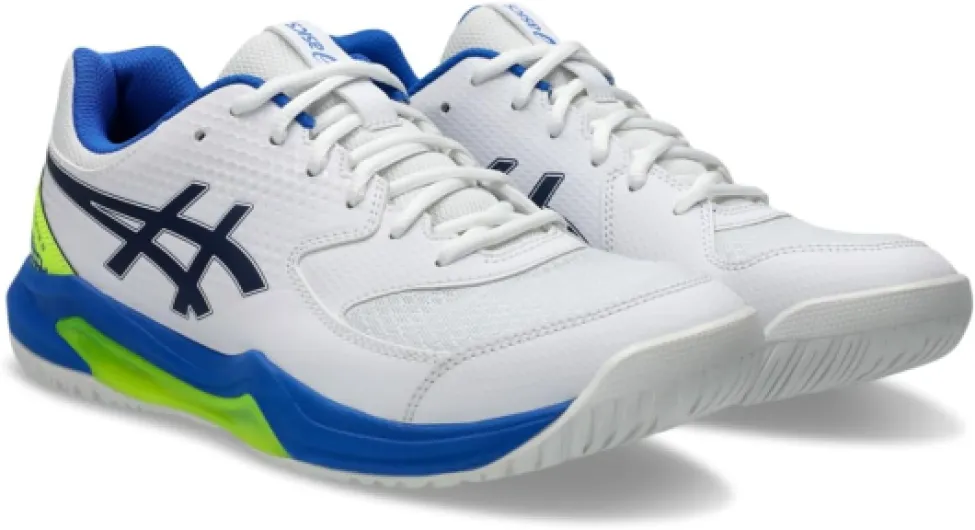
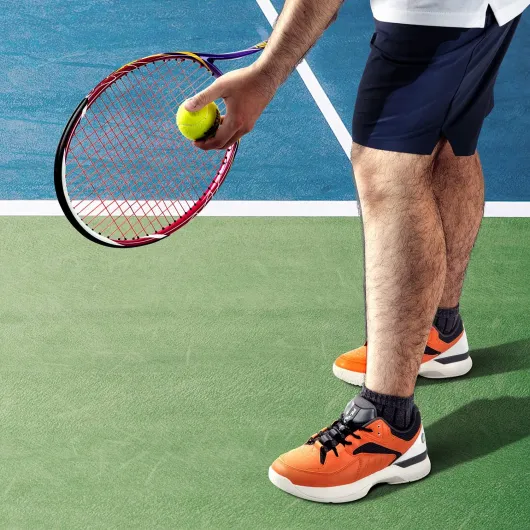
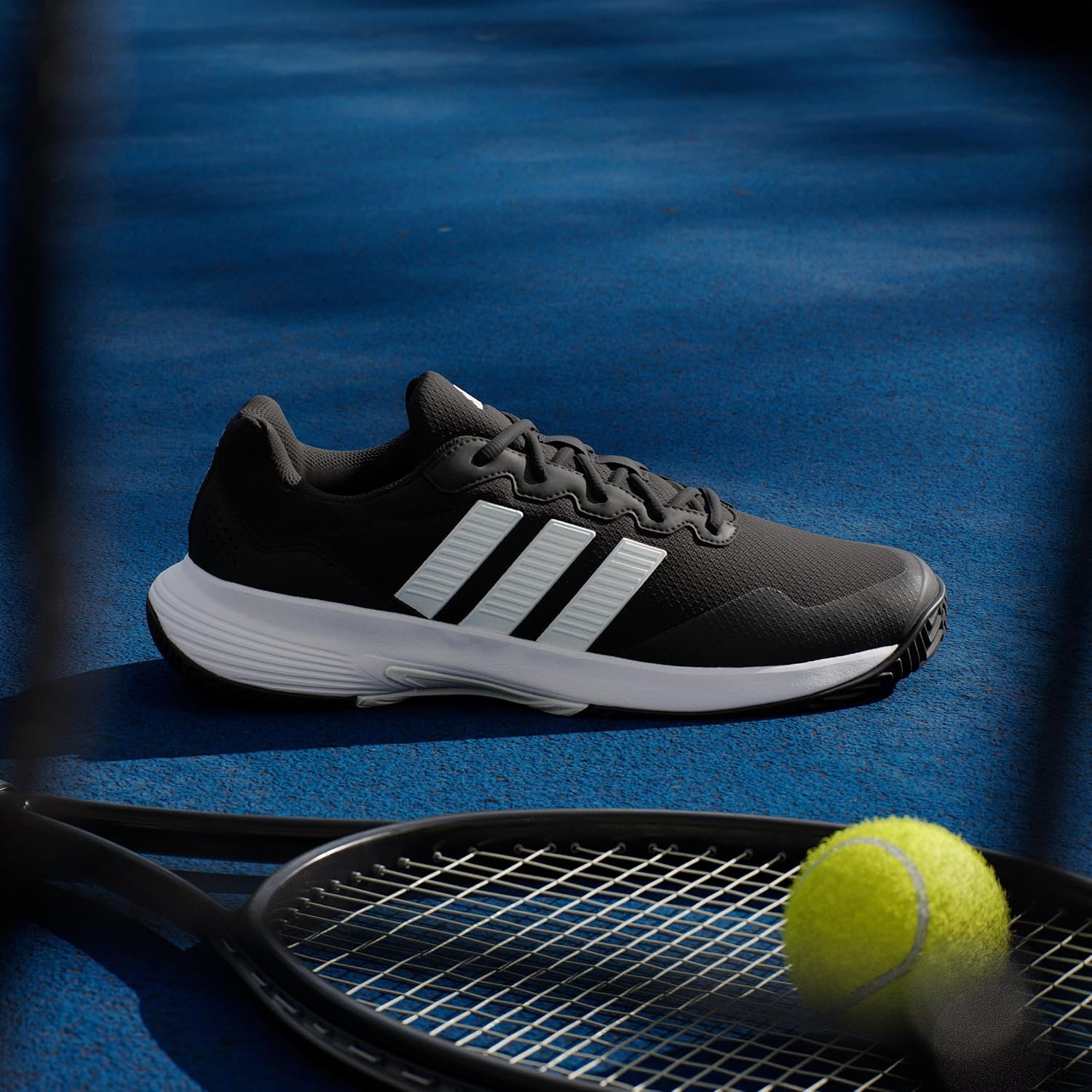
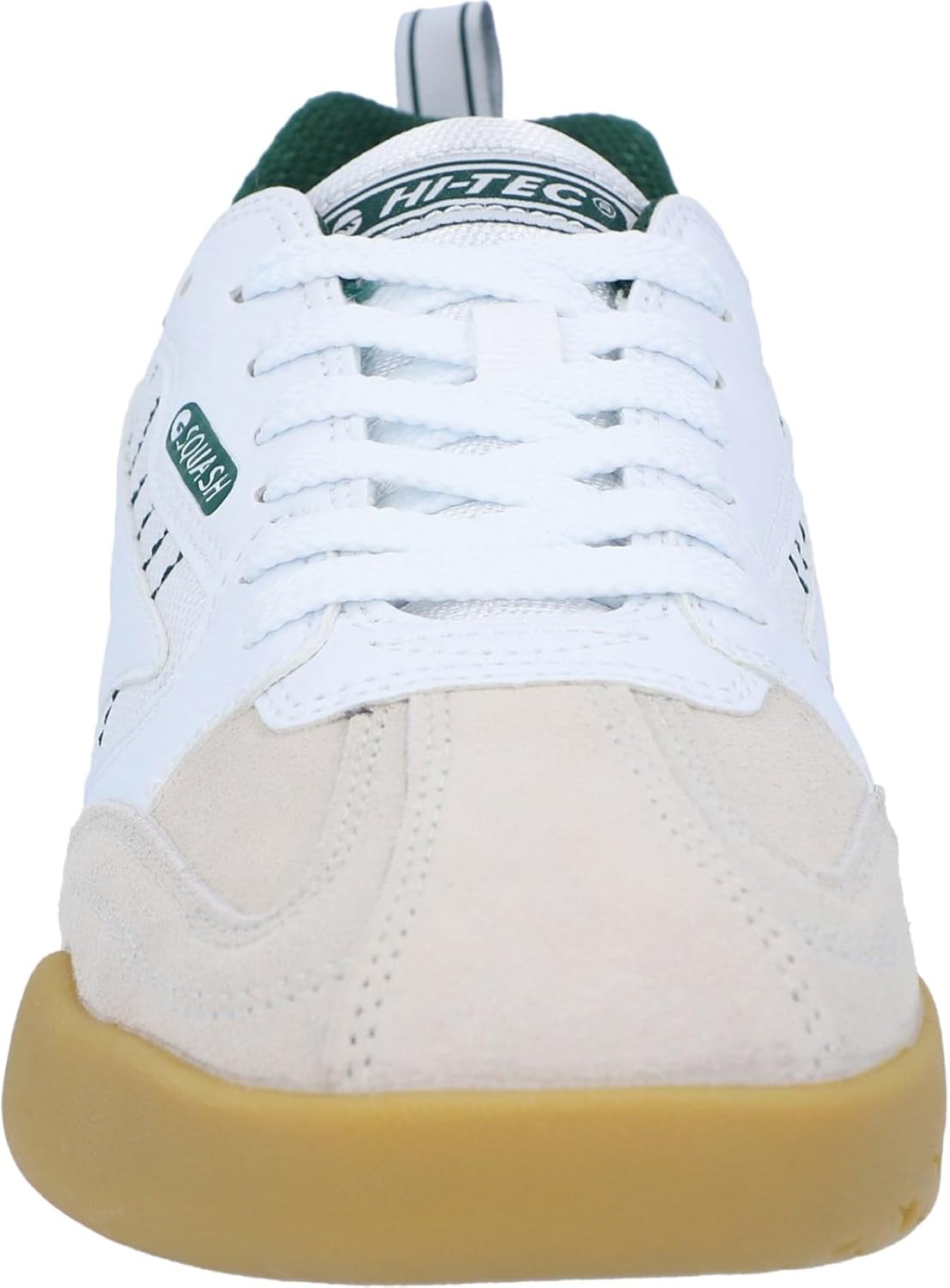
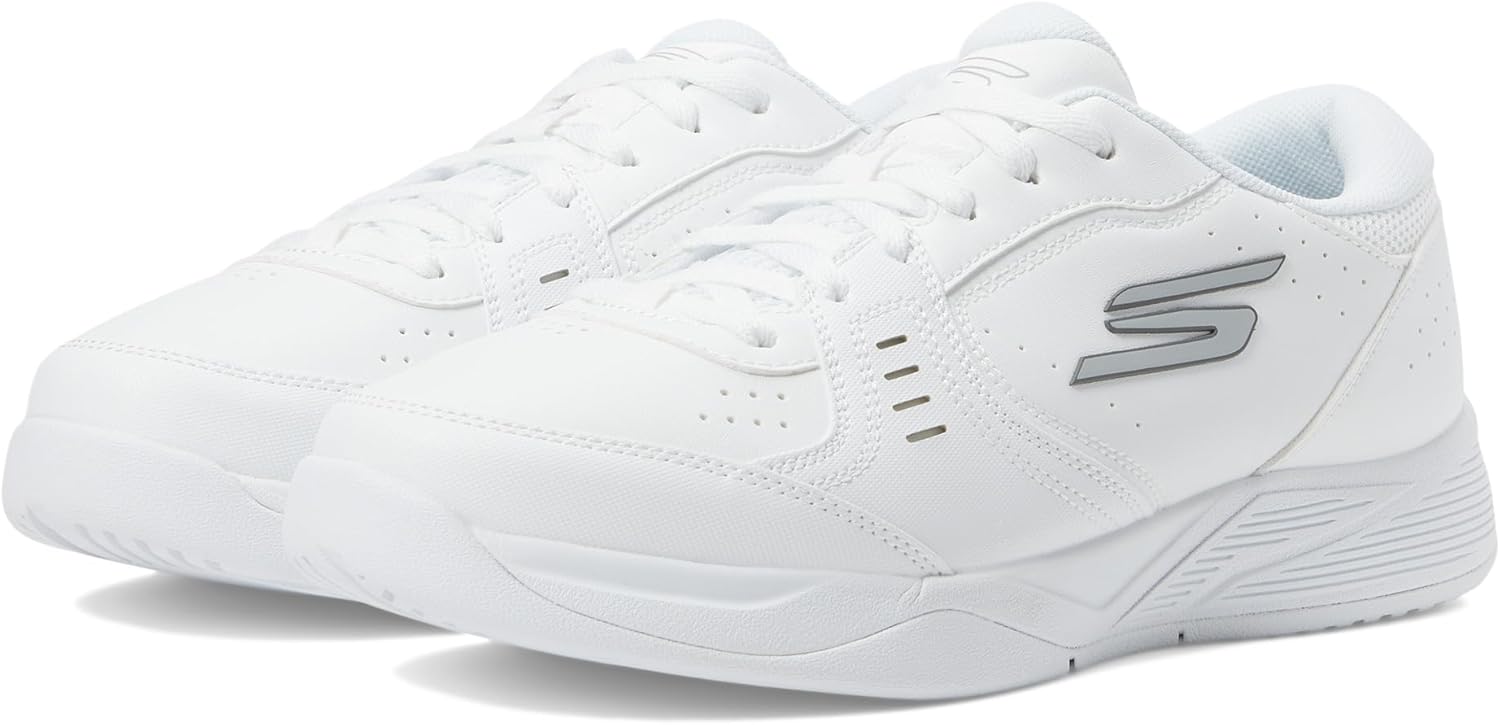
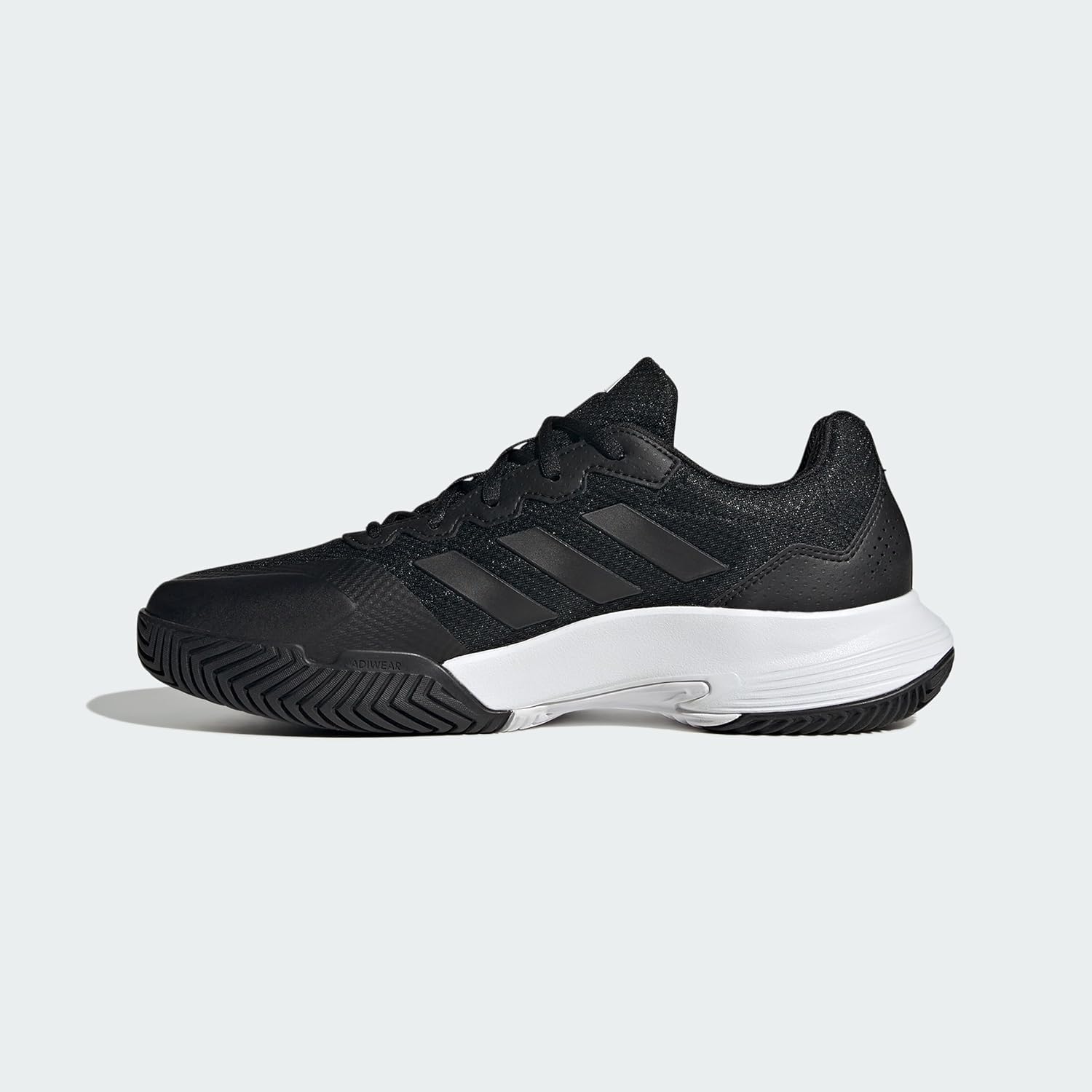
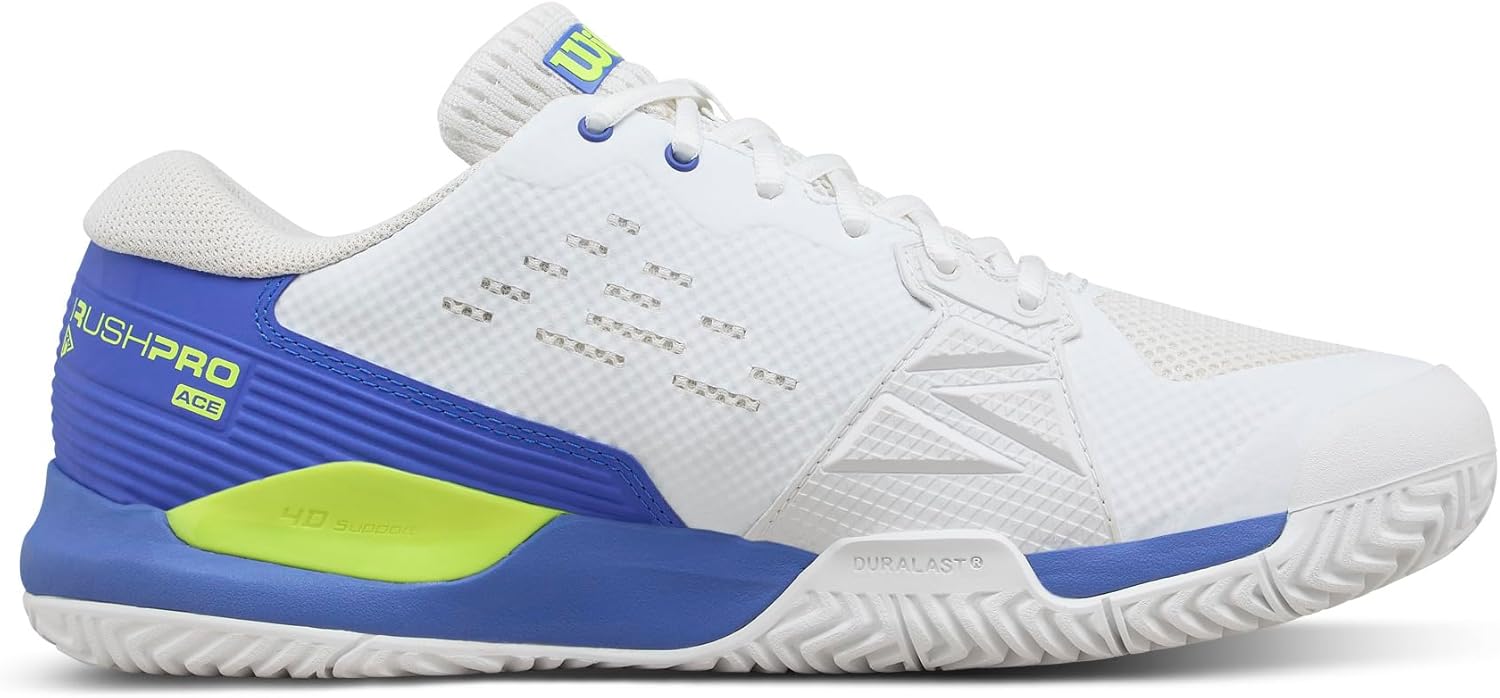
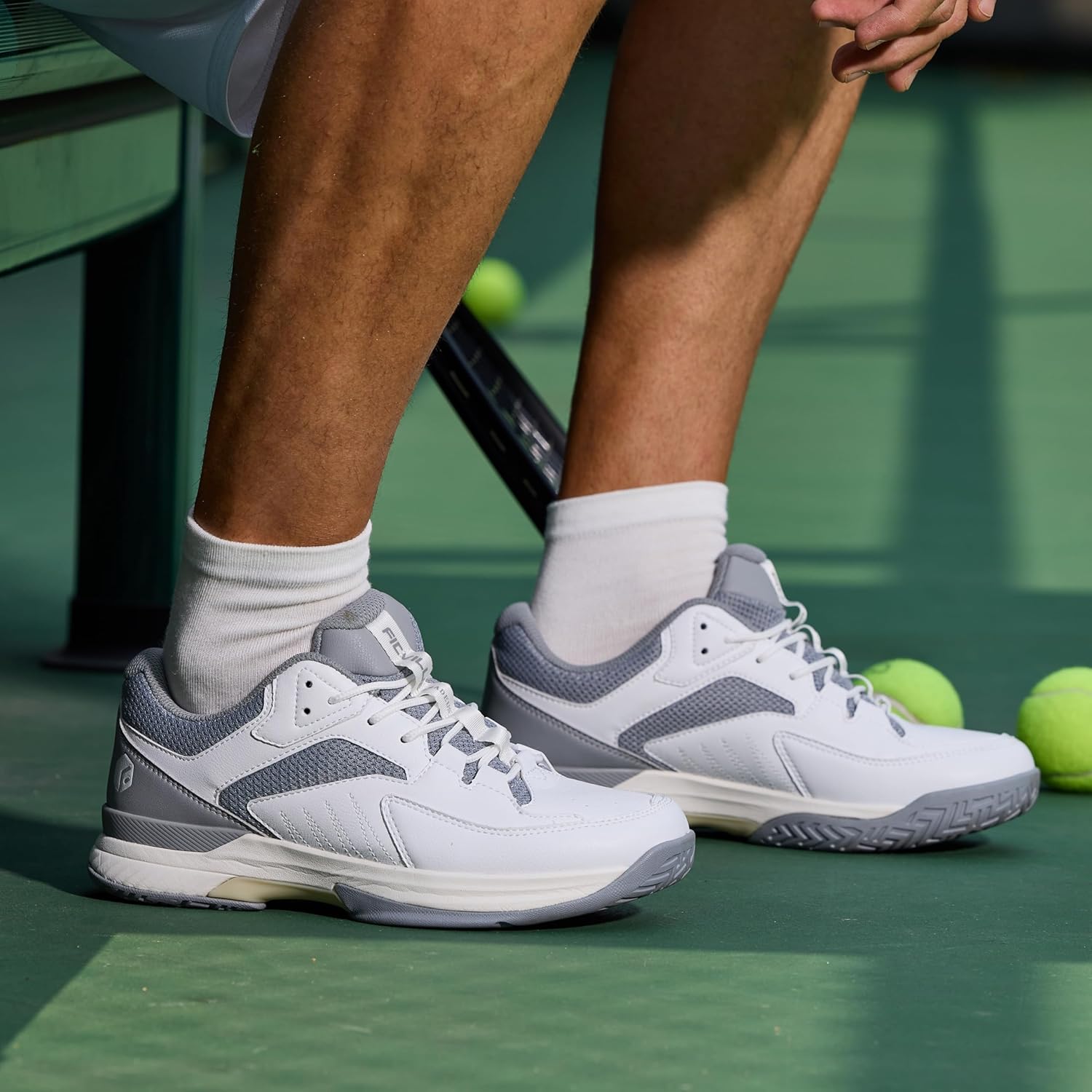
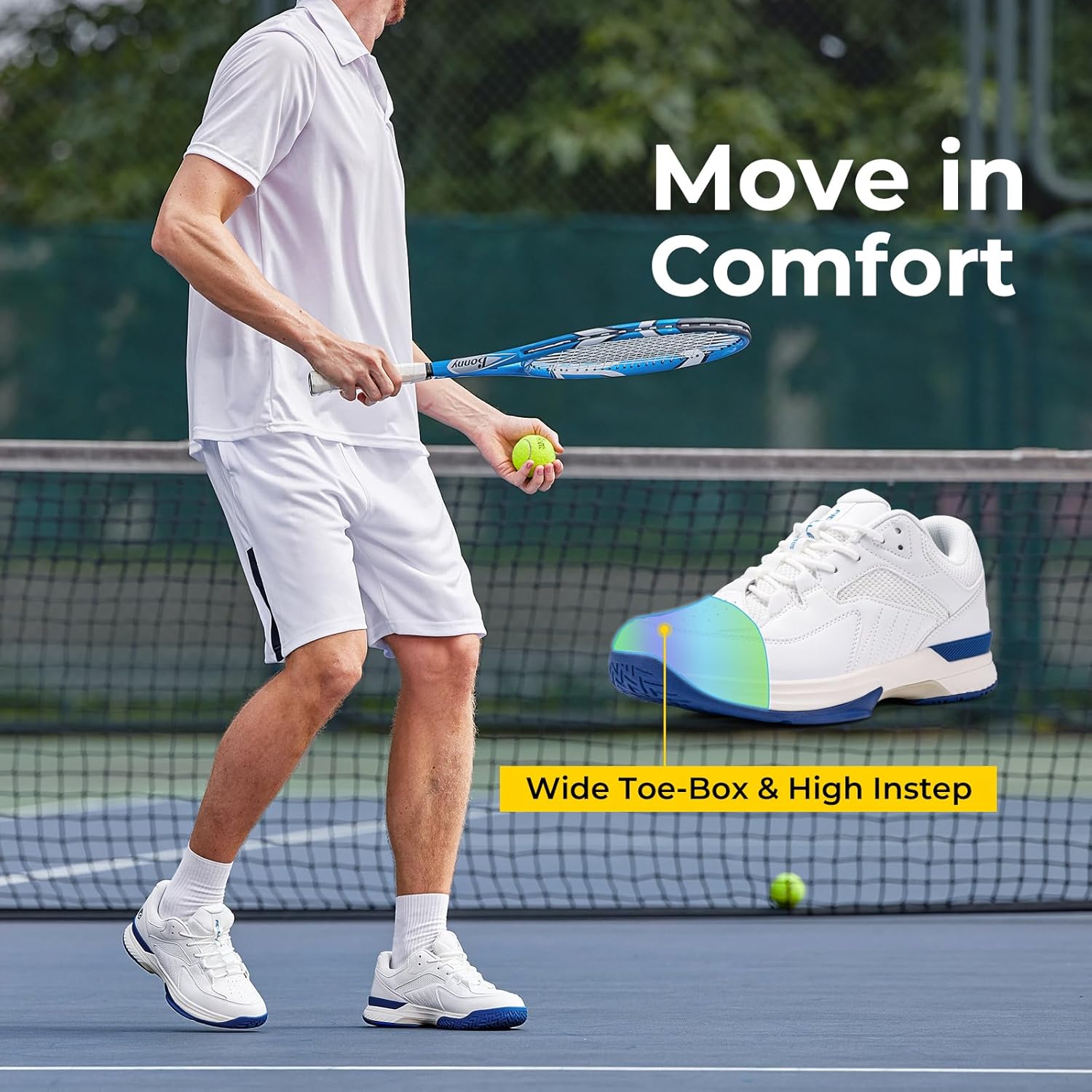
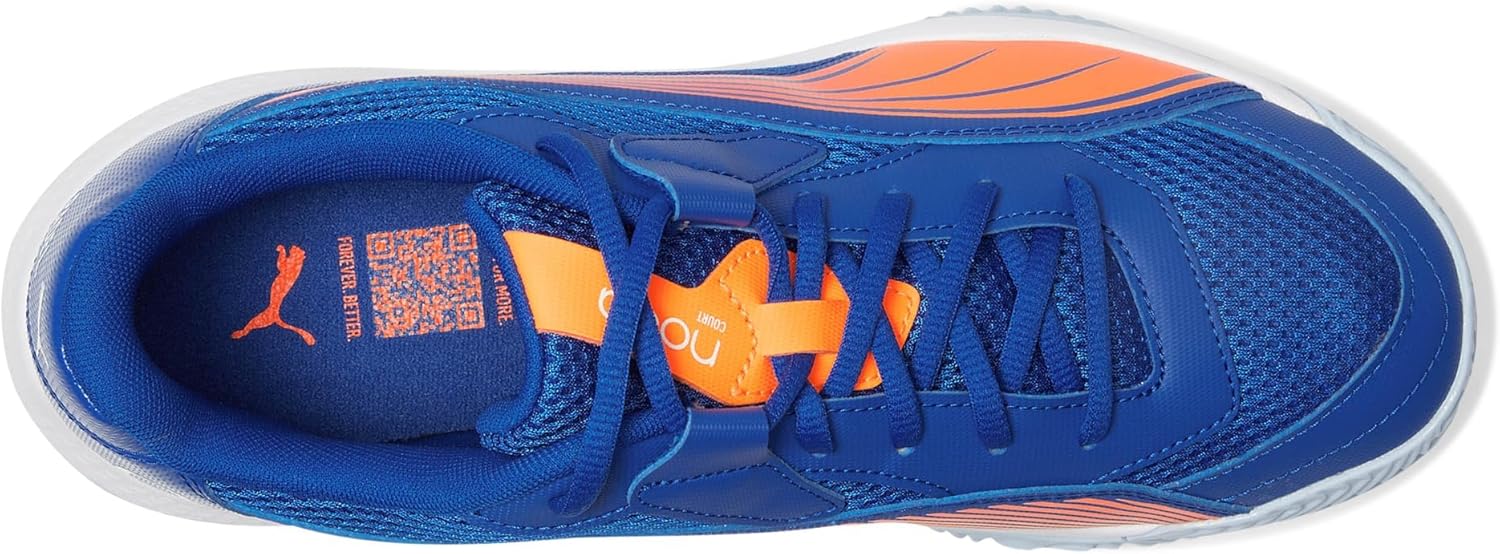
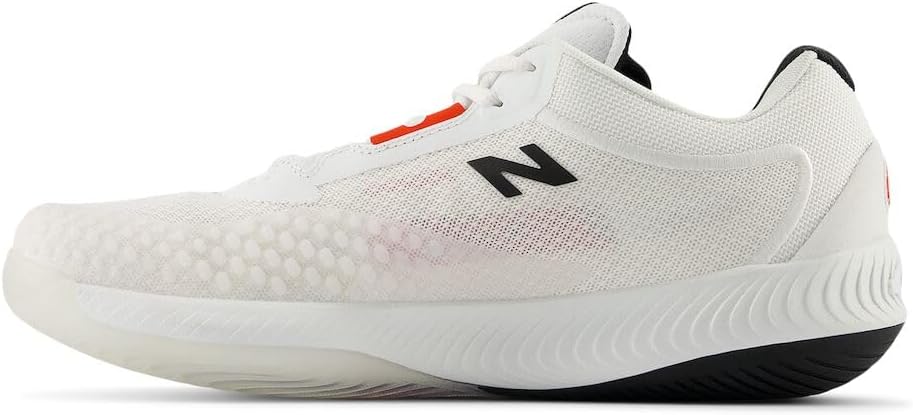
Key performance criteria: grip, stability, and comfort for every court
Traction is the foundation of any all court design, because the best all court pickleball shoes must grip acrylic outdoor courts and polished indoor wood without feeling sticky or slippery. A good court shoe uses a durable rubber compound and a tread pattern that channels dust away from the contact zones, which helps both men and women maintain balance when they slide into a wide defensive stance. When you compare tennis shoes and pickleball shoes side by side, you will often notice that the pickleball shoe has more rounded edges and pivot points to support quick directional changes near the kitchen.
Stability comes next, and it is where ankle support and midfoot structure become decisive for best pickleball performance. A quality all court model will cradle the foot with a firm heel counter, a supportive midsole platform, and a secure lacing system that prevents the foot from rolling over the edge of the shoe during violent lateral movements. Players with wide feet or a sensitive toe box area should pay particular attention to how the upper wraps the forefoot, because cramped toes or a loose forefoot can both lead to blisters and a poor feel for the court.
Comfort is not just about soft foam under the feet, even though plush cushioning can feel great when you first step into new shoes. True comfort for pickleball comes from a balanced combination of cushioning, court feel, and support that allows you to play long sessions without knee or back pain. For players comparing different women’s wide fit tennis shoes for indoor pickleball, a useful reference is a specialist review such as this guide to women’s tennis shoes with a wide fit for racket sports, which highlights how outsole grip, upper structure, and cushioning interact on court.
Fit, width, and the critical role of the toe box for men and women
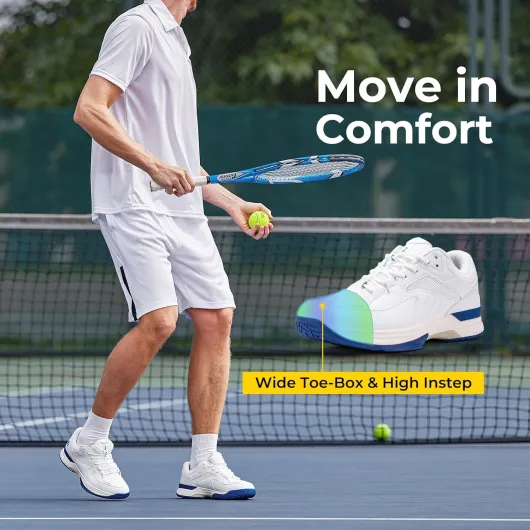
Fit is the most underestimated factor when players search for the best all court pickleball shoes, yet it has the greatest impact on long term comfort and injury risk. A shoe that is technically advanced but too narrow will punish wide feet, while an oversized model will allow the foot to slide inside the shoe and reduce stability during hard cuts. The ideal pickleball shoe should hug the mid foot and heel while leaving enough space in the toe box for the toes to splay slightly when you land from a jump or lunge.
Men and women often experience different pressure points, so brands design gender specific lasts to reflect average foot shapes and arch heights. Pro women who compete at high levels of pickleball frequently request a slightly narrower heel and a more sculpted midfoot, while many recreational men prefer extra room in the forefoot to accommodate naturally wide feet. When comparing court shoes or tennis shoes marketed as unisex, always check whether the internal volume and toe box shape match your own foot rather than relying only on the size label or the advertised price.
Players with very wide feet or a history of bunions should consider specialist models that offer extra width without sacrificing support or court feel. A detailed review of men’s extra wide fit court trainers for pickleball and racket sports shows how a broader platform and reinforced upper can still provide strong ankle support and lateral stability. Whether you choose a dedicated pickleball shoe or a versatile court shoe, always test the fit with your match socks and orthotics, then simulate real pickleball movements such as side shuffles and quick stops to evaluate how the shoe responds under your foot.
Brand technologies: nike, Babolat, Diadem, Selkirk and others on all court performance
Major brands have invested heavily in technologies that aim to create the best all court pickleball shoes for both recreational and pro players. Nike, for example, offers the nike vapor and nike zoom families, where models like the nike vapor and the nike zoom Challenge adapt tennis heritage to pickleball style movements with responsive cushioning and supportive uppers. These nike shoes often provide a lively feel under the foot, which many players describe as a great blend of court feel and impact protection during intense play.
Babolat has translated its tennis expertise into the babolat jet and jet mach lines, which are lightweight court shoes designed for explosive movement and quick recovery steps. The babolat jet Mach and similar models use a low profile midsole that keeps the foot close to the court, helping players feel connected to every shot while still enjoying enough cushioning for long sessions. Some versions, such as the express light and swiss express inspired designs, focus on reducing overall weight while maintaining stability, which can benefit agile players who rely on speed rather than sheer power.
Pickleball specific brands have also entered the footwear space with models tailored to the sport’s unique demands. Diadem has developed the Diadem Court Burst, a shoe that targets aggressive lateral movements with a reinforced sidewall and a grippy outsole optimized for pickleball courts, while Selkirk offers the Selkirk Courtstrike as a dedicated pickleball shoe with a stable platform and generous ankle support. When players compare these pickleball shoes with traditional tennis shoes, they often report that the pickleball specific models feel more secure during side to side play and provide a more precise feel for the court under the forefoot.
Balancing performance, durability, and price for different player profiles
Choosing the best all court pickleball shoes always involves a trade off between performance features, durability, and price. Competitive players who train several times per week usually prioritize support, traction, and court feel over initial cost, because a high quality pickleball shoe can reduce fatigue and help maintain consistent performance across long tournaments. Recreational players, by contrast, may accept slightly less advanced cushioning or materials if the shoe still offers reliable ankle support and a comfortable feel for casual play.
Durability depends on both the outsole compound and how a player moves on court, especially during lateral movements and slides. Toe draggers who frequently scrape the front of their shoes when reaching for low balls should look for reinforced toe box designs and abrasion resistant overlays, while players who stay mostly behind the baseline can focus more on midsole cushioning and overall comfort. In both cases, court shoes that are marketed for tennis can serve well for pickleball, but models explicitly engineered as shoes for pickleball often last longer in the high wear zones near the kitchen and service lines.
Value is not only about the lowest price but about cost per hour of effective play. A slightly more expensive pair of pickleball shoes that maintains its structure and grip for many months can represent a better investment than a cheaper shoe that loses support quickly and forces an early replacement. Players who train alone with tools such as a portable pickleball rebounder net for solo practice will also notice that a stable, well cushioned shoe makes repetitive drills less taxing on the joints, which further increases the practical value of a well chosen model.
Practical testing checklist: how to feel the right shoe on your feet
Evaluating the best all court pickleball shoes starts with a structured on court test rather than a quick walk in the shop. Begin by lacing the shoes firmly and checking that your heel stays locked in place while the midfoot feels supported but not crushed, then verify that you have a thumb’s width of space in the toe box to protect your toes during sudden stops. This simple check helps both men and women avoid shoes that feel fine when standing still but become painful once real pickleball movements begin.
Next, perform a series of short sprints, side shuffles, and diagonal cuts that mimic actual pickleball play, paying close attention to how the shoe handles lateral movements and abrupt changes of direction. A good pickleball shoe should feel stable when you push off the outside edge of the foot, without any sensation of rolling or sliding on the court surface. If you feel excessive pressure on the sides of wide feet or a loose, sloppy feel around the ankle, the shoe is not providing the level of ankle support and lockdown required for best pickleball performance.
Finally, assess overall comfort and court feel after at least fifteen minutes of continuous play, because some shoes only reveal hot spots or cushioning issues once the feet warm up. Ask yourself whether the shoes still feel great under the ball of the foot, whether the cushioning remains responsive, and whether the grip inspires confidence on every type of court you use regularly. By repeating this checklist with several pairs of court shoes, tennis shoes, and dedicated shoes for pickleball, you will quickly identify which models truly deserve a place among your personal best all court pickleball shoes.
Advanced considerations: biomechanics, injury prevention, and pro level expectations
Serious players who chase the best all court pickleball shoes should also consider how footwear interacts with their biomechanics and injury history. Athletes with previous ankle sprains, plantar fasciitis, or knee issues need a shoe that combines strong ankle support, a stable midsole platform, and enough cushioning to reduce impact forces during repeated jumps and lunges. In such cases, a well structured pickleball shoe can act as a protective interface between the foot and the court, helping to distribute loads more evenly across the feet.
Pro and high level amateur players often demand a very specific balance between court feel and cushioning, because they spend many hours on court and cannot afford a loss of responsiveness. Some prefer low profile court shoes like certain babolat jet or jet mach models, which keep the foot close to the ground for rapid reactions, while others choose more cushioned designs from nike vapor or nike zoom lines to protect joints during long tournaments. Pro women in particular may request custom orthotics or modified insoles to fine tune arch support and heel alignment inside their chosen pickleball shoes, ensuring that every movement from the first serve to the final rally feels controlled and efficient.
Recreational players can borrow these pro level habits by rotating shoes, monitoring outsole wear, and replacing footwear before support breaks down. When the tread under the ball of the foot becomes smooth or the midsole feels flat, the shoe no longer qualifies as one of the best pickleball options for safe, confident play on any court. By treating shoes for pickleball as essential performance equipment rather than simple accessories, players at every level can extend their careers, reduce injury risk, and enjoy a more consistent feel on every court they step onto.
Key figures about all court pickleball shoes and participation
- According to the Sports & Fitness Industry Association, pickleball participation in the United States grew by more than 150 percent over a recent three year period, which has driven a corresponding surge in demand for dedicated pickleball shoes and court shoes.
- Industry retail data from major sporting goods chains indicate that court and tennis shoes now represent a double digit share of racket sport footwear sales, with pickleball specific models accounting for a rapidly growing portion of that segment.
- Biomechanical studies on court sports show that lateral movements can generate forces of up to three times body weight on the lower limbs, which underlines why strong ankle support and a stable midsole are critical features in the best all court pickleball shoes.
- Consumer surveys from large online retailers report that players with wide feet are significantly more likely to return shoes that have a narrow toe box, highlighting the importance of width options and accurate fit information in pickleball shoe design.
References
- Sports & Fitness Industry Association – Pickleball participation reports.
- American Academy of Orthopaedic Surgeons – Guidance on court sport footwear and injury prevention.
- International Tennis Federation – Technical resources on court surfaces and shoe traction.