
What defines a mini pickleball court
What Makes a Court "Mini" in Pickleball?
Pickleball is known for its accessibility, and the rise of mini pickleball courts has made it even easier for players to enjoy the game in smaller spaces. But what exactly sets a mini court apart from a standard pickleball court? The answer lies in the court dimensions, the surface area, and how the space is adapted for play.
Unlike full-size pickleball courts, which follow official pickleball court dimensions set by USA Pickleball, mini courts are designed to fit into backyards, driveways, or smaller indoor areas. The main idea is to allow more people to play pickleball, even if they don’t have access to a full-size court or tennis court. This flexibility is a big reason why mini pickleball is gaining popularity among players of all ages and skill levels.
- Mini courts use a reduced length and width, making them ideal for limited spaces.
- The net height and volley zone are often adjusted to fit the smaller area, but the spirit of the game remains the same.
- Players can set up a mini court with temporary court marking tape, portable pickleball nets, and even modified pickleball paddles if needed.
Whether you’re looking to play pickleball in your backyard or want to maximize the use of a shared space, understanding the basics of mini court size and setup will help you get started. As you read further, you’ll learn about the standard mini pickleball court dimensions, how to adapt your space, and what equipment adjustments might be needed for the best playing experience.

Standard mini pickleball court dimensions
Key Measurements for Mini Pickleball Courts
When you want to play pickleball in a smaller area, understanding the right court dimensions is essential. Mini pickleball courts are designed for limited spaces, like backyards or driveways, but still aim to offer a true playing experience. The standard size for a full pickleball court is 20 feet wide by 44 feet long, but mini courts adjust these measurements to fit tighter spots while keeping the game enjoyable.
- Mini court dimensions: A common mini pickleball court measures about 10 to 13 feet in width and 20 to 22 feet in length. This size allows for singles or doubles play, depending on your available space and the number of players.
- Net height: The net should be set at 36 inches high at the sidelines and 34 inches at the center, matching the official pickleball net height for consistent play.
- Volley zone: The non-volley zone, often called the "kitchen," is still important on mini courts. It should extend 7 feet from the net on both sides, just like on a full-size court.
When marking your mini court, try to maintain the same proportions as a standard pickleball court. This helps players develop skills that transfer to regulation courts. For more details on official pickleball court dimensions and how they compare to mini courts, you can read about pickleball court dimensions for a deeper understanding.
How Mini Court Dimensions Affect Play
Playing on a mini pickleball court changes the game in subtle ways. The reduced length and width mean less running, but also demand quicker reactions and more precise shots. Players often find that rallies are faster, and the smaller surface area makes strategic placement even more important. If you plan to set up a mini court, consider how the court size will influence your playing style and the type of games you enjoy.
Adapting your space for a mini court
Making the Most of Limited Space for Mini Pickleball
Adapting your available area for a mini pickleball court is all about maximizing what you have. Whether you’re working with a backyard, driveway, or a small indoor space, careful planning ensures you can still enjoy the game without a full-size court. Here’s how to approach it:
- Measure your space: Use a tape measure to determine the length and width you have available. Compare these numbers to the standard mini pickleball court dimensions to see what adjustments are needed.
- Surface matters: A flat, even surface is ideal for safe play. Concrete, asphalt, or a smooth gym floor work well. Avoid areas with loose gravel or uneven ground, as these can affect the bounce and your safety.
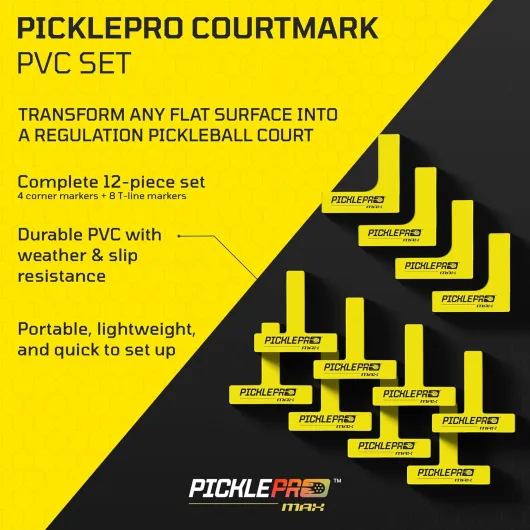
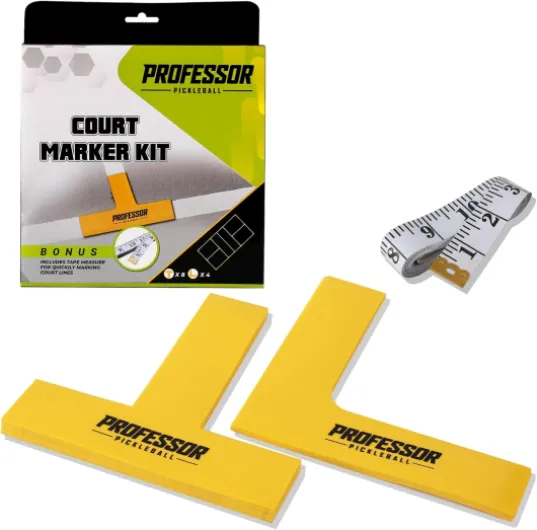
- Marking the court: Use painter’s tape, chalk, or temporary court marking kits to outline the boundaries. Make sure to clearly mark the volley zone and service lines, as these are crucial for proper play.
- Net placement: The pickleball net should be set at the correct net height (34 inches at the center for mini courts). Portable nets are a good solution if you need to set up and take down your court regularly.
- Consider surroundings: Leave enough space around the court for players to move safely. Watch out for fences, walls, or landscaping that could interfere with play.
When adapting your space, remember that even a smaller area can provide a great pickleball experience if you pay attention to the court dimensions and setup. If you’re new to the game or want to brush up on the basics, read pickleball rules for hitting the ball on the bounce to ensure your mini court play stays true to the sport. With the right adjustments, you’ll be ready to play pickleball almost anywhere.
Equipment adjustments for mini courts
Choosing the Right Equipment for Mini Pickleball Courts
When you set up a mini pickleball court, the equipment you use can make a big difference in your playing experience. Since mini courts have different dimensions compared to standard pickleball courts, some adjustments are necessary to ensure the game remains enjoyable and fair for all players.
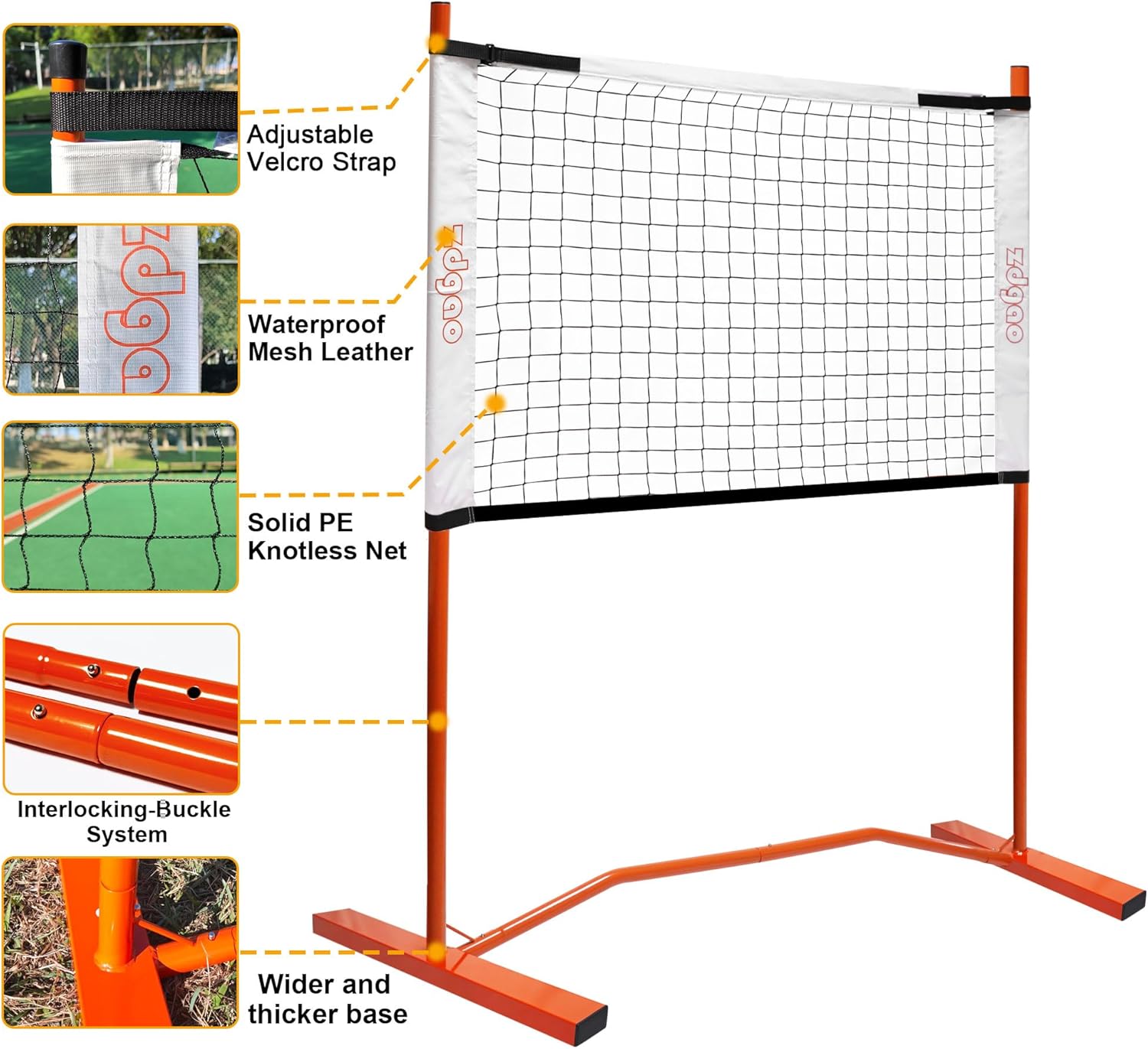
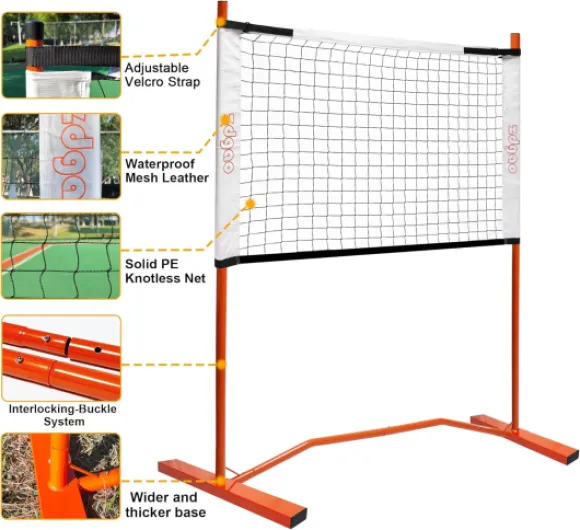
- Pickleball Net: The net is a central part of any pickleball court. For mini courts, you may need a portable net system that can be adjusted to fit the reduced length and width. The official net height remains the same as standard courts (34 inches at the center), but the net’s total length should match your mini court’s width.
- Paddles and Balls: Most players use standard pickleball paddles and balls, even on mini courts. However, if your space is very tight, consider lighter paddles or low-bounce balls to help control the game in a smaller area.
- Court Marking: Accurate court marking is essential. Use tape or chalk to outline the boundaries, volley zone, and service boxes according to your mini court’s dimensions. This helps maintain the integrity of the game and ensures everyone knows where to play.
- Surface Considerations: The playing surface should be smooth and non-slip. If you’re setting up a mini court in your backyard or on a tennis court, make sure the area is clear of debris and provides good traction for players.
Adapting your equipment to fit the size and layout of your mini pickleball court will help you get the most out of your playing area. Whether you’re playing in a driveway, backyard, or a smaller indoor space, these adjustments allow you to enjoy the game while respecting the unique court dimensions.
Playing strategies on a mini court
Adjusting Your Game for Smaller Court Dimensions
Playing pickleball on a mini court brings a unique set of challenges and opportunities. The reduced court size and width mean players must rethink their strategies compared to a full-size pickleball court. Here are some practical tips for adapting your play:
- Shorter Reaction Times: With less area to cover, the ball travels between players more quickly. Stay alert and ready to react, especially near the net and in the volley zone.
- Precision Over Power: On mini courts, powerful shots can easily go out of bounds. Focus on control and placement rather than force. Aim for the corners and use angles to move your opponent.
- Net Play: The smaller surface makes net play even more critical. Quick volleys and dinks can be very effective. Practice soft shots that land just over the pickleball net to keep your opponent on their toes.
- Serve Adjustments: Since the length and width are reduced, adjust your serve to avoid faults. A lower net height or different court marking may also affect your serving technique.
- Communication: If you play doubles, clear communication is essential. The compact area means you and your partner will be closer together, so call shots early to avoid confusion.
Maximizing Your Space and Equipment
Mini pickleball courts often require creative use of available space, whether you are playing in a backyard pickleball setup or indoors. Make sure your pickleball paddles and balls are suitable for the surface and dimensions. Adjust your stance and movement to fit the smaller area, and always check that the pickleball net height matches the recommended standards for mini courts.
Common Mistakes to Avoid
- Overhitting the ball due to underestimating the reduced court dimensions
- Standing too far back, which limits your ability to reach short shots
- Ignoring the importance of court marking and net placement for fair play
By understanding these adjustments, players can enjoy a fast-paced, skillful game on mini pickleball courts, making the most of any space available.
Common challenges and solutions
Overcoming Space and Surface Limitations
Mini pickleball courts are a great way to enjoy the game when you have limited space, but they come with their own set of challenges. The smaller court dimensions and reduced playing area can impact how you play pickleball, especially if you are used to full-size pickleball courts or even tennis courts. Here are some common issues players face and practical solutions to help you get the most out of your mini court experience.
- Limited Movement: The reduced length and width of a mini court mean less room to move. Players often find themselves crowded, especially near the volley zone. To adapt, focus on quick footwork and anticipate your opponent’s shots. Practicing on a mini court will help you develop faster reflexes and better positioning.
- Net Height and Placement: Setting up the pickleball net at the correct net height is crucial, even on a mini court. If your space or surface doesn’t allow for standard net posts, consider portable nets designed for smaller courts. Always double-check the net height to maintain the integrity of the game.
- Court Marking Challenges: Accurately marking the court dimensions can be tricky in a backyard pickleball setup or on uneven surfaces. Use durable court marking tape or chalk for clear boundaries. If your surface is temporary, opt for removable markers to avoid damage.
- Equipment Adjustments: Standard pickleball paddles and balls work well, but some players prefer lighter paddles for quicker reactions in tight spaces. Make sure your equipment matches the court size and your style of play.
- Surface Quality: Playing on a non-standard surface, like a driveway or patio, can affect ball bounce and player movement. Try to set up your mini pickleball court on the flattest, smoothest area available. If possible, use a surface similar to those found on official pickleball courts for a more consistent game.
- Adapting Game Strategies: The smaller area means rallies can be faster and more intense. Players should focus on placement rather than power, using angles and soft shots to control the game. Communication is key in doubles play, as the limited space can lead to confusion over who will take each shot.
Tips for a Better Mini Pickleball Experience
- Measure your available space carefully before setting up your court.
- Follow USA Pickleball guidelines for mini court dimensions whenever possible.
- Regularly inspect your net and court markings to ensure fair play.
- Encourage all players to respect the boundaries and adjust their play style to suit the mini court.
By understanding these challenges and implementing practical solutions, you can enjoy a fun and competitive game of pickleball, even in a compact area. Whether you’re setting up a backyard pickleball court or adapting a tennis surface, the right approach will help you make the most of your mini pickleball experience.