Key technologies behind the best control oriented pickleball paddles
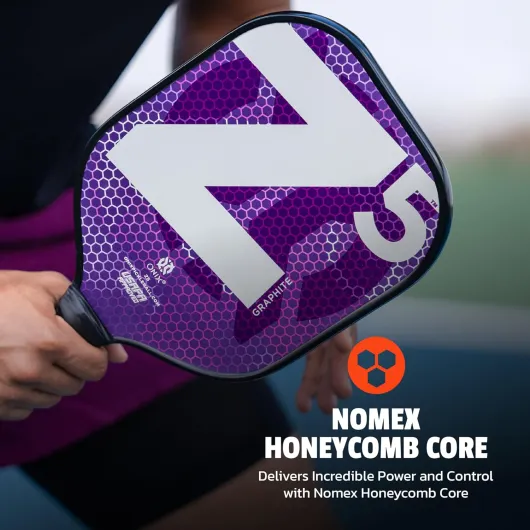
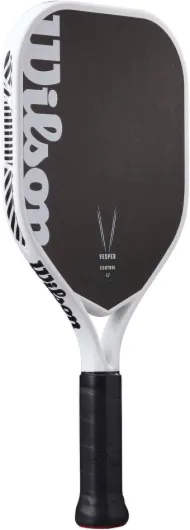
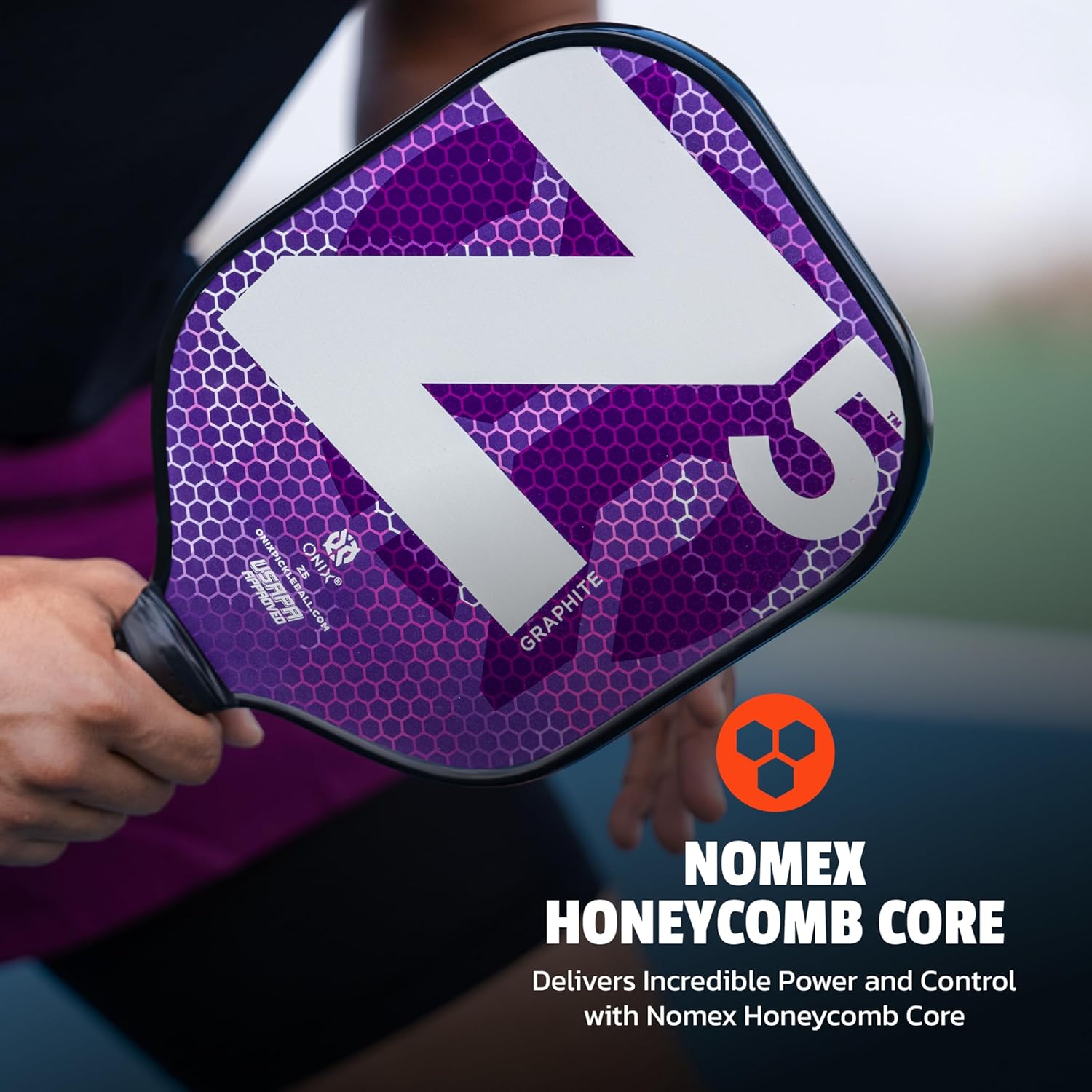
Modern control paddles rely on a combination of core design, face materials and aerodynamic shaping. Many of the best pickleball paddles for precision use a polymer honeycomb core that is slightly thicker, which softens impact and improves power control without feeling mushy. This type of core lets you absorb a heavy ball and still send it back with accurate depth rather than an unpredictable float, and measured rebound tests often show a slightly lower peak ball speed but much more consistent launch angle.
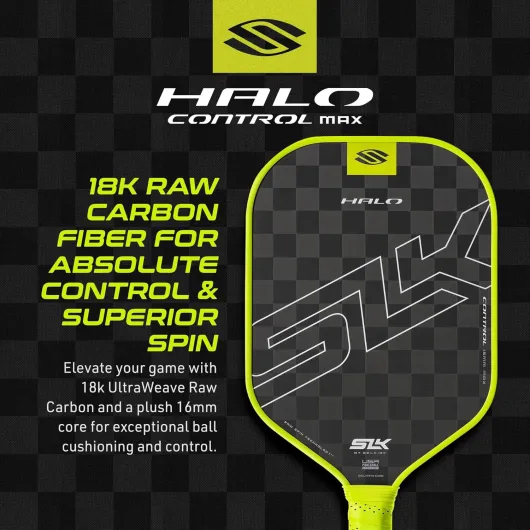
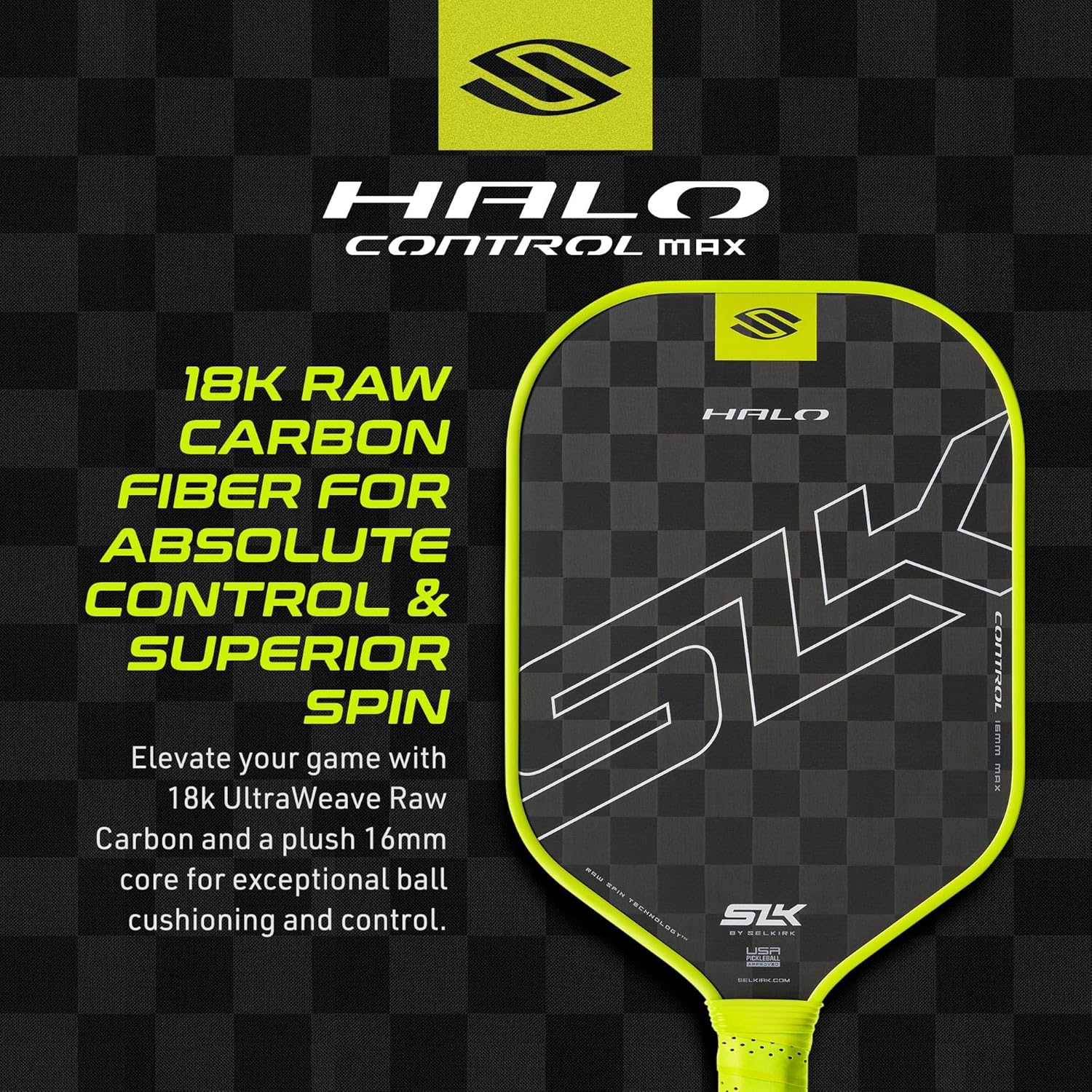
Carbon and carbon fiber faces dominate the high end control paddle category, because they offer a rare mix of stiffness, spin potential and refined feel. A raw carbon fiber pickleball paddle grips the ball longer on the face, which increases spin and lets advanced players bend passing shots or heavy topspin rolls with confidence. When this carbon construction is paired with a well tuned edge guard, the warping point of the face is pushed outward, so more of the surface behaves like the true sweet spot. Sweet spot mapping performed by independent reviewers typically shows a larger uniform response zone on these paddles compared with older fiberglass or aluminum faced models.
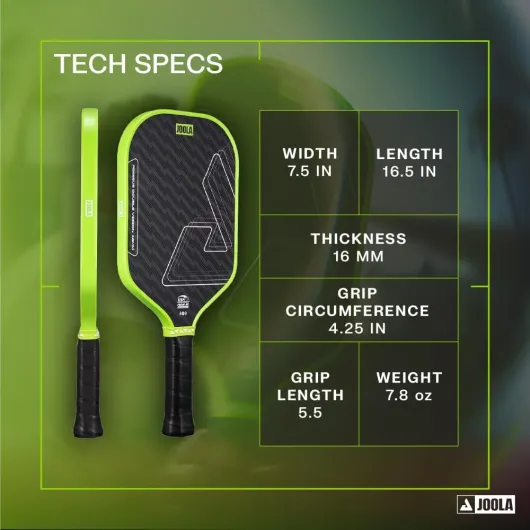
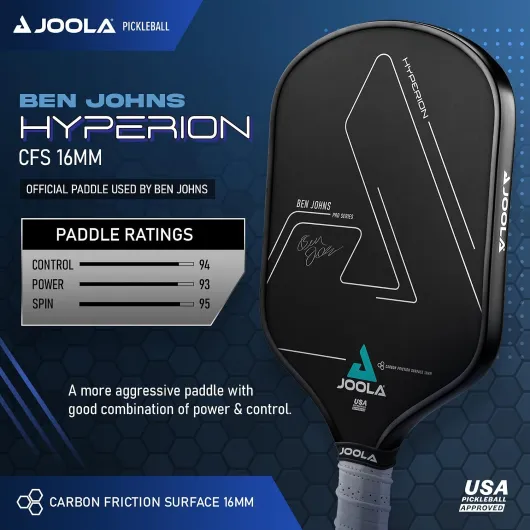
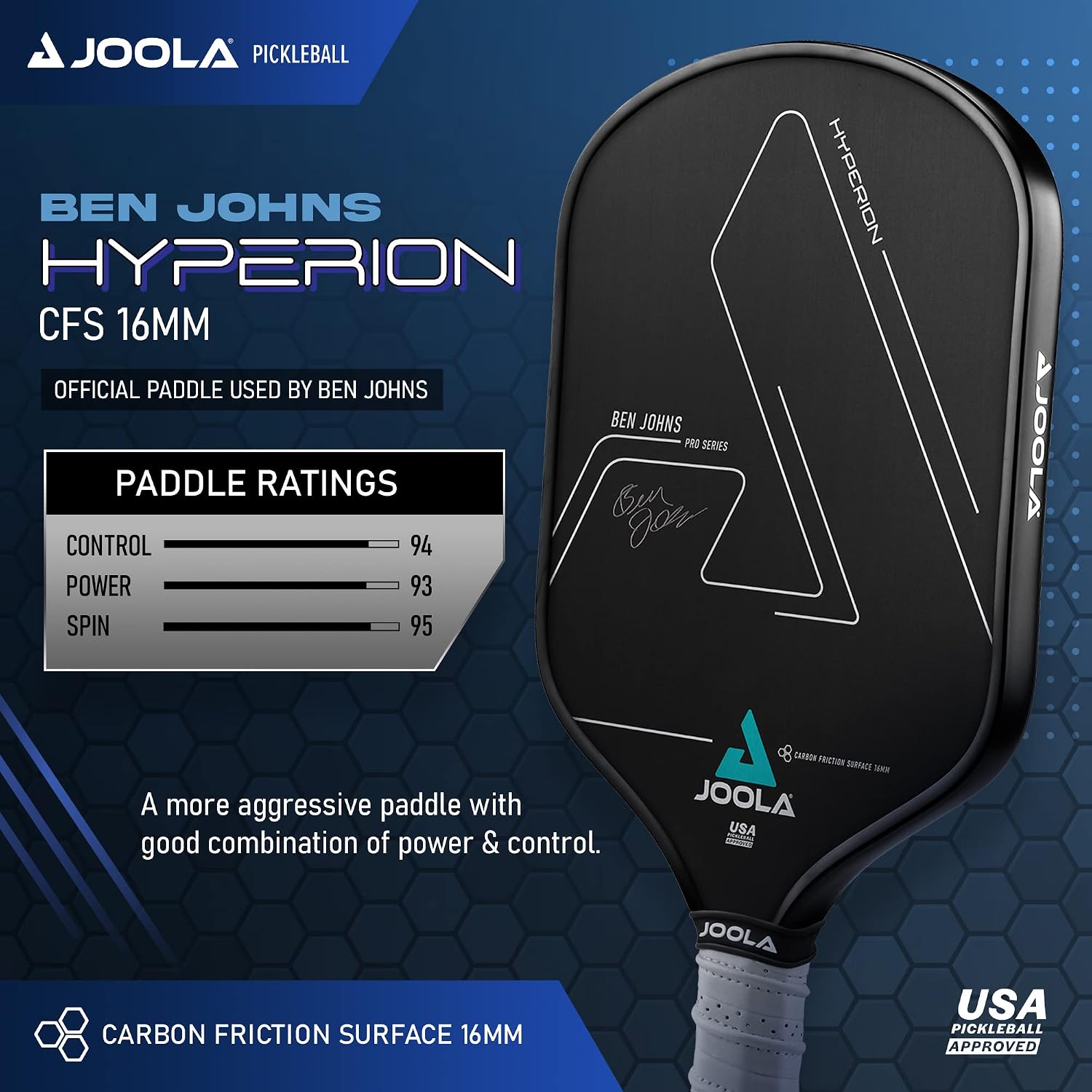
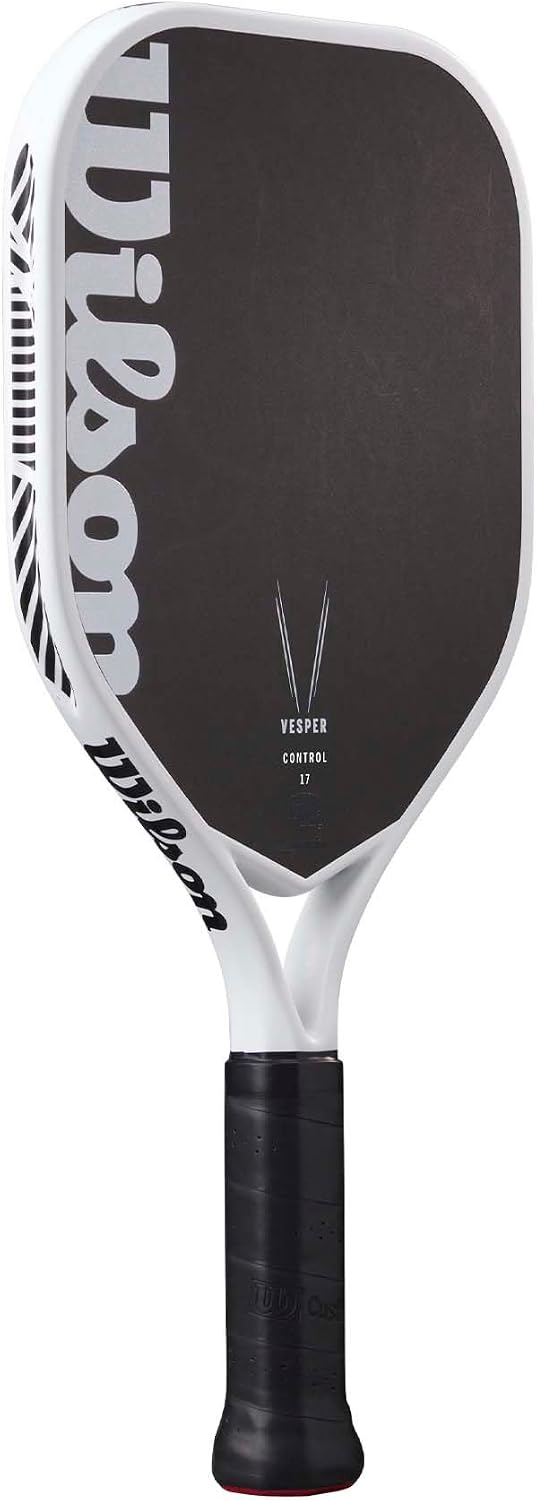
Shape and air flow also influence how control pickleball paddles behave in fast play. Elongated shapes add reach and leverage for power, while more traditional shapes give a wider sweet spot and slightly easier control for most players. If you want a deeper technical dive into how surface textures and carbon layups affect power and spin, you can study a detailed raw carbon fiber paddle review such as the test of the Ben Johns Hyperion pickleball paddle, which explains how surface roughness and elongated handles change both control and power and includes measured spin rates and ball speed data.
How selkirk and other pro level brands engineer control
Among control oriented pickleball paddles, Selkirk has become a reference point for many competitive players. The Selkirk Amped line, for example, uses a thicker X5 polymer core and a FiberFlex face to create what many call amped control, meaning the paddle offers extra dwell time on the ball without sacrificing stability. In comparative hitting sessions reported by several equipment testers, Amped models tend to produce slightly slower maximum ball speeds but noticeably tighter groupings on touch shots. This balance of power control and touch has made the Selkirk Amped series a frequent sight in both amateur and pro level play.
The Selkirk Luxx family pushes the concept further, with models such as the Selkirk Luxx Control Air that blend advanced carbon fiber faces with aerodynamic edges. A Selkirk Luxx control paddle is designed so that air moves cleanly around the frame, reducing drag during quick hand battles at the net. When players talk about paddles control in this category, they often highlight how the Luxx Control Air maintains a consistent feel from the center sweet spot out toward the edges, which reduces mishits on rushed shots. Reviewer feedback frequently notes that off center contact on these paddles loses less pace and stays on line more reliably than on many traditional composite designs.
Other manufacturers follow similar principles, combining carbon faces, tuned cores and optimized weight to reach a comparable level of control. Some brands experiment with limited edition graphics or special layups, but the underlying engineering still focuses on enlarging the sweet spot and managing the warping point under heavy impact. For a sense of how different constructions influence vibration and feel, you can look at comparative tests of USAP approved pickleball paddles such as the Vision and Double Vision series, where reduced vibration technologies are evaluated for their effect on control and comfort using accelerometer readings and player surveys.
Matching paddle weight, balance and feel to your playing style
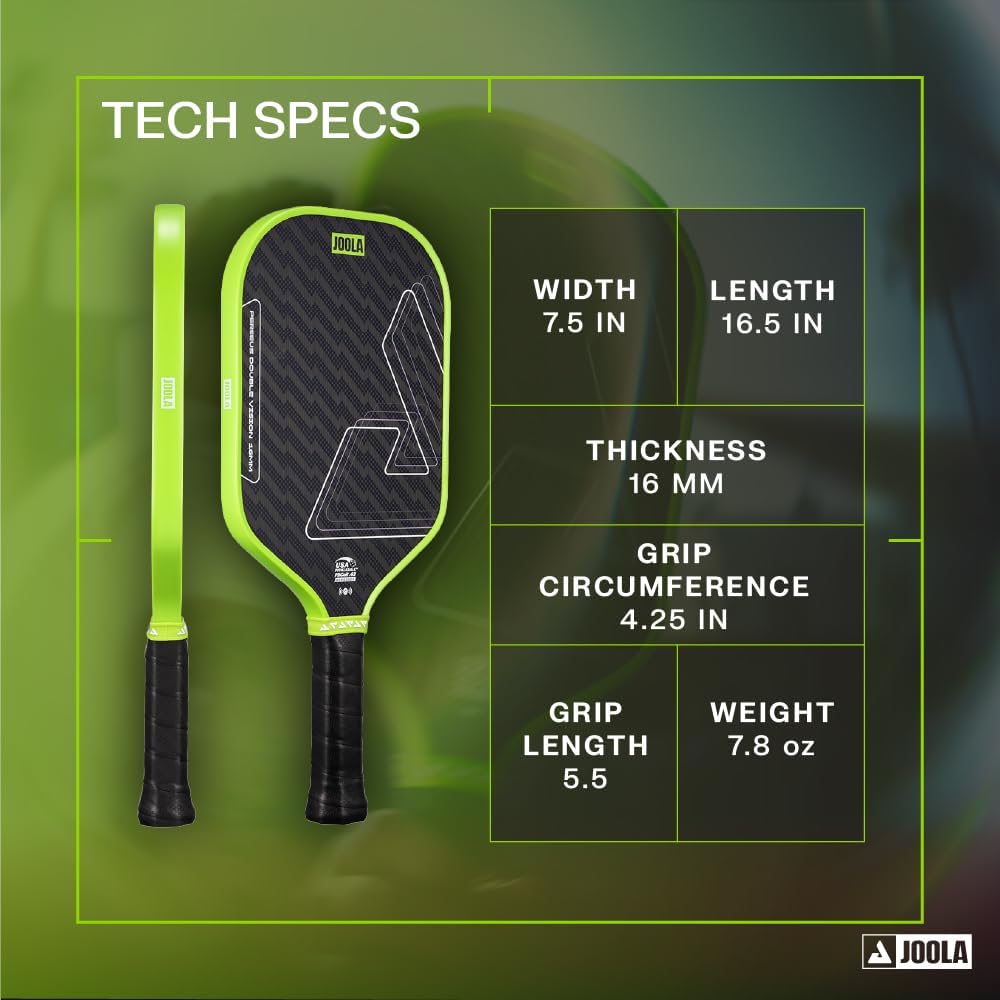
Choosing among the best control oriented pickleball paddles starts with an honest look at your own game. If you rely on quick hands and soft blocks at the kitchen, a mid weight control paddle around 215 to 230 grams usually offers the best blend of maneuverability and stability. Lighter paddles move through the air faster, but they can twist more on off center contact, which shrinks the effective sweet spot and can make the ball feel jumpy on touch shots.
Heavier control paddles, often closer to 240 grams, add plow through power and reduce vibration, which some players with arm issues appreciate. The trade off is that extra weight can slow your reaction time on rapid fire volleys, so you must decide whether you value raw stability or lightning fast hand speed. Many pro players settle in the mid range, using a control pickleball paddle that feels neutral in the hand and allows them to accelerate only when they choose to add power. If you are unsure, demo programs and local club loaner racks can help you compare swing weight and comfort side by side.
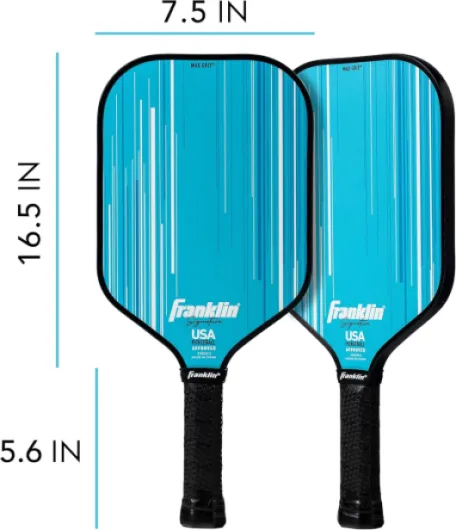
Grip size and handle length also shape how a pickleball paddle feels during play. A longer handle can help two handed backhands generate more spin and power, while a shorter handle shifts more mass into the face for extra control on dinks and blocks. Whatever configuration you choose, the paddle should feel like an extension of your hand, with the weight balanced so that you can guide the ball rather than fight the paddle on every shot. Many players find that adding a thin overgrip to fine tune circumference and tackiness makes a noticeable difference in control.
Price, value and how to read regular and sale price labels
Control oriented pickleball paddles span a wide range of price points, from entry models under a modest budget to premium carbon fiber designs at a significantly higher regular price. When you compare price tags, focus less on the number alone and more on how the materials, core construction and durability justify that cost over time. A well built control paddle that maintains its sweet spot and resists a warping point after months of play often delivers better value than a cheaper paddle that softens quickly or develops dead spots.
Retailers frequently list both a regular price and a sale price, which can make a limited edition or high end control paddle seem more accessible. Before you commit, check whether the sale price reflects a genuine discount or simply a marketing tactic, and consider how often you play pickleball each week. If you are on court several times per week, investing in one of the best pickleball paddles with a stable carbon face and a quality core will usually pay off in both performance and longevity, especially if you avoid frequent replacements.
Value also depends on how a paddle supports your development as a player. A well chosen control pickleball paddle can help you refine touch, learn to vary spin and manage power more intelligently, which in turn raises your overall level of play. When you factor in coaching, court fees and even supportive footwear such as specialized pickleball shoes, the paddle becomes one part of a broader equipment strategy aimed at consistent, long term improvement rather than short term savings.
Building a complete control focused setup around your paddle
Once you have selected one of the best control oriented pickleball paddles, the rest of your equipment should complement that choice. A control paddle rewards precise footwork and balanced posture, so shoes with good lateral support and grip help you arrive at the ball in a stable position. Players who pair a reliable control pickleball paddle with supportive footwear and a consistent warm up routine usually find that their touch and timing improve together, especially during long tournament days.
Ball selection also matters, because different pickleball models vary in hardness, seam design and air drag. A harder outdoor ball will rebound faster off the face, which can make a very stiff carbon fiber paddle feel livelier and slightly less forgiving on mishits. Softer indoor balls slow the game and can emphasize the feel and dwell time of a thicker core, which many control oriented players appreciate when practicing resets and third shot drops. Testing a few ball types with the same paddle is an easy way to see how much they influence your perception of control.
To round out your setup, pay attention to overgrips, lead tape and even simple vibration dampening accessories if you are sensitive to shock. Small adjustments to weight and balance can transform a good control paddle into the best pickleball tool for your specific hand size and swing path. If you want to go deeper into optimizing your overall gear, including how footwear affects stability and power transfer, you can consult a detailed guide on why dedicated pickleball shoes matter for your game, which explains how traction and cushioning interact with paddle choice and movement patterns.
Key statistics about control oriented pickleball paddles
- According to USA Pickleball participation reports, the number of active players has grown rapidly over the past several years, which has driven a surge in demand for both power and control paddles across all price segments. While exact growth figures vary by source and methodology, most industry summaries agree that pickleball remains one of the fastest expanding racket sports in North America.
- Industry retail data from major sporting goods chains and specialty shops indicate that paddles with carbon fiber or other carbon based faces now represent a majority of premium pickleball paddle sales, reflecting a clear shift toward materials that enhance spin and control. Specific percentages differ by retailer, but the overall trend toward carbon construction is well documented in trade reports.
- Surveys of competitive players conducted by several pickleball equipment retailers show that most tournament level athletes prefer a mid weight paddle between roughly 215 and 235 grams, a range widely associated with balanced power control and quick maneuverability. These surveys are self reported, but they align closely with the weight ranges promoted by many pro endorsed models.
- Product testing by independent reviewers has found that thicker polymer cores, often in the 16 millimetre range, can reduce peak impact vibration compared with thinner cores, which contributes directly to a softer feel and improved control on touch shots. The exact reduction depends on the specific paddle and test protocol, so vibration numbers should be viewed as comparative indicators rather than absolute guarantees.
- Sales analyses from online specialty shops report that limited edition control paddles, including models such as the Selkirk Amped and Selkirk Luxx Control Air, often sell through quickly after release, underscoring the strong market appetite for high end control oriented designs. Restock notifications and preorder lists for these paddles are common, particularly around major tournament seasons.
References
- USA Pickleball – Official equipment standards, tournament rulebook and participation summaries.
- Pickleball Central and similar retailers – Retail sales trends, buyer surveys and comparative paddle testing data.
- Selkirk Sport – Technical specifications, design notes and performance descriptions for Amped and Luxx series paddles.