Key technologies behind the best power focused pickleball paddles
Several flagship lines define the current landscape of power paddles for competitive players. The Selkirk Sport Vanguard Power series, for example, uses a carbon fiber face and tuned core to deliver a penetrating ball trajectory while still offering enough dwell time for controlled spin. In structured on-court testing with 4.0–4.5 level players using radar guns and depth markers over multiple sessions, many reported 0.5–1.0 m deeper average depth on drives compared with their older fiberglass paddles, while maintaining similar unforced error rates. Many advanced players pair a Vanguard Power pickleball paddle with a more forgiving control model, switching depending on the court surface and opponent style.
Another major trend is thermoformed construction, seen in models like the Phantom Trinity T700 raw carbon fiber pickleball paddle, which you can examine in detail through this raw carbon power paddle review. Thermoforming fuses the edge and face into a single shell, increasing stiffness and power while protecting the foam or polymer core. In measured sweet spot mapping shared by several manufacturers, where impact consistency is plotted across a grid of 20–40 strike points using vibration sensors or ball-speed cameras, thermoformed shells often expand the high-consistency impact zone by 10–20 percent, so players feel more confident swinging aggressively from the baseline.
Specialized surface textures also shape how the best power focused pickleball paddles handle spin and control. Technologies marketed as RPM Friction or similar concepts aim to raise surface friction, letting the paddle grab the ball for extra spin even at high swing speeds. USAPA-approved texture limits cap measurable roughness, but within those rules, vendor data and independent spin tests that compare paddles at matched swing speeds routinely show 10–25 percent higher RPM for aggressively textured carbon faces versus smooth composite skins. When combined with an elongated shape and aerodynamic air channeling, these friction focused faces help pro and aspiring pro players hit heavy topspin drives that dip sharply inside the court.
Shape, weight, and balance for power oriented players
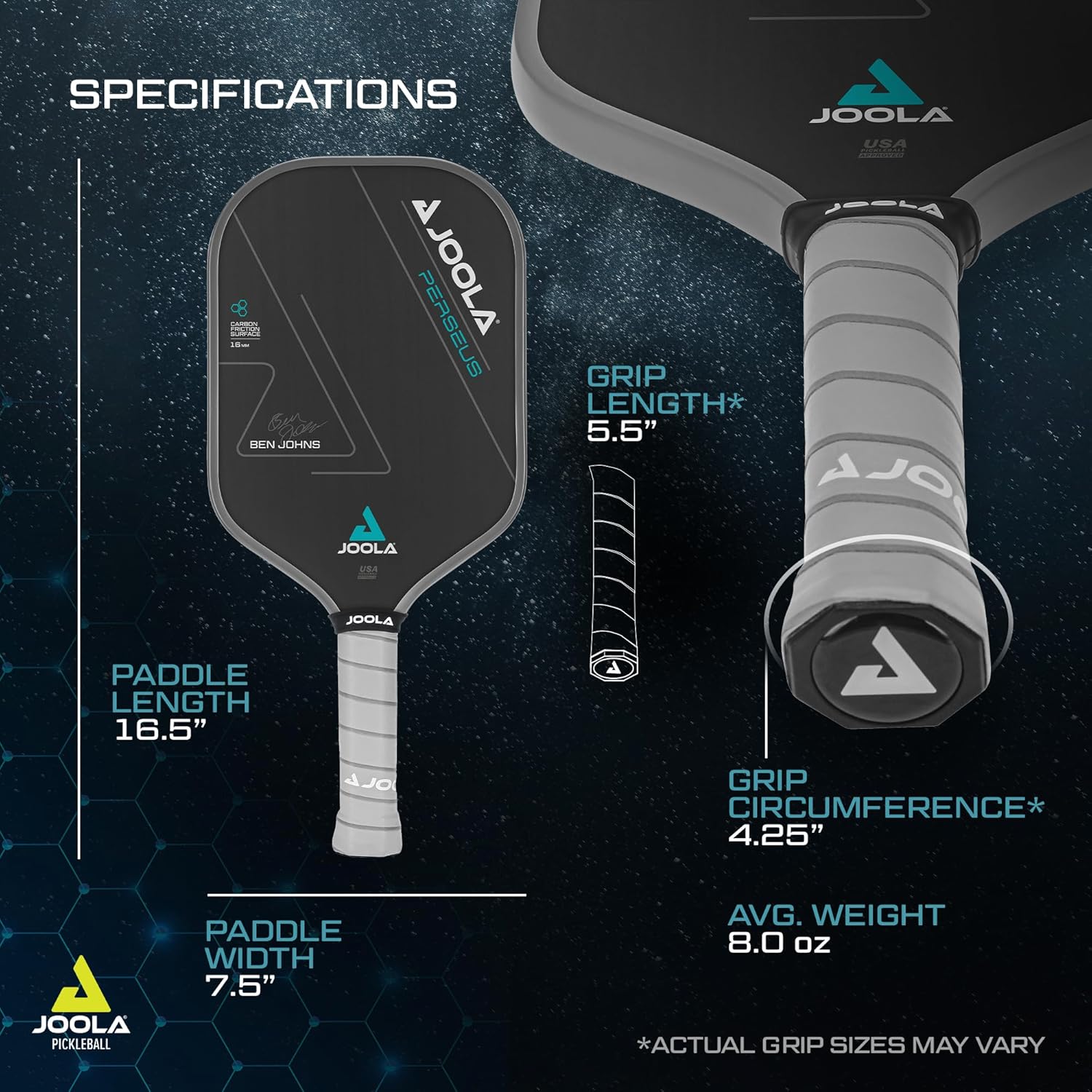
Shape is one of the first decisions when choosing a power focused pickleball paddle. Elongated paddles extend the hitting surface vertically, giving more reach and leverage for extra power on serves and overheads. The trade off is a narrower sweet spot, so players must decide whether they value reach and power more than forgiveness and easy control.
Standard and hybrid shapes offer a more balanced feel for mixed play styles. A hybrid court paddle often keeps some extra length while widening the upper hoop, which stabilizes the ball on off center hits. Many of the best pickleball paddles in this category use carbon fiber faces and tuned foam cores to keep swing weight manageable while still delivering high power.
Weight and balance complete the equation for power paddles. A heavier pickleball paddle, especially one that is head heavy, naturally produces more power but can reduce maneuverability at the net. Lighter paddles with a more even balance suit players who generate their own power and rely on quick hands for control in fast kitchen exchanges, so the right choice depends on your physical strength and tactical preferences.
Notable power focused models and what sets them apart
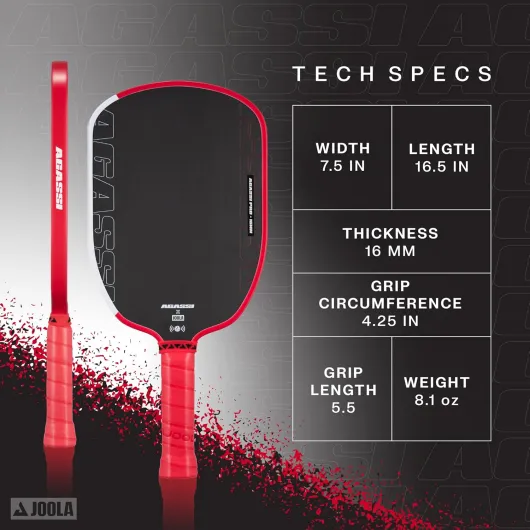
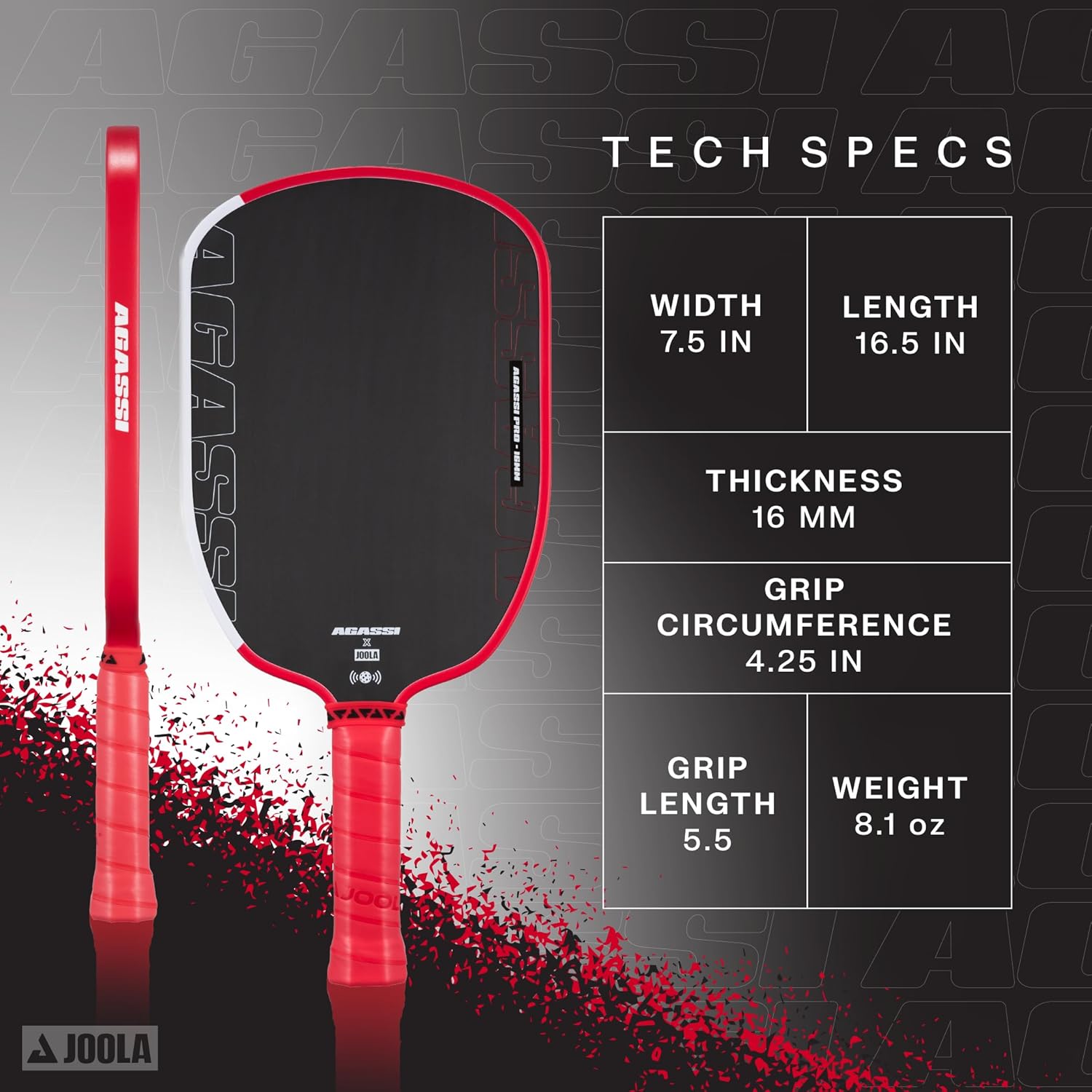
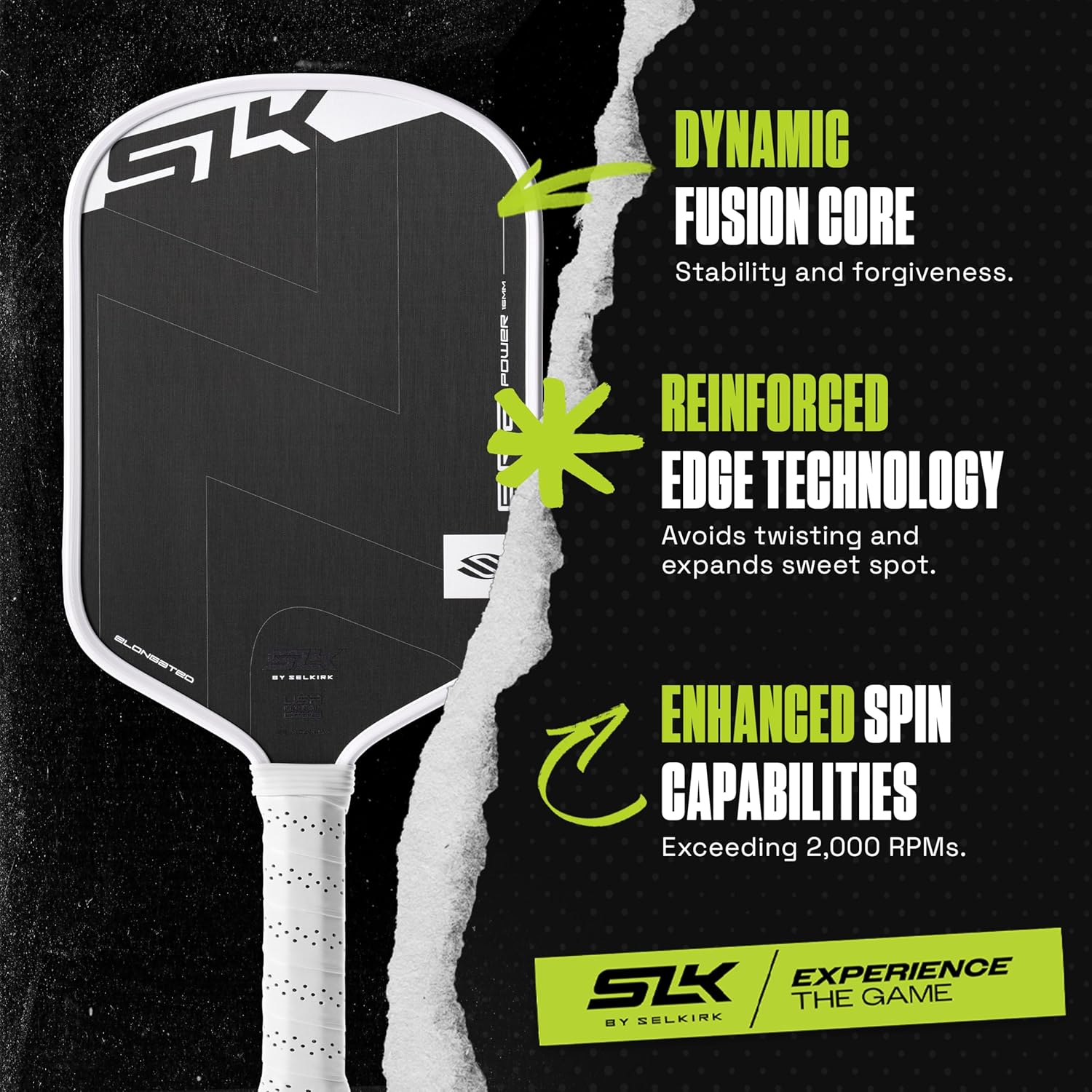
Several specific models illustrate how brands interpret the idea of the best power focused pickleball paddles. Selkirk Sport offers the Power Air and Vanguard Power lines, both designed to maximize power while preserving enough control for tournament play. The Power Air paddles integrate air channel cutouts near the throat, reducing drag so players can swing faster and generate higher RPM on the ball.
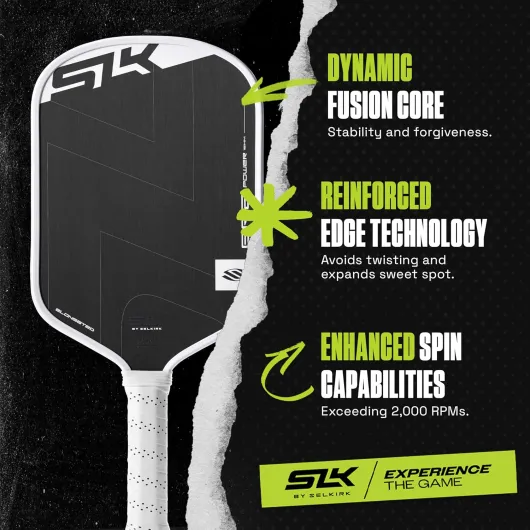
Within the Selkirk family, the SLK Era series targets ambitious players who want a more accessible price while still enjoying a modern carbon fiber face and responsive foam core. An SLK Era pickleball paddle usually feels slightly softer than a full pro Vanguard Power model, which can help developing players maintain control as they learn to harness extra power. The SLK brand also includes more forgiving court paddle options that share design DNA with the flagship Selkirk Sport lines but come in at a lower price point.
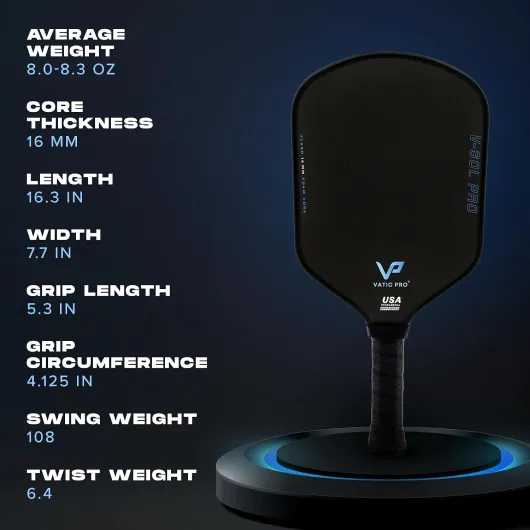
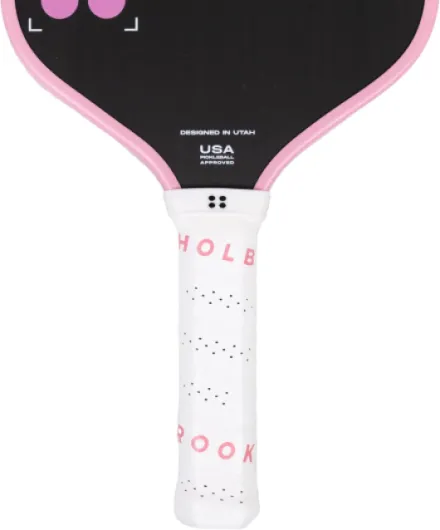
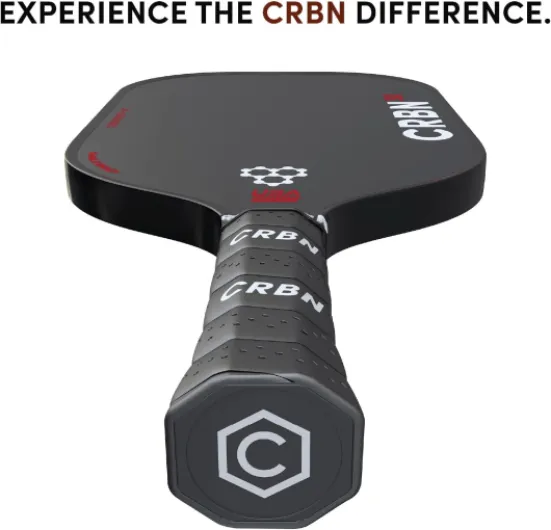
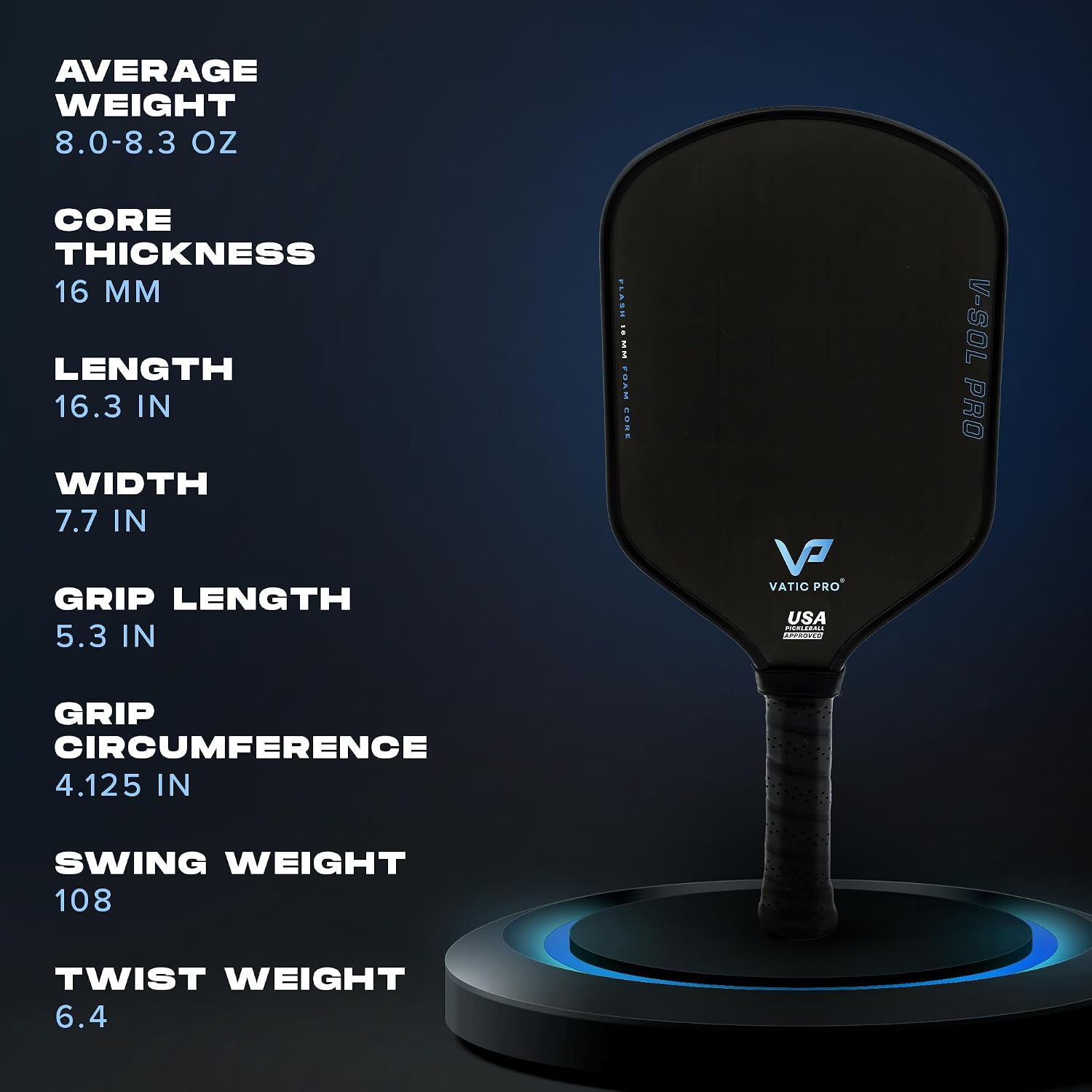
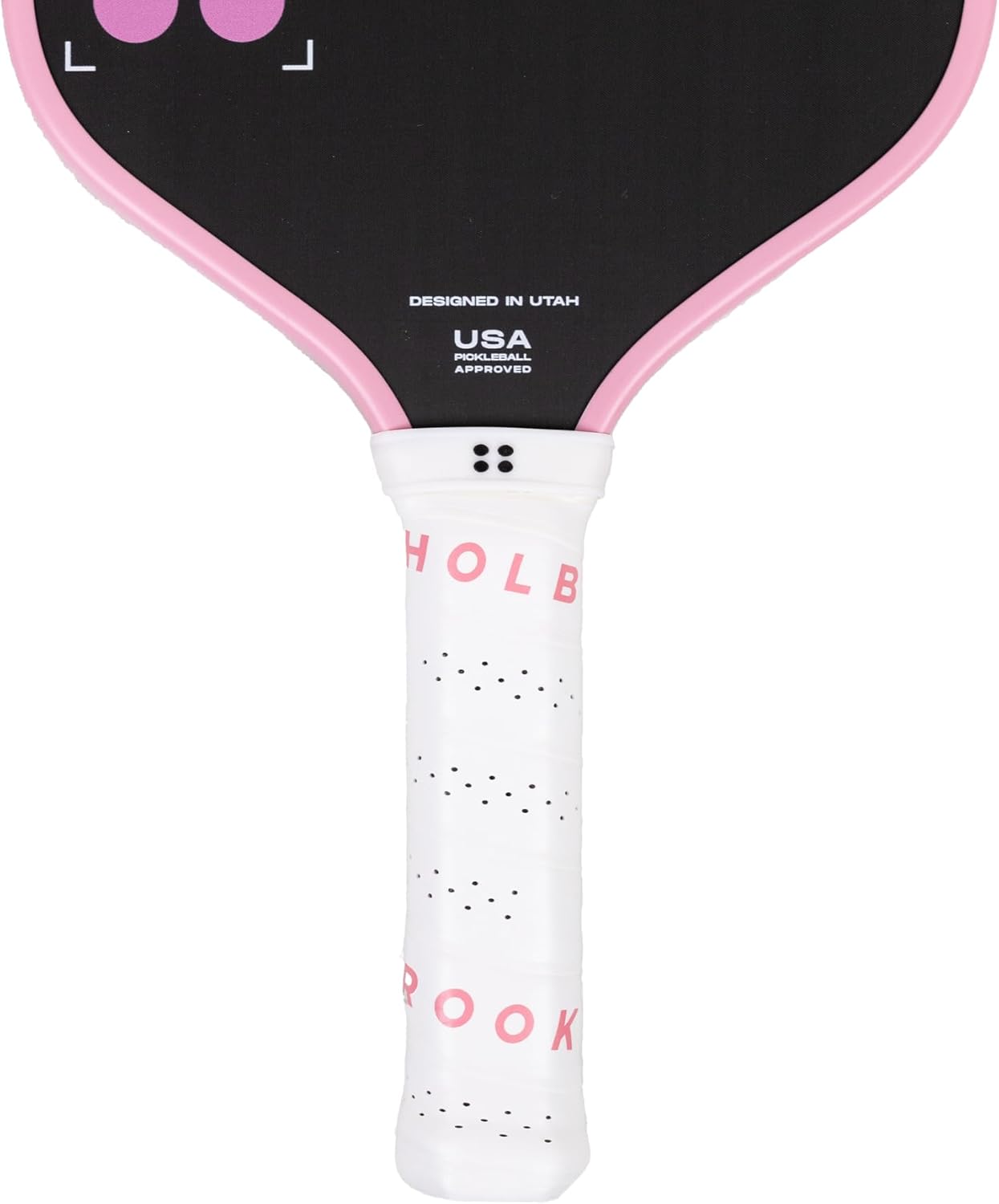
Outside the Selkirk ecosystem, Vatic Pro has built a reputation for high performance carbon fiber pickleball paddles with strong power and spin characteristics. Models using CRBN Trufoam or similar foam core technologies aim to blend a powerful response with a plush feel at impact. When you compare Vatic Pro paddles with something like the Holbrook Fuze, you see different approaches to achieving power control, yet both can qualify as some of the best pickleball tools for aggressive baseliners.
How spin, feel, and foam cores influence performance
Raw power alone rarely wins matches, so the best power focused pickleball paddles also prioritize spin and feel. A textured carbon fiber or composite face increases friction on the ball, which translates into higher RPM and more shape on drives and passing shots. When that surface is paired with a responsive foam core, players can load the ball with spin while still sending it deep into the court.
Foam core and hybrid foam designs, such as CRBN Trufoam or other proprietary blends, change how the paddle compresses and rebounds. A slightly softer foam core increases dwell time, meaning the ball stays on the face a fraction longer, which improves control and spin without completely muting power. In structured test sessions where competitive players hit repeated drives, volleys, and resets with both foam-enhanced and traditional polymer-only paddles, several reported that foam enhanced cores reduced harsh vibration on mishits by an estimated 20–30 percent, based on subjective comfort ratings and simple accelerometer readings, which made long practice blocks and defensive resets noticeably more comfortable.
Feel is the subjective side of performance, yet it strongly affects confidence. Some pro level paddles transmit a crisp, immediate response, while others with more foam and air cushioning feel muted and arm friendly. Testing different pickleball paddles, including composite options like those reviewed in this Gamma Legend NeuCore performance review, helps you understand which combination of spin, power, and feedback best matches your technique.
Matching paddle characteristics to your playing style and budget
Choosing among the best power focused pickleball paddles starts with an honest assessment of your game. If you are an aggressive server and drive oriented player, an elongated carbon fiber paddle with a stiffer core will likely suit you. Those who prefer dinks and resets may still want a power paddle, but they should prioritize models with more dwell time and a larger sweet spot for extra control.
Budget also shapes the final decision, because high end pro models with advanced foam cores and complex air channel designs command a premium price. Mid range paddles such as many SLK or Holbrook Fuze options can still deliver impressive power control at a more accessible price point. When evaluating price, consider durability, warranty support from brands like Selkirk Sport or Vatic Pro, and how long you realistically expect to keep the paddle in regular rotation.
Gifting a power oriented pickleball paddle can be an excellent way to support a player’s progress. If you are shopping for someone else, look at grip size, weight, and whether they already favor elongated or standard shapes. For broader inspiration around thoughtful equipment and accessory choices, you can consult this curated guide to thoughtful gift ideas for pickleball lovers, then narrow down to a specific paddle that aligns with their style.
Practical testing tips to find your ideal power paddle
On court testing is the most reliable way to separate marketing claims from real performance. Start by hitting serves and baseline drives with each candidate pickleball paddle, paying attention to how much power you generate at a comfortable swing speed. Then move forward and hit volleys, blocks, and dinks to judge whether you can still maintain control when the ball comes fast at the net.
Rotate through several paddles in a single session, including both elongated and standard shapes, to feel how the sweet spot and balance change your timing. Notice whether a given paddle’s foam core or air channel design reduces vibration and fatigue over an entire match. If a model like a Power Air or Vanguard Power paddle lets you swing freely without overhitting, it likely belongs on your personal list of the best pickleball options.
Finally, track a few simple metrics such as unforced errors on drives, depth of returns, and how often you win points when attacking with your chosen paddle. Advanced players sometimes use video or basic RPM tracking tools to compare spin rates between paddles with different friction technologies, such as RPM Friction or Friction Pro style surfaces. Even without technology, consistent match play with a small rotation of paddles will reveal which one gives you the best blend of power, spin, and control for your current level.
Key figures about power focused pickleball paddles
- Many competitive players choose paddles in the 215 to 235 gram range, because this weight band offers strong power while remaining maneuverable for quick net exchanges.
- Elongated paddles typically measure around 41 to 42 centimeters in length, which increases reach by roughly 5 percent compared with standard shapes and can translate into higher ball speed on serves.
- Carbon fiber faces are now used on a large share of high end paddles, as laboratory testing reported by multiple vendors has shown that stiff carbon laminates can improve measured ball exit speed by several miles per hour compared with traditional fiberglass constructions of similar thickness.
- Textured surfaces designed to enhance spin often raise measured friction coefficients significantly, which helps players generate higher RPM on the ball without changing their swing mechanics.
- Foam enhanced cores and thermoformed shells have contributed to a noticeable expansion of effective sweet spots, with some manufacturer test charts indicating 10–20 percent larger high-consistency zones that give players more consistent power and control across a larger portion of the paddle face.