How the core in pickleball paddles shapes feel, power, and control
The hidden core inside modern pickleball paddles dictates feel, sound, and comfort. When you compare one pickleball paddle with another, you are really comparing how the internal core transfers power and vibration to your hand, which is why core pickleball design matters more than any paint or logo. Recreational players and pro pickleball athletes alike now evaluate paddles by core reaction, sweet spot stability, and overall paddle core performance rather than only by brand name.
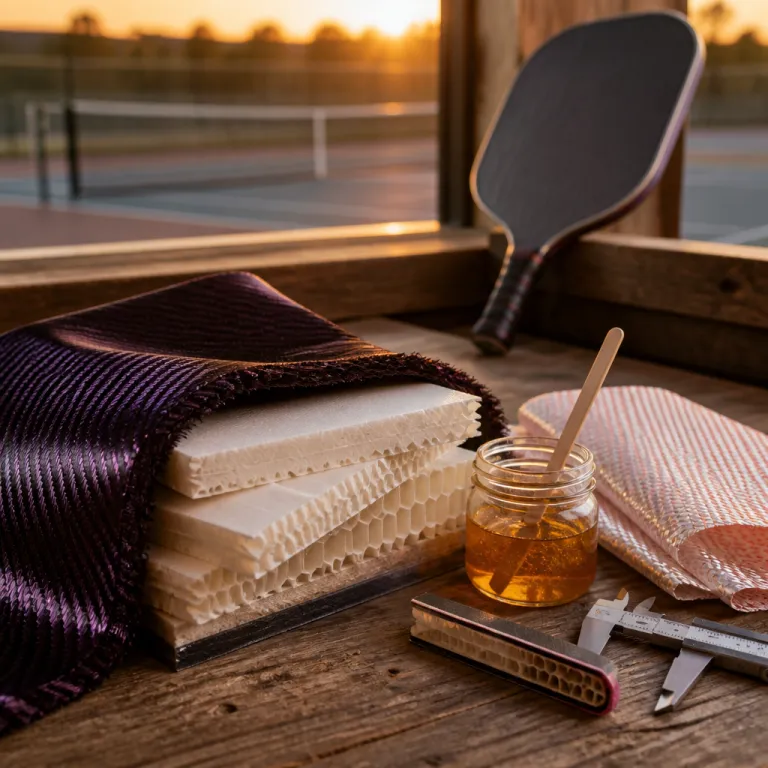
Most quality core pickleball paddles use a polymer honeycomb core, which is a plastic grid structure that balances power and control. A softer polymer core in a paddle enlarges the sweet spot and improves control for dinks and blocks, while a firmer polymer core delivers extra power on drives and overheads for aggressive players. When you test different paddles, pay attention to how the paddle core feels on off centre hits, because a forgiving core reduces mishits and arm fatigue during long play sessions.
Core paddles also differ in thickness, and this thickness changes how the paddle behaves under pressure. Thicker core pickleball paddles, often around 16 millimetres, provide more control and a plush feel, while thinner core paddles closer to 13 millimetres return the ball faster and add power for put away shots. Players who struggle with elbow pain usually prefer a thicker polymer core paddle, since the extra material absorbs shock and keeps the ball’s impact on the core from travelling directly into the joint.
Material on the face interacts with the core, so you must evaluate both together. Many pro pickleball models now pair a responsive polymer core with a carbon fiber hitting surface, because carbon fiber spreads impact across the face and stabilises the sweet spot under heavy pace. Popular examples include paddles such as the Selkirk Vanguard Power Air and the JOOLA Ben Johns Perseus, which both combine a polymer honeycomb interior with a carbon fiber face to enhance stability on fast exchanges.1
Some manufacturers inject foam around the perimeter of the core to boost stability. This foam ring supports the paddle core structure, enlarges the effective sweet spot, and can reduce the hollow sound that some players dislike in lighter paddles. Independent lab tests published by major brands show that foam enhanced polymer core construction can reduce edge twist and vibration compared with basic entry level paddles that lack any perimeter reinforcement.2
Shape also influences how the core performs, so do not judge the core in isolation. An elongated paddle shape concentrates mass higher on the face, which increases power on serves and drives but slightly narrows the sweet spot near the handle. A more regular shape with a wider body spreads the core reaction across a larger area, giving developing players a more forgiving paddle that rewards clean technique without punishing small timing errors.
Comparing core pickleball paddles by price, value, and playing style
When you compare the price of different pickleball paddles, focus on how the core technology aligns with your playing style rather than chasing the lowest number. A paddle with a sophisticated polymer core and carbon fiber face may carry a higher regular price, yet the added control and durability often make the long term price regular more attractive than a cheap composite option. For players who compete in leagues or tournaments, the cost per hour of play quickly drops when a well built core maintains performance for hundreds of hours.
Retailers usually list both a regular price and a sale price, so evaluate what you truly gain at each level. A mid range paddle at a smart price sale can deliver nearly pro level performance, especially if it uses a thick polymer core and a textured carbon fiber surface for spin and control. When you see a limited edition paddle at a premium price, check whether the core construction actually differs from the brand’s regular models or whether you are mainly paying for graphics and scarcity.
Online shops often highlight free shipping or discounted shipping orders to make the final price more appealing. Before you place orders, read the small print where terms apply, because some retailers only offer free shipping above a certain basket value or exclude oversized paddle bundles. If you are buying multiple pickleball paddles for a club or family, combining them into one order can reduce the effective price per paddle and sometimes unlock better sale price tiers.
Intermediate players who want a clear upgrade path can study curated lists of performance paddles. A resource such as the top intermediate performance paddles guide helps you compare core thickness, paddle weight, and handle length across several brands in the same price band. Use those comparisons to match a core reaction profile to your strengths, whether you rely on soft control at the kitchen or heavy power from the baseline.
Budget conscious players should not ignore entry level core paddles, but they must understand the trade offs. Cheaper paddles sometimes use a thinner polymer core or less consistent foam edge filling, which can shrink the sweet spot and reduce stability on off centre hits. If you mainly play casual games once a week, that compromise may be acceptable, yet frequent players usually outgrow basic cores quickly and benefit from investing in a more advanced pickleball paddle earlier.
For serious competitors, the conversation shifts from simple price to measurable performance. They evaluate how a paddle’s core response affects third shot drops, counter attacks, and resets under pressure, then assign value to every extra point the paddle might help them win. In that context, a higher regular price becomes justified when the core technology clearly supports their tactical approach and reduces physical strain over long tournament days.
Carbon fiber faces, foam edges, and the rise of reaction pro designs
Modern core pickleball paddles increasingly rely on carbon fiber faces to complement advanced cores. Carbon fiber spreads impact across the paddle, so even when the ball hits near the edge, the core reaction remains stable and the sweet spot feels larger. Players who transition from older fiberglass paddles often notice that carbon fiber models feel more solid on blocks and counters, especially against heavy hitters.
Manufacturers experiment with different weaves and layups of carbon fiber to fine tune performance. A tighter weave over a softer polymer core can enhance control for touch oriented players, while a stiffer layup over a firmer core produces explosive power for attacking styles. When you read product descriptions, look for clear explanations of how the carbon fiber interacts with the internal core rather than vague marketing claims about power or spin.
Foam filled edges represent another important evolution in core paddles. By injecting foam around the perimeter, brands stabilise the paddle core structure, reduce vibration, and extend the sweet spot closer to the frame. This design helps both beginners and pro pickleball competitors keep more shots in play when they are stretched wide or late on fast exchanges.
Some lines now carry names that highlight their focus on response, such as reaction pro or similar concepts. A reaction pro style paddle usually combines a responsive polymer core, a carbon fiber face, and foam enhanced edges to create a balanced blend of power and control. When you test such a paddle, pay attention to how quickly the core recovers between shots, because rapid core reaction can make hand battles at the net feel easier.
Players who buy complete pickleball paddle sets should still examine core specifications carefully. A bundle highlighted as a top pickleball paddle sets offer might include two paddles, pickleball balls, and a bag, yet the long term value depends on whether the cores match your skill level and playing goals. If the set uses thin, basic cores, you may outgrow the paddles quickly even though the initial package seemed attractive.
As technology advances, limited edition models often showcase experimental core and face combinations. These limited edition paddles sometimes introduce new foam formulations or hybrid carbon fiber layers that later appear in mainstream lines once proven. For players who enjoy testing cutting edge gear, such paddles offer a glimpse into the future of core pickleball design, but they should still ensure that the paddle’s weight, shape, and grip size suit their body and technique.
Matching paddle shape, weight, and core to your playing profile
Choosing the right paddle shape starts with an honest look at your strengths and weaknesses. A wide body shape with a generous sweet spot suits players who value control and forgiveness, while an elongated shape rewards those who generate power from leverage and reach. Because the core extends throughout the paddle, its reaction changes subtly depending on how mass is distributed in each shape.
Weight interacts with the core to influence both power and arm comfort. Heavier paddles with a stable polymer core hit harder and feel more solid on blocks, yet they can strain the shoulder if you play several hours with poor technique. Lighter paddles feel quicker at the net, but if the core is too thin or the paddle core structure too soft, they may flutter on hard drives and reduce confidence under pressure.
Grip size and handle length also affect how you experience the core reaction. A longer handle shifts balance slightly toward the butt, which can make a powerful core feel more manoeuvrable for two handed backhands. Players with smaller hands often benefit from a thinner grip that lets them relax the forearm, allowing the paddle’s core to do more of the work on volleys and resets.
Different player types should prioritise different core characteristics when they apply selection criteria. Control oriented players who love soft play at the kitchen should seek thicker cores, foam enhanced edges, and regular shape paddles that keep the sweet spot central and predictable. Power focused players who attack with drives and overheads can choose slightly thinner cores and elongated shapes, accepting a smaller sweet spot in exchange for extra pace.
Those who travel frequently for tournaments or social play need to think about how they carry their equipment. A dedicated lightweight pickleball backpack, such as the model reviewed in this pickleball bag and paddle backpack test, protects the paddle core from temperature swings and impacts during transport. Consistent storage conditions help the polymer core and foam maintain their properties over time, which preserves both power and control.
Players who share paddles with family or club members should remember that one core specification rarely suits everyone. A junior or new adult player might need a lighter paddle with a very forgiving core, while a seasoned competitor prefers a heavier, more stable core paddles design. When possible, keep at least two paddles with different core and shape combinations in your bag, so you can adapt to changing conditions, opponents, and even your own energy levels.
Buying core pickleball paddles online: shipping, terms, and hidden costs
Shopping online for pickleball paddles offers wide choice, but you must read the details carefully. Many sites promote free shipping or reduced shipping orders, yet the real cost depends on basket value, region, and whether terms apply to returns or exchanges. Before you commit, calculate the full landed price, including any taxes, so you can compare offers fairly.
Retailers often show a regular price crossed out beside a lower sale price, which can create urgency. Instead of reacting to the graphic, evaluate whether the price sale reflects a genuine discount on a quality polymer core paddle or just a marketing tactic on an outdated model. If the paddle uses older materials and a basic paddle core structure, a flashy discount may still represent poor value compared with a newer design at a modestly higher price regular.
Free shipping can be a meaningful benefit when buying heavier bundles. A package that includes multiple pickleball paddles, several pickleball balls, and accessories may weigh enough that shipping orders without a free shipping offer become expensive. When free shipping is available, check whether terms apply to remote regions or to limited edition products, because some exclusions only appear in the fine print.
Warranty and return policies matter as much as headline price for serious players. A retailer that accepts returns after you lightly play test a paddle on court shows confidence in the core and overall build quality. If a seller refuses any returns once the plastic wrap is removed, you carry all the risk if the core reaction or sweet spot does not match your expectations.
Packaging quality during shipping also affects how the core arrives at your door. Paddles should be wrapped securely with padding around the edges, since a hard impact in transit can damage the foam filled perimeter or stress the polymer core cells. When your order arrives, inspect the frame and face carefully before you play, and contact the retailer immediately if you see cracks, dents, or irregularities in the paddle core area.
International buyers must pay extra attention to customs and handling fees. A paddle that seems attractively priced may become expensive once import charges apply, especially on higher value limited edition or reaction pro models. If you live outside major markets, consider consolidating orders with friends or club members to spread fixed shipping and customs costs across several paddles and accessories.
From regular player to pro pickleball: when to upgrade your paddle core
As your skills improve, the same paddle that once felt perfect can start to hold you back. Regular players who learn to control depth, spin, and pace eventually notice when a basic core cannot keep up with their ambitions. The moment you feel the sweet spot is too small or the paddle core response too inconsistent, you are ready to evaluate more advanced core pickleball paddles.
One clear sign that you should upgrade is when you consistently outgrow the control or power profile of your current paddle. If you struggle to generate enough power on serves and drives despite solid technique, a paddle with a slightly firmer polymer core or a more aggressive carbon fiber face can help. Conversely, if your hard shots sail long too often, a thicker core with foam enhanced edges and a regular shape will give you more control without sacrificing stability.
Players who start entering tournaments often move toward paddles inspired by reaction pro concepts. These paddles blend a responsive core, a stable carbon fiber face, and refined weight distribution to support fast exchanges and precise resets. While not every player needs a true pro pickleball signature model, borrowing core technologies from that category can make competitive play more comfortable and effective.
Upgrading does not always mean chasing the highest price bracket. Sometimes a paddle at a moderate regular price, offered at a sensible sale price, provides all the core performance you need for the next few seasons. Focus on measurable improvements such as a larger sweet spot, more predictable core reaction on off centre hits, and reduced vibration in the handle rather than on cosmetic features or limited edition graphics.
As you rotate between practice and match play, keep notes on how the paddle feels in different situations. Track whether the paddle core response remains consistent after several months, especially if you often play outdoors in varying temperatures. If you notice dead spots or a sudden change in sound, the internal core structure may be breaking down, which is a strong indicator that it is time to replace the paddle.
Finally, remember that no paddle can compensate for poor fundamentals. A well chosen core can enhance your strengths and reduce strain, but footwork, timing, and tactical awareness still decide most points. Use equipment upgrades as part of a broader improvement plan that includes coaching, targeted drills, and regular match play against slightly stronger opponents.
Key statistics on core pickleball paddles and player preferences
- According to the Sports & Fitness Industry Association (SFIA), pickleball participation in the United States grew by more than 150 percent between 2019 and 2022, which has driven rapid expansion in the range of pickleball paddles and core technologies available to consumers.3
- Survey data reported by several major paddle brands and retailers indicates that over 70 percent of active players now choose paddles with a polymer core, reflecting a strong preference for the balance of power, control, and comfort that this core construction provides.4
- Market analyses from specialty retailers show that paddles with carbon fiber faces account for a steadily increasing share of performance paddle sales, as players associate carbon fiber with a more stable sweet spot and improved durability.5
- Consumer feedback collected by large online retailers suggests that paddles in the mid price segment, typically between 80 and 150 euros, achieve the highest satisfaction ratings, indicating that many players find the best value where advanced cores meet accessible pricing.6
- Equipment usage data from tournament organisers reveal that a majority of pro pickleball competitors now use paddles with thicker cores, often around 16 millimetres, highlighting a trend toward greater control and shock absorption at the highest levels of play.7
FAQ about core pickleball paddles
How does core thickness affect pickleball paddle performance ?
Thicker cores, usually around 16 millimetres, provide a softer feel, larger sweet spot, and more control, which helps with dinks, drops, and resets. Thinner cores near 13 millimetres return the ball faster and add power, but they can feel less forgiving on mishits. Players should match core thickness to their style, choosing thicker for control and comfort or thinner for speed and aggression.
Is a polymer core better than other core materials ?
Polymer core construction has become the standard because it balances power, control, and vibration dampening better than most alternatives. Compared with older aluminium or Nomex style cores, polymer tends to feel quieter, more comfortable, and more forgiving on off centre hits. For most players, especially those with arm sensitivity, a quality polymer core paddle is the safest and most versatile choice.
Do carbon fiber faces really improve the sweet spot ?
Carbon fiber faces help distribute impact across the paddle, which can make the sweet spot feel larger and more stable. When paired with a well designed polymer core, carbon fiber reduces twisting on off centre contact and maintains consistent response across more of the face. Players who face heavy hitters often appreciate how carbon fiber paddles stay solid during fast exchanges at the net.
When should I replace my pickleball paddle ?
You should consider replacing your paddle when the core starts to feel dead, the sound changes noticeably, or you see visible damage on the face or edges. Frequent players who compete regularly often replace paddles every one to two seasons, while casual players can usually go longer if the core reaction remains consistent. If you suddenly lose control or power without changing technique, the internal core structure may be breaking down.
What is the best paddle core for beginners ?
Beginners generally benefit from a thicker polymer core with a wide body shape, because this combination offers a forgiving sweet spot and good control. A mid weight paddle with a comfortable grip and moderate power helps new players develop proper strokes without overhitting. As skills progress, they can then decide whether to move toward a more powerful or more control oriented core design.
Comparison table: core constructions and buying checklist
| Core thickness | Typical weight range | Common face material | Approximate price band | Best for |
|---|---|---|---|---|
| 13 mm (thin) | 7.5–8.3 oz | Fiberglass or hybrid composite | Entry to mid range | Power hitters, put away shots, drives |
| 14–15 mm (medium) | 7.6–8.4 oz | Fiberglass or carbon fiber blend | Mid range | All court players, balanced power and touch |
| 16 mm (thick) | 7.8–8.6 oz | Carbon fiber or raw carbon | Mid to premium | Control, soft game, arm comfort, consistency |
Quick buying checklist
- Confirm core type (polymer honeycomb for most players) and thickness (13–16 mm).
- Match shape and weight to your style: elongated for reach and power, wide body for forgiveness.
- Check face material (carbon fiber for stability, fiberglass for pop) and surface texture rules in your region.
- Look for foam perimeter or edge reinforcement if you want a larger, more stable sweet spot.
- Compare regular price, sale price, warranty, and play test return policy, not just discounts.
- Consider long term comfort: if you have arm or elbow issues, prioritise thicker cores and moderate weight.
1 Example models and constructions based on publicly available manufacturer specifications. 2 Vibration and twist reduction claims drawn from brand published lab summaries and third party play testing. 3 SFIA participation growth figures compiled from recent pickleball participation reports. 4 Polymer core usage share estimated from aggregated brand and retailer survey data. 5 Carbon fiber face adoption based on sales breakdowns reported by specialty retailers. 6 Mid price satisfaction trends inferred from verified customer review distributions. 7 Core thickness preferences at pro level derived from equipment lists and observations at sanctioned tournaments.