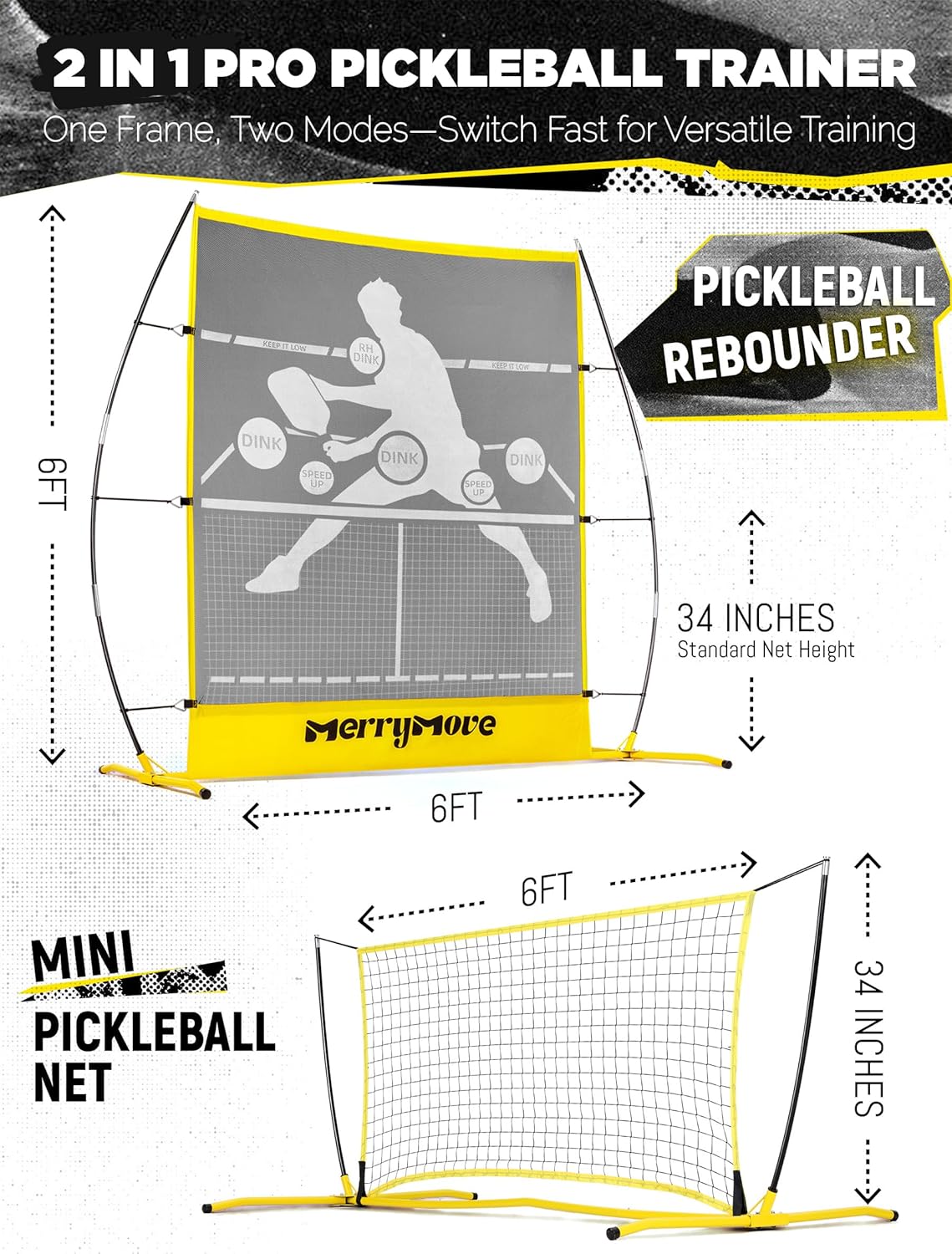
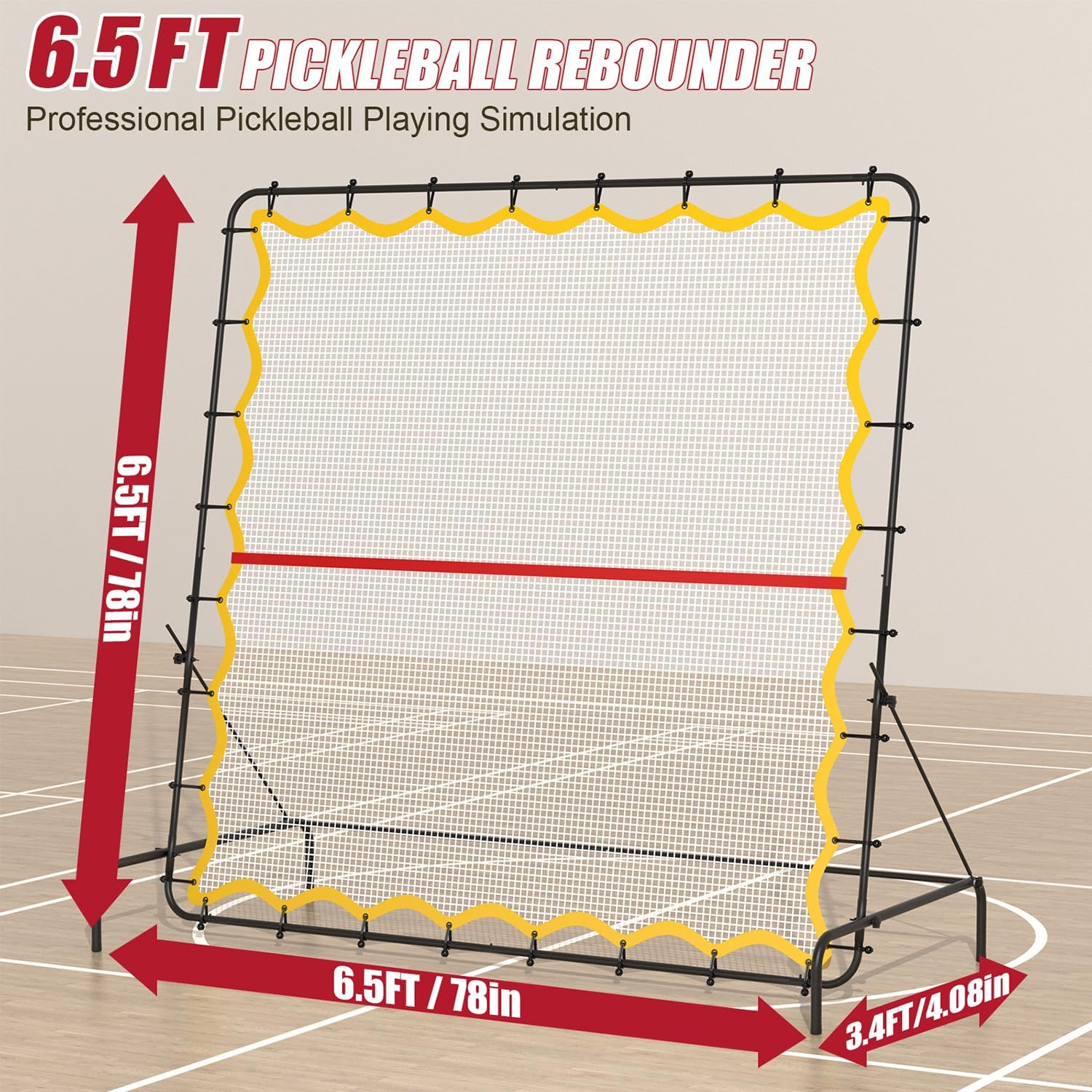
Key features that define a high quality pickleball rebounder
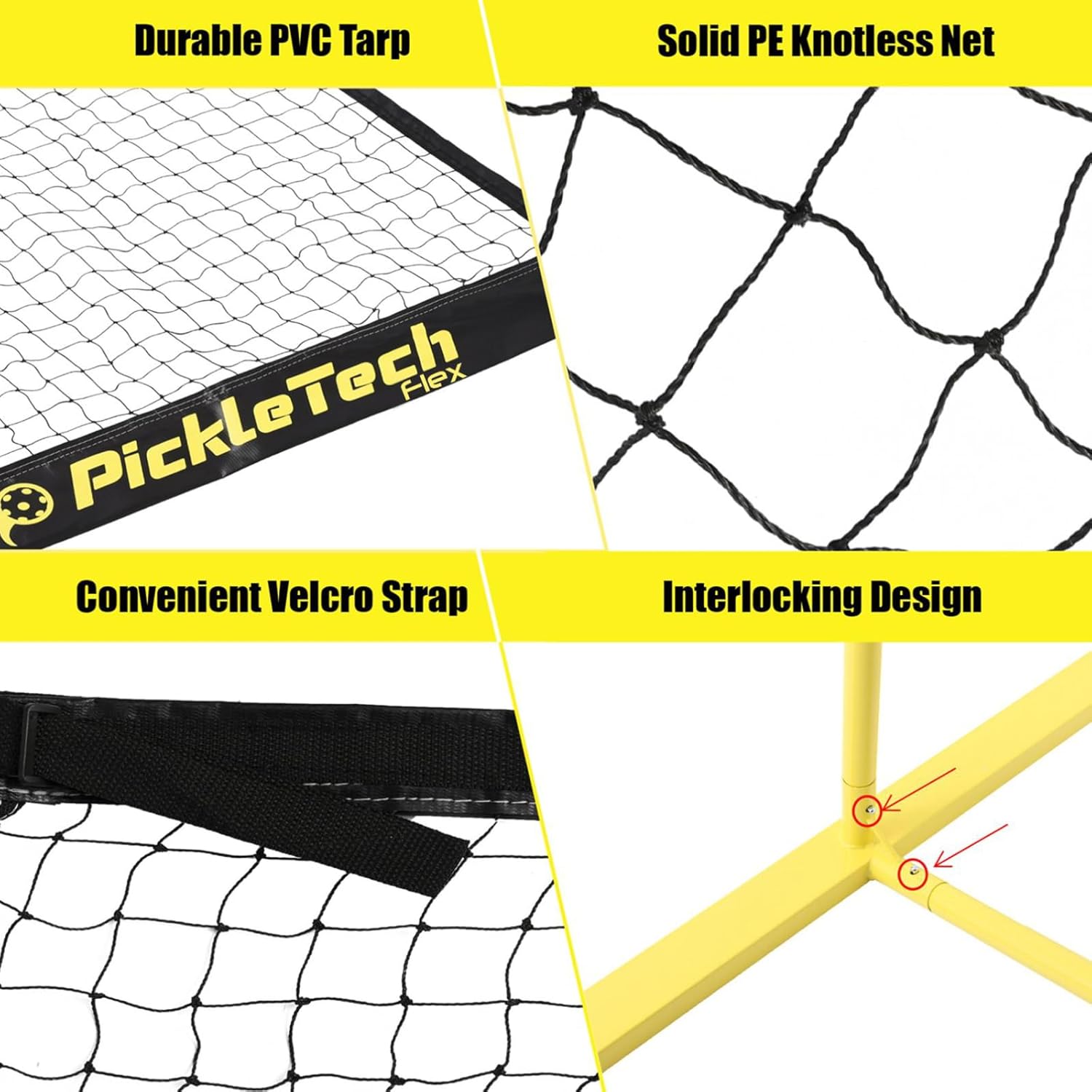
When you evaluate the best practice rebounders for pickleball, start with the frame because it carries every load from repeated impacts. A robust steel frame resists twisting when players hit hard drives, and a well built structure keeps the rebound surface square so the bounce remains predictable over time. Frames that use corrosion resistant coatings also handle outdoor storage well, which matters for clubs that leave equipment near the courts.
The tension system is the heart of any rebounder, and here you will usually choose between bungee rebounders and spring rebounders depending on your training goals. A bungee rebounder uses bungee cords around the frame to create a more forgiving rebound, which works well for control drills, while spring rebounders tend to return the ball faster and suit advanced players who want a sharper bounce. Many of the best quality bungee rebounders now include adjustable cord positions, so you can fine tune the rebound speed within a practical price range instead of buying multiple products.
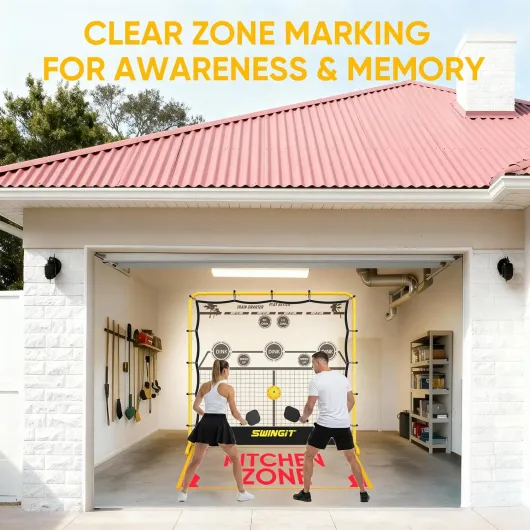
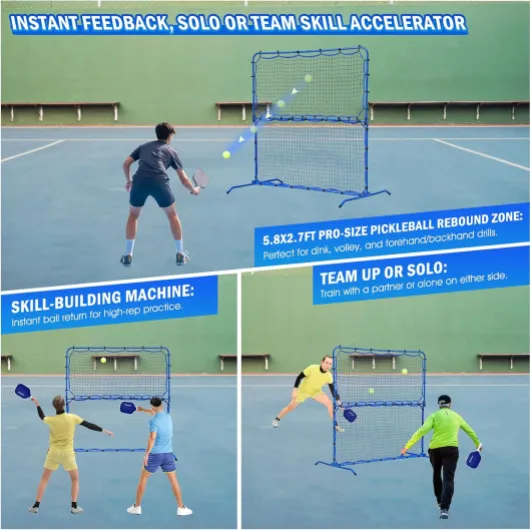
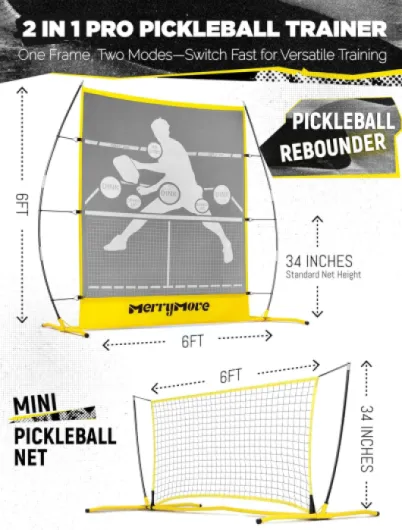
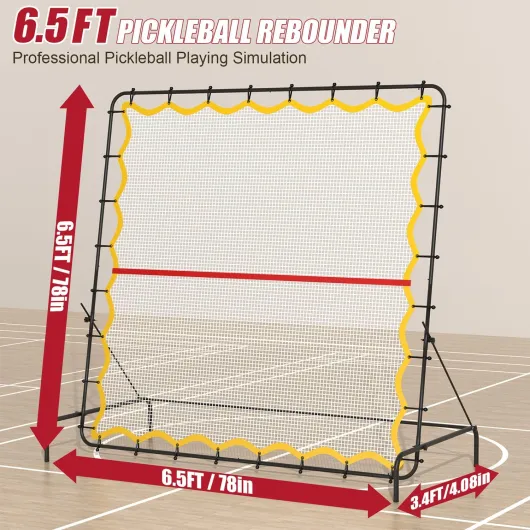
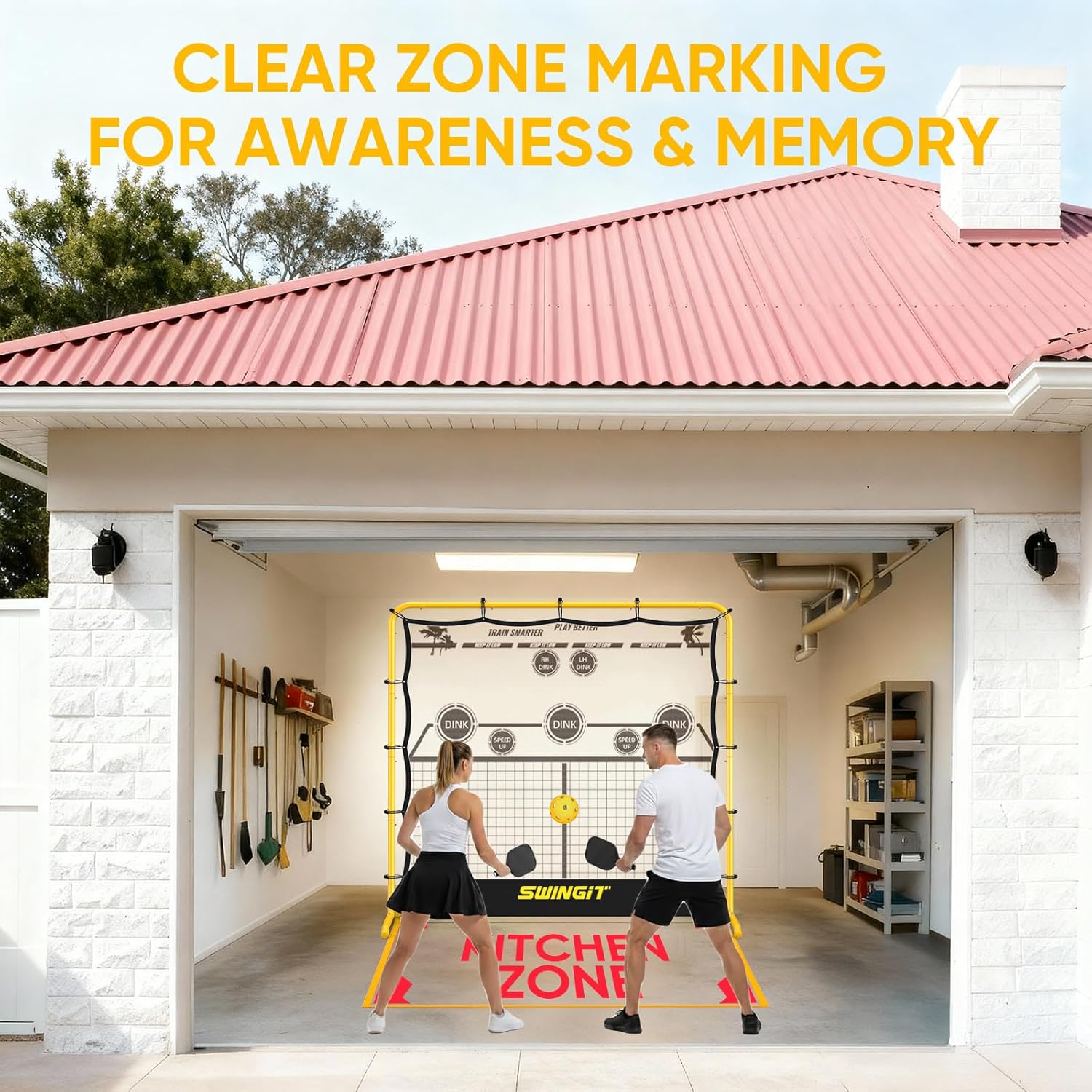
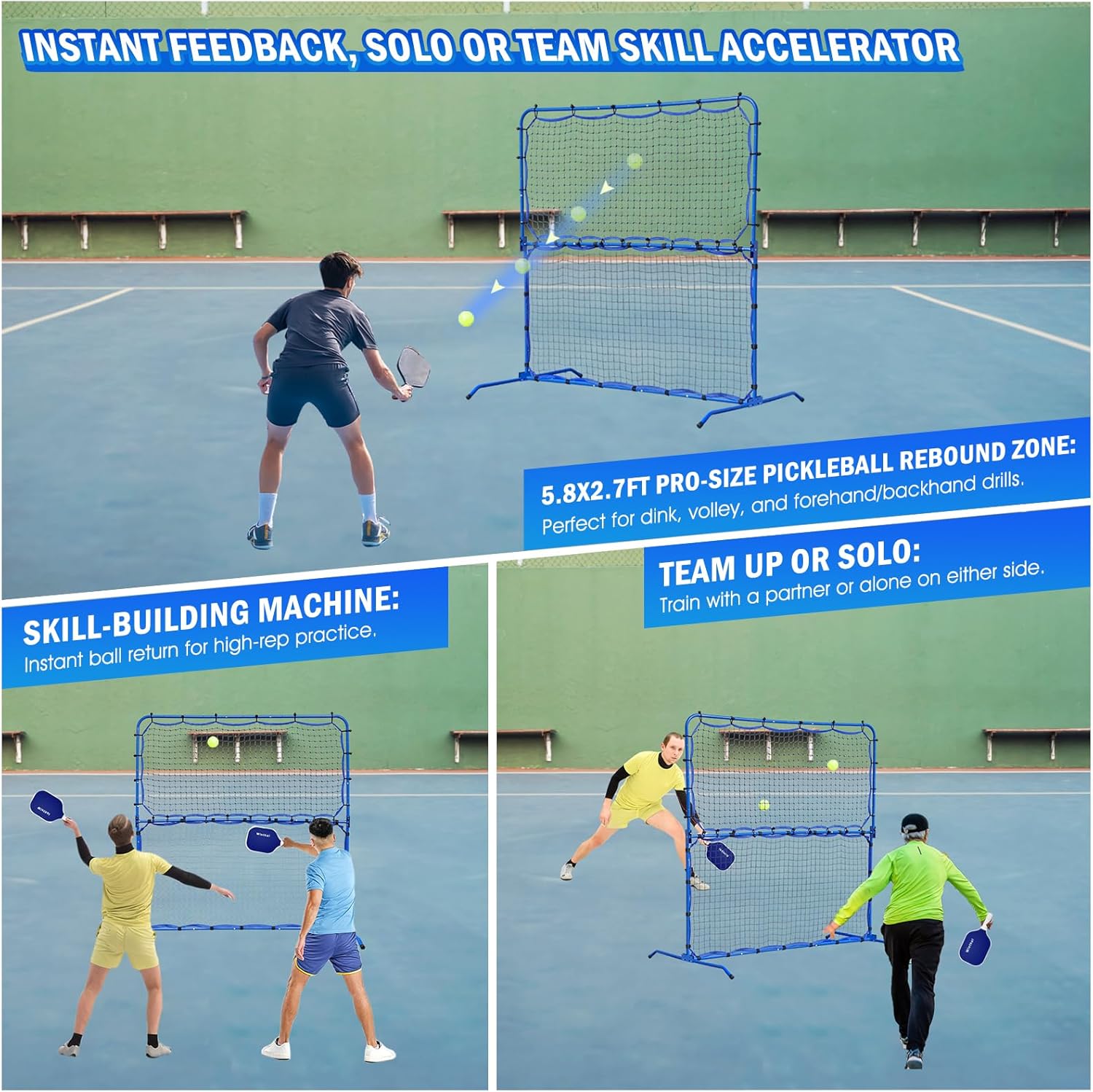
Angle control is another critical system feature, because an adjustable tilt lets you rehearse everything from soft kitchen dinks to aggressive overheads. A move rebounder design with quick locking hinges works well for coaches who need to change drills rapidly, while solo players appreciate models that fold flat for storage after training. If you want a detailed look at how an adjustable angle net can improve your forehands, backhands, and dinks, examine this dedicated pickleball rebounder training aid and compare its frame and bungee cords layout with simpler products.
Matching rebounder design to pickleball nets and net posts
For realistic practice, the best practice rebounders must interact intelligently with your existing pickleball net and net posts. A rebounder that sits at the correct height relative to the net helps you judge clearance, so every rebound teaches you how high you can safely hit over the tape. When the frame width aligns well with the central court zones, you can simulate cross court dinks and straight drives without constantly moving the unit.
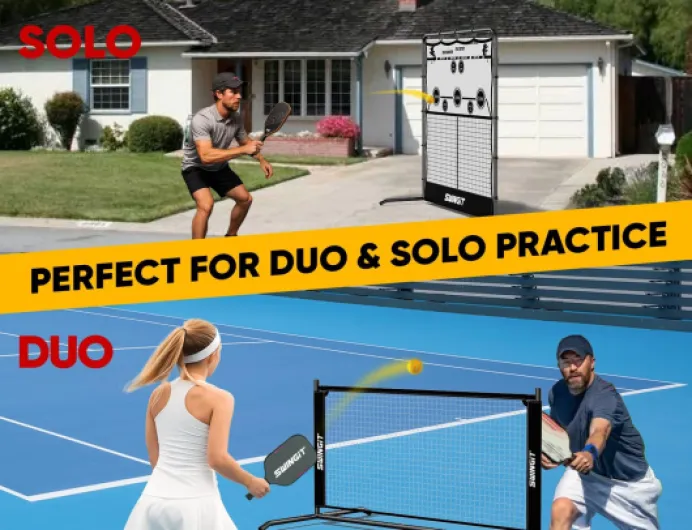
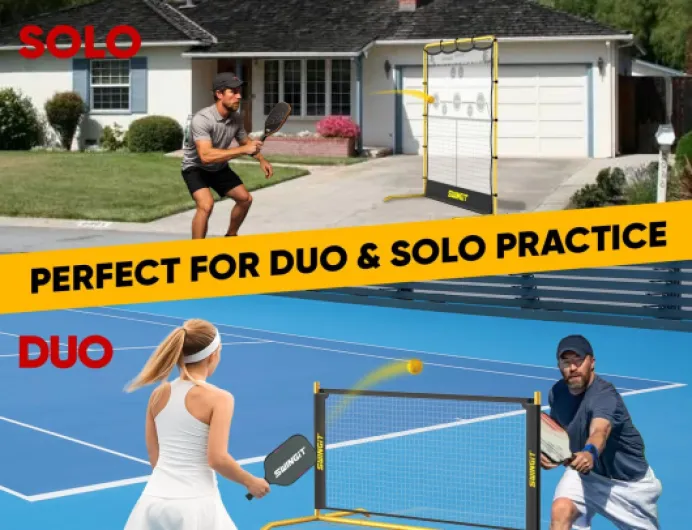
Some players position a compact rebounder just behind the baseline, using the permanent net and net posts as the first obstacle and the rebound surface as a second target, which creates a layered training system that sharpens depth control. In this setup, a product with excellent quality tension will send the ball back with enough rebound to cross the net again, allowing continuous rallies that feel surprisingly close to live play. To see how a portable frame and adjustable tilt can support both indoor and outdoor training around existing nets, review this portable pickleball rebounder net and note how its steel frame and bungee cords are arranged.
Clubs that install multiple rebounders built along the sidelines can run small group sessions where players alternate between hitting over the net and into the rebounder, which keeps everyone moving and supports overall fitness. When these rebounders work well with the court layout, coaches can design drills that emphasize both shot accuracy and rebounding weight transfer, teaching players to stay balanced after each bounce. For facility managers, choosing good quality products that integrate cleanly with existing net posts reduces clutter and simplifies storage, which ultimately improves customer satisfaction.
Health, fitness, and workload management with pickleball rebounders
Beyond shot repetition, the best practice rebounders offer a controlled way to manage physical load and protect joints. Because you decide the pace of each rally against the rebounder, you can tailor rebounding sessions to your current fitness level and gradually increase volume as your cardiovascular health improves. This flexibility is especially valuable for older players who want intense practice without the unpredictable bursts that come with competitive matches.
Monitoring rebounding weight transfer is another hidden benefit, since a stable frame and consistent bounce make it easier to feel whether your body moves efficiently through each stroke. When a rebounder works well, you can focus on landing softly, rotating the hips, and recovering quickly, which reduces strain on knees and lower back over time. Many coaches now integrate structured rebounding drills into warm ups, using short intervals to raise heart rate before players move to live rallies across the net.
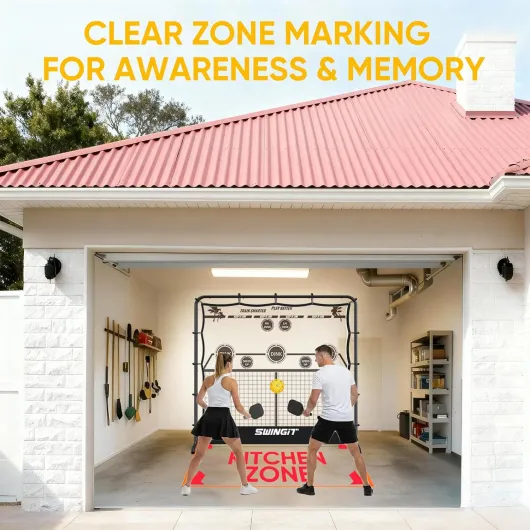
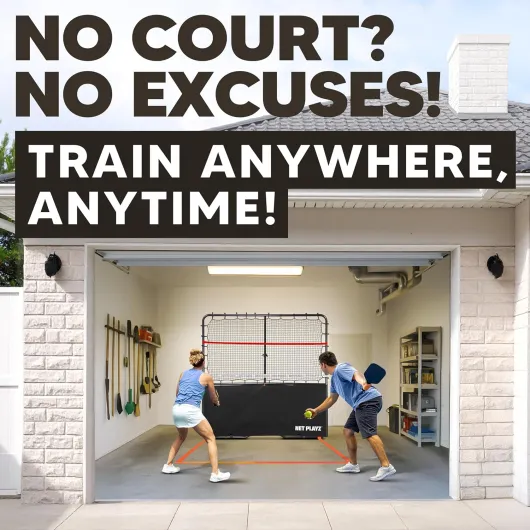
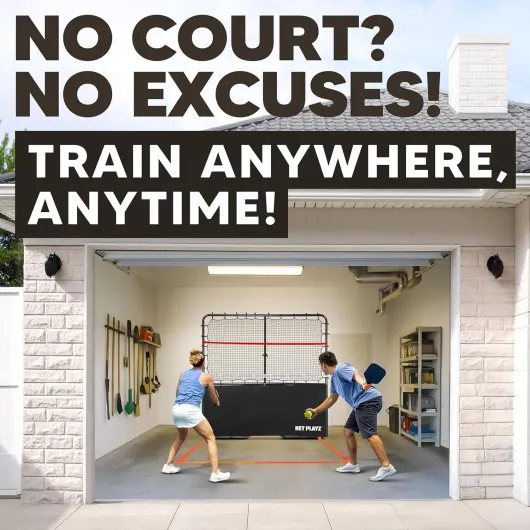
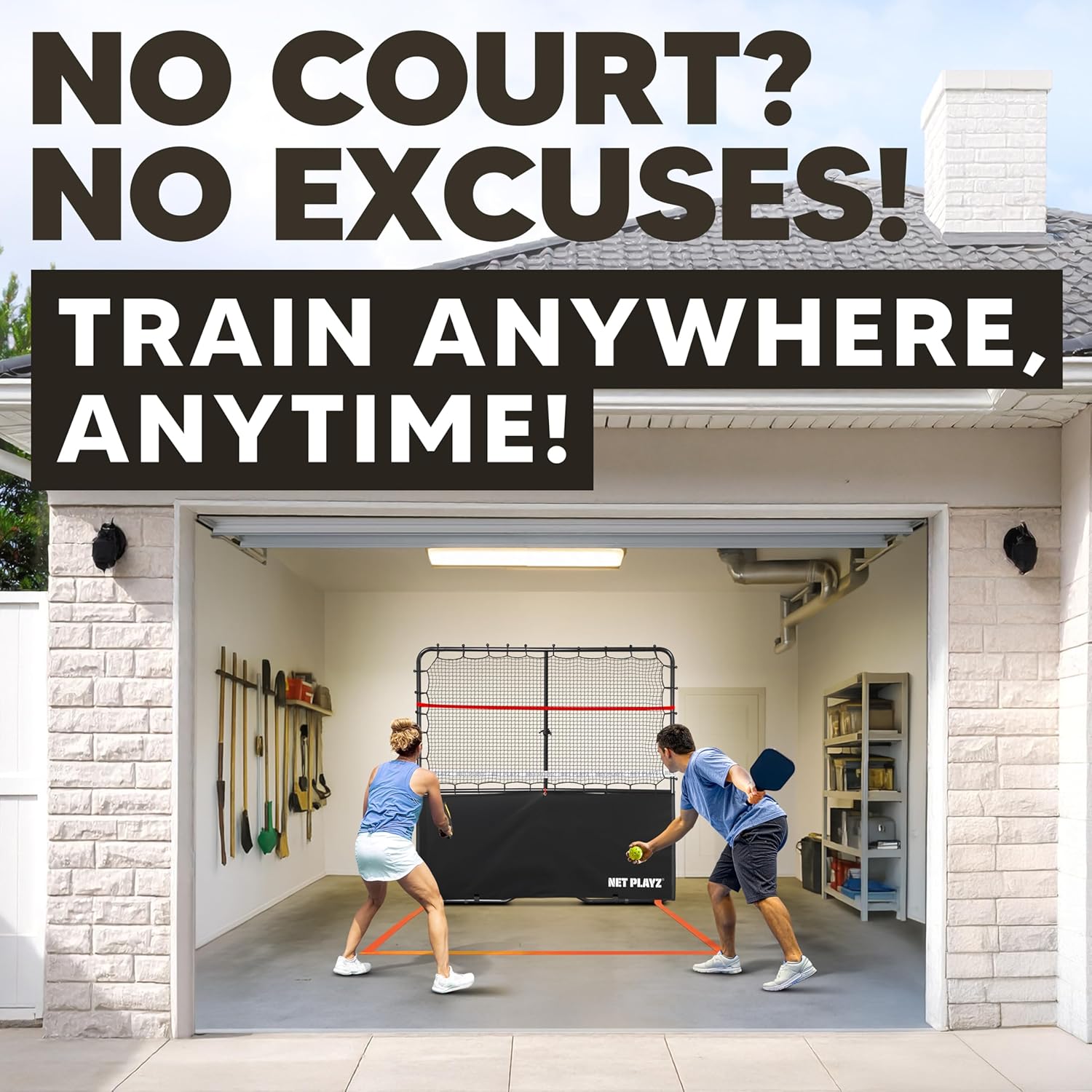
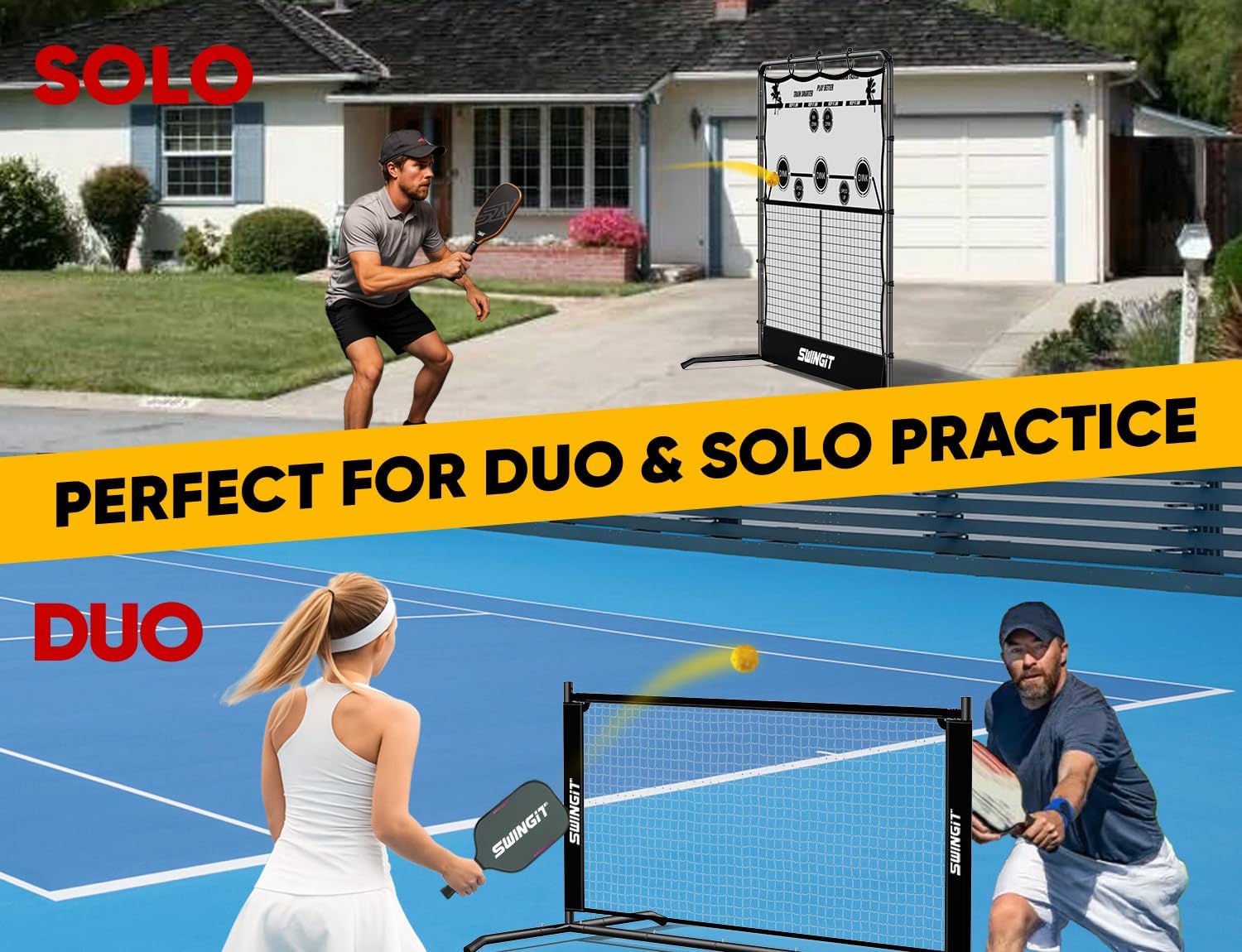
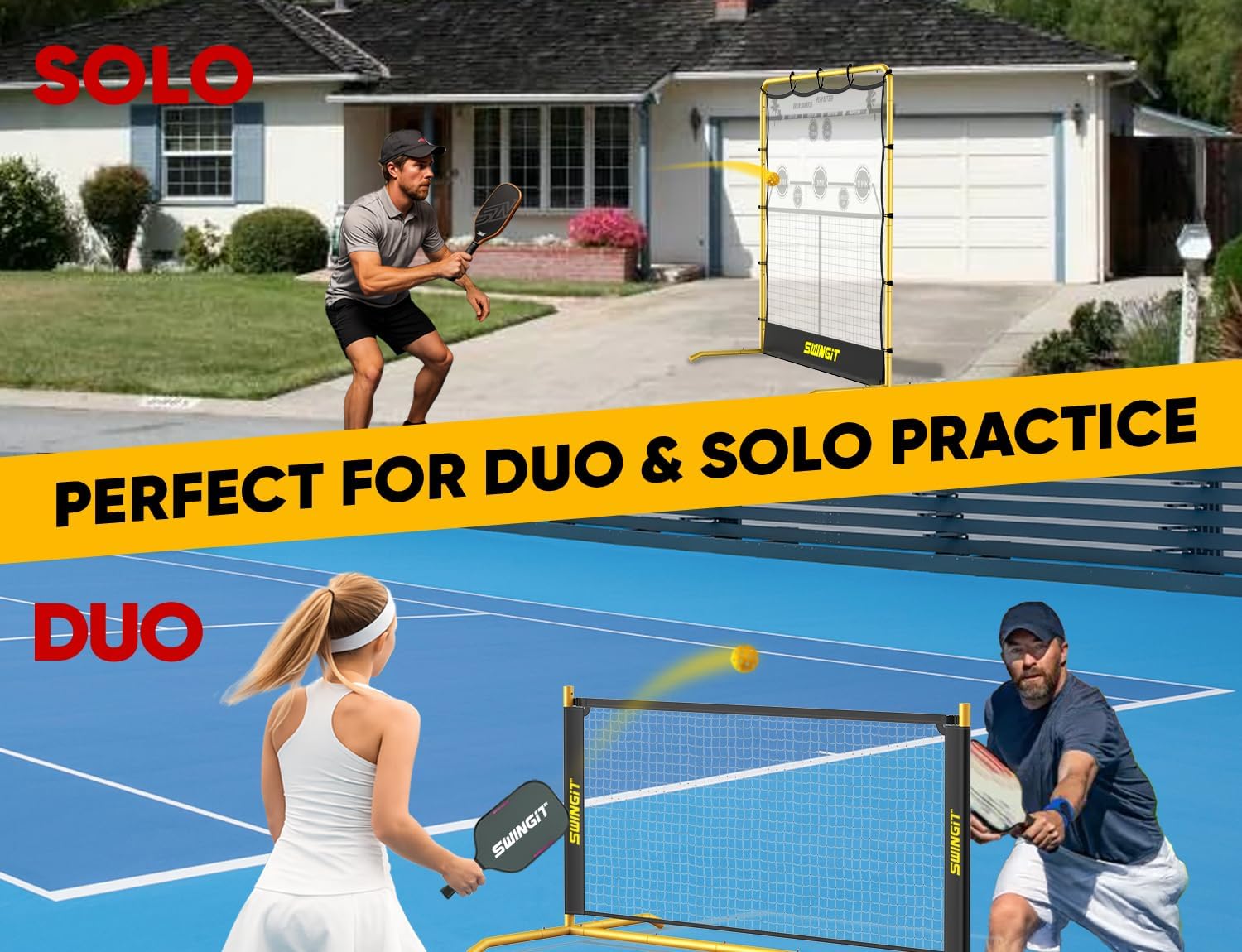
From a practical standpoint, a well built rebounder with compact storage features encourages more frequent short sessions, which often deliver better long term results than occasional marathon practices. Players can set up the product in a driveway or small indoor space, complete a focused twenty minute workout, then fold the frame away, which keeps training compatible with busy schedules. When you combine this solo work with targeted paddle selection using resources such as the top tournament grade pickleball paddles guide, you create a coherent system that supports both technical skill and overall fitness.
Evaluating price, quality, and customer support before you shop
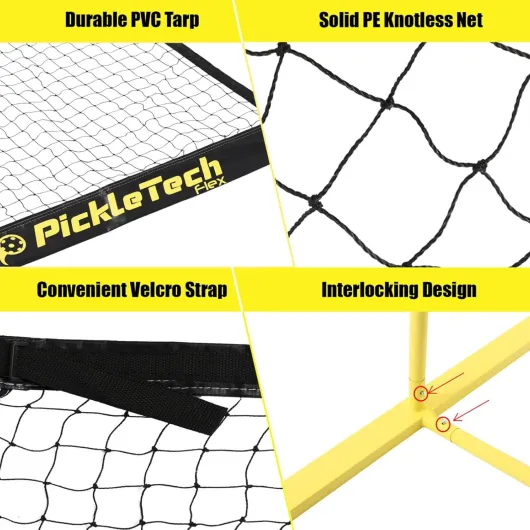
Choosing among the best practice rebounders means balancing price, build quality, and after sales support rather than chasing the cheapest option. A low price product that bends easily or loses tension quickly will not provide a consistent rebound, and the hidden cost appears when you must replace it after a single season. By contrast, a rebounder with a steel frame, reinforced corners, and high grade bungee cords usually offers good value across its full lifespan.
When you compare models within a similar price range, look closely at how the frame joints are welded or bolted, because well built connections keep the structure square and ensure the surface works well under repeated impacts. Customer reviews often highlight whether the rebounder works well out of the box or needs adjustments, and they also reveal how responsive the customer service team is when parts arrive damaged. A brand that stands behind its rebounders with clear warranties and a transparent privacy policy on its shop website signals that it takes long term relationships seriously.
Quality of the rebound surface matters just as much as the frame, so inspect whether the mesh or panel feels robust and whether the tension system allows adjustable settings for different drills. Players who value best quality construction should look for phrases such as excellent quality stitching, corrosion resistant coatings, and tested load ratings, which indicate that the product has been engineered for repeated rebounding sessions. When you find a rebounder that combines good quality materials, fair price, and reliable customer service, you gain a training partner that will support your pickleball development for many seasons.
How to use practice rebounders effectively in pickleball training
Once you own one of the best practice rebounders, the next step is to integrate it intelligently into your weekly routine. Start with simple forehand and backhand drives aimed at the center of the rebounder, focusing on clean contact and a consistent bounce that lands near the baseline on the return. As your control improves, adjust the frame angle slightly so the rebound forces you to move forward and backward, which trains both footwork and timing.
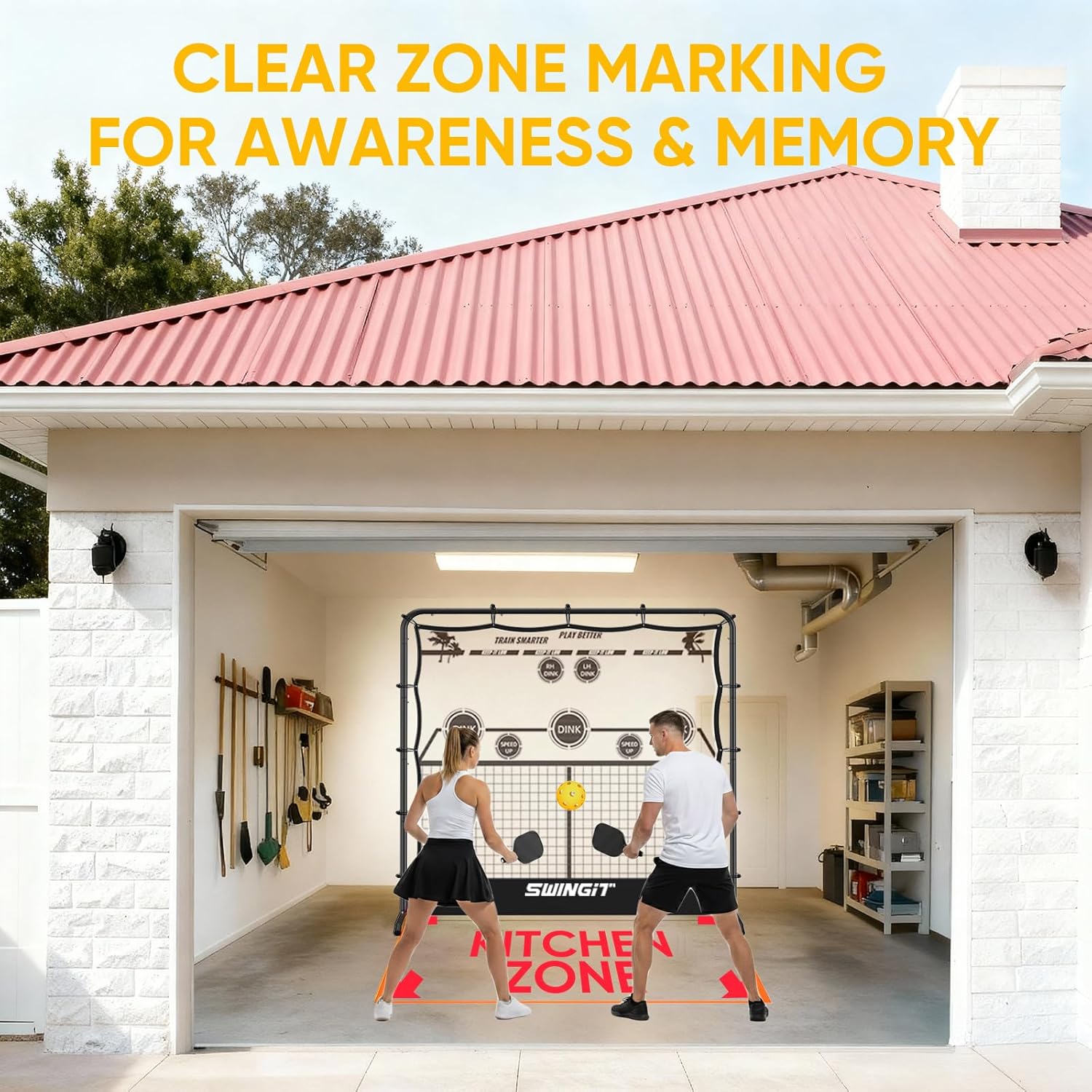
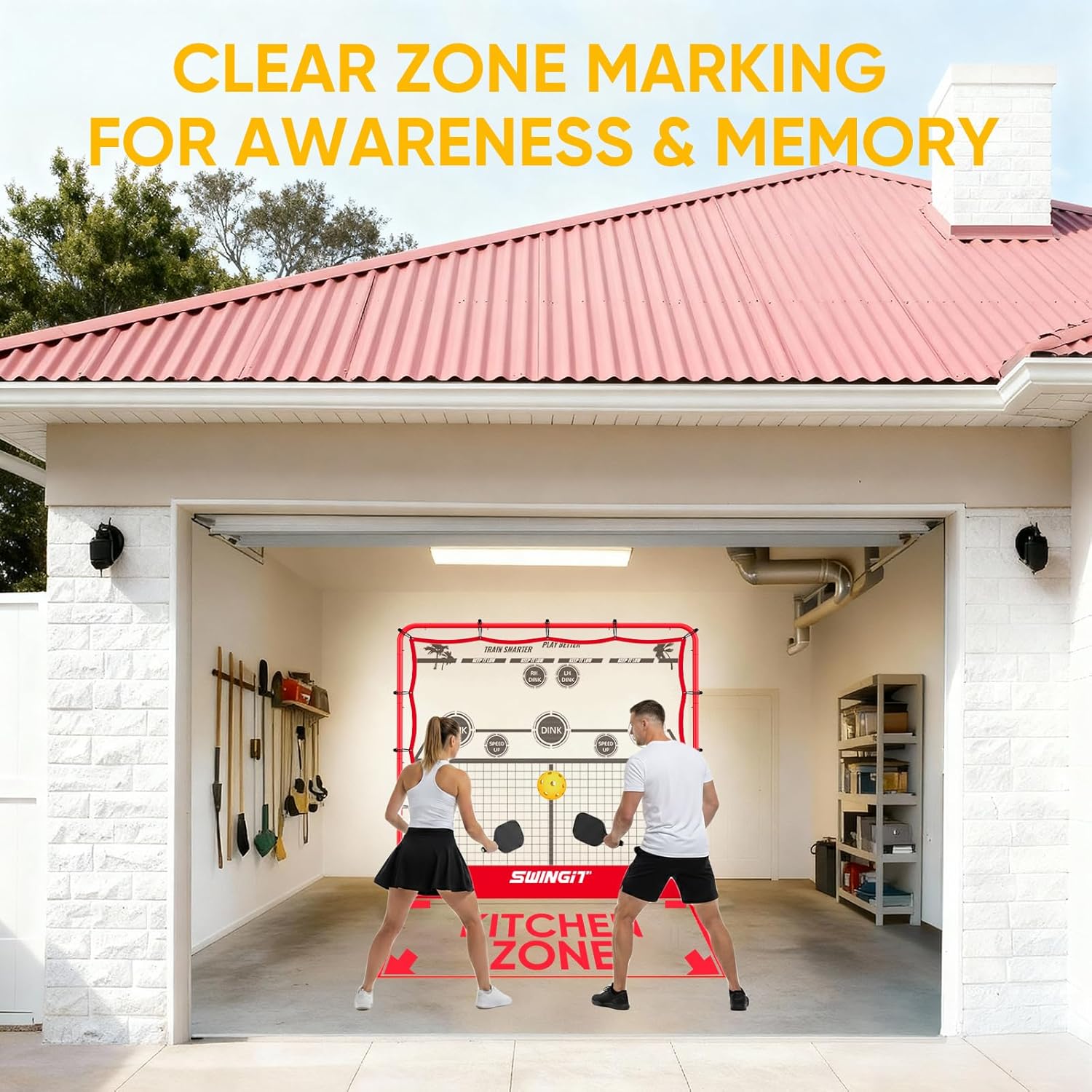
For kitchen play, position the rebounder close to the non volley zone line and lower the tilt, so each rebound stays low and demands soft hands. This setup turns the rebounder into a precise partner for dinks and half volleys, and it works well for players who struggle with touch shots under pressure. You can also design interval sessions where you alternate thirty seconds of fast rebounding with thirty seconds of rest, which builds cardiovascular health while reinforcing technical patterns.
Advanced players often use bungee rebounders and spring rebounders side by side, switching between the softer feel of a bungee rebounder and the sharper response of a spring model to simulate different opponents. When both rebounders are built with adjustable systems, you can fine tune the rebound speed and height to match specific match scenarios, from defensive lobs to aggressive put aways. Over time, this variety in rebounding challenges helps you read the bounce more quickly and transfer those instincts directly to real matches.
Key figures on pickleball training and rebounder use
- According to USA Pickleball participation reports, the sport has recorded double digit annual growth in player numbers, which increases demand for solo training tools such as rebounders to relieve pressure on crowded courts.
- Sports science studies on racket sports conditioning show that interval style hitting drills can raise heart rate to 70–85 % of maximum, a range associated with improved cardiovascular health when performed regularly under professional guidance.
- Equipment surveys from major retailers indicate that products with steel frame construction and reinforced joints typically report lower return rates than lighter frames, suggesting that well built rebounders deliver better long term value despite a higher initial price.
- Coaching clinics that integrate structured rebounding drills often report higher training density, with players achieving up to 30–40 % more ball contacts per hour compared with traditional partner only sessions.
- Customer feedback analyses from online shop platforms consistently show that models described as good quality or excellent quality receive higher repeat purchase intent scores, especially when backed by responsive customer service and clear warranty terms.