Key technologies behind the best thermoformed pickleball paddles
The defining technology in these paddles is the thermoforming process, where heat and pressure mold the carbon fiber face and edge around the core in one continuous piece. This seamless structure increases torsional stability, so the paddle face stays square to the ball even when contact drifts toward the edge of the sweet spot. For players who value control under pressure, that extra stability translates into fewer mishits and more reliable placement on every pickleball rally.
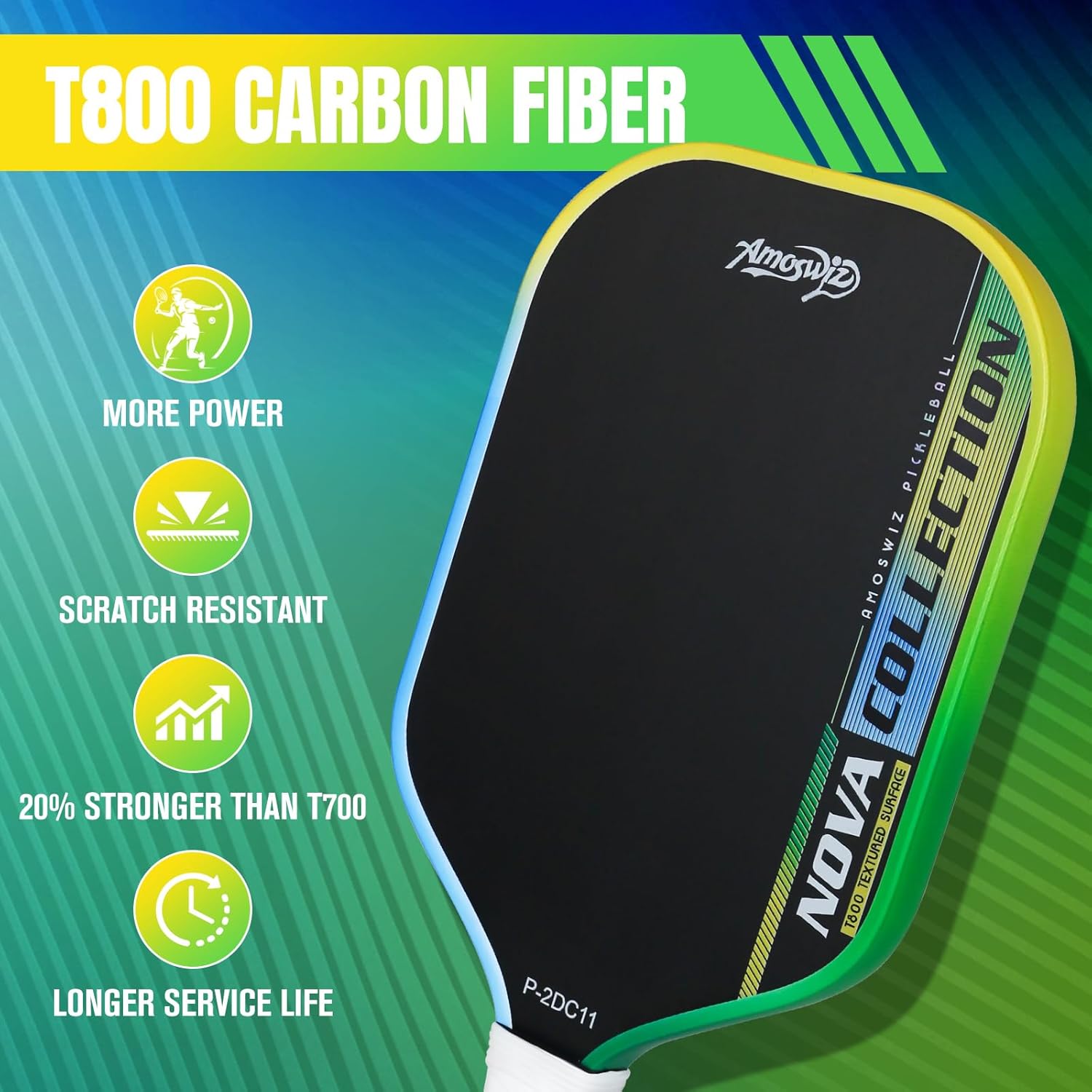
Most top tier thermoformed paddles now use raw carbon or textured carbon fiber surfaces to generate heavy spin. If you compare a crbn style raw carbon face to a smoother composite, you will feel the ball grip the paddle longer, which enhances both spin and directional control on serves and third shot drops. Anyone focused on high spin performance should also look at specialized models in independent tests of high spin pickleball paddles, because many of the leaders there are also among the best thermoformed designs.
Inside the paddle, the polymer core density and thickness determine how much power or touch you experience. A thicker core softens the feel and expands the sweet spot, while a thinner core returns more energy for aggressive drives from the baseline. When you read any serious paddle review of thermoformed pickleball equipment, pay attention to how the reviewer describes core firmness, because that single factor often explains why one thermoformed pickleball paddle feels plush and another feels like a hammer.
Flagship thermoformed models: vatic pro, black diamond and more
Among the best thermoformed pickleball paddles, the Vatic Pro line has become a benchmark for balanced performance. These paddles combine a thermoformed raw carbon face with a responsive polymer core, giving players a blend of power for drives and control for kitchen play that suits both singles and doubles. Many competitive players report that a Vatic Pro thermoformed paddle offers a forgiving sweet spot that rewards clean mechanics without punishing minor timing errors.
The Black Diamond and Double Black series occupy a slightly different niche, targeting players who crave extra power from the baseline. Their thermoforming process creates a particularly rigid frame, so energy transfer from paddle to pickleball is extremely efficient on flat drives and overheads. If you prefer to attack first and defend later, a Black Diamond or Double Black thermoformed pickleball paddle can turn routine shots into genuine weapons.
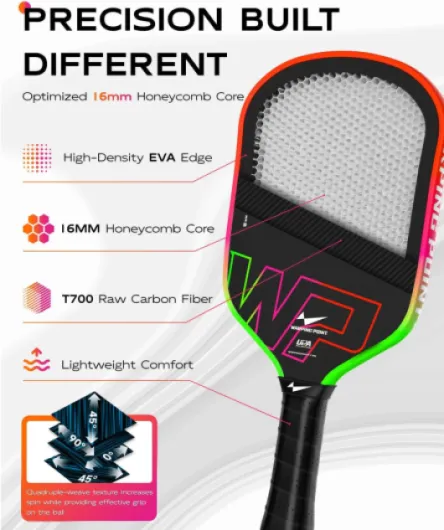
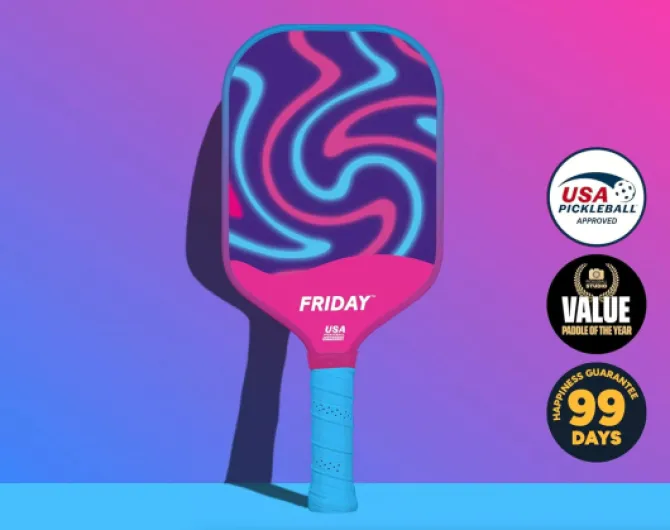
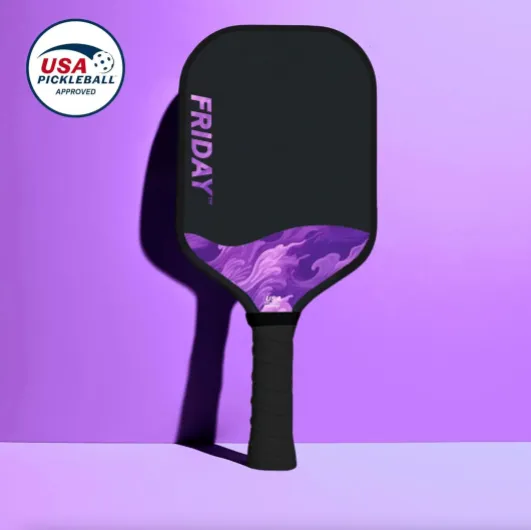
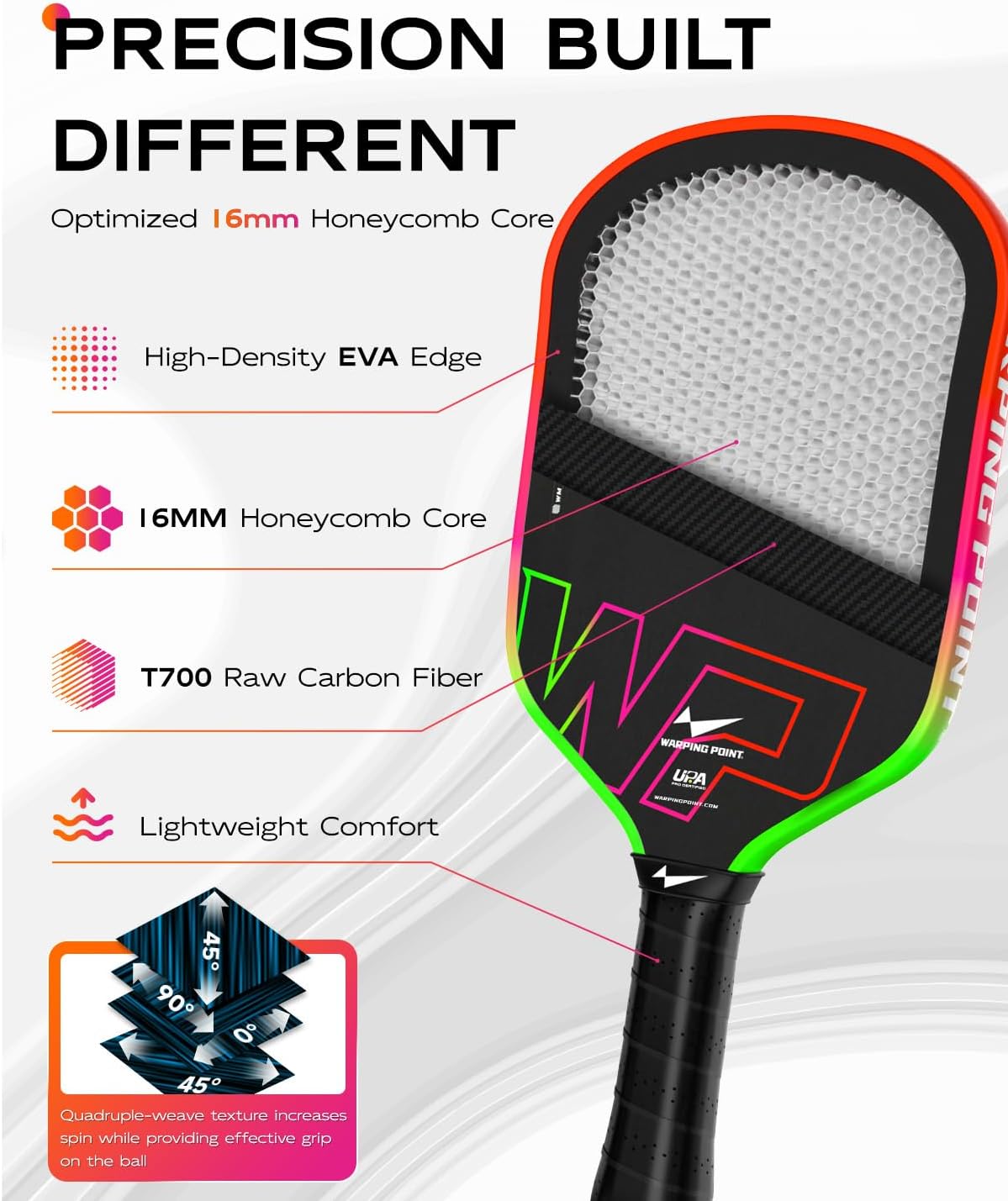
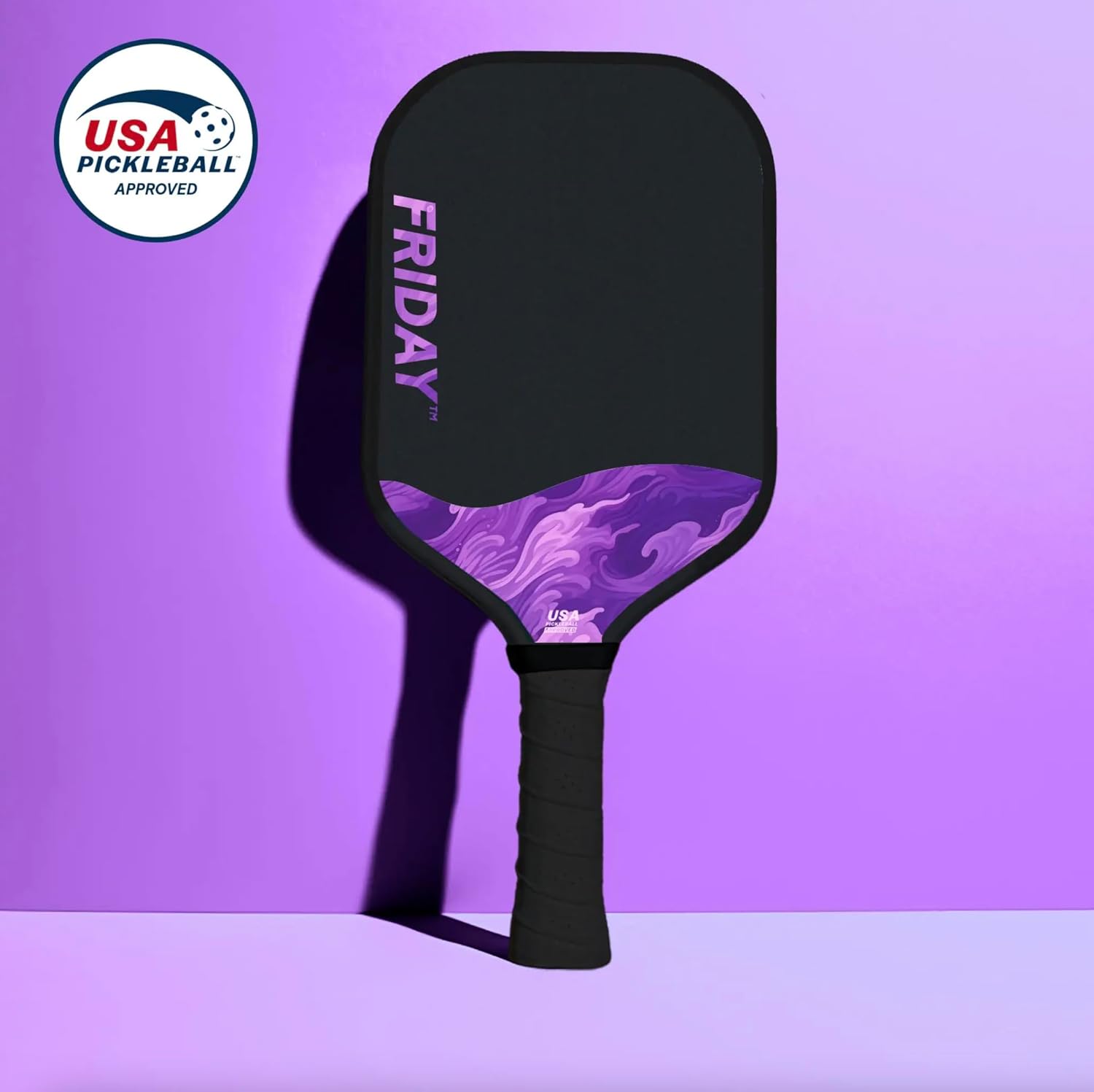
On the more experimental side, models such as the Mach Forza and Volair Mach families push the limits of carbon fiber layups and core tuning. Some Mach Forza paddles use specialized raw carbon textures to maximize spin, while Volair Mach designs often tweak core thickness to fine tune feel and stability for different player types. For readers who want a deeper technical breakdown of a modern raw carbon thermoformed paddle, the detailed test of a Challenger Friday T700 model with foam injected walls and a honeycomb core on this specialized paddle review page illustrates how small design choices affect spin, control and overall performance.
How to choose the right thermoformed paddle for your game
Selecting the best thermoformed pickleball paddles for your needs starts with an honest look at your playing style. Power oriented players who attack from the back of the court should prioritize a stiffer thermoformed paddle with a slightly thinner core, because that combination maximizes ball speed while still offering enough control for passing shots. Touch oriented players who live at the kitchen line will usually prefer a thicker core and softer feel, even if that means sacrificing a little raw power.
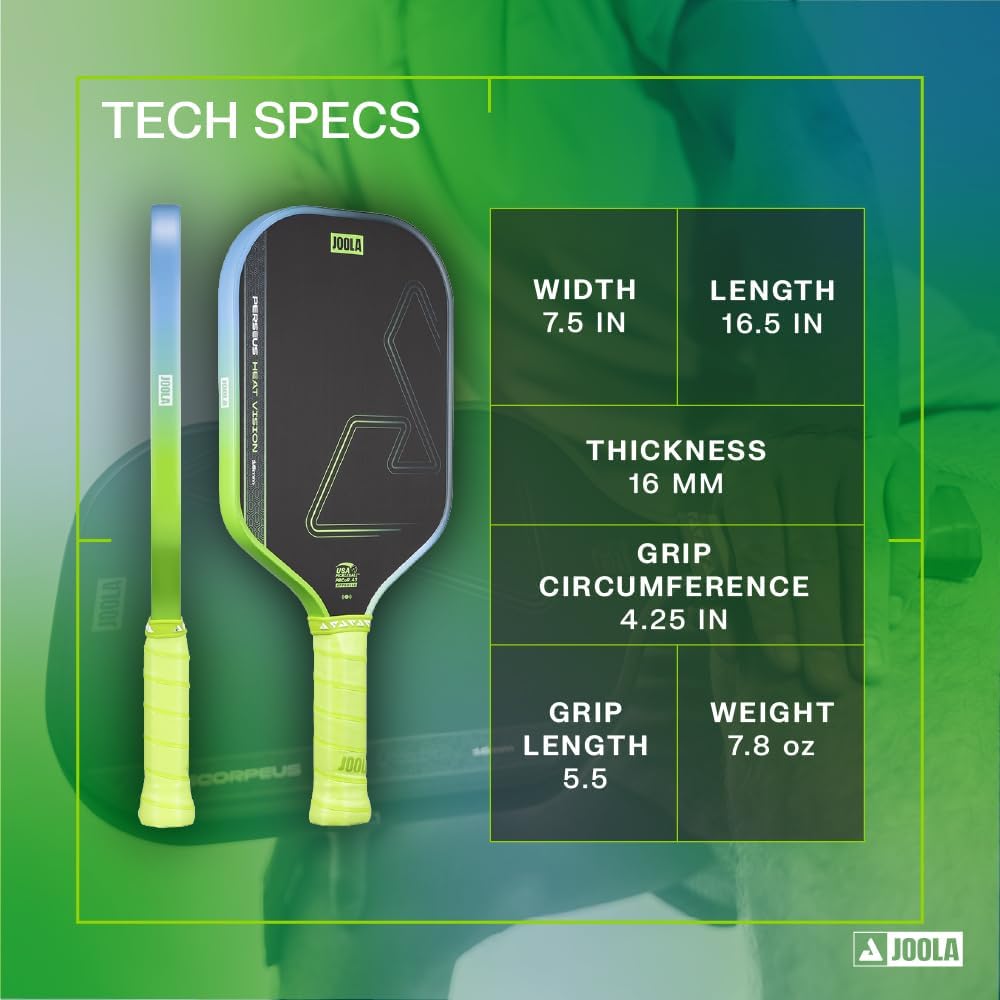
Weight and balance also shape how a pickleball paddle behaves during fast exchanges. A heavier thermoformed pickleball model adds stability and plow through, which helps block hard drives but can fatigue the arm over long sessions. Lighter paddles pickleball designs are quicker at the net and easier to maneuver for rapid hand battles, yet they may feel less stable on off center contact unless the thermoforming process and carbon fiber layup are carefully optimized.
Budget matters too, so always compare price to tangible performance gains rather than marketing claims. Some limited edition thermoformed paddles carry a premium price code because of cosmetic details, while offering similar on court results to standard versions on sale. When building your personal list of paddles best suited to test, focus on models whose price, feel and performance align with your goals, then use structured drills with a quality training net such as those highlighted in this guide to top pickleball training nets to evaluate each option under repeatable conditions.
Price, value and what “best thermoformed” really means
The phrase best thermoformed can be misleading, because no single paddle is objectively superior for every player. A thermoformed pickleball paddle that feels perfect for a high level singles specialist may feel too lively for a recreational doubles player who values forgiveness and comfort. Instead of chasing a universal best, think in terms of best thermoformed pickleball paddles for your specific skill level, swing speed and tactical preferences.
From a financial perspective, the price of advanced thermoformed paddles has climbed as brands add raw carbon faces, foam injected walls and complex carbon fiber stacks. While a higher price can reflect better materials and a more refined thermoforming process, it does not guarantee better performance for your game. Savvy players track sale periods, compare models using a consistent paddle review checklist and treat the price code on each product page as one data point among many, not the final verdict on quality.
Long term value also depends on durability and how long the paddle maintains its original feel. Because thermoformed pickleball paddles integrate the edge and face, they often resist delamination and soft spots better than some older constructions, which stretches the effective lifespan of the paddle. When you calculate cost per season rather than sticker price alone, a well built thermoformed paddle that keeps its spin, control and stability can end up cheaper than a bargain model that loses its performance edge after a few months.
Building a personal test list and interpreting paddle reviews
Creating a structured test list of thermoformed paddles helps turn scattered opinions into clear decisions. Start by shortlisting three to five pickleball paddles that match your desired weight, shape and core thickness, then arrange on court trials where you hit the same sequence of serves, returns and third shots with each paddle. This controlled approach reveals how differences in spin, power and feel show up in real rallies rather than just in warm up swings.
When reading any paddle review, pay close attention to how the tester describes stability on off center hits and the size of the functional sweet spot. Comments about twist resistance, vibration and forgiveness often tell you more about day to day playability than raw power ratings or marketing language about thermoforming. Look for consistent themes across multiple reviews, such as repeated praise for a Vatic Pro model’s blend of control and spin or recurring notes about a Double Black paddle feeling too stiff for softer playing styles.
Finally, remember that even the best thermoformed pickleball paddles are tools that must fit the player, not the other way around. A paddle that unlocks your confidence at the kitchen and encourages you to take smart, aggressive shots will always outperform a supposedly superior model that feels awkward in your hand. Treat every thermoformed pickleball purchase as an investment in how you experience the sport, and let your own results on court be the ultimate judge of performance.
Key figures about thermoformed pickleball paddles
- Industry reports from major pickleball retailers indicate that thermoformed pickleball paddles now represent more than 40 % of premium paddle sales, reflecting rapid adoption among competitive players.
- Laboratory testing published by independent paddle labs shows that many thermoformed paddles retain a higher percentage of their initial stiffness after 50 000 impact cycles compared with some traditional constructions, which supports claims of improved long term stability.
- Player survey data from large pickleball clubs suggests that over 60 % of advanced players who switched to a thermoformed paddle reported increased spin and control on serves and third shots, even when overall paddle weight remained similar.
- Retail price tracking across leading brands reveals that the average price of a high end thermoformed pickleball paddle sits roughly 20 % above non thermoformed models, a gap that many players accept in exchange for perceived performance gains.