How core, foam and carbon fiber shape power, spin and control
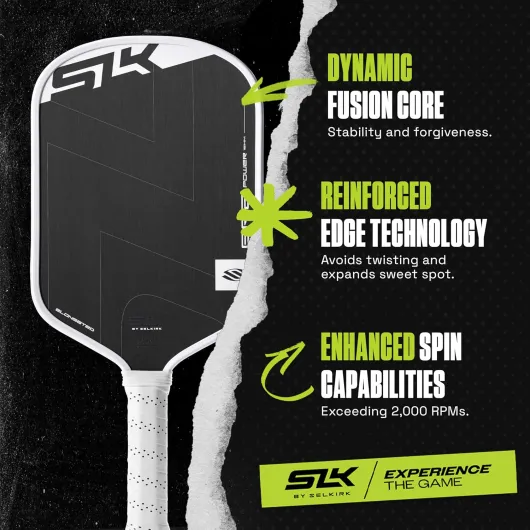
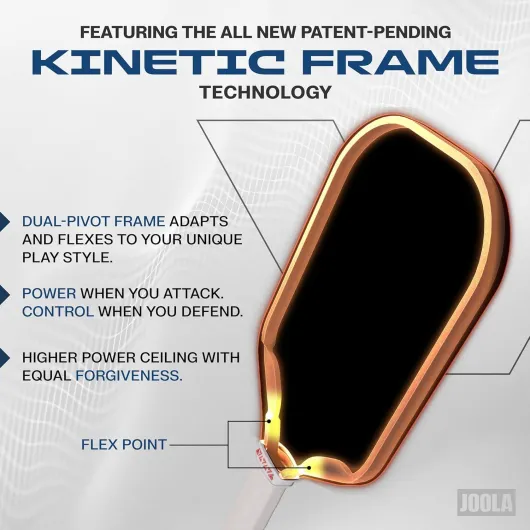
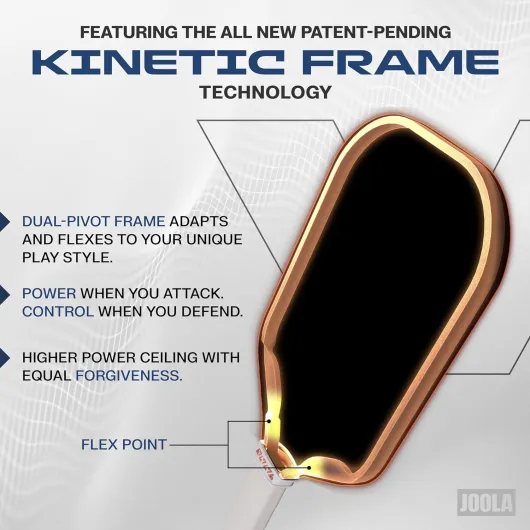
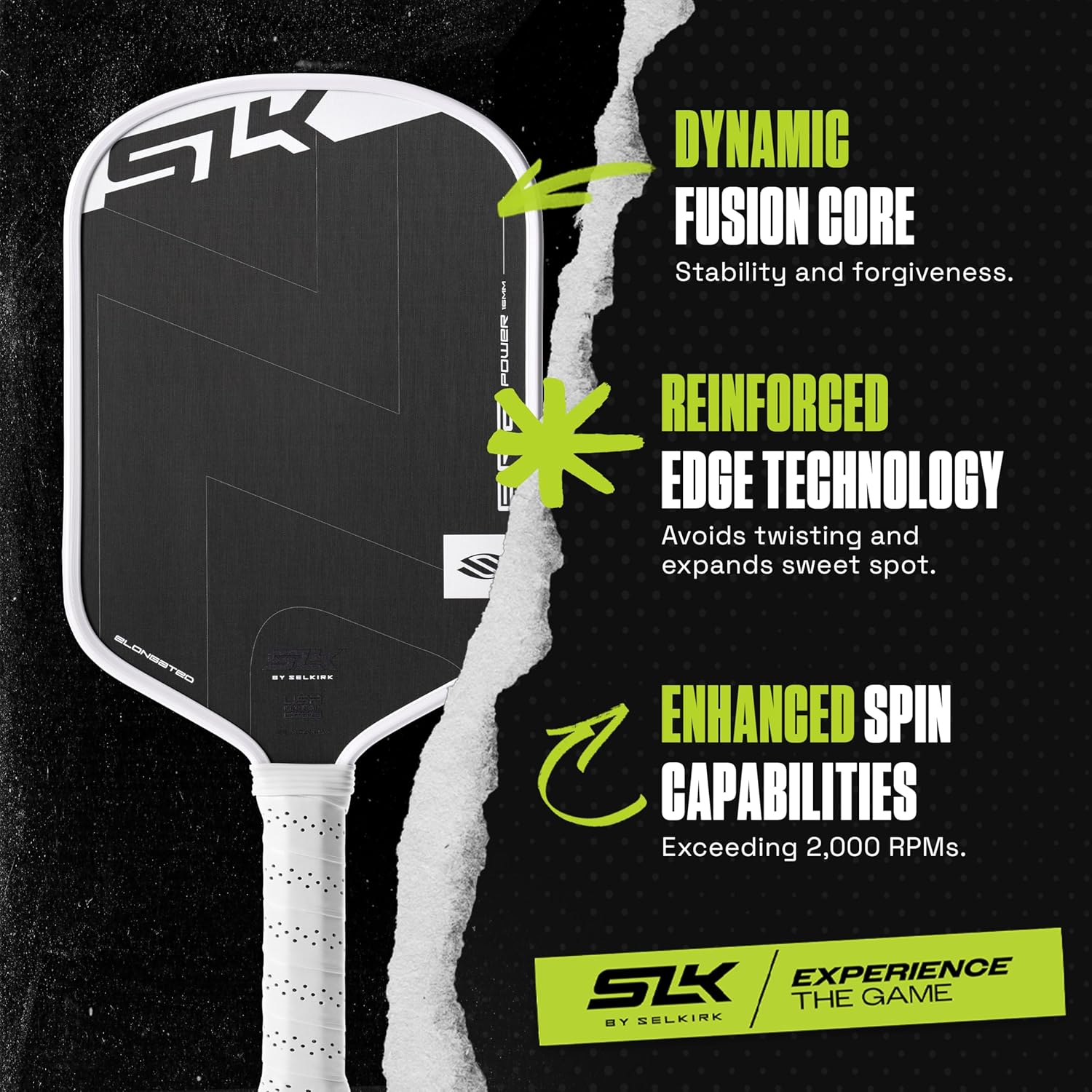
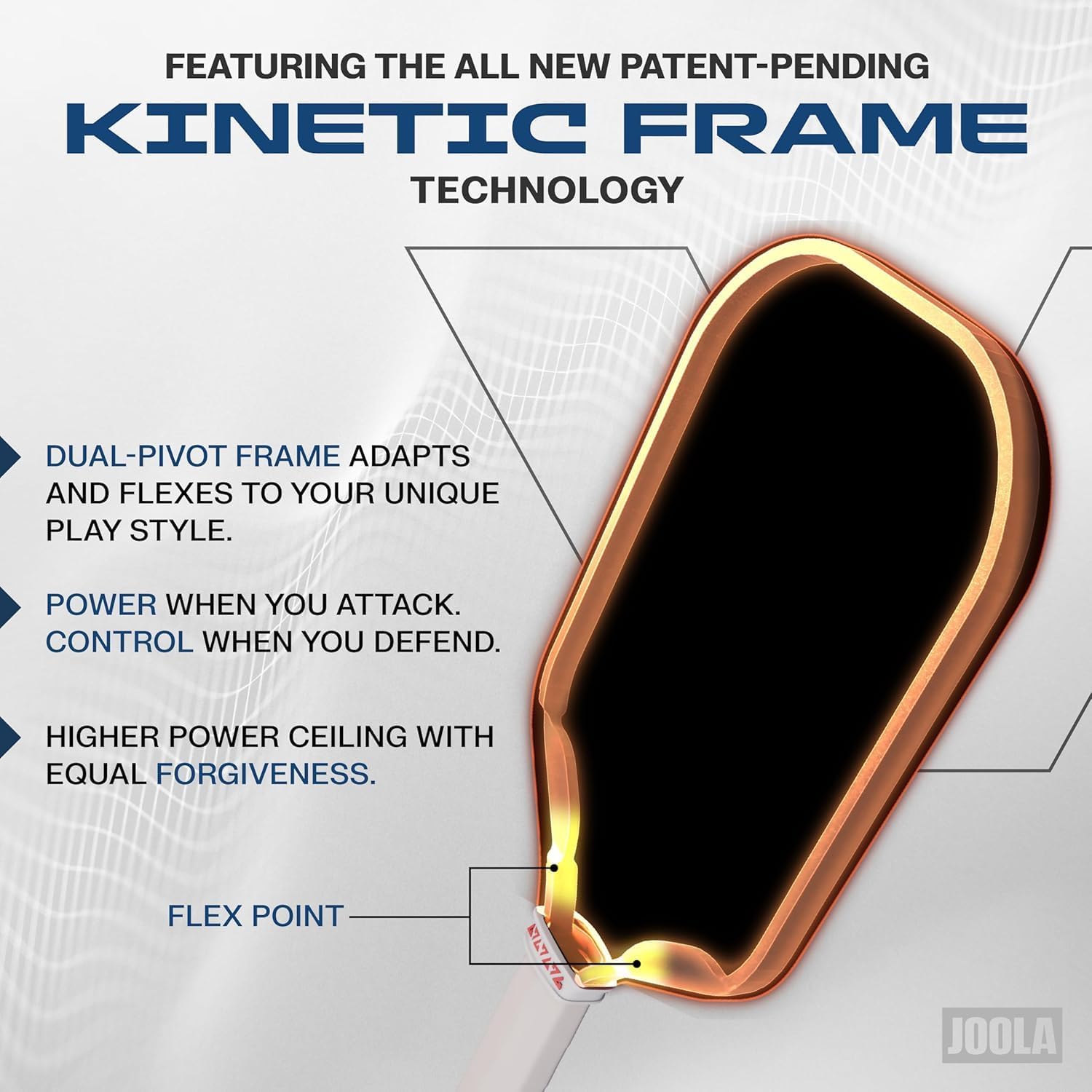
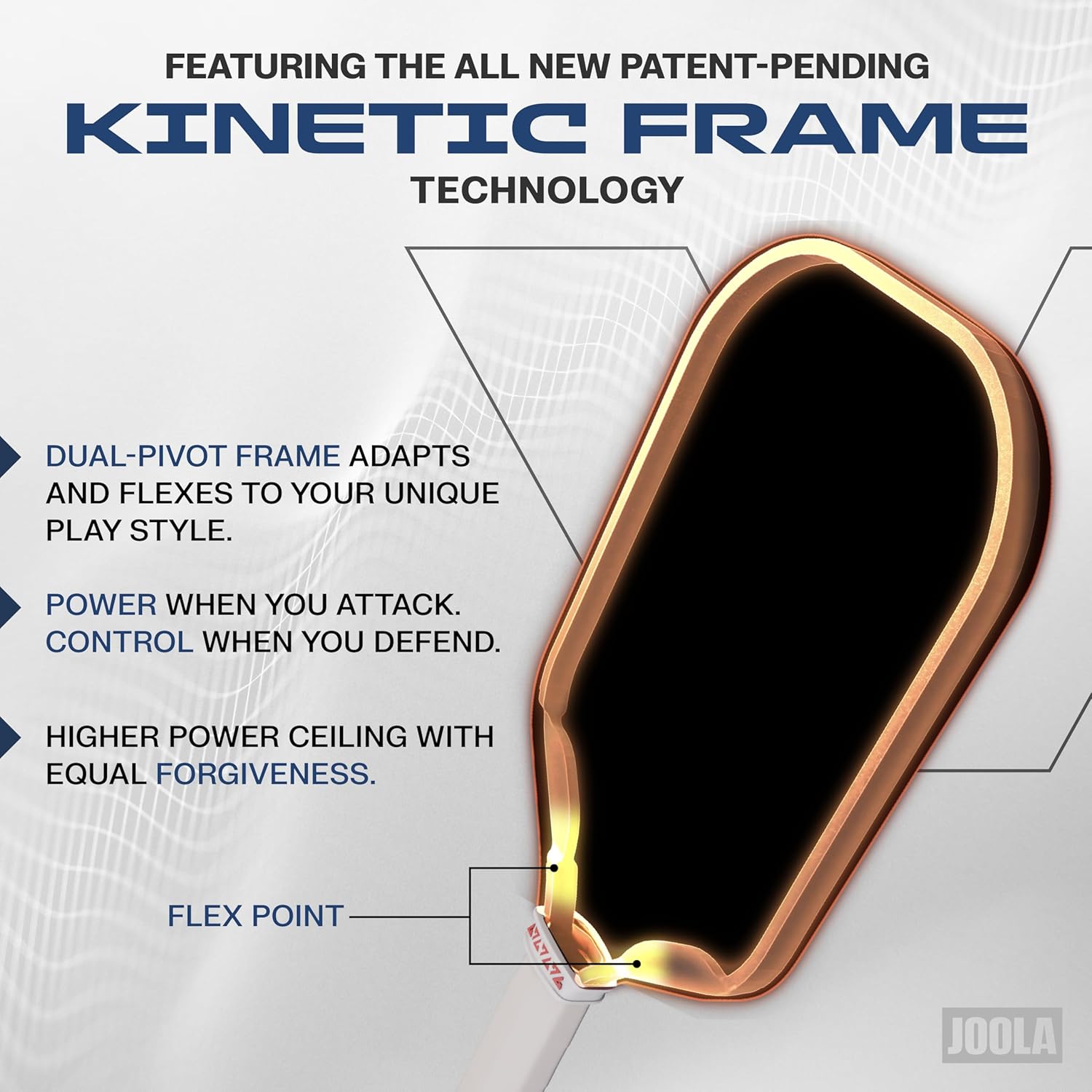
Inside every elite paddle, the core material dictates much of the feel. Polymer honeycomb cores remain the standard in pickleball paddles, yet the latest pro designs add foam around the edges to reduce twist and increase forgiveness on mishits. This hybrid foam core approach lets advanced players swing harder while keeping the ball in the court more often.
Carbon fiber faces have transformed what the best pickleball paddles can do for spin and power control. A raw carbon fiber surface grips the ball longer, which increases rpm friction on the shot and allows players to roll topspin or carve sidespin with less effort. When that same surface is paired with a tuned core and perimeter foam, the paddle can deliver a rare mix of soft feel in the kitchen and explosive power from the baseline.
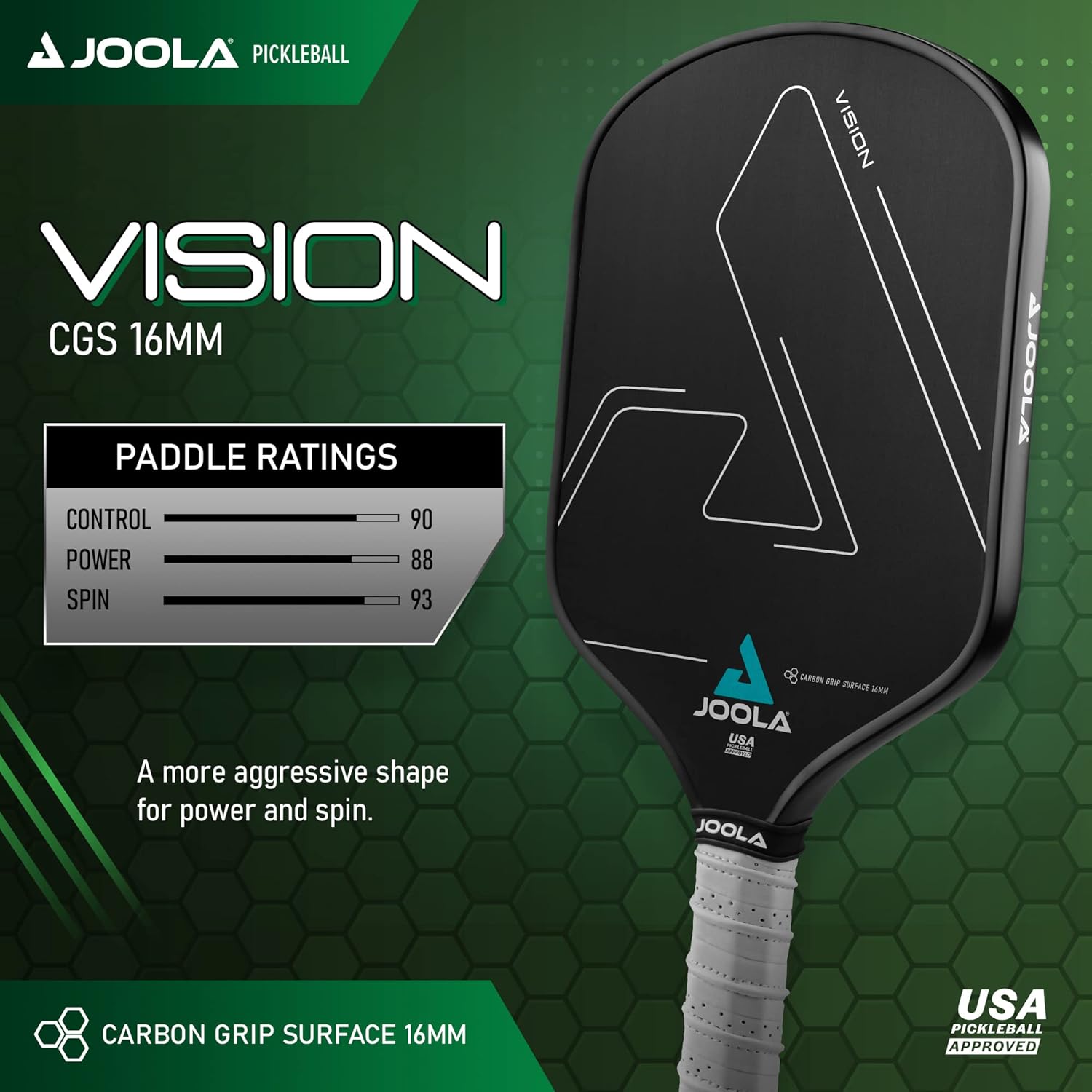
Shape also matters, especially for those chasing the best elite competition paddles. Elongated designs give extra reach and a higher swing speed, which naturally adds power but can shrink the sweet spot if the foam and core are not optimized. For readers comparing composite and carbon options, a detailed guide to top composite pickleball paddles helps clarify when a composite court paddle might suit your game better than a fully raw carbon power paddle.
Pro level models, from vatic pro to joola perseus
Several specific models now define what many players consider the top paddles for competition. The Vatic Pro line, for example, uses a thermoformed frame with a foam core perimeter and a raw carbon fiber face to deliver a powerful yet controlled response that appeals to advanced players. Many users describe each Vatic Pro paddle as a true power paddle that still offers enough touch for delicate play at the net.
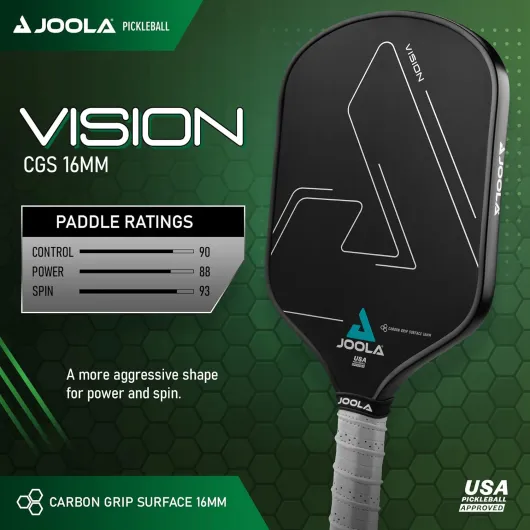
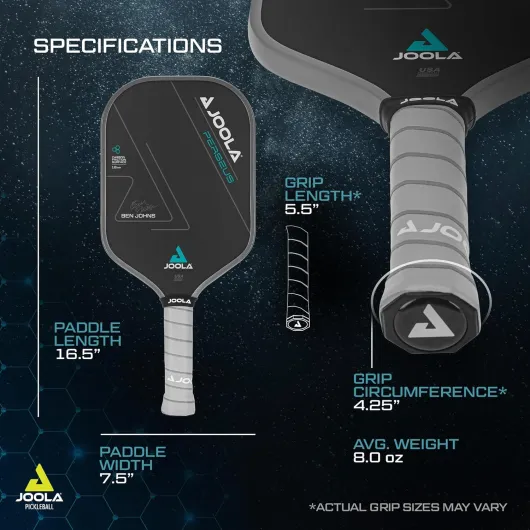
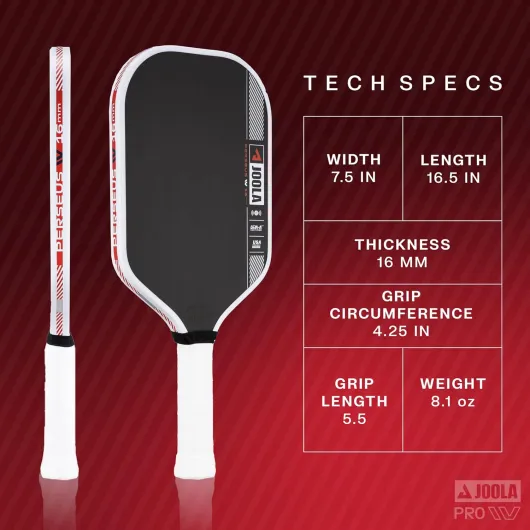
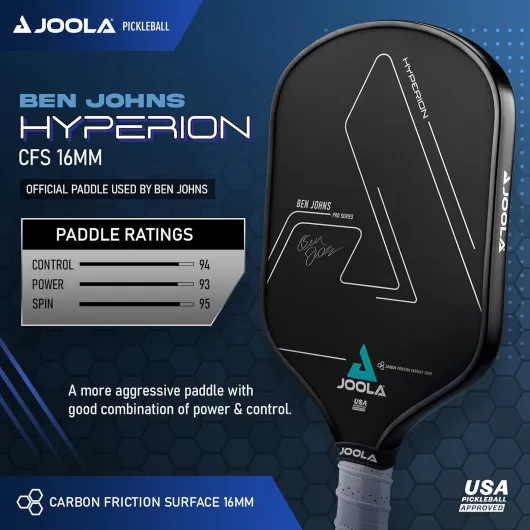
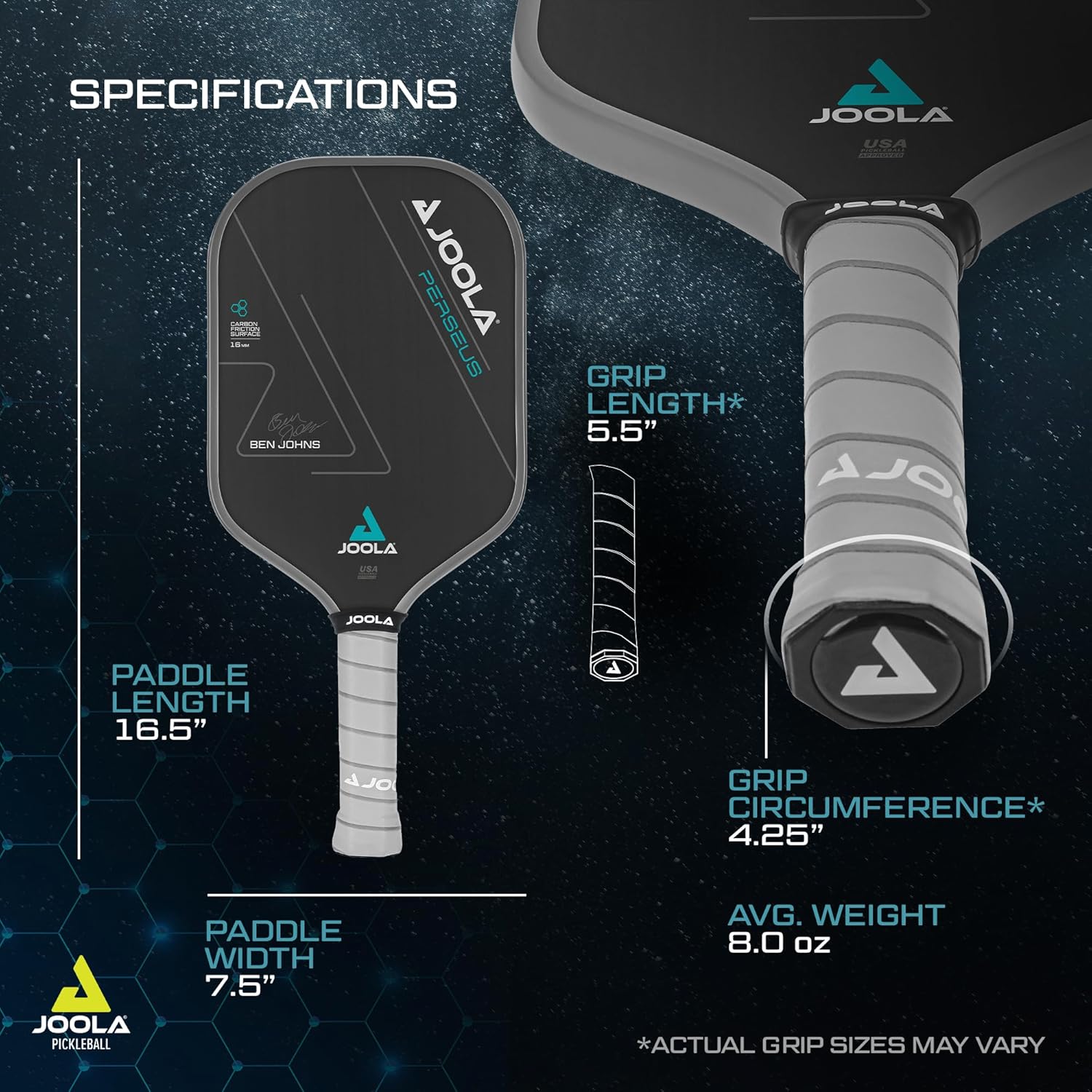
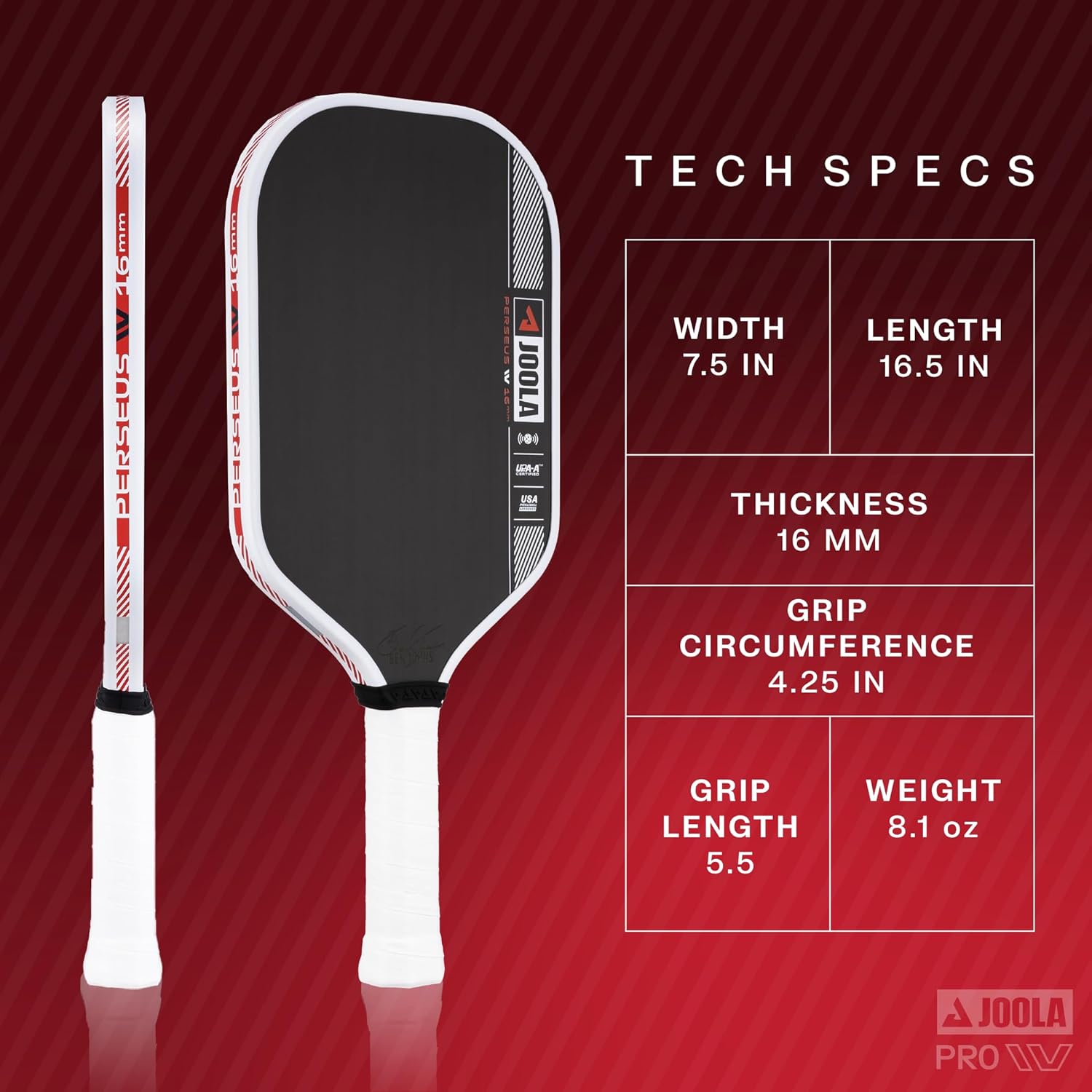
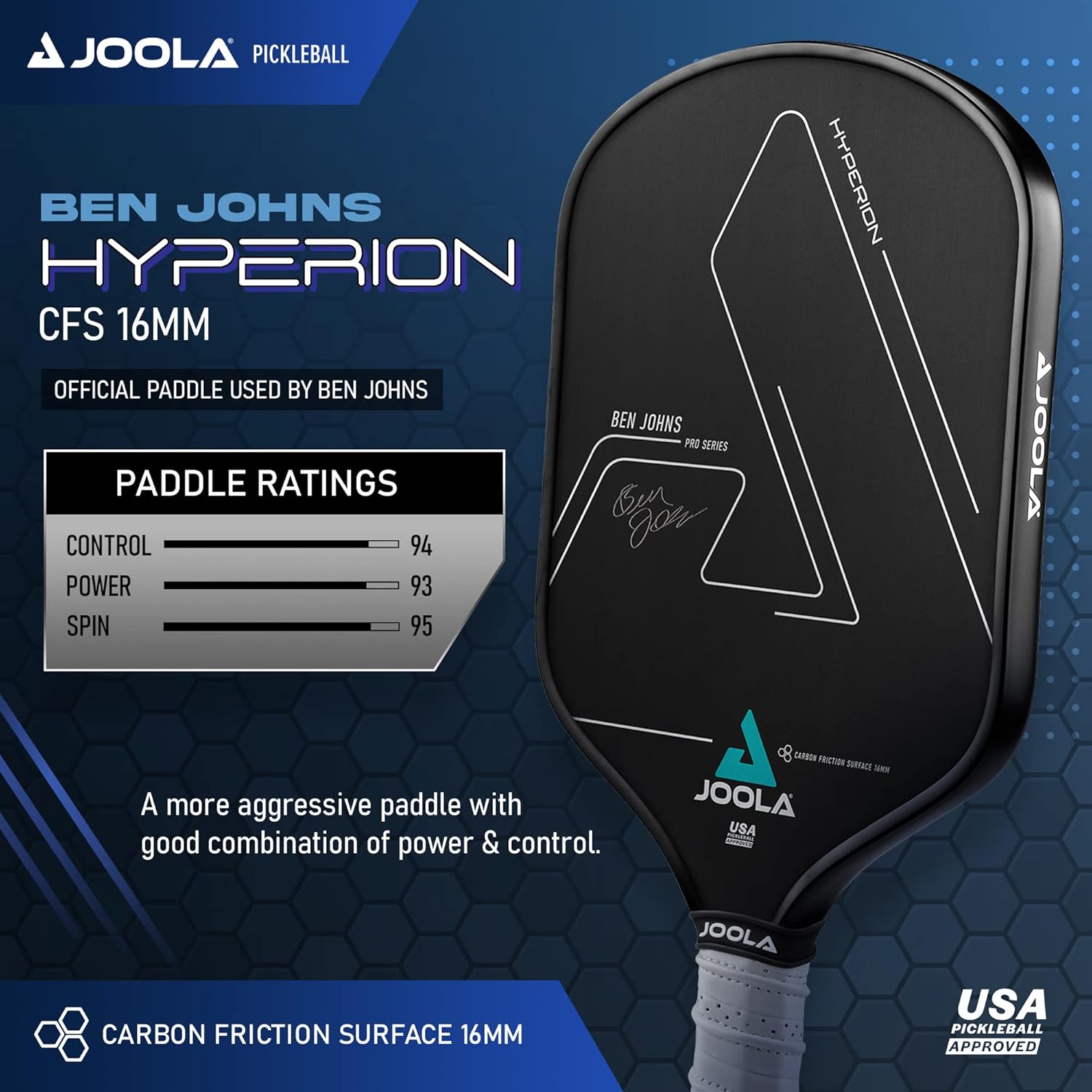
Another family of elite paddles comes from Joola, especially the Joola Perseus series that carries the name of Ben Johns, one of the most successful pickleball players on the professional tour. A Joola Perseus pickleball paddle combines an elongated shape, a stiff core and a textured carbon fiber surface to create heavy spin and penetrating power, which suits aggressive pro level tactics. When a Perseus Pro model is tuned correctly for grip size and weight, it can feel like an extension of the arm rather than a separate piece of equipment.
Brands also experiment with specialized surfaces such as the Friction Pro and Aura Pro lines, which emphasize rpm friction and spin potential for players who shape every ball. For readers who want to see how a modern thermoformed carbon fiber pickleball paddle behaves under stress, a detailed test of a triple layer T700 model is available through this tour level spin and power review. These case studies show how the paddles best suited for elite play share common traits, even when the marketing names differ.
Matching paddle characteristics to your style and rating
Choosing among the best elite competition paddles starts with an honest look at your rating and style. A player in the 3.5 range who is still developing consistent control should not jump straight to the stiffest power paddle on the market. Instead, a slightly softer pickleball paddle with a generous sweet spot and more forgiveness will help keep the ball in play while skills mature.
Once players reach the 4.0 to 4.5 level, priorities shift toward paddles that reward precise technique. At this stage, many advanced players prefer elongated shapes for extra reach, along with a raw carbon fiber surface that maximizes spin and power control on drives and rolls. A court paddle with perimeter foam and a responsive core can tame mishits while still letting you attack every short ball with confidence.
For those competing at the top amateur tiers, the best paddles become tools for exploiting tiny advantages in the game. A pro inspired pickleball paddle such as a Perseus Pro or a Vatic Pro model can turn a neutral rally into an offensive opportunity simply through higher spin and deeper penetration. When evaluating paddles best suited to your needs, pay attention to how the paddle feels on third shot drops, speed ups at the kitchen and defensive resets, not just on full power drives.
On court testing, feel and the reality of power control
No spec sheet can replace the information you gain from real court testing. The way a paddle feels when the ball hits slightly off the sweet spot, or when you stretch for a late volley, reveals more about forgiveness than any marketing phrase. Elite players often rotate several pickleball paddles during practice sessions to compare how each one manages power, spin and touch in live play.
During these sessions, focus on how the core and foam interact with your swing speed. A paddle with too much power and not enough dwell time on the face will send the ball long, even when your technique is sound, while a model with better power control lets you swing freely and still land deep shots inside the court. Pay attention to the subtle feedback in the handle as well, because a clear feel of impact helps you adjust in real time and refine your game.
Testing should also include specific drills that stress different aspects of performance. Work on cross court dinks to judge touch, then transition into speed up exchanges at the kitchen to see how the paddle handles sudden power. If you often play outdoors in wind, simulate match conditions so you know whether your chosen court paddle keeps the ball stable or whether you need a different balance of stiffness, foam core design and surface friction.
Building a complete elite setup around your competition paddle
The best elite competition paddles only reach their full potential when paired with a thoughtful overall setup. Ball selection matters, because a harder outdoor ball will exaggerate the power of a stiff paddle, while a softer indoor ball may require a slightly more aggressive swing to generate the same depth. Matching your pickleball paddle to the typical ball and court surface you face each week ensures that your practice translates directly into match performance.
Court conditions and net systems also influence how your paddle performs in real play. Portable nets with adjustable tension can change the margin you have on aggressive topspin drives, so investing in reliable equipment such as one of the top adjustable height pickleball nets helps standardize your practice environment. When the net height, court lines and ball type remain consistent, you can fine tune power control and spin with far greater precision.
Finally, consider carrying at least two paddles best suited to your style, especially for tournaments. A primary power paddle might handle most matches, while a slightly softer court paddle with more forgiveness can be invaluable on slower courts or in windy conditions. By treating your pickleball paddles as part of a complete competitive system, you give yourself the best chance to express your skills fully every time you step onto the court.
Key statistics about elite pickleball paddles and players
- According to USA Pickleball participation reports, the number of players in the United States grew by more than 150 % over a recent three year span, which has driven rapid expansion in the market for high performance pickleball paddles.
- Industry analyses from major sporting goods retailers indicate that carbon fiber and composite paddles now account for well over half of all performance paddle sales, reflecting a clear shift away from entry level wood designs.
- Data from professional tours such as the PPA Tour and APP Tour show that nearly all top ranked advanced players use elongated or hybrid shaped paddles, highlighting the competitive value of extra reach and leverage.
- Laboratory testing published by independent reviewers has measured spin rates above 1 800 rpm on some raw carbon fiber faces, significantly higher than older smooth composite models and a key factor in modern power control tactics.
- Price tracking across leading brands reveals that many of the best elite competition paddles fall in the range of 150 to 250 euros, a level that reflects the cost of advanced cores, perimeter foam and high grade carbon fiber construction.