Core, foam, and dwell time : how construction shapes feel
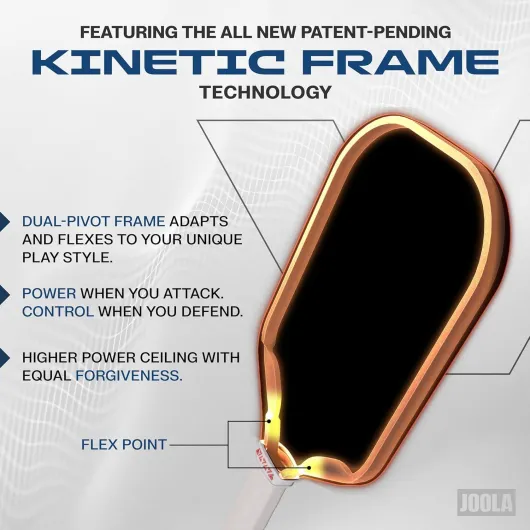
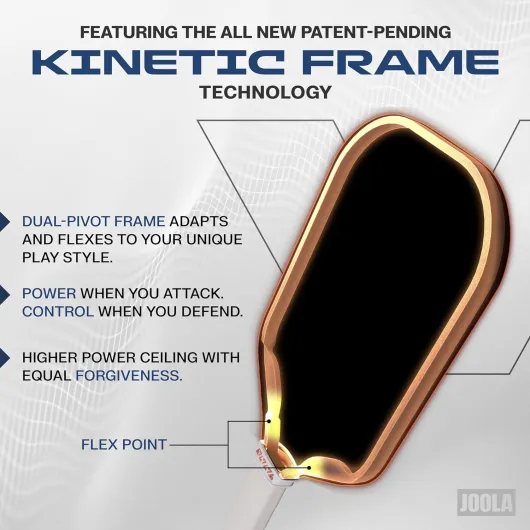
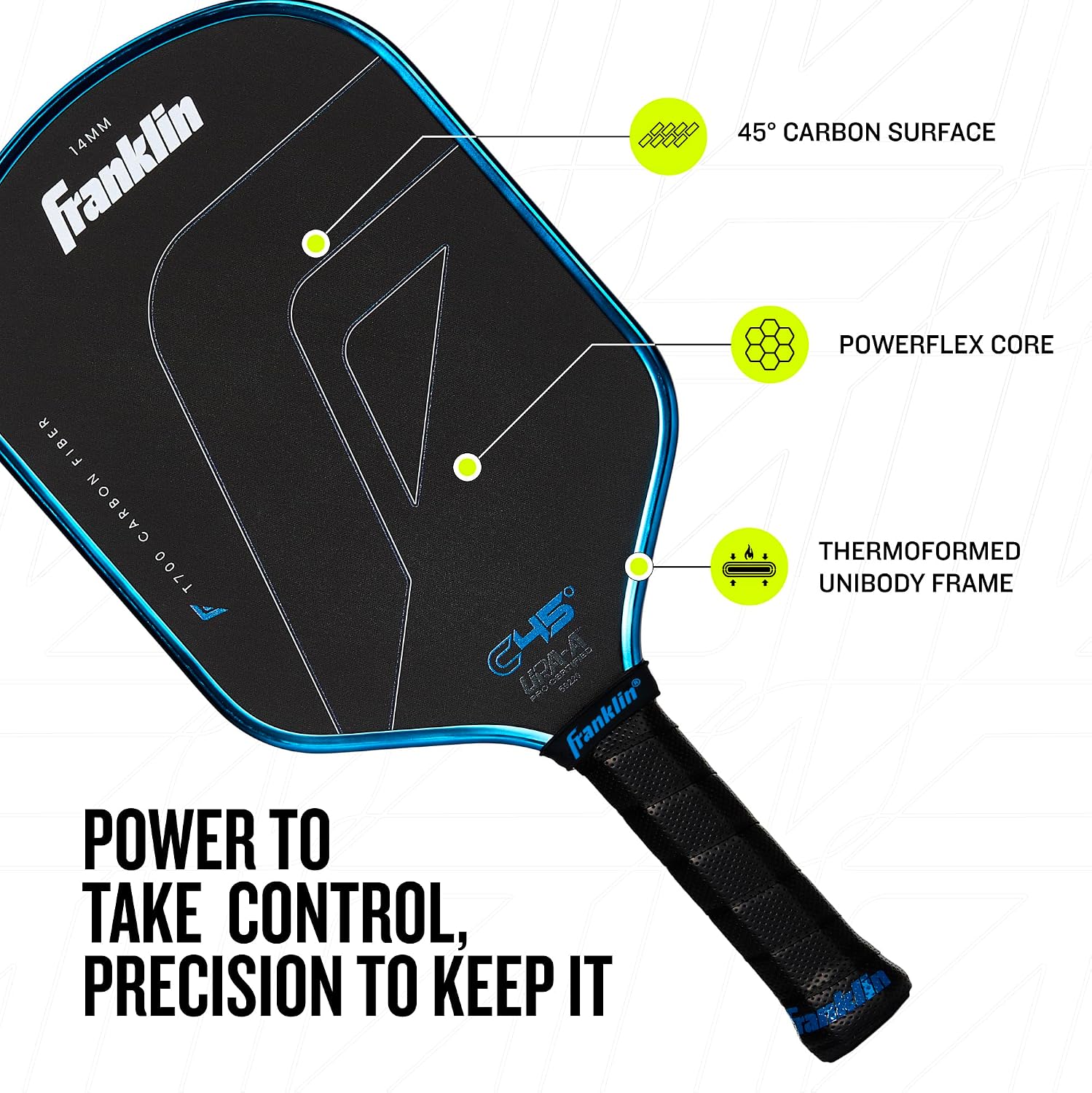
Inside every tournament grade paddle, the core dictates how the paddle feels at impact and how the ball leaves the face. Most high end pickleball paddles use a polymer honeycomb core, but brands now add foam or foam core perimeter walls to stabilize the paddle and reduce twisting on off center hits. This combination of polymer and foam gives a more solid feel, a larger sweet spot, and better energy return for both power and control.
When you read spec sheets for a pro pickleball paddle, you will often see references to dwell time, which describes how long the ball stays on the face before rebounding. Longer dwell time from a tuned core and foam injected edges helps advanced players load up spin and place the ball with surgical control spin, especially on third shot drops and resets. Shorter dwell time, by contrast, produces a crisp power paddle that sends the ball off quickly, which some aggressive players prefer for drives and putaways.
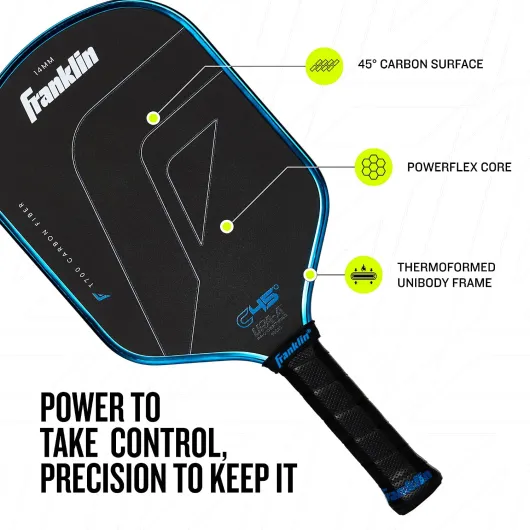
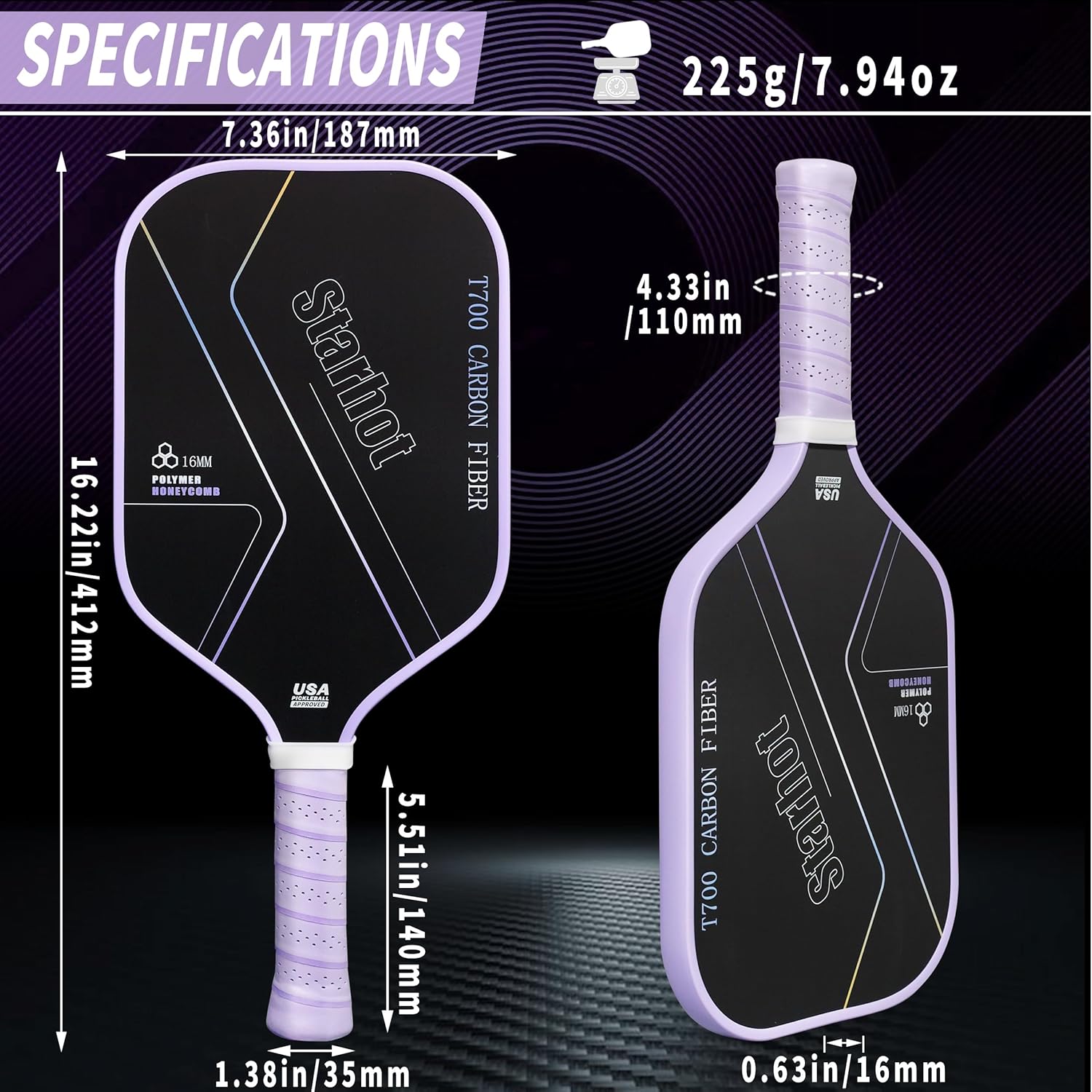
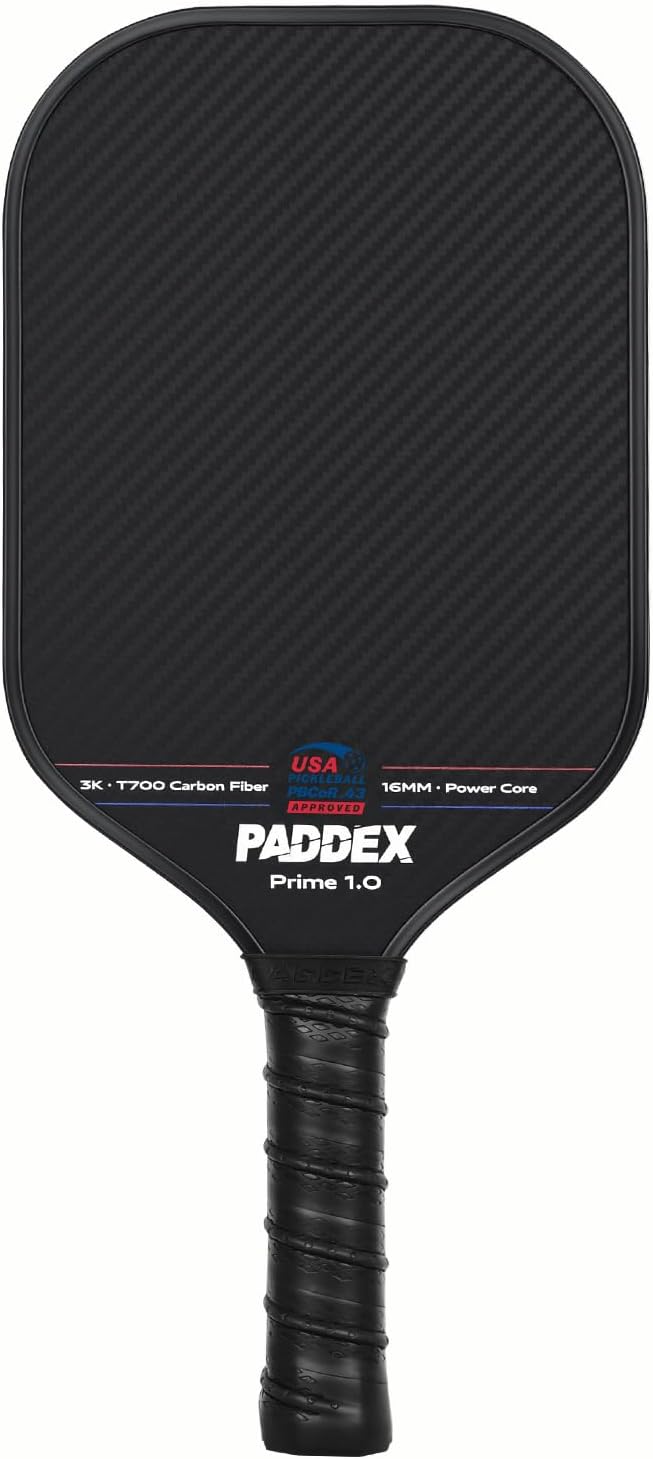
Models such as the Selkirk Vanguard series and thermoformed designs like the Challenger Friday paddle with T700 raw carbon fiber and foam injected walls, which is reviewed as a high end raw carbon fiber option, illustrate how construction details translate into real court performance. These paddles use a carefully engineered core to deliver both power control and a plush feel that many pro level players now expect. When you test such paddles back to back, the difference in stability, comfort, and overall performance compared with regular price entry models becomes immediately obvious.
Carbon fiber, raw carbon, and surface texture for spin and precision
The face material on the best tournament grade pickleball paddles is where brands push technology hardest, because this is where spin and directional control begin. Traditional fiberglass faces offer easy power but can feel lively, while modern carbon fiber and raw carbon surfaces prioritize control, dwell time, and consistent performance across the entire sweet spot. For players who rely on heavy topspin and sidespin, a raw carbon surface often becomes the defining feature of their chosen pickleball paddle.
High friction carbon fiber faces from brands such as Joola, Selkirk, and Vatic Pro are engineered to grip the ball, which increases spin without requiring extreme wrist action. A gritty raw carbon texture lets advanced players bend passing shots, kick serves, and roll dinks with confidence, turning a control paddle into a weapon in both singles and doubles play. When this surface is paired with a stable foam core or polymer core, the paddle can offer both power and control spin, which is exactly what the best pickleball competitors demand.
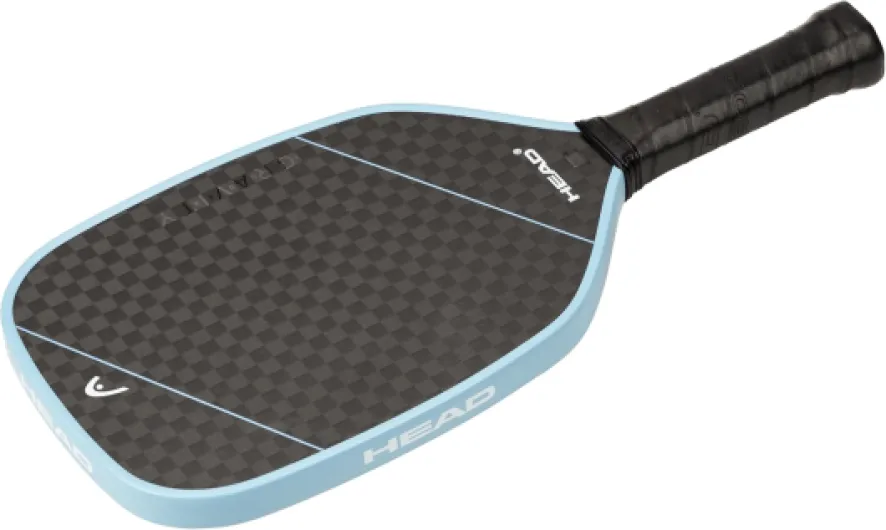
Thermoformed paddles, which fuse the carbon shell around the core, have become a distinct category among the best tournament grade pickleball paddles because they maximize power transfer and edge to edge stability. Many of the top thermoformed pickleball paddles highlighted in specialized guides, such as those featured in this curated list of elite thermoformed pickleball paddles, use raw carbon faces and foam injected walls to create a huge sweet spot. For players comparing price and performance, these paddles often justify a higher regular price or sale price because they maintain their spin potential and feel longer than cheaper composite options.
Comparing leading brands : Selkirk, Joola, and Vatic Pro
Among serious tournament players, a few brands dominate conversations about the best tournament grade pickleball paddles because they consistently deliver high performance designs. Selkirk has built a reputation for control oriented paddles such as the Selkirk Vanguard line, which uses an advanced polymer core and carbon fiber face to provide a plush feel with enough power for finishing points. Many players who value touch in the kitchen but still want a reliable power paddle for drives gravitate toward these Selkirk paddles.
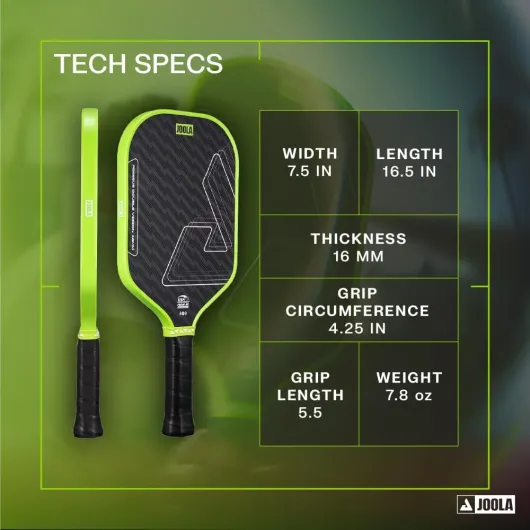
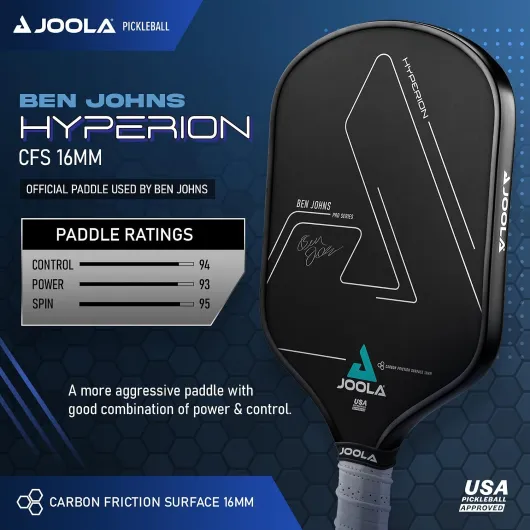
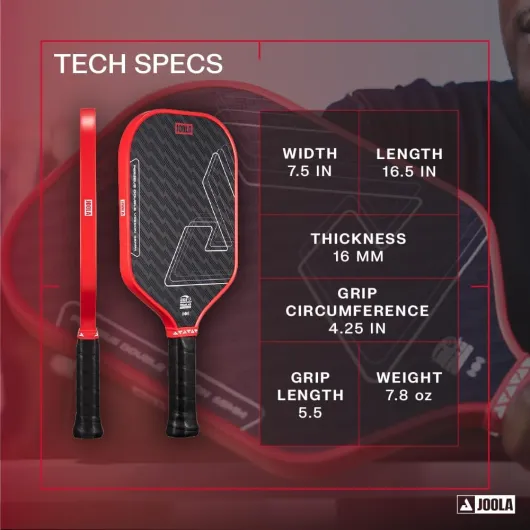
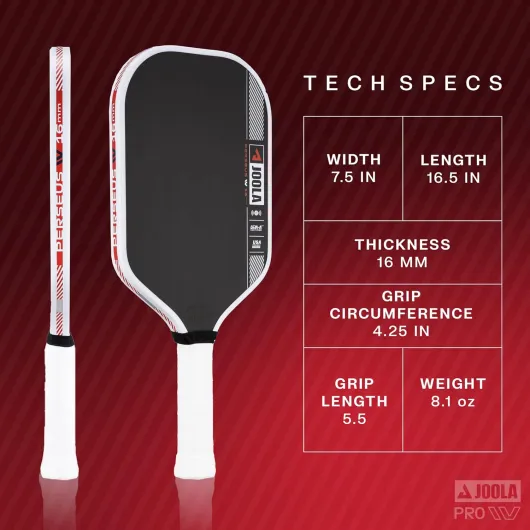
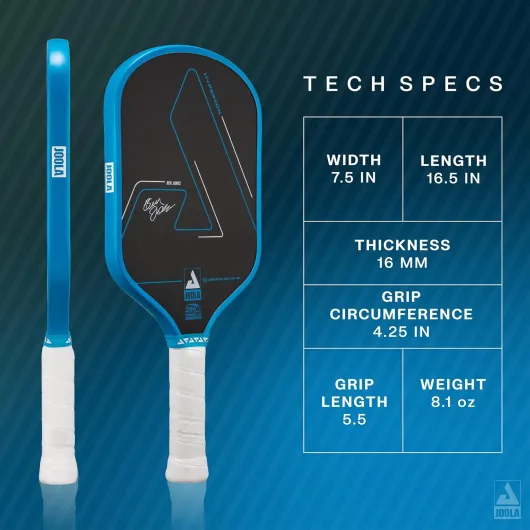
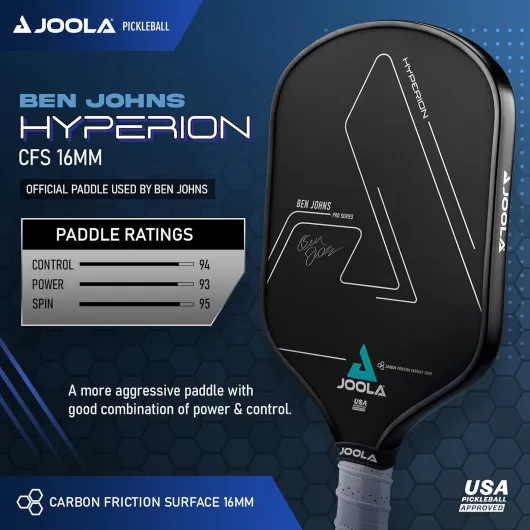
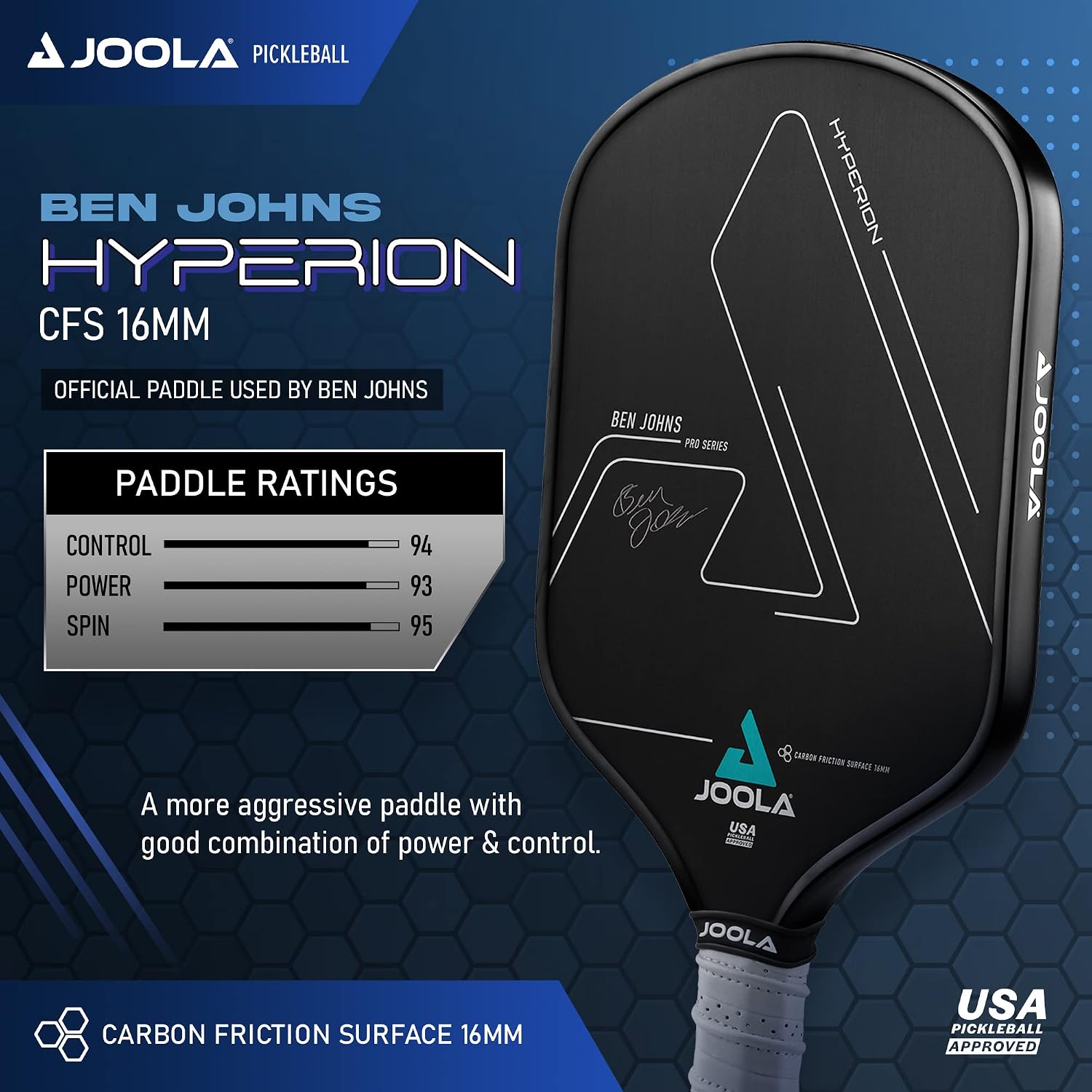
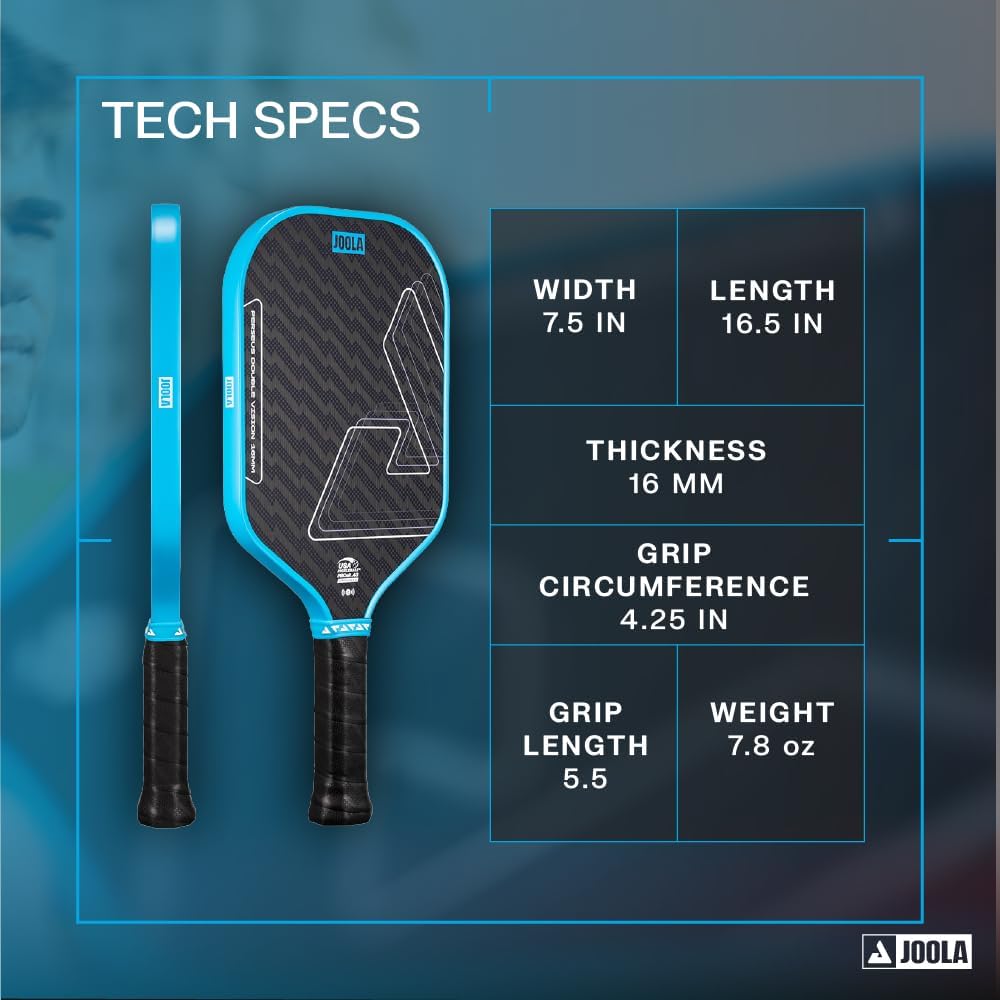
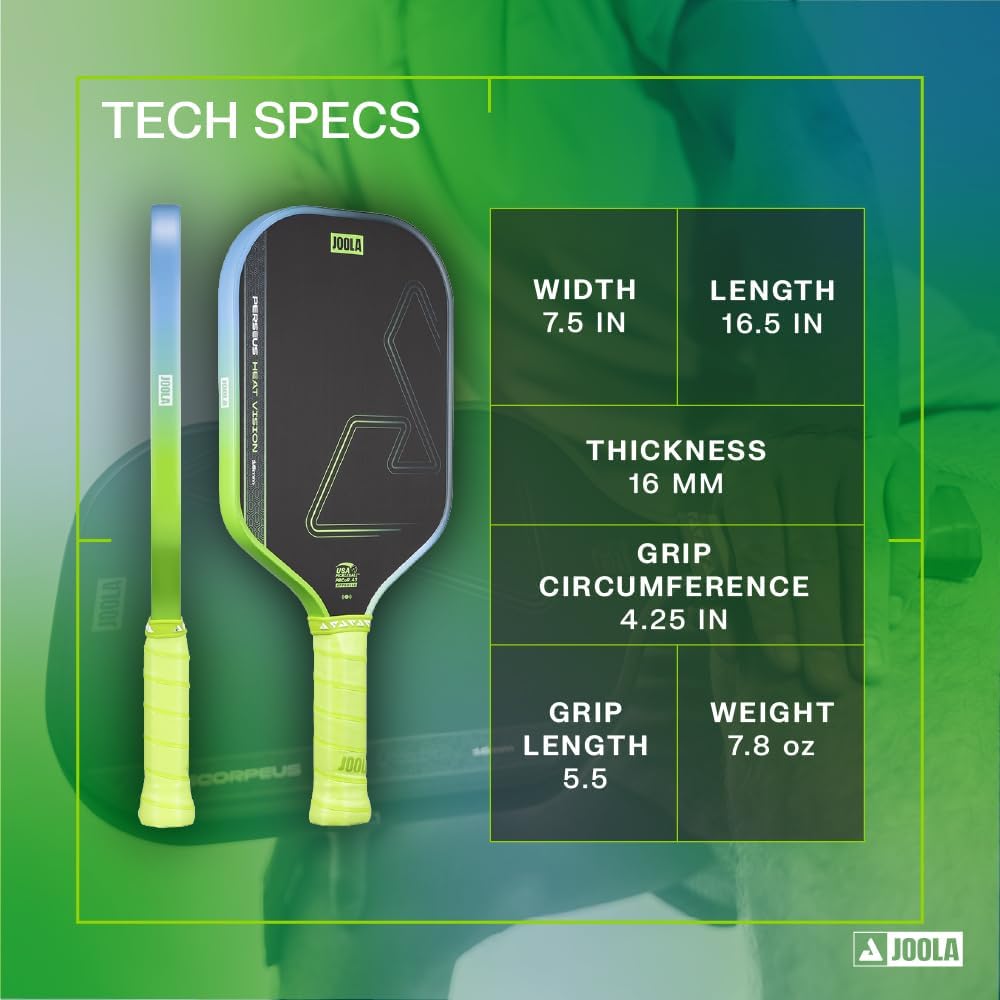
Joola entered pickleball with a strong table tennis heritage and quickly became synonymous with pro level power and spin, especially through its partnership with Ben Johns. The Joola paddles that carry his name use raw carbon faces, optimized core thickness, and carefully tuned swing weight to give advanced players a blend of power control and precise spin that holds up under pressure. When players compare price Amazon listings for these paddles with their on court performance, many conclude that the investment is justified by the stability, feel, and durability they receive.
Vatic Pro represents a newer wave of carbon forward brands that focus on thermoformed construction, foam core edges, and raw carbon faces at a competitive sale price. Many advanced players praise Vatic Pro paddles for offering a pro level sweet spot and spin friendly surface at a lower price than some legacy brands, which makes them attractive for ambitious competitors upgrading from entry level pickleball paddles. Whether you choose Selkirk, Joola, or Vatic Pro, the key is to match the paddle’s core, surface, and balance to your style of play rather than chasing a logo alone.
Price, value, and how to read paddle specifications
Evaluating the price of the best tournament grade pickleball paddles can feel confusing, because regular price and sale price often vary widely between retailers. Instead of focusing only on the lowest price Amazon listing, look closely at the paddle’s core material, carbon or fiberglass face, weight range, and whether it is USA Pickleball approved for sanctioned play. A paddle that combines a high quality polymer or foam core with a raw carbon fiber surface and a generous sweet spot usually offers better long term value than a cheaper composite option that loses grit quickly.
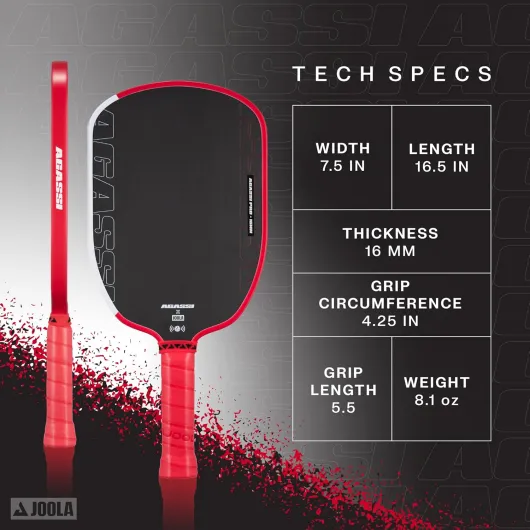
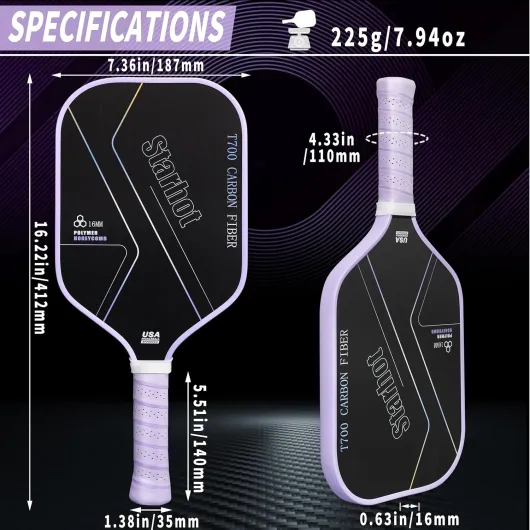
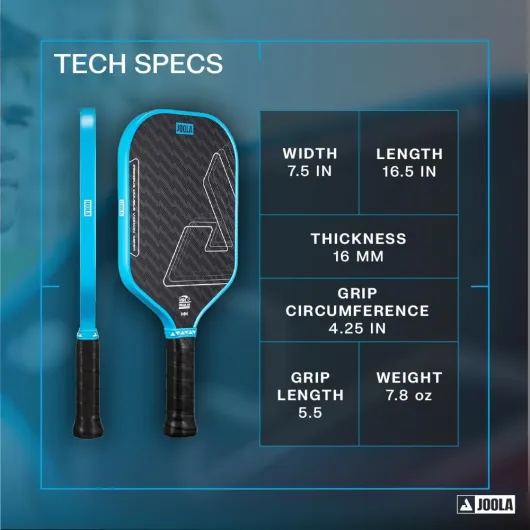
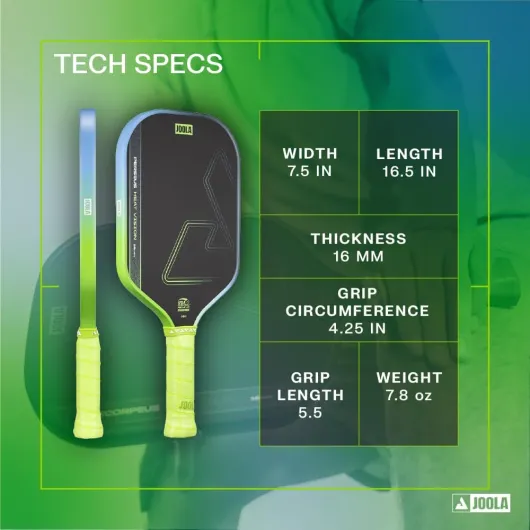
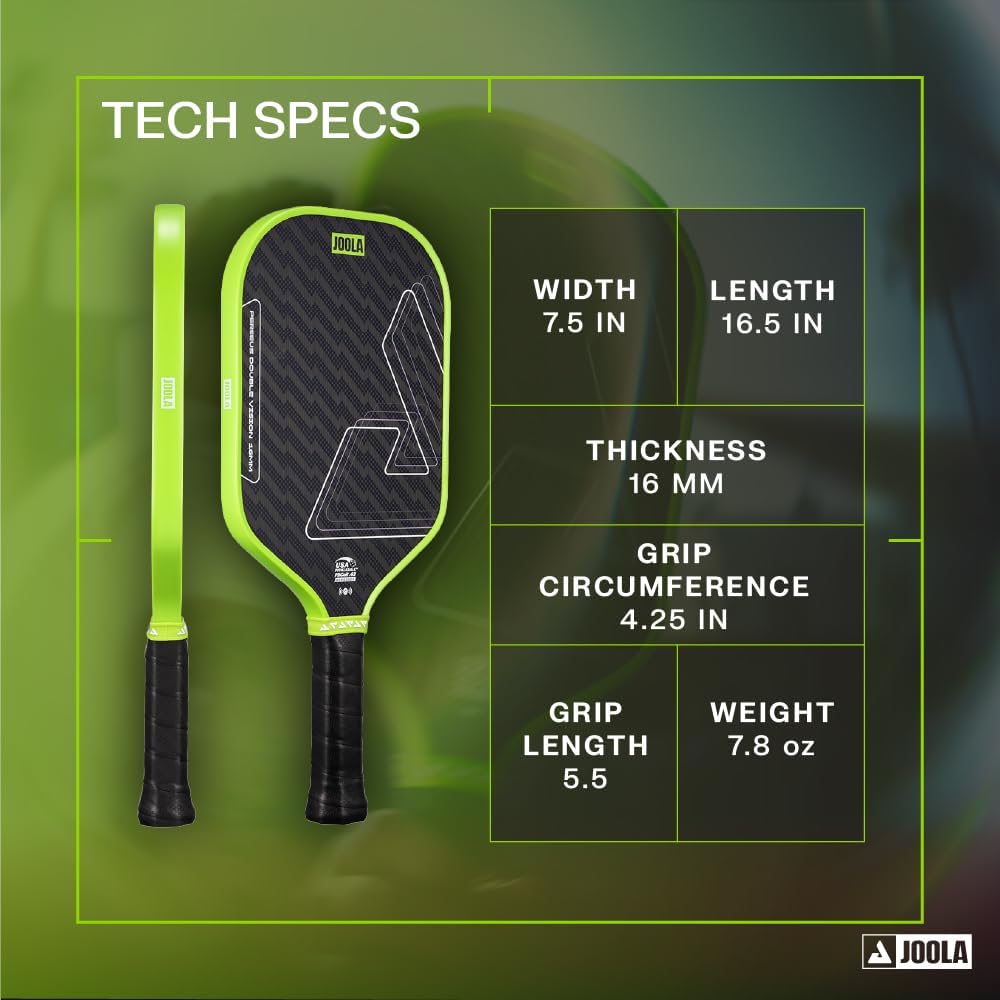
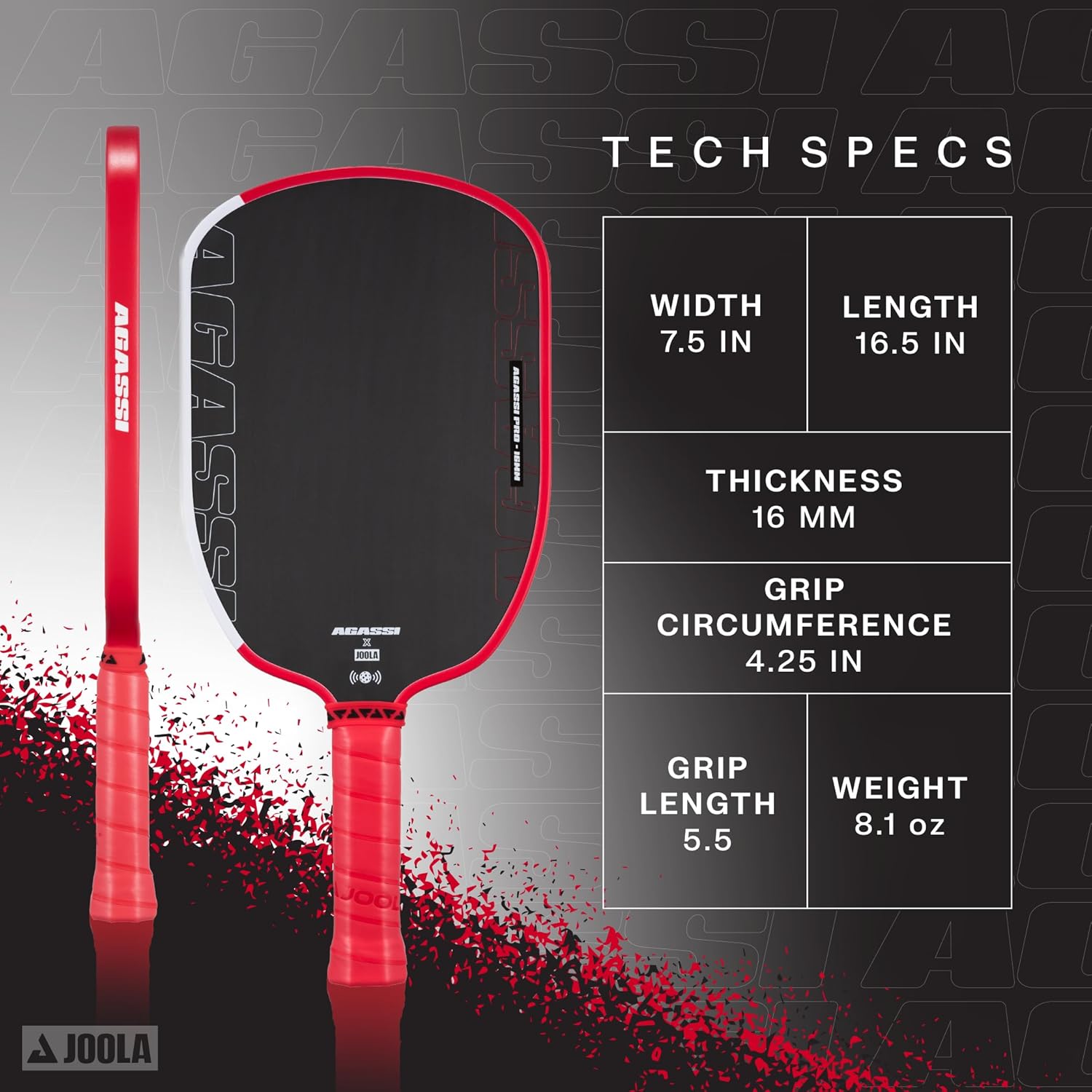
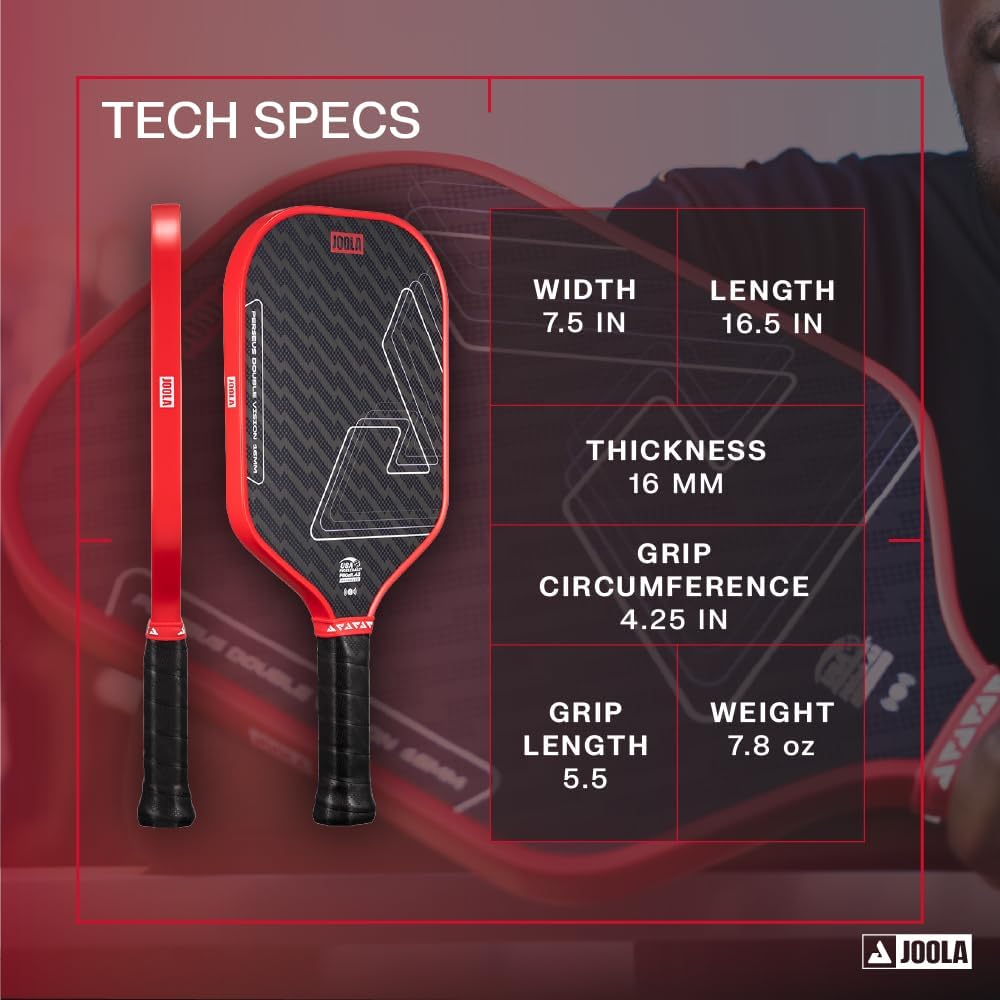
Weight is one of the most important specifications, because it shapes both power and control for different players. Lighter paddles around 215 to 225 grams favor quick hand battles and touch, while heavier paddles closer to 235 grams deliver more effortless power but can fatigue the arm during long play sessions. Advanced players often experiment within a narrow weight window, adding lead tape to fine tune balance and transform a neutral paddle into either a dedicated power paddle or a more maneuverable control paddle.
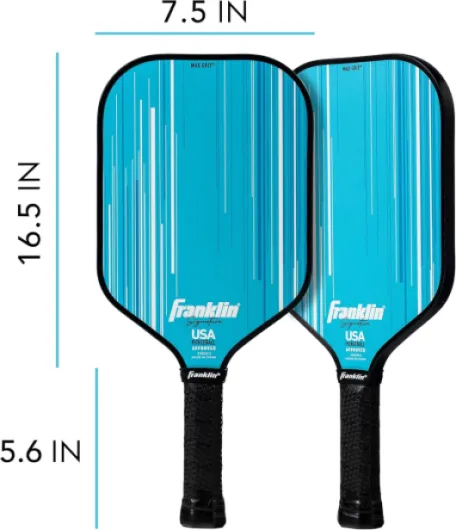
Grip size, shape, and handle length also influence how a pickleball paddle feels in your hand and how easily you can generate spin. A longer handle suits players with a tennis background who use two handed backhands, while a shorter, thicker grip can enhance stability for one handed play and quick volleys. When you read specifications, think about how each detail will affect your performance on court, rather than treating the paddle as a generic piece of equipment.
Matching paddle characteristics to your playing style and training
Selecting among the best tournament grade pickleball paddles starts with an honest assessment of your style, strengths, and weaknesses. Power oriented players who like to drive the ball and attack early should prioritize a slightly heavier paddle with a raw carbon or carbon fiber face that still offers enough dwell time for reliable spin. Control focused players, by contrast, often prefer a softer core and lighter weight that keep resets, dinks, and blocks inside the court even when contact is not perfect.
For advanced players who compete regularly, it can be helpful to maintain two paddles : one leaning toward power control for windy outdoor conditions and another more flexible control paddle for indoor play. Training tools such as dedicated practice rebounders, including those highlighted in this guide to top pickleball practice rebounders, allow you to test how different paddles handle repeated impacts, spin drills, and quick reaction volleys. Over time, you will notice how certain core constructions, foam edges, and surface textures help you execute your preferred patterns of play more consistently.
Whatever paddle you choose, always confirm that it carries USA Pickleball approval if you plan to enter sanctioned tournaments, because non approved paddles are not allowed in official brackets. Pay attention to how the paddle feels after several hours of play, not just during the first few minutes, since fatigue, vibration, and comfort can change your perception of power and control. When a paddle still feels stable, responsive, and confidence inspiring late in a long match, you know it belongs among your personal list of the best pickleball paddles for competition.
Key figures about tournament grade pickleball paddles
- According to USA Pickleball equipment records, more than 1 500 paddle models are currently approved for sanctioned play, which means players face a crowded market when searching for the best tournament grade pickleball paddles.
- Industry reports from major retailers indicate that carbon fiber and raw carbon faced paddles now account for over 60 % of high end paddle sales, reflecting a clear shift toward spin and control focused designs among competitive players.
- Player surveys from large tournaments show that advanced players typically own between three and five pickleball paddles, allowing them to rotate between power paddle and control paddle setups depending on conditions and opponents.
- Price tracking data from online marketplaces reveals that the average regular price for a pro level pickleball paddle sits between 150 and 220 euros, while aggressive sale price promotions can temporarily reduce that figure by 20 to 30 %.
- Testing by independent labs has measured dwell time differences of up to 25 % between entry level composite paddles and top tier raw carbon models, which helps explain the noticeable gap in spin, control spin, and overall performance that advanced players report.