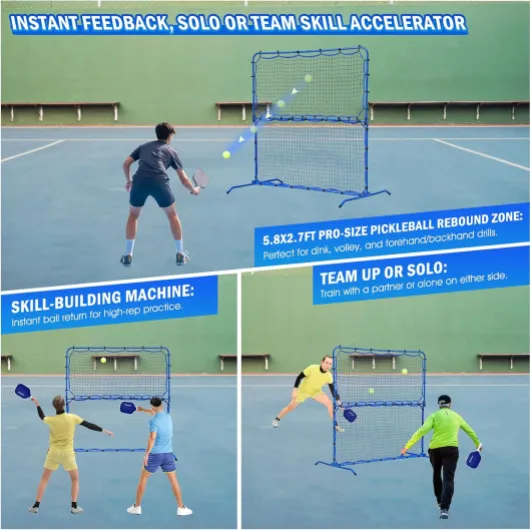
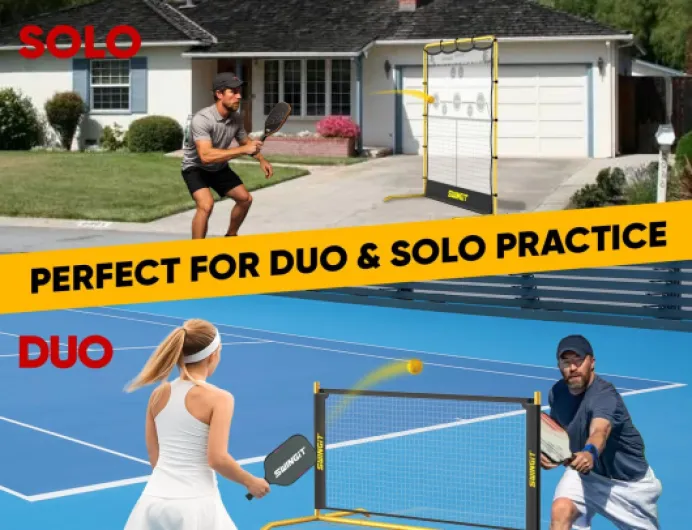
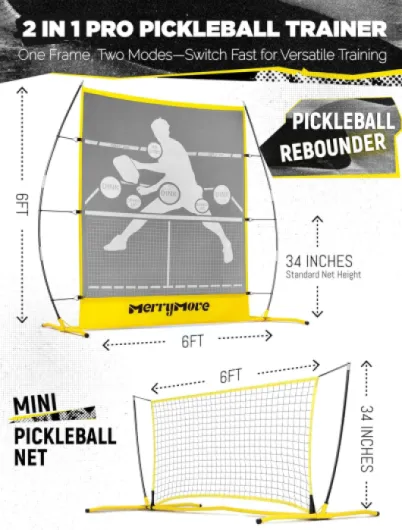
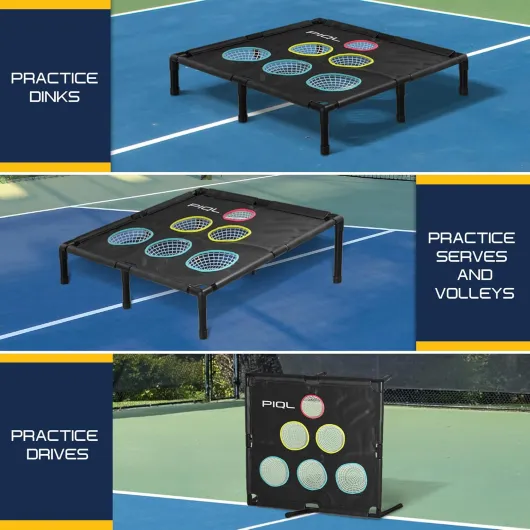
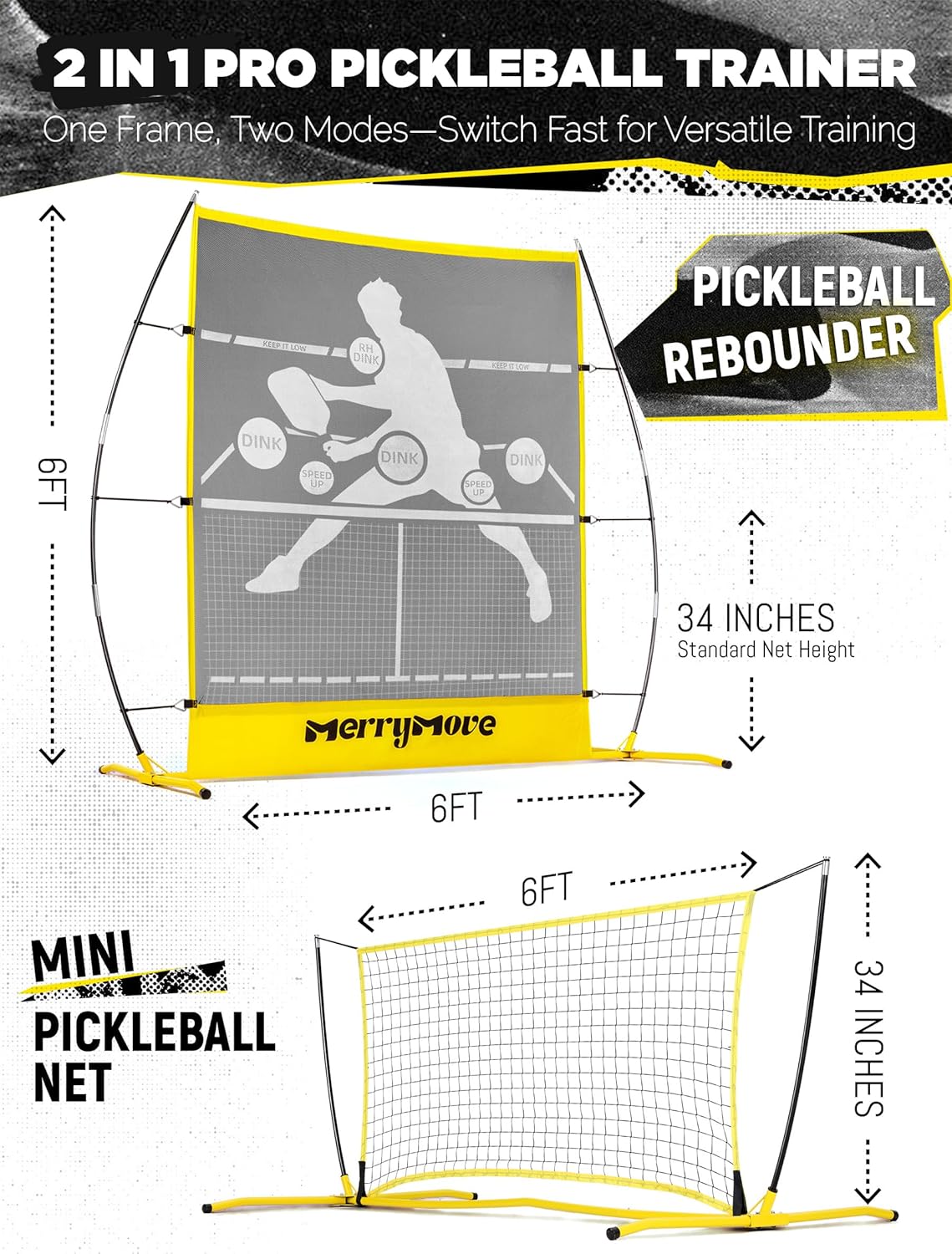
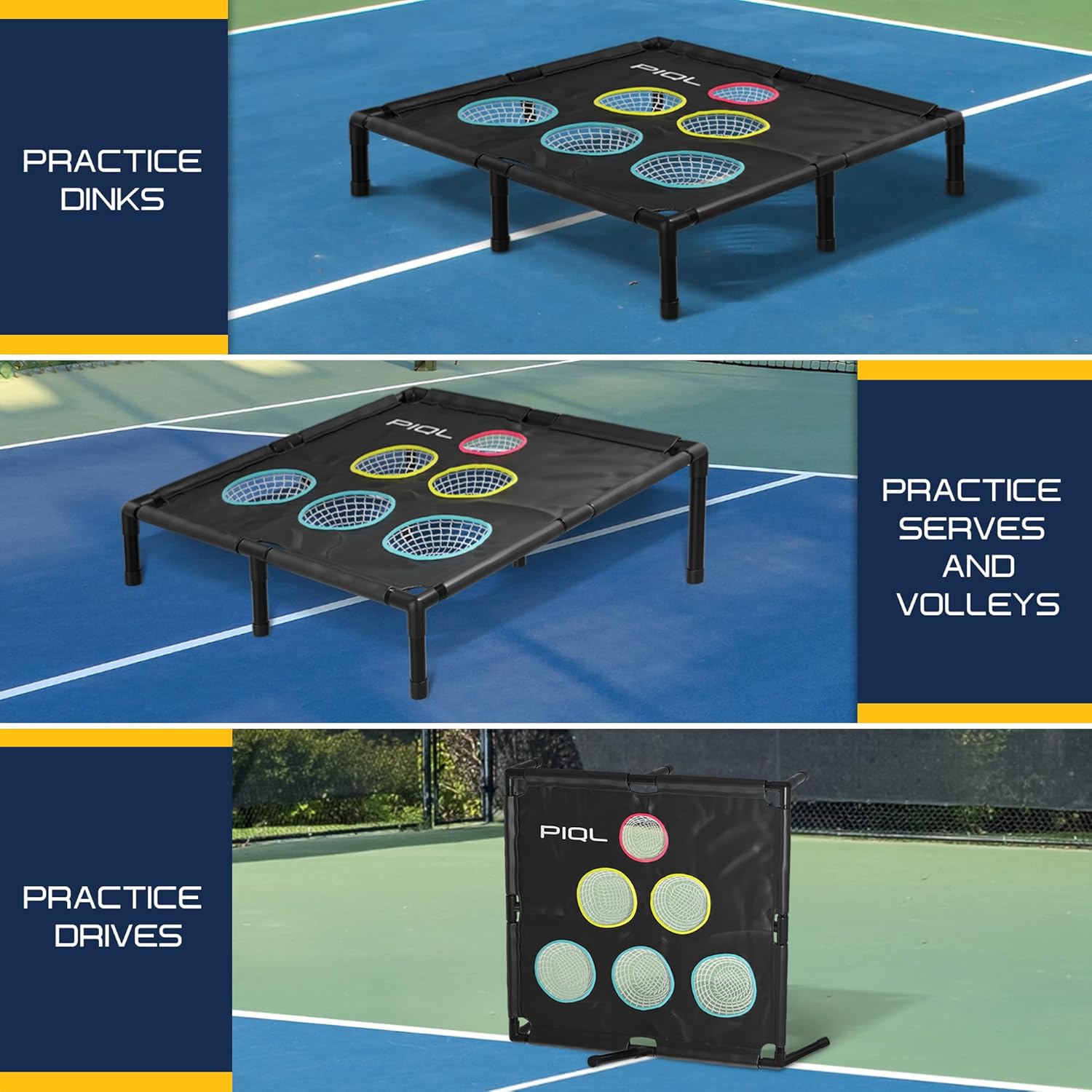
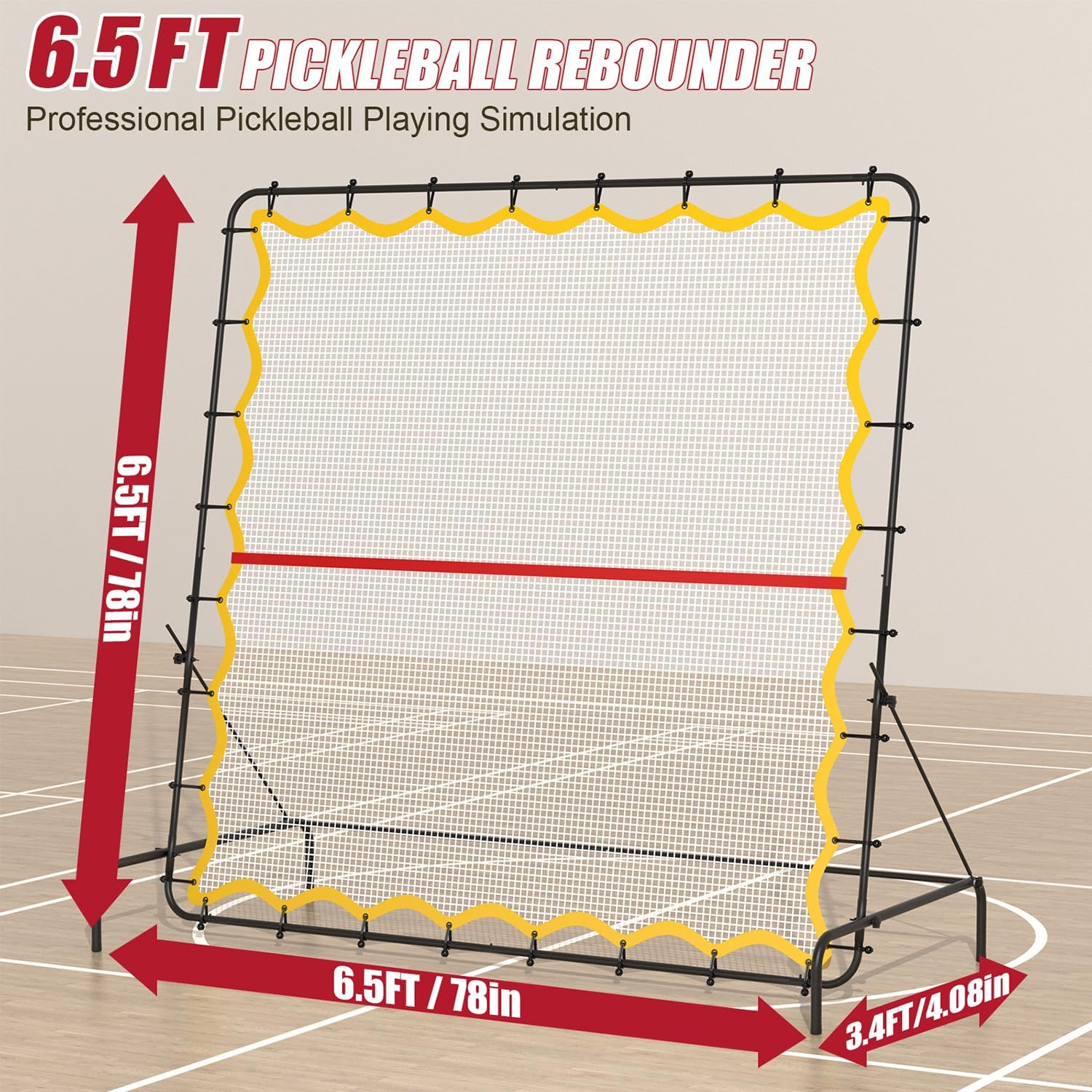
Key features that define the best pickleball training nets
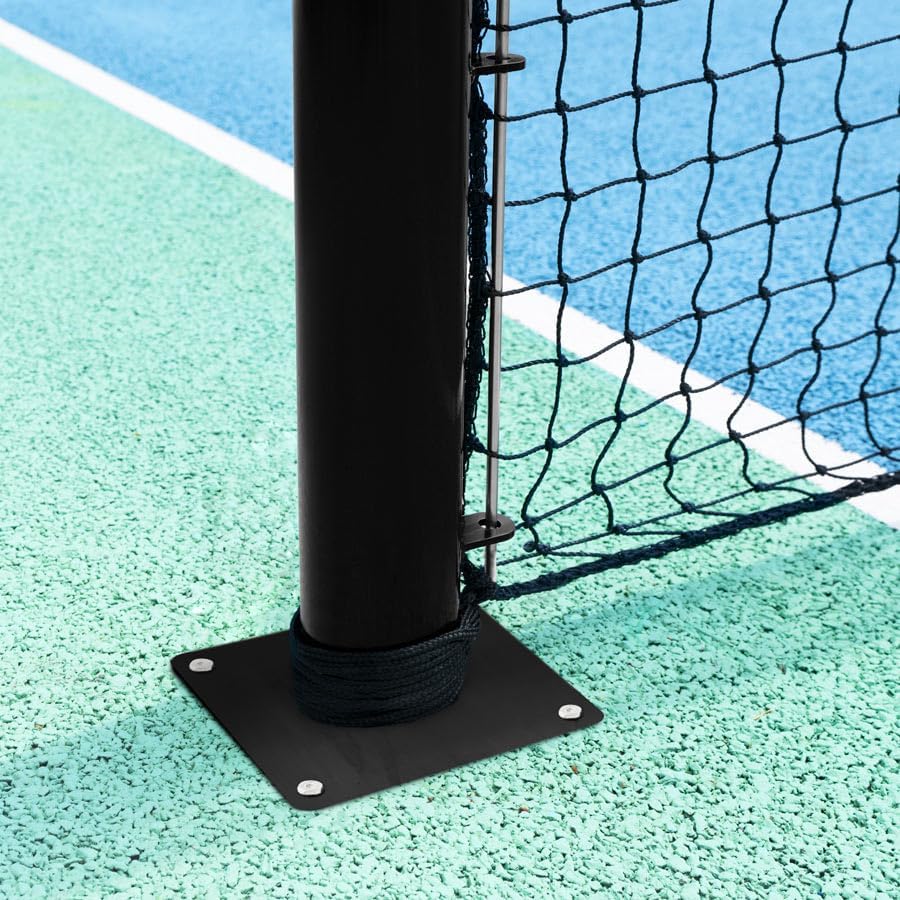
Every strong training session starts with a net system that feels invisible because it simply works. The best pickleball training nets share a few traits : a rigid steel frame, a clear center strap, and a carry bag that protects the parts between sessions. When you evaluate any portable net, check whether the crossbar resists twisting when players lean or collide during intense play.
For serious drills, a regulation size pickleball net is non negotiable, because muscle memory depends on consistent height and width. Portable nets that are shorter or narrower than a standard court net create bad habits, especially for players working on third shot drops and aggressive drives. A full width net set that spans 6.7 m across the court lets you rehearse realistic patterns, even when you train in a driveway or small gym.
Coaches often prefer portable pickleball nets with color coded poles because they make easy setup possible for new players. When the frame sections click together in a numbered sequence, a junior player can assemble the portable net system in under five minutes. If you want a detailed comparison of different training models, a dedicated guide to top pickleball training nets for practice can help you match features to your specific court and budget.
Portability, bags, and wheels : how mobility shapes your training
Many players underestimate how much a good carry bag and smooth net wheels influence their willingness to train. When a portable pickleball net fits neatly into a compact bag, it becomes realistic to keep a full net set in the car trunk for spontaneous play. A portable net with a padded shoulder strap also protects your back during longer walks from parking areas to distant outdoor courts.
For clubs that run multiple sessions per day, portable nets with integrated wheels can cut several minutes from each setup. Rolling a heavy duty steel frame across an indoor outdoor surface is far easier than lifting it, especially for older volunteers. Over a month of league play, that time savings adds up to extra games, more free court time, and less fatigue for the organizing équipe.
Hybrid systems that convert from badminton to tennis to pickleball net configurations are gaining attention among multi sport facilities. A typical 3 in 1 combo net set with a shared frame and adjustable poles can support several activities without buying separate nets. You can see an example of this approach in a detailed test of a 17 ft portable indoor outdoor sports net set, which illustrates how one system can serve both casual pickleball play and family games.
Durability, materials, and price : what really matters over time
Durability separates a bargain from a smart price product when you choose between pickleball nets. A low regular price looks attractive, but if the frame bends or the mesh tears after one windy outdoor season, the total coût of ownership climbs quickly. The best pickleball training nets use powder coated steel tubing, rust resistant hardware, and UV treated net material to survive harsh weather.
When you compare any portable pickleball net system, ask how the joints are reinforced and whether replacement parts are available. A heavy duty frame with metal connectors usually outlasts a lighter portable net that relies on plastic clips, especially on rough oncourt offcourt surfaces. Over several years of indoor outdoor play, that extra strength protects your investment and keeps the net system stable during competitive rallies.
Price transparency also builds confiance between brands and players who train seriously. Look beyond the headline price sale and check what is included in the full net set, such as a quality carry bag, tension straps, and clear assembly instructions. If a pickleball net costs slightly more but offers better materials, easier setup, and a longer warranty, it often becomes the best pickleball choice for committed players.
Matching net size and setup style to your court and goals
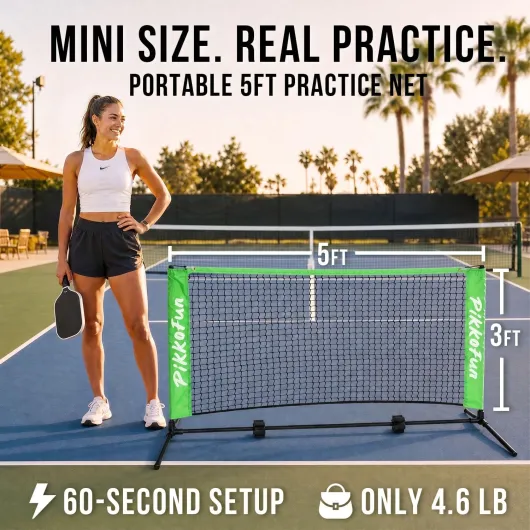
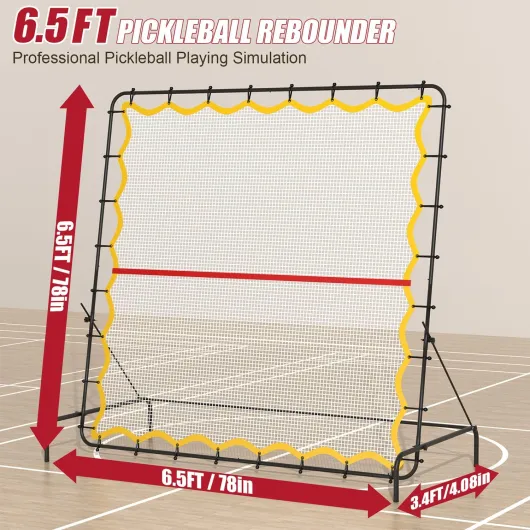
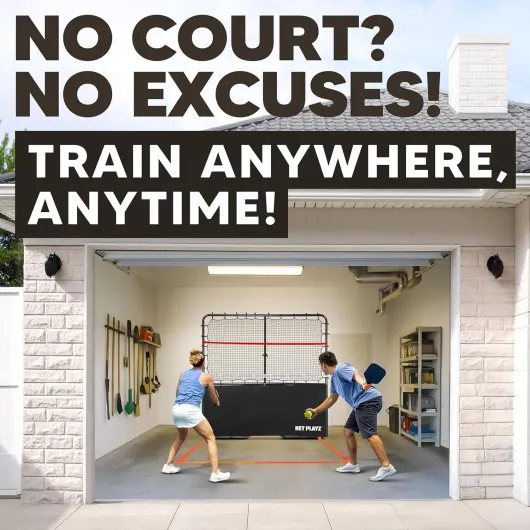
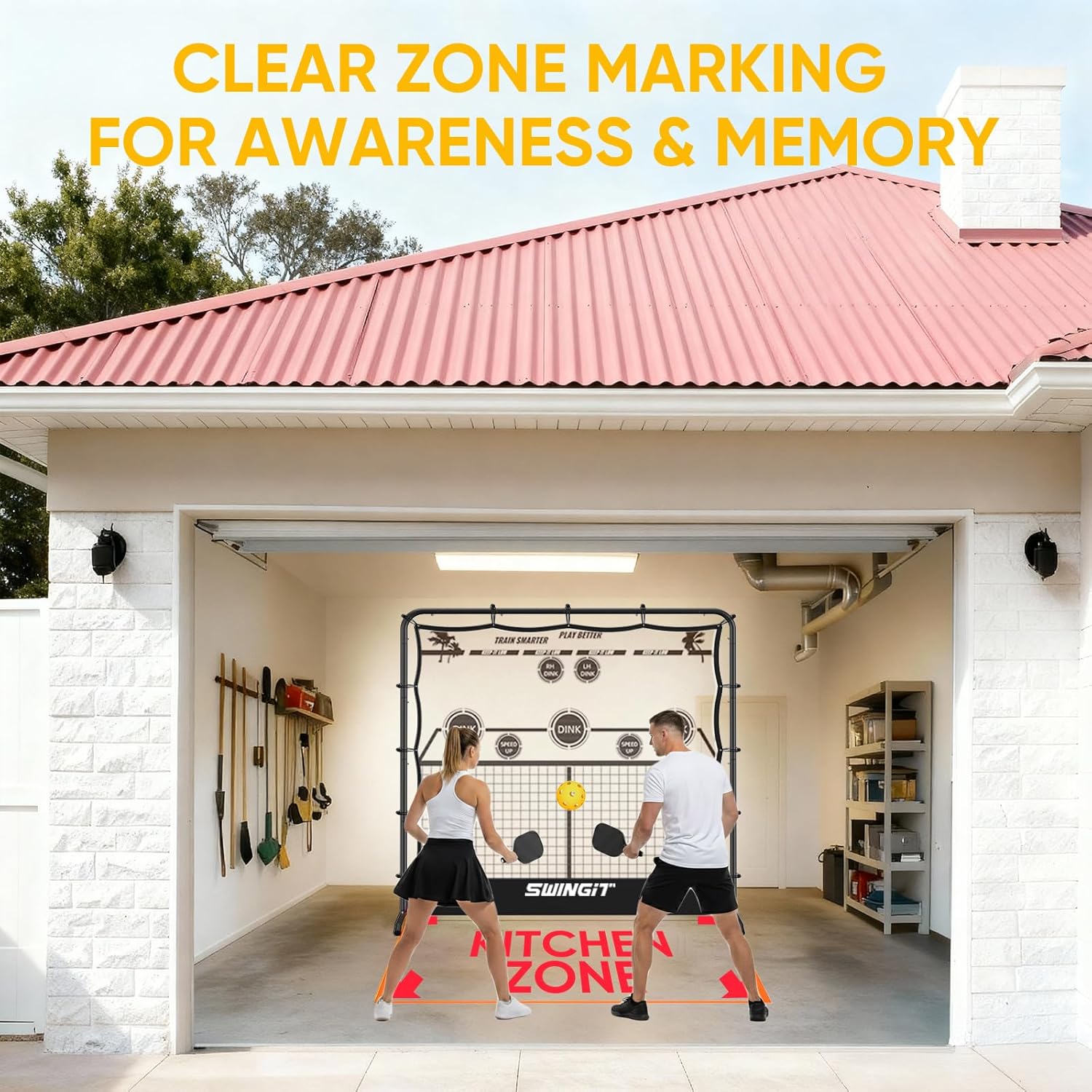
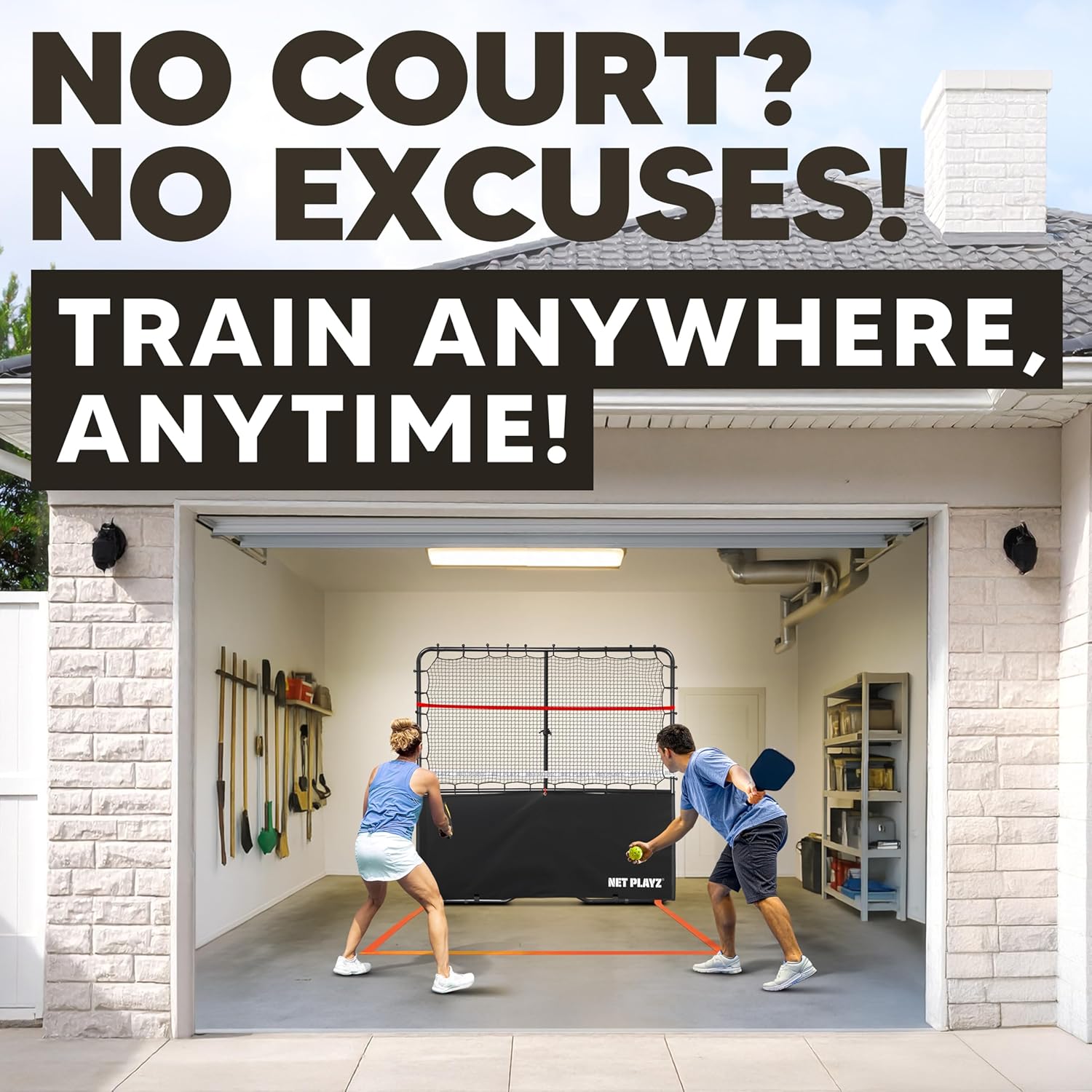
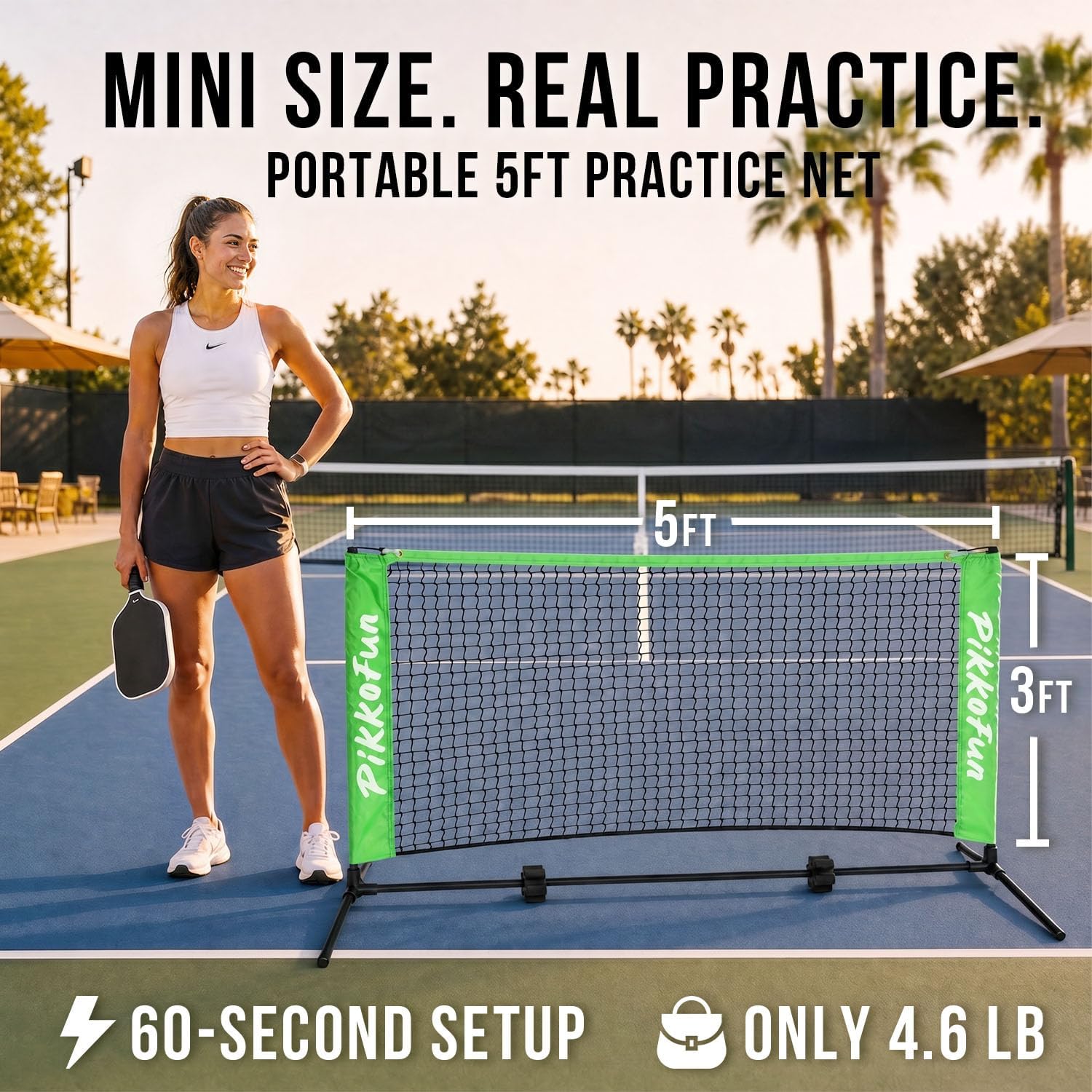
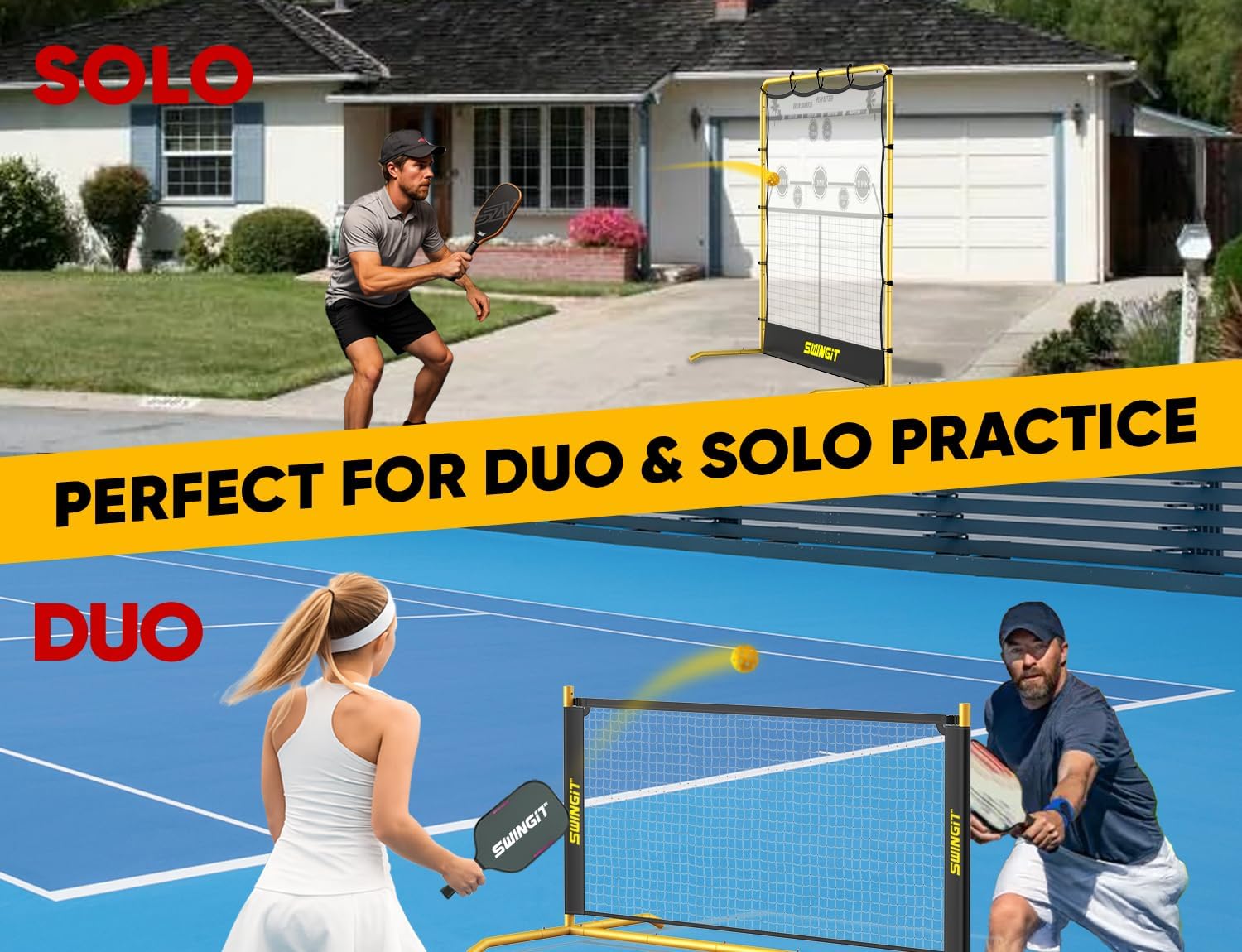
Not every player needs a full tournament court to benefit from the best pickleball training nets. For narrow driveways or small school gyms, a compact practice net with a shorter size can still support targeted drills. You can run dink patterns, volley exchanges, and controlled third shot practice even when the court lines are improvised with tape or chalk.
Players preparing for sanctioned events, however, should insist on a regulation size pickleball net for all serious sessions. Training with the correct width and height ensures that your lobs, drops, and passing shots translate directly to official courts. A regulation net system also helps coaches run accurate serve placement drills, because the angles and distances match real tournament play.
Setup style influences how often you will actually use the net during busy weeks. Systems that require tools or complex instructions tend to stay in the bag, while an easy setup portable net invites quick 30 minute sessions before work. When you choose between portable nets, imagine your real routine and pick the frame and net set that removes every possible friction from daily practice.
Integrating nets into a complete pickleball training system
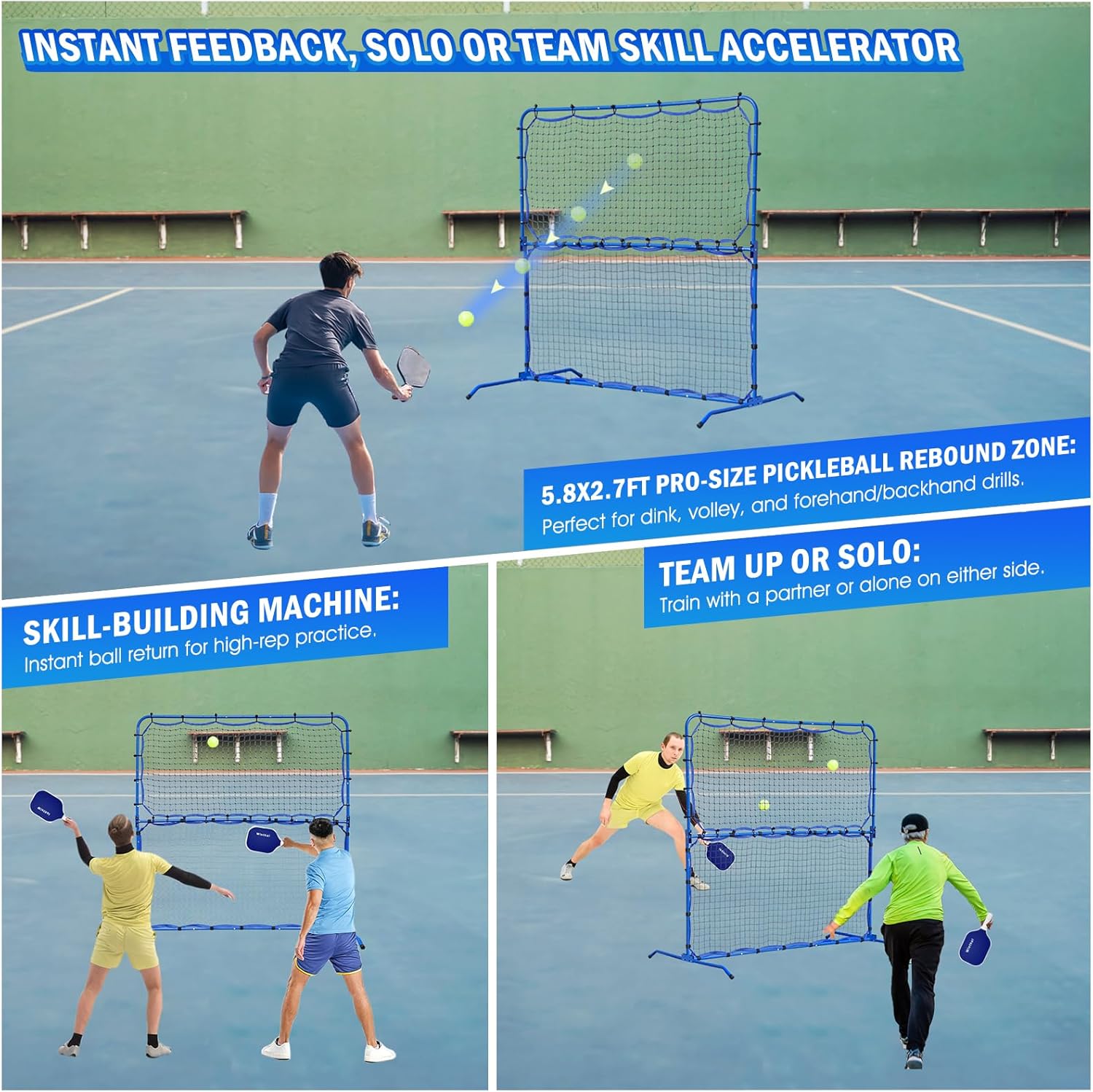
A net alone does not create strong players, but the best pickleball training nets anchor every structured session. Once the pickleball net is stable, you can layer in targets, cones, and ball machines to build a full training system. Many advanced players pair a portable pickleball net with a high spin pickleball paddle to rehearse aggressive topspin drives and sharp angles.
For players who focus on spin and control, the choice of paddle matters as much as the choice of practice net. Detailed reviews of top high spin pickleball paddles show how surface texture and core materials influence ball behavior across the net. When both the paddle and the portable net system are tuned to your style, every repetition produces more meaningful feedback.
Clubs that manage multiple courts often standardize on one family of portable nets to simplify maintenance and training design. Using the same net system on every court ensures that bounce, clearance, and visual cues stay consistent for all players. Over time, that uniformity supports better coaching, clearer communication, and more reliable performance data for competitive teams.
How to evaluate value, not just price, when buying pickleball nets
Choosing the best pickleball training nets means balancing budget, durability, and performance instead of chasing the lowest price. Start by listing how often you will play, whether your courts are indoor outdoor, and who will handle setup and storage. A family that plays free casual games twice a month needs a different portable net than a club that runs daily leagues.
Next, compare each price product by breaking the total coût into cost per session over an expected durée of use. A more expensive heavy duty steel frame that lasts five seasons can end up cheaper per hour of play than a budget net that fails after one year. Include accessories such as a carry bag, spare parts, and clear instructions in your calculation, because replacing these items later can erase any early price sale advantage.
Finally, read how other players describe the real world setup and breakdown process. Nets that promise easy setup but require two strong adults and detailed tools rarely leave the storage room. When you find a portable pickleball net system that fits your court size, training goals, and realistic budget, you will have identified the best pickleball option for long term improvement.
Key figures about pickleball nets and participation
- According to USA Pickleball, total participation in the United States grew by more than 150 % over a recent three year period, which has sharply increased demand for portable nets and training equipment.
- Industry reports from the Sports & Fitness Industry Association indicate that a standard portable pickleball net typically weighs between 7 kg and 12 kg, with heavier steel frames offering greater stability in outdoor wind conditions.
- Market analyses from major sporting goods retailers show that regulation size portable nets usually range from 3 to 8 meters in packed length, which determines whether they fit into compact car trunks or require larger vehicles.
- Retail data from large chains suggest that the average regular price for a quality heavy duty portable net system sits between 120 and 250 euros, with seasonal price sale discounts often reducing that by 10 to 25 %.
- Facility surveys in North America report that more than half of new pickleball courts are temporary or shared spaces, which explains why portable nets now represent a significant share of total net system sales.