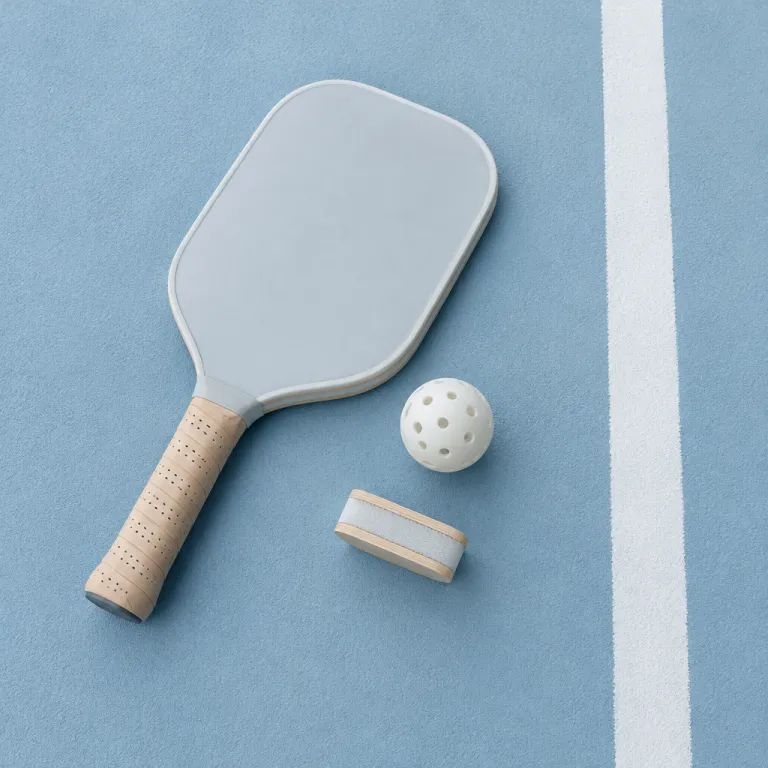
What makes foam core pickleball paddles different
Foam core pickleball paddles change how the ball feels on contact. These paddles use a continuous layer of paddle foam inside the core instead of only a honeycomb structure, so the impact is softer, the vibration is lower, and the sweet spot often feels larger. For many players who love long rallies and precise placement, this combination of a forgiving foam core and a stable face can transform how they play pickleball.
Traditional pickleball paddles rely on polymer or Nomex cores with air pockets, while foam cores fill more of that internal space with lightweight materials. When manufacturers design paddles built around foam cores, they can tune how the paddle hits by adjusting density, thickness, and the way the foam edges blend into the rest of the structure. The result is a pickleball paddle that can feel plush on soft dinks yet still firm enough when paddles hit hard drives from the baseline.
Players often ask whether foam core models are the best choice for control or just a trend. The answer depends on how you like to play, what materials you prefer in the face, and how much feedback you want from the core or from multiple cores foam structures. If you want fewer mishits, a more predictable response across the full foam surface, and a quieter sound on impact, foam core pickleball paddles deserve a serious look.
How foam, cores and paddle faces shape performance
Every pickleball paddle is a balance between the core, the face, and the overall shape. In foam core pickleball paddles, the foam cores sit behind a composite or carbon face, and the interaction between these materials determines how the ball leaves the paddle. When you combine a responsive face with carefully tuned cores foam, you get a paddle that can both absorb pace and return energy efficiently.
Many of the best foam designs use thermoformed construction, where paddles built with a continuous perimeter and sealed foam edges feel more solid on off center hits. This construction style allows the manufacturer to extend full foam support closer to the edge, so the effective sweet spot grows and the paddle hits more consistently across the entire surface. Players who love to play pickleball at the kitchen line notice that dinks, blocks, and resets stay on the paddle face longer, which helps them control depth and angle.
Control oriented players sometimes worry that a softer foam core will reduce spin or power. In practice, the right combination of foam in the core and a textured carbon face can still generate strong rotation, while the foam core smooths out harsh vibrations that travel into the hand. As one paddle engineer explained in an internal test summary shared with a major retailer, “the foam lets us keep power high while trimming the shock that usually bothers players’ elbows.” If you are building a control first game and want to understand why you might not need a dedicated spin model, a detailed control focused perspective is available in this analysis of why a control first pickleball paddle can suit every level.
Crbn Trufoam and other leading foam core brands
Among current brands, Crbn has pushed foam core pickleball paddles into the spotlight with its Crbn Trufoam line. These paddles use a full foam perimeter and a carbon fiber face, creating a stable platform that many players describe as both plush and precise. When you compare a Crbn Trufoam paddle with a traditional polymer core model, the difference in feel at the edges and on mishits can be striking.
Crbn is not alone, as several brands now experiment with foam cores and hybrid constructions to earn a place in competitive lineups. Some models use foam edges only around the perimeter, while others rely on a full foam interior that supports the entire hitting zone and changes how the paddle hits on both soft and hard shots. As you test different pickleball paddles, pay attention to how the paddle foam responds when you block a fast drive or roll a topspin dink, because this is where the best foam technologies stand out.
Players who want to compare a foam core pickleball paddle with a more traditional control paddle can look at detailed product reviews of specific models. For example, a thorough breakdown of a non foam control oriented option is available in this review of the Vermont Ascend pickleball paddle, which helps highlight how different cores and faces influence performance. Using such comparisons, you can find which brands and constructions align with how you like to play and what you expect from your equipment.
Matching foam core paddles to your playing style
Choosing the best foam core pickleball paddles starts with an honest look at your style. If you love to play long points at the kitchen, a control based foam core with a softer feel and generous sweet spot will usually help you earn more successful resets and dinks. Players who hit big drives and overheads may prefer a slightly firmer core or a heavier paddle, so the paddle hits through the ball with more authority.
Think about how often you attack versus defend, and how comfortable you feel at the net. A player who spends a lot of time countering speed ups will benefit from paddles built with stable foam edges and a forgiving face, because these features reduce twisting and help the ball stay on line. By contrast, a player who wants to finish points quickly might choose a foam core pickleball paddle with a stiffer carbon face and a higher swing weight, trading some maneuverability for extra put away power.
Weight, grip size, and shape also matter when you evaluate foam cores and related constructions. A lighter paddle with a balanced core can help you react faster at the net, while a slightly heavier model with full foam support may feel more stable on blocks and drives. To refine your choice further, you can even create a personal quiz based on your strengths and weaknesses, listing how you like to play pickleball, what you love in a paddle, and which shots help you earn the most points.
Practical buying guide to find the best foam core pickleball paddles
When you are ready to find foam core pickleball paddles, start by setting a clear budget and performance goal. Decide whether you want the best foam technology available, a value oriented paddle foam option, or something in between that balances price and performance. Then look at how each pickleball paddle combines its core, face materials, and handle shape, because these details determine how the paddle hits in real match situations.
Check the specifications for weight, thickness, and core composition, and pay close attention to whether the manufacturer uses full foam construction or only foam edges around a traditional core. A thicker paddle with foam cores often feels more plush and controlled, while a thinner model with a denser core can feel quicker and more direct off the face. Reading product descriptions from established brands and comparing how different paddles built with foam cores perform in independent tests will help you avoid marketing hype.
Do not overlook footwear and movement when you evaluate new pickleball paddles, because better positioning can make any paddle feel more effective. A detailed guide to choosing supportive shoes that match pickleball specific movement patterns is available in this resource on selecting the best men’s shoes for pickleball performance and comfort. Once you have stable footing and a clear sense of your style, you can test several foam core models, note which ones you love, and then invest in the paddle that helps you earn more confident, repeatable shots.
Care, durability and long term value of foam core paddles
Foam core pickleball paddles can be durable, but they require thoughtful care. The foam cores inside these paddles are protected by composite shells and foam edges, yet extreme heat, moisture, or repeated impacts on hard surfaces can still damage the structure. To protect your investment, store your pickleball paddle in a padded cover, avoid leaving it in a hot car, and inspect the face regularly for cracks or soft spots.
Over time, even the best foam constructions will compress slightly, changing how the paddle hits and how the core feels on contact. Players who play pickleball several times per week may notice subtle changes in rebound and sound after many months, especially if they often strike near the edge where paddles hit the ball with more stress. When you feel the sweet spot shrinking or the response becoming inconsistent, it may be time to compare your current paddle with a new foam core model from the same or different brands.
From a value perspective, foam core pickleball paddles can help you earn more enjoyment and better results if they match your style. A paddle that gives you confidence on key points, reduces arm fatigue, and encourages you to play a lot of practice games often justifies its price over time. Think of the purchase as a performance based investment, where the right combination of core, face, and carefully tuned foam supports your development as a complete pickleball player.
Key statistics on foam core pickleball paddles and equipment trends
- According to the Sports & Fitness Industry Association’s “2023 Pickleball Report,” pickleball participation in the United States grew by more than 150 percent over a recent three year span, which has pushed brands to expand their pickleball paddles lines and experiment with new core technologies such as foam cores. The SFIA report notes that this rapid growth has been especially strong among players who prefer control oriented equipment.
- Industry retail tracking from firms such as Circana (formerly NPD Group) has shown double digit annual growth in pickleball paddle sales, and a rising share of premium models now use advanced foam, carbon faces, or thermoformed constructions that often include full foam or foam edges for added stability. Circana’s 2023 hardgoods overview highlights pickleball as one of the fastest growing racquet categories.
- Laboratory testing reported by several paddle manufacturers indicates that paddles built with reinforced perimeters and foam cores can increase the effective sweet spot area by more than 10 percent compared with similar weight non foam designs, which helps players when paddles hit the ball slightly off center. These internal test reports typically measure rebound consistency across the face at controlled swing speeds and should be interpreted as manufacturer data rather than independent lab results.
- Player surveys from large pickleball clubs report that a majority of intermediate and advanced players rank feel and control as the best predictors of paddle satisfaction, which aligns with the design goals of many foam core pickleball paddles that prioritize a softer core and more connected feedback. In one club survey summary shared with members, over two thirds of respondents said they would trade a bit of peak power for a larger sweet spot.
- As more brands release Crbn Trufoam style constructions and other foam based designs, retailers have expanded their paddle walls, with some specialty shops now dedicating a full section to foam core and hybrid core models to help players find equipment that matches their evolving style of play.
FAQ: foam core pickleball paddles
Are foam core pickleball paddles legal for tournament play
Foam core pickleball paddles are legal for sanctioned tournaments as long as the specific model appears on the official approved paddle list maintained by the sport’s governing body. Before you compete, check that your chosen brands and models, including any Crbn Trufoam paddles, are listed and have not been removed or modified. Tournament directors usually rely on this list to confirm that cores, faces, and other materials comply with current equipment rules.
Who benefits most from using a foam core pickleball paddle
Players who prioritize control, touch, and comfort often benefit most from foam core pickleball paddles. The foam cores and foam edges help reduce vibration and enlarge the effective sweet spot, which can be especially helpful for developing players or those with arm sensitivity. Many advanced players who love to play at the kitchen also appreciate how these paddles built with full foam support make resets and blocks more predictable.
Do foam core paddles generate less power than traditional paddles
Foam core paddles can generate plenty of power when combined with a stiff carbon face and an appropriate weight. While very soft foam may feel slightly less explosive than some rigid honeycomb designs, the trade off often brings better control and more consistent contact. For many players, the ability to hit confidently in the sweet spot outweighs any small difference in maximum power.
How long does a foam core pickleball paddle typically last
The lifespan of a foam core pickleball paddle depends on how often you play and how you care for it. For a player who plays pickleball several times per week and stores the paddle properly, a high quality foam core model from reputable brands can remain competitive for a year or more. Heavy use, frequent edge impacts, or exposure to extreme temperatures can shorten that duration, so regular inspection of the face and core feel is essential.
What should I look for when testing foam core paddles in person
When you test foam core pickleball paddles, focus on how the paddle hits on soft dinks, blocks, and full swings rather than only on static specifications. Pay attention to whether the sweet spot feels large, whether mishits near the foam edges still travel on line, and whether the handle and weight suit your grip. If you find a paddle that you love in all these areas and that helps you earn more reliable shots, it is likely a strong choice for your game.