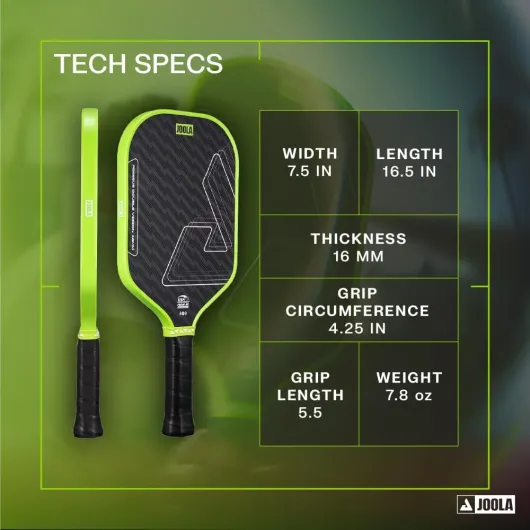
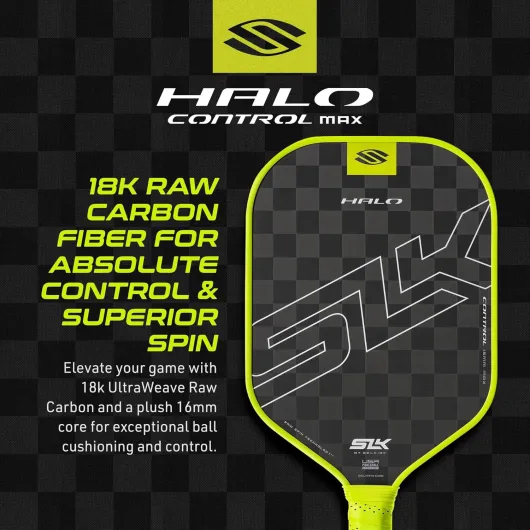
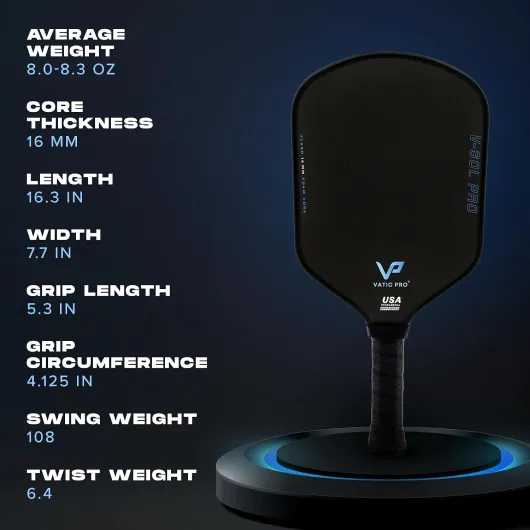
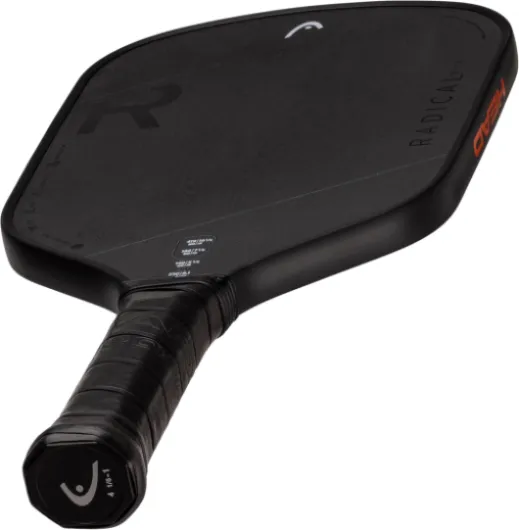
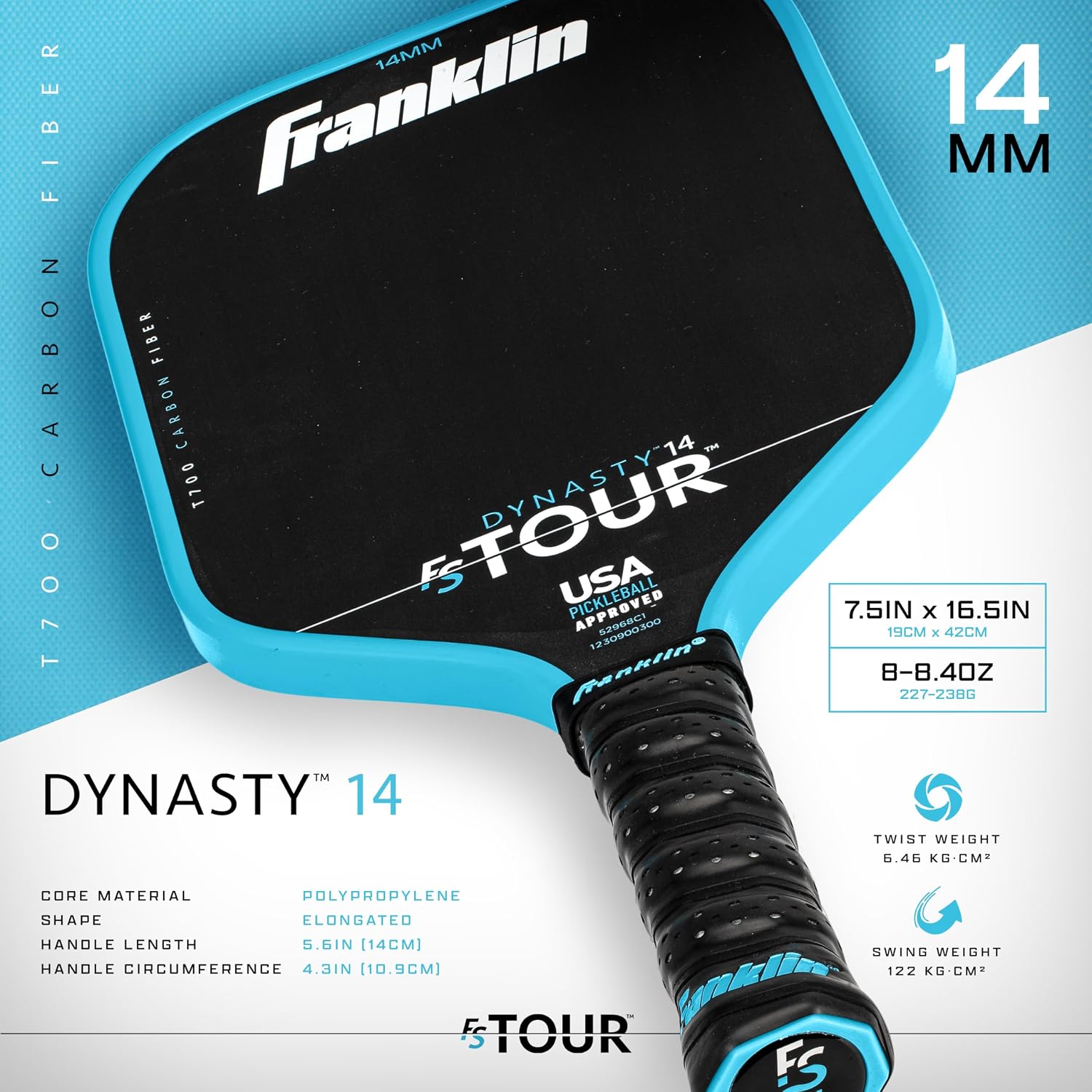
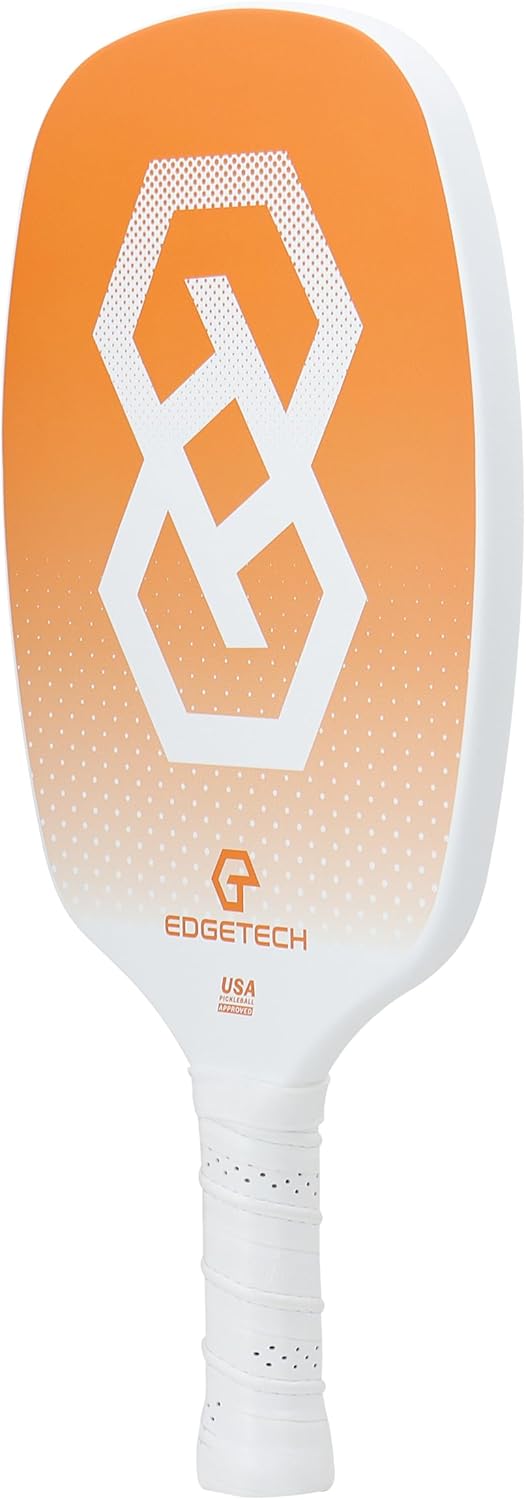
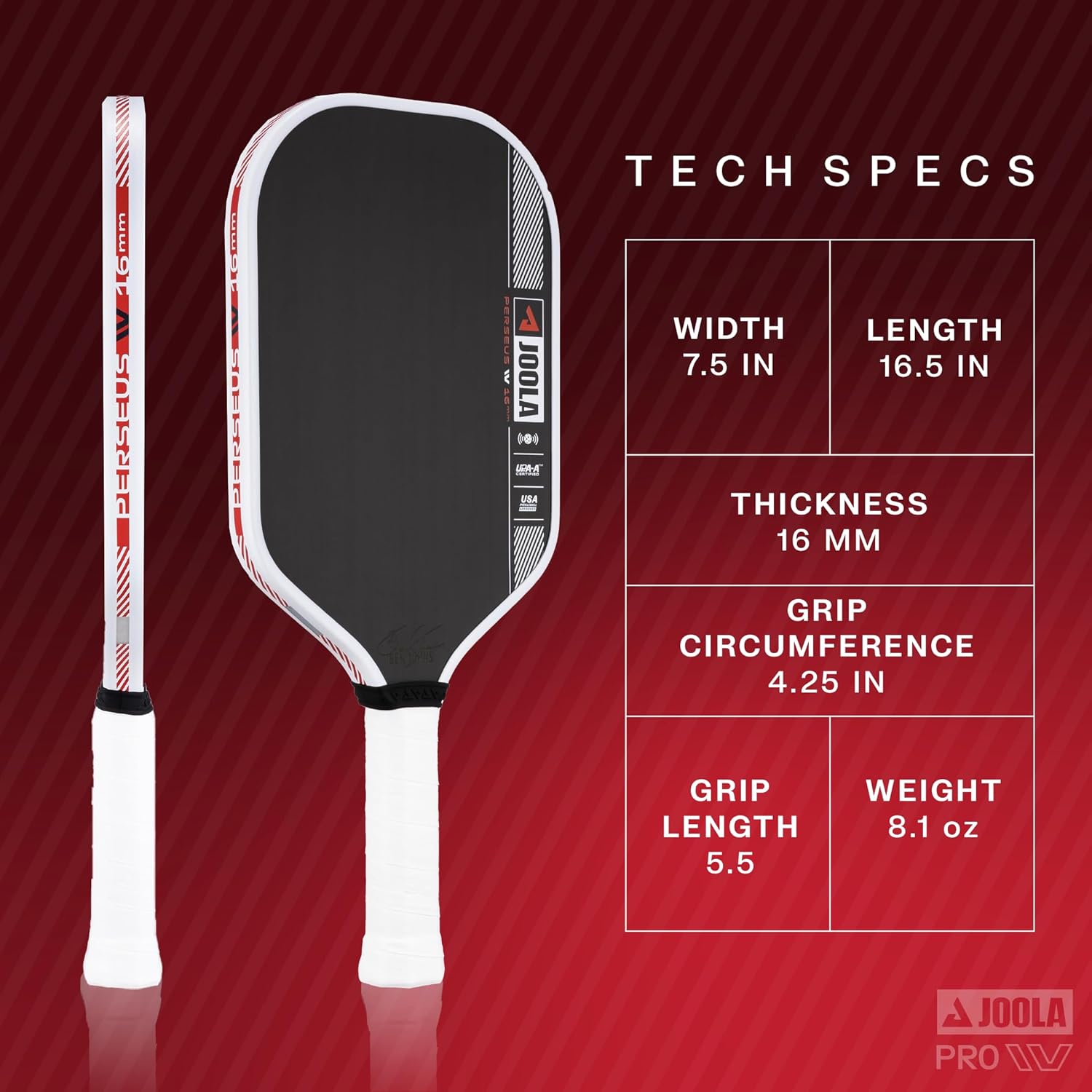
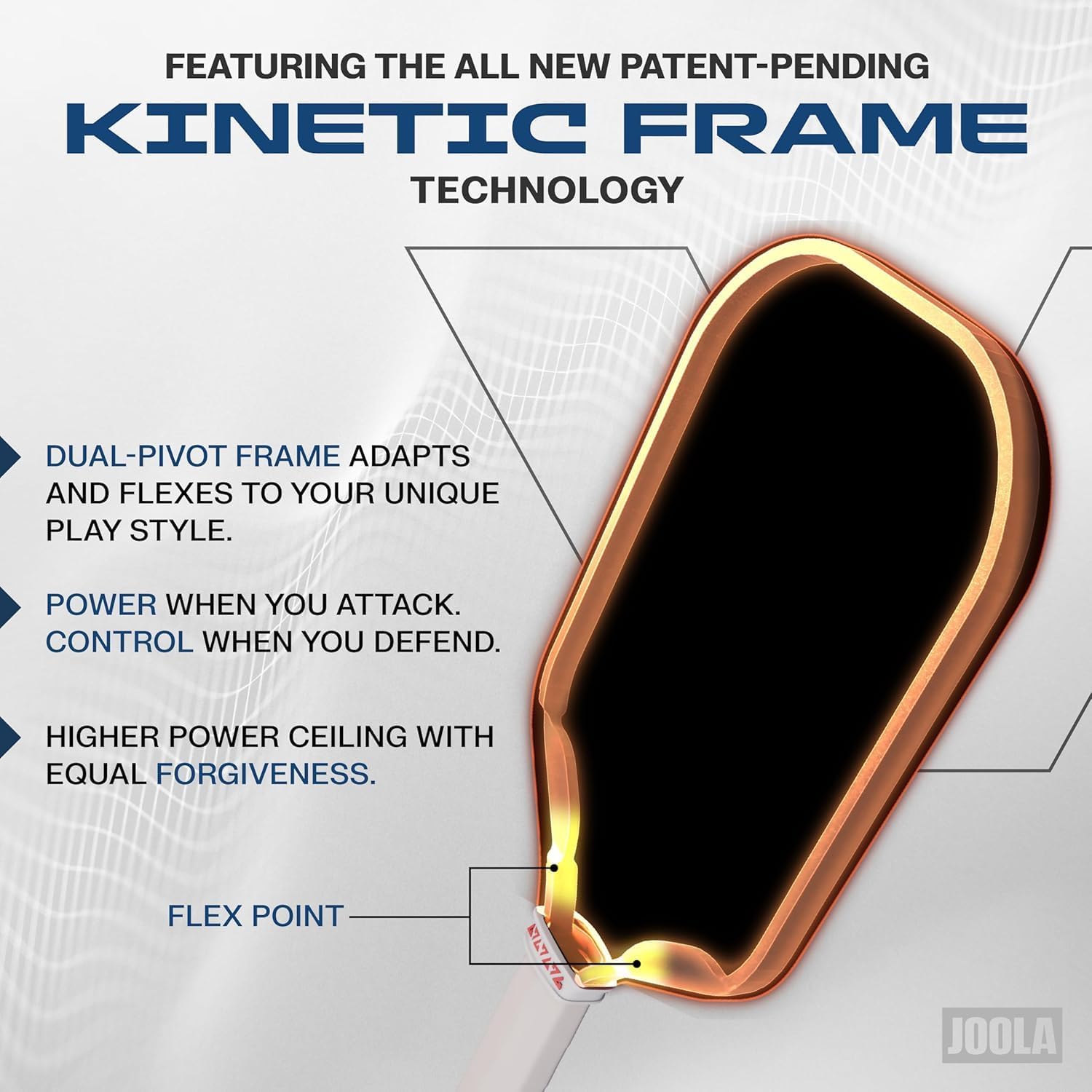
Core, foam and face material: how construction shapes feel and performance
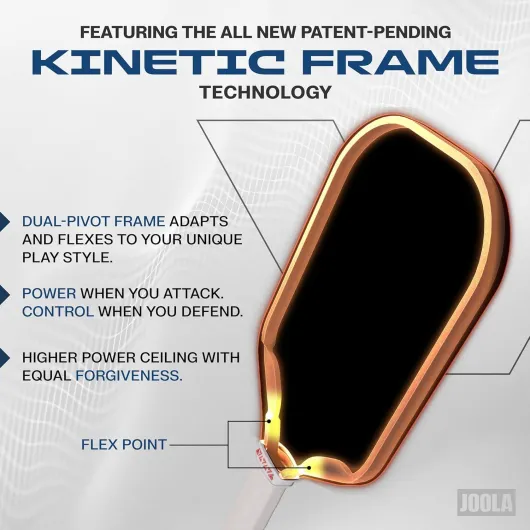
The internal core of a pickleball paddle acts as its engine, turning your swing into energy transfer. Most top pickleball paddles use a polymer honeycomb core, sometimes combined with a foam core perimeter to enlarge the sweet spot and stabilize off center hits. When manufacturers inject foam into the walls, they can tune power and control more precisely, creating best balanced power control paddles that feel both solid and forgiving.
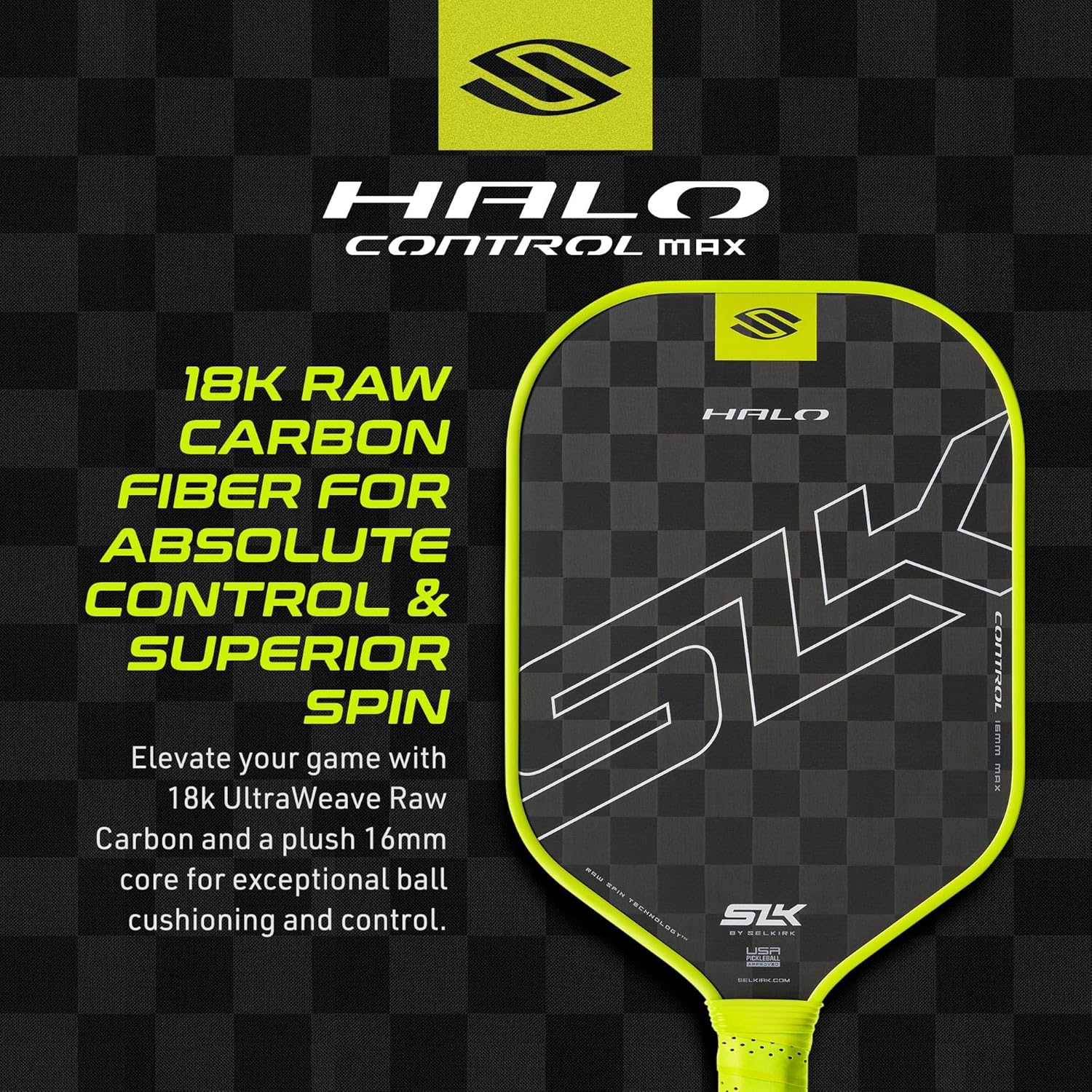
Face material then fine tunes how the paddle interacts with the ball on contact. Raw carbon fiber, fiberglass and hybrid carbon blends each change dwell time, spin potential and overall power, so the same core can feel radically different with another face material. A raw carbon surface, especially in a modern gen thermoformed build, usually delivers best spin and power spin, while a softer composite face can help players who prioritize touch and best control near the kitchen.
One notable example is a two layer T700 raw carbon fiber design with foam injected walls and a honeycomb core, which you can examine in detail through this test of a gritty raw carbon pickleball paddle. This type of construction shows how carbon and foam can work together to raise both power and control without forcing a compromise. When you buy a paddle in this category, pay attention to the technical details about core thickness, foam placement and face material, because small changes there often explain big differences in feel.
Shape, weight and elongated profiles: matching a paddle to your swing
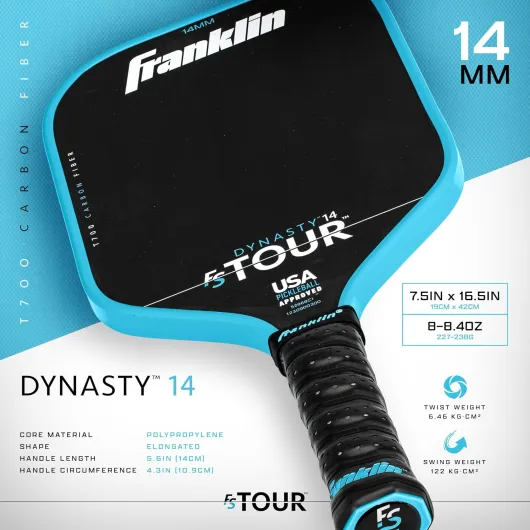
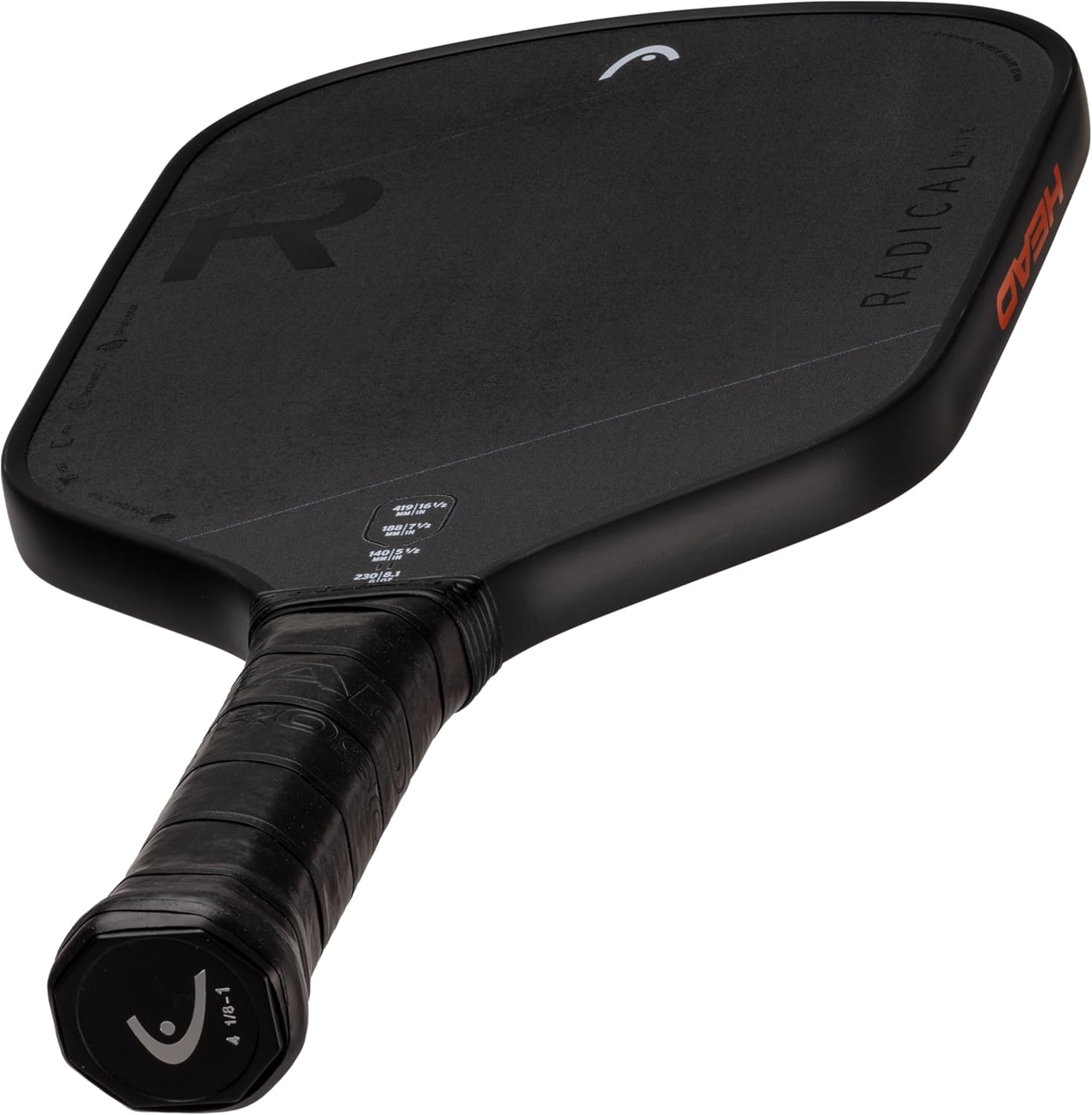
Shape and weight decide how naturally a pickleball paddle moves through the air during fast exchanges. Standard shapes give a wide sweet spot and easy maneuverability, while elongated paddles extend reach and power at the cost of a slightly narrower hitting zone. For many advanced players, the best balanced power control paddles sit in the middle, using a subtly elongated profile and medium weight to blend quick hand speed with extra leverage.
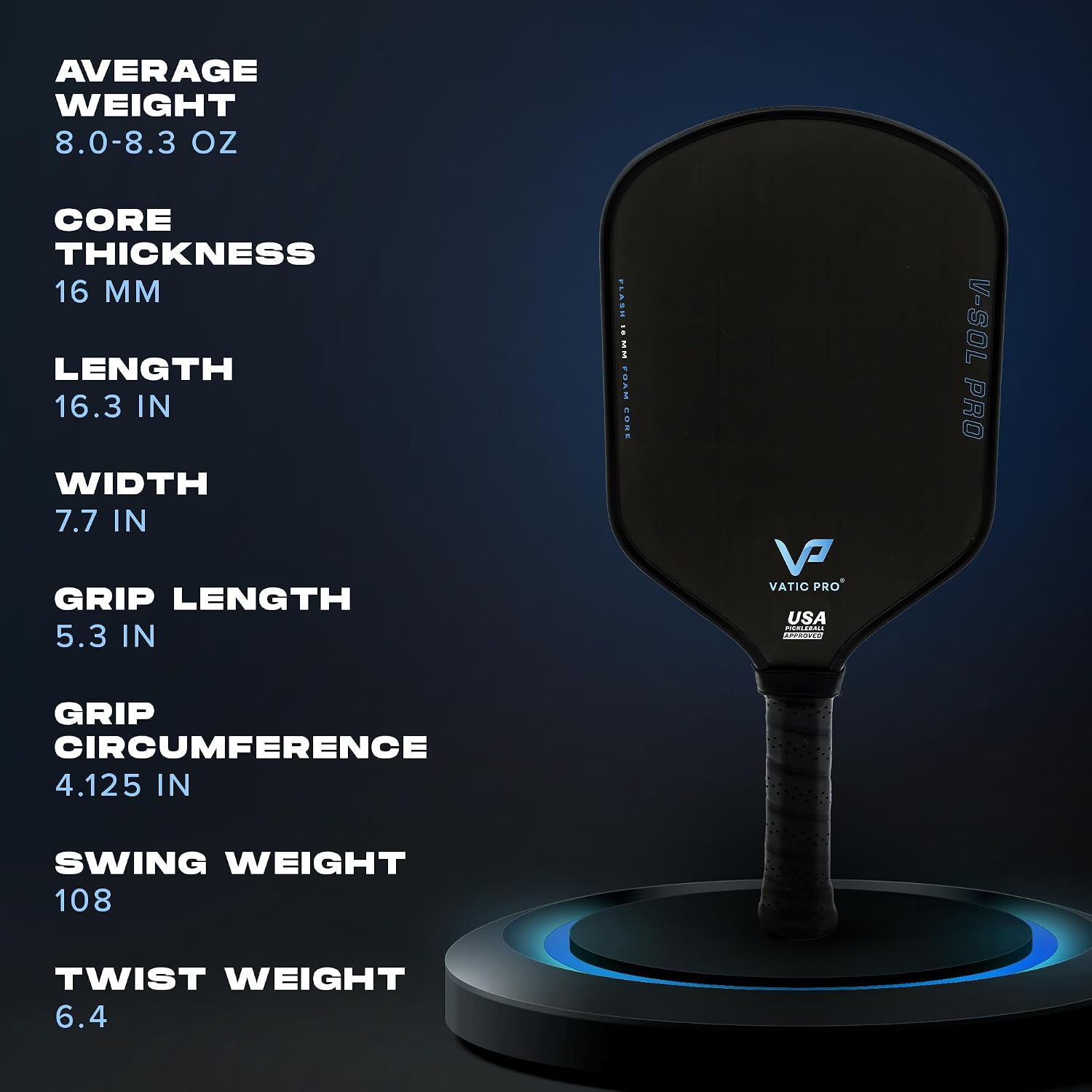
Weight distribution matters as much as total mass, because a head heavy paddle feels very different from a more even balance. A high swing weight can boost power and power spin on drives, yet some players lose control on quick volleys when the paddle feels too sluggish. That is why you should not only check the listed weight and price, but also look for details about balance point, so you know whether the paddle will suit your current paddles play and technique.
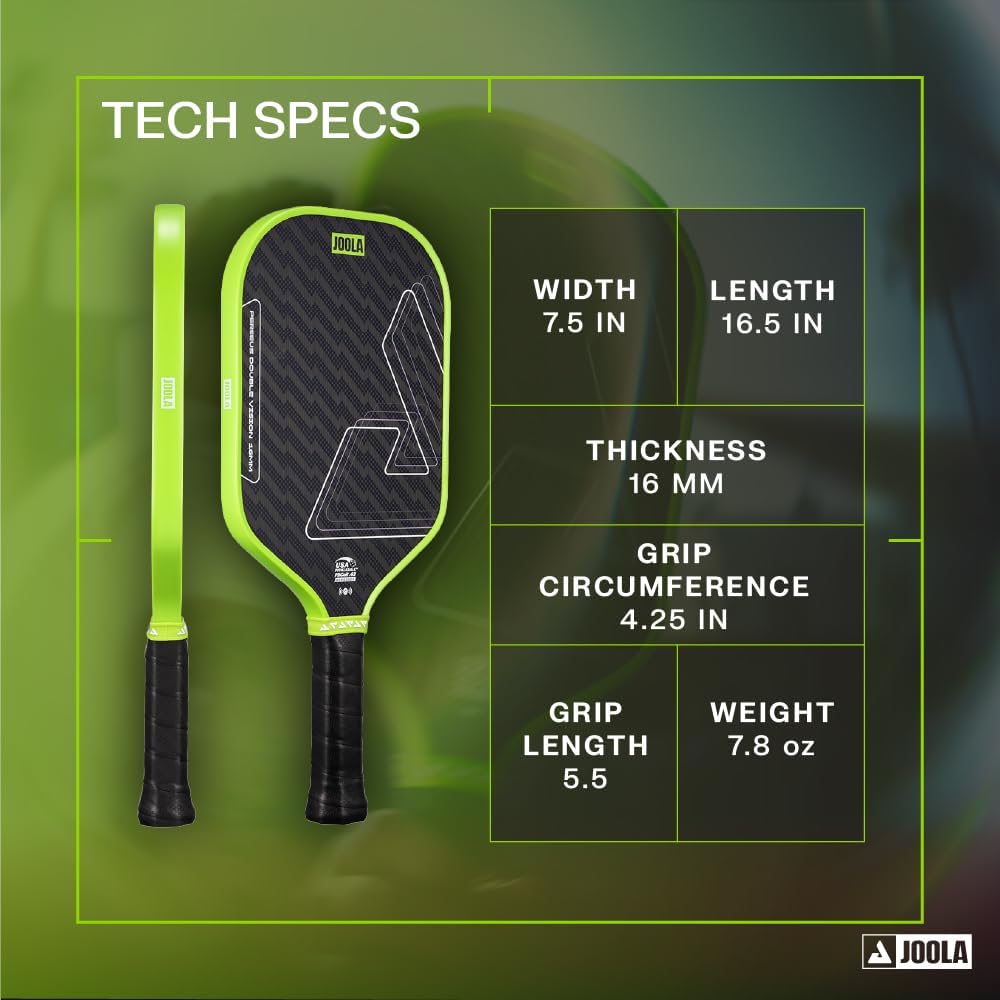
Modern gen thermoformed frames with triple layer T700 raw carbon fiber often push performance further, as seen in this review of a neon gen 3 pickleball paddle. These designs usually combine a 16 millimeter core with raw carbon faces to deliver tour level spin, strong power control and a stable sweet spot across more of the face. When you buy such paddles, consider whether the elongated shape and higher swing weight match your physical strength and preferred style of pickleball.
Notable models and technologies in the power control category
Several current pickleball paddles illustrate how brands chase the same goal of balanced power control through different engineering paths. The selkirk boomstik, for example, targets players who want best power and heavy spin from an elongated frame, yet still need enough control to keep drives inside the baseline. Its design leans into a powerful core and aggressive face material, so it suits advanced players who already have solid technique.
Other power paddles emphasize raw carbon or raw carbon fiber faces to maximize friction and best spin without adding unnecessary weight. When a paddle uses a high quality carbon layup over a responsive core, it can generate power spin while still offering a predictable launch angle on blocks and resets. These paddles best serve players who like to roll topspin from the baseline, then soften their hands for delicate dinks at the kitchen line.
Some manufacturers experiment with branded technologies such as vapor power style layups or variable density foam cores to fine tune response across the face. In practice, this means the center of the paddle might deliver best power for put aways, while the outer zones prioritize control and stability. When you read a specification list, look for clear details about core composition, foam placement and carbon fiber orientation, because marketing names alone rarely tell you how a paddle will actually play.
How to evaluate value, price and performance before you buy
Choosing among the best balanced power control paddles requires more than scanning a price tag or color chart. Start by writing a short list of what you want your next pickleball paddle to change in your game, such as more power on serves or better control on third shot drops. Then compare paddles play characteristics, looking at core thickness, foam core design, face material and shape to see which models align with those goals.
Price often reflects materials like raw carbon fiber, advanced gen thermoforming and complex foam structures, but higher cost does not always equal best control for your specific needs. A mid range paddle with a simple polymer core and partial foam perimeter can outperform a premium model if its balance and sweet spot match your swing. When possible, test paddles side by side, paying attention to how easily you generate spin, how stable the paddle feels on off center hits and whether you can change from power to touch without overthinking.
Many retailers offer demo programs or flexible return policies, which effectively give you a personal code to test value before committing. Use those options to buy with confidence, especially if you are moving from a pure control paddle to a more powerful design. Keep notes on each paddle you try, including details about comfort, vibration, power control and how quickly you adapt during real pickleball matches.
Practical selection guide for different player profiles
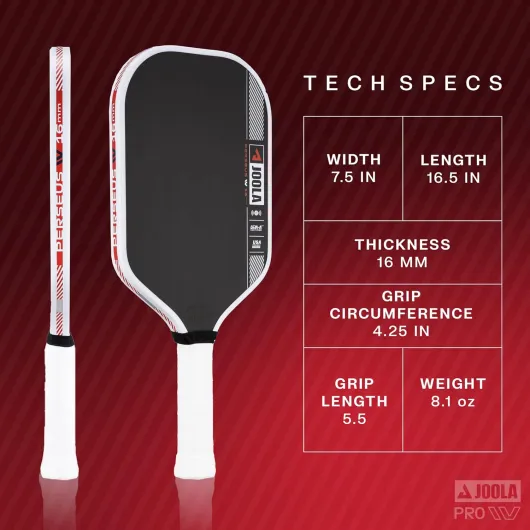
Players focused on soft game mastery usually gravitate toward control paddles with thicker cores and slightly softer faces. For them, the best balanced power control paddles are models that keep a plush feel yet add just enough power to finish points when an opponent pops the ball up. A 16 millimeter core with foam reinforcement and a raw carbon face often hits this balance, offering best control on dinks while still enabling confident drives.
Power oriented advanced players, by contrast, often prefer elongated shapes and higher swing weights that amplify their natural aggression. They should look for power paddles with raw carbon or carbon fiber faces, strong cores and a clearly defined sweet spot that rewards clean contact with extra power spin. In this segment, paddles best suited to heavy hitters usually pair a firm core with a gritty surface, so the paddle can grab the ball and generate best spin without feeling harsh.
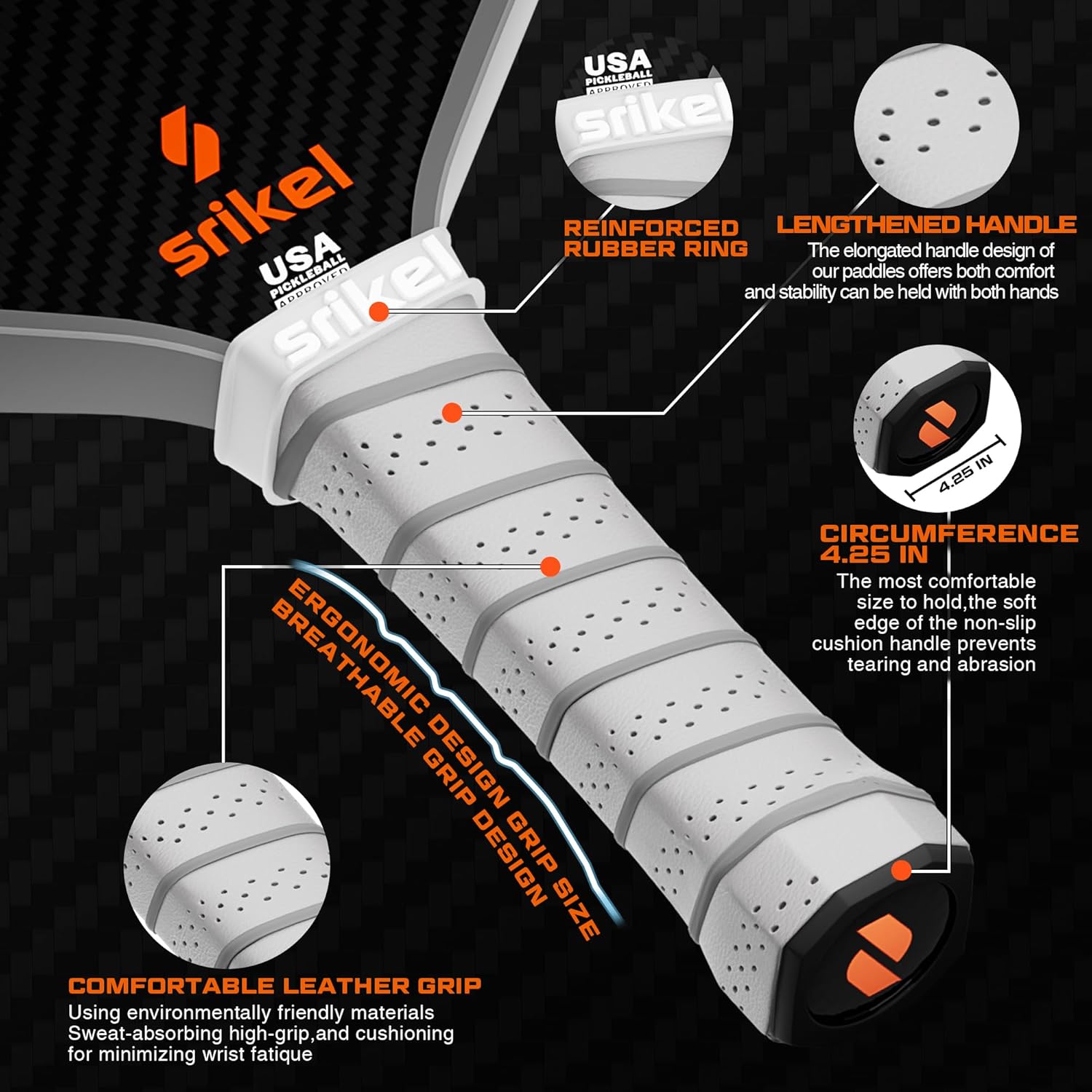
Recreational athletes who want an all court pickleball paddle can safely choose from the middle of the performance list, where balanced power control dominates. For them, comfort, forgiveness and reasonable price matter as much as raw performance, so a versatile control paddle with moderate power is ideal. They should also pay attention to footwear and movement, and a detailed review such as this test of dedicated pickleball shoes shows how proper grip and support complement a well chosen paddle.
Key statistics about pickleball paddles and player preferences
- According to the Sports & Fitness Industry Association, pickleball participation in the United States grew by more than 150 percent over a recent three year span, which has driven a rapid expansion in the number of pickleball paddles and paddle technologies available to consumers.
- Industry retail analyses from major sporting goods chains indicate that paddles with carbon fiber or raw carbon faces now represent well over half of premium paddle sales, reflecting strong demand for best spin and power control among competitive players.
- Surveys conducted by leading pickleball coaching organizations report that a majority of advanced players prefer core thicknesses between 14 and 16 millimeters, because this range offers a practical compromise between best power on drives and best control on dinks.
- Market data from large online retailers show that the average price of a high performance pickleball paddle with a raw carbon face and foam core perimeter typically falls between 120 and 200 euros, depending on brand reputation and manufacturing complexity.
- Player feedback studies consistently find that paddles with elongated shapes account for a growing share of tournament level purchases, as many competitors value the extra reach and leverage even when a slightly smaller sweet spot requires more precise timing.