Key materials in the best composite pickleball paddles
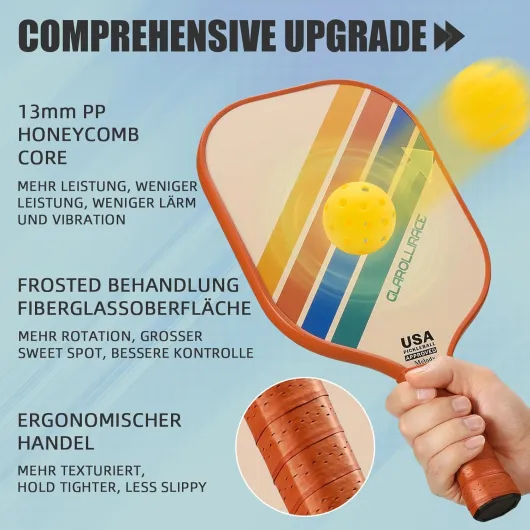
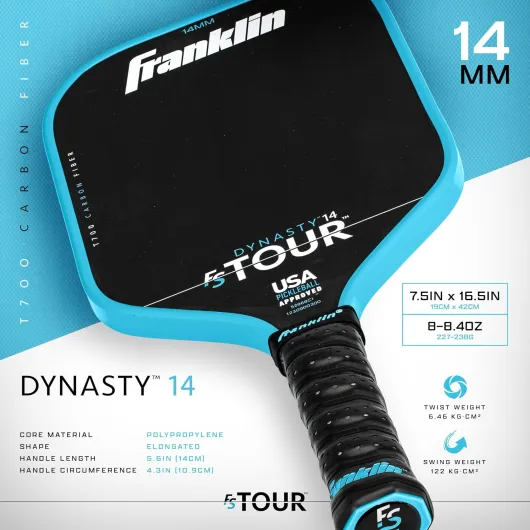
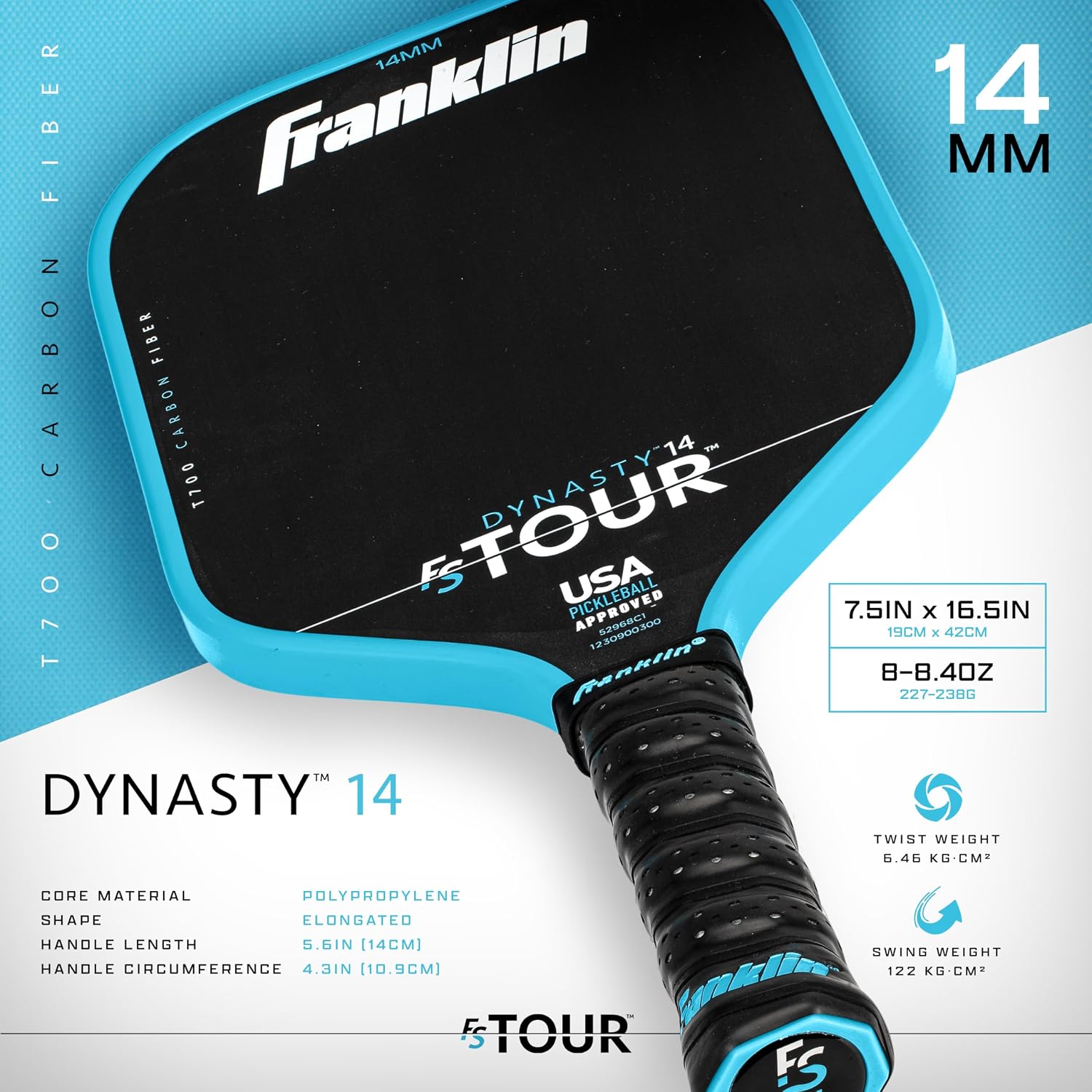
Material choice defines how a pickleball paddle behaves from the first ball you strike. Many of the best composite pickleball paddles now rely on carbon fiber faces, because carbon offers high stiffness, low weight and excellent durability for both recreational and pro players. A carbon surface also increases friction on the ball, which directly improves spin and control spin on dinks, rolls and third shot drops.
Some composite paddles combine carbon with fiberglass or other fiber layers to soften the feel and expand the sweet spot for a wider range of skill level profiles. These hybrid fiber pickleball constructions trade a little peak power for a more forgiving response, which helps developing players keep the ball in play during fast exchanges. When you see a model marketed as a friction pro style paddle, it usually means the surface texture and carbon fiber layup are tuned to grab the ball longer and create extra power spin without losing directional control.
Brands such as Onix have pushed composite pickleball technology by pairing advanced cores with textured carbon and glass fiber faces. One notable example is the Challenger Friday paddle with a two layer T700 raw carbon fiber surface and foam injected walls around a honeycomb core, which you can examine in detail through this specialized carbon fiber paddle review. That kind of composite construction shows how a carefully engineered core and face can raise both power control and comfort, especially for advanced players who hit a heavy ball.
How weight, balance and core thickness affect play
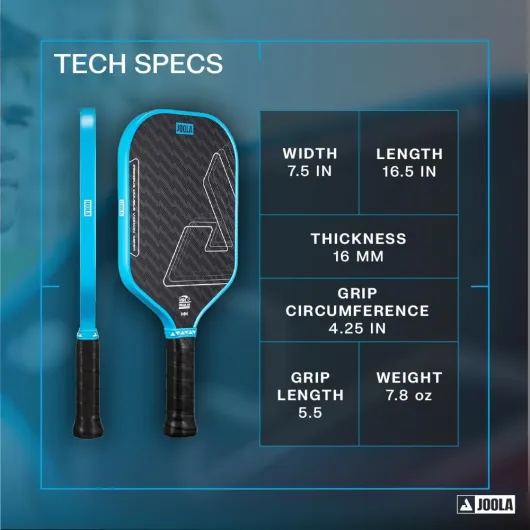
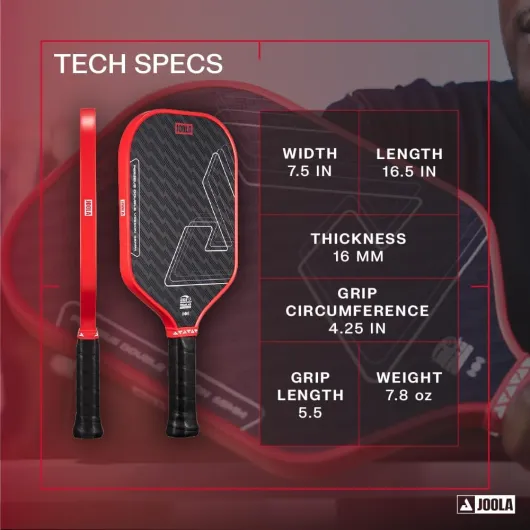
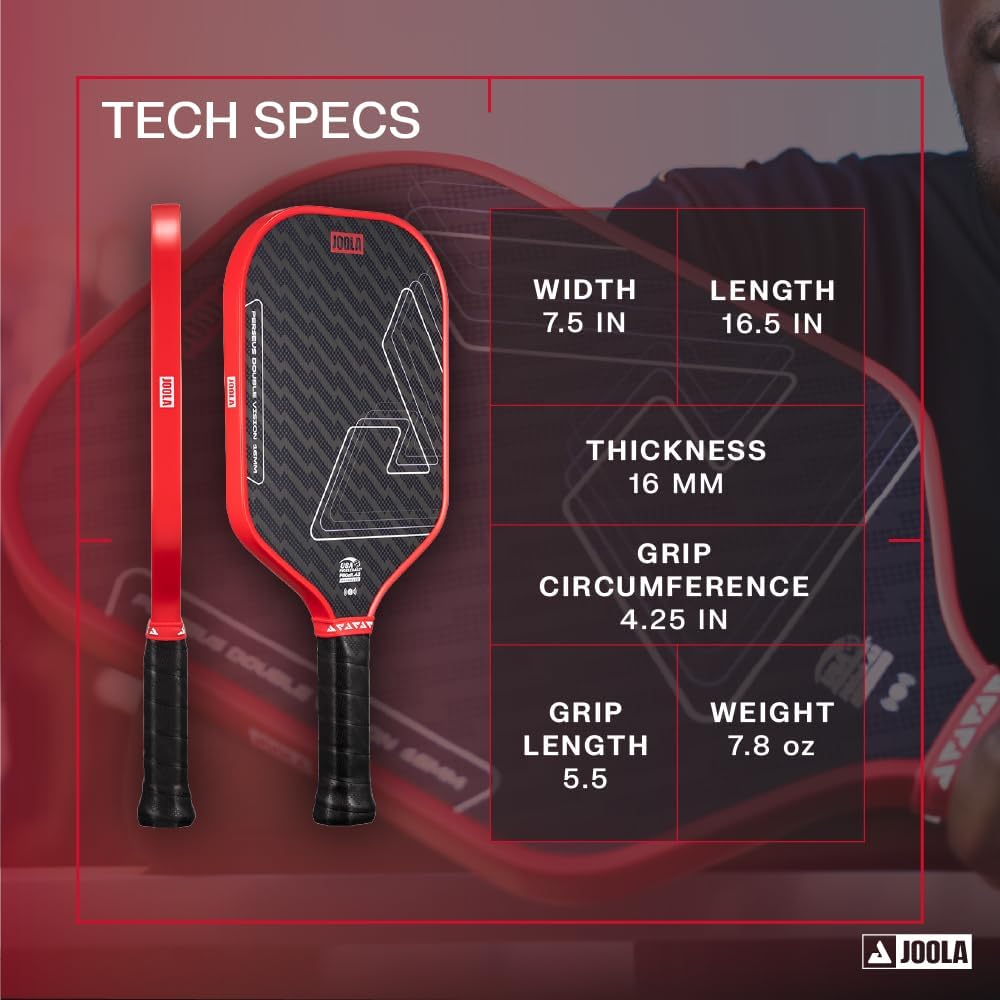
Weight is the most misunderstood specification on any pickleball paddle label. A lighter paddle around 215 to 230 grams usually feels quick at the net and helps players generate control spin, but it may sacrifice some raw power on deep serves and drives. Heavier composite paddles closer to 240 or 250 grams can unlock serious power spin, although they demand stronger technique and may fatigue the arm during long play sessions.
Core thickness and density work together with weight to define the warping point of the paddle face under impact. Thicker composite cores, especially when combined with a foam core edge, flex more evenly and create a large sweet spot that forgives mishits, which is ideal for players still refining their skill level. Thinner cores feel crisper and return more energy to the ball, so they suit advanced players who already control the ball well and want the best paddle for aggressive drives.
Balance matters as much as total paddle weight, because a head heavy composite pickleball design swings differently from a handle weighted frame. Head heavy composite paddles add power on the ball with less effort, while more evenly balanced pickleball paddles favor quick hand battles and soft control. If you want structured guidance on matching weight and balance to your style, a curated comparison such as this top composite pickleball paddles overview can help narrow the field before you test specific models.
Price, paddle price tiers and value for different players
Price ranges for composite pickleball paddles have widened as technology has advanced. Entry level composite paddles often sit in a lower paddle price bracket, using simpler fiber layups and basic cores to keep the price accessible for new players. These models still offer a decent sweet spot and acceptable power control, but they rarely match the refined feel of the best composite pickleball paddles aimed at competitive play.
Mid range composite paddles usually justify their higher paddle price with upgraded carbon fiber faces, better edge guards and more consistent cores. In this segment, players can expect a reliable large sweet area, improved control spin and enough power to grow their best pickleball game without immediately jumping to a pro signature model. High end composite paddles, including some Onix and Ben Johns endorsed designs, add premium carbon, advanced foam core structures and meticulous quality control to deliver both power spin and touch for advanced players.
Value depends on how often you play pickleball and what you expect from your paddle over time. Someone hitting a ball twice a week may find a mid priced composite pickleball model perfectly adequate, while a tournament competitor benefits from investing in the best paddle they can afford. When you evaluate paddle price, consider not only the initial cost but also durability, resistance to warping point issues and how the paddle supports your evolving skill level.
Matching composite paddles to skill level and playing style
Choosing among the best composite pickleball paddles starts with an honest look at your skill level. Developing players usually benefit from a medium weight composite pickleball paddle with a thick core and a generous sweet spot, because this combination offers forgiving control while still providing enough power to finish points. Advanced players often prefer a slightly heavier carbon fiber or hybrid fiber pickleball design that rewards precise timing with explosive power spin.
If your game relies on soft dinks and resets, prioritize composite paddles with a plush core and a textured but not overly stiff surface. These paddles enhance control spin on the ball and reduce shock to the arm, which helps you maintain touch during long play sessions. Aggressive baseliners and pro style competitors should look for a stiffer composite core, a gritty carbon face and a balance that adds power without making the paddle unwieldy at the net.
Footwork and footwear also influence how effectively you can use any pickleball paddles on court. A supportive court shoe such as the New Balance FuelCell 996, reviewed in detail in this dedicated performance shoe test, can help you reach the ball in time to exploit the sweet spot of your chosen paddle. When your movement, paddle weight and composite construction all align with your style, you unlock the best pickleball performance your current skills allow.
Durability, warping point and maintenance of composite pickleball paddles
Durability is a central concern for anyone investing in the best composite pickleball paddles. Composite faces and polymer cores generally resist cracking better than older wooden paddles, but every pickleball paddle has a warping point where repeated impacts and heat start to change the feel. High quality carbon fiber and robust edge guards delay this warping point, keeping the sweet spot consistent for more hours of play.
Foam core perimeter systems, now common in many composite paddles, also protect the internal core from damage and help maintain power control over time. However, leaving any composite pickleball paddle in a hot car or direct sun accelerates material fatigue, especially where the core bonds to the face. Regularly checking for soft spots, dead zones or visible separation around the edge can alert players before a subtle change in ball response undermines their best pickleball performance.
Simple maintenance habits extend the life of both budget and pro level pickleball paddles. Wiping the carbon or glass fiber surface with a damp cloth removes dust that can reduce friction and spin, while using a padded cover protects the composite face from scratches during transport. When a paddle finally passes its effective warping point and loses its crisp feel, replacing it with a fresh composite model restores both confidence and control spin on every ball you strike.
How professional trends influence composite paddle design
Professional circuits have become a testing ground for the best composite pickleball paddles. When elite players such as Ben Johns adopt a new carbon fiber or hybrid composite pickleball paddle, recreational players quickly notice how that equipment shapes power, control and spin at the highest level. Manufacturers then refine those pro inspired designs into composite paddles that suit a broader range of skill level and budgets.
Many current pro models emphasize textured carbon faces, optimized foam core structures and carefully tuned weight distributions. These features aim to maximize power spin on drives while preserving delicate control spin on dinks, reflecting how modern pickleball rewards both aggression and touch. As these technologies filter down, even mid priced composite pickleball paddles now offer a large sweet spot and stable core performance that would have been reserved for pro gear only a few seasons ago.
For players seeking the best paddle for their own game, watching how professionals use space, timing and paddle angles can be as instructive as reading specifications. The way a pro shapes the ball with a friction pro style surface or manages the warping point of a well used paddle offers practical lessons about equipment care and shot selection. By combining those observations with a clear understanding of composite materials, you can choose pickleball paddles that genuinely elevate your play rather than simply following trends.
Key figures about composite pickleball paddles
- Market research from the Sports & Fitness Industry Association reports that pickleball participation in the United States grew by more than 150 percent over a recent three year span, which has driven a sharp increase in demand for composite pickleball paddles across all price tiers.
- Product testing data from several major brands show that modern carbon fiber composite paddles can weigh as little as 215 grams while still generating comparable power to older fiberglass paddles that weighed 10 to 15 percent more, improving maneuverability without sacrificing ball speed.
- Laboratory impact studies published by equipment manufacturers indicate that foam core reinforced composite paddles can expand the effective sweet spot by roughly 20 to 30 percent compared with traditional polymer honeycomb cores, which directly benefits players who are still refining their timing.
- Durability assessments from independent testing labs suggest that high quality composite pickleball paddles maintain consistent rebound characteristics for between 250 and 400 hours of active play, depending on temperature exposure and hitting intensity, before reaching a noticeable warping point.
- Retail sales analyses from major sporting goods chains reveal that mid range composite paddles in the equivalent of the 80 to 130 euro price band now account for more than half of all pickleball paddle purchases, reflecting a shift toward better materials and construction among recreational players.