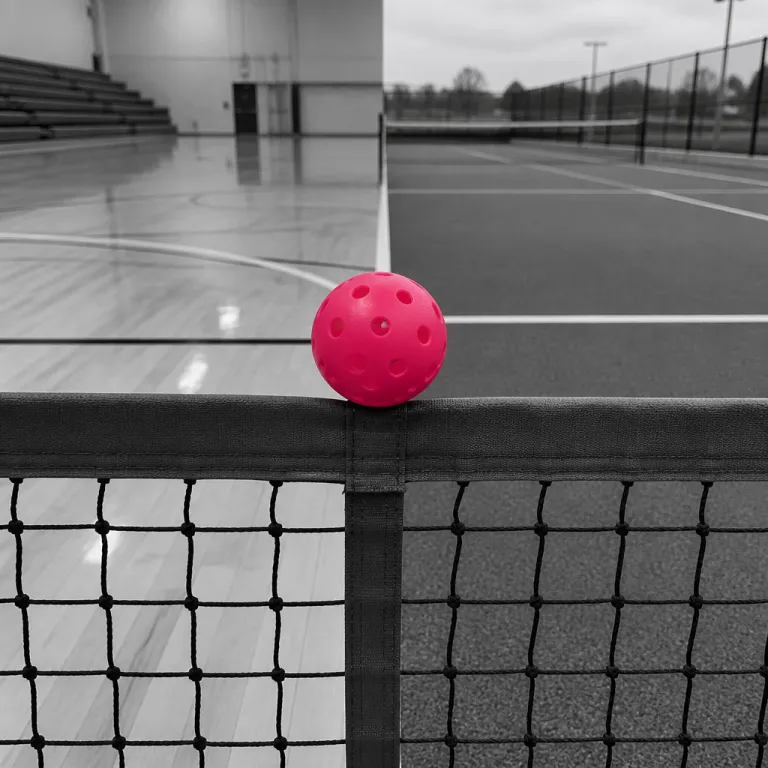
Understanding indoor vs outdoor pickleball ball design
When players compare indoor vs outdoor pickleball, the first real equipment question is the ball. The construction of a pickleball dramatically changes how you play, because the number of holes, the hardness of the plastic, and the overall weight all interact with court surfaces and windy conditions. A single model will never perform perfectly in every environment, so informed players match specific indoor or outdoor balls to the setting.
Regulation pickleballs have a diameter of about 7.3 centimetres, which equals roughly 2.87 inches. Within that standard size, manufacturers adjust the hole diameter, the pattern of holes, and the shell thickness to tune flight and durability. These small engineering choices create a clear difference between indoor and outdoor balls, and that contrast will shape how your shots feel on the paddle and how the ball responds off the bounce.
Outdoor pickleballs typically use harder plastic and a slightly heavier weight to cut through breezes. That extra hardness improves durability on rough asphalt or concrete, but the balls tend to feel faster and less forgiving on mishits. Indoor balls, by contrast, use a softer plastic shell and larger openings, so the ball grips the smoother gym floor better and gives players more control during longer rallies.
Key technical differences between indoor and outdoor pickleball balls
The most obvious visual difference between indoor and outdoor pickleball balls is the pattern of holes. Outdoor models typically feature more, smaller perforations, while indoor balls usually have fewer, larger ones, and this contrast changes both aerodynamics and spin response. When you line up several pickleballs side by side, you can clearly see how the number of holes and the hole diameter signal whether a ball is meant for indoor or outdoor play.
For sanctioned tournaments, USA Pickleball publishes precise specifications for ball weight, diameter, and bounce in its official equipment standards. Approved outdoor ball models usually weigh slightly more, and that extra mass helps the ball stay truer in windy conditions, especially on open courts without surrounding walls. Indoor pickleballs tend to be a touch lighter, and that lower weight, combined with larger holes, makes them easier to control but more sensitive to any air currents from ventilation systems.
Hardness is another critical factor that separates indoor vs outdoor pickleball equipment. Outdoor balls tend to use stiffer plastic, which improves durability on abrasive courts but can feel lively and fast off the paddle face. Indoor versions, built with softer plastic and larger holes, compress a bit more on impact, so the ball feels quieter and slightly slower, which many players appreciate in compact gyms or multi use sports halls.
Players who train with a ball machine should also match the machine settings to the specific balls they use. A harder outdoor ball will come off the feeder wheels faster, so you may need to reduce speed or spin to simulate realistic match conditions. When choosing a training device, guides that review a dedicated pickleball ball machine can help you understand how different machines handle various ball weights and plastics.
How ball characteristics affect play on indoor and outdoor courts
On an outdoor pickleball court, the combination of surface texture and weather magnifies every design choice in the ball. Outdoor pickleballs with smaller holes and higher hardness cut through the air more efficiently, so the ball will travel faster and stay more stable when gusts hit the court. That stability is crucial in windy conditions, where a lighter indoor ball would flutter, making consistent play almost impossible.
Indoor pickleball takes place on smoother, more predictable surfaces, so the ball can prioritise touch and control over raw durability. Because indoor balls tend to have larger holes and softer plastic, they sit on the paddle a fraction longer, which helps players shape dinks, drops, and topspin rolls with greater precision. This difference compared with outdoor play encourages longer rallies, as the ball does not skid as sharply off the floor and gives defenders an extra split second to react.
When players switch between indoor vs outdoor pickleball, they often misjudge depth and timing during the first few games. Outdoor balls, with their extra weight and hardness, jump off the paddle and bounce higher on rougher courts, so volleys and drives can sail long until you adjust your swing path. Using a dedicated rebounder or a portable net system, such as those reviewed in a detailed pickleball practice trainer test, allows you to rehearse those timing changes at home before your next league match.
Choosing the right ball for your level, climate, and court
Selecting between indoor and outdoor balls starts with your primary playing environment. If you mostly play indoor pickleball in a school gym or community centre, a softer ball with larger holes will reward control and reduce noise, which many facilities require. Players who mainly play outdoor pickleball on asphalt or post tension concrete should prioritise models with higher hardness and proven durability, because those balls tend to last longer under constant abrasion.
Climate matters as much as court type when you compare indoor vs outdoor pickleball equipment. In hot regions of the USA, outdoor balls can soften during midday sessions, so a model with slightly thicker plastic and a reputation for durability will maintain its shape better over long matches. In cooler or coastal areas with frequent windy conditions, a heavier outdoor ball with smaller holes will resist being pushed off line, which keeps rallies fair even when gusts swirl across the baseline.
Skill level also shapes the best choice between different pickleball balls. New players often benefit from a slightly softer indoor ball, even outdoors on calm days, because the ball will move a bit slower and give them more time to learn proper footwork and paddle angles. Once players understand the basic rules and patterns of play, resources such as a detailed guide to pickleball rules for beginners can help them transition confidently to regulation outdoor ball models for competitive leagues.
Practical buying tips for indoor vs outdoor pickleball balls
When you shop for pickleball balls, always check whether the packaging specifies indoor, outdoor, or indoor outdoor use. Some manufacturers market hybrid designs, but these compromise between hardness, hole diameter, and weight, so the ball will never match the specialised performance of dedicated indoor or outdoor pickleballs. For serious league or tournament play, choose balls that carry the USA Pickleball approval stamp and match the conditions where you compete most often.
Inspect the number of holes and their pattern before you buy a new model. Outdoor balls tend to have around forty smaller holes, while indoor balls often feature about twenty six larger ones, and this split directly affects how the ball responds to spin and pace. If you notice inconsistent flight or wobble, especially on drives, that usually signals either poor manufacturing tolerances in the plastic shell or damage from heavy use on rough courts.
Durability should guide your budget decisions, because cheaper balls tend to crack or go out of round more quickly. A high quality outdoor ball with thicker plastic and carefully drilled holes may cost more upfront, but it will maintain consistent bounce and flight for many sessions, which matters for both practice and match play. For indoor pickleball, where surfaces are gentler, you can often prioritise feel and control over extreme durability, since the ball experiences less abrasion and impact stress.
Care, storage, and safety considerations for pickleball balls
Proper care extends the life of both indoor and outdoor balls, and it also protects the consistency of your game. Leaving pickleballs in a hot car or direct sunlight can soften the plastic, so the ball will deform slightly and lose its true bounce, especially when the shell already shows micro cracks from rough courts. Balls stored in very cold garages can become brittle, which increases the risk that they crack suddenly during hard smashes.
Store all pickleball balls in a cool, dry place, ideally in a ventilated bag rather than an airtight container. This simple habit helps the plastic maintain its designed hardness and weight, so the difference between indoor and outdoor models remains predictable from one session to the next. Regularly rotate your stock, using older balls for casual drills and keeping the freshest sets for league matches or important practice sessions.
Safety also depends on choosing the right ball for the right environment. A very hard outdoor ball used for indoor pickleball in a cramped gym can rebound quickly off walls and create awkward ricochets, which increases the chance of eye or face impacts at close range. Conversely, a soft indoor ball used outdoors in strong windy conditions may float unpredictably, tempting players to overreach or lunge off balance, so matching ball type to venue is a simple way to reduce injury risk while keeping play enjoyable.
Key figures about indoor vs outdoor pickleball balls
- Regulation pickleball balls have a diameter between 7.29 and 7.54 centimetres, which corresponds to 2.87 to 2.97 inches, as outlined in the USA Pickleball equipment standards for sanctioned play.
- Approved outdoor balls typically weigh between 24.5 and 26.5 grams, while many indoor balls cluster near the lower end of that range, creating a subtle but important difference in flight and feel.
- Outdoor pickleballs usually feature around forty small holes, whereas indoor pickleballs often use about twenty six larger ones, a design split that directly addresses windy conditions outdoors and control oriented rallies indoors.
- Impact and durability tests reported by major manufacturers show that outdoor balls on rough asphalt can lose optimal performance after roughly ten to fifteen hours of intense play, while the same models used indoors may last more than twice as long.
- Participation surveys released by national and regional pickleball associations consistently report that a growing share of new players start on indoor courts in multi use facilities, which increases demand for softer indoor ball designs that reduce noise and improve control.
FAQ about indoor vs outdoor pickleball balls
What is the main difference between indoor and outdoor pickleball balls ?
The main difference lies in hardness, weight, and hole design. Outdoor pickleballs are harder, slightly heavier, and have more, smaller holes to handle rough courts and windy conditions. Indoor pickleballs are softer, often lighter, and use fewer, larger holes to enhance control on smooth indoor courts.
Can I use an outdoor ball for indoor pickleball play ?
You can use an outdoor ball indoors, but it is not ideal. The higher hardness and smaller holes make the ball travel faster and bounce more sharply, which can shorten rallies and increase noise in enclosed spaces. Most players prefer dedicated indoor balls for better touch and a more comfortable playing experience.
Are indoor outdoor hybrid pickleballs a good option for beginners ?
Hybrid indoor outdoor balls can work for beginners who play in mixed environments. These balls balance hardness, weight, and hole diameter, so they perform reasonably well on both indoor and outdoor courts without specialising. Once players settle into a primary venue, switching to dedicated indoor or outdoor pickleballs usually offers better performance.
How often should I replace my pickleball balls ?
Replacement frequency depends on surface, intensity, and ball quality. Outdoor balls used on abrasive courts and in frequent play may need replacing every few weeks, especially once cracks appear or the bounce becomes inconsistent. Indoor balls on smooth floors often last longer, but any ball that feels soft, out of round, or unpredictable should be retired.
Does ball choice really matter for casual recreational play ?
Ball choice matters even for casual games, because it shapes how rallies feel and how quickly players improve. Using the correct indoor or outdoor ball for the venue gives more consistent bounce and flight, which helps you develop reliable strokes. A suitable ball also reduces frustration, as players spend less time adjusting to erratic behaviour and more time enjoying the game.