Summary
Editor's rating
Is it worth the money compared to other paddles?
Elongated shape and feel on court
Grip, balance, and arm fatigue
Raw carbon + fiberglass face and that foam core
Wear, face texture, and long-term feel
Power, spin, and control in real games
What you actually get when you buy it
Pros
- Strong, easy power on drives, serves, and putaways
- Large, forgiving sweet spot for a power-oriented paddle
- Textured face gives decent spin without needing a wild swing
Cons
- Less natural touch for soft dinks and drops; takes adjustment
- Slightly head-heavy feel can be tiring in long sessions
Specifications
View full product page →| Brand | Selkirk Sport |
A power paddle that actually feels different
I’ve been playing pickleball 3–4 times a week for a while now, mostly rec games with some low-level tournaments. I picked up the SLK by Selkirk ERA Power (elongated version) because I wanted more pop on drives and putaways than my old control-focused paddle. I’m not sponsored, I paid for it myself, and I’m not a gear nerd—I just know when something helps or gets in my way.
I’ve used this paddle for about three weeks, around 12–15 sessions, indoors and outdoors. I switched over from a control paddle with a fiberglass face, so I immediately felt the difference in how the ball comes off the face. The marketing talks about raw carbon, fiberglass, EVA foam, all that. On court, what I actually noticed is: the ball jumps off this thing a lot faster, and mishits are more forgiving than I expected for a power paddle.
My first couple of sessions were a bit chaotic. My dinks and drops were flying long until I dialed back my swing. But once I adjusted, I started getting way more free points on drives, overheads, and punch volleys. I also noticed I could generate decent spin without having to over-swing, which helped keep some of those harder shots in.
Overall, it’s not perfect, and it definitely won’t suit everyone, but it does what it says pretty clearly: it gives you more power and a big sweet spot, without feeling like a cheap trampoline paddle. If you’re used to a soft, control-heavy paddle, be ready for a short learning curve, but the payoff in attack shots is noticeable.
Is it worth the money compared to other paddles?
Price-wise, the SLK ERA Power usually sits in that mid-range bracket: not entry-level cheap, not top-end pro pricing. For that money, you’re basically paying for real power, a forgiving sweet spot, and decent spin, without going into the crazy expensive pro models. If you’re a casual beginner who just started playing, I’d say this is probably more paddle than you need, and your money might be better spent on something cheaper while you learn the basics.
Compared to some other paddles I’ve tried around the same price, this one leans more toward the power side. If I compare it to a more control-heavy paddle in the same bracket, you’re trading a bit of touch and easy soft play for more punch on drives and serves. If that matches how you like to play—aggressive, lots of driving and attacking—it feels like good value because you actually feel the difference on court.
The Amazon rating around 4.6/5 lines up with my experience. Most people who buy this are likely intermediate players or improving beginners who want to hit harder, and for that crowd, it makes sense. You’re not paying for fancy marketing extras or a pro’s name slapped on the paddle; you’re paying for a solid, modern build that suits an attacking style.
So in terms of value: good, with some caveats. It’s worth it if you already play regularly, know you like to hit hard, and want a paddle that helps with that. If you’re still figuring out your style or you mainly care about soft dinks and control, your money might be better spent on a more control-focused model or a cheaper starter paddle.
Elongated shape and feel on court
The main thing about this paddle’s design is the elongated shape. The head is a bit longer than a standard paddle, and you feel that extra reach right away at the net and on lobs. I’m about average height, and I noticed I could pick off more balls at the kitchen line without having to lean as much. On overheads, that extra length gives a little more leverage and confidence when you’re reaching back.
The trade-off is that the sweet spot is slightly shifted up the face. It’s a big sweet spot, but if you’re used to a very traditional shape, your first few sessions might feel a little odd until your timing and contact point adjust. Once I got used to it, I actually liked it: blocks and punch volleys higher on the paddle felt firm and stable, and I wasn’t punished as much for being a bit late on drives.
In terms of thickness and profile, it’s not one of those super thin, harsh paddles. The core plus EVA foam gives it a solid but not dead feeling. The edges are protected with a standard edge guard, nothing fancy, but it does its job. After a few weeks with some accidental ground scrapes and clashes with partners’ paddles, the edge guard has held up fine—just cosmetic scuffs.
Overall design impression: made for aggressive play. The head-heavy-ish balance, elongated shape, and textured face push you toward drives, rolls, and spin serves rather than pure soft-touch dink battles. You can still play soft, but the paddle seems happiest when you’re attacking rather than just resetting all day.
Grip, balance, and arm fatigue
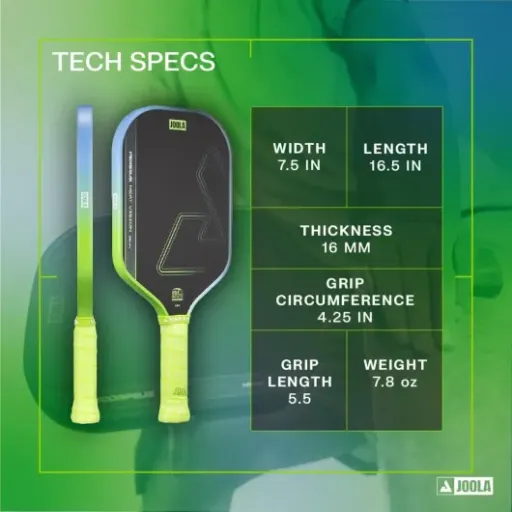
Comfort-wise, I’d say this paddle is good but not ultra plush. The grip is 4 1/4 inches, which for me (average male hand) feels pretty standard. The stock grip has a slightly squishy, tacky feel that I liked right away. It doesn’t get too slippery when sweaty, and I didn’t feel the need to re-wrap it immediately. After a few weeks, it’s holding up fine, just a bit of dirt from use, nothing peeling or coming loose.
The balance leans a bit toward the head, which you feel on longer sessions. On days where I played two-plus hours mostly driving and serving hard, I could feel more fatigue in my wrist and forearm compared to my lighter control paddle. It wasn’t painful, but if you have elbow or shoulder issues and you like very light paddles, this might feel a bit heavy over time. On the flip side, that extra weight in the head makes blocking and countering harder shots feel more stable, which is a real benefit in fast exchanges.
Shock and vibration are under control. I’ve tried some cheap power paddles that sent a nasty buzz into my hand every time I hit near the edge. This one doesn’t do that. Even on off-center hits, the handle feel stays reasonably clean. I’m not saying it’s buttery soft, but I never had that annoying hand sting, even on cold outdoor mornings.
Overall, comfort is solid for a power-oriented paddle. If you like that slightly head-heavy, stable feeling and you don’t have major arm issues, you’ll probably be fine. If you want the lightest, fastest paddle ever for quick wrist flicks and minimal fatigue, this isn’t that—but it’s also not a brick. It sits in a reasonable middle ground.
Raw carbon + fiberglass face and that foam core
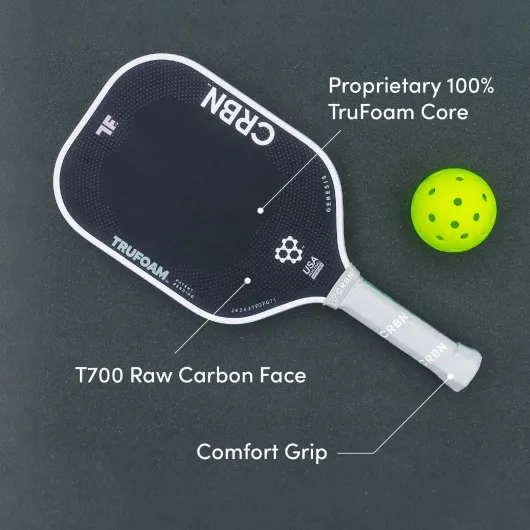
On paper, this paddle uses a mix of T700 raw carbon fiber and fiberglass on the face, with a polymer honeycomb core surrounded by EVA foam. That sounds like marketing soup, but here’s what it actually feels like. Compared to my older full-fiberglass paddle, this one feels firmer on contact, especially on hard swings. The ball comes off quicker, and the paddle doesn’t flex as much, which is what gives you that extra pop.
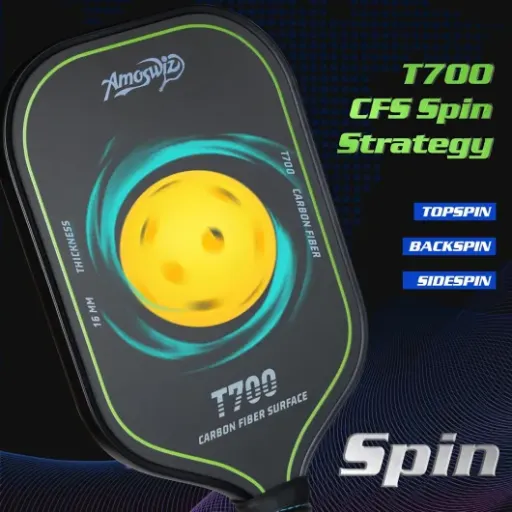
The raw, textured carbon on the surface is noticeable to the touch. It’s not just a glossy paint with fake texture. When you run your fingers over it, you can feel the grip. In practice, that translates to decent spin on topspin drives, rolls, and slice serves without having to overdo your wrist. Is it the grippiest surface on the market? No. But for this price level, it’s more than enough for most intermediate players.
The EVA foam around the honeycomb core is supposed to help with dwell time and stability. What I felt was a slightly softer, more cushioned feel on blocks and resets compared to some stiffer power paddles I’ve tried. It still leans toward the power side, but it doesn’t feel like a hard board. Mishits toward the edges don’t sting the hand as much, and the paddle doesn’t twist as badly, which is nice if your contact isn’t perfect every time.
In short, the materials feel practical and well-matched for a power-focused paddle. You get a firm, responsive face with enough texture for spin, plus a core that keeps it from feeling too harsh. If you’re a pure control junkie, you’ll probably still prefer a softer, more muted build, but for an aggressive, all-court intermediate, this mix makes sense.
Wear, face texture, and long-term feel
Durability so far has been reassuring. After a few weeks of 3–4 sessions per week, including some outdoor play on rougher surfaces, the paddle face shows normal wear: ball marks, some light scuffs, but no cracks or chips. The edge guard has a couple of cosmetic scrapes from digging out low balls and a few paddle clashes, but it’s still firmly attached with no signs of peeling.
The big question with textured faces is how fast the texture wears down. After my usage, the surface is still clearly textured to the touch. It doesn’t feel brand new, but I don’t feel like I’ve lost much spin yet. I did notice that cleaning it is a bit annoying—the raw-ish surface tends to hold onto ball residue, so even after wiping it, it still looks used. That’s cosmetic though; the grip on the ball still feels decent.
The grip and handle feel solid. No creaks, no loose feeling, no weird vibrations appearing over time. The stock grip hasn’t unraveled or flattened out badly. If you’re picky, you’ll probably re-grip it after a month or two anyway, but I haven’t seen any early failure signs.
Obviously I can’t speak to one-year-plus durability yet, but based on the build and how it’s holding up so far, I’d say it feels reliable for regular rec and intermediate play. You’re not getting the tank-like feeling of some super thick, control paddles, but for a mixed-material power paddle at this price, the durability seems in line with expectations and better than some cheaper brands I’ve tried.
Power, spin, and control in real games
This is where the SLK ERA Power earns its name. On court, the main thing you notice is easy power. Drives, serves, and overheads jump off the face with less effort. On my first session, I sent several balls long just because I was swinging like I did with my old paddle. Once I shortened my swing a bit and focused on shape, I started getting more depth and pace without feeling like I was muscling the ball.
Spin is pretty good thanks to the textured face. I could get nice topspin on third shot drives and roll volleys, and my slice serve picked up a bit more movement compared to my previous paddle. It’s not crazy spin like some super-gritty raw carbon paddles, but it’s enough to keep the ball dipping back in and make opponents pop up a few more balls at the net.
Control is where you feel the compromise. You can absolutely dink and drop with this paddle, but it’s not as easy as with a softer, control-focused model. My dinks were a little higher than I wanted at first, and I had to really focus on a loose grip and shorter motion to keep the ball low. Drops from the baseline took a few sessions to dial in. Once I got used to it, they were fine, but if your whole game is soft-touch and resets, this wouldn’t be my first pick.
In fast hands battles at the kitchen, the paddle feels stable and confident. Punch volleys and counters feel strong, and the big sweet spot helps you get away with not hitting the exact center. Overall, performance clearly leans toward aggressive play: strong serves, punchy returns, hard drives, and spin-heavy attacks. It can handle the soft game, but you have to adjust your touch more than with a pure control paddle.
What you actually get when you buy it
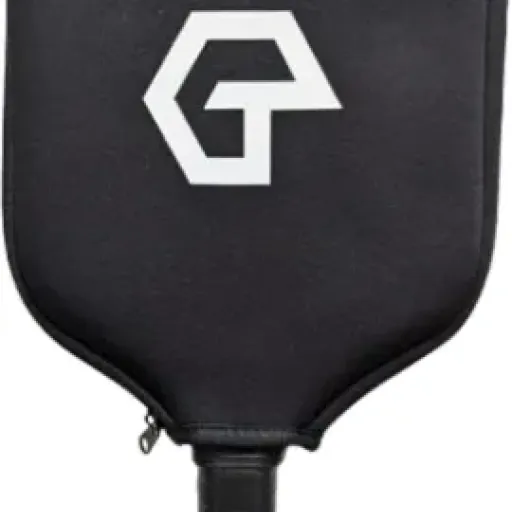
Out of the box, the SLK ERA Power looks and feels like a mid-to-high range paddle, not a bargain bin toy and not a super premium pro model either. There’s no fancy case included—just the paddle in basic packaging—so don’t expect extras. Personally, I don’t care about packaging, but if you like nice covers or accessories, you’ll have to buy those separately.
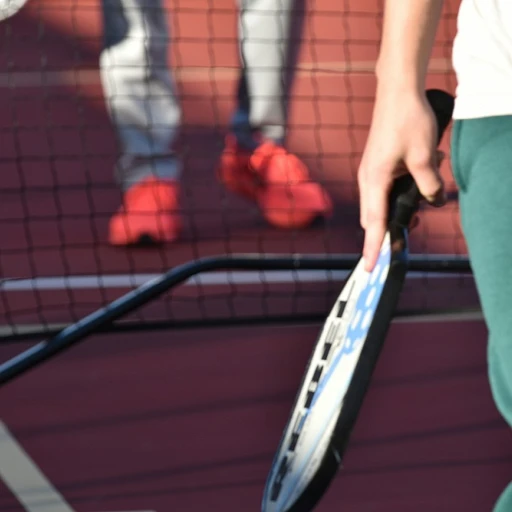
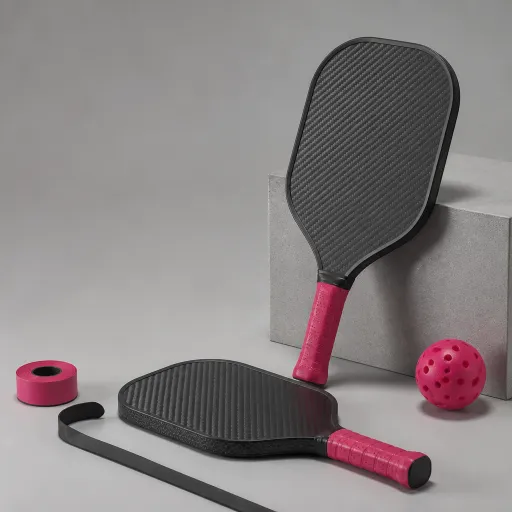
The paddle I tested is the elongated (extended reach) version in the cyan color. Visually, it’s clean and simple: mostly dark face with some color accents. The branding is obvious but not overdone. The grip is pre-wrapped with a tacky, cushioned overgrip style that feels ready to use right away, no need to re-grip out of the box unless you’re picky about grip thickness.
In the hand, it feels like a proper adult paddle: not super heavy, not super light, right in that middle zone that works for most intermediate players. It’s clearly built for power players though—the balance leans a bit toward the head, which you notice when you start swinging harder. If you’re coming from a very light, whippy paddle, this will feel more solid and less flicky.
Overall presentation is pretty solid but not fancy. It looks like something you’d be comfortable bringing to a serious rec session or a small tournament. It doesn’t scream luxury, but it doesn’t feel cheap either. For the price range it usually sits in, the first impression matches the expectations: this is a performance tool, not a piece of decor.
Pros
- Strong, easy power on drives, serves, and putaways
- Large, forgiving sweet spot for a power-oriented paddle
- Textured face gives decent spin without needing a wild swing
Cons
- Less natural touch for soft dinks and drops; takes adjustment
- Slightly head-heavy feel can be tiring in long sessions
Conclusion
Editor's rating
The SLK by Selkirk ERA Power (elongated) is a solid choice for intermediate players who like to attack. It delivers exactly what the name suggests: easy power, a forgiving sweet spot, and enough spin to keep aggressive shots in play. Once you get used to the bounce, drives, serves, and putaways feel stronger with less effort, and the elongated shape genuinely helps with reach at the net and on overheads.
It’s not a perfect all-rounder though. If your game is heavily focused on soft dinks, precise drops, and maximum control, you’ll have to adjust your touch, and you might prefer a softer, more control-oriented paddle. Comfort and durability are both solid for the price, but the slightly head-heavy feel can cause a bit more fatigue during long sessions if you’re sensitive to that. The textured face holds spin well so far, even if it does look dirty quickly and is a bit annoying to clean.
Overall, I’d recommend this paddle to intermediate or improving players who play several times a week and want more pop and spin without jumping to a super expensive pro model. If you’re a brand-new beginner or a pure touch player, I’d look elsewhere. But if you like to drive, counter hard, and finish points aggressively, this paddle gets the job done and feels like fair value for the money.