Summary
Editor's rating
Good value if you want edgeless and light without paying brand-tax
Edgeless shape, big sweet spot, small handle
Lightweight and quick, but the grip could be better
3K raw carbon surface and honeycomb core: solid on paper, decent in practice
Build feels solid, but long-term grip and edge wear are the question marks
Light, fast, and decent spin – but not a control monster
What you actually get in the box
Pros
- Light, fast edgeless design with a large sweet spot that’s great for quick hands at the net
- 3K carbon fiber face with decent grit gives good spin for serves, drives, and rolls
- Good value for money with included carry case and three edge guard tapes for rim protection
Cons
- Short, small handle and average grip comfort; can feel cramped and slippery in long sessions
- Control and consistency on deeper shots are decent but not as precise as some similar-priced alternatives

Specifications
View full product page →| Brand | EdgeTech |
A budget edgeless paddle I actually kept in my bag
I’ve been playing pickleball a few times a week for a while now, and I’ve gone through a small pile of paddles in the process. Some were cheap Amazon specials that felt dead, others were big-name brands that cost way more than I’m comfortable admitting. I picked up the Maximus Edgetech Edgeless mostly out of curiosity: I wanted to see if an edgeless 3K carbon paddle under the big brands’ prices could actually be usable in real games, not just casual hits.
Over a couple of weeks, I used it in mixed sessions: drills, rec play, and a few more serious club games where people actually care about the score. I swapped between this and a couple of more expensive paddles, including a Selkirk-style edgeless that a friend owns and a standard mid-range control paddle I usually use. That gave me a decent feel for where this Maximus sits in terms of power, control, and comfort.
My overall impression: it’s pretty solid for the money, especially if you want a light, fast edgeless paddle and don’t feel like dropping top-tier cash. It’s not perfect, and there are some compromises, especially with the grip and consistency on certain shots, but it’s far from a toy. It feels like a real paddle you can grow with if you’re a beginner or intermediate player.
If you’re expecting it to magically turn you into a tournament killer, you’ll be disappointed. But if you’re coming from a basic composite paddle or starter set and want something lighter, quicker, and with a bit more spin, this one actually makes sense. I didn’t feel cheated by the price, and that’s already a good sign in this price range.
Good value if you want edgeless and light without paying brand-tax
Price-wise, this sits in that affordable but not bargain-bin range. You’re not paying premium-brand money, but it’s also not the cheapest paddle on Amazon. For what you get – 3K carbon face, edgeless design, carry case, and three edge tapes – the package makes sense. You can tell they tried to hit the sweet spot for serious rec players and early intermediates who care about performance but don’t want to blow their budget on a big logo.
Compared to higher-end edgeless paddles like the Selkirk Luxx, you’re getting maybe 70–80% of the feel and performance for a fraction of the price. You lose some refinement in control and feedback, but for a lot of club-level players, that trade-off is acceptable. One reviewer basically said this: they tried the Selkirk, went looking for a cheaper alternative, and landed on this as a decent compromise. I agree. If price is a big factor and you want edgeless specifically, this is a sensible option.
Against similar-priced options like the Gotwah the reviewer mentioned, it gets more nuanced. They felt the Gotwah had more spin, control, and consistency, and after comparing, I’d say the Maximus wins more on hand speed and fun factor at the net, while the Gotwah-type paddles might edge it on control. So value depends on your priorities: if you want a light, quick paddle with a big sweet spot and you’re okay with “good enough” control, the Maximus is good value. If your main focus is precise placement and a tackier grip, you might find better value elsewhere in the same price range.
Bottom line: for beginners moving up from a cheap starter set, or intermediate players who want to try an edgeless carbon paddle without dropping serious cash, the value is there. It’s not the best paddle on the market, but for the price, it performs well enough that you don’t feel like you’re just buying a logo or a gimmick. Just budget a few extra bucks for an overgrip, and you’re set.
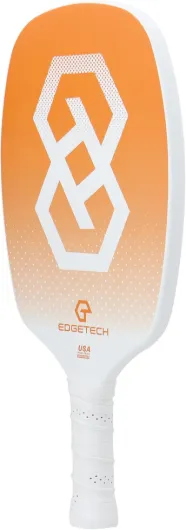
Edgeless shape, big sweet spot, small handle
The headline here is the edgeless design. There’s no traditional plastic edge guard, so the hitting surface runs almost to the rim. In practice, this does two things: first, you get a bit more usable face area, so mishits that would normally clip the edge have a better chance of staying in play. Second, the paddle feels a bit smoother and faster through the air because there’s less bulk around the frame. I noticed this the most at the net during fast exchanges; it’s easy to get the paddle in position quickly.
The shape is slightly elongated, but not extreme. You get a large sweet spot, and it’s pretty forgiving around the center. When you connect cleanly, the response is consistent, and you can feel a decent “pop” without it being a total rocket. On mishits toward the tip or close to the handle, there’s some drop in power like any paddle, but it doesn’t feel completely dead. Compared with a standard beginner paddle with a big edge guard, I had fewer shots clipping the frame, especially when I was reaching or reacting late.
The main design quirk is the short handle. At 4.72 inches, it’s on the small side, and the grip circumference is about 4.25 inches, so it suits small to medium hands. If you like to play with a two-handed backhand, you might find this cramped. For one-handed play, especially quick volleys and backhand flicks, it actually feels very nimble. One Amazon reviewer nailed it calling it almost like a table tennis paddle feel for quick hands. If you’re used to long handles, this will take a few sessions to adjust to.
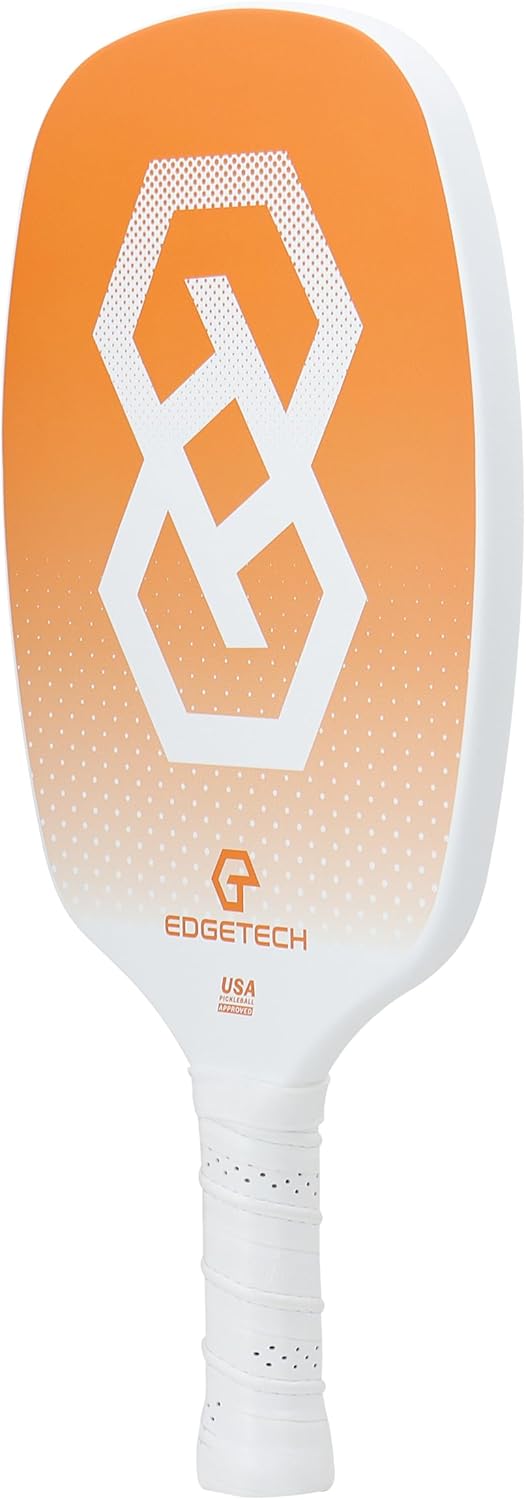
Visually, it’s pretty basic: mostly dark carbon with some branding, nothing loud. That’s fine by me; I care more about how it plays than how it looks. Functionally, the design choice of light, edgeless, short-handle makes it clearly targeted at players who value hand speed and a big sweet spot more than raw power. If that’s your style, the design lines up well. If you want a long-handle, heavy power paddle, this isn’t it.
Lightweight and quick, but the grip could be better
Comfort-wise, the first thing I noticed is the weight. At around 7.9 oz, this paddle sits in the light range. For me, that meant less arm fatigue after a couple of hours of play. If you’ve had elbow or shoulder issues from heavier paddles, this lighter feel can help. I did a few back-to-back sessions swapping between this and a heavier power paddle, and my arm definitely felt fresher with the Maximus, especially after long dink rallies and hand battles at the net.
The balance feels neutral to slightly head-light, which makes it easy to maneuver. At the kitchen line, that’s a big plus. Quick volleys, blocks, and hand-speed battles are where this paddle feels most comfortable. You can get the face into position without feeling like you’re swinging a club. For beginners or intermediate players still working on reaction time, this can make a noticeable difference in confidence at the net.
The main comfort downside for me is the short, small handle and the grip itself. The short handle is fine for one-handed play, but if you have larger hands or like a two-handed backhand, it feels cramped. My pinky sometimes ended up partly off the grip when I wasn’t paying attention. The grip circumference is also on the smaller side, which is nice if you have small hands (one reviewer with small hands liked it), but I had to adjust my hold a bit compared to my usual 4 3/8 grip size.
The grip texture is okay at first but gets a bit slippery once sweat kicks in. During a longer session, I found myself wiping my hand and the grip more often than with other paddles. It’s not unusable, just mildly annoying. For comfort, I’d probably throw an overgrip on it right away to get a bit more tack and thickness. Once you do that, the paddle is pretty comfortable overall: light, quick, and not too harsh on mishits. Just don’t expect a super plush, premium handle feel out of the box.
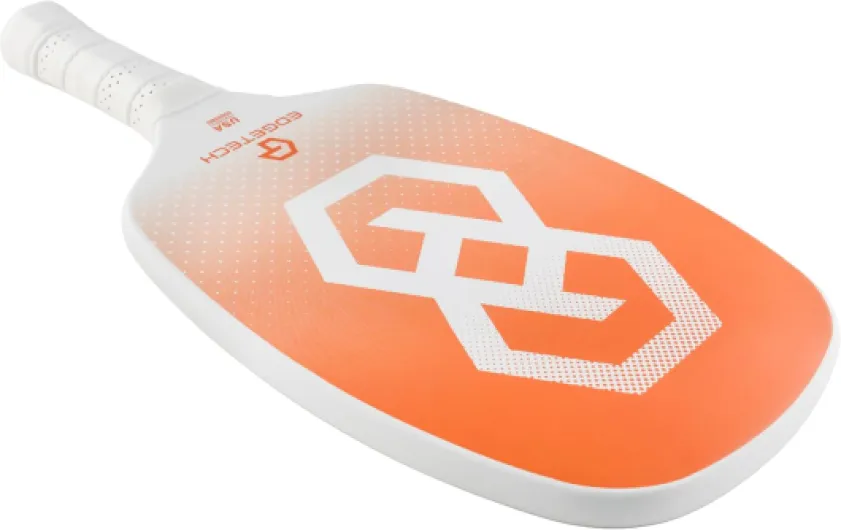
3K raw carbon surface and honeycomb core: solid on paper, decent in practice
On the spec sheet, the Maximus uses a 3K raw carbon fiber surface over a high-density polypropylene honeycomb core with a 16 mm thickness. That’s the same basic construction you see on a lot of mid-range paddles right now. The 3K carbon face has a slight grit to it. It’s not sandpaper-level, but you can feel some texture when you run your fingers across it. On court, this does help with spin: topspin drives and rolls grip the ball better than smooth fiberglass faces I’ve tried before.
The honeycomb core feels fairly stiff but not harsh. When you hit in the sweet spot, there’s a clean contact sound and a bit of bounce, but it doesn’t feel wildly springy. Compared to a premium edgeless paddle like the Selkirk Luxx I tried from a friend, the feedback is a bit more muted and not as refined, but that’s expected at this price. The important thing is it doesn’t feel hollow or cheap, which is a common issue with low-end paddles that also claim carbon faces.
The grip material is artificial leather with ventilation holes. In the hand, it feels okay out of the box: slightly cushioned, not too tacky, not too slick. After longer sessions, especially when I started to sweat, the grip did get a bit slippery. It’s usable, but I wouldn’t call it great. One reviewer mentioned the same thing and preferred the grip on their Gotwah paddle, and I agree. The good news is that grips are easy to replace or overgrip, so it’s not a dealbreaker, just something to plan for.
Overall, the materials match the price point well. You’re getting a real carbon fiber face, a standard but reliable honeycomb core, and a decent handle build. It doesn’t feel like a toy or a knockoff. It’s not on the same level as the high-end brands in terms of finish and subtle feel, but if you’re upgrading from a cheap starter paddle, this will feel like a clear step up in both build and performance.
Build feels solid, but long-term grip and edge wear are the question marks
In terms of build quality, the paddle feels solid in hand. The face is well bonded to the core, and I didn’t notice any weird buzzing, rattling, or soft spots. Over a couple of weeks of regular play, there was no delamination or major cosmetic damage beyond the usual light marks from ball contact. One reviewer mentioned using it a few times with no undue wear yet, and my experience lines up with that. For a paddle made in China at this price, it feels decently put together.
The edgeless design always raises the question of rim durability. Without a plastic edge guard, you’re relying on the raw frame and the edge tape. I did a few accidental scrapes on the court going for low balls. With the tape on, the rim held up fine. The tape took the brunt of the damage, which is exactly what it’s there for. You get three strips, so even if you beat one up, you can replace it. I’d strongly recommend actually using the tape; playing totally bare on the edge is asking for chips over time.
The face grit will probably wear down with heavy use, like most carbon paddles, but in the testing period it stayed consistent. I didn’t see any bald spots or smooth patches forming quickly. If you play several times a week for months, you’ll probably see some change, but that’s normal. The core didn’t soften noticeably either, and the paddle still felt the same from the first session to the later ones.
The weak point for durability, in my opinion, is the grip. It’s not falling apart or anything, but it does get slick when sweaty, and I don’t see it aging gracefully over a long season. The good thing is, grips are cheap and easy to replace, so I don’t worry too much about that. Overall, I’d say durability seems decent for the price. It’s not built like a tank, but with the edge tape and a grip replacement down the line, it should easily last a regular rec player a good while.
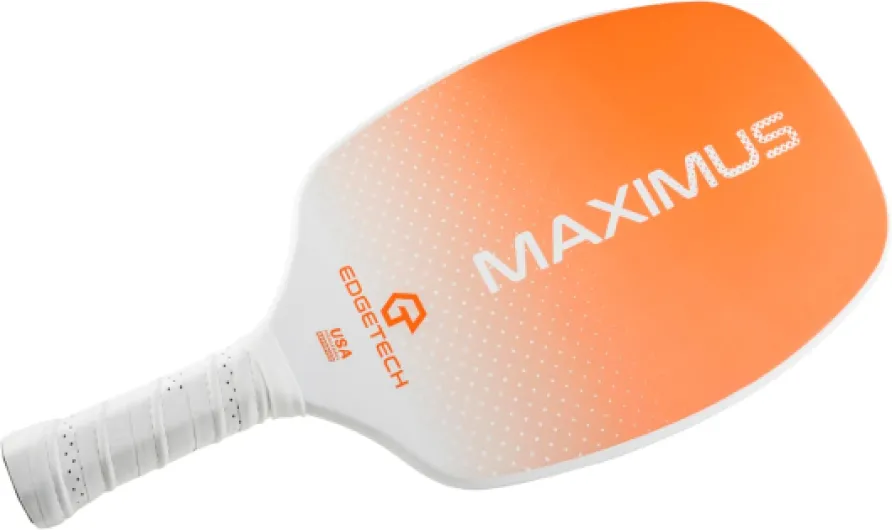
Light, fast, and decent spin – but not a control monster
On court, the Maximus Edgetech feels fast and lively, especially at the net. The combination of light weight, edgeless design, and short handle makes it very easy to react quickly. In fast exchanges at the kitchen, I actually felt a bit more confident with this than with my heavier paddle, just because I could get it into position in time. Volleys, blocks, and quick counters feel natural. One reviewer compared it to a Selkirk edgeless but cheaper, and I get that comparison: it’s not as refined, but the general playstyle is similar.
In terms of spin, the gritty 3K carbon face does its job. Topspin serves and drives pick up nicely, and I could get good roll on topspin backhands. Slices also bite well enough for this price range. It’s not the highest spin I’ve ever felt (my friend’s Gotwah paddle did feel a bit grippier), but it’s clearly better than smooth composite faces. If you like to shape the ball instead of just slapping it flat, this paddle lets you do that reasonably well.
Where it’s a bit more mixed is control and consistency on groundstrokes, especially forehand drives and serves. I found that the paddle has decent pop, but the launch angle and depth control weren’t as predictable for me as my usual control paddle. I had a few more balls sail long when I really went after a forehand. Another reviewer said something similar: they liked it for fun and fast hands but preferred their Gotwah for more serious games because it offered better consistency and control. I’d agree with that: this paddle is fun and effective, but not my top choice for super precise placement from the baseline.
At the kitchen line for dinks and soft game, it’s okay but not super plush. The 16 mm core helps a bit with touch, but the overall feel is still more on the poppy side than the super-damped, soft-control side. You can adjust, and after a few sessions I could drop the ball reasonably well, but I had to be a bit more careful with my hands compared to using a purely control-focused paddle. Overall, performance is good for intermediate players or improving beginners who want speed and spin. If you’re very picky about control and depth, you might outgrow it or prefer something more dialed in.
What you actually get in the box
Out of the box, the Maximus Edgetech feels more serious than a random cheap paddle. You get the paddle, a carry case, and three strips of edge guard tape. The case is synthetic leather, nothing fancy, but it’s padded enough to protect the face and the handle when you toss it in a bag with other stuff. The zipper works fine and doesn’t feel like it’ll rip off in a month, which is usually my first worry with bundled cases.
The three edge tapes are a nice touch. Since this is an edgeless paddle, the idea is you stick the tape around the rim to protect it from scrapes when you dig for low balls or drop the paddle on the court. The tape is fairly light and doesn’t really mess with the balance. You can remove and replace it if it gets too beat up, so you’re not stuck with one shot at protecting the rim. It also gives the paddle a bit of a custom look, which is cosmetic but not useless if you play in a group where everyone has black paddles.
Specs-wise, it’s 16.14 inches long, 7.83 inches wide, 16 mm thick, and around 225 g (7.94 oz). Grip length is 4.72 inches with a 4.25-inch circumference. On paper, that puts it in the lighter category with a slightly elongated shape. In hand, it matches that: it feels quick and not head-heavy. If you’re used to heavier power paddles, this will feel pretty nimble; if you’re coming from a cheap light paddle, it’ll feel familiar but more solid.
Overall, the presentation is clean and functional. It doesn’t scream premium, but nothing looks sloppy or badly finished out of the box. For the price, including a bag and multiple edge tapes is decent value. You’re not paying extra for useless accessories, and everything in the package has a practical use on court.
Pros
- Light, fast edgeless design with a large sweet spot that’s great for quick hands at the net
- 3K carbon fiber face with decent grit gives good spin for serves, drives, and rolls
- Good value for money with included carry case and three edge guard tapes for rim protection
Cons
- Short, small handle and average grip comfort; can feel cramped and slippery in long sessions
- Control and consistency on deeper shots are decent but not as precise as some similar-priced alternatives
Conclusion
Editor's rating
The Maximus Edgetech Edgeless paddle is a solid mid-range option if you want a light, fast, carbon paddle without paying premium-brand prices. The edgeless design, large sweet spot, and 3K carbon face make it genuinely playable for real games, not just casual hits. It shines most at the net: quick volleys, blocks, and fast hand exchanges feel easy, and the light weight helps keep your arm from getting tired. Spin is decent thanks to the gritty surface, and the included case and edge tapes are actually useful extras.
It’s not perfect. The short, small handle won’t suit everyone, especially if you like two-handed backhands or have big hands. The grip is just okay and tends to get a bit slippery in longer, sweaty sessions, so I’d plan on adding an overgrip. Control and consistency on deeper shots and serves are good but not top-tier; if you’re very picky about precision, there are other paddles in this price range that might feel more dialed in. Still, for a USAPA-approved paddle at this price, it gets the job done and feels like a real upgrade over basic starter gear.
I’d recommend it to beginners and intermediates who want to try an edgeless, lightweight carbon paddle without overspending, and to players who value hand speed and a big sweet spot more than raw power or ultra-fine control. If you’re already using a high-end control paddle and care a lot about feel and depth precision, or you need a longer handle, you’ll probably be happier looking elsewhere. But if you’re in that middle ground and just want a reliable, fun paddle that plays above its price, the Maximus is a fair bet.