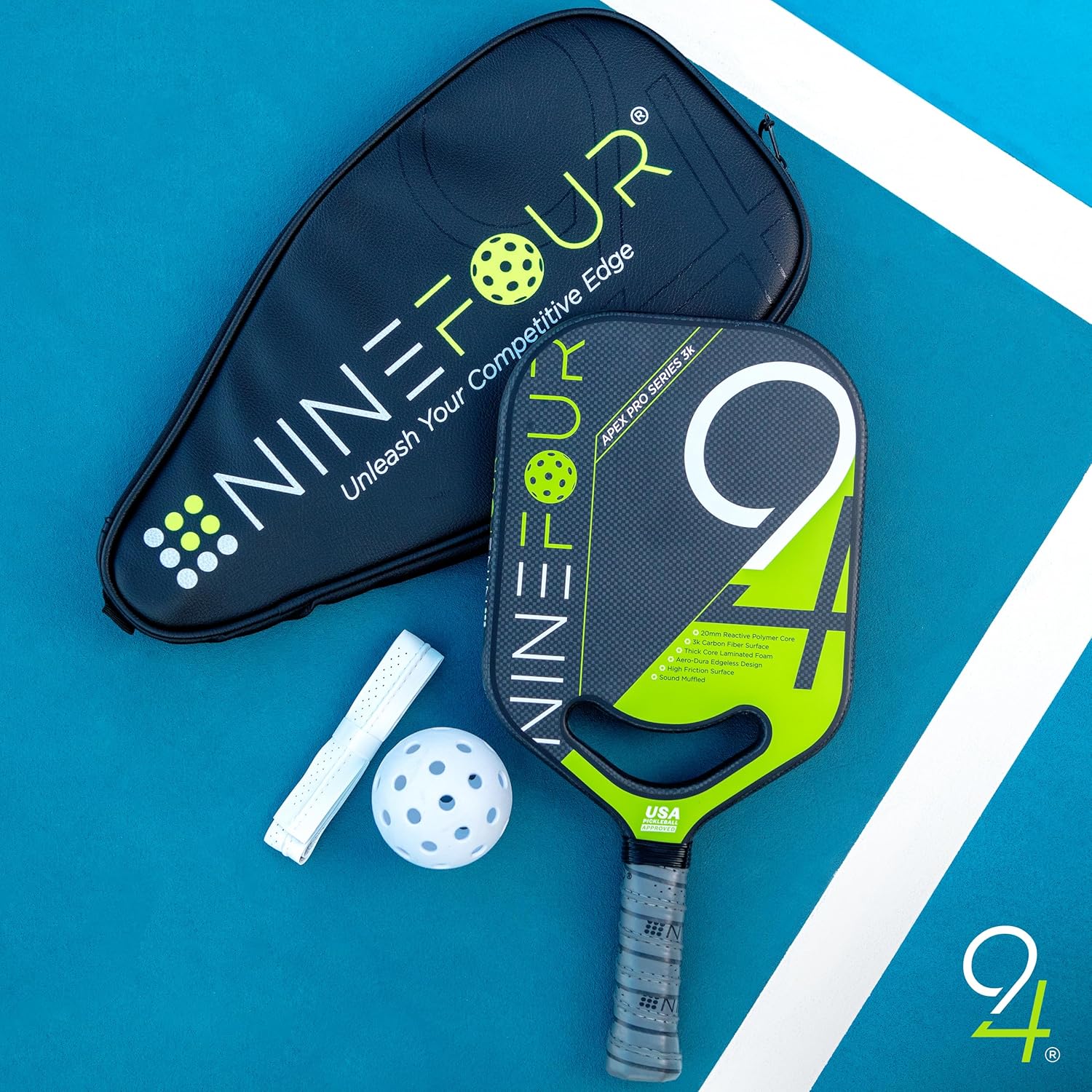
Core technologies behind the best carbon fiber pickleball paddles
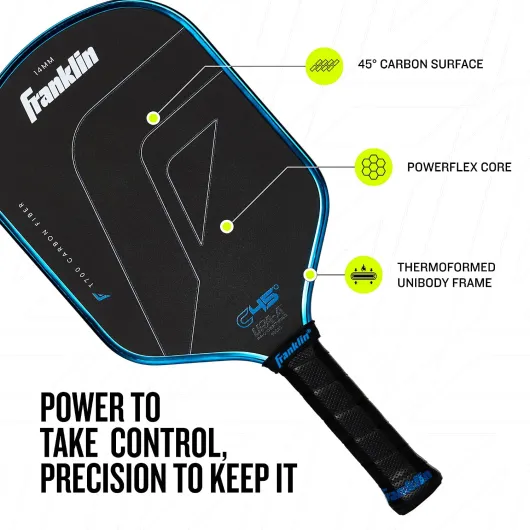
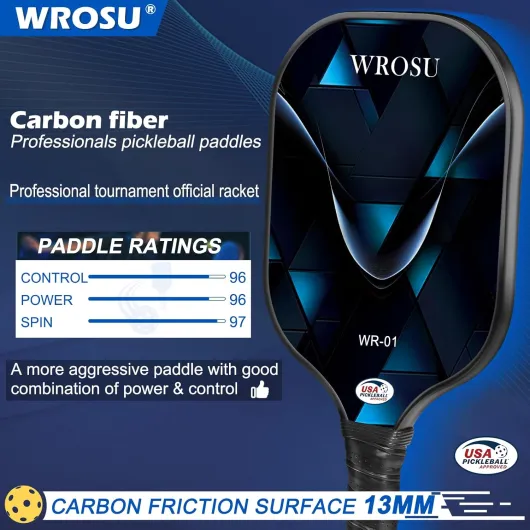
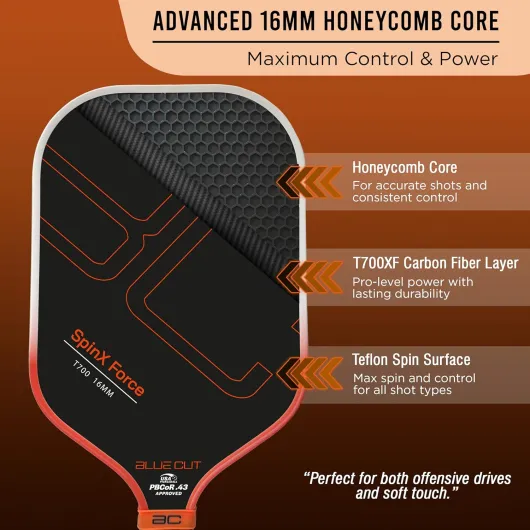
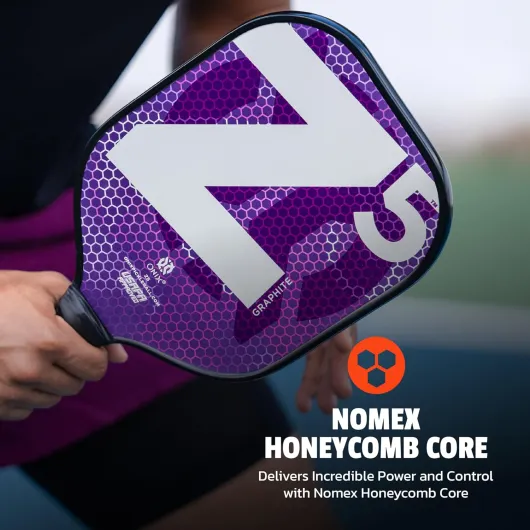
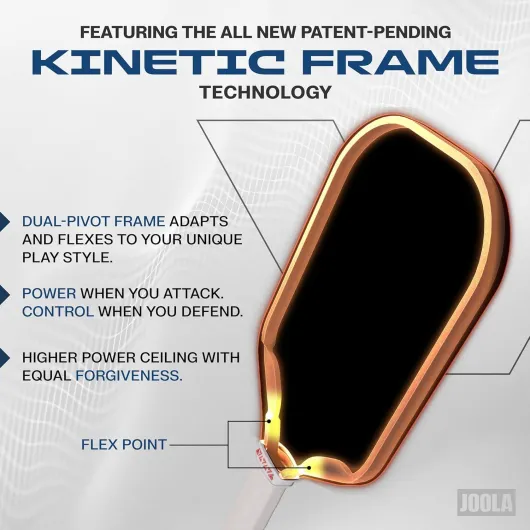
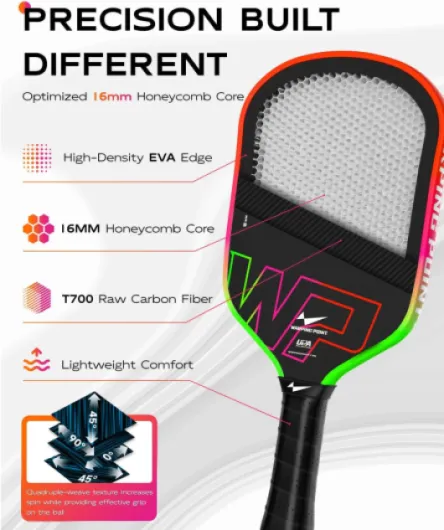
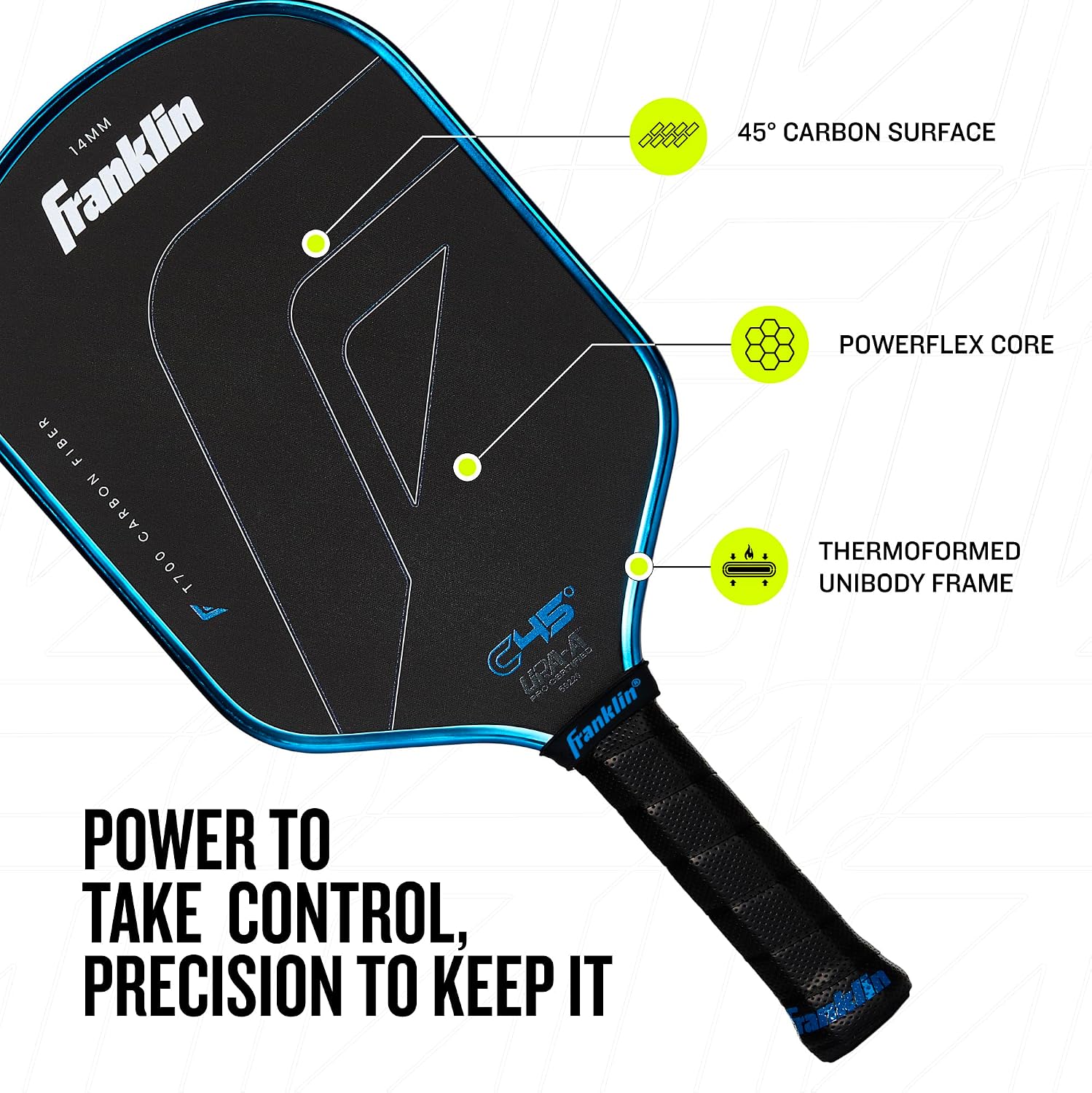
Inside every modern pickleball paddle, the core structure shapes how the face responds at impact. Many of the best carbon fiber pickleball paddles now pair a raw carbon fiber face with a polymer honeycomb interior to balance touch, power, and stability. This combination helps players feel the ball on the fiber surface while the core’s compression manages vibration and keeps the paddle stable on off center hits.
Brands such as Selkirk and CRBN have pushed this engineering further with proprietary foams and tuned chambers. Systems like trufoam waves, crbn trufoam, and trufoam genesis aim to distribute weight more evenly, enlarge the sweet spot, and reduce harsh feedback into the handle. For players prone to wrist strain, that softer yet controlled response can be as important as raw power or spin.
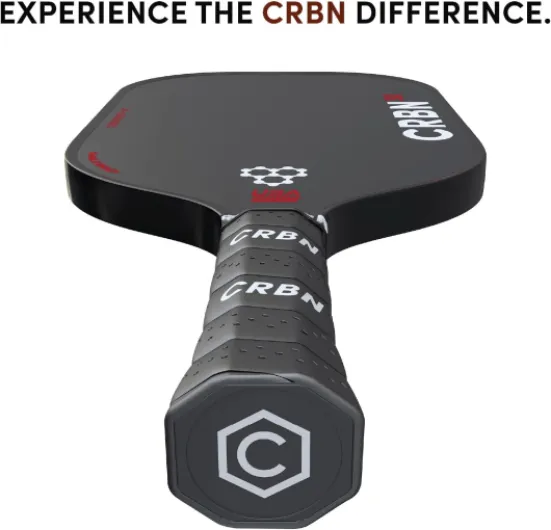
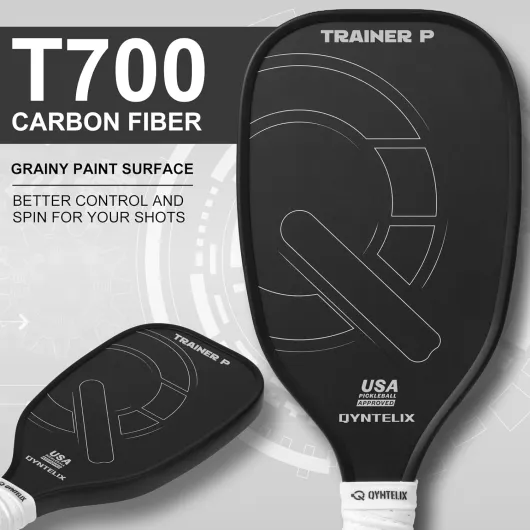
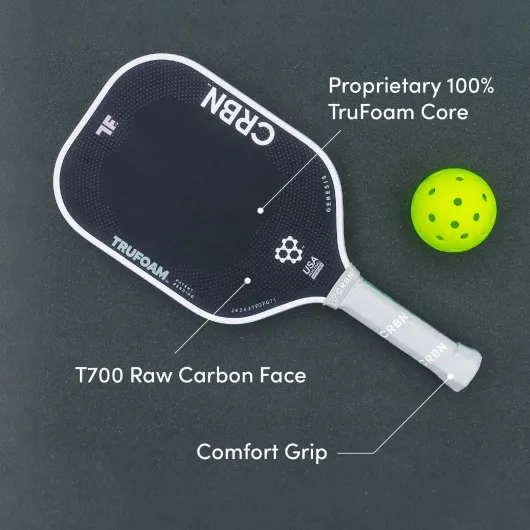
Specialist models like the Selkirk SLK Evo Power 2.0 and the CRBN 1 16 mm show how carbon fiber and core design work together. The Selkirk option uses a carbon fiber surface and a forgiving core to deliver high power with excellent control, while the CRBN paddle relies on a raw carbon fiber face for superior control and durability. Both paddles illustrate how a carefully tuned fiber face and core can support aggressive drives, soft resets, and power spin without sacrificing touch.
Players who study footwork and positioning often feel these differences most clearly during fast exchanges. When you combine a responsive carbon fiber pickleball paddle with refined movement skills from a dedicated guide to footwork and positioning mastery, the result is more confident shot selection. Understanding how your paddle’s core, weight, and fiber face interact with your swing tempo is therefore essential for consistent performance.
Shape, swing, and weight: matching paddle design to player style
Beyond materials, the geometry of pickleball paddles strongly influences how they feel in the hand. Traditional shapes emphasize a wider sweet spot and easier control, while elongated designs trade some width for extra reach and leverage on power shots. For many players, the best carbon fiber pickleball paddles sit somewhere between, offering a forgiving sweet spot with just enough elongated profile to extend coverage at the kitchen line.
Elongated paddles naturally change the swing path, often encouraging a slightly more vertical motion that enhances spin. When combined with a raw carbon or textured fiber surface, that altered swing can generate heavy power spin on serves and passing shots. However, the longer shape also shifts the balance point, so players must pay close attention to overall weight and swing weight rather than headline numbers alone.
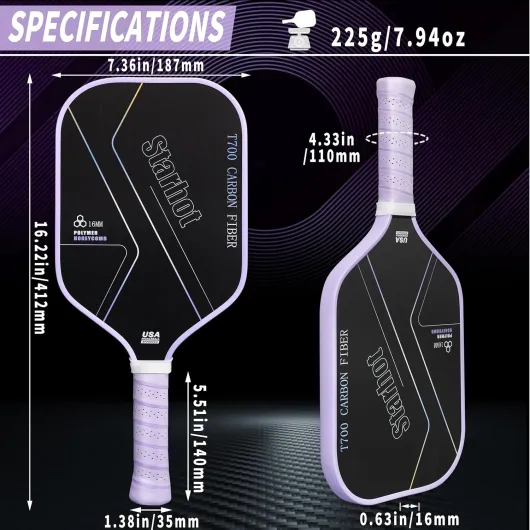
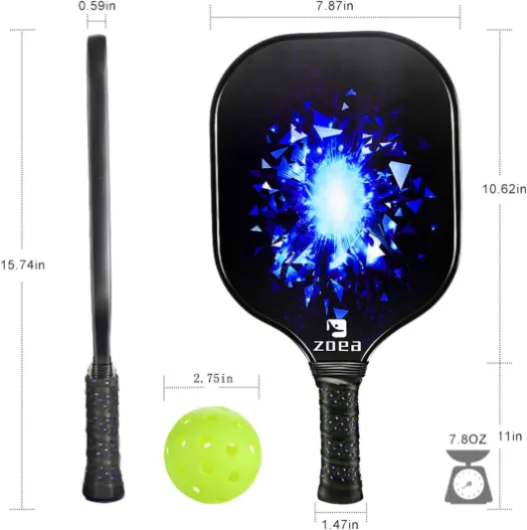
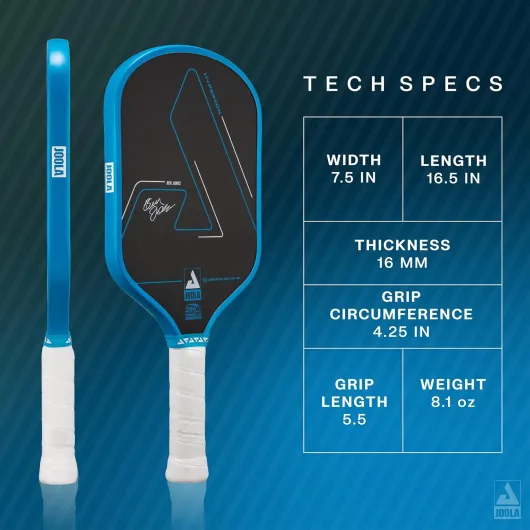
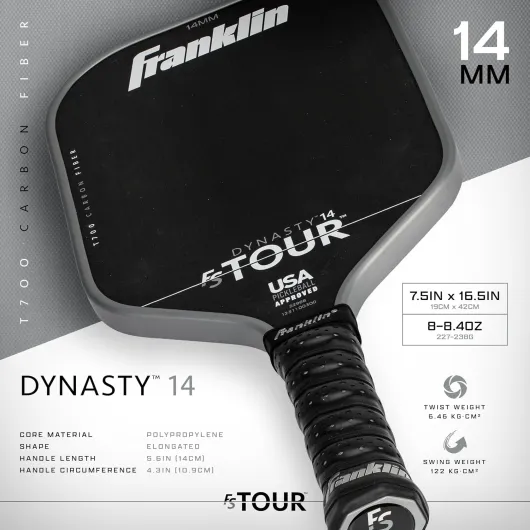
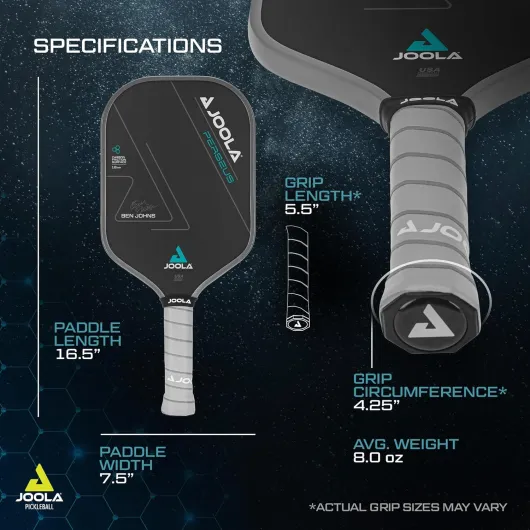
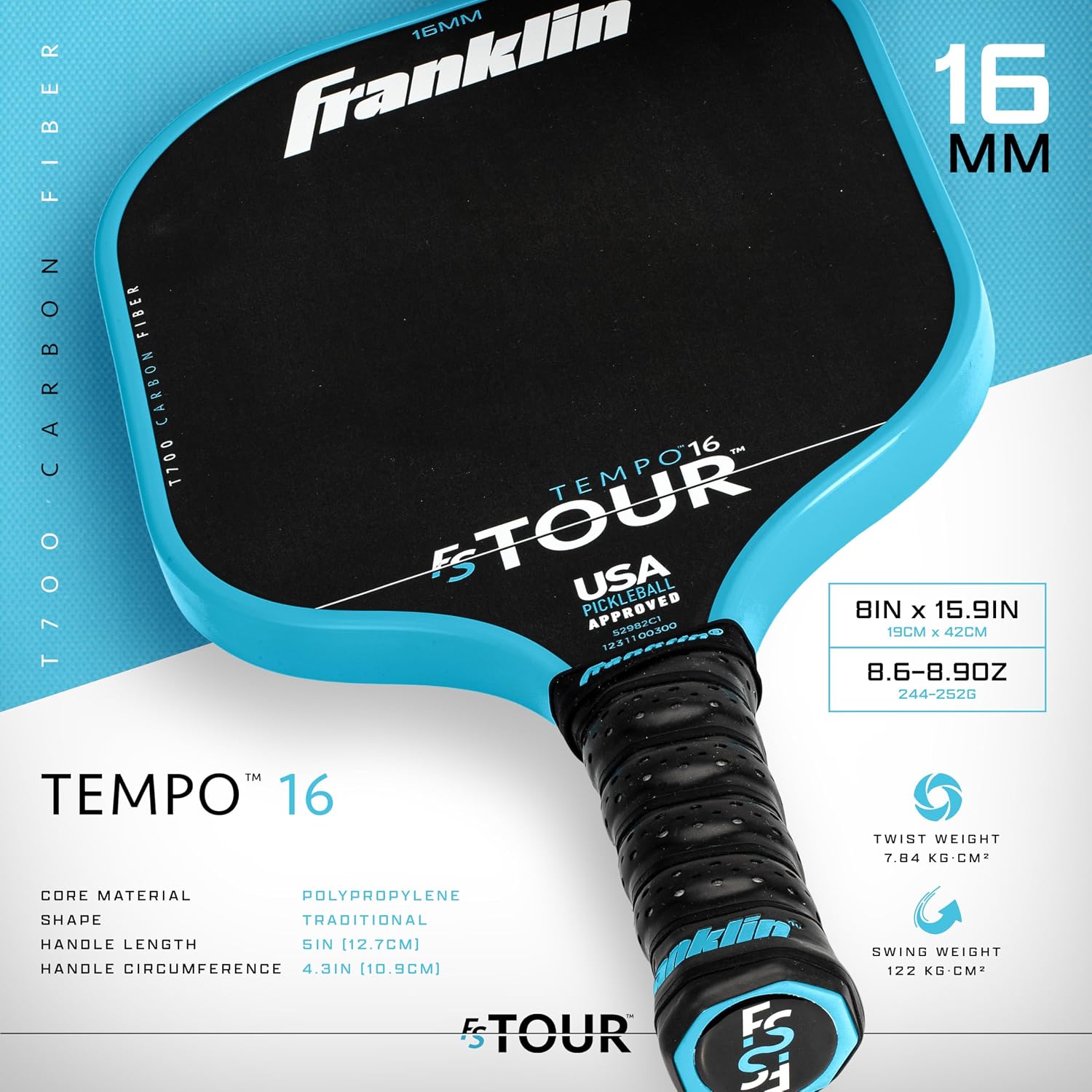
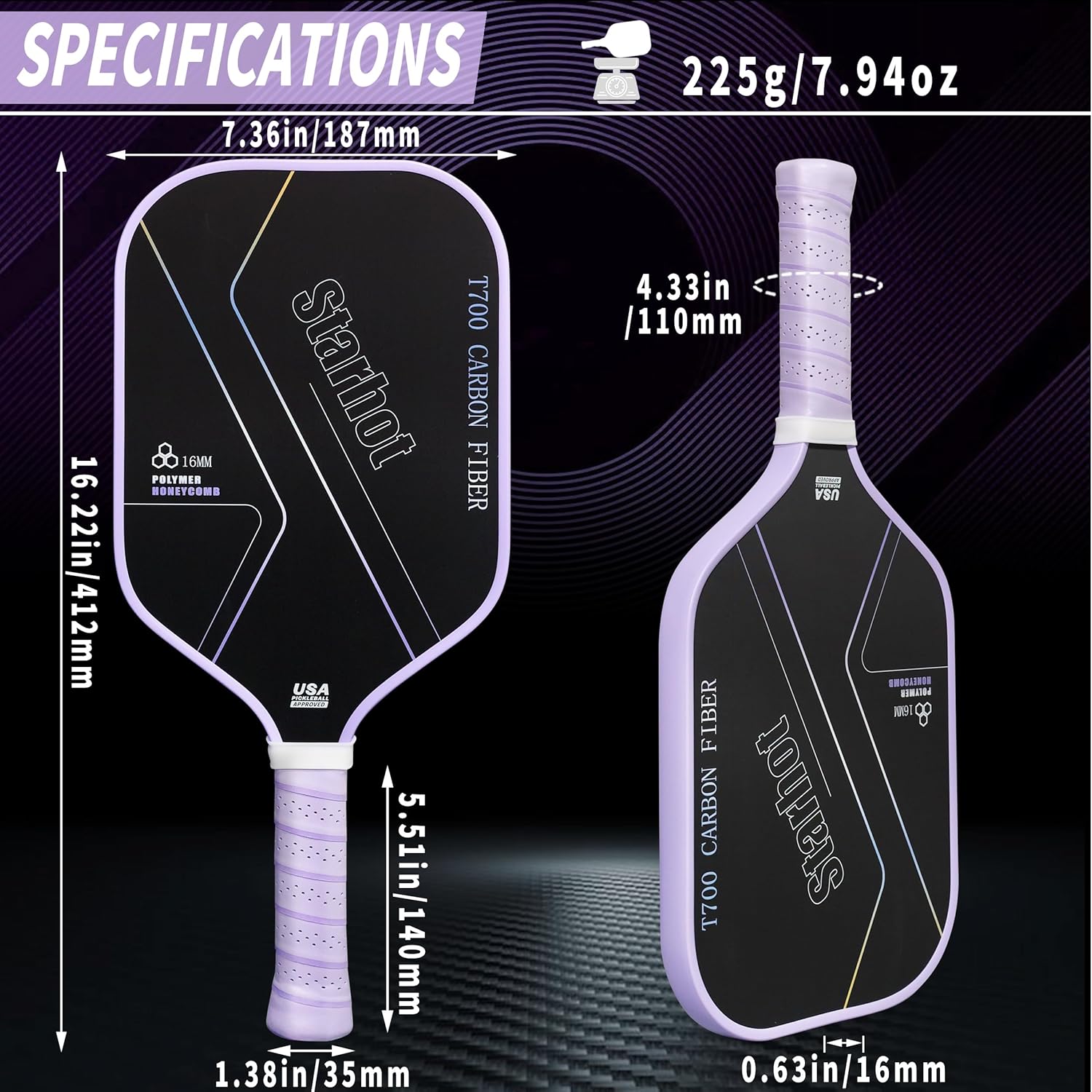
Weight remains one of the most personal choices in any pickleball paddle decision. Lighter paddles around 215 to 225 grams favor quick reactions and soft control, while heavier paddles closer to 235 grams or more reward players who rely on plow through power. Carbon fiber construction helps keep even elongated paddles manageable, but each player should test how different weights affect wrist comfort, swing timing, and stability on blocks.
Handle length and shape further refine this fit, especially for two handed backhands or smaller hands seeking extra control. A slightly longer handle can make an elongated carbon fiber pickleball paddle feel more balanced, while a shorter, thicker grip may suit players prioritizing stability over reach. Matching shape, swing characteristics, and weight to your style ensures that advanced fiber paddles enhance your strengths rather than exposing weaknesses.
Comparing leading brands, prices, and performance tiers
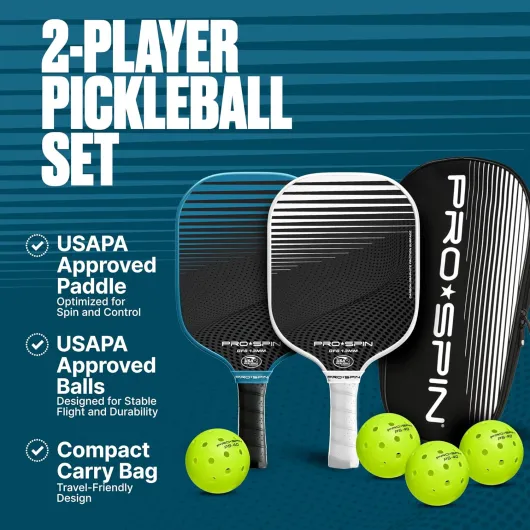
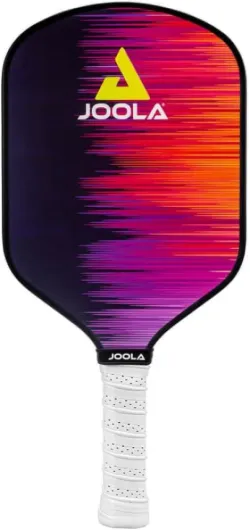
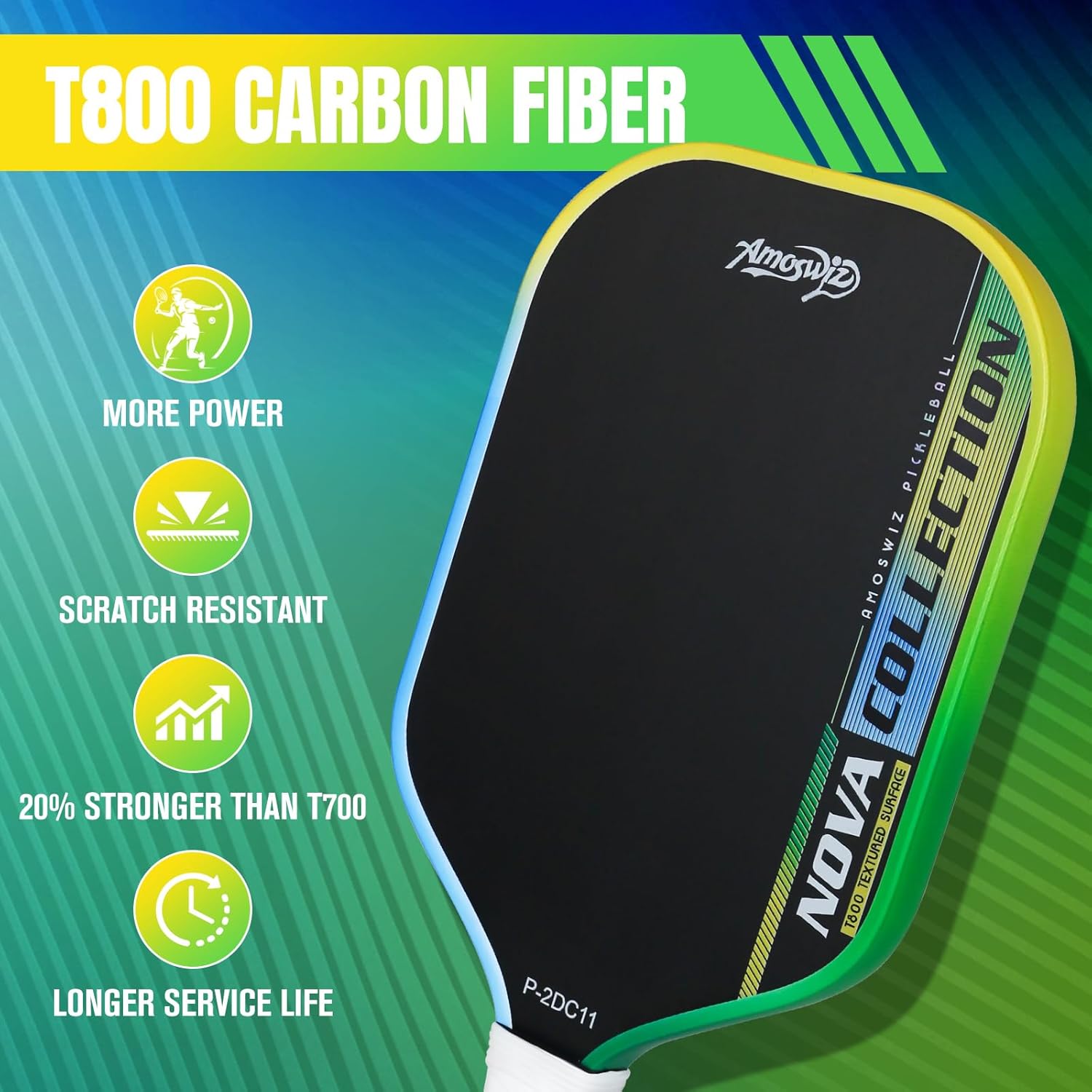
The market for carbon fiber pickleball paddles now spans clear price and performance tiers. Entry level carbon or fiber paddles from brands like Selkirk aim to introduce players to a carbon fiber surface at a relatively accessible price, often under 60 euros. Mid range models from companies such as Joola and vatic pro then add more advanced fiber surface treatments, refined cores, and better quality control.
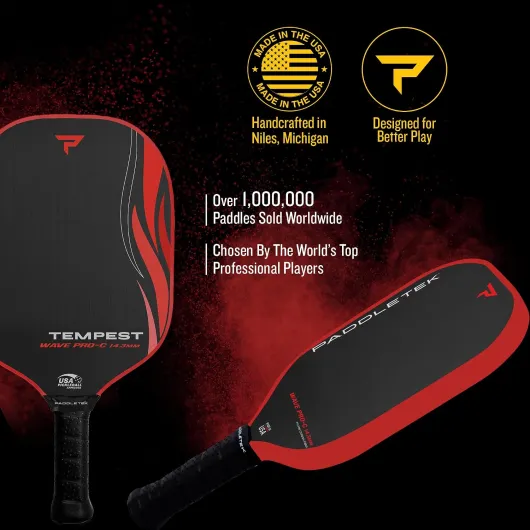
At the premium end, paddles from CRBN, engage pursuit, and pursuit pro lines focus on maximum performance for competitive players. These paddles typically feature raw carbon faces, optimized swing weight, and carefully tuned cores like trufoam genesis or crbn trufoam to deliver both power and precise control. For many advanced players, the extra price is justified by a more stable feel, larger sweet spot, and improved durability over several seasons.
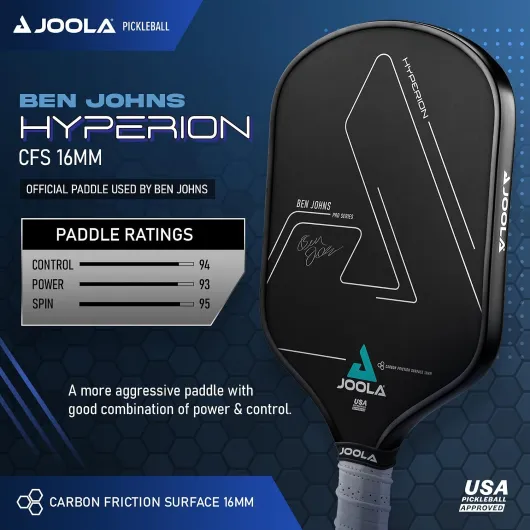
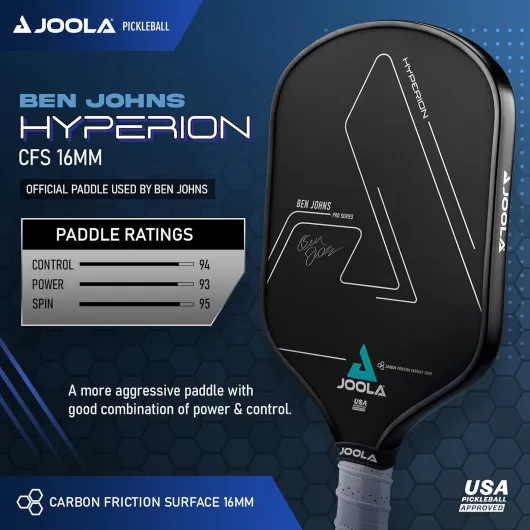
Special projects such as selkirk labs experiments push innovation even further, testing new carbon fiber layups, fiber face textures, and handle geometries before wider release. Professional athletes including ben johns often collaborate with manufacturers to refine these designs, ensuring that each pickleball paddle meets the demands of high level tournament play. Their feedback on power spin, control under pressure, and long term comfort helps guide what eventually reaches everyday players.
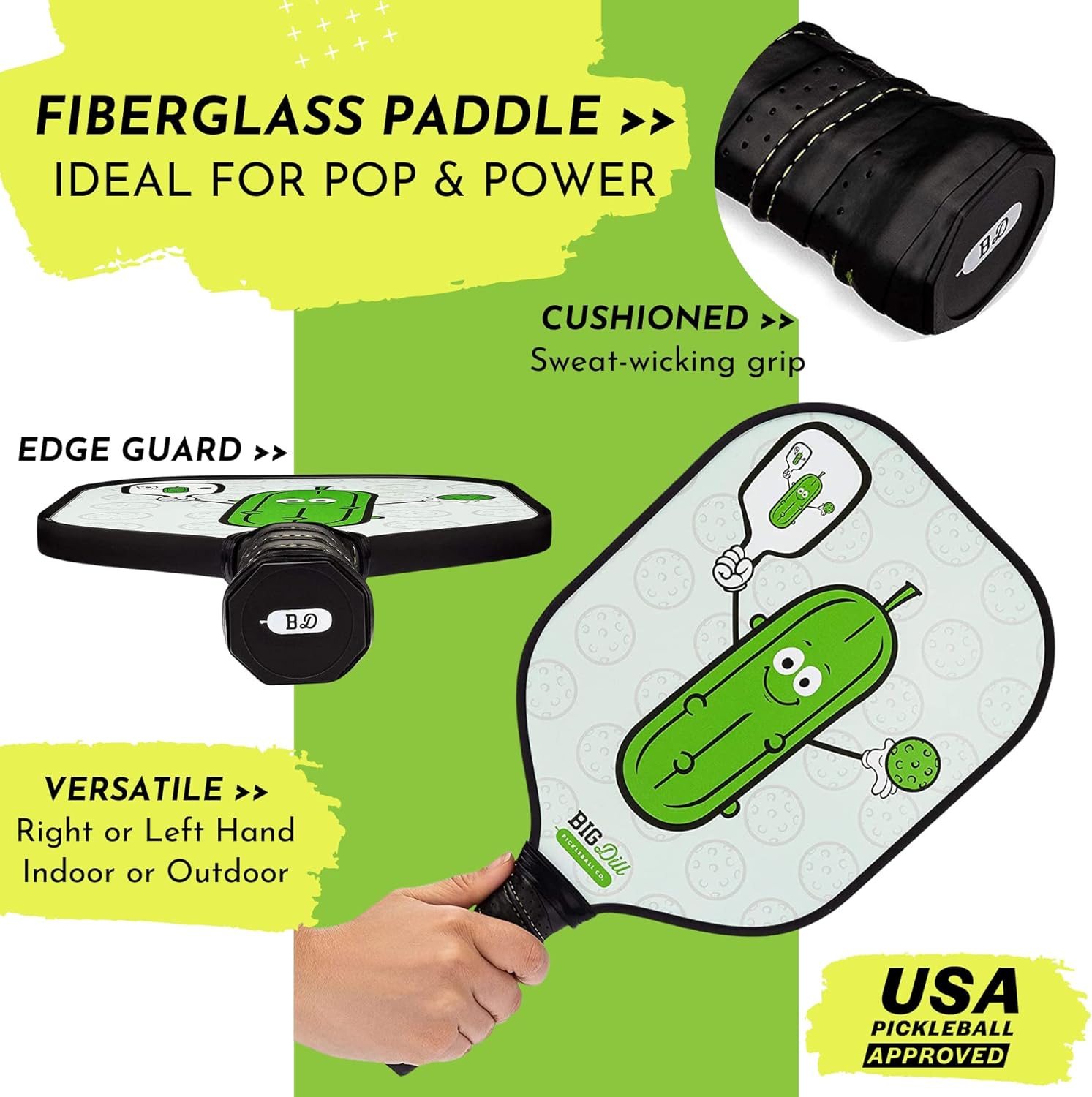
When evaluating price, players should weigh not only initial cost but also lifespan and performance consistency. A well built carbon fiber pickleball paddle with a robust fiber surface may maintain its playability longer than a cheaper fiberglass option, improving overall value. Checking authorized retailers, warranty policies, and verified pickleball paddle reviews can help ensure that the paddle you choose delivers both performance and trustworthy quality.
Injury risk, stability, and the role of supporting gear
As carbon fiber pickleball paddles enable faster rallies and heavier spin, managing injury risk becomes more important. The combination of stiffer carbon faces and higher swing speeds can increase strain on wrists and elbows if players use poor technique or an unsuitable weight. Choosing a paddle with an appropriate balance, a comfortable handle, and a stable core such as trufoam waves or trufoam genesis can reduce harmful vibration.
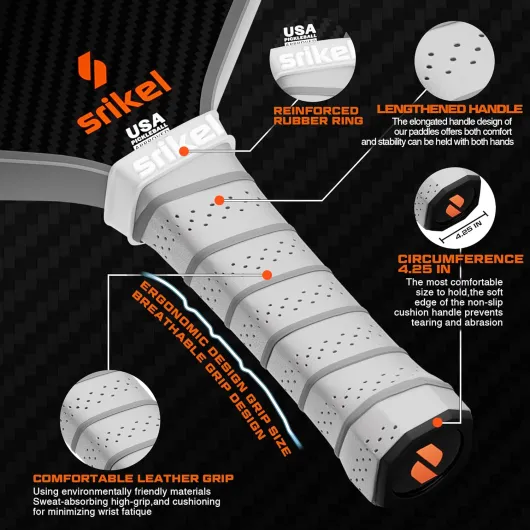
Players should also consider how grip size and overgrip texture influence control and joint comfort. A grip that is too small may force excessive squeezing, while an oversized handle can limit wrist mobility and reduce touch on delicate shots. Many pro players adjust their fiber paddles with layered grips to fine tune thickness, ensuring that the paddle feels secure without encouraging tension.
Supporting gear like quality pickleball glasses contributes to both safety and performance, especially when facing powerful drives from carbon fiber paddles. Clear, impact resistant lenses protect against mishits while preserving depth perception, which is crucial when reading spin from a raw carbon or fiber face. Combined with proper warm up and strength training, this equipment helps mitigate common issues such as wrist strain and eye injuries.
Technical education also plays a central role in staying healthy while using the best carbon fiber pickleball paddles. Resources that explain tactical positioning and shot selection, such as in depth strategic pickleball insights for enthusiasts, help players avoid overreaching or forcing low percentage power shots. When technique, paddle choice, and protective gear align, players can exploit the full power and spin potential of modern fiber pickleball technology with reduced injury risk.
Future trends and how to choose your next carbon fiber paddle
Looking ahead, several trends are likely to shape the next generation of carbon fiber pickleball paddles. Manufacturers are already experimenting with recycled carbon fiber and more sustainable production methods, extending paddle lifespan while reducing environmental impact. At the same time, embedded sensors and smart grips promise to track swing metrics, impact locations, and even spin rates across both individual paddle and paddles collections.
For players, this evolution means more data driven decisions when selecting the best carbon fiber pickleball paddles for their style. Detailed performance analytics could reveal whether a heavier elongated paddle or a lighter, more compact fiber paddle yields better control and power spin in real matches. Apps linked to smart pickleball paddles may also highlight how consistently you strike the sweet spot, guiding adjustments to swing path or handle size.
Despite these advances, the fundamentals of choosing a paddle will remain grounded in feel, fit, and realistic goals. Players should start by defining whether they prioritize control, power, or a balanced profile, then shortlist carbon fiber pickleball models that match their preferred weight and shape. Testing both raw carbon and smoother fiber surface options can clarify how much spin potential and dwell time you truly need.
Finally, consider long term value rather than chasing every new release or pro endorsed model. A well chosen carbon fiber pickleball paddle from a reputable brand such as Selkirk, CRBN, engage pursuit, or vatic pro can support years of improvement if properly maintained. By aligning material technology, swing characteristics, and budget, players can build a coherent equipment strategy that keeps pace with the sport’s rapid evolution.
Key statistics on carbon fiber pickleball paddles
- Average weight for leading carbon fiber pickleball paddles is approximately 8 ounces, supporting a balance between maneuverability and stability.
- Typical price for quality carbon fiber pickleball paddles centers around 150 USD, with clear tiers from budget to premium models.
- Average lifespan for a well maintained carbon fiber pickleball paddle is about 2 years of regular play.
- Intermediate players represent roughly 50 % of the active player base, making them a primary audience for versatile fiber paddles.
- Market analyses indicate a sustained rise in carbon fiber paddle sales, driven by demand for better control, power, and durability.