Control, spin and sweet spot: how graphite faces change your game
Control starts at the moment the ball meets the paddle face. A quality graphite pickleball surface grabs the ball slightly longer, which helps players shape spin and direct the ball toward tight sidelines or sharp cross court angles. When the sweet spot is large and predictable, you can swing with confidence and let the graphite construction handle the fine control while you focus on court positioning.
Many of the top graphite pickleball paddles use a polymer honeycomb core tuned for soft feel. This honeycomb core absorbs vibration so the racket feels stable on blocks while still returning enough power for passing shots and counter attacks. If you value touch over raw power, you should also look at specialist control oriented paddles such as those reviewed in this guide to control focused pickleball paddles, then compare how their graphite or carbon fiber faces manage spin and depth on dinks, drops and lobs.
Graphite paddles also shine at the kitchen line where control power matters most. A light graphite or carbon face lets you reset a fast ball with a compact motion, then roll topspin dinks that stay low over the net and land near the opponent’s feet. When matched with the right grip size and shape, these paddles give players the best chance to win soft game exchanges without over swinging or losing accuracy under pressure.
Power, carbon fiber builds and the role of the core
Power in graphite pickleball paddles does not come from weight alone. It comes from how the graphite or carbon fiber face interacts with the internal core when the ball strikes the hitting surface. A stiffer carbon or graphite paddle face over a responsive honeycomb core can feel explosive yet still controlled, especially when you square up the ball in the center of the face.
Some advanced paddles now combine carbon fiber with foam or modified polymer cores to change how energy returns to the ball. Independent lab tests on foam core designs, such as those highlighted in this paddle hot list of foam core models, show how core density and thickness alter both power and dwell time; for example, several tested paddles with higher density foam cores showed longer ball contact times than comparable hollow honeycomb builds according to the manufacturers’ published test summaries. When you compare graphite paddles, pay attention to whether the core is polypropylene honeycomb, hybrid foam, or another engineered structure, because that core choice often matters more than a small difference in regular price.
Players who hit a heavy ball often prefer a slightly heavier graphite pickleball paddle with a thicker core. This setup increases plow through, so the racquet best suits drives and counter attacks from the baseline and mid court. If you rely on quick hands instead, a lighter carbon or graphite face with a thinner honeycomb core can give you faster reaction time while still generating enough power to finish points when you see an opening.
Key brands, models and what their graphite designs offer
Among graphite pickleball paddles, Selkirk Sport has become a reference brand. Its Selkirk graphite lines, including the Selkirk Amped and the Air Invikta series, use a carbon fiber or graphite face over a tuned polymer core to blend control power for aggressive players. Many players describe the Air Invikta graphite paddle as a long reach option with a generous sweet spot that still feels quick at the net and comfortable during long sessions.
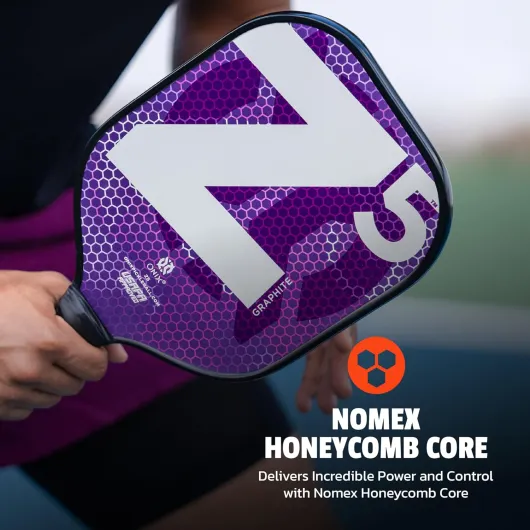
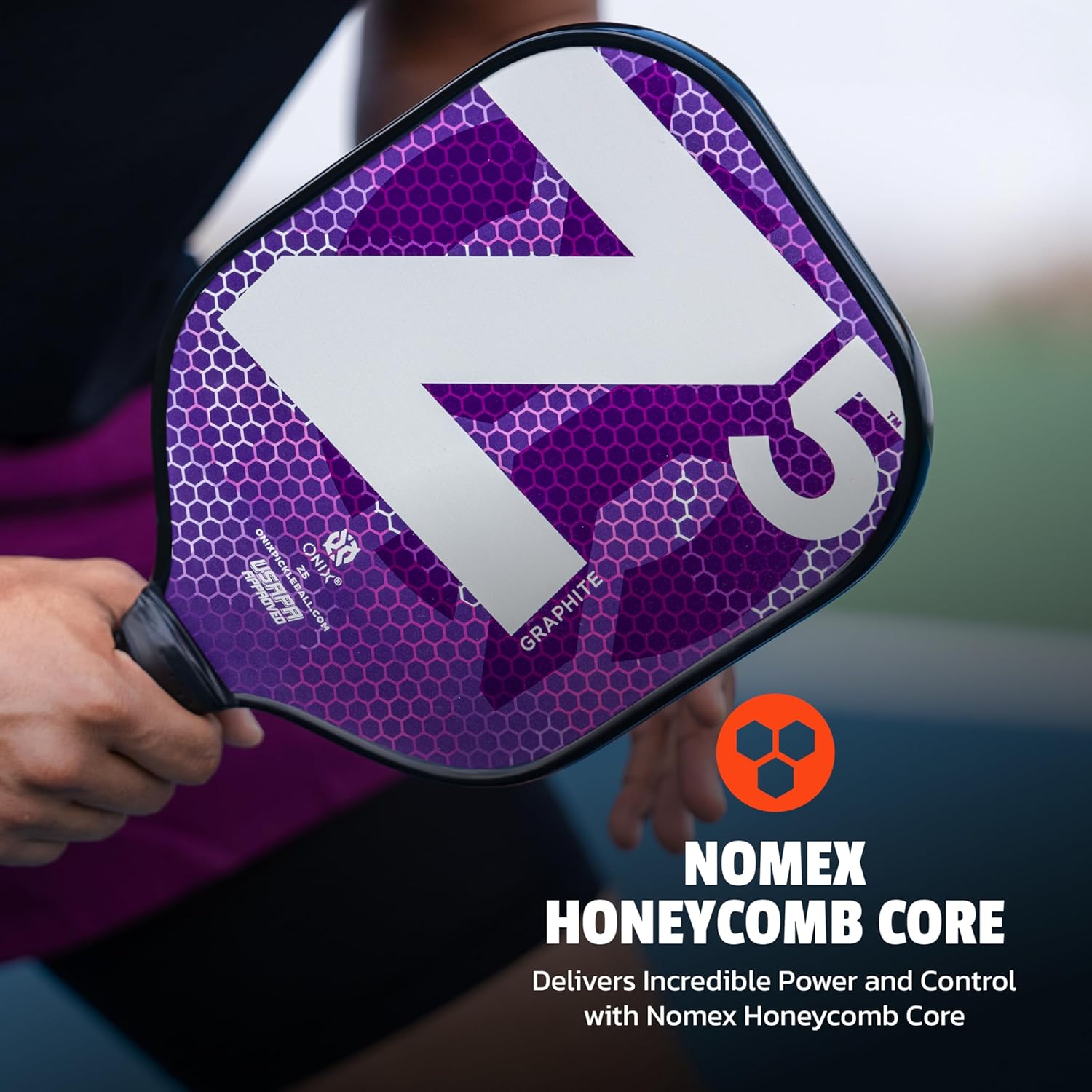
Onix graphite paddles occupy another important segment of the graphite pickleball market. An Onix graphite pickleball paddle typically pairs a graphite or composite face with a Nomex or polymer honeycomb core, giving a crisp feel that some players prefer for drives and put aways. If you bought a graphite model last month and felt it was too stiff, an Onix graphite paddle with a softer core might offer a better balance between power and touch, especially if you like to mix hard drives with soft blocks.
Several Selkirk Sport and Onix graphite paddles are USAPA approved, which means they meet official pickleball equipment standards for sanctioned play. When you compare these paddles, look beyond the regular price and focus on details such as grip circumference, handle length and overall paddle weight. A well matched Selkirk or Onix graphite pickleball paddle can feel like the best pickleball upgrade you have made in years, especially if you move from an older fiberglass or wood design that lacks a modern polymer honeycomb core.
How to choose the best graphite paddle for your style and budget
Start by matching paddle weight and balance to your physical strengths. Lighter graphite paddles around 200 to 220 grams suit players who value hand speed and control over raw power. Heavier graphite or carbon fiber pickleball paddles closer to 230 grams can help generate a heavier ball with less effort, but they demand stronger wrists and shoulders and can feel tiring if you play several matches in a row.
Next, evaluate grip size, shape and texture because grip comfort directly affects control. A grip that is too large reduces wrist mobility and spin, while a grip that is too small can cause over squeezing and fatigue during long pickleball sessions. Many graphite pickleball paddles now offer perforated or tacky grips that manage sweat and give players a secure hold on the paddle even in humid conditions or outdoor summer leagues.
Budget also matters, especially when comparing graphite and carbon fiber builds at different price points. Entry level graphite paddles often use simpler cores and fewer fiber layers, yet they can still be USAPA approved and perfectly adequate for club level pickle ball. Higher price graphite pickleball models justify their cost with more advanced fiber pickleball layups, refined honeycomb core tuning and tighter quality control, which together deliver more consistent performance across the entire sweet spot and better durability over time.
Where to buy graphite pickleball paddles and how to read listings
Online marketplaces have made it easier to compare graphite pickleball paddles quickly. When browsing a large platform such as Amazon, filter for USAPA approved graphite or carbon fiber paddles and then read how players describe power, control and spin in real match conditions. Pay attention to whether reviewers mention the paddle best suits beginners, intermediate players or tournament competitors, and note how many hours of play they report before seeing wear.
Product pages often highlight features such as honeycomb core thickness, graphite or fiberglass face material and overall paddle weight. A listing might show a regular price crossed out with a lower current price, but do not let a temporary discount overshadow whether the paddle’s grip size, balance and sweet spot truly fit your game. If several reviewers say they bought the same graphite pickleball paddle last month and still praise its durability, that consistency can be more valuable than a small saving or a flashy cosmetic design.
Specialist retailers and club pro shops remain important for hands on testing of graphite paddles. Trying a Selkirk Sport Air Invikta, an Onix graphite model and a mid range fiberglass paddle side by side will quickly reveal which construction gives you the best pickleball feel. If you are also shopping for presents, you can find thoughtful gift ideas for pickleball lovers in this curated guide to pickleball gifts, then match each gift to the recipient’s playing style and budget so the paddle or accessory actually gets used.
Key statistics on graphite pickleball paddles and player trends
- Market research from the Sports and Fitness Industry Association (SFIA) reported that pickleball participation in the United States grew by more than 150 percent over a recent three year span (SFIA 2023 Pickleball Report), which has driven rapid expansion in graphite pickleball paddle offerings across all price tiers.
- Industry sales data from major retailers, summarized in SFIA’s 2023 Manufacturers’ Sales by Category report, indicate that composite and graphite paddles now account for well over half of all pickleball paddle sales, reflecting a clear shift away from wood and basic fiberglass designs among recreational players.
- Testing by several independent pickleball laboratories, as well as internal impact studies cited by leading manufacturers, has shown that paddles with a polymer honeycomb core and a graphite or carbon fiber face can reduce vibration transmitted to the hand compared with older solid core constructions, improving comfort for frequent players. Readers should consult the latest SFIA and brand technical sheets for specific test values.
- Equipment surveys conducted at large amateur pickleball tournaments, such as the APP and PPA tour stops, reveal that more than two thirds of competitive players use USAPA approved graphite or carbon fiber paddles, underscoring the trust placed in these materials for both power and control.
- Retail analytics from online marketplaces, based on aggregated customer rating summaries published by major paddle brands, show that graphite pickleball paddles in the mid price range, rather than the cheapest or most expensive models, consistently receive the highest average customer ratings, suggesting that many players prioritize balanced performance over extreme specifications.