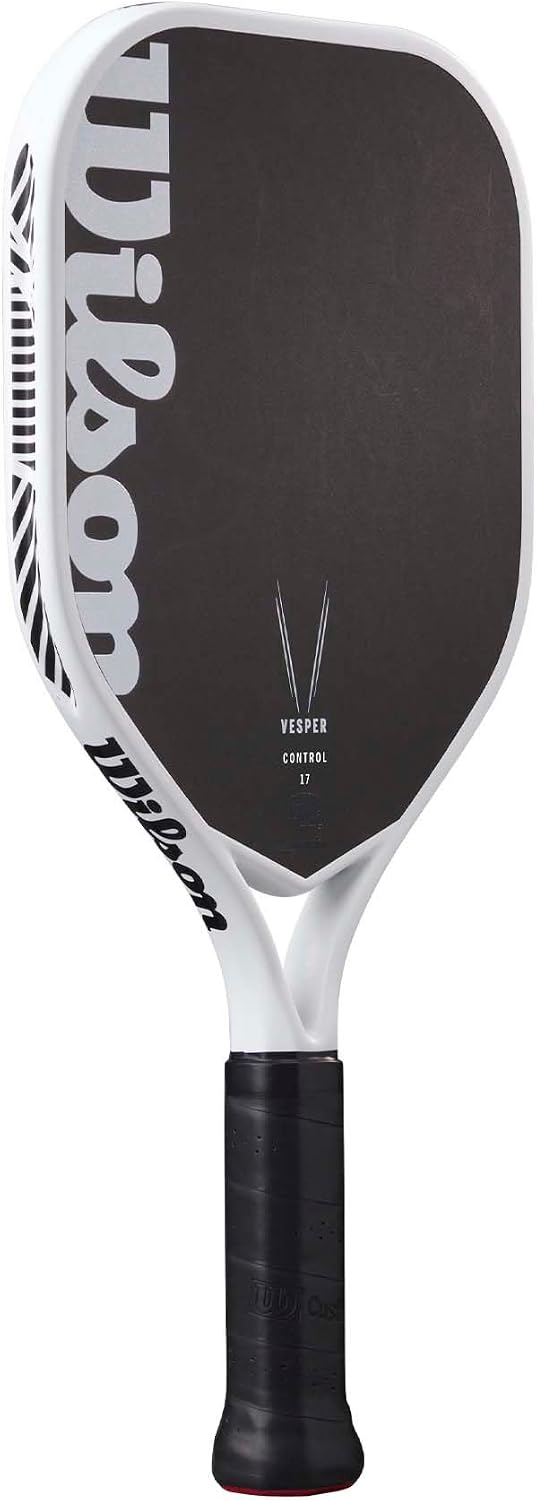
Core materials, foam technology, and how they shape feel
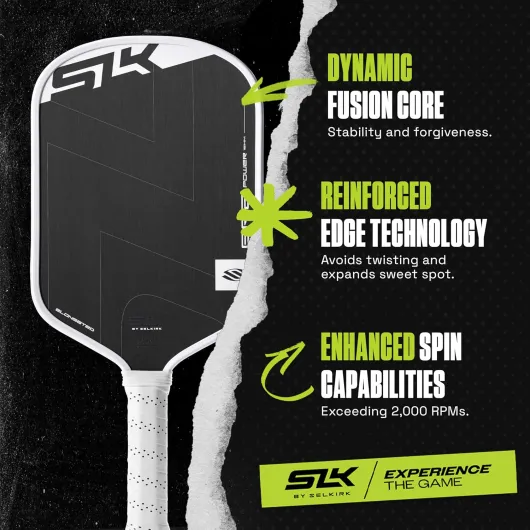
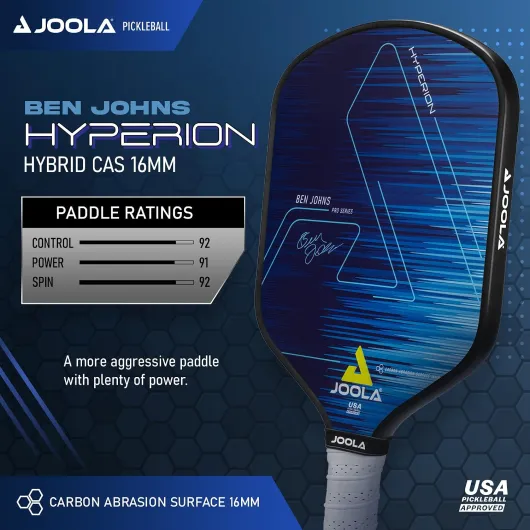
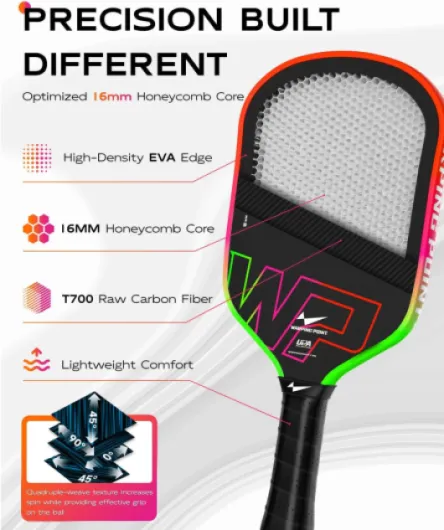
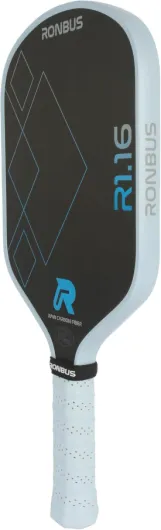
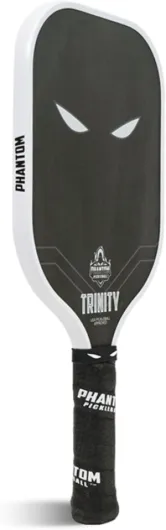
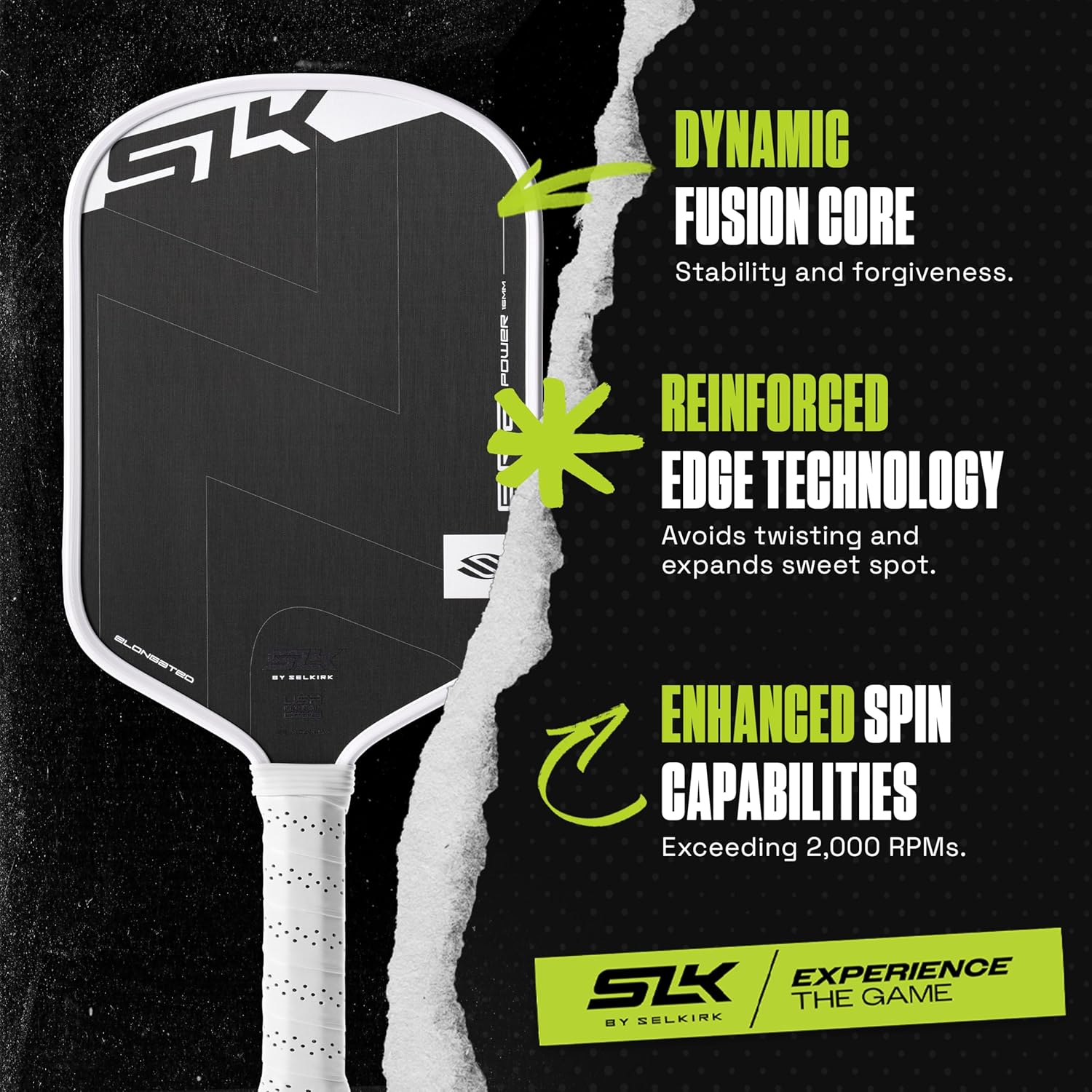
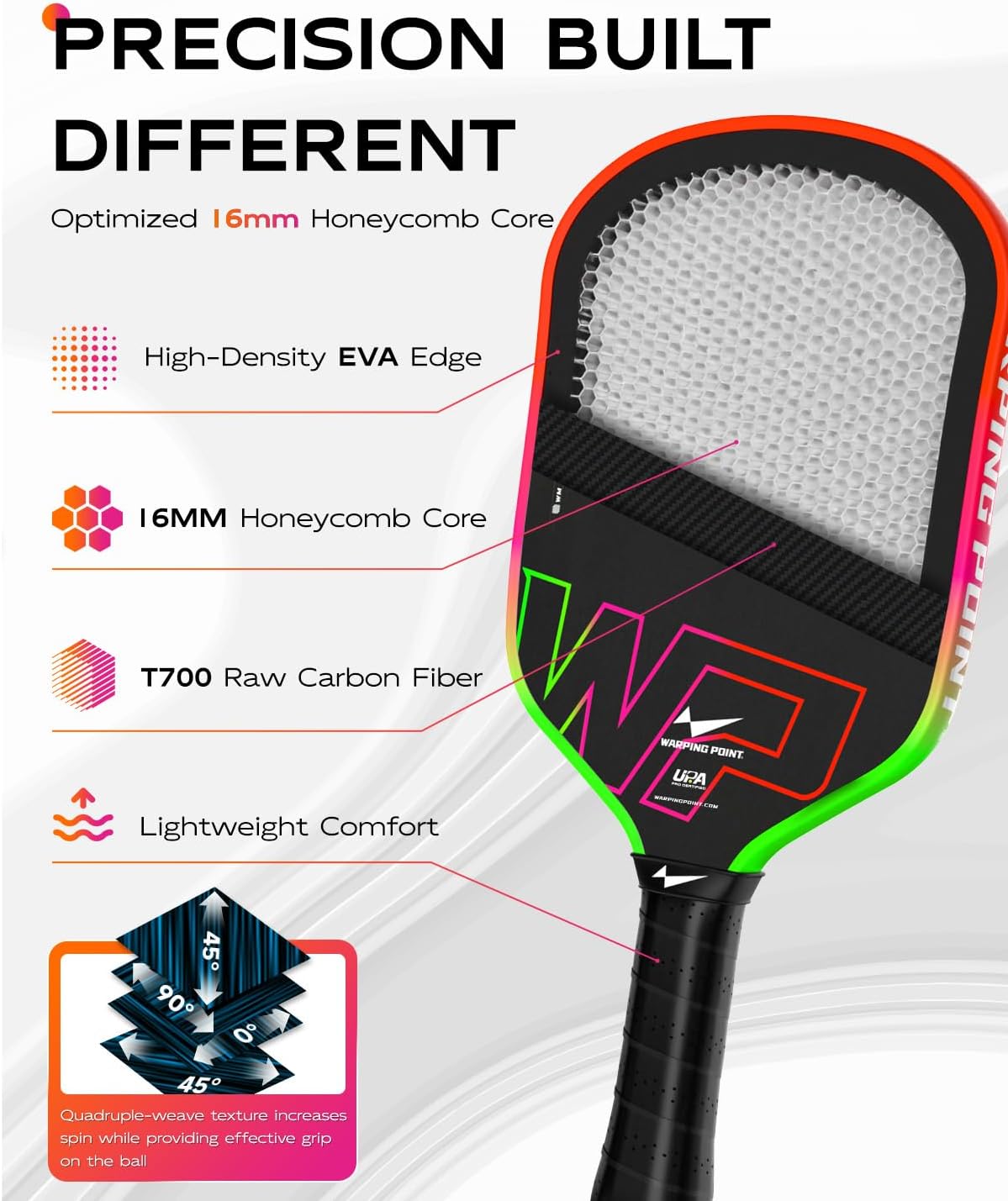
Under the raw carbon surface, the core of the paddle dictates how vibrations travel into your hand and how much power you can access without losing control. Most of the best raw carbon surface paddles rely on a polypropylene honeycomb core, sometimes combined with a foam core perimeter or injected foam around the edges to enlarge the sweet spot. When a manufacturer talks about a foam paddle or crbn trufoam style construction, they usually refer to this edge foam that stabilizes the paddle face and reduces twisting on off center hits.
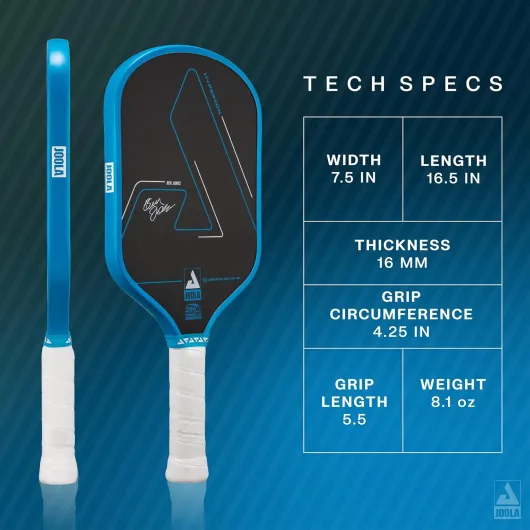
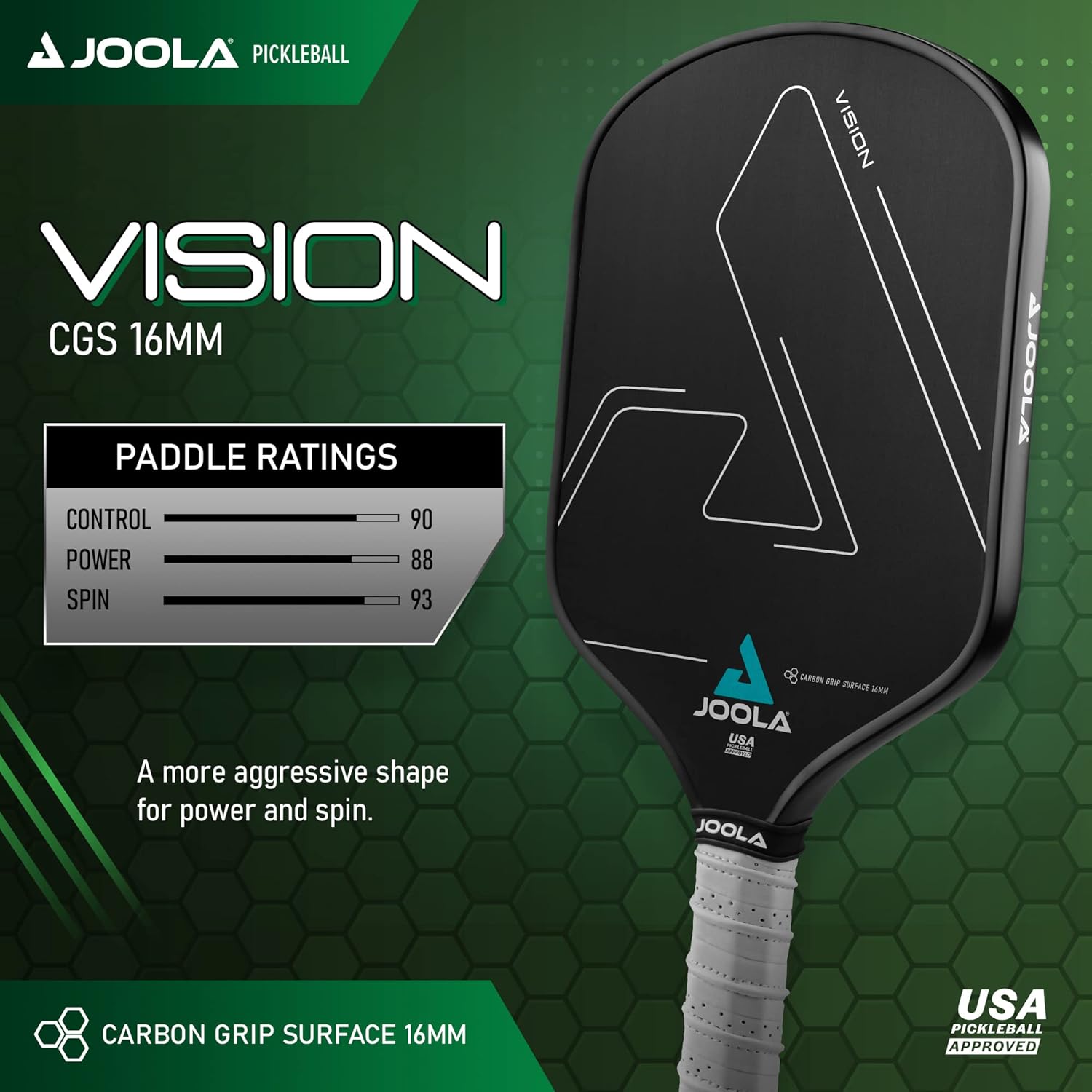
Players who prefer a softer feel often gravitate toward thicker cores in the 16 millimetre range, because the extra material absorbs shock and lengthens dwell time on the ball. Thinner cores closer to 13 millimetres return more raw power and a crisper response, which some pro level hitters like for driving through the court and attacking second serves. A balanced design that mixes a stable foam core with a raw carbon fiber face can offer both power control and comfort, especially for players who train several hours per week and want to protect their joints.
When you read a technical review of a carbon fiber pickleball paddle with foam injected edges, such as the detailed test available through this independent carbon fiber paddle analysis, pay attention to how testers describe feel and stability. Terms like plush, muted, or connected refer to how the paddle transmits information about the ball through the handle and into your fingers. That sensory feedback matters because it helps advanced players judge spin, pace, and contact quality instantly, which in turn shapes tactical decisions during a tight pickleball game.
Shape, elongated paddles, and matching power to your style
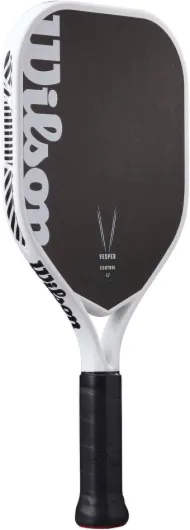
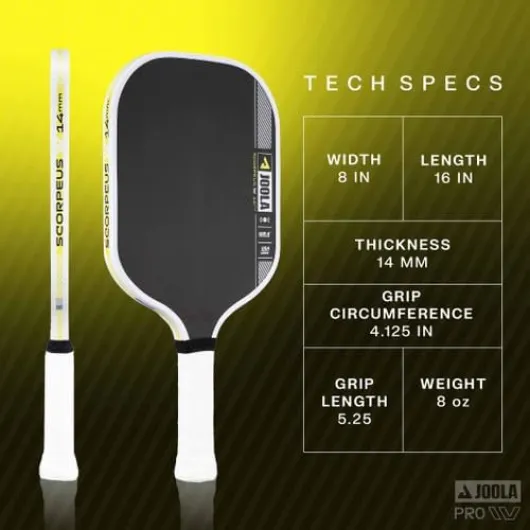
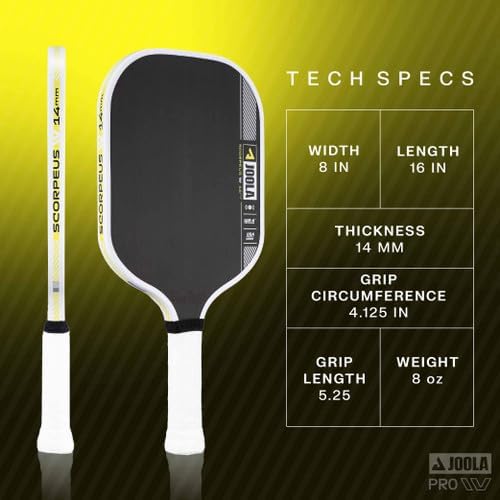
Shape is the next major variable when comparing the best raw carbon surface paddles, because it changes both reach and maneuverability. A traditional shape offers a wider paddle face and a very forgiving sweet spot, which many recreational players appreciate when they are still refining timing and footwork. By contrast, an elongated paddle design stretches the hitting surface vertically, trading a little width for extra reach on serves, overheads, and passing shots.
For aggressive baseliners, an elongated raw carbon paddle can unlock more power because the longer shape slightly increases swing radius and therefore potential racket head speed. That extra leverage, combined with a grippy carbon fiber surface, can generate higher rpm on topspin drives and heavy roll volleys that dip sharply inside the court. However, some players with compact strokes or slower reaction times may prefer a standard shape because it feels quicker at the kitchen line and offers more intuitive control on fast exchanges.
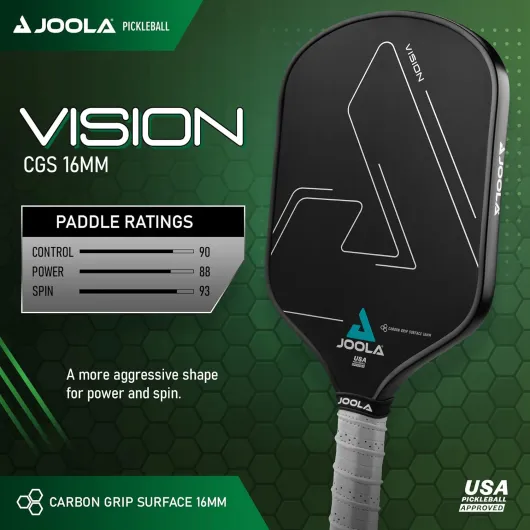
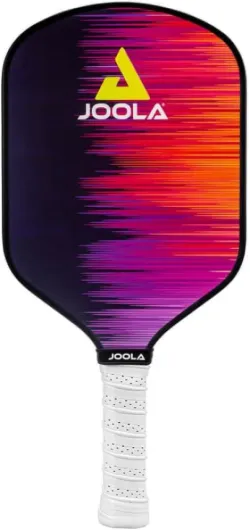
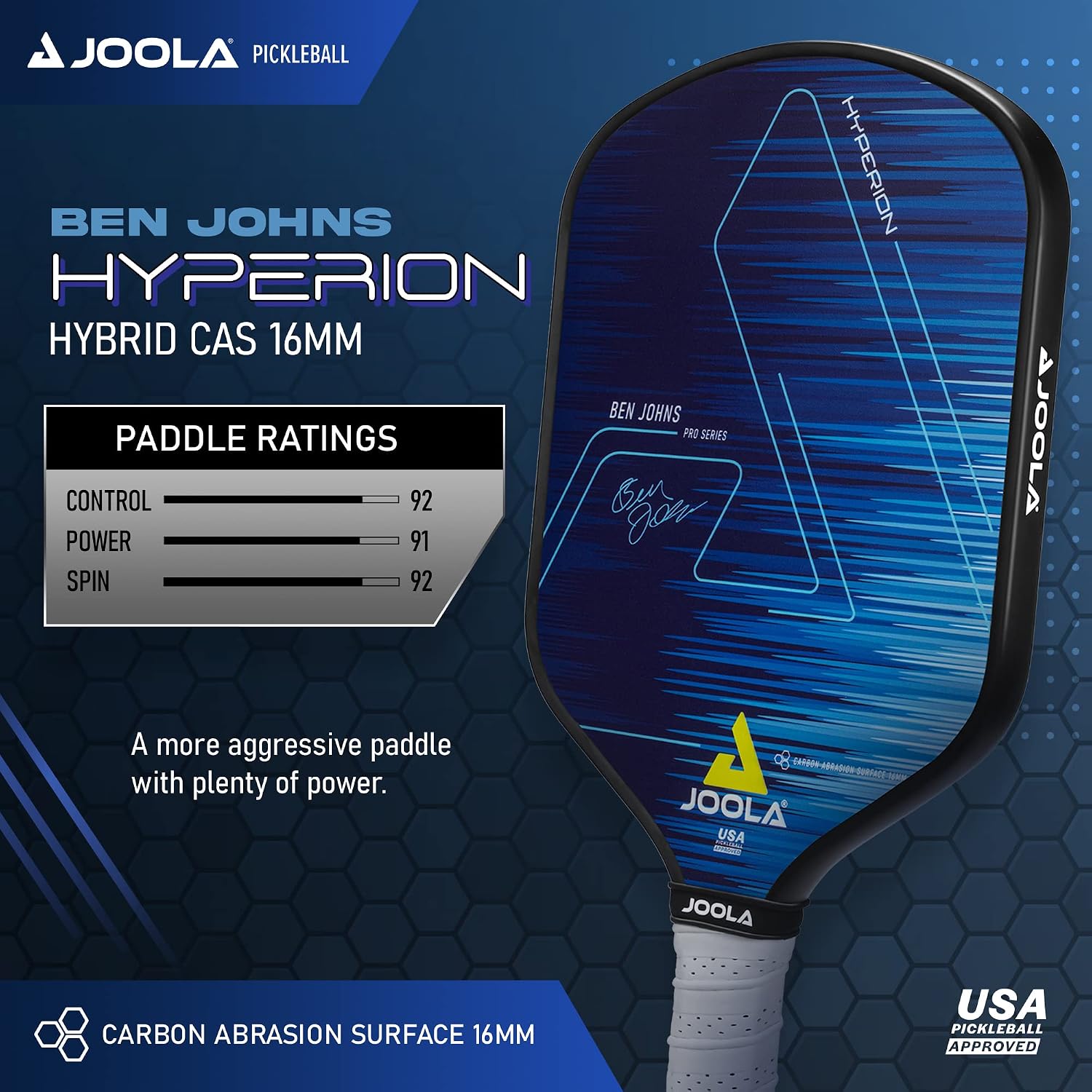
Professional circuits showcase both shapes, and many joola pro sponsored athletes switch between elongated paddles and more traditional profiles depending on conditions. If you are evaluating top professional pickleball paddles, a curated guide such as this selection of professional level paddles can help you check which models align with your own strengths. The key is to test how each paddle balances raw power, touch, and stability in real rallies rather than relying only on specifications printed on a code label or marketing sheet.
Spin, rpm friction, and why surface texture matters
Spin has become the defining characteristic of best pickleball play at higher levels, and raw carbon surfaces sit at the centre of that evolution. Because the carbon weave is exposed rather than buried under paint, the micro texture increases friction and lets players grab the ball more effectively on contact. That extra grip translates into higher rpm on topspin, slice, and sidespin, which reshapes how you construct points from the baseline and at the net.
Manufacturers sometimes use terms such as rpm friction or friction pro style texture to describe how their raw carbon paddle face interacts with the ball. While marketing language can be confusing, the underlying physics remain simple, because more friction means more spin potential when you swing with the correct brushing motion. Advanced players exploit this by rolling heavy topspin dinks that jump off the court, carving sharp angle volleys, and bending passing shots around opponents who crowd the middle.
Spin is not only about offense, since extra rpm also stabilizes defensive blocks and resets in frantic pickleball rallies. When the ball sits on the paddle a fraction longer, dwell time increases and you gain a split second to adjust the paddle face angle, which improves control under pressure. If you check slow motion review clips of elite matches, you will notice how often a compact pro level swing still produces heavy spin simply because the raw carbon surface grips the ball so effectively.
Balancing power, control, and feel for different players
Choosing among the best raw carbon surface paddles ultimately means deciding how you want to balance power, control, and feel. Some paddles emphasise raw power with stiffer cores and denser carbon fiber layups, which suit players who like to attack early and finish points quickly. Others prioritise touch and control by using slightly softer cores, foam perimeter systems, and more flexible fiber pickleball faces that cushion the ball.
For many advanced players, the ideal pickleball paddle offers power control rather than extremes at either end of the spectrum. A model such as an aura pro style design, for example, might blend a responsive core with a forgiving sweet spot so you can swing freely without spraying balls long. When you test paddles, pay attention to how the ball feels on the strings equivalent, whether the paddle twists on off centre hits, and how confidently you can aim at small targets under match pressure.
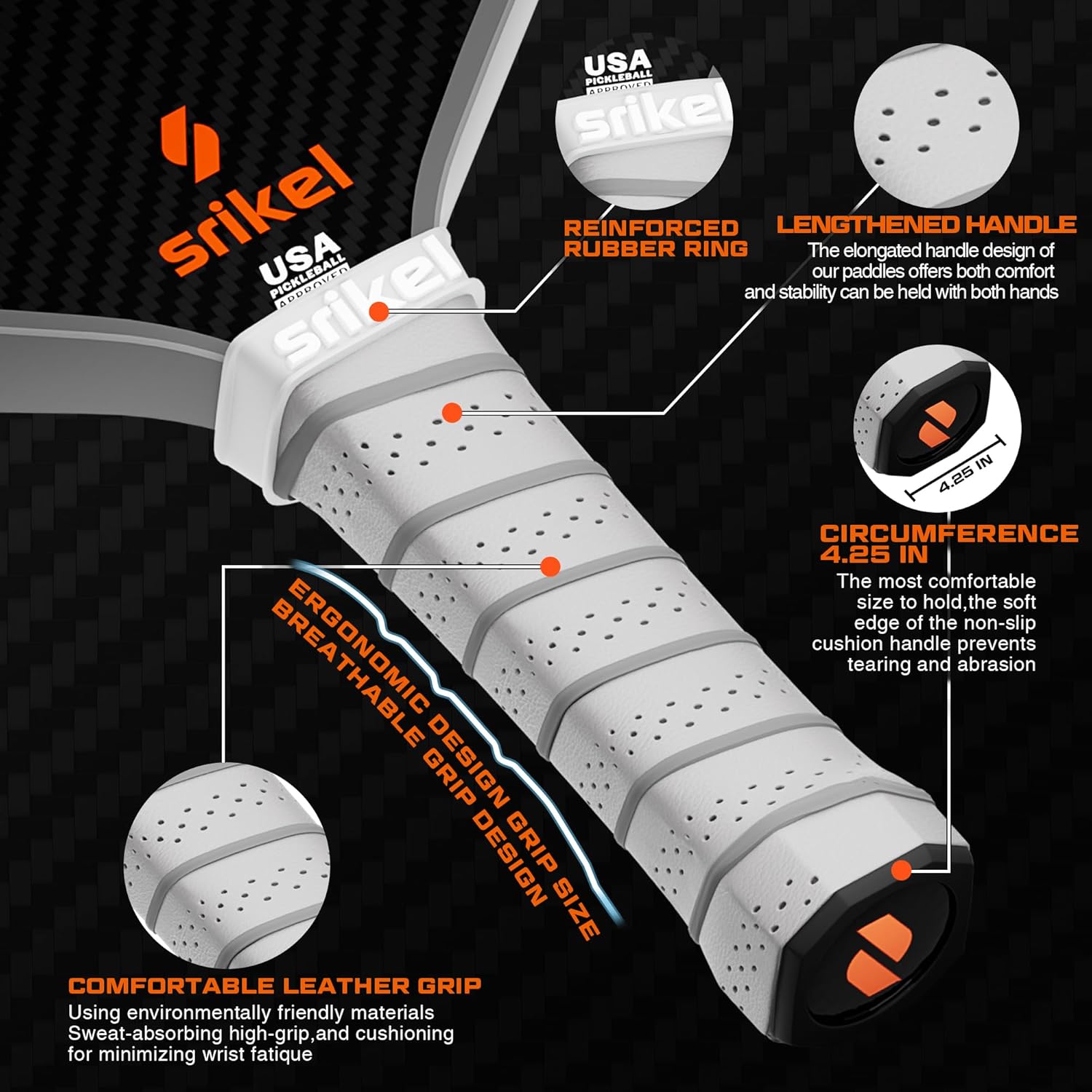
Recreational players should also consider handle shape, overall weight, and balance point because these factors influence comfort over long sessions. A slightly head light foam paddle with a raw carbon face can feel quicker at the net, while a more head heavy joola pro inspired design might deliver extra depth on serves and drives. If you are looking for thoughtful gift ideas for a pickleball enthusiast, a curated guide such as this selection of pickleball gifts can help you check accessories that complement a new high performance paddle.
How to test, compare, and review raw carbon paddles effectively
Once you narrow your shortlist of best raw carbon surface paddles, structured testing will reveal which model truly fits your game. Start by hitting a series of controlled groundstrokes, serves, and third shot drops with each paddle, paying attention to how the core and paddle face interact with the ball. Note whether the sweet spot feels centred, how much vibration reaches your hand, and whether you can generate both spin and depth without over swinging.
Next, simulate match situations by playing short points that emphasise different skills such as soft dinking, counter attacks, and overheads. This kind of on court review exposes how a paddle behaves when you are under pressure, slightly late to the ball, or forced to improvise defensive lobs. Many players are surprised to find that a paddle which feels explosive in isolated drills may offer less control in chaotic rallies, while a more balanced foam core design with crbn trufoam style damping can shine when exchanges speed up.
Finally, keep simple notes about each paddle, including perceived power, control, spin, and comfort after at least one full pickleball session. Treat those notes as your personal code for future upgrades, because they help you check progress as your technique evolves and your needs change. Over time, this methodical approach will guide you toward the single best pickleball paddle for your style, whether that ends up being a compact control oriented model or an elongated paddle that maximises reach and offensive potential.
Key figures on raw carbon surface paddles
- Market research from the Sports and Fitness Industry Association reported that pickleball participation grew by more than 150 percent over a recent three year period, which directly increased demand for high performance raw carbon surface paddles among competitive players.
- Independent laboratory tests published by several major manufacturers show that raw carbon fiber faces can increase spin rates by roughly 10 to 20 percent compared with smooth composite surfaces, when tested with identical swing speeds and ball types.
- Player surveys conducted by leading pickleball retailers indicate that more than half of advanced players now use some form of carbon fiber pickleball paddle, and a significant share of them specifically prefer raw carbon textures for added control.
- Typical paddle weights for competitive raw carbon models range between 215 and 235 grams, with many elongated designs clustering toward the upper end of that spectrum to enhance power without sacrificing maneuverability.
- Durability testing from major brands suggests that modern polymer cores with foam reinforced edges can withstand tens of thousands of ball impacts before showing significant performance decline, which makes premium raw carbon paddles a multi season investment for frequent players.