Why your paddle and ball set shapes every pickleball rally
A well matched pickleball set quietly dictates how every rally feels. When the paddle, ball, and overall product design align with your level, you gain control, consistency, and the confidence to join stronger games. The wrong bundle or mismatched paddles and balls turns each point into a struggle instead of a learning experience.
Think of a pickleball bundle as a complete game system rather than random gear thrown into a carry bag. The weight of each paddle, the bounce and hardness of every ball, and the balance between indoor and outdoor performance all influence how quickly kids and adults progress. A carefully chosen starter kit lets beginners, families, and pro minded players save energy, protect joints, and focus on tactics instead of fighting their equipment.
For many households, the first contact with pickleball happens through a simple beginner set bought for outdoor games at the beach or in a park. These packages often include a wooden paddle or two, a mixed ball pack with indoor pickleballs and outdoor balls, and sometimes a basic paddle ball or beach game option for casual rallies. Treat that first purchase as a foundation, because the right price to performance ratio here can either hook new players for life or leave them frustrated after a few short games.
Core elements of a quality pickleball paddle and ball set
When you evaluate any pickleball kit, start with the paddles themselves. A modern pickleball paddle usually uses a composite or graphite face over a polymer honeycomb core, while a cheaper wooden paddle feels heavier and less forgiving for kids or smaller adults. If your budget is tight, a wooden option in a well built set can still work, but only if the grip size and overall weight match the player.
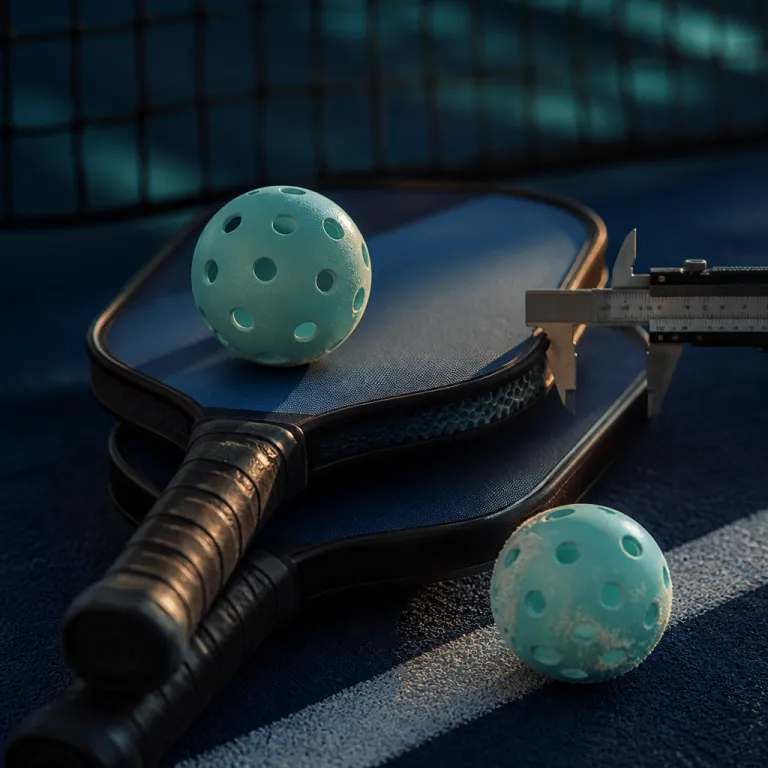
Look closely at the ball selection included with each product, because not all pickleball balls behave the same. Outdoor balls are harder with smaller holes to handle wind, while indoor pickleballs are slightly softer with larger holes that slow the pace and reduce noise. A versatile family friendly bundle should include both indoor and outdoor balls so you can move from an indoor gym to outdoor courts or even a beach paddle session without buying extra gear immediately.
For buyers comparing price points, a reliable approach is to test an affordable beginner paddle under a clear budget ceiling before upgrading. A detailed buyer’s guide such as a review of your first paddle under 80 helps you understand how entry level paddles from different brands stack up. Once you know how a basic starter paddle feels in your hand, you can judge whether paying more for top brands, better materials, or a lighter ball design will genuinely improve your game rather than just raising the final price.
To make quick sense of specifications and real world examples, compare a few typical options:
- Entry composite paddle (e.g., 7.8–8.2 oz, 4.25" grip, 13 mm core) – Stable and forgiving, good for beginners who want control and durability. A set built around a paddle similar to the Onix Z5 style offers a solid sweet spot and familiar feel for new players.
- Lightweight graphite paddle (e.g., 7.3–7.7 oz, 4"–4.125" grip, 14–16 mm core) – Easier on the arm, better for quick reactions and touch shots. Bundles that mirror the Selkirk SLK or JOOLA Essentials approach prioritise comfort and a softer feel for developing dinks and resets.
- Wooden paddle (often 9–10+ oz, thicker handle) – Very budget friendly and tough, but can feel clunky and tiring over longer sessions. Sets that resemble classic wooden beach paddles work well for occasional games yet rarely suit players chasing performance gains.
Matching paddle and ball sets to skill level and playing environment
Recreational players often buy a single all purpose kit and expect it to work everywhere, yet conditions change dramatically between indoor and outdoor courts. On a windy beach or open outdoor surface, a slightly heavier paddle and a firmer outdoor ball help stabilize each rally, while on a smooth indoor floor a lighter pickleball paddle and softer indoor pickleballs give you more touch. If you split time between indoor and outdoor venues, consider owning two paddles within one broader setup so you can adapt without relearning your swing.
Intermediate and pro oriented players benefit from more specialized paddles and carefully chosen balls within their preferred gear lineup. For example, a control focused composite paddle paired with a slightly softer ball helps players who rely on dinks and resets near the net, while a power oriented carbon faced paddle with a lively outdoor ball suits aggressive baseliners. A technical guide such as how to choose paddles for performance gains explains how core thickness, surface texture, and paddle weight interact with different balls to shape spin and speed.
Families and community groups should think in terms of multiple games running at once rather than a single game set. A mixed bundle with four paddles, a generous ball pack, and a durable carry bag lets several kids and adults join the action without waiting between games. When you plan for growth like this, you save money over time, because you avoid buying a second low quality bundle later and instead invest once in a versatile, durable pickleball set that works for casual rallies and more serious matches.
For quick decisions, it helps to compare core specs at a glance:
- Weight – 7.3–7.8 oz for control and comfort; 7.9–8.4 oz for extra power and stability in wind.
- Grip size – Around 4" for kids and smaller hands; 4.25"–4.5" for most adults.
- Core thickness – 13 mm for a crisper, faster feel; 16 mm for more control and a softer touch.
- Balls – Indoor: larger holes, quieter, more control. Outdoor: smaller holes, harder plastic, faster wear.
Sustainability, materials, and the rise of recycled pickleball products
Environmental impact now matters to many pickleball players choosing equipment for regular use. Traditional paddles and balls rely heavily on virgin plastics, yet some brands are experimenting with recycled PET plastics, recycled PET mesh fabrics, and more sustainable packaging. When a product description mentions recycled PET or PET mesh in the carry bag or grip materials, it signals an effort to reduce waste without compromising performance.
Ball production is another area where sustainability can evolve, because a typical ball pack wears out quickly on rough outdoor courts. Some manufacturers test thicker shells or recycled content to extend the life of each ball, which reduces both waste and long term price for frequent players. If you care about sustainability, look for brands that clearly state how their pickleball set uses recycled materials and how you can return or recycle worn balls after many games.
Wooden paddle designs also raise interesting questions about sourcing and durability within a modern kit. A responsibly sourced wooden paddle can be an eco friendly option for kids or beach games, especially when paired with a softer ball that reduces impact on small wrists. For serious indoor and outdoor play, composite paddles still dominate, but the shift toward recycled components in grips, edge guards, and carry bag fabrics shows that even pro level equipment can move toward greener standards without sacrificing the feel that competitive pickleball players expect.
Price, payment options, and how to evaluate real value
Price differences between a basic starter bundle and a premium pickleball set can be dramatic, yet cost alone does not define value. A low price product that cracks or warps after a few outdoor games quickly becomes expensive, while a mid range paddle set from reputable brands can last for years of regular play. The smartest approach is to compare cost per season of use, factoring in how many balls you typically wear out and whether you need separate indoor pickleballs and outdoor balls.
Retailers often bundle a game set with extras such as a carry bag, free delivery, or a small accessory like overgrips, which can help you save money if you actually use those items. When you pay by credit card, check whether your card offers extended warranty protection on sports equipment, because that can effectively lower the risk of trying a new ball design or a less known brand. Transparent return policies also matter, since a paddle that feels fine in a shop may feel completely different after a full ball game on a real court.
For parents buying gear for kids, it is tempting to choose the absolute lowest price paddle set or beach paddle kit on the shelf. Yet a slightly better balanced starter paddle with a comfortable grip and a forgiving ball pack can keep young players engaged longer and reduce the chance of arm strain. Over time, that engagement leads to more games, better skills, and a smoother transition from casual pickleball rallies to structured pickleball games in clubs or school programmes.
Specialty sets for beach play, travel, and crossover racket games
Not every paddle and ball bundle is designed strictly for official pickleball courts, and that flexibility can be an advantage. Beach paddle kits, travel friendly paddle ball sets, and crossover game bundles let families play on sand, grass, or small indoor spaces when full courts are unavailable. These hybrid products often include lighter paddles, softer balls, and a compact carry bag that fits easily into a suitcase or car boot.
Classic paddle ball games such as Pro Kadima, which use wooden paddles and a small rubber ball, remain popular on the beach and can complement a modern pickleball set. While Pro Kadima is not pickleball, the hand eye coordination and footwork developed in that ball game transfer well when players later join structured pickleball games. Some brands now sell mixed paddle bundles that include both pickleball paddles and beach paddle gear, allowing families to switch between outdoor games depending on space and weather.
When you plan a holiday or a long weekend with friends, a versatile paddle and ball kit that works for both indoor and outdoor use becomes a social catalyst. A portable net, a robust ball pack, and four durable paddles can turn any quiet resort court or driveway into a lively pickleball game hub, as illustrated by guides to family friendly resort pickleball. Choosing such a flexible product means you can join casual games with confidence, introduce new players gently, and keep everyone active without needing access to a dedicated club facility.
Key statistics about paddle and ball sets in pickleball
- According to the Sports & Fitness Industry Association’s 2023 report on U.S. participation, pickleball grew by more than 150 percent over the previous three years (2020–2022), which has sharply increased demand for beginner friendly paddle and ball sets. Source: SFIA, 2023 Topline Participation Report.
- Industry summaries from major retailers indicate that starter pickleball sets priced under 100 euros account for a majority of unit sales, while higher priced pro level paddles dominate revenue among frequent players. These figures can vary by region and season, so always check the latest data when planning inventory or purchases.
- Market analyses and retailer feedback suggest that outdoor balls typically wear out faster than indoor pickleballs on average, so players who mainly use outdoor courts should budget for a larger ball pack each season.
- Several leading brands now advertise the use of recycled PET or other recycled materials in carry bags and packaging, reflecting a broader shift toward sustainability in racket sports equipment.
- Consumer surveys consistently show that players who invest in a mid range paddle set with at least two paddles and four balls are more likely to keep playing regularly than those who start with a single ultra cheap paddle.
FAQ about choosing a paddle and ball set for pickleball
What should beginners prioritise when buying their first paddle and ball set ?
New players should focus on comfort, paddle weight, and a reliable ball pack rather than chasing pro level specifications. A medium weight composite paddle with a cushioned grip and a mix of indoor and outdoor balls offers a forgiving starting point. Look for a pickleball set that includes at least two paddles so you can join games with a partner immediately, especially if you want one of the best paddle and ball set options for beginners in 2026 and beyond.
Is a wooden paddle good enough for regular pickleball games ?
A wooden paddle can work for casual beach or driveway games, especially for kids or occasional players. For regular indoor and outdoor play on proper courts, most people quickly prefer lighter composite paddles that reduce arm fatigue and offer better control. If you start with a wooden paddle, choose a balanced model within a quality starter set and plan to upgrade once you play more often.
How many balls should a typical paddle and ball set include ?
For a household or small group, a practical ball pack includes at least four to six balls. Outdoor balls tend to crack or lose bounce faster, so players who mainly use outdoor courts may want eight or more balls in their pickleball set. Having extra balls keeps games flowing smoothly when one rolls away or breaks mid rally.
Can one paddle and ball set work for both indoor and outdoor courts ?
Yes, many versatile sets include paddles that perform well on both surfaces and a mix of indoor pickleballs and outdoor balls. The key is to switch balls depending on the court, using softer indoor balls on gym floors and firmer outdoor balls on rougher surfaces. If you play frequently in both environments, consider owning two paddles with slightly different weights within the same paddle set to fine tune your feel.
Are eco friendly or recycled pickleball products as durable as standard gear ?
Durability varies by brand and specific product, but many recycled PET fabrics and PET mesh materials used in carry bags and accessories now match the strength of conventional options. The main performance differences still come from paddle cores and ball construction rather than from recycled packaging or textiles. When comparing eco focused pickleball sets, read detailed product descriptions and user reviews to ensure that sustainability features do not compromise long term use.