Backpack, sling or tote bag: choosing the right format
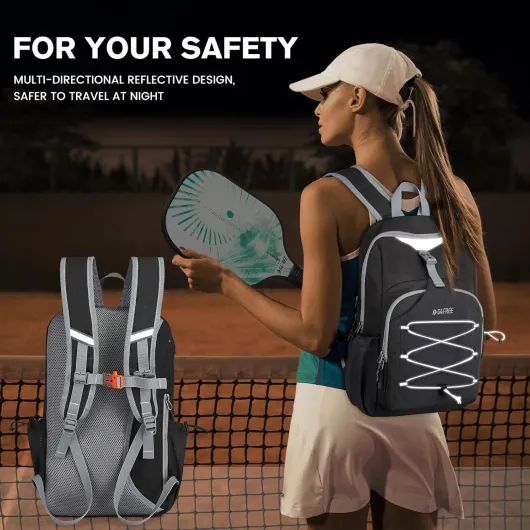
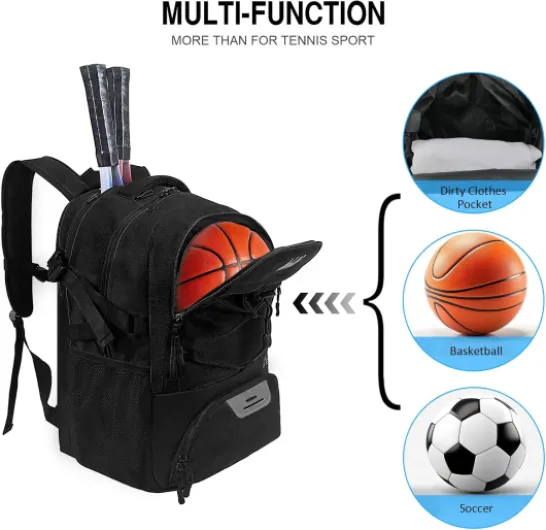
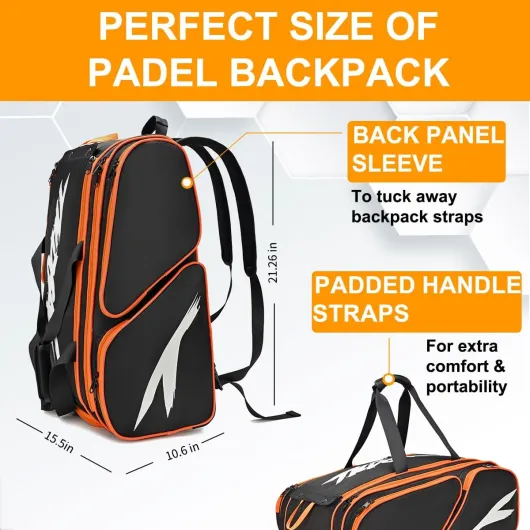
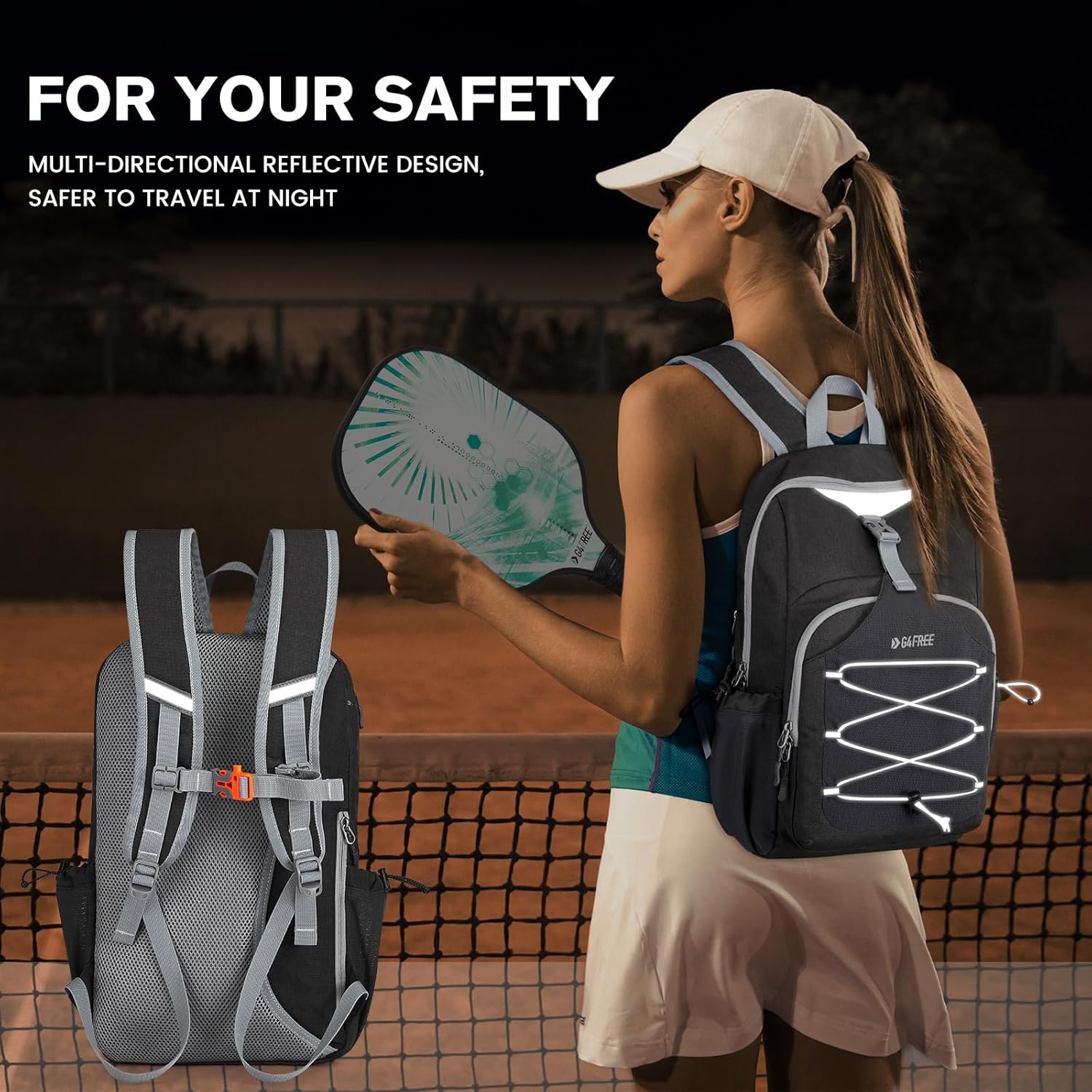
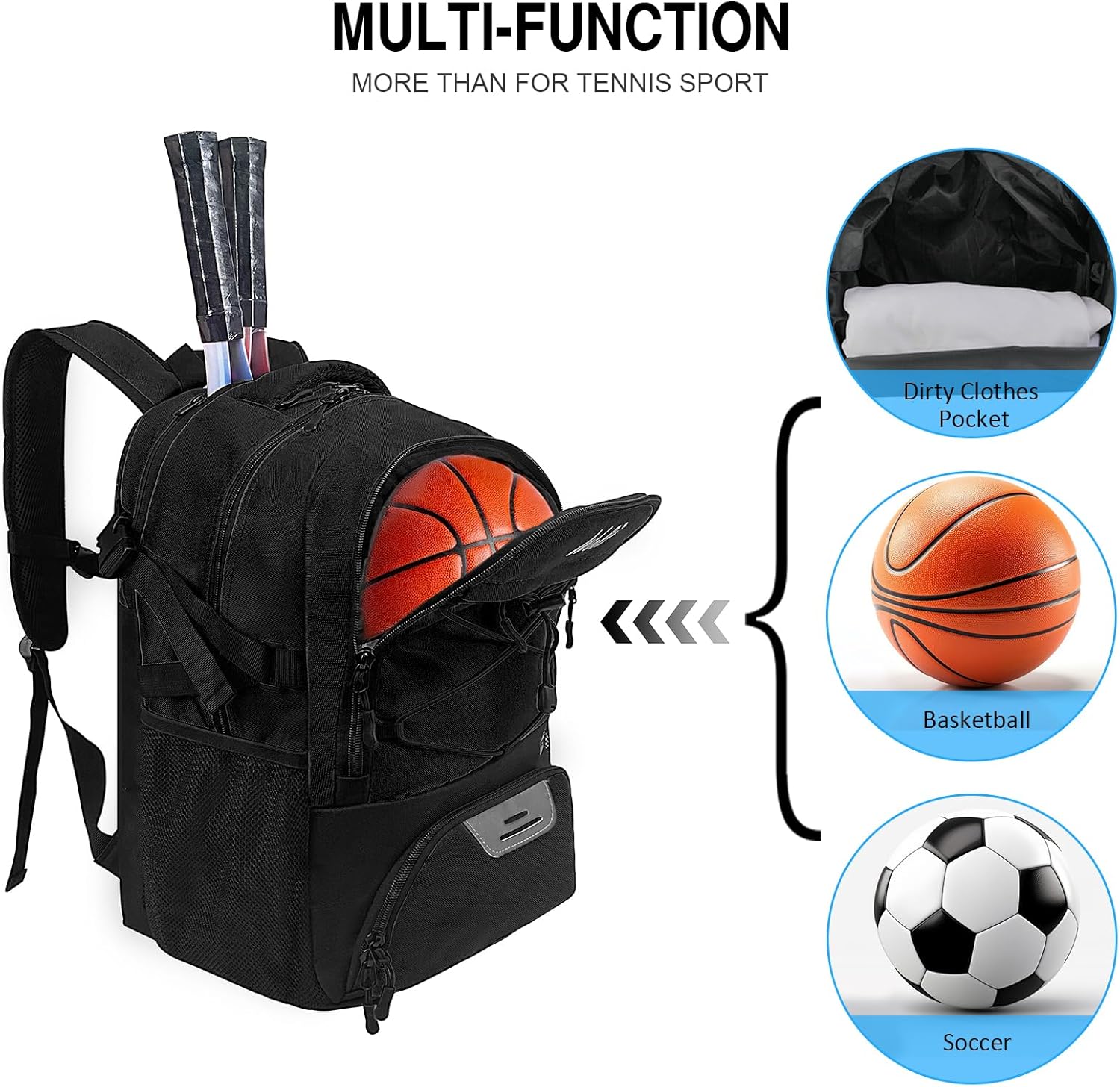
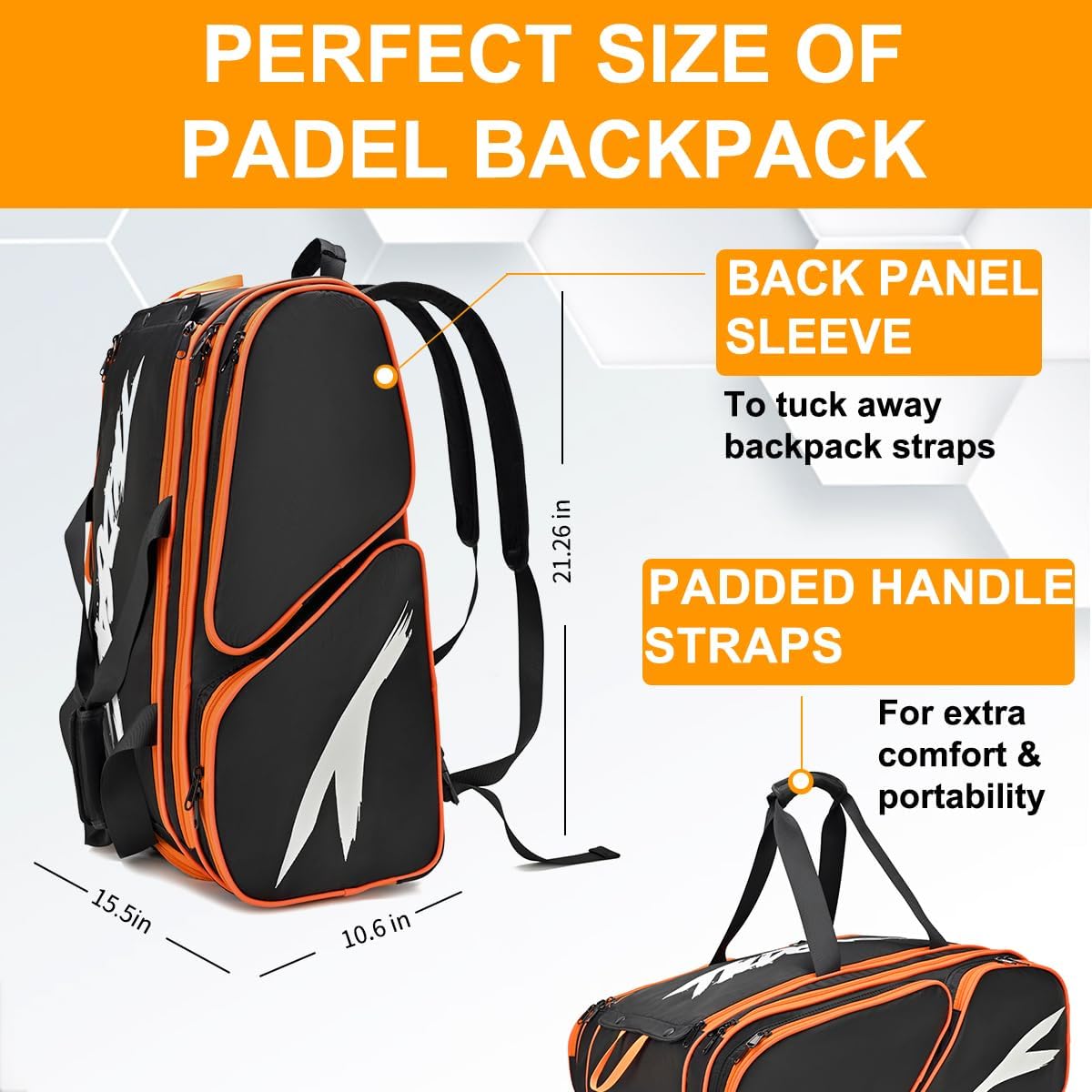
Every format of pickleball bag solves a different problem. The classic pickleball backpack suits players who cycle or walk to the courts, because this backpack keeps both hands free and balances the weight of paddles, balls and clothing across your back. When you evaluate any pickleball backpack, look for a dedicated paddle compartment, a shoe compartment and at least two external pockets for quick access to small gear.
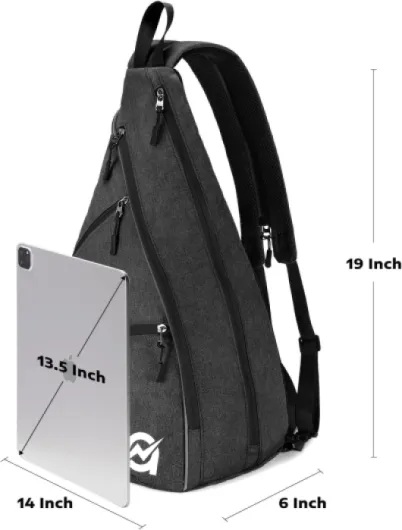
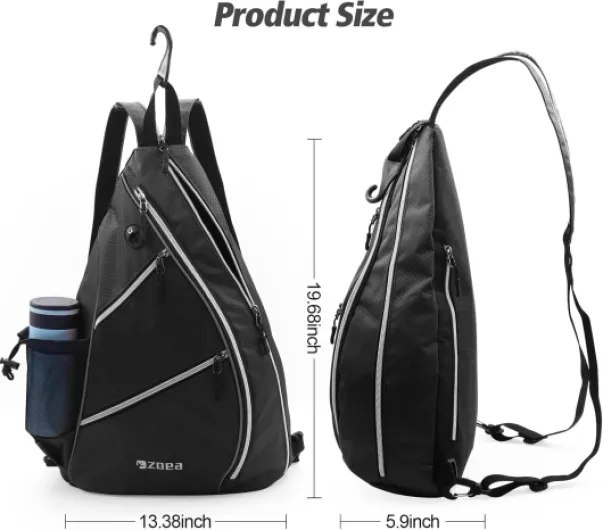
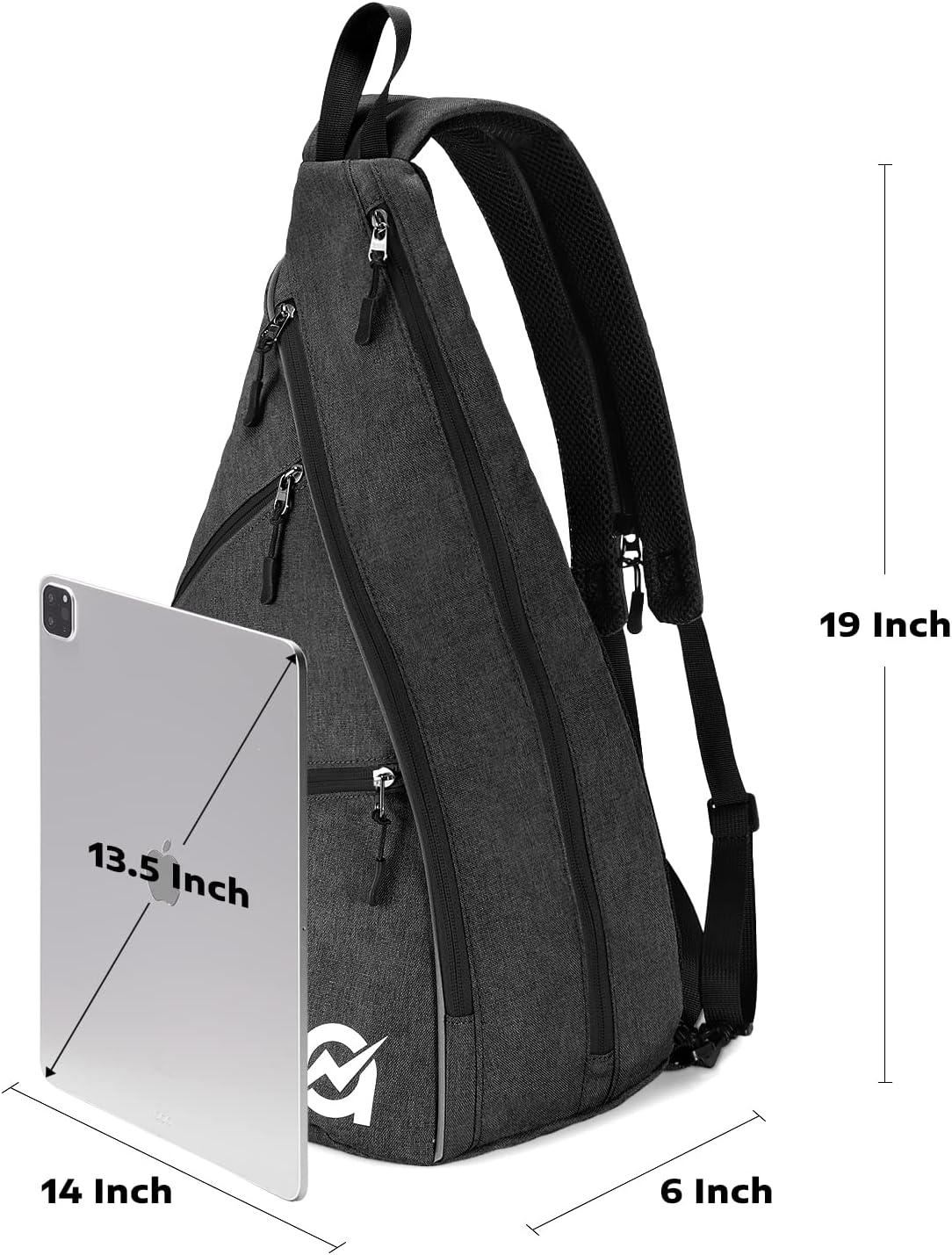
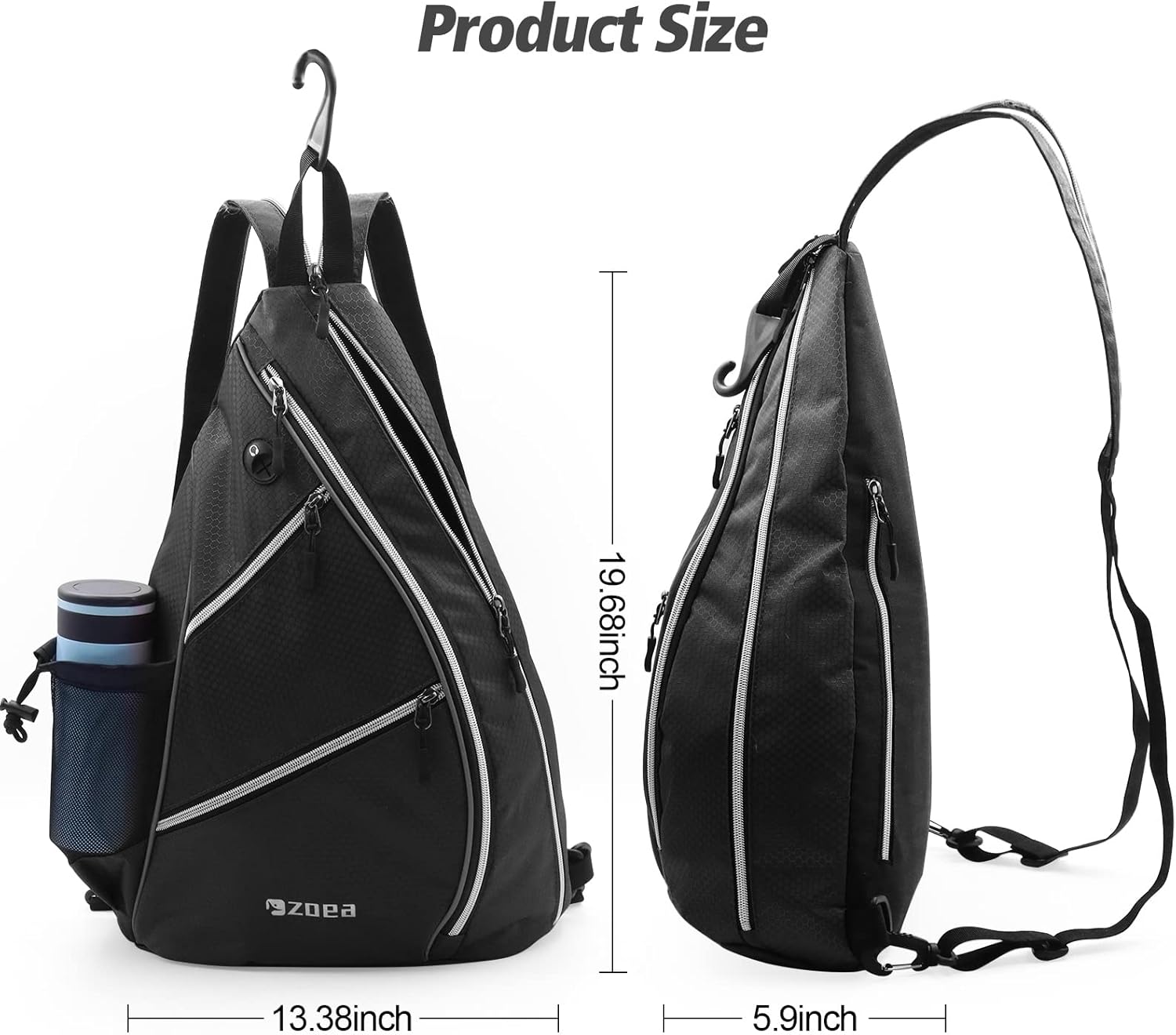
A sling bag offers a lighter alternative for minimalist players. This type of pickleball sling bag usually carries one or two paddles, a few balls and a water bottle in a single main unit, with a front pocket for keys or a phone, so it works well for quick sessions or indoor play. If you want more detail on technical backpack features, a specialised guide to top pickleball backpacks explains how pro tour athletes compare strap design, pocket placement and overall bag stability.
Some players prefer a tote bag because it looks discreet off court. A pickleball tote bag often resembles a city shopper but hides a padded paddle compartment and internal pockets for sunglasses, wallets and small gear, which makes it a great option for people heading to pickleball straight from work. Whether you choose a backpack, sling or tote, always test how the bag feels when fully loaded, because comfort with empty bags can be misleading.
Key features that separate a basic bag from a pro tour bag
Not every pickleball bag deserves a place on a pro tour. A basic paddle bag might protect one pickleball paddle and a few balls, but a pro level tour bag must handle several paddles, clothing changes and accessories without feeling bulky or unstable. The best pickleball paddle bags combine rigid protection around the paddle compartment with flexible fabric around clothing units, so the bag adapts to different match days.
Look closely at pocket engineering. A serious tour bag or pickleball backpack should offer a lined pocket for sunglasses, a hidden pocket for passports or wallets during travel and a separate shoe compartment with ventilation eyelets, while external mesh pockets keep water bottles upright. When you read product pages, always click any link such as “view details” to check whether the internal compartments match your own packing style rather than relying only on photos.
Hybrid designs now blend sling and backpack formats. One example is a reversible crossbody sling that converts into a compact backpack, a concept analysed in depth in this test of an A11N reversible pickleball sling bag and backpack, which shows how a single bag can serve both casual and pro team practice. When you compare such units, check whether the straps, zippers and paddle pockets feel robust enough for frequent travel, because these stress points usually fail first under heavy tour use.
Understanding price, value and how to read unit price information
Price signals quality, but it never tells the full story for pickleball bags. A low regular price might look attractive for a first pickleball bag, yet a slightly higher unit price can deliver better fabric, stronger zippers and more durable paddle protection, which saves money over time. When retailers show a sale price beside a price regular figure, calculate the effective price per year of expected use rather than focusing only on the discount.
Some brands break down costs by unit, especially in team pickleball orders. If a club buys several pickleball bags for a pro team, the price unit often falls, so the unit price for each paddle bag becomes more competitive than buying single bags at the standard regular price. When a retailer lists a price sale promotion, always check whether the sale price applies to all colours and bag formats or only to a specific sling or tote bag variant.
Transparent pricing builds trust. Reputable brands clearly label regular price, current sale price and any free shipping threshold, then allow you to view details of materials, compartments and pockets before you commit. When you compare options, treat the best pickleball paddle bags as long term gear investments rather than short term bargains, because a failed zipper or torn shoe compartment can disrupt an entire tour schedule.
Brand examples, from Joola tour bags to minimalist slings
Established brands help set benchmarks for the best pickleball paddle bags. Joola, known for its pickleball paddle lines used by several pro team athletes, offers a structured tour bag with multiple paddle compartments, a ventilated shoe compartment and insulated side pockets for drinks. This type of Joola pickleball bag targets players who travel frequently and need a single unit to handle both match days and general tour life.
Other manufacturers focus on lighter formats. Some brands specialise in the pickleball sling category, designing compact sling bags that hold one or two paddles, a small gear pocket and a slim water bottle sleeve, which suits urban players who value speed and simplicity. For players who want a more lifestyle oriented look, a refined tote bag with hidden paddle pockets and a discreet logo can transition from office to court without drawing attention.
When you compare brands, ignore marketing terms like “pro” unless the bag’s structure supports that claim. A genuine pro tour bag usually includes reinforced seams, weather resistant fabric and carefully placed pockets that keep paddles separated from wet clothing, while cheaper bags may only imitate the silhouette without the same internal engineering. Always read user reviews that mention long term durability, because they reveal how each bag performs after repeated pickleball sessions and travel cycles.
Practical packing tips to get the most from your pickleball bag
Even the best pickleball paddle bags fail if you pack them poorly. Start by placing your primary pickleball paddle and any backup paddles in the dedicated paddle compartment, then use internal pockets to separate clean clothing from used items and keep small gear such as grips or tape in a single zip pocket. Shoes should always go into the shoe compartment or a separate shoe bag to prevent dirt from spreading across the main unit.
Think about access during a busy tour day. Items you need between games, such as towels, snacks or extra balls, belong in outer pockets, while valuables like phones and wallets should stay in a hidden pocket deep inside the pickleball backpack or tote bag, where they remain secure. If you use a sling bag or pickleball sling, keep the heaviest items closest to your back so the bag does not swing excessively when you move.
Smart packing also prepares you for future equipment trends. As connected gear such as smart paddles and performance trackers spread through pickleball, you may need extra pockets for chargers and cables, a topic explored in this analysis of why some players should care about smart paddles. Choose a pickleball bag with at least one padded tech pocket today, because that flexibility will keep the same bag relevant as your equipment evolves.
Key figures about pickleball bags and equipment trends
- According to the Sports & Fitness Industry Association (SFIA) 2023 Pickleball Report, pickleball participation in the United States grew by more than 150 percent over the 2019–2022 period, which has driven a parallel surge in demand for pickleball bags and related gear. The SFIA report is widely cited by equipment brands and trade publications as a benchmark source for participation data.
- Market research from firms tracking racket sports equipment, such as the 2022 Technavio Pickleball Equipment Market study, shows that dedicated pickleball bags and backpacks now represent a distinct product category, with annual sales growth outpacing traditional tennis bags by several percentage points in recent seasons. Technavio’s report groups pickleball bags within the broader equipment segment but highlights them as a fast growing subcategory.
- Retail audits from major sporting goods chains indicate that tour bag and pickleball backpack models priced in the mid range segment account for the majority of unit sales, while ultra premium pro tour bags represent a smaller but steadily expanding niche. These findings are consistent with internal category reviews shared by several large North American retailers.
- Consumer surveys conducted by equipment analysts report that more than half of regular pickleball players own at least two paddles and one specialised pickleball bag, highlighting how storage needs increase quickly once players move beyond entry level participation. Survey methodologies typically rely on panels of active players recruited through clubs and national associations.