Backpack versus duffel bag versus hybrid pickleball bag
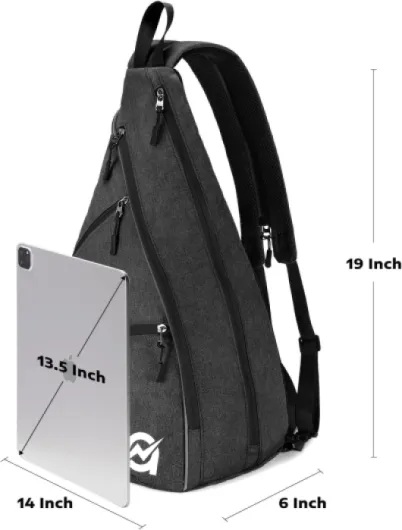
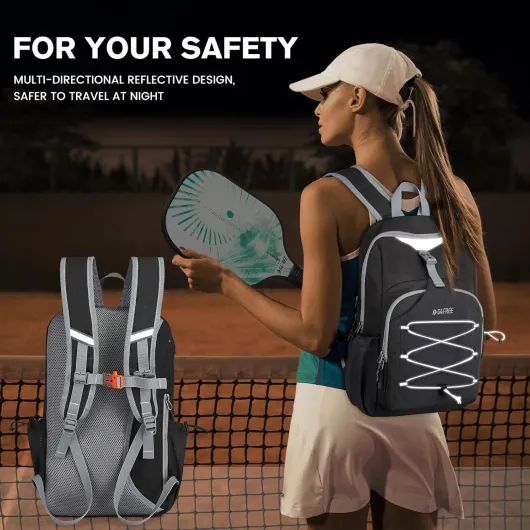
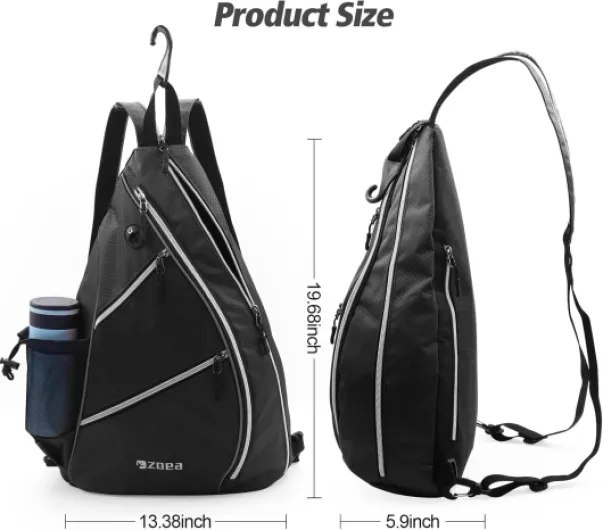
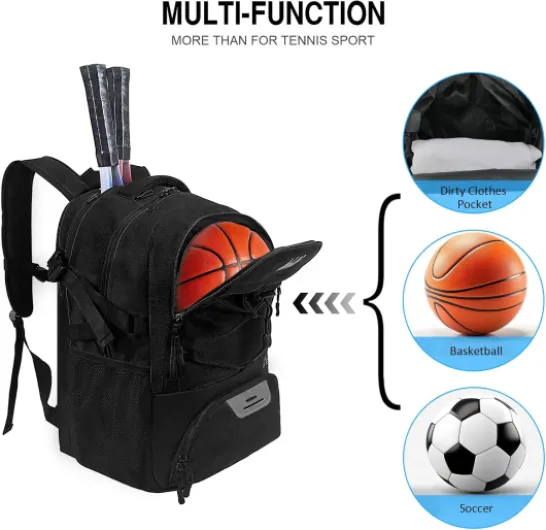
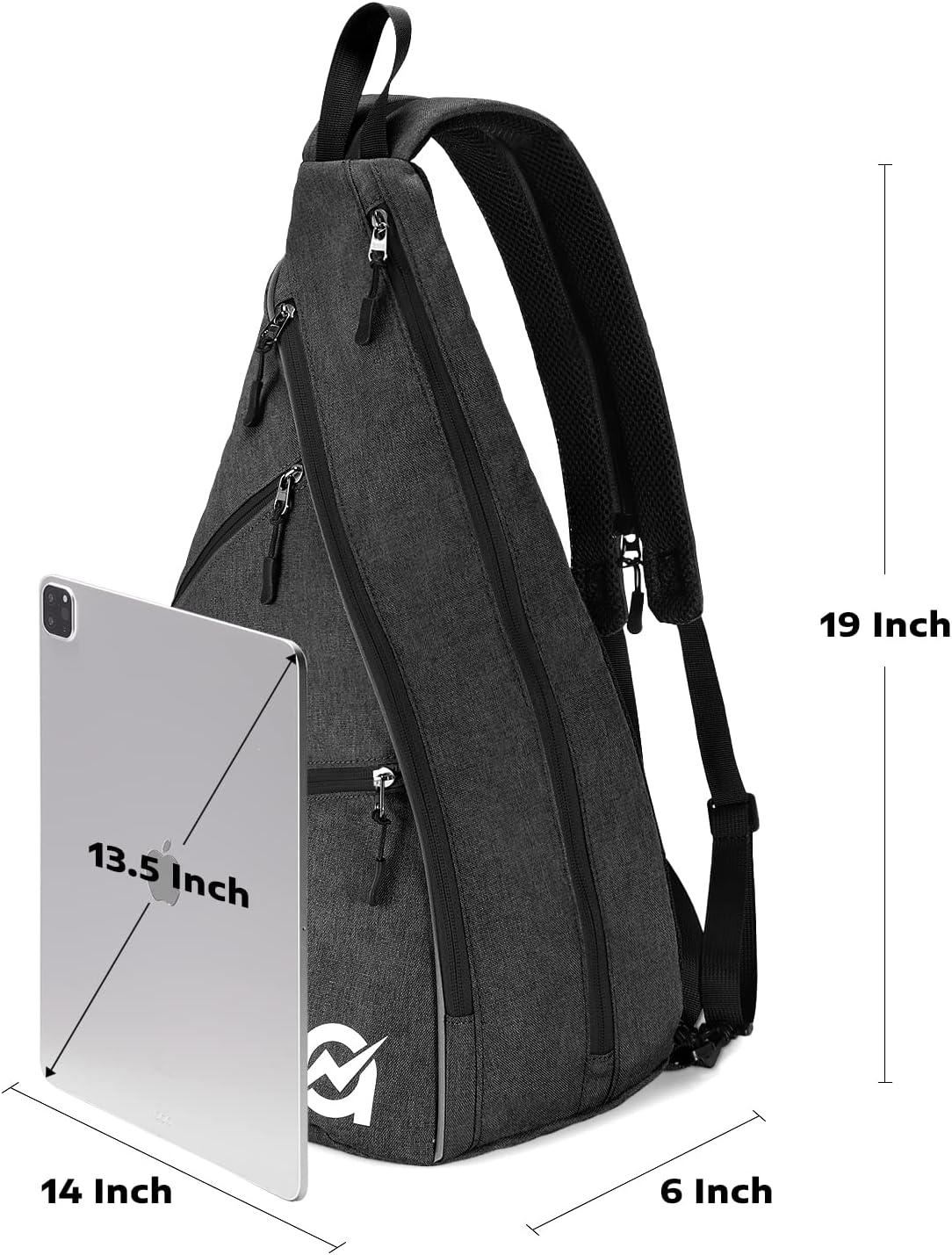
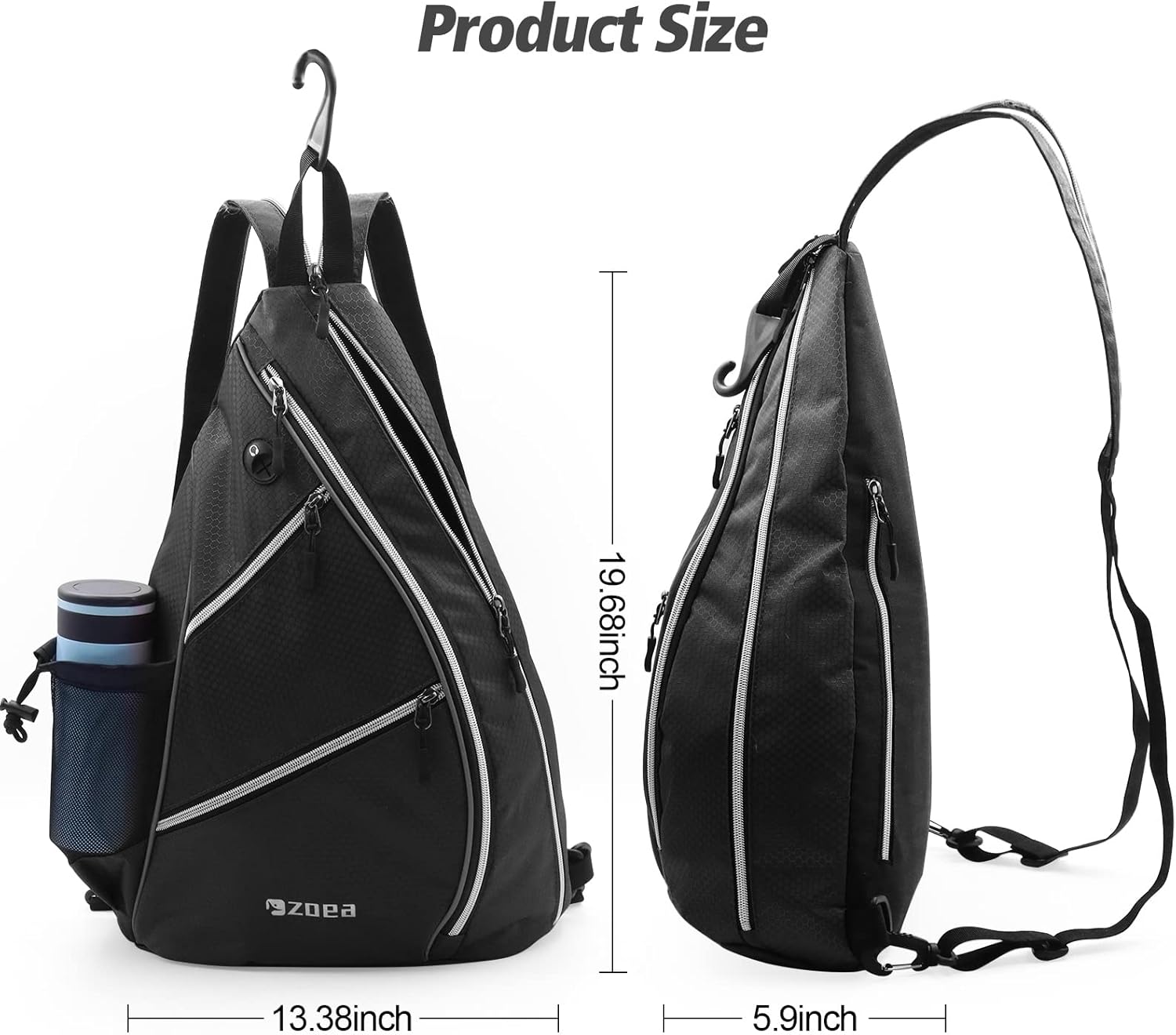
Players often hesitate between a classic backpack, a traditional duffel bag, and a more specialised pickleball bag shaped like a paddle cover. A standard backpack is usually the best option for people who walk or cycle to the court, because it balances weight across both shoulders and keeps your hands free to carry a small chair or a white towel. By contrast, a duffel bag with a long shoulder strap can be easier to drop beside the court during a long tour or full day of matches when you want everything in one place.
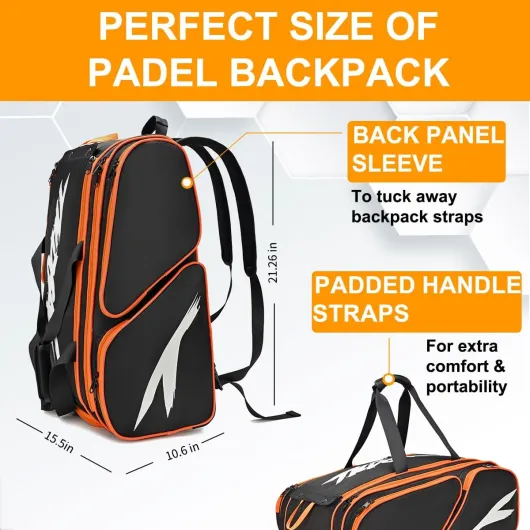
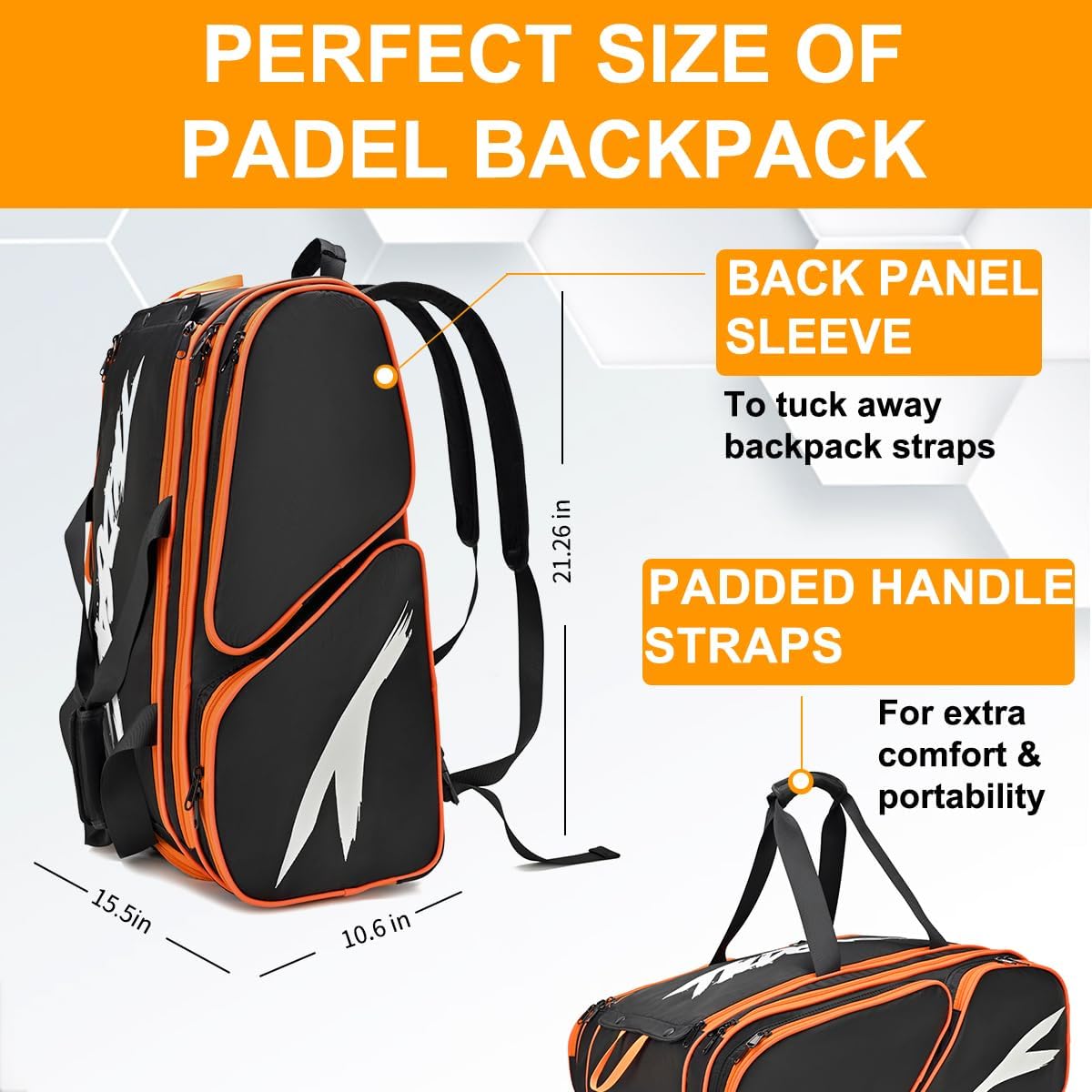
Hybrid pickleball bags combine elements of both backpack and duffel designs. Many of these bags include backpack straps and side handles, so you can carry the same pickleball bag on your back through a crowded car park, then grab it by the handle when moving between indoor court and outdoor court. When you read any review of hybrid pickleball bags, check whether the writer mentions how comfortable the straps feel when the bag is fully loaded with paddles, shoes, balls, and extra paddle covers.
Shape matters as much as capacity when you compare different bags. A long, slim backpack bag that follows the paddle shape protects the handles and covers the paddle heads, but it may offer less space for clothing than a wider duffel bag with a boxy profile. For players who want more structured guidance on specialised models, a curated comparison of top pickleball paddle bags can highlight how backpack, duffel, and hybrid designs differ in real use and which style works best for your regular court routine.
| Bag style |
Best for |
Typical capacity |
Pros |
Trade-offs |
| Backpack |
Walking, cycling, daily play |
25–30 L |
Hands-free, balanced load, compact footprint |
Less space for bulky clothing or extra shoes |
| Duffel bag |
Driving to leagues, weekend events |
35–45 L |
Roomy main compartment, easy to drop courtside |
Can feel heavy on one shoulder, awkward for long walks |
| Hybrid bag |
Players who mix commuting styles |
30–40 L |
Backpack straps plus grab handles, versatile layout |
Often heavier, more complex organisation |
| Quick pick |
Example use |
Approx. price range |
| Best for commuting |
Compact backpack for bike or on-foot trips |
Entry to mid range, depending on brand |
| Best for tournaments |
Hybrid or duffel bag with shoe and paddle covers |
Mid to premium, especially for larger capacities |
| Best budget option |
Simple backpack bag with one paddle sleeve |
Lower price, ideal for new players |
Key features that define the best pickleball backpacks
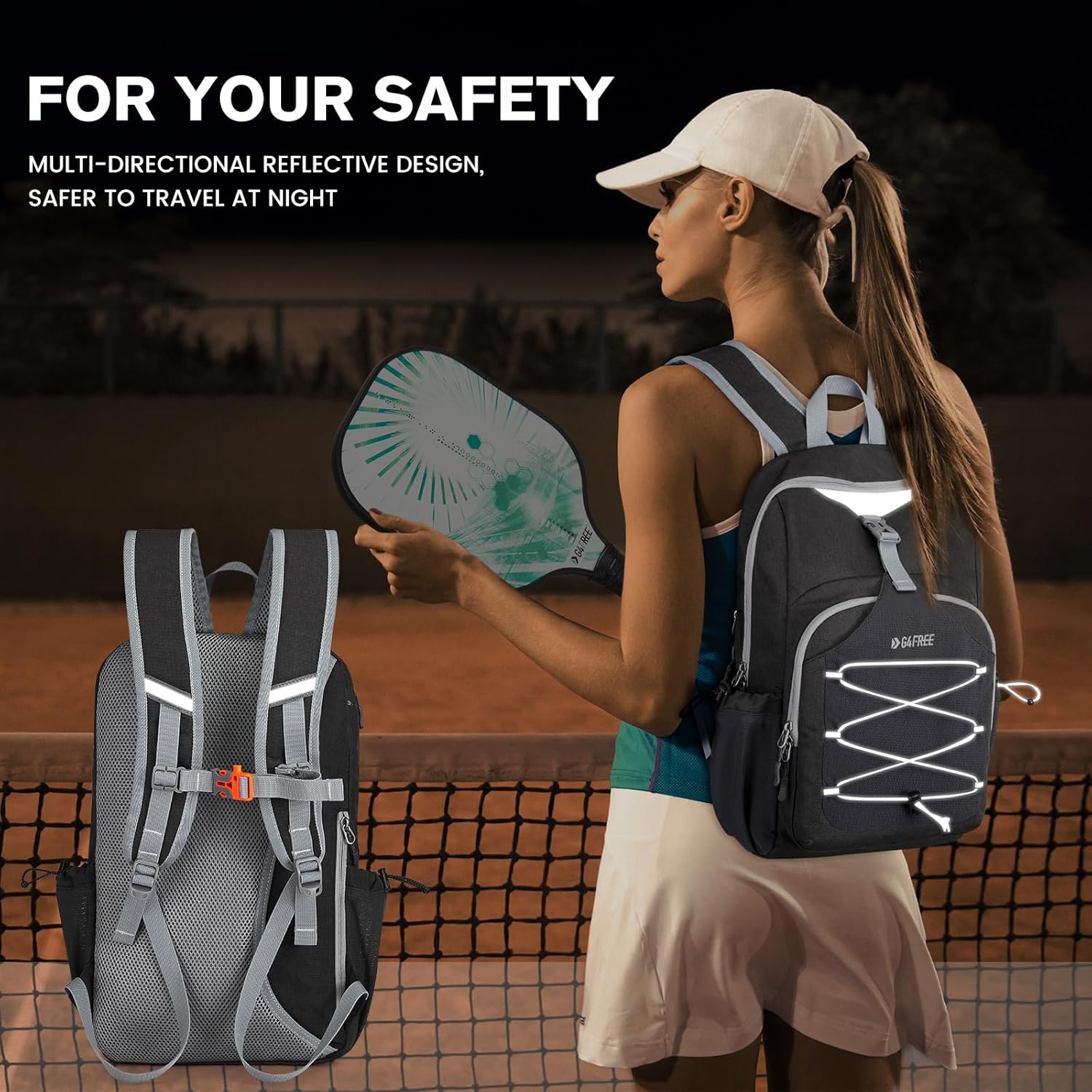
Once you decide on a general style, focus on the specific features that separate average backpacks from the best pickleball backpacks. Fabric quality is critical, because a pickleball bag made from thin polyester will sag and wear quickly, while a backpack bag built with dense nylon or coated canvas resists abrasion from court fences and frequent travel. Water resistant materials and zippers also protect your paddle, balls, and phone when a sudden shower hits during an outdoor pickleball tour or when courts are slightly damp.
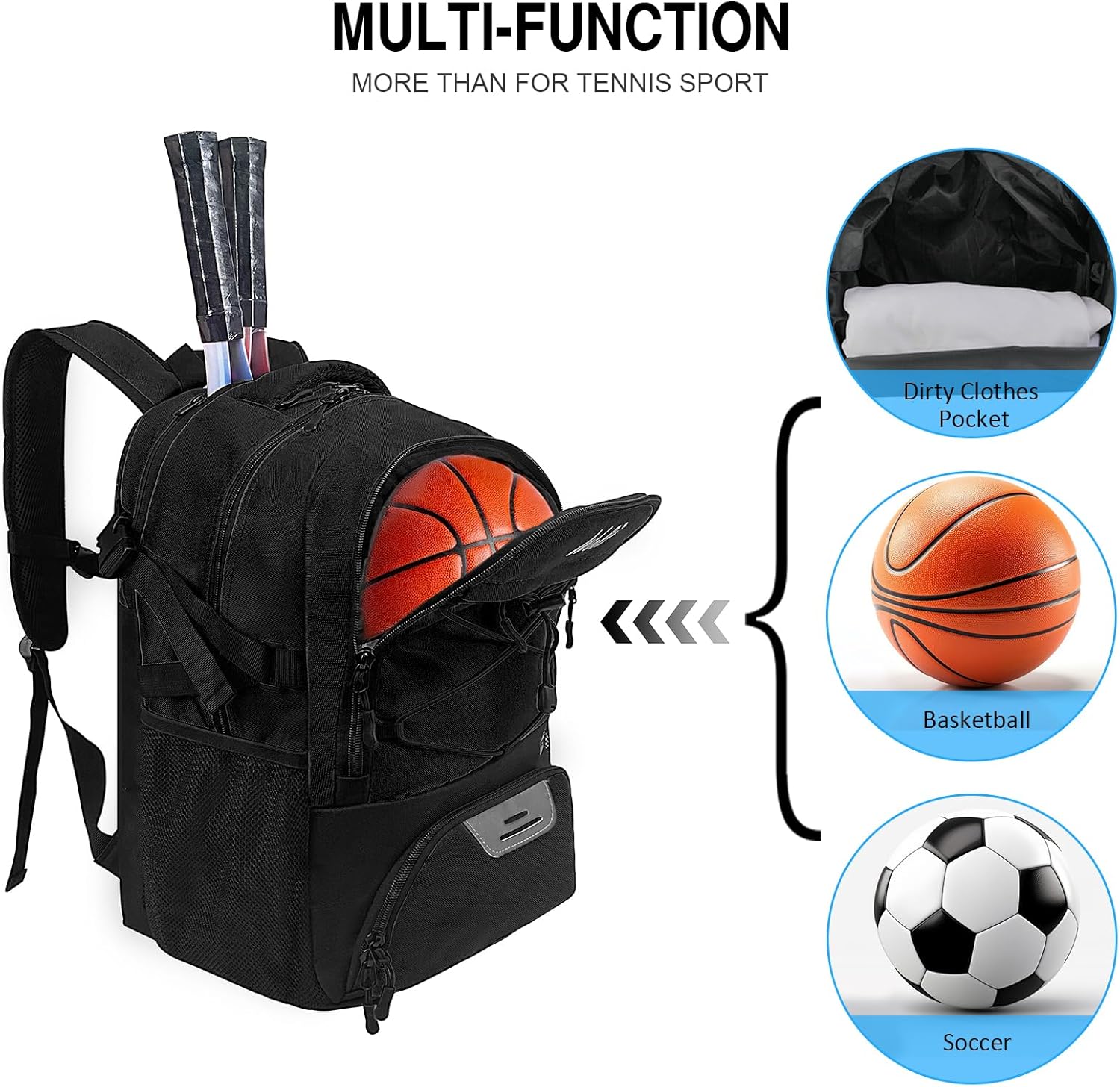
Compartments deserve careful attention when you compare price and value. Look for a backpack with a dedicated paddle sleeve, a ventilated shoe pocket, and at least one insulated section for a water bottle, since these features keep sweat, dirt, and moisture away from your clean clothes and paddle covers. Some of the best pickleball backpacks also include small internal mesh bags for tape, grips, and first aid items, which prevents you from digging through the entire bag beside the court and keeps small accessories from scratching paddle faces.
Comfort and ergonomics complete the picture. Wide, padded shoulder straps and a breathable back panel make a heavy pickleball bag feel lighter, especially when you carry several paddles, balls, and a full change of clothes to a distant court. For players who want a deeper comparison of technical designs, a specialised guide to high performing pickleball backpacks can help match backpack features to specific playing styles and travel patterns, including how often you fly to a tour or drive to regional events.
- Durability check: dense fabric (at least 600D), reinforced seams, and sturdy zippers.
- Organisation check: separate paddle area, shoe or wet kit pocket, and valuables pouch.
- Comfort check: padded straps, ventilated back panel, and a stable carry when fully loaded.
Brand examples: adidas, Wilson and specialist pickleball bags
Major sports brands have entered the pickleball space, and their backpacks often borrow proven designs from tennis and padel. An adidas pickleball backpack such as a typical adidas Tour or Control model usually offers clean lines, durable zippers, and a structured paddle compartment, making it a strong option for players who want a single bag for both gym use and court sessions. These adidas bags usually balance style and function, with neutral or white colour options that look professional in any club environment and sit in a mid range price band.
Wilson has a long history in racket sports, and a Wilson pickleball bag or backpack often reflects that experience. Many Wilson backpacks, including tour-style packs in the 30–35 L range, include thermo lined paddle covers or compartments that help protect composite faces and cores from temperature swings during travel to a tour or weekend event. When you read a detailed review of Wilson pickleball bags, pay attention to how testers describe the padding around the paddle area and the comfort of the straps when the backpack is fully loaded for a long day on court.
Specialist brands focused only on pickleball sometimes offer more targeted features. Their pickleball bags may include extra small pockets for lead tape, edge guards, and spare grips, along with removable paddle covers that clip inside the main backpack bag or duffel bag. Whether you choose adidas, Wilson, or a niche manufacturer, the best pickleball backpacks combine reliable materials, smart organisation, and a fair price that reflects real world durability rather than just a logo or a fashionable white finish.
- Example mid-sized backpack: a typical adidas court backpack might offer roughly 28 L of storage, a padded paddle sleeve, and a ventilated shoe section at a mid range price point.
- Example tour-style pack: a Wilson performance backpack in the 30–35 L range often adds thermo lining around the paddle compartment and extra padding on the straps for frequent travellers.
- Example specialist bag: a niche pickleball brand may sell a 35 L hybrid bag with clip-in paddle covers, multiple accessory pockets, and a removable shoe sack aimed at tournament players.
Matching capacity, style and price to your pickleball routine
The right pickleball bag should match both your playing frequency and your personal style. Recreational players who visit the court once or twice a week can usually rely on compact backpacks or small duffel bags that hold one paddle, a few balls, and basic accessories. Competitive players who travel for a regional tour or multiple league nights often need larger backpacks or duffel bags with space for several paddles, shoes, clothing layers, and protective paddle covers so nothing gets crushed in transit.
Price is not always a perfect indicator of quality, so evaluate cost against specific features. A mid range backpack bag with strong zippers, reinforced stitching, and a ventilated shoe compartment can outperform a more expensive white designer bag that lacks structure and durability. When you compare several pickleball bags side by side, load each bag with your usual gear and carry it around the shop or your home to feel how the weight distributes across your shoulders and back and whether the straps dig in.
Style still matters, because you will carry this backpack or duffel bag several times each week. Some players prefer understated black or navy backpacks, while others enjoy bright colours or white accents that stand out beside the court fence. If you already own a favourite paddle set, you can even coordinate bag colours with your equipment, and a dedicated guide to top pickleball paddle sets can help you build a coherent kit that feels both functional and visually consistent from bag to paddle covers.
- Play frequency: match bag size to how often you play and how much gear you bring.
- Budget: prioritise build quality and comfort over purely cosmetic upgrades.
- Look and feel: choose colours and styling you will be happy to carry every week.
Practical packing tips for any pickleball backpack or duffel bag
Even the best pickleball backpacks only perform well when packed intelligently. Start by placing your primary paddle in the dedicated compartment or closest to the back panel of the backpack bag, because this position protects the paddle face and keeps the weight near your spine. Secondary paddles, spare grips, and paddle covers can sit in adjacent sleeves or small internal bags so they remain accessible without scratching each other or sliding around inside the main compartment.
Shoes and sweaty clothing should always stay separate from clean items. Use the ventilated compartment in your pickleball bag or duffel bag for footwear, and if your bag lacks one, place shoes in a simple drawstring bag before sliding them into the main section. Keep a small white towel, a compact first aid kit, and a few energy snacks in an outer pocket, so you can reach them quickly between games without unpacking the entire backpack beside the court or leaving items loose on the ground.
Finally, treat your backpack or duffel bag as part of your regular equipment maintenance. Wipe down the exterior after dusty sessions, empty small pockets weekly to remove used grips or trash, and check zippers for early signs of wear that could affect how securely you carry your gear. With consistent care, even a mid priced pickleball bag can last through many seasons of play and multiple tour events, protecting your paddles and accessories every time you head to the court and helping your equipment stay organised.
How to read a pickleball backpack review and avoid marketing traps
Online reviews can be extremely helpful when choosing between several pickleball bags or backpacks. Focus on reviews that describe specific use cases, such as commuting by bike, flying to a tour, or carrying gear for both pickleball and gym sessions, because these details reveal how the bag behaves in real life. A useful review will mention how many paddles fit comfortably, whether the paddle covers or compartments feel protective, and how the backpack performs when fully loaded for a long day of matches.
Be cautious with vague praise that simply repeats words like best, premium, or high end without explaining which features justify the price. Look instead for comments about stitching quality, zipper reliability, and how easy it is to carry the backpack or duffel bag for longer walks to distant courts. When several reviewers mention the same strength or weakness, such as a cramped shoe pocket or an excellent small valuables compartment, you can treat that pattern as a reliable signal rather than a single opinion.
Finally, remember that no single pickleball bag will suit every player. A compact white backpack that earns a glowing review from a minimalist player might frustrate someone who needs space for several paddles, jackets, and extra paddle covers. Use reviews as one input, then compare them with your own priorities about capacity, comfort, style, and budget to identify the best pickleball backpacks for your specific routine and the way you like to carry your gear to the court.
Key figures about pickleball participation and equipment trends
- Pickleball participation in the United States has expanded rapidly in recent years, according to the Sports & Fitness Industry Association (SFIA), which has driven a corresponding surge in demand for specialised pickleball bags and backpacks. Exact growth percentages vary by report and year, so always check the latest SFIA publication for current figures and methodology.
- Industry updates from major retailers indicate that pickleball equipment sales, including paddles, balls, and pickleball bags, have grown at strong annual rates, often outpacing many traditional racket sports in overall momentum. These observations are based on retailer disclosures and trade press summaries rather than a single universal data source, so treat them as directional.
- Surveys of frequent players from clubs and local associations suggest that many regular participants own at least two paddles and one dedicated pickleball bag or backpack, highlighting the importance of organised storage and transport solutions. Methodology and sample size can differ between surveys, so treat these numbers as indicative rather than definitive when planning purchases.
- Retail assortment analyses from large sporting goods chains show that the number of distinct pickleball backpack and duffel bag models has expanded significantly in recent seasons, giving consumers a wider range of price points and feature sets. These trends are visible in public catalogues and seasonal product launches and reflect how quickly brands are responding to demand.