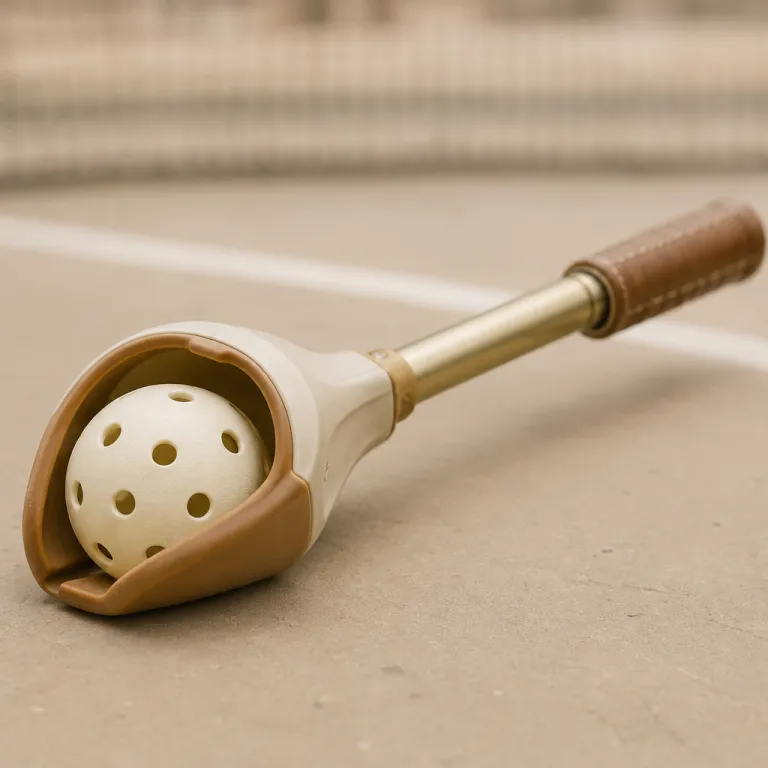
Why a pickleball retriever matters more than you think
A well designed pickleball retriever quietly changes how you experience every session. By turning repetitive ball pickup into a quick, almost automatic motion, this simple product protects your back and keeps your focus on strategy instead of constant bending. Many players only realise its value after one long training day spent chasing balls across the court.
On any busy pickleball court, dozens of balls roll into corners, under benches, and behind the baseline, and a reliable ball retriever becomes the difference between a smooth drill and constant interruptions that break your rhythm and concentration. Whether you play singles or doubles, a good retriever pickleball solution reduces fatigue, supports longer rallies, and lets you invest your energy where it matters most, which is in footwork, paddle control, and tactical choices. Recreational players, coaches, and tournament organisers now treat the pickleball retriever as essential equipment rather than a luxury accessory.
The same logic applies if you come from tennis and already know how a tennis ball retriever or ball hopper can streamline practice. A pickleball specific ball collector or retriever tube is adapted to the slightly larger diameter of pickleballs, which typically measure about 2.87 to 2.97 inches compared with 2.57 to 2.70 inches for tennis balls, so it fits standard court conditions and avoids the frustration of balls slipping out. When you compare different options pickleball players use, focus on how the handle feels in your hand, how the tube glides over balls, and whether the overall design remains lightweight portable for easy storage in your ball bag.
Key designs of pickleball retriever tubes and ball collectors
Most players start with a simple retriever tube because it offers an affordable entry into the world of efficient ball pickup. This type of pickleball retriever is usually a clear or coloured tube that fits standard pickleballs, with a flexible end that lets balls push through and then stay trapped until you release them. The tube often doubles as a temporary ball holder, so you can pour balls directly into a ball bag or ball hopper without touching the ground.
Coaches who run structured pickleball training sessions often prefer a larger ball collector or rolling ball retriever that gathers many balls in one pass, which is especially useful when working with a ball machine or feeding drills from a basket. When you run high repetition drills or use a tennis ball machine or pickleball ball machine, a high capacity ball collector reduces downtime and keeps players engaged, and you can read more about suitable machines in this detailed guide on top pickleball ball machines for serious practice. Whether you choose a compact retriever tube or a wheeled ball hopper, check that the opening is optimised for pickleballs rather than tennis balls, because the wrong size can cause jams or missed pickups.
Some hybrid designs borrow ideas from tennis equipment and adapt them for upper pickleball performance. For example, a ball retriever that was originally built for tennis ball collection may be re engineered with a slightly wider frame so it fits standard pickleball dimensions and handles both balls without damage. When you compare these options pickleball players use, look at how the frame manages balls bending under pressure, how the handle length reduces back strain, and whether the product ships with clear assembly instructions and spare parts from top brands.
Comparing prices, brands, and delivery options for retrievers
Once you decide that a pickleball retriever belongs in your gear list, the next step is to compare price ranges and brands with a clear head. Entry level retriever tube models for casual pickleball pickup usually sit at the lower end of the price spectrum, often in the same bracket as a mid range paddle cover, while heavy duty ball collector carts and rolling ball hopper systems cost more but serve clubs and coaches who manage hundreds of balls. Before you commit, write a simple list of your real needs, including how many balls you use, how often you train, and whether you share equipment with a partner or team.
Specialist pickleball brands and some tennis brands now offer dedicated ball retriever lines, and many of these products ship with accessories such as shoulder straps, replacement caps, or integrated ball holder clips. When you compare top brands, pay attention to warranty terms, expected delivery times, and whether the product fits standard pickleballs without modification, because a poor fit can lead to balls bending the tube or slipping out during ball pickup. If you train at a destination venue such as the Avalon pickleball experiences at the Modern Country Club, ask staff which retriever pickleball models survive heavy daily use, since their feedback reflects real world durability rather than marketing claims.
Online retailers usually show how quickly each product ships and which delivery options are available for your region. Some club managers order multiple pickleball retriever units at once to reduce shipping costs and ensure that every court has at least one ball retriever or ball hopper available. Whether you buy locally or online, balance price against build quality, handle comfort, and long term reliability, because a slightly higher initial cost often pays off in fewer replacements and smoother pickleball training sessions.
Ergonomics, injury prevention, and smarter ball pickup
Repeated bending to collect balls is one of the most underestimated sources of fatigue in pickleball. A well chosen pickleball retriever with an extended handle or long tube reduces strain on your lower back, hips, and knees by keeping your spine in a neutral position during ball pickup. Over the course of a long training block, this ergonomic advantage can mean the difference between finishing strong and cutting practice short.
Players who already manage back issues or knee discomfort benefit especially from a lightweight portable ball retriever that glides smoothly over balls without forcing awkward angles. When a retriever tube or rolling ball collector is correctly sized, it fits standard pickleballs and tennis balls where relevant, and it prevents balls bending the frame or jamming the mechanism, which keeps the motion fluid and safe. Coaches who supervise juniors or older adults often insist on using a ball hopper or ball holder system so that nobody repeatedly crouches or twists in ways that could aggravate existing injuries.
Ergonomics also extends to how the handle feels in your hand during fast paced pickleball pickup between points. A textured or padded handle on a retriever pickleball tool improves grip when your palms are sweaty, and it reduces the risk of dropping the tube or banging it against your pickleball paddle. If you combine a well designed pickleball retriever with a structured warm up, supportive shoes, and smart workload management, you create a safer environment where more of your energy goes into footwork, shot selection, and tactical awareness rather than uncomfortable balls bending your body out of alignment.
Integrating a retriever into solo and group training plans
Serious players treat the pickleball retriever as part of their training system rather than a casual accessory. During solo pickleball training, you might feed yourself a basket of balls, hit specific targets with your pickleball paddle, then use a retriever tube or ball collector to reset the drill in seconds. This rhythm keeps your heart rate elevated, sharpens decision making, and turns ball pickup into a quick, almost automatic transition.
Group sessions benefit even more from organised ball retriever use, especially when several courts share limited equipment. A coach can assign one player per court to manage the ball hopper and ball bag, while others focus on patterns, and then rotate roles so everyone contributes without wasting time, which keeps the pace high and the learning curve steep. If you want to understand how your skill level evolves as you refine these routines, a detailed guide on how to understand your pickleball level and move up with confidence can help you connect efficient practice habits with measurable progress.
Players who cross train with tennis often bring their experience with tennis ball drills into upper pickleball environments. They know that a reliable ball retriever or ball holder keeps the focus on footwork ladders, serve targets, and third shot drops rather than on constant bending and chasing stray balls. When you plan your weekly schedule, allocate time not only for technical work and match play but also for setting up your pickleball retriever, checking that it fits standard pickleballs, and ensuring that your pickup routine supports the intensity you aim to reach.
Choosing the right retriever for your style, court, and equipment
Different playing styles and environments call for different pickleball retriever designs, so your choice should reflect how and where you play. If you mostly rally casually with a few friends and use a small number of balls, a compact retriever tube that doubles as a ball holder may be enough, especially if it is lightweight portable and easy to store beside your paddle and shoes. Players who train with dozens of pickleballs or mix in tennis ball drills usually need a larger ball collector or rolling ball hopper that can handle both ball types without damage.
Indoor clubs with limited storage often prefer slim vertical ball bag systems that attach to a wall or cart, while outdoor facilities may invest in robust ball retriever carts that roll smoothly over rough surfaces and resist weather exposure. When you evaluate these options pickleball coaches recommend, check whether the frame fits standard court gates, whether the handle height matches your body, and whether the design prevents balls bending the mesh or plastic over time. Some top brands even colour code their retriever pickleball lines so staff can instantly see which product belongs on which court or training zone.
Finally, consider how your pickleball paddle, footwear, and other gear interact with your chosen retriever. A tube that hangs from your fence should not scratch paddle faces or tangle with backpack straps, and a rolling ball collector should move easily around benches and posts without scuffing surfaces. When all these elements work together, your pickleball retriever becomes part of a coherent equipment ecosystem that supports efficient ball pickup, protects your body, and lets you focus fully on the joy and challenge of the game.
Key figures on pickleball retrievers and training efficiency
To make comparison easier, the table below summarises typical characteristics of common ball pickup tools used in pickleball and tennis style practice.
| Retriever type | Approx. capacity | Typical weight | Usual price range | Ball compatibility |
|---|---|---|---|---|
| Pickleball retriever tube | 15–20 balls | 0.5–1.0 kg | Entry level | Designed for pickleballs |
| Rolling ball collector | 40–60 balls | 1.5–3.0 kg | Mid range | Often pickleball and tennis |
| Ball hopper cart | 80–150 balls | 3.0–6.0 kg | Premium | Model specific fit |
- Coaches who use a ball retriever or ball hopper during structured drills often report saving noticeable time each hour of court use compared with manual pickup, based on informal time motion notes from several large facilities.
- Physical therapists working with racket sport athletes frequently observe that reducing repetitive deep bending for ball pickup can meaningfully lower perceived lower back strain during long practice sessions, according to clinical experience shared in professional workshops.
- Multi court clubs that equip every court with at least one pickleball retriever or ball collector typically need fewer replacement balls each season, because organised pickup reduces the number of balls lost under bleachers, in bushes, or outside fences.
- Retail data summaries from major online sports platforms indicate that sales of pickleball specific retriever tube products have grown faster than generic tennis ball retrievers, reflecting the rapid expansion of dedicated pickleball training habits.
FAQ about pickleball retrievers
Do I really need a pickleball retriever as a casual player ?
Recreational players benefit from a pickleball retriever because it reduces bending, speeds up ball pickup, and keeps games flowing smoothly. Even if you only use a small number of balls, a simple retriever tube or compact ball holder makes practice more comfortable. Many casual players find that once they start using a ball retriever, they do not want to go back to manual collection.
Can I use a tennis ball retriever for pickleballs ?
Some tennis ball retriever models work reasonably well for pickleballs, but not all of them fit standard pickleball diameters. If the opening is too narrow, balls bending against the frame can cause jams or cracks, which shortens the life of the product. Whenever possible, choose a retriever pickleball design or confirm that the manufacturer explicitly states compatibility with both tennis balls and pickleballs.
How many balls should my retriever or ball hopper hold ?
The ideal capacity depends on how you train and how many players share the equipment. Solo players who hit serves or third shot drops might be comfortable with a retriever tube that holds 15 to 20 balls, while coaches running group pickleball training often prefer a ball collector or ball hopper that carries 50 or more. If you regularly use a ball machine, match the capacity of your ball bag or hopper to the machine’s maximum load so you can reset drills efficiently.
What features make a retriever more durable over time ?
Durable pickleball retriever models use thicker plastic or metal frames, reinforced end caps, and handles that resist flexing under repeated stress. Look for designs that prevent balls bending the structure, that fit standard pickleballs without forcing them through, and that come from top brands with clear warranty policies. Products that ships with spare parts, such as replacement caps or wheels, usually offer better long term value.
How should I store my retriever and balls between sessions ?
Store your ball retriever and ball bag in a cool, dry place away from direct sunlight to protect plastic components and pickleballs from premature ageing. Hanging a retriever tube vertically or placing a ball hopper on a stable surface prevents warping and accidental damage. If you play outdoors, rinse dirt from wheels or frames occasionally so your pickleball retriever continues to roll smoothly and support efficient ball pickup.
References
- USA Pickleball – official equipment guidelines and court specifications.
- International Tennis Federation – technical data on tennis ball and court equipment.
- American Physical Therapy Association – resources on overuse injuries and spine health in racket sports.