Portable pickleball practice systems: nets, rebounders, and training setups
Key criteria when choosing a portable pickleball net and posts
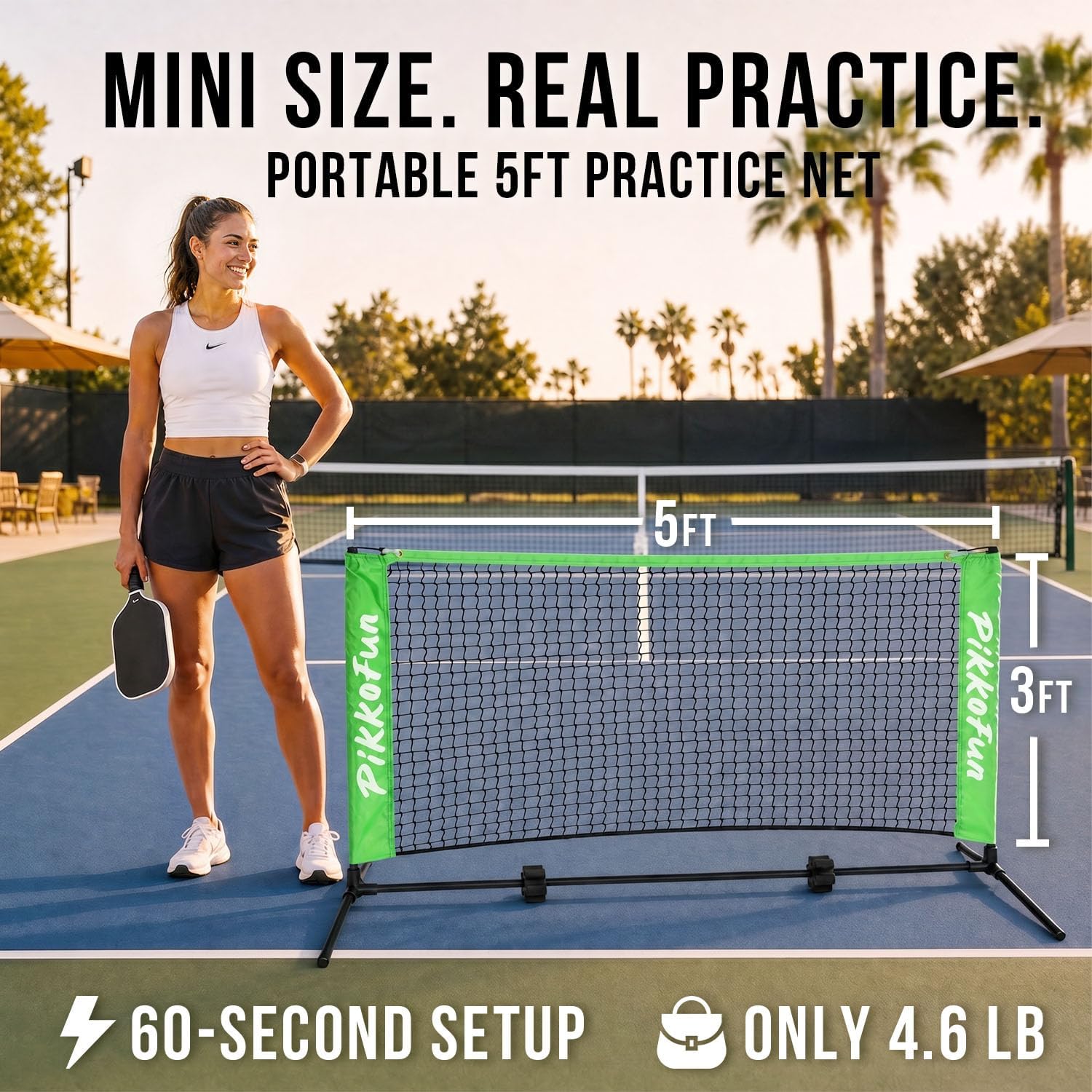
When you evaluate portable nets and posts, frame the decision like an expert review of technical equipment. The first key factor is frame build quality, because a flimsy system will twist under wind or high volume play and ruin your practice rhythm. Look for powder coated steel or reinforced aluminium posts that lock together cleanly, much like a well engineered positive grid of structural supports.
Net tension is the next priority, since it directly shapes ball sound and bounce effects during dinks and drives. A sagging net behaves like a cheap speaker that cannot handle bass frequencies, while a properly tensioned net feels like a tuned speaker system that keeps the response crisp across the full hitting zone. Adjustable centre straps and clearly marked height indicators are the best safeguards against gradual drift during long sessions.
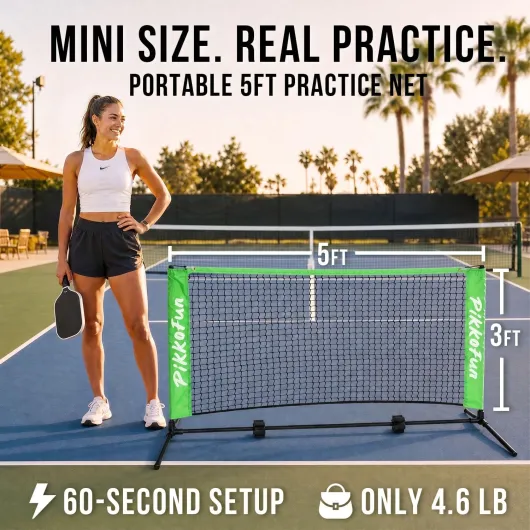
Weight and portability complete the core checklist for the best portable practice systems. A net that folds into a compact carry bag under 10 kilograms is realistic for most players, especially if the posts and base grid spark together quickly without tools. For buyers comparing options, detailed review specifications and an honest expert review are as valuable as a musician reading an expert verdict on compact guitar amps before a glance buy decision, and resources such as adjustable height pickleball nets provide useful benchmarks.
Example comparison of portable pickleball net systems
| Model |
Frame material |
Packed weight |
Packed size (approx.) |
Tension system |
Typical price range (USD) |
| OnCourt OffCourt PickleNet Portable System |
Powder coated steel |
Approx. 9 kg |
90 × 25 × 20 cm bag |
Centre strap + side tension straps |
$150–$190 |
| SwiftNet 2.1 Portable Pickleball Net |
Reinforced aluminium and carbon fibre |
Approx. 6–7 kg |
80 × 20 × 18 cm bag |
Elastic cord top band |
$170–$220 |
| 3.0 Portable Pickleball Net with Adjustable Height |
Steel base, aluminium uprights |
Approx. 9–10 kg |
95 × 28 × 22 cm bag |
Crank style centre post |
$160–$210 |
In practical terms, the PickleNet suits players who prioritise stability in windy parks, the SwiftNet favours frequent travellers who carry their own portable pickleball nets to every session, and the 3.0 system works best for families who also use the setup for junior or multi sport play.
Rebounder nets and solo training systems for limited spaces
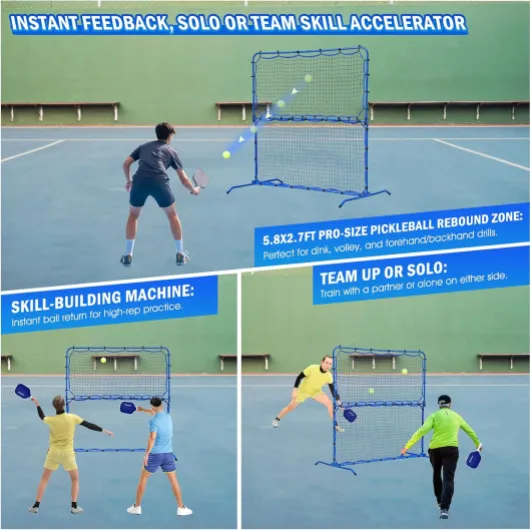
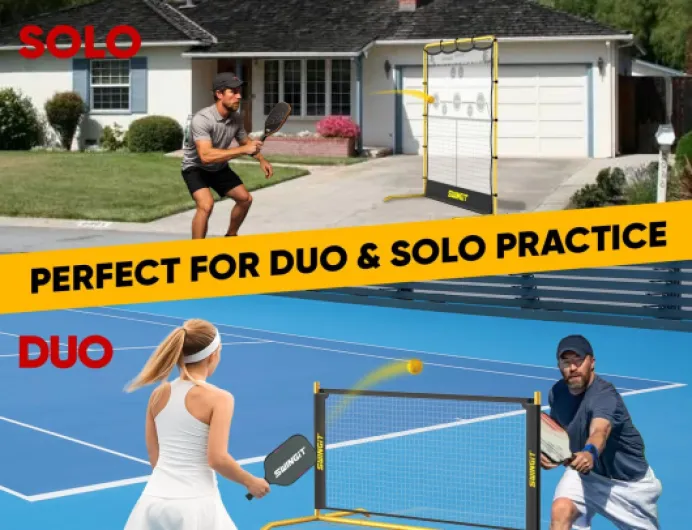
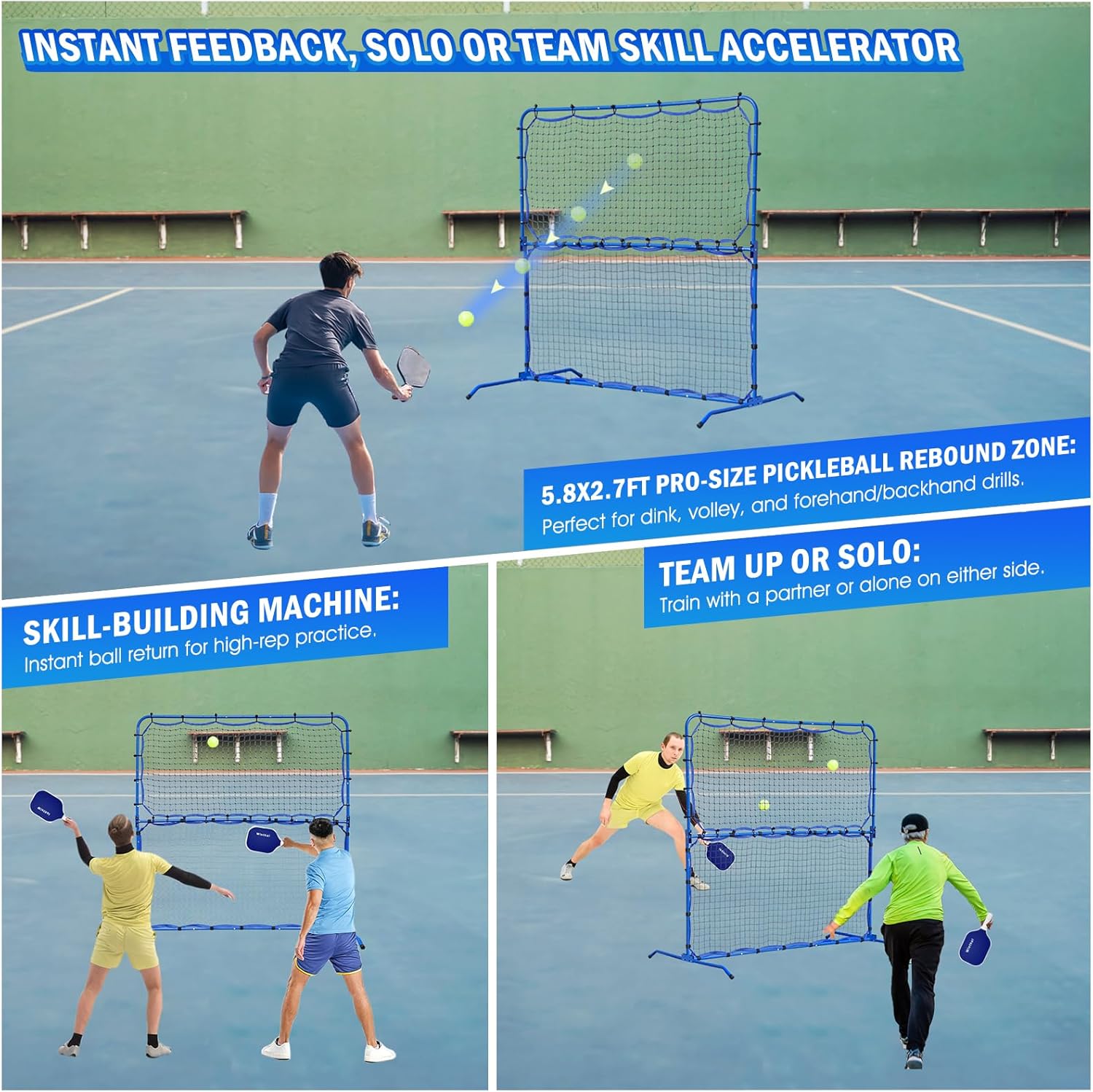
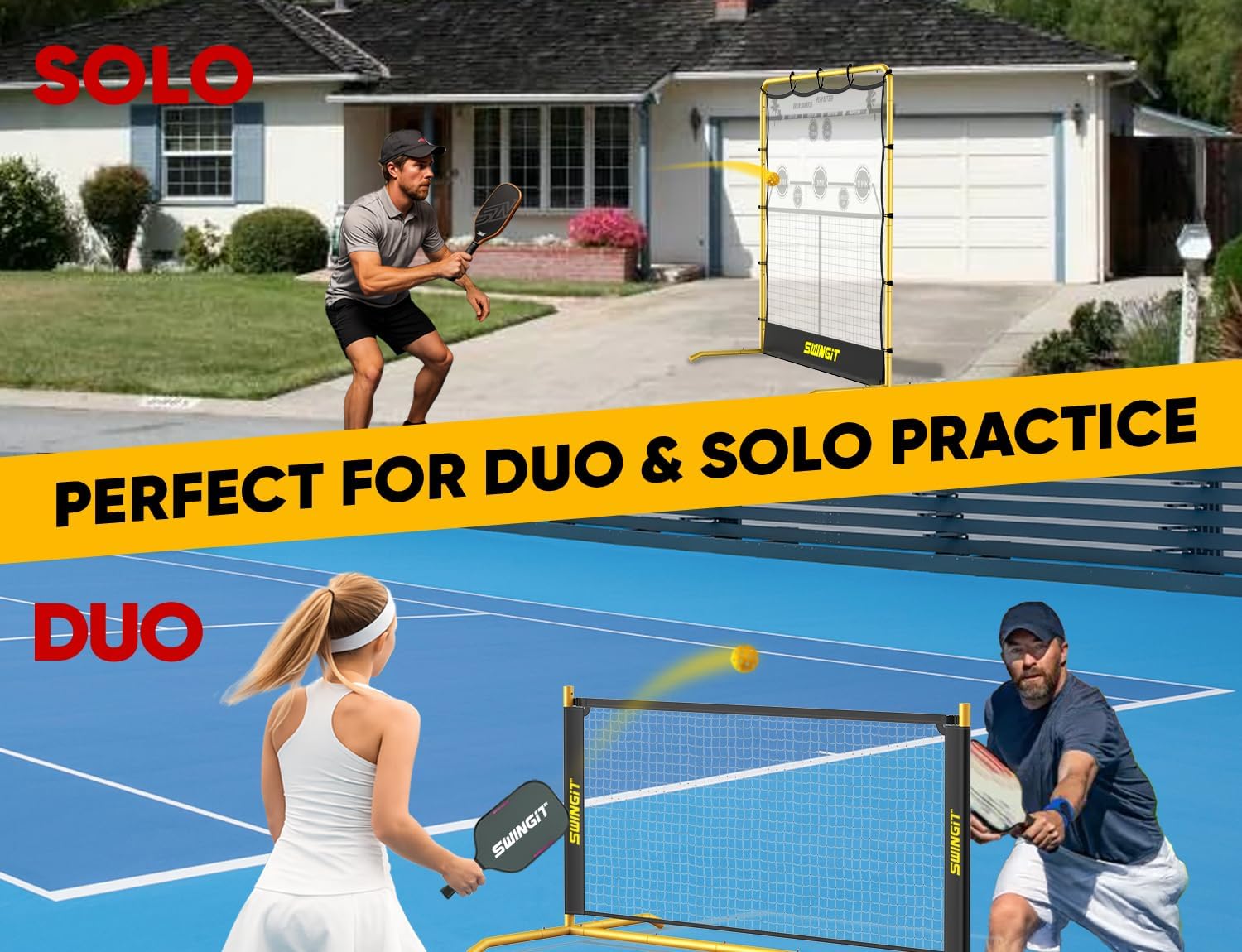
Solo practice systems built around rebounder nets have transformed how players use small spaces. A well tuned rebounder acts like a responsive mini amp for your strokes, amplifying every technical flaw and every clean contact through the timing and sound of the returning ball. The best portable practice systems in this category combine a compact frame, a resilient mesh, and a stable base grid that resists sliding on concrete or asphalt.
For players training in a driveway or narrow backyard, the angle of the rebound surface is the key variable. A steeper angle returns the ball faster and higher, similar to turning up the volume and treble on a guitar amp, while a flatter angle softens the response like rolling off bass on a speaker system. Products such as the portable pickleball rebounder net 2‑in‑1 solo training system show how a single frame can support both dinks and drives without needing extra posts.
Rebounder net comparison and use cases
| Rebounder type |
Frame material |
Typical size |
Best for |
Pros |
Cons |
| Compact driveway rebounder |
Steel frame, nylon mesh |
1.2–1.5 m wide |
Dinks, volleys, reaction drills |
Small footprint, quick setup |
Less realistic depth on drives |
| Full width 2‑in‑1 system |
Steel base, adjustable uprights |
Up to net width |
Third shot drops, drives, serves |
Versatile angles, match like feel |
Heavier, higher price |
| Wall assisted rebound panel |
Aluminium frame, tensioned panel |
Mounted or leaned |
Power groundstrokes, spin work |
Very fast feedback, durable |
Needs solid wall or fence |
When you read any review of rebounder systems, pay attention to comments about sound and stability. A sharp, consistent impact sound usually signals even tension across the mesh, while irregular noise patterns can reveal dead spots that limit training quality. Just as musicians compare mini amps and mini amp models such as the Katana Mini or Blackstar Fly for their tonal balance, pickleball players should compare rebounders for their balance between forgiveness and realism in repeated volleys.
Translating audio concepts like amps and speakers into visual training cues
Many players underestimate how much audio style thinking can sharpen visual training in pickleball. When coaches talk about reading the ball off the net, they are really asking you to treat each bounce like a note from a guitar amp, where the sound and trajectory together reveal timing and spin. The best portable practice systems make these cues clearer by providing a consistent rebound grid and a stable net line that never wobbles.
Imagine your training setup as a complete system of amps and speakers for your strokes. The net and posts act as the main speaker, projecting feedback through ball sound and flight, while any rebounder or backboard behaves like a secondary speaker that adds extra volume and complexity. If either speaker is poorly built, the overall quality of information you receive drops, just as a musician struggles when a cheap speaker distorts bass notes at higher volume.
Digital tools now extend this analogy further through every training app that tracks shot patterns or records video. Some platforms overlay a virtual positive grid on the court image, helping you see where your dinks land relative to ideal targets, almost like a visual version of the Positive Grid Spark Mini interface that guitarists use to map amp models and effects. When you combine such an app with a reliable portable net system, you create a feedback loop where sound, image, and feel all reinforce the same technical message.
How to evaluate reviews, reasons to buy, and reasons to avoid
Reading equipment reviews for portable nets and practice systems requires the same discipline as reading an expert review of compact guitar amps. Start by scanning the review specifications for frame material, mesh density, packed size, and total system weight, then compare those figures against your own storage and transport limits. A credible expert verdict will always explain clear reasons to buy and reasons to avoid, rather than hiding weaknesses behind vague praise.
User feedback can be especially revealing when it mentions sound, stability, or long term build quality. Repeated complaints about rattling posts or uneven net tension are the pickleball equivalent of players criticising mini amps for noisy electronics or weak bass response at higher volume. Look for patterns in comments, just as musicians compare experiences with the Grid Spark, the Spark Mini, or compact models like the Katana Mini and Blackstar Fly before a glance buy decision.
Visual documentation matters as well, whether it is a simple image credit in a retailer gallery or a slow motion clip in a training app. Clear photos of the base grid, connection points, and carry bag straps often reveal more about real world durability than any marketing line about best in class quality. When you cross check those images with long term paddle tests such as the detailed mid season paddle reviews on Pickleball Today, you learn to separate polished advertising from equipment that actually survives hundreds of hours of play.
Building a complete portable practice ecosystem around your net system
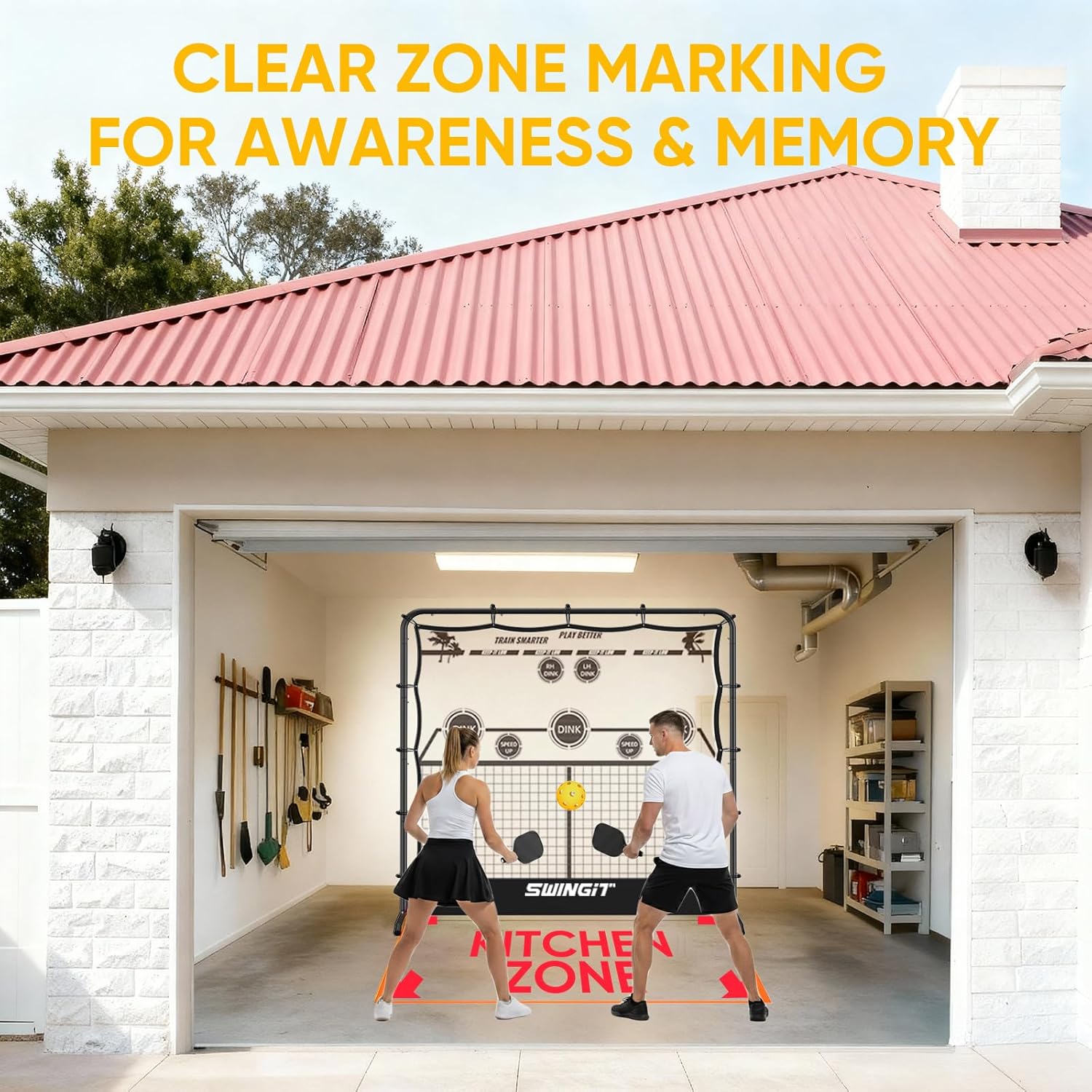
A portable net or rebounder becomes far more valuable when integrated into a complete training ecosystem. Start by mapping your available spaces, whether a 6 metre driveway, a quiet cul de sac, or a local park corner, then match each area with the best portable practice systems you can realistically transport and store. Treat the net system as your central speaker, then add accessories that act like subtle effects to refine your training sound.
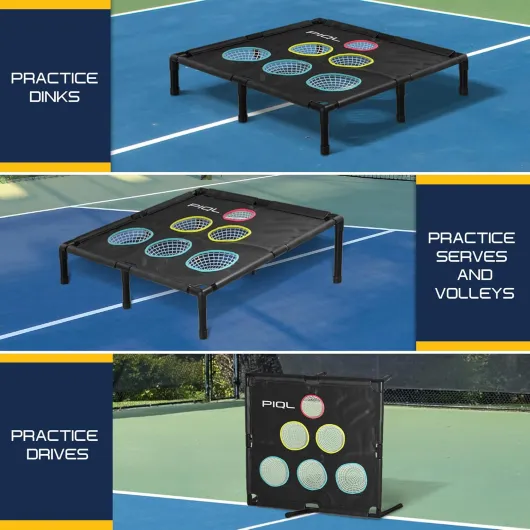
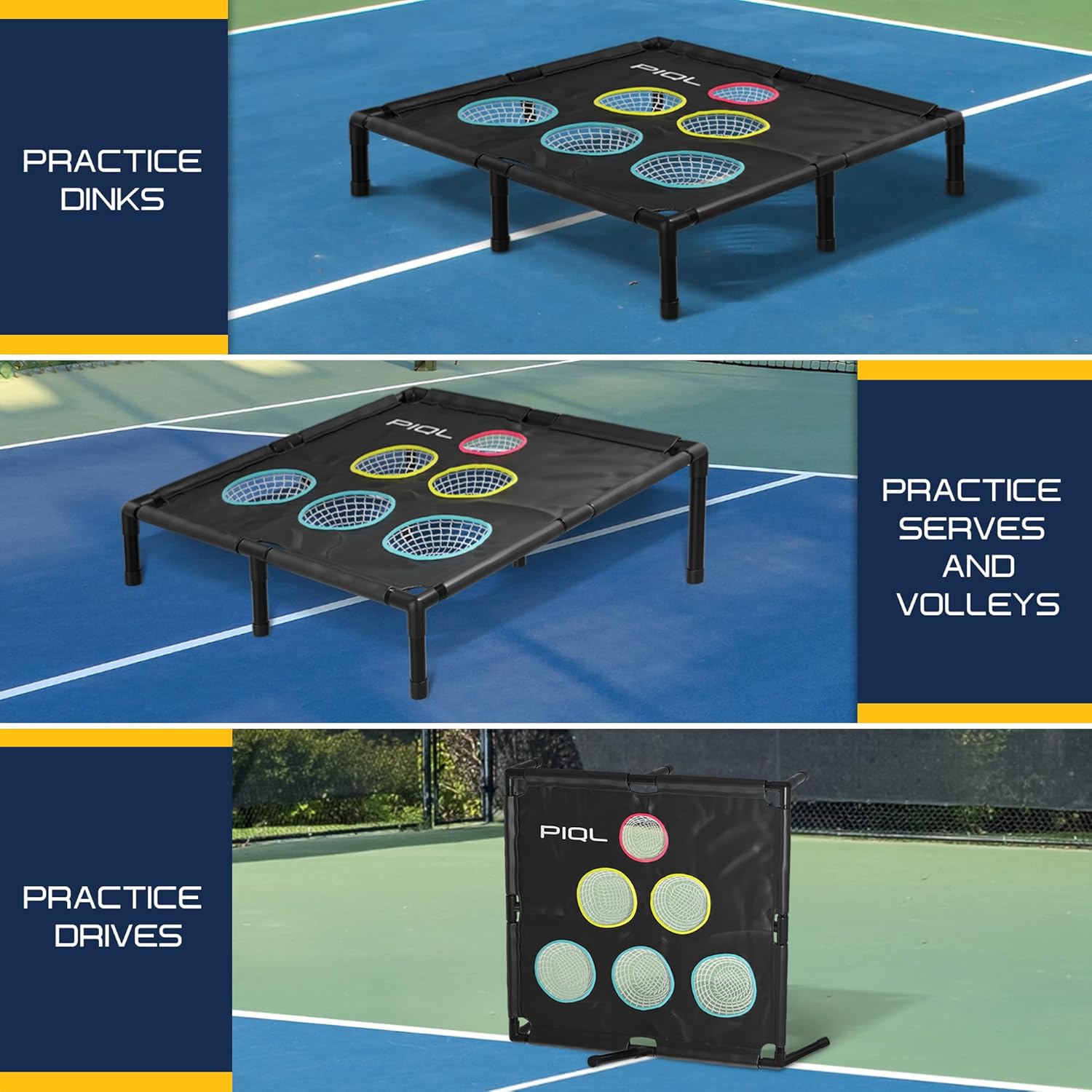
Target markers on the court surface function like tone shaping effects pedals for a guitar amp. They guide your dinks and drives into specific zones, reinforcing patterns that later translate directly to match play, much as a musician uses amps effects to shape the character of each note. Portable ball machines, resistance bands, and shadow footwork grids all plug into this system, creating layers of practice volume and intensity without needing a full sized club facility.
Over time, you will notice that your portable setup develops its own personality, just as a favourite guitar and amp combination does for a musician. The particular sound of the ball on your chosen net, the way the mesh responds to heavy topspin, and even the visual rhythm of the base grid under your feet all become familiar cues. When those cues are consistent and supported by solid build quality, your portable practice environment turns into a reliable training partner that quietly raises your competitive ceiling.
Key statistics on portable pickleball practice and equipment
- Industry reports from the Sports & Fitness Industry Association (SFIA) indicate that U.S. pickleball participation more than doubled between 2020 and 2023, which has sharply increased demand for portable nets and practice systems for home and park use.
- Market research from racket sport equipment analysts suggests that portable pickleball net systems now represent a substantial share of overall net sales, reflecting a clear shift toward flexible training setups outside traditional clubs.
- Consumer surveys from major sporting goods retailers consistently show that a majority of new pickleball players first practice in non club environments such as driveways, cul de sacs, or community courts, where portable nets and rebounders are essential.
- Independent product testing by third party labs has found that higher quality portable net systems can endure thousands of assembly and disassembly cycles without major structural failure, which is a critical factor for players who transport their equipment several times per week.
- Coaching organisations and certified instructors commonly report that structured solo practice with a portable net or rebounder for around 90 minutes per week can noticeably reduce unforced errors over a season, especially in dinking and third shot drop patterns.