Translating basketball shoe technology to pickleball movement
Many players ask whether a modern basketball shoe can double as a pickleball option with strong court grip. The answer is often yes, especially for models that emphasise low to the ground cushioning and stable sidewalls. These designs were built for lateral cuts and jumps, which are very similar to the shuffle steps and quick pivots you use near the non volley zone.
Brands such as Nike have invested heavily in traction and support systems that now benefit pickleball athletes. A pair of basketball shoes with a wide base and rounded edges lets you roll smoothly into defensive slides without catching the outsole on the court. When you read any detailed full review, look for comments about how the shoe behaves during sharp stops, because that behaviour will translate directly to pickleball rallies.
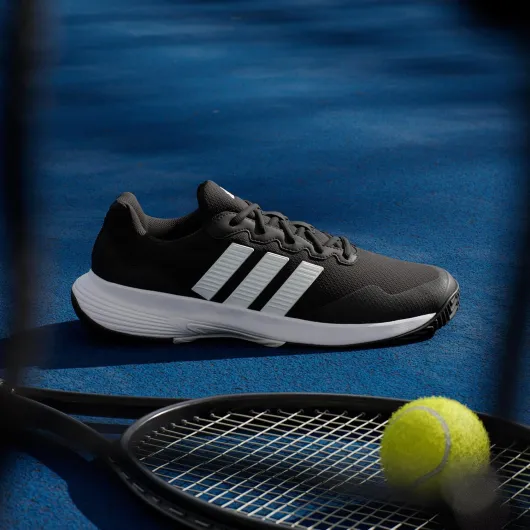
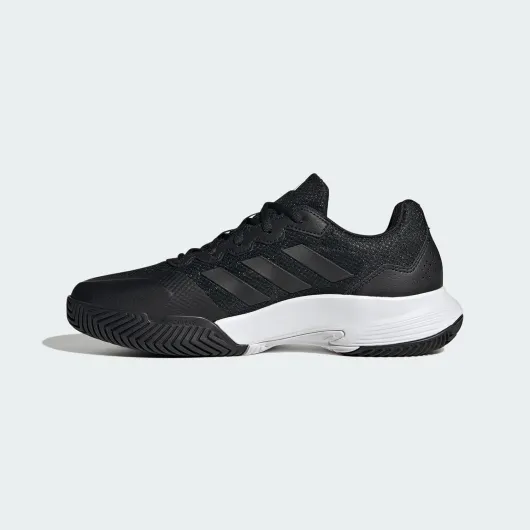
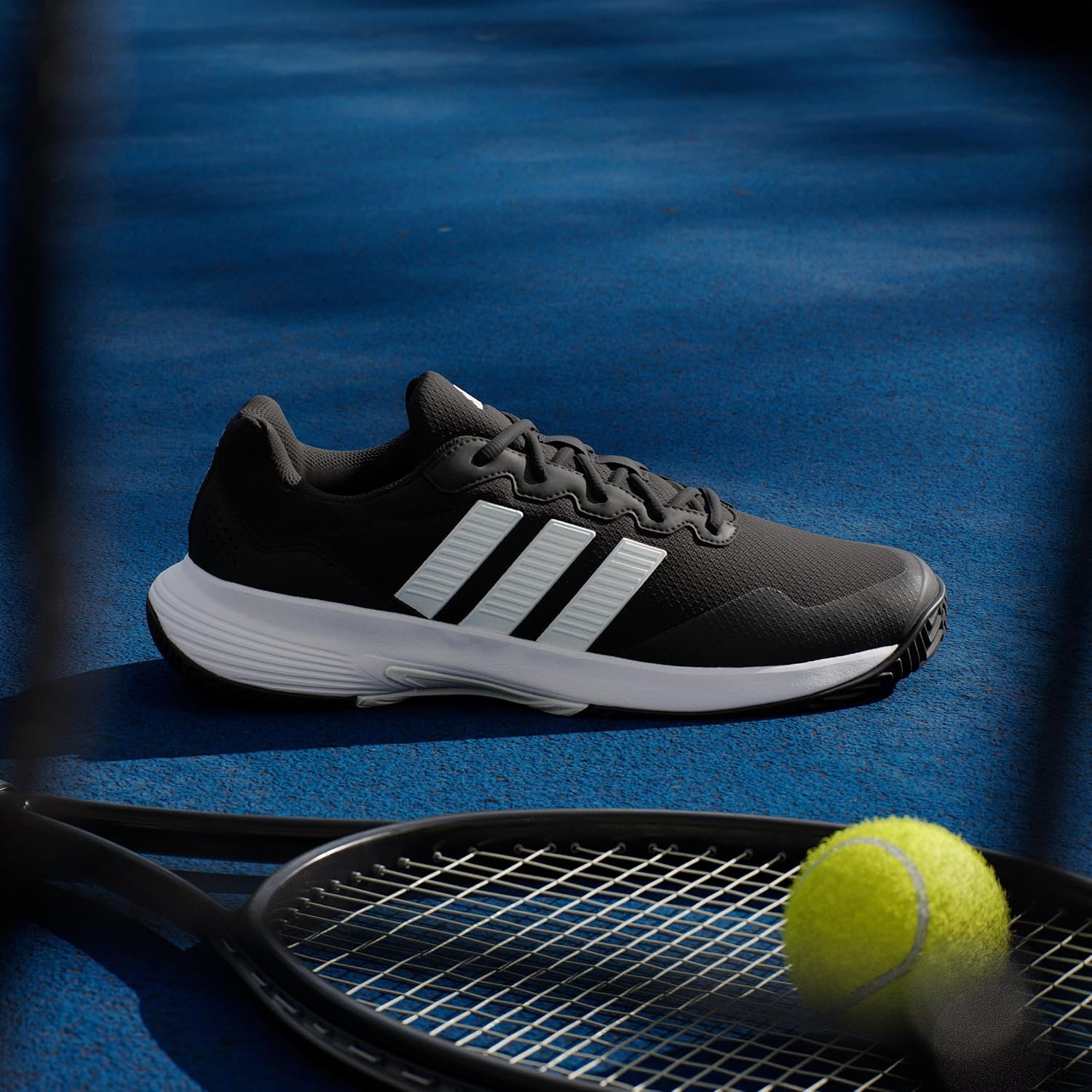
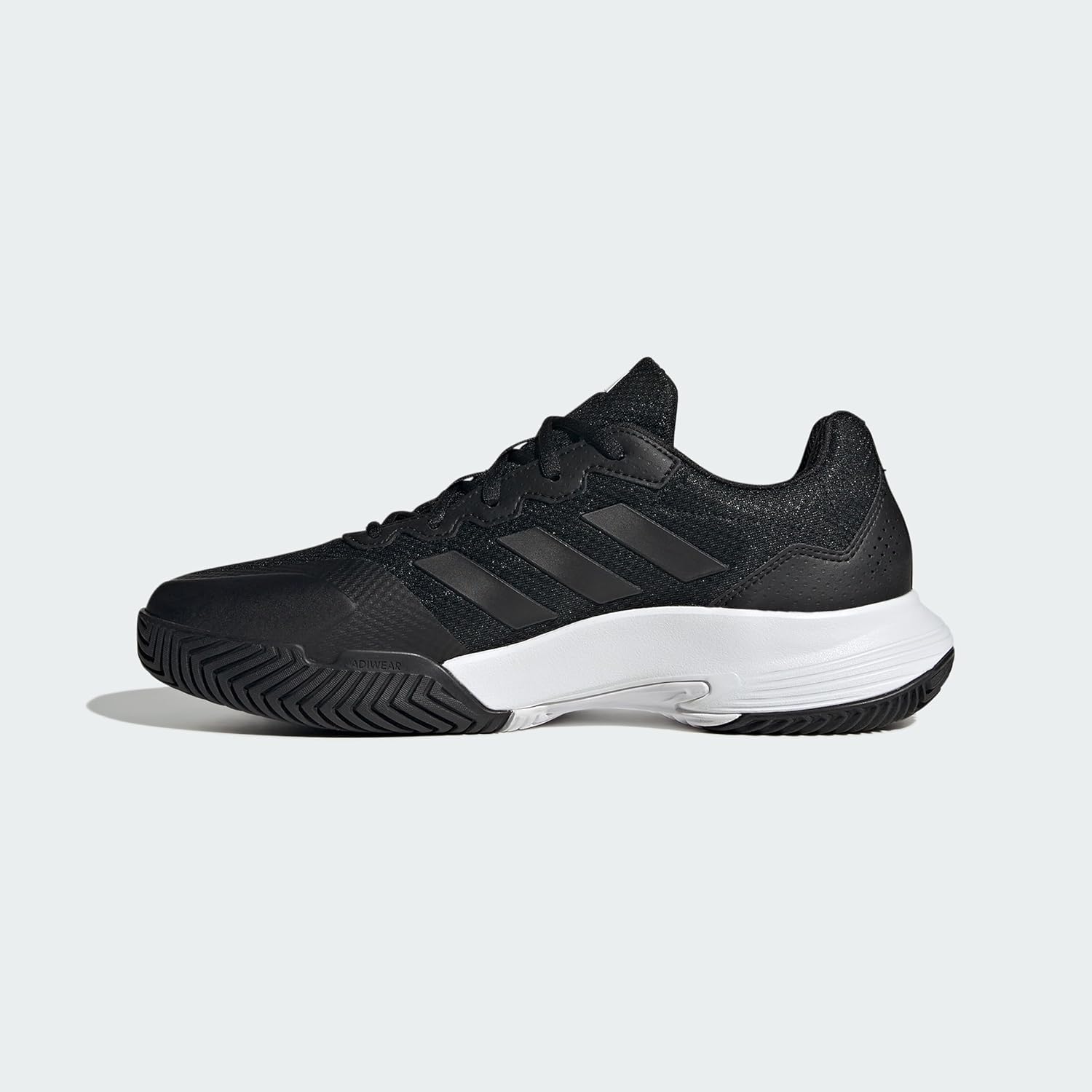
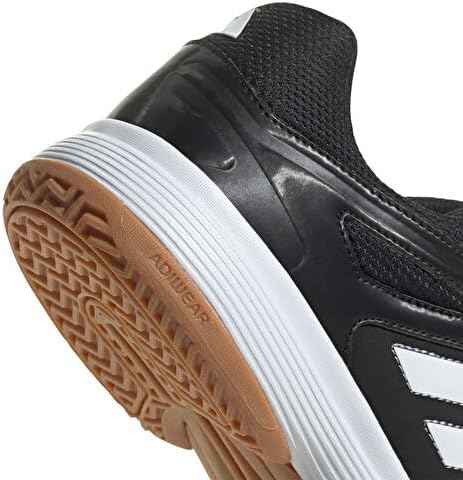
Some of the best basketball models for crossover use are marketed as outdoor basketball options with durable rubber. These shoes good for asphalt or rough concrete usually offer good traction and a stable platform, which is ideal for aggressive outdoor play in pickleball. If you want a tennis inspired alternative, a technical test of the Adidas Gamecourt 2, such as a specialised court shoe review for lateral performance, can also guide your expectations about grip and durability.
How cushioning and court feel affect your game
While traction keeps you connected to the surface, cushioning determines how fresh your legs feel after long sessions. A grip-optimized pickleball shoe balances impact protection with court feel, so you can sense the ground and react quickly. Too much soft foam under the foot can make a hoop shoe feel unstable during fast cuts, even if the rubber offers excellent traction.
Look for midsole systems that combine a firmer carrier foam with a slightly softer insert under the heel and forefoot. This approach, common in a modern basketball shoe, gives you a controlled ride that still absorbs landings from overhead smashes. When a review mentions that a model rides low while still protecting the joints, that usually signals a good candidate for pickleball play.
Price also enters the equation, because premium cushioning platforms often raise the final cost. You do not always need the most expensive Nike LeBron level technology to achieve strong performance on the court. Many mid tier basketball shoes deliver a smart mix of cushioning, support, and traction basketball grip at a more accessible price point.
Comparing low, mid and high ankle profiles for pickleball
Ankle height is one of the most debated topics when players search for court shoes with reliable grip. Low cut models feel light and agile, which many advanced players prefer for quick transitions at the kitchen line. High or mid cuts, by contrast, can offer more perceived ankle support, especially for athletes with a history of sprains.
Low basketball shoes and low profile court shoes let your ankle move freely, which can actually help with natural stability. When the collar does not restrict motion, your muscles and tendons learn to react quickly to small imbalances during play. However, if you often land awkwardly or feel nervous about lateral movements, a slightly higher cut with a padded collar may give you extra confidence.
Some signature lines, such as certain Nike Giannis or Nike LeBron models, experiment with hybrid collars that sit between low and mid height. These designs aim to blend the best aspects of low shoes and supportive hoops silhouettes for outdoor basketball and indoor courts. When you read a full review or a targeted review Nike article, pay attention to how testers describe the balance between freedom and structure around the ankle.
Lockdown systems and lateral containment
Regardless of collar height, the way the shoe locks your foot onto the platform is critical. A well designed pickleball shoe uses strong sidewalls, structured uppers, and secure lacing to prevent your foot from sliding over the edge of the outsole. This lateral containment is especially important when you plant hard to change direction or chase a sharp crosscourt dink.
Many hoop shoes now use integrated straps or eyelets that pull the midfoot into the base when you tighten the laces. This design, often seen in performance oriented basketball shoes, keeps the heel seated and reduces the risk of blisters during long outdoor play. When you try on a court shoe, test this by making a few aggressive side to side cuts and checking whether your foot shifts inside the upper.
Some players also add external ankle braces, which can change how the shoe fits and feels. If you plan to use a brace, bring it when you test different shoes best suited to your needs in store. You may need to size up slightly or choose a model with a roomier collar to maintain comfort and full range of motion.
Outdoor versus indoor pickleball courts and outsole choices
Surface type has a direct impact on which grip-optimized court shoes will serve you best. Indoor pickleball often takes place on smooth wooden or synthetic courts, where dust can quickly reduce traction. Outdoor courts, usually textured acrylic over concrete, demand tougher rubber and deeper tread patterns to maintain grip and resist wear.
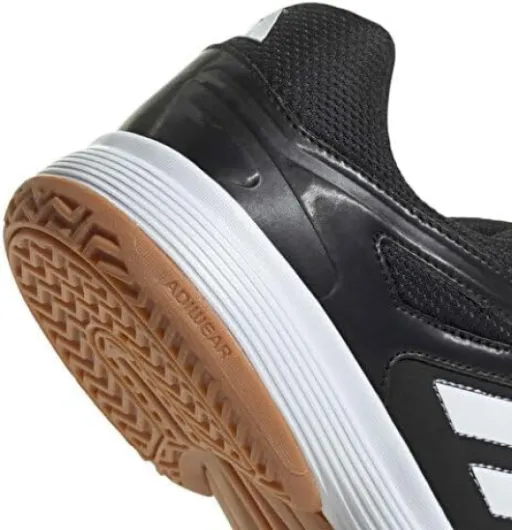
For indoor environments, a softer rubber outsole with a fine herringbone pattern usually provides excellent traction. Many indoor basketball shoes are designed exactly this way, so they translate well to pickleball halls and gymnasiums. If you notice sliding during play, wiping the outsole between points can restore good traction and help you maintain a stable base for each shot.
Outdoor play introduces different challenges, including small stones, moisture, and rougher surfaces that can chew through soft rubber quickly. A best outdoor oriented court shoe or outdoor basketball model uses harder compounds and thicker lugs to survive months of use. When you read a full review that praises a shoe for outdoor durability, that is a strong sign it can handle frequent pickleball sessions on public courts.
Specific models that cross over well
Several basketball lines have become favourites among pickleball players seeking strong court grip without buying sport specific models. The Nike Giannis series, including the Giannis Immortality line, is known for its grippy outsole and supportive sidewalls. Many athletes report that this basketball shoe feels stable during sharp cuts, which suits the stop start rhythm of pickleball rallies.
Another popular option is the Nike LeBron range, especially versions tuned for outdoor basketball with durable rubber. These hoop shoes often feature strong cushioning and a wide base, which helps heavier or more explosive players stay comfortable during long matches. When you read a detailed review Nike breakdown, look for comments about how the outsole handles dusty courts and how the cushioning feels during repeated jumps.
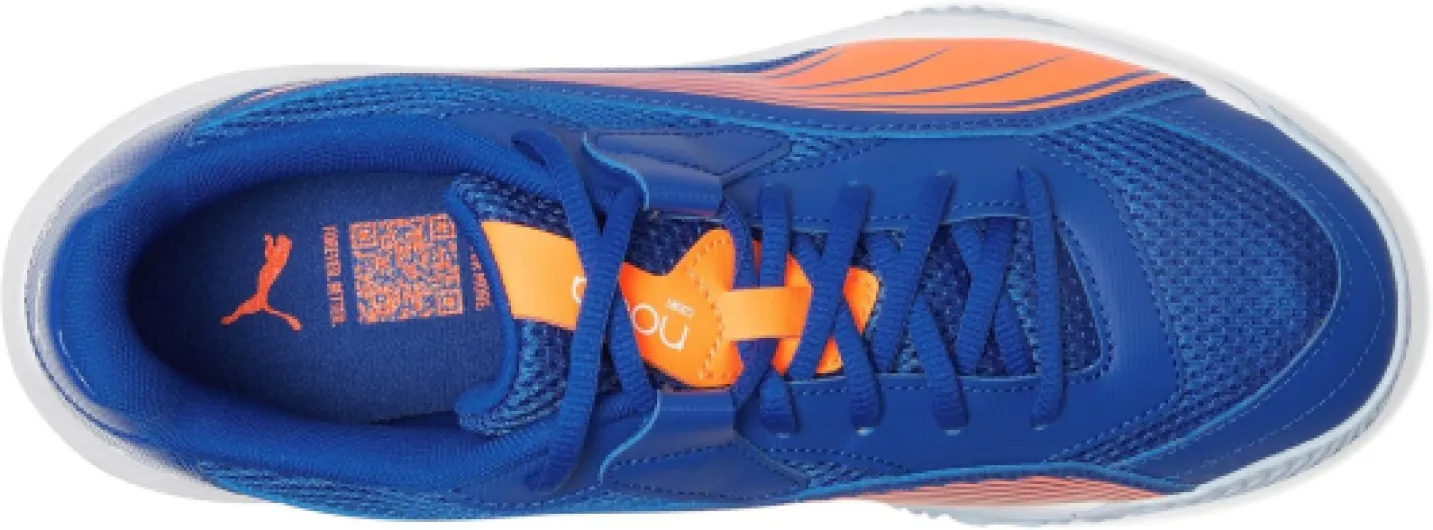
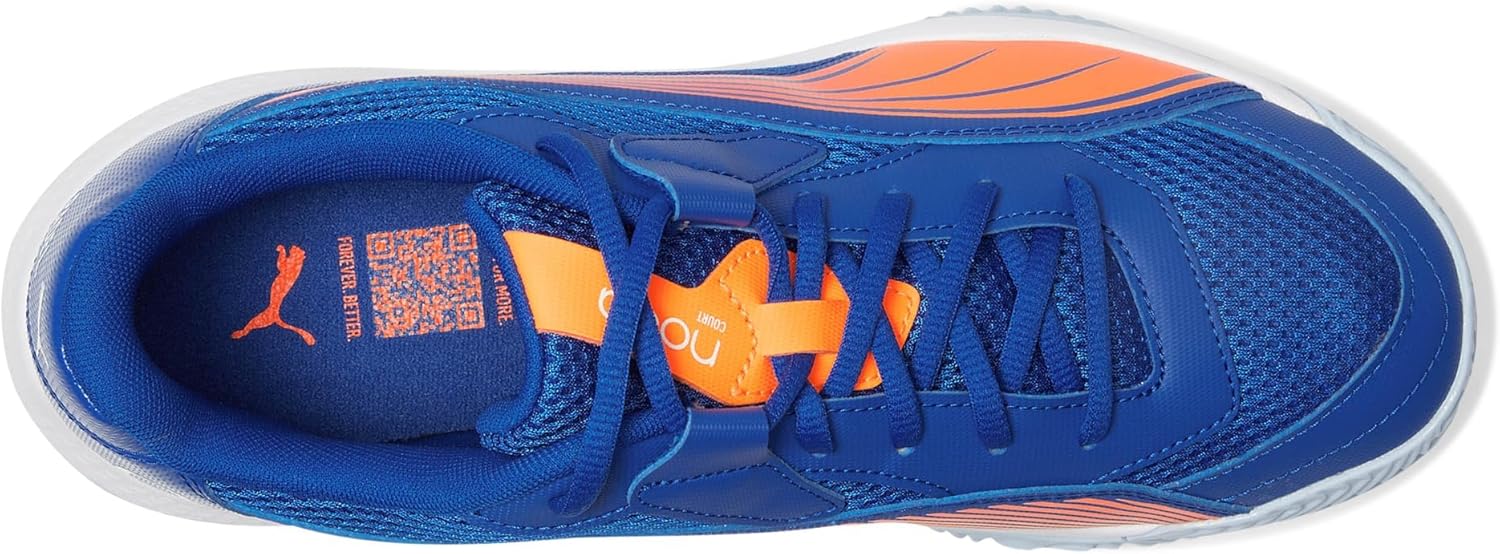
Pickleball specific footwear is also evolving, with brands adapting tennis and basketball technologies to the sport. A technical test of a model like the Nova Court, such as a Nova Court pickleball shoe review, can show how brands tune traction and cushioning for lateral play. Comparing these shoes good for pickleball with mainstream basketball shoes helps you decide whether to prioritise grip, price, or multi sport versatility.
| Model | Indoor / Outdoor | Outsole pattern & rubber | Cushioning feel | Best for player type |
|---|
| Nike Giannis Immortality | Indoor & light outdoor | Multi-directional pattern, medium rubber | Firm, responsive, low to the ground | Quick movers who value court feel and lateral support |
| Nike LeBron (outdoor versions) | Outdoor focused | Deep grooves, harder rubber compound | Plush, impact-protective | Heavier or explosive players needing cushioning and stability |
| Adidas Gamecourt 2 | Primarily outdoor acrylic | Herringbone style, durable rubber | Balanced, slightly firm | Tennis and pickleball players wanting predictable grip |
| Nova Court Pickleball Shoe | Indoor & outdoor | Court-specific traction zones | Moderate cushioning with good court feel | All-rounders seeking a pickleball-specific fit |
| Typical indoor basketball shoe | Indoor only | Fine herringbone, soft sticky rubber | Varies from firm to soft | Gym players prioritising maximum indoor grip |
Balancing price, durability and performance for real players
Every player wants reliable court grip, but budgets and priorities differ widely. Some athletes chase top tier performance with premium basketball shoes, while others prefer reliable mid range models that offer solid traction and cushioning. The key is to understand which features genuinely affect your game and which are mostly marketing.
Durability is one of the most important factors for frequent outdoor play. A shoe with a tougher outsole and reinforced toe cap may cost slightly more upfront, but it often saves money over time by avoiding early replacement. When you read a full review, look for comments about outsole wear patterns and how the upper materials hold up after months of use.
Price also interacts with comfort, because cheaper models sometimes cut corners on cushioning or support. If you feel joint pain after sessions, investing in a better cushioned basketball shoe or court shoe can be more cost effective than medical treatment later. For players who carry multiple pairs or extra gear, pairing strong footwear with a quality bag, such as those featured in a top pickleball paddle bags guide, helps protect your investment and keep your equipment organised.
How to read and use shoe reviews effectively
Reviews can be powerful tools when you search for grip-optimized pickleball shoes, but only if you know what to look for. Focus on how testers describe traction, cushioning, and support during realistic play scenarios rather than just listing technologies. A trustworthy full review will mention both strengths and weaknesses, including any issues with fit or durability.
Pay attention to whether the reviewer plays on similar surfaces and at a comparable intensity to your own game. A hoop shoe praised for indoor performance might not be the best outdoor choice if you mainly play on rough public courts. When several reviews consistently highlight good traction and stable ankle support, you can be more confident that the shoe will perform well for pickleball.
Finally, remember that no single model is perfect for every foot shape or playing style. Use reviews as a starting point, then try on multiple basketball shoes and court shoes to see how they feel under your own foot. Your personal comfort and confidence on the court matter more than any marketing slogan or online score.
Practical checklist for choosing your next pickleball shoes
When you stand in a store or browse online, a clear checklist helps you identify the right pickleball shoes for your needs. Start with traction by examining the outsole pattern and rubber compound, prioritising models praised for excellent traction on your usual court type. Then assess cushioning by pressing the midsole and reading how players describe impact protection and court feel during play.
Next, evaluate support and fit by lacing the shoe tightly and moving in all directions. Your heel should stay locked, your midfoot should feel secure, and your toes should have enough room to splay without sliding forward. If you use ankle braces or orthotics, test them inside the shoe to ensure they do not compromise comfort or stability.
Finally, weigh price against expected durability and overall performance. A slightly higher investment in a well built basketball shoe or dedicated court shoe can pay off in fewer injuries and more enjoyable sessions. Keep notes on which shoes best match your preferences, so you can quickly compare options when new basketball shoes or pickleball models reach the market.
Rotating pairs and maintaining grip over time
Even the best court shoes lose traction as the rubber wears down or collects dust. Rotating between two pairs allows each shoe to decompress between sessions, which can extend cushioning life and maintain more consistent performance. This approach is especially useful if you split time between indoor and outdoor play and need different outsoles for each surface.
Simple maintenance habits also preserve grip and support. Wiping the outsole with a damp cloth after games removes dust and small debris that reduce good traction on the court. Checking the midsole for creasing and the upper for tears helps you decide when a trusted hoop shoe or court shoe has reached the end of its safe lifespan.
When you finally retire a pair, use your notes and past experiences to refine your next purchase. You may realise that a certain brand, such as Nike with its Nike Giannis or Giannis Immortality lines, consistently fits your foot shape and movement style. Over time, this feedback loop leads you toward a personal rotation of shoes good for pickleball that balance traction basketball grip, cushioning, and price in a way that suits your game.
Key figures about court grip and footwear in racket sports
- Analyses of racket sports show that lateral movements make up a large majority of total steps during a match, which underlines why traction and support in a court shoe are more critical than straight line speed (summarised from sports biomechanics research on tennis and badminton, for example work by Girard and colleagues in Sports Biomechanics, 2007).
- Laboratory tests on indoor courts indicate that a dusty surface can noticeably reduce friction between the outsole and the floor, which explains why wiping your shoes during play can improve stability (reported in studies of sports flooring friction coefficients, such as those discussed by Clarke and co-authors in the Journal of Sports Sciences, 2013).
- Injury surveillance data from court sports suggest that ankle sprains represent a substantial share of all reported injuries, and many are linked to inadequate footwear or worn out outsoles with poor grip (summarised in sports medicine registries for basketball and volleyball, including work by Fong and collaborators in Sports Medicine, 2007).
- Market and lab analyses of performance footwear show that outdoor specific court and basketball shoes often use rubber compounds that are measurably harder than indoor models, trading a small amount of initial stickiness for much better long term durability on rough surfaces (industry reports on outsole hardness and wear testing in performance footwear).
- Consumer surveys in racket and hoop sports report that players who rotate at least two pairs of performance shoes tend to replace each pair after roughly 9 to 12 months of regular use, compared with shorter intervals for athletes who rely on a single heavily used pair (retail and brand survey data on replacement intervals in court footwear).