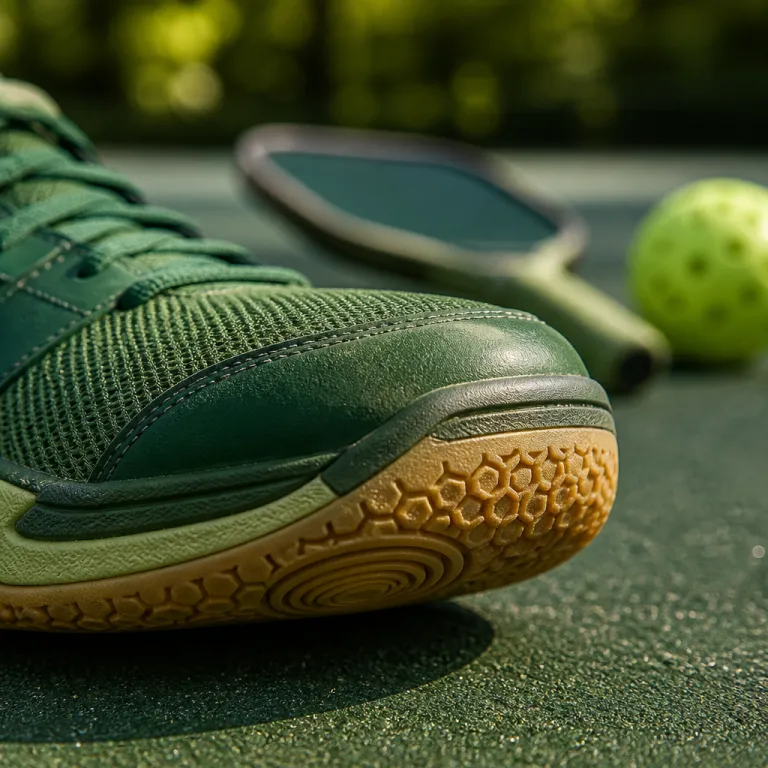
Why the best pickleball shoes 2025 matter more than you think
Pickleball has shifted from a casual pastime to a demanding court sport that punishes the wrong shoes. When players still rely on generic running shoes instead of a purpose built pickleball shoe, they increase the risk of rolled ankles, sore knees, and blisters on both feet. The best pickleball shoes 2025 should therefore be chosen as carefully as a paddle, because the right shoe transforms how you move, how you feel, and how long you can play.
On a hard court, the constant split steps, lateral slides, and quick dinks require shoes with stable sidewalls and targeted support. A light pickleball shoe that feels fast but lacks a reinforced toe box or structured heel can collapse during aggressive play, especially when players push off hard to reach a sharp crosscourt shot. When you evaluate any pair of pickleball shoes, you should look beyond the marketing and judge how the shoe behaves under real pressure at the kitchen line.
Many players ask whether tennis shoes are enough, because tennis and pickleball share similar court surfaces and movement patterns. Quality court shoes for tennis can work, but the best pickleball models tune cushioning and flex for shorter, sharper rallies and more frequent stops. That is why brands now design dedicated pickleball shoe lines, aiming to deliver footwear truly suited to the sport rather than simply rebranding a standard court or running model.
Key features that define the best pickleball shoes for serious play
Several technical details separate an average court shoe from the best pickleball shoes 2025 for ambitious players. First, outsole design matters, because a pickleball court demands a tread that grips on sudden starts yet allows controlled slides without feeling sticky. A great outsole on modern pickleball shoes will usually resemble those on high end tennis shoes, but with slightly tweaked rubber compounds for indoor and outdoor play.
Stability and support come next, especially for players who generate powerful lateral forces and for those who need consistent alignment through hips, knees, and ankles. Look for a structured midfoot shank, a firm heel counter, and sidewall reinforcements that wrap the feet without creating painful pressure points in the toe box. When a shoe offers this level of support, you feel planted during volleys and more confident when you push off to chase a lob across the court.
Weight and comfort also define whether a shoe feels like a natural extension of your body or a burden after two hours of play. A light pickleball design should still provide enough cushioning under the forefoot to soften repeated landings, while the upper must breathe and flex without stretching out. For a deeper breakdown of how these features compare across brands, you can consult this detailed guide to top all court pickleball shoes that evaluates traction, durability, and fit for different playing styles.
| Model family | Fit & width | Cushioning feel | Outsole focus | Best for |
|---|---|---|---|---|
| Babolat Jet Mach | Snug, performance oriented | Responsive, low to the court | Quick acceleration and grip | Fast movers who like a light pickleball shoe |
| adidas Barricade | Medium fit with locked in heel | Firm, stable under load | High durability for hard courts | Players who value support over softness |
| Diadem Court Burst / Court Pro | Medium with secure midfoot | Burst: softer; Pro: more responsive | Stop start traction for pickleball | All rounders who mix dinks and drives |
| Skechers Viper Court | Roomy forefoot, good for wider feet | Balanced cushioning for long sessions | Side to side stability and grip | Comfort focused recreational and league players |
How fit, width, and gender specific needs shape your shoe choice
Fit is the most underestimated factor when people search for the best pickleball shoes 2025, yet it has the biggest impact on comfort and injury prevention. A shoe that is too narrow in the toe box will crush the forefoot during lateral cuts, while a model that is too wide allows the feet to slide and bang against the sides. Both men and women should measure their feet at the end of the day, when swelling peaks, to choose the correct size and width for real court conditions.
Players with wide feet often struggle because many court shoes are built on slim lasts that favor a racing feel over inclusive comfort. In that case, looking for wide versions of a pickleball shoe or tennis shoes with a generous forefoot can be a game changer, especially for recreational players who spend long sessions drilling. Women with wide feet can benefit from specialized designs such as the models reviewed in this women’s wide fit tennis and court trainers test, which highlight how subtle changes in last shape transform comfort.
Gender specific construction also matters, because men and women typically load their shoes differently due to variations in body mass and biomechanics. Men’s shoes often feature slightly firmer midsoles and broader heel platforms, while women’s pickleball shoes may use softer foams and adjusted arch profiles. When you match these design choices to your own body and style of play, the shoe feels more natural, and you can focus fully on strategy rather than on sore joints or cramped toes.
Simple at home fitting checklist
- Stand on a sheet of paper at the end of the day and trace both feet.
- Measure heel to longest toe and use the larger foot to choose length.
- Measure the widest part of each outline to gauge forefoot width.
- Compare your numbers with the brand’s size chart, not just your usual size.
- When trying shoes, wear your normal court socks and orthotics if you use them.
- Check for a thumb’s width of space in front of the big toe while standing.
- Do a few side shuffles and lunges; your heel should not lift and your toes should not slam into the front.
Deep dive into leading pickleball shoe technologies and models
Several performance models illustrate how brands interpret the needs behind the best pickleball shoes 2025, each with distinct strengths. The Babolat Jet Mach series, often referred to simply as the jet mach or babolat jet line, targets players who want a very light pickleball feel with a low to the court ride. These shoes use tightly woven uppers and responsive cushioning to give a great sense of connection to the surface while still protecting the feet during explosive play.
For players who prefer a more traditional, structured feel, the adidas barricade family remains a benchmark among tennis shoes that transition well into pickleball. The adidas barricade shoe emphasizes stability with a firm chassis and durable outsole, making it suitable for aggressive baseliners who also enjoy long pickleball rallies. Many athletes rotate between a dedicated pickleball shoe and a barricade style tennis model, choosing whichever feels best for a specific court or tournament.
Specialized pickleball lines such as the Diadem Court Burst and the Diadem Court Pro focus on blending cushioning with lateral support tailored to the sport’s unique movement patterns. The Diadem Court Burst offers a slightly softer, more cushioned ride, while the Diadem Court Pro feels lower and more responsive for players who like to stay on their toes. When you compare these models side by side with other court shoes, you notice how the midsole geometry and upper reinforcements are tuned to the stop start rhythm of modern pickleball rather than the longer rallies of classic tennis.
Understanding value, price, and where to buy your next pair
Value in the search for the best pickleball shoes 2025 is not just about the lowest price, but about cost per hour of reliable play. A cheaper shoe that loses cushioning or traction after a few months can end up more expensive than a premium model that lasts through many seasons of intense court sessions. When you evaluate price, consider durability of the outsole, resilience of the midsole foam, and how long the upper maintains its original support.
Online platforms such as Amazon make it easy to compare multiple pickleball shoes, tennis shoes, and hybrid court shoes, but you should read reviews with a critical eye. Focus on comments from players who describe their style of play, foot shape, and court surface, because those details help you judge whether a particular pickleball shoe will feel great on your own feet. When possible, try the shoes in person at a pro shop, then use Amazon or other retailers to track down the best combination of size availability and fair price.
Some brands, including value oriented court footwear lines positioned as Express or Express Light style models, market their shoes as budget friendly options that still deliver solid comfort and support. These designs aim to provide a light pickleball experience without sacrificing cushioning under the forefoot. If you balance these mid tier options against flagship models such as the Babolat Jet or adidas barricade, you can often find a sweet spot where performance, comfort, and budget align for both men and women.
Specialized options for wide feet, toe protection, and all day comfort
Players with sensitive toes or a history of nail injuries should prioritize a reinforced toe box when choosing among the best pickleball shoes 2025. A robust toe box protects against repeated jamming during sudden stops, especially on gritty outdoor court surfaces that grab the shoe abruptly. This feature becomes even more critical for competitive players who slide aggressively into the kitchen or log long training blocks on hard courts.
Brands such as Skechers have responded with models like the Skechers Viper Court, which many players simply call the skechers viper, designed specifically for pickleball. The Viper Court shoe combines a roomy forefoot with strong lateral support, making it a compelling option for athletes with wide feet who still want a light pickleball feel. When compared with more traditional running shoes, the skechers viper court holds the foot much more securely during side to side play, reducing the risk of blisters and rolled ankles.
Some comfort focused court shoes, often marketed as cushioned Express or Express Light inspired designs, emphasize plush midsoles and all day comfort for recreational players. These shoes may not feel as razor sharp as a Babolat Jet or Diadem Court Pro, but they keep the feet fresher during long social sessions and club ladders. If your priority is comfort over outright speed, pairing such models with a well chosen paddle and ball set, as explained in this guide to serious pickleball play equipment, can create a balanced setup that supports both performance and enjoyment.
Key statistics about pickleball shoes and injury risk
- Orthopaedic organizations consistently report that lateral ankle sprains make up a large share of court sport injuries, highlighting why supportive pickleball shoes with stable sidewalls are essential for regular players.
- Industry data from recent Sports and Fitness Industry Association (SFIA) pickleball participation reports show that the sport has grown rapidly in the United States over the past several years, which has driven a surge in dedicated pickleball shoe models from tennis and running brands.
- Biomechanics research published in peer reviewed sports science journals indicates that court specific shoes can reduce peak inversion angles at the ankle compared with neutral running shoes, which may help lower the risk of rolling the ankle during lateral movements.
- Retail analytics from major online platforms, summarized in footwear category briefs, suggest that wide fit court shoes and pickleball shoes now represent a significant portion of total court footwear sales, reflecting growing awareness of the importance of proper width and toe box volume for comfort.
- Consumer surveys conducted by specialty tennis and pickleball retailers show that players who rotate two pairs of court shoes often extend the life of each pair, because midsoles have more time to decompress between intense sessions.
FAQ about the best pickleball shoes for informed players
Are running shoes acceptable for regular pickleball play ?
Running shoes are designed for forward motion, not the lateral cuts and abrupt stops that define pickleball, so they lack the sidewall support and outsole patterns needed for safe court movement. Occasional beginners can start with running shoes, but anyone playing weekly should switch to court shoes or dedicated pickleball shoes. This change reduces the risk of ankle sprains and improves traction on both indoor and outdoor courts.
What is the main difference between tennis shoes and pickleball shoes ?
Tennis shoes and pickleball shoes share similar low profiles and durable outsoles, but pickleball models often tweak cushioning and flex for shorter, more explosive rallies. Many pickleball shoes use slightly softer forefoot foams and more flexible uppers to support quick dinks and rapid transitions at the kitchen line. Tennis shoes such as the adidas barricade still work well, yet dedicated pickleball designs usually feel more tuned to the sport’s specific movement patterns.
How should the toe box fit in the best pickleball shoes 2025 ?
The toe box should allow your toes to splay naturally without touching the front of the shoe during normal stance, leaving roughly a thumb’s width of space. When you lunge or stop suddenly, your toes should not slam into the end, which would indicate the shoe is too short or narrow. A well fitted toe box protects nails, reduces blisters, and improves balance during aggressive lateral play.
Do I need different pickleball shoes for indoor and outdoor courts ?
Indoor courts often use smoother surfaces that benefit from slightly stickier rubber compounds, while outdoor courts can be rougher and more abrasive, demanding tougher outsoles. Some players use one versatile pair for both, but frequent competitors often keep separate shoes to optimize grip and extend durability. If you mainly play outdoors, prioritize outsole toughness and dust shedding tread patterns when choosing the best pickleball shoes 2025.
How often should I replace my pickleball shoes if I play weekly ?
Most active players who step on court two to three times per week should replace their pickleball shoes every six to nine months, depending on body weight and playing style. Visible outsole smoothing, reduced cushioning feel, or new aches in the knees and ankles are clear signs that the shoe has lost its protective qualities. Rotating two pairs can extend lifespan and keep cushioning more consistent across long seasons of play.