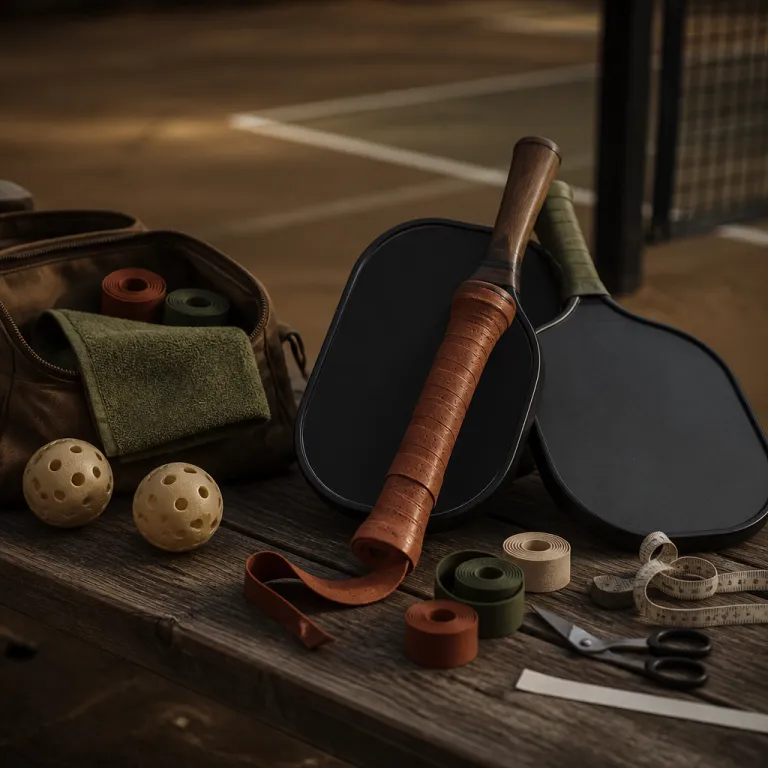
Why the best pickleball overgrips matter more than you think
A pickleball paddle only feels like an extension of your hand when the handle truly matches your grip style. The best pickleball overgrips turn a slick stock grip into a stable connection that protects your joints and keeps your shots precise during long play in warm, sweaty conditions. When players ignore their grip and overgrip choices, they often report arm fatigue, mishits, and even dropped paddles after only a few days of intense matches.
Every pickleball paddle leaves the factory with an original grip that targets an average hand size and a neutral, fairly dry feel. Real players rarely match that average perfectly, so they layer a pickleball overgrip or several overgrips to fine tune circumference, shock absorption, and tacky feel for their own sweaty hands. A well chosen pickleball overgrip setup lets you hold the paddle lightly yet firmly, which reduces tension in the forearm and improves control on dinks, drives, and blocks.
Think of the grip as the steering wheel of your pickleball paddles, because every micro adjustment starts there. When the handle is too slippery from perspiration or too bulky from random wraps, your wrist compensates and your accuracy suffers under pressure. The best pickleball overgrips solve that by combining a thin profile, a sweat friendly tacky surface, and enough cushioning to soften vibration without feeling spongy or vague.
How to match overgrip types to your pickleball paddle and playing style
Choosing the best pickleball overgrips starts with understanding how your current pickleball paddle behaves in real rallies. If the handle feels harsh on off center hits, you need an overgrip with stronger shock absorption rather than only a dry feel surface. When the paddle already feels plush, a thin and more direct pickleball overgrip option keeps feedback crisp while still improving control.
Players who compete in humid weather or warm indoor venues should prioritise tacky grips that maintain a consistent feel even as sweat builds. In those conditions, a blue grip or light blue tourna style wrap with a slightly porous surface channels moisture away from the hand and preserves a stable pickleball grip connection. If you mostly play in dry climates, a smoother overgrip with a subtle tac coating can provide enough traction without feeling overly sticky between points.
Hand size and technique also shape which grips will serve you best over many days of league play. Smaller hands usually benefit from a single thin overgrip that keeps the circumference manageable while still upgrading the original grip texture. Players with larger hands or a very relaxed hold often stack two compatible grips on their paddles to reach the right diameter, then fine tune paddle choice using a dedicated guide on how to choose the best pickleball paddles for beginners to intermediate players.
Tourna grip and other leading options for sweaty hands
Among competitive players, Tourna grip has become almost synonymous with reliable performance in humid conditions. The classic light blue tourna grip wrap, originally popular in tennis, offers a uniquely dry feel that actually improves as it absorbs sweat during intense pickleball play. Many athletes with chronically sweaty hands report that this specific blue grip is the only one that stays secure through long tournaments in muggy air.
When evaluating tourna products for pickleball paddles, look for versions explicitly sized for a pickleball paddle handle rather than only tennis lengths. A properly trimmed Tourna grip wrap should cover the full handle without overlapping excessively, because too much bulk undermines the thin profile that many control oriented players prefer. Some players pair an original grip underneath with a single layer of Tourna grip on top, balancing shock absorption from the base with the dry feel and sweat management of the overgrip.
Not every player loves the very chalky texture of classic tourna grips, so alternatives with a softer tac coating can be a great compromise. These hybrid tacky grips combine a slightly cushioned core with a surface that feels less abrasive while still resisting sweat buildup in humid weather. For players assembling complete paddle sets, it is worth consulting a detailed comparison of top pickleball paddle sets and then matching each paddle to a specific pickleball overgrip configuration tailored to its balance and weight.
Balancing tacky feel, comfort, and price when you shop
When you search on Amazon or in pro shops, the range of pickleball overgrip options can feel overwhelming. Packages highlight features like tacky feel, dry feel, or extra shock absorption, yet they rarely explain how those traits interact with different paddles and playing styles. To identify the best pickleball overgrips for your needs, start by ranking what matters most to you between grip security, comfort, and long term price value.
If your primary issue is losing control because of sweat, prioritise overgrips marketed for sweaty hands and humid conditions, even if the price per grip is slightly higher. These products often use advanced tac coatings or micro perforations that manage tacky sweat more effectively over many days of use, which means you replace them less often and maintain a consistently great feel. Players who rarely struggle with moisture can instead focus on comfort and choose a thin cushioned wrap that softens impact without becoming overly tacky during casual play.
Reading verified reviews on platforms such as Amazon helps you separate marketing claims from real performance, especially for lesser known grips. Look for patterns in how players report durability, tacky grips performance in warm environments, and how well the overgrip adheres to the original grip underneath. When several experienced pickleball athletes praise a specific pickleball overgrip model for both feel and longevity, that is a strong signal it belongs on any top shortlist.
Quick comparison of popular pickleball overgrips
| Overgrip | Best for | Pros | Cons |
|---|---|---|---|
| Tourna Grip Original (light blue) | Very sweaty hands, humid outdoor play | Exceptional dry feel, gets grippier with sweat, thin and precise | Chalky texture, wears faster than some cushioned options |
| Tacky polyurethane overgrips | Players wanting a sticky, secure hold | High initial tack, good comfort, widely available in bulk packs | Can feel slick once saturated, may attract dust and dirt |
| Perforated moisture absorbing wraps | Mixed climates and long practice sessions | Better ventilation, improved sweat absorption, moderate cushioning | Slightly less durable if edges catch, feel can change as holes wear |
| Extra cushioned comfort grips | Players with arm sensitivity or joint issues | More shock absorption, softer feel on mishits | Can increase handle size quickly, slightly muted feedback |
Practical installation tips to get the most from your overgrip
Even the best pickleball overgrips will underperform if they are installed carelessly on the paddle handle. Start by cleaning the original grip surface so that dust, sweat residue, and old adhesive do not interfere with the new wrap. A smooth base allows the overgrip to lie flat, which preserves the intended thin profile and prevents pressure points that can irritate the hand during extended play.
When you begin wrapping, anchor the narrow end of the overgrip at the butt cap and maintain consistent tension as you spiral up the handle. Slight overlaps of two to three millimetres create a uniform surface that feels great and supports predictable shock absorption on every ball impact. If you pull too tightly, the overgrip can shrink and expose gaps after a few days, while wrapping too loosely leads to wrinkles that trap sweat and reduce tacky feel.
Finish the wrap with the supplied tape, then test how the paddle feels in both forehand and backhand positions. If the handle now feels too thick, you may need a thinner pickleball grip option or to remove any extra padding under the overgrip. Players who customise multiple paddles often keep a brief report of which grips, tensions, and patterns worked best, so they can replicate that top performing setup across their full set of pickleball paddles.
Maintaining your grip so performance stays consistent over time
Overgrips are consumable equipment, and even the best pickleball overgrips gradually lose their tack and cushioning. A simple rule is to replace an overgrip every few days of heavy play or every several weeks of casual sessions, depending on how much sweat you generate. When the surface looks shiny, feels slick, or shows dark wear spots, performance has already dropped below its original level.
Players in humid weather or warm indoor clubs should inspect their grips more often, because constant moisture accelerates breakdown of tac coatings and adhesives. In those environments, rotating between two paddles allows each pickleball overgrip setup to dry fully between matches, which preserves both tacky feel and structural integrity. Some athletes also carry a small towel and occasionally wipe the blue grip or light blue tourna wrap during changeovers to manage tacky sweat before it saturates the material.
When you finally remove a worn overgrip, check the original grip underneath for damage or loosened edges. If the base layer has shifted, re secure or replace it so that your next Tourna grip wrap or alternative tacky grips sit on a stable foundation and perform well. For players interested in a broader equipment strategy, a detailed guide on how custom pickleball gear transforms your game and identity on court can help align your grip choices with paddle weight, balance, and overall style of play.
Key statistics about pickleball grips and overgrips
- Industry surveys from the United States suggest that more than 60 % of frequent pickleball players replace their overgrip at least once per month, reflecting how quickly sweat and friction degrade tacky feel in regular play. This figure is based on aggregated retailer and club questionnaire data rather than a single peer reviewed study, so it should be treated as an informed estimate rather than a definitive statistic.
- Racquet sports research on grip sizing and joint load has reported that a properly sized handle can reduce peak wrist torque by up to roughly 15 %, which highlights how a correctly layered pickleball overgrip can contribute to joint comfort and long term injury prevention. Exact percentages vary by study design, so the 15 % value should be viewed as a typical ballpark figure rather than a universal guarantee for every player.
- Retail sales data from major online platforms indicate that multi pack overgrips account for the majority of pickleball grip purchases, suggesting that players increasingly treat grips as planned consumables rather than occasional emergency replacements. These insights come from marketplace category reports and manufacturer summaries rather than fully public raw datasets, so they should be interpreted as directional trends.
- Laboratory style tests commissioned by grip manufacturers on moisture absorbing overgrips have measured up to about 50 % higher sweat absorption compared with smooth polyurethane grips, which helps explain their popularity among athletes competing in humid conditions and hot climates. Because these tests are often conducted in controlled environments and may not be independently verified, real world results can differ slightly from the advertised figures.
- Consumer price tracking from sporting goods retailers shows that buying overgrips in bulk packs can reduce the effective price per grip by roughly 30 to 40 %, making regular replacement more affordable for players who train several days each week. Exact savings depend on brand, pack size, and seasonal discounts, so individual results will vary.
FAQ about the best pickleball overgrips
How do I know which overgrip thickness is right for me ?
Measure your current handle circumference and compare it with recommended ranges for your hand size, then choose a thin overgrip if you are already near the upper limit. If the handle feels too small or you squeeze very tightly, a slightly thicker overgrip can fill the hand and reduce tension. Always test the paddle in both forehand and backhand positions before committing to that setup for competitive play.
Are Tourna grip products really better for sweaty hands ?
Tourna grip has a long track record in racquet sports because its light blue surface becomes grippier as it absorbs sweat, which suits players in humid weather or warm indoor courts. Many pickleball athletes with sweaty hands prefer this dry feel over very sticky tac coatings that can feel slippery once saturated. However, comfort is subjective, so testing both tourna style and more cushioned tacky grips is the best way to find your personal top choice.
How often should I replace my pickleball overgrip ?
Frequent competitors who play several days each week often change their overgrip every one to three weeks, while occasional players may stretch that to a month or more. Visible wear, loss of tacky feel, or a slick sensation when you swing are clear signs that performance has declined. Replacing the overgrip before it fails completely keeps your paddle feeling consistent and protects the original grip underneath.
Can changing my grip help with elbow or wrist pain ?
A poorly sized or overly hard grip can increase vibration and force your forearm muscles to work harder, which may aggravate elbow or wrist discomfort. Switching to an overgrip with better shock absorption and a circumference that matches your hand can reduce strain during impact. Persistent pain should always be evaluated by a qualified medical professional, but smart grip adjustments are a practical first step for many players.
Is there a big difference between cheap and premium overgrips ?
Lower priced overgrips can work well for casual play, yet they often lose tack and cushioning faster, especially under heavy sweat. Premium options usually offer more consistent tacky sweat management, better adhesion to the original grip, and longer lasting comfort, which can justify the higher price over time. For players who value a reliable feel in competition, investing in the best pickleball overgrips is a small cost compared with the overall impact on performance.