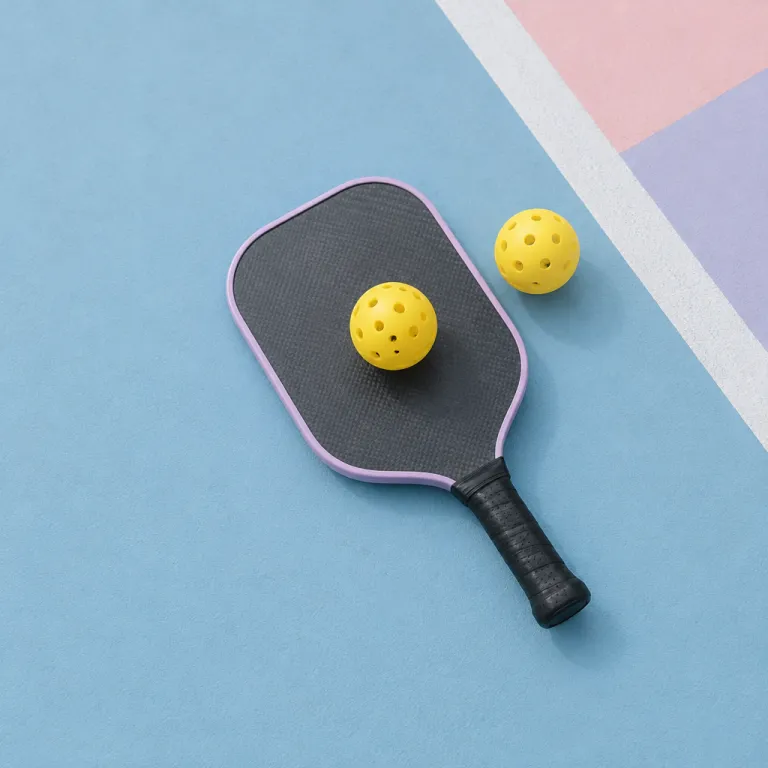
Why a fiberglass pickleball paddle feels different from the first rally
A fiberglass pickleball paddle stands out the moment the ball hits the strings. The slightly more flexible fiberglass surface deforms on contact, which lengthens dwell time and softens impact for the player. That extra pocketing helps many beginner intermediate players feel immediate confidence when they first step into the sport of pickleball.
Compared with stiffer carbon fiber paddles, a fiberglass pickleball paddle usually offers easier access to power at lower swing speeds, which matters for men and women who are still refining technique. The fiberglass face works together with a polypropylene honeycomb core to create a trampoline effect, so the paddle rewards compact swings on drives and serves. When brands pair a polypropylene honeycomb core with a textured fiberglass surface, the product often delivers both lively pace and enough friction for controlled spin.
Most modern pickleball paddles use a sandwich construction with a lightweight core between two face materials. In a fiberglass pickleball design, the core is commonly a polypropylene honeycomb structure that balances strength, weight, and vibration dampening. That combination allows a player to swing a pickleball paddle for long sessions without excessive arm fatigue, especially when the grip size and overall paddle weight are matched carefully to the individual.
Core, surface, and grip: how construction shapes performance
Three elements define how any fiberglass pickleball paddle behaves on court. The first is the internal core, usually a polypropylene honeycomb layout that controls vibration, feel, and sound. A thicker honeycomb core often produces a softer, more muted control paddle, while a thinner core can increase power but may feel more lively in the hand.
The second element is the outer surface, where fiberglass, carbon fiber, or hybrid fiber layups interact directly with pickleball balls. A pure fiberglass surface tends to flex more than a carbon fiber face, which gives many players a sensation of easy depth on groundstrokes and serves. Some brands mix fiberglass and carbon fiber in the same paddle to combine a crisp sweet spot with a slightly more forgiving response outside the center.
The third element is the grip, which connects the player to the paddle and transmits feedback from every shot. A well sized grip on a fiberglass pickleball paddle reduces strain in the wrist and forearm, while a poorly sized grip can undermine even the best pickleball paddles. When you evaluate a paddle set or individual paddle, pay attention to grip circumference, grip length, and handle shape, because these details influence control as much as the advertised core or surface technology, especially on elongated models that change reach and leverage as explained in this guide on how an elongated pickleball paddle reshapes reach, spin, and control.
Comparing leading fiberglass paddle brands and product lines
Several manufacturers now offer a fiberglass pickleball paddle in multiple shapes and weights. Selkirk Sport, often shortened to Selkirk by players, produces both premium and entry level pickleball paddles with fiberglass faces and polypropylene honeycomb cores. Their SLK by Selkirk line targets the beginner intermediate segment with a lower price while still using a honeycomb core and a comfortable grip that suits many recreational players.
Joola, a brand known in table tennis, has expanded into pickleball with fiberglass surface options that emphasize spin and power. Some Joola models combine fiberglass and carbon fiber layers, giving players a blend of touch at the net and penetrating drives from the baseline. Niupipo pickleball paddles often use a fiberglass surface over a polypropylene honeycomb core as well, and these paddles that are USA Pickleball approved for tournament play tend to be sold as a paddle set with a carry bag and pickleball balls for new players.
Selkirk pickleball lines include both carbon fiber and fiberglass options, so it is important to read each product description carefully. A fiberglass pickleball paddle from Selkirk Sport will usually be labeled clearly and may be marketed as a control paddle or power oriented model depending on the core thickness. When comparing the price of a Selkirk, Joola, or Niupipo pickleball paddle, consider not only the face material but also whether the paddle is USA Pickleball approved, whether it comes as a paddle set, and how it stacks up against other options such as the Vermont Ascend model discussed in this detailed review of whether the Vermont Ascend pickleball paddle is the right choice for your game.
How fiberglass paddles influence playing style, power, and control
Choosing a fiberglass pickleball paddle is ultimately a decision about playing style. Players who rely on quick counters and soft dinks at the kitchen often appreciate the way a fiberglass surface cradles the ball, making it easier to reset hard drives. Those who prefer aggressive third shot drives and put away volleys value the extra power that a flexible fiberglass face can generate from a compact swing.
Because fiberglass faces deform more than carbon fiber, they can enlarge the effective sweet spot on many paddles. That characteristic helps beginner intermediate players who do not yet strike the ball cleanly on every swing, especially in fast exchanges. Men and women who are transitioning from tennis or squash often find that a fiberglass pickleball paddle gives them familiar feedback while they adapt to the lighter paddle weight and smaller court of pickleball.
Control depends on more than just the face material, so the core and overall design still matter. A thicker polypropylene honeycomb core can turn a fiberglass pickleball paddle into a true control paddle, while a thinner core and heavier head bias the same product toward power. When you test different paddles that are USA Pickleball approved for competition, pay attention to how the ball leaves the face on soft blocks, topspin rolls, and defensive lobs, because those shots reveal whether the balance between power and touch suits your game.
Buying a fiberglass pickleball paddle: price, sets, and approval
For many players, the first decision is whether to buy a single fiberglass pickleball paddle or a full paddle set. A typical paddle set aimed at new players includes two or four pickleball paddles, several pickleball balls, and a carry bag for easy transport. These bundles often use a polypropylene honeycomb core and a fiberglass surface to keep the price accessible while still offering a USA Pickleball approved design.
When you compare price points, look beyond the headline number and consider durability, warranty, and performance. A budget fiberglass pickleball paddle may feel lively at first but lose responsiveness if the honeycomb core softens or the fiberglass surface wears quickly. Higher tier products from brands such as Selkirk Sport, Joola, or Niupipo pickleball lines usually invest in better fiber layups, more consistent cores, and higher quality grips, which can justify a higher price over the long term.
USA Pickleball approved status matters if you plan to compete in sanctioned events, because only approved paddles are allowed in official brackets. Most major brands clearly mark their pickleball paddle models as USA Pickleball approved on packaging and product pages, and many paddles that are compliant appear on the official list maintained by the governing body. Even if you only play recreational pickleball, choosing an approved fiberglass pickleball paddle ensures that the surface texture, core construction, and overall dimensions meet the standards used across the sport.
Practical selection tips for different players and playing conditions
Matching a fiberglass pickleball paddle to your body and playing environment is as important as choosing a brand. Lighter paddles around 215 to 230 grams suit many beginner intermediate players who are still developing strength and technique. Heavier paddles can add power for experienced competitors but may strain the arm if the grip size or balance is not ideal.
Men with larger hands often prefer a thicker grip, while many women and juniors benefit from a thinner grip that allows easier wrist action. Whatever your profile, test how the grip feels during volleys, serves, and overheads, because a secure hold on the paddle reduces mishits and improves control. If you sweat heavily or play in hot climates, pair your fiberglass pickleball paddle with moisture wicking clothing as outlined in this guide to moisture wicking clothing for pickleball players who want cooler, drier matches, since dry hands help maintain a stable grip.
Outdoor pickleball balls are harder and have smaller holes than indoor balls, which can change how a fiberglass surface feels at impact. Some players keep a paddle set with slightly different weights or balances to adapt to wind, temperature, and ball type. Over time, you may decide that your best pickleball setup includes one fiberglass pickleball paddle as a primary control paddle and another paddle with a stiffer carbon fiber face for days when you want maximum power from the baseline.
Care, maintenance, and when to replace a fiberglass paddle
Proper care extends the life of any fiberglass pickleball paddle and preserves consistent performance. Wipe the fiberglass surface with a damp cloth after play to remove dust and ball residue, which can reduce spin and feel over time. Avoid leaving the paddle in a hot car or direct sunlight for long periods, because excessive heat can weaken the polypropylene honeycomb core and degrade the adhesive bonding the fiber layers.
Inspect your pickleball paddle regularly for soft spots, cracks along the edge, or dead areas in the honeycomb core. If you notice a sudden loss of power or an inconsistent response when you strike pickleball balls in the same location, the internal structure may be compromised. At that point, even a beloved control paddle or power oriented model should be retired, especially if you compete with USA Pickleball approved equipment and want reliable results in every match.
Many players store their paddles in a padded carry bag to protect the fiberglass surface from scratches and impacts during transport. When you travel with a full paddle set, separate the paddles with towels or covers so the grips and faces do not rub against each other. Replacing a worn grip or overgrip periodically also keeps the paddle feeling fresh in the hand, which can make your familiar fiberglass pickleball paddle perform like a new product without changing the core or surface at all.
Key statistics about fiberglass pickleball paddles and the sport
- According to recent USA Pickleball participation reports, the sport has grown to several million players in the United States, and a significant share of new participants choose composite paddles with fiberglass or carbon fiber faces for their first purchase, reflecting a shift away from traditional wooden paddles.
- Industry surveys from major retailers indicate that paddles using a polypropylene honeycomb core account for well over half of composite paddle sales, because this honeycomb core construction offers a favorable balance of weight, durability, and vibration control for both recreational and competitive players.
- Price tracking across leading brands shows that entry level fiberglass pickleball paddles typically range from approximately 40 to 80 euros, while high performance models from companies such as Selkirk Sport and Joola can exceed 150 euros when they incorporate advanced fiber layups and premium grips.
- Official USA Pickleball approved paddle lists include hundreds of models, and a large proportion of these use either a fiberglass surface, a carbon fiber face, or a hybrid of both materials, confirming that composite construction has become the standard for modern pickleball equipment.
- Retail data from multi sport chains suggest that paddle set bundles, which often feature fiberglass pickleball paddles, a carry bag, and pickleball balls, represent a substantial share of sales to beginner intermediate players who are entering the sport for the first time.
FAQ: fiberglass pickleball paddles
Is a fiberglass pickleball paddle better than a carbon fiber paddle ?
A fiberglass pickleball paddle is not universally better than a carbon fiber paddle, but it does offer different strengths. Fiberglass faces usually provide easier access to power and a slightly softer feel, which many beginner intermediate players appreciate. Carbon fiber paddles tend to feel crisper and more precise, so advanced competitors often prefer them for maximum control and stability.
How long does a fiberglass pickleball paddle typically last ?
The lifespan of a fiberglass pickleball paddle depends on how often you play and how you care for it. For a regular recreational player who plays several times per week and stores the paddle properly, a quality fiberglass model with a polypropylene honeycomb core can remain reliable for one to two seasons before noticeable performance loss. Heavy tournament use, extreme temperatures, or frequent impacts on hard surfaces can shorten that duration.
Are fiberglass pickleball paddles suitable for beginner intermediate players ?
Fiberglass pickleball paddles are particularly well suited to beginner intermediate players. The flexible fiberglass surface and responsive honeycomb core help generate depth and power without requiring perfect technique, which builds confidence quickly. Many starter paddle set bundles use fiberglass faces for this reason, pairing them with comfortable grips and USA Pickleball approved dimensions.
What weight should I choose for a fiberglass pickleball paddle ?
Most players do well with a fiberglass pickleball paddle in the mid weight range, roughly 215 to 235 grams. Lighter paddles within this range favor quick hand speed and reduce fatigue, which helps at the net during fast exchanges. Slightly heavier paddles add stability and power on drives but may feel demanding for players with arm or shoulder issues.
How do I know if a fiberglass pickleball paddle is USA Pickleball approved ?
To confirm that a fiberglass pickleball paddle is USA Pickleball approved, check the product description, packaging, or the official list maintained by USA Pickleball. Most reputable brands print “USA Pickleball approved” directly on the paddle or in the technical specifications. If you cannot find that information, contact the manufacturer before using the paddle in sanctioned tournaments.