Why a pickleball bag with shoe compartment changes your court routine
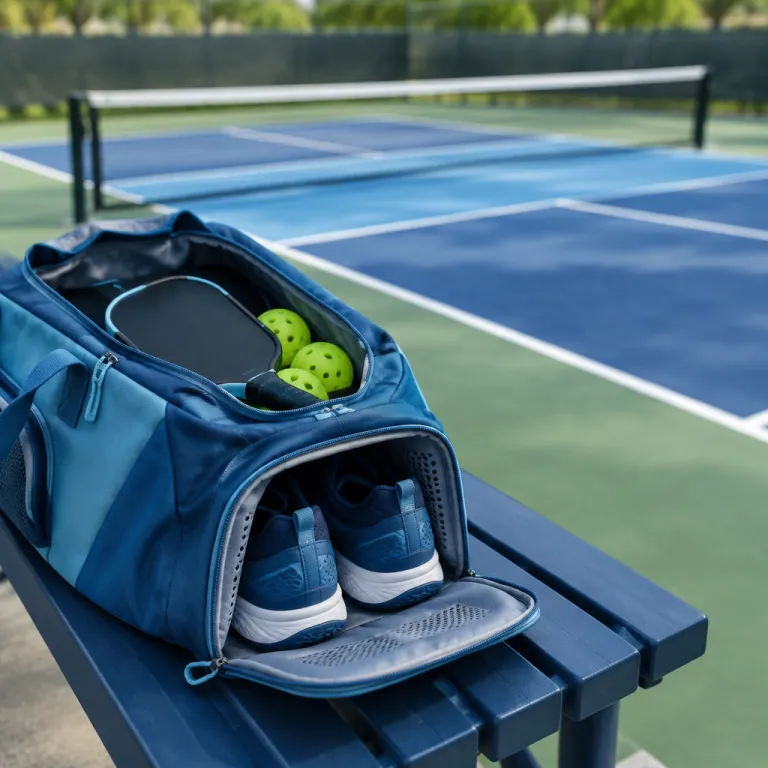
A dedicated pickleball bag with shoe compartment reshapes how you arrive and leave the court. By separating your clean pickleball gear from dusty court shoes in a sealed, ventilated shoe pocket, you protect paddles, clothing, and accessories from sweat and debris. This simple structural choice in a pickleball bag also keeps the main storage area organized so you spend more time playing and less time digging through clutter.
Players who carry more than one pickleball paddle quickly notice how a cramped, unstructured sports bag crushes grips and exposes edges to damage. A modern pickleball bag with a ventilated shoe compartment and lined paddle sleeves gives each racket and pair of shoes a defined space, which reduces wear and extends the life of your pickleball paddles and other gear. When the central compartment, side pockets, and lower shoe section are clearly divided, you can assign one zone to each category of pickleball equipment and avoid mixing wet towels with clean apparel.
For frequent players, a pickleball backpack or duffel with a separate shoe garage also improves hygiene. Dirty shoes stored in the same main compartment as snacks, a water bottle, and spare grips quickly create odor and bacteria buildup, while a dedicated shoe pocket with airflow keeps the rest of the bag fresh. Choosing a carry system designed specifically as a pickleball bag rather than a generic gym duffel means the layout anticipates paddles, balls, shoes, and water bottles instead of forcing your equipment into awkward spaces.
Key design features that define a high performing pickleball bag
When you evaluate any pickleball bag with shoe compartment, start with the structure of the main compartment. A good pickleball bag uses a rigid or semi rigid frame so the paddle section does not collapse onto your shoes, and the shoe compartment remains accessible even when the interior is full. Look for interior sleeves that can hold at least two pickleball paddles flat, because stacked paddles face to face can rub and damage the hitting surfaces over time.
Specialized pickleball bags often include a bottom shoe compartment that opens from the exterior, which lets you slide shoes in without disturbing the rest of your gear. This design keeps the pickleball paddle area separate from the footwear zone, and it also allows you to air out shoes by leaving the zipper slightly open between matches. If you already use a protective paddle cover, pairing it with a structured paddle sleeve and a dedicated paddle care routine, as explained in this detailed guide on why protecting your pickleball paddle matters, will significantly extend the lifespan of your best pickleball paddles.
Side pockets and a front organizer are not cosmetic details in a pickleball backpack or tour bag; they are functional zones. One pocket should be sized for a large water bottle or even two water bottles, while another small pocket can secure keys, a phone, and a wallet away from sweaty shoes. A bag designed for serious pickleball gear will also include a soft lined pocket for sunglasses and a mesh compartment for used wristbands, which keeps the rest of the interior clean and ready for your next session.
Backpack, duffel bag, or tour bag : which format suits your play
Choosing between a pickleball backpack, a duffel bag, or a larger tour bag depends on how often you play and how much gear you carry. A compact pickleball backpack with a lower shoe compartment and a slim main cavity works well for urban players who walk or cycle to local courts. This style of pickleball bag with shoe compartment usually fits two to three pickleball paddles, one pair of shoes, a water bottle, and a few small accessories in side pockets.
Players who travel by car or train to tournaments often prefer a duffel style pickleball bag, because the wider main compartment swallows extra clothing, towels, and backup pickleball paddles. In this format, the shoe section typically runs along one end of the duffel, while multiple pockets line the sides for balls, tape, and personal items, and the paddle area may be padded along the top. If you regularly carry four or more paddles, two pairs of shoes, and a full change of clothes, a tour bag with a reinforced central compartment and a ventilated shoe compartment on each side offers the most flexible layout.
Serious competitors sometimes own multiple pickleball bags so they can match the carry style to the session. A small backpack style pickleball bag is ideal for a quick practice, while a larger duffel or tour model becomes the best pickleball option for league nights and regional events. For a deeper look at capacity and layout options, you can review this comparison of top rated pickleball backpacks and then map those designs to your own gear list and shoe size.
How brands like Selkirk shape the modern pickleball bag
Specialist brands such as Selkirk have pushed the design of the pickleball bag with shoe compartment far beyond a simple gym sack. A Selkirk tour bag or Selkirk pro backpack usually includes a structured main compartment for multiple pickleball paddles, a ventilated shoe compartment, and several insulated pockets for water bottles and snacks. For example, the Selkirk Vanguard Tour Bag lists capacity for up to six paddles, a separate shoe tunnel sized for one pair of adult court shoes, and roughly 40 liters of total storage volume. These pickleball bags are engineered so that the paddle section sits away from the lower shoe zone, which protects the paddle faces from impact when you set the bag down.
When you compare a generic sports bag with a model designed specifically as a pickleball focused pack from Selkirk, the differences are obvious. The Selkirk pro series often adds a dedicated pocket for balls, a fleece lined pocket for valuables, and a large side pocket that can hold a jacket without crushing the main compartment. Many players consider a Selkirk tour bag or similar premium pickleball backpack to be a great choice when they want the best pickleball storage without moving to a full wheeled suitcase.
Brand reputation also influences how players judge price and durability. A higher price for a Selkirk bag can be justified by reinforced stitching around the shoe compartment, thicker padding around the pickleball paddle sleeves, and water resistant fabrics that protect your pickleball gear in light rain. If you value long term reliability, investing in one high quality pickleball bag with a robust shoe compartment may cost less over time than replacing several cheaper bags that fail at the zippers or straps.
Organizing paddles, shoes, and accessories inside your pickleball bag
Once you own a pickleball bag with shoe compartment, the next step is learning how to organize it so every item has a logical place. Start by assigning the main compartment to your pickleball paddles, clothing, and larger gear, then reserve the shoe compartment exclusively for shoes and sandals. This separation keeps dust and clay away from your best pickleball paddle surfaces and prevents sharp objects from pressing against the shoe uppers.
Inside the main compartment, store each pickleball paddle in a sleeve or soft cover, and place heavier items such as ball cans or a water bottle at the bottom of the pack. Use interior pockets for small accessories like overgrips, tape, and a compact first aid kit, because loose items can scratch paddles or slip into the shoe compartment if the internal lining is thin. Exterior pockets are perfect for quick access items; one pocket can hold keys and a phone, another pocket can secure snacks, and a third pocket can carry spare socks or a hat.
Many players also carry a second pair of shoes or court specific sandals, which makes the design of the shoe compartment even more important. If the compartment is tight, alternate how you place each shoe so the soles face away from the main compartment wall, which reduces dirt transfer and leaves more space for a small towel. Over time, this consistent layout turns your pickleball bag into a predictable system, so you can reach for any piece of pickleball gear or paddles and shoes combination without rummaging through the entire collection you bring to the court.
Balancing size, price, and long term value when buying a bag
Choosing the right pickleball bag with shoe compartment means balancing capacity, comfort, and price against how often you play. A small backpack style bag might be the best pickleball option for a beginner who carries one paddle, one pair of shoes, and a single water bottle, while a larger duffel or tour bag suits a player who trains several times per week. Think about how many pickleball paddles you realistically need to transport, then match that number to the size of the main compartment and the structure of the shoe compartment.
Price should be evaluated alongside build quality and warranty rather than in isolation. A mid range pickleball backpack with reinforced seams, a lined shoe compartment, and multiple pockets for water bottles and accessories can outlast a cheaper bag that lacks padding around the paddle section and uses thin zippers. When you compare pickleball bags, check whether the lower base panel is stiff enough to protect your pickleball gear when the bag is placed on rough surfaces, because this is a common failure point in low cost bags.
It also helps to consider how your game might evolve. If you plan to add more paddles or upgrade to a heavier pickleball paddle, choose a bag designed to handle extra weight without sagging or straining the straps. For players still deciding which paddle style suits them, this in depth review of whether the Vermont Ascend pickleball paddle is the right choice can guide your paddle selection, which then informs how much space you need in your next pickleball bag.
Key statistics on pickleball participation and equipment trends
- Pickleball participation in the United States surpassed 8.9 million players in 2022 according to the Sports & Fitness Industry Association (SFIA), reflecting rapid growth that directly increases demand for specialized pickleball bags and backpacks.
- Industry reports from the Physical Activity Council indicate that frequent players often own at least two pickleball paddles, which makes a structured main compartment and a separate shoe compartment more valuable than a simple single paddle sleeve.
- Retail data from major sporting goods chains show that premium pickleball bags with integrated shoe compartments and multiple pockets can be priced 30 to 50 percent higher than basic gym bags, yet they maintain strong sales because players prioritize gear protection.
- Surveys of league level players reveal that more than half carry two pairs of shoes to tournaments, which explains the rise of tour bag designs featuring an expanded lower shoe compartment on one or both sides.
- Online search trends tracked by Google indicate sustained growth in queries for terms related to pickleball backpack and duffel bag models, confirming that players are actively seeking more specialized storage solutions for their pickleball gear.
FAQ about choosing a pickleball bag with shoe compartment
How big should the shoe compartment be in a pickleball bag
The shoe compartment in a pickleball bag should comfortably fit your largest pair of court shoes without crushing them, while still leaving space in the main compartment for paddles and clothing. For most players, that means a compartment sized for at least one pair of adult shoes up to around EU 46 (roughly US men’s 12), with some extra room for a small towel or flip flops. If you regularly carry two pairs of shoes, look for a tour bag or duffel with an expanded lower shoe compartment or dual side compartments.
Is a backpack or duffel style better for pickleball gear
A pickleball backpack is usually better if you walk, cycle, or use public transport, because it distributes weight evenly and keeps your hands free. A duffel bag or tour bag works better if you drive to the courts and carry more gear, since the wider main compartment can hold extra paddles, clothing, and larger water bottles. Many players eventually own both styles so they can choose a small backpack for quick sessions and a larger duffel bag for tournaments.
How many paddles can a typical pickleball bag hold safely
Most dedicated pickleball bags are designed to hold at least two pickleball paddles safely in padded sleeves or a structured main compartment. Larger tour bag models can carry four to six paddles without stacking them directly against each other, which reduces the risk of scratches and edge damage. If you travel frequently or play competitively, choose a bag designed for more paddles than you currently own to allow for future upgrades.
Do I really need a separate shoe compartment for casual play
A separate shoe compartment is helpful even for casual players, because it keeps dirt, dust, and sweat away from your paddle faces, clothing, and personal items. Without a shoe compartment, shoes often press against the pickleball paddle surface or leak debris into the main compartment, which can shorten the life of your gear. If you play only occasionally, a small backpack with a compact shoe compartment offers a good balance between simplicity and protection.
What features justify a higher price on premium pickleball bags
Premium pickleball bags often justify their higher price through reinforced stitching, thicker padding around the paddle area, water resistant fabrics, and more durable zippers. They also tend to offer better organized pockets, insulated sections for water bottles, and ventilated shoe compartments that control odor and moisture. For players who compete regularly or travel often, these durability and comfort upgrades usually provide better long term value than replacing cheaper bags more frequently.