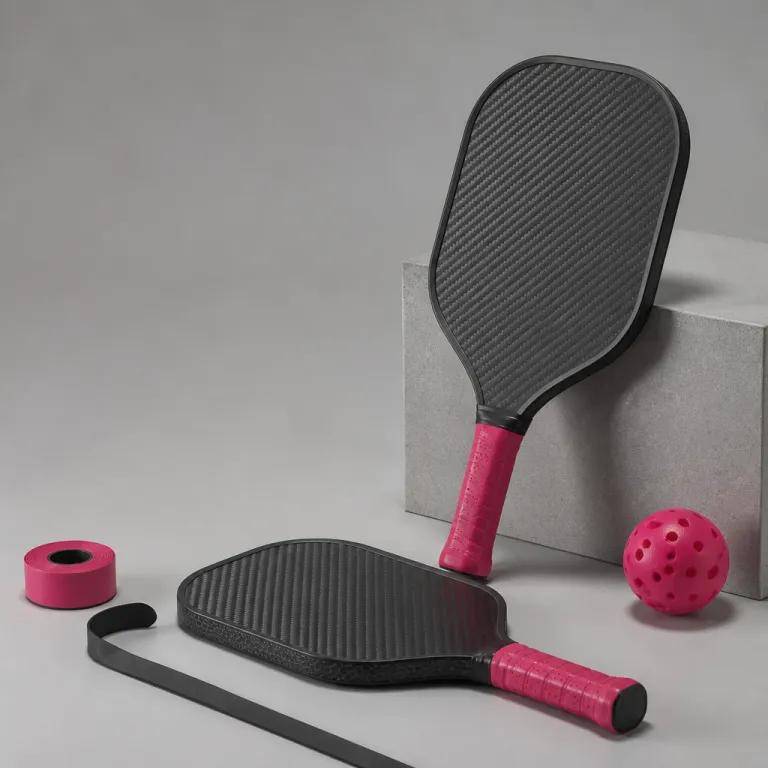
Why carbon fiber pickleball paddles are changing the modern game
Carbon fiber pickleball paddles have moved from niche gear to the standard for ambitious players. For any pickleball athlete who wants more power and control without sacrificing touch, the shift from traditional composite paddles to paddles with a true carbon fiber surface is decisive. A modern pickleball paddle built with advanced carbon and other high performance materials gives you a larger sweet spot, more consistent spin and a more predictable response on every ball.
At the core of these pickleball paddles, carbon sheets are layered over a polymer or foam core to create a stiff but responsive face. That carbon fiber face stores and releases energy efficiently, so the paddle can generate power from compact swings while still offering precise control on dinks and drops near the net. When players compare paddles with carbon constructions, they often notice that a raw carbon surface grips the ball longer, which increases spin and improves directional accuracy on aggressive power spin drives.
For many pro pickleball athletes, the choice is no longer between wood and composite but between different carbon fiber layups and core densities. Recreational players now see the same pro level technology in retail products from major brands, with each product tuned for a specific balance of power, spin and feel. As a result, the paddle price spectrum has widened, with a regular price for entry level carbon models sitting well below the premium price product range aimed at serious competitors.
Key materials and construction details that shape performance
The performance of any pickleball paddle starts with its materials, and carbon fiber dominates the current high end market. A typical carbon fiber pickleball paddle uses a honeycomb polymer core combined with a fiber surface that can be either smooth or textured, and that texture strongly influences spin potential and control. When manufacturers talk about raw carbon in their marketing, they usually refer to an unpainted, lightly sanded carbon layer that maximizes ball grip and helps players shape shots with heavy spin.
Brands such as Joola and Selkirk Sport have invested heavily in refining these materials to serve different styles of pickleball. Joola products often feature elongated shapes and optimized swing weight values that help players generate extra power from the baseline while still keeping the paddle maneuverable at the kitchen. Selkirk paddles, especially in the Selkirk Sport pro lines, tend to emphasize a tuned sweet spot and consistent feel across the face, which many players prefer for soft game control and reliable blocking.
Beyond the carbon itself, the internal core and edge guard also influence how a pickleball paddle behaves under pressure. A foam injected core, such as the Trufoam Barrage style constructions used in some products, can reduce vibration and enlarge the effective sweet spot for both beginners and pro pickleball competitors. If you are comparing a sale price against a higher regular price, look closely at these hidden materials, because they often explain why one paddle feels more stable, powerful and arm friendly than another paddle at a similar listed price.
For readers evaluating complete equipment bundles, a detailed guide to top pickleball paddle sets can help you understand how carbon fiber paddles fit into a full kit. Those sets often mix different products from several brands, so you can compare how various carbon constructions, weights and shapes influence your game. Paying attention to these construction details now will save you from buying multiple paddles later at a higher combined paddle price.
Power, control and swing weight: how to match a paddle to your style
Every pickleball paddle forces a trade off between power and control, and carbon fiber designs give you more room to fine tune that balance. A heavier paddle with a higher swing weight will usually deliver more raw power on drives and serves, but it can feel demanding during fast exchanges at the net. Lighter paddles with carbon based constructions, by contrast, favor quick hand battles and soft touch, though some players may feel they lose depth on defensive lobs and counter attacks.
To understand swing weight, think of how hard it is to start and stop the paddle during a rally. A paddle with more mass toward the head will feel heavier in motion, which can increase power spin potential because the paddle carries more momentum through the ball. However, if the swing weight is too high for your strength and technique, you may struggle to keep control on quick volleys and your arm may fatigue faster during long pickleball sessions.
Carbon fiber helps here because it allows manufacturers to keep overall weight in a moderate range while still delivering strong power. Many usapa approved carbon fiber pickleball paddles sit between 215 and 235 grams, which suits a wide range of players from improving club athletes to seasoned pro pickleball competitors. If you are moving from an entry level fiberglass pickleball paddle to a more advanced fiber pickleball model, expect a crisper feel, a more defined sweet spot and a clearer sense of where the ball contacts the fiber surface.
For intermediate and advanced players who want structured guidance, a dedicated tutorial on how to choose pickleball paddles for performance gains can clarify these trade offs. That type of resource explains how to interpret paddle specifications such as weight, swing weight and core thickness in the context of your own technique. When you align those specifications with your playing style, the price product relationship becomes clearer, and you can justify paying a higher sale price for a paddle that genuinely elevates your game.
Leading brands, signature models and what their specs really mean
Among modern pickleball brands, Joola and Selkirk Sport stand out for their carbon fiber lines that target both aspiring and established competitors. The Joola Ben Johns signature series, often referred to informally as the Joola Ben line, uses a raw carbon fiber surface and a carefully tuned swing weight to support aggressive baseline play and quick net transitions. These pickleball paddles are designed so that players can generate heavy power spin while still trusting the paddle to absorb pace on blocks and resets.
Ben Johns himself is known for combining precise control with explosive power, and his signature pickleball paddle reflects that blend through its materials and geometry. The elongated shape slightly shifts the sweet spot higher on the face, which many advanced players appreciate for extra reach on volleys and overheads. At the same time, the carbon fiber layup and core density are calibrated to keep the paddle weight manageable, so the paddle remains maneuverable during rapid kitchen exchanges.
Selkirk Sport takes a slightly different approach, emphasizing feel and consistency across its pro level products. Many Selkirk paddles use a textured fiber surface that enhances spin without feeling overly abrasive on the ball, which helps players maintain control on delicate dinks and third shot drops. When you compare the regular price and sale price of these paddles, pay attention to whether the model includes the latest carbon face technology or an earlier composite, because that difference often explains both the price and the on court performance gap.
Other brands also compete in the carbon fiber pickleball space, offering products at various price points to attract players with different budgets. Some models earn high ratings with many five stars reviews for their balance of power and control, while others gain attention for exceptional value at a lower paddle price. As you read product descriptions, look for clear statements about usapa approved status, raw carbon construction and swing weight numbers, because those details matter more than marketing slogans when you step onto a real pickleball court.
How to evaluate value, price and long term durability
When you compare pickleball paddles with carbon fiber designs, value is more than just the sticker price. A higher initial paddle price can be justified if the product maintains its performance characteristics over many months of regular play. Carbon fiber faces generally resist deformation better than some fiberglass alternatives, so the sweet spot and spin potential stay more consistent as the paddle ages.
To judge whether a price product combination is fair, start by checking the core materials and the quality of the fiber surface. A true raw carbon face usually costs more to manufacture than a painted composite, but it often delivers superior spin and control for competitive players. If a paddle lists a surprisingly low sale price while claiming premium carbon construction, examine whether the brand has cut corners on the core, edge guard or handle materials, because those areas can affect both feel and durability.
Durability also depends on how and where you play pickleball. Outdoor courts with rough balls can wear down textured fiber pickleball surfaces faster, especially if you frequently scrape the paddle on the ground during low volleys. Indoor players may see their paddles with carbon faces last longer, but they should still monitor for soft spots, edge guard separation and changes in sound, all of which signal that the product is nearing the end of its optimal performance window.
From a financial perspective, tracking regular price versus sale price across seasons can help you time your purchase. Many brands, including Joola and Selkirk Sport, run promotions when new pro pickleball models launch, which can push previous generation paddles into a more attractive price bracket. If you are patient and informed, you can secure a high quality carbon fiber pickleball paddle with a proven track record of performance and many positive stars ratings without overspending on marketing hype.
Practical buying checklist and on court testing tips
Before committing to any carbon fiber pickleball paddle, create a simple checklist that reflects your priorities. Start with weight, because paddle weight strongly influences comfort, swing speed and injury risk during long pickleball sessions. Then consider swing weight, which determines how heavy the paddle feels in motion and how easily you can adjust the face angle during fast exchanges at the net.
Next, evaluate the fiber surface and overall feel of the paddle during real play, not just in the shop. A raw carbon face should provide enough grip on the ball to generate spin without feeling sticky or unpredictable on soft shots. Pay attention to how large the sweet spot feels when you hit off center, because a forgiving response there can save you many points in pressure situations against strong players.
On court testing should include serves, third shot drops, drives, blocks and kitchen exchanges to reveal the full character of the product. If possible, compare several pickleball paddles from different brands side by side, including at least one Joola Ben Johns style model and one Selkirk Sport pro series paddle. That direct comparison will highlight how different materials, cores and swing weight values influence power, control and comfort for your specific technique.
Comfort also extends beyond the paddle to your overall equipment setup, including shoes and apparel. For example, pairing a well balanced carbon fiber pickleball paddle with moisture wicking clothing for pickleball players can help you maintain focus and consistent mechanics during long, hot matches. When your gear works together, from the paddle face to your clothing, you protect your body, maximize performance and get better long term value from every product you buy.
Care, maintenance and performance over the life of your paddle
Once you invest in a carbon fiber pickleball paddle, proper care will extend its life and preserve performance. Avoid leaving the paddle in a hot car or direct sun for long periods, because extreme heat can weaken the adhesive that bonds the carbon layers to the core. After each pickleball session, wipe the fiber surface with a damp cloth to remove dust and ball residue, which can reduce spin if it accumulates.
Regular inspection helps you catch small issues before they become serious problems that affect play. Run your fingers along the edge guard to check for separation, and tap different areas of the face to listen for changes in sound that might indicate internal damage. If you notice a dead spot where the sweet spot used to feel lively, it may be time to compare the sale price of a replacement paddle against the performance you are currently losing on court.
Some players lightly clean raw carbon faces with a soft eraser or microfiber cloth to restore grip, but harsh chemicals should be avoided because they can damage the fiber pickleball surface. When transporting your paddle, use a padded cover to protect the carbon fiber from impacts inside your bag, especially if you carry multiple products or heavy items. Treating your paddle as a precision instrument rather than a disposable accessory will help you maintain consistent power, control and spin throughout its usable life.
Over time, even the best usapa approved paddles with carbon constructions will gradually soften, particularly for high level players who train several times per week. Monitoring that change and planning for replacement ensures that your equipment keeps pace with your evolving skills and ambitions in pro pickleball or competitive club play. In the end, thoughtful maintenance and timely upgrades turn a simple paddle price into a long term investment in your enjoyment and performance on every pickleball court you step onto.
Key statistics on carbon fiber pickleball paddles
- Market analyses from major sporting goods retailers and industry reports indicate that carbon fiber pickleball paddles now represent a substantial share of performance paddle sales, reflecting a clear shift away from older wood and basic composite products.
- Typical weight for modern usapa approved carbon fiber paddles ranges from about 215 to 235 grams, a range that balances power and maneuverability for most adult players on standard pickleball courts.
- Consumer review data from large online retailers show that many premium carbon fiber pickleball paddles receive average ratings above 4.5 stars out of 5, driven by positive feedback on power, control and durability.
- Price tracking across major brands suggests that the regular price for high end carbon fiber paddles can be roughly double the sale price of entry level composite models, which highlights the importance of matching product specifications to your actual playing needs.
- Testing by independent pickleball equipment reviewers has found that paddles with raw carbon faces can increase measured spin rates on serves and groundstrokes compared with smooth fiberglass faces, especially for players who already use topspin oriented techniques.
FAQ about carbon fiber pickleball paddles
Are carbon fiber pickleball paddles better than fiberglass paddles for most players ?
Carbon fiber pickleball paddles generally offer a crisper feel, a more defined sweet spot and higher spin potential than many fiberglass paddles. For players who value control and consistent response across the face, carbon constructions usually provide a noticeable upgrade. However, some beginners may still prefer the softer, more forgiving feel of certain fiberglass models at a lower price.
What paddle weight should I choose in a carbon fiber model ?
Most adult players do well with a carbon fiber pickleball paddle between 215 and 235 grams. Lighter paddles near the lower end of that range favor quick reactions and reduce fatigue for players with arm issues. Heavier paddles closer to 235 grams can deliver more power, especially for strong players who hit many drives and serves.
Does a raw carbon surface really increase spin on the ball ?
A raw carbon surface typically provides more friction and dwell time than a smooth painted face, which helps the paddle grip the ball and generate spin. Players who already use topspin or slice techniques often notice that their serves and groundstrokes curve and dip more with raw carbon paddles. The effect is most pronounced when the surface is kept clean and free of dust or ball residue.
How do I know if a carbon fiber paddle is usapa approved for tournament play ?
To confirm that a carbon fiber pickleball paddle is usapa approved, check the official paddle list published by the governing body or look for clear approval markings on the product itself. Reputable brands such as Joola and Selkirk Sport usually highlight approval status in their specifications. If the paddle is not listed, it may still be suitable for casual play but not for sanctioned tournaments.
When should I replace my carbon fiber pickleball paddle ?
You should consider replacing your carbon fiber pickleball paddle when you notice a clear loss of power, a shrinking sweet spot or new dead spots on the face. Visible damage such as cracks, core softening or edge guard separation that affects play are also strong signals. Competitive players who train frequently may need a new paddle every one to two seasons, while occasional players can often use the same product for a longer period.