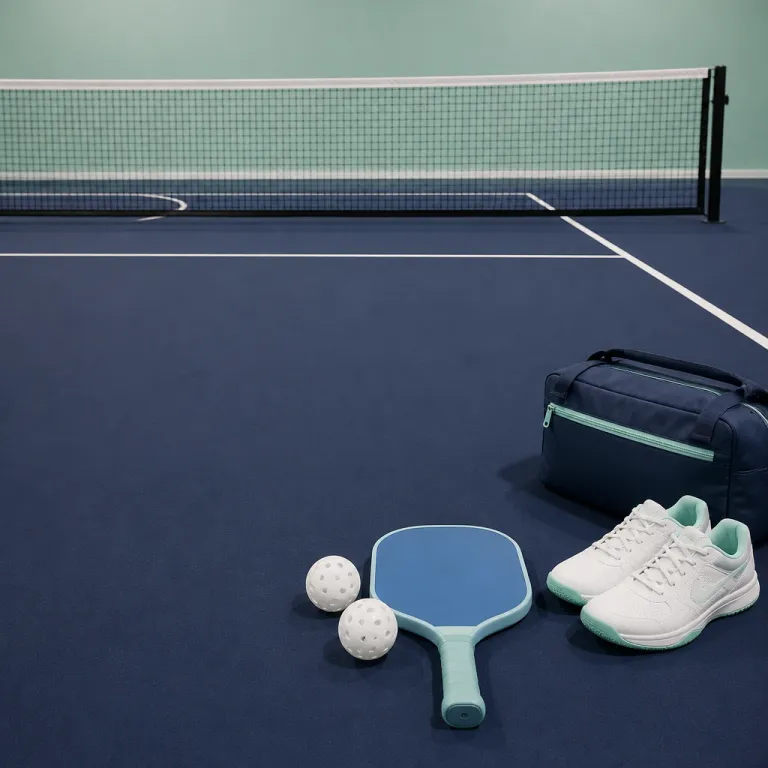
Why fall pickleball season indoor leagues matter more than you think
By early September, outdoor pickleball players feel the shift in the air. Even in Phoenix or Atlanta, the evening start times creep earlier, the concrete cools faster, and fall pickleball season indoor leagues quietly become the real heartbeat of the sport. If you want reliable play times and a clear league status instead of chasing daylight, this is when your planning should start.
Across the United States, more than 1 200 new indoor pickleball facilities have opened in roughly the last two years, pushing the total market value of indoor venues past 3 billion dollars. That boom means players now have real choices between casual drop in play and structured fall pickleball season indoor leagues that track every team status, individual status, and division close date. The best clubs publish clear info about each league, from the team total and cost deposit to the exact dates start and start times for every division.
For a curious beginner, that flood of info can feel like a second sport. You will see terms such as recreational age division, age team brackets, cost individual fees, and deposit team requirements listed in dense tables that look more like airline schedules than a simple way to play pickleball. Treat that info schedule as your roadmap, and focus first on matching your level and preferred times rather than obsessing over every team individual option on the page.
Most indoor clubs now run multiple leagues under one roof, often splitting players by both skill level and age team ranges. A typical facility in Denver or Raleigh might offer a recreational age division for new players, a 3.0 to 3.5 league for improving teams, and a 4.0 plus division for tournament regulars, each with its own status open or division close note. When you sign up, check whether the league status is still listed as status open, whether the team status shows enough teams already registered, and whether the total cost individual plus any deposit team fits your budget for the season.
Indoor vs outdoor: how your game changes when the roof closes
Moving from summer concrete to a hardwood or sport court floor is not just about comfort. Indoor pickleball changes the bounce, the sound, and the pace of rallies, which is why fall pickleball season indoor leagues often feel more intense even at the same nominal level. The ball sits up a little longer, the lighting is consistent, and your margin for lazy footwork shrinks fast.
On outdoor asphalt, a Franklin X 40 ball skids and flattens slightly, especially on older courts where micro cracks and dust steal energy from every bounce. Indoors, most clubs switch to an Onix Pure 2 or similar indoor ball, which is softer, slightly larger, and designed for smoother surfaces, so paddles and paddles balls interact differently with the court and your timing window expands. That change rewards players who can reset points and share pickleball control at the kitchen line rather than just swinging harder from the baseline.
Surface also dictates your footwear and movement patterns. Outdoor shoes with aggressive herringbone tread can grab too hard on indoor sport court, so for fall pickleball season indoor leagues you want a dedicated indoor court shoe with a flatter outsole that lets you slide a few centimeters instead of sticking and torquing your knees. Think of it as adjusting your open cost of effort, trading a bit of raw traction for safer lateral play over the total times you will be on court each week.
The indoor boom is reshaping where Americans play, with franchise models leading the charge. If you want a deeper look at how three Picklr locations opened in six weeks and what that means for league structures, the analysis in this breakdown of the indoor franchise boom is worth your time. For you as an individual player, the takeaway is simple, because more indoor clubs mean more leagues, more teams, and more chances to choose division formats that actually match your schedule and your goals.
Choosing the right fall league: divisions, deposits, and real costs
Once you accept that fall pickleball season indoor leagues will anchor your routine, the next step is choosing where and how you want to compete. Most clubs now offer a mix of team leagues, ladder formats, and individual sign up options that pair you with a partner, each with its own cost structure and status rules. Read the registration page like a contract, not a flyer.
Start with the basics, such as whether you want to sign up as a full team or as an individual. A team league usually lists a team total fee, a cost deposit due at registration, and sometimes a separate cost individual for subs, while individual leagues show a single open cost per person plus any small deposit team amount if you are placed into a new roster. Pay attention to whether the league status is marked as status open, waitlist, or division close, because that status will determine whether your deposit is charged immediately or held until enough teams join.
Schedule is the next filter, and it matters more than you think. Look for clear info schedule details, including exact dates start, weekly start times, and how many total times per week you will play, then compare that against your work and family commitments. If a league expects you to play two evenings plus one weekend slot, that is a different commitment than a single weekly match, even if the cost individual looks similar on paper.
Etiquette and format also shape your experience, especially if you are new. In crowded clubs, paddle stack systems and court rotation rules can feel intimidating, so reading a guide on paddle stack etiquette in busy environments will help you understand how teams rotate and how times share systems work between league matches and open play. When you choose division formats, think about whether you want a pure recreational age bracket, a mixed level ladder where individual status can move up or down weekly, or a fixed division where your team status stays locked for the entire season.
Gear and skill upgrades for a smarter indoor fall
Fall is the rare moment when your calendar, your gear, and your skill work can all reset together. Cooler temperatures mean you can play longer sessions without heat fatigue, and fall pickleball season indoor leagues give you structured matches that expose every weakness in your game. Use that structure to plan both your equipment upgrades and your practice focus.
Start with paddles, because indoor play exaggerates differences in feel and control. A polymer honeycomb core in the 16 millimeter range with a raw carbon fiber face will tame the extra pop of an Onix Pure 2 ball, while a thinner 13 millimeter paddle might suit aggressive players who like to attack off the bounce, especially in lower level divisions. Bring at least two paddles and a small stash of paddles balls to every match, because nothing derails a league night faster than a cracked ball and no backup on a tight info schedule.
Then look at your actual game plan. Indoor lighting and consistent bounce make it the perfect time to refine third shot drops and resets, and a focused drill session before league nights will pay off faster than another random open play marathon, so consider studying a technical breakdown such as this guide to third shot drop mechanics. When you share pickleball practice ideas with teammates, build a simple routine that covers dinks, third shots, and transition volleys, then repeat it at the same start times each week so your body learns the rhythm.
Finally, track your own info like a coach would. Note your league results, the total times you served long, and how often you missed returns under pressure, then adjust your drills instead of just playing more matches and hoping your individual status improves by luck. Fall rewards the players who treat their league as both competition and lab, because progress in pickleball comes from the tenth tournament game, not the USAPA stamp on your membership card.
FAQ
How do I find local fall pickleball season indoor leagues near me ?
Start with USA Pickleball league listings, then check your city recreation department and nearby indoor tennis or fieldhouse facilities that have added pickleball courts. Many clubs now post league info, status open notes, and dates start on their own websites or in local Facebook groups dedicated to pickleball. If you prefer mobile tools, apps such as CourtReserve and Playtime Scheduler often list both open play and structured leagues with clear info schedule details.
What skill level should I choose for my first indoor league ?
If you have only played a few times, look for a beginner or recreational age division rather than jumping into a numbered 3.5 league. When in doubt, email the club with individual info about your experience, and ask whether your team individual or solo registration fits their lowest level division. It is better to start slightly below your ceiling and move up after one season than to struggle every night in a division that is too strong.
How much does a typical fall indoor league cost ?
Most fall pickleball season indoor leagues in the United States charge a cost individual between 60 and 150 dollars for an eight to ten week session, depending on facility quality and match frequency. Team leagues may list a higher team total with a required cost deposit or deposit team amount at registration, which is then split among players. Always read the fine print on refunds, because some clubs keep the open cost deposit if the division close happens before enough teams sign up.
Do I need different gear for indoor pickleball compared with outdoor play ?
You can use the same paddle, but many players prefer a slightly softer, more control oriented setup indoors, especially when using an Onix Pure 2 or similar indoor ball. Indoor court shoes with non marking soles and less aggressive tread are strongly recommended, because outdoor shoes can grip too hard on smooth surfaces and increase injury risk. Bringing your own paddles balls and a light layer for cooler arenas will also make long league nights more comfortable.
Can I join a league without a partner or full team ?
Yes, many clubs offer individual registration where the organizer builds teams from solo sign ups. In those formats, your individual status and age team details help them place you into a balanced roster, and the team status is updated once all spots are filled. If you are nervous about commitment, ask whether subs are allowed and how many total times per season you must attend to keep your place.