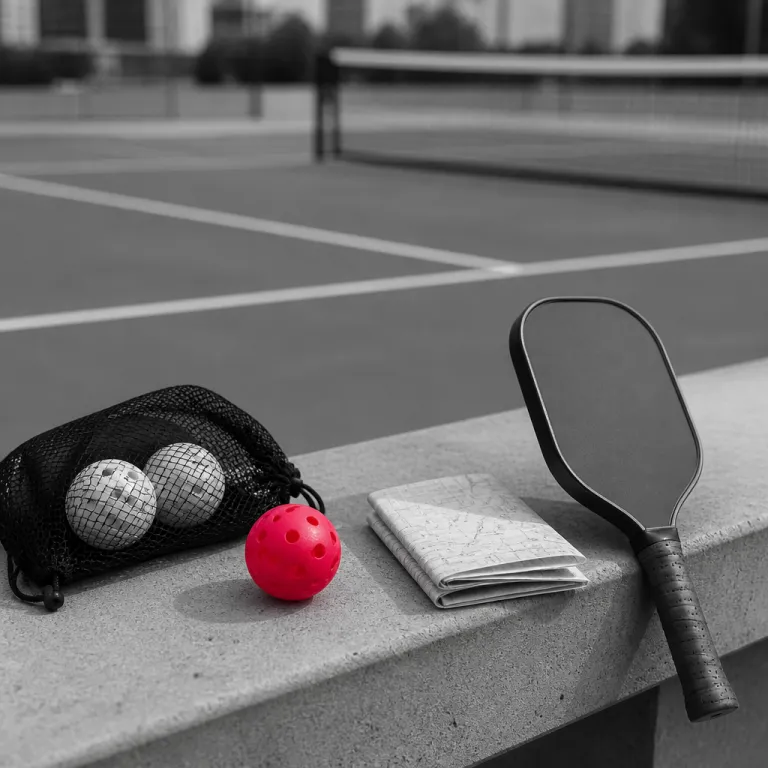
How to find pickleball courts when traveling in any US city
When you want to find pickleball courts when traveling, start with tools that actually reflect where players show up. The three pillars are the Pickleheads app, the USA Pickleball Places2Play site, and a smart Google Maps search that filters by recent reviews, because together they reveal not just a pickleball court but a living community. Used well, these tools let you find games, read the room before you arrive, and choose the right session for your level.
Pickleheads functions as a modern court finder, listing public and private facilities, showing the number of courts, and often tagging whether there is structured open play or casual games groups. When you use the app, zoom the map search around your hotel or meeting venue, then filter for local pickleball sessions that match your schedule and check whether the courts are public private or require a club membership. Many listings include notes about round robin formats, rally scoring experiments, or whether players dupr ratings are used to sort games, which matters when you are new in town.
Places2Play from USA Pickleball is less social but still essential when you want to find pickleball courts when traveling in smaller markets. It lists pickleball courts with basic details about facilities, such as whether there is free access, lighting, or indoor options, and it often distinguishes between a single taped pickleball court in a gym and a complex with multiple courts. Cross checking Places2Play with Pickleheads and a Google Maps map search gives you a three angle view of courts, sessions, and actual players, which is how experienced travelers avoid empty venues.
Reading reviews to separate active courts from dead spaces
Once you have a shortlist of pickleball courts, the next step is reading reviews like a local. You are not just trying to find pickleball courts when traveling, you are trying to find games and groups that will actually welcome a new player into a session. That means scanning for clues about how many players show up, what level they play, and whether the culture is friendly to visitors.
On Google Maps, sort reviews by most recent and look for mentions of open play, round robins, or organized games groups rather than just comments about clean bathrooms or parking. A review that says "great local pickleball scene, full courts every morning" tells you far more than a star rating, especially when it mentions specific days, times, or a club pro who runs a round robin format. If you see repeated notes about long waits, a confusing paddle stacking system, or a team ladder with strict standings bracket rules, you know the community is active but may be less flexible for drop in players.
Pickleheads reviews often go deeper on session details, including whether the session uses rally scoring, whether there is a separate beginners court, or whether players dupr ratings are used to group teams. When you read that a venue runs multiple round robins with different skill brackets, you can decide whether to join the 3.0 games or watch first and then play. For a broader sense of how pickleball is evolving in organized environments, especially around college style programs and structured play, it is worth reading this field report on college pickleball becoming a real pathway, because the same competitive habits often trickle down into local clubs.
Drop in etiquette when you walk onto a court as a stranger
Finding a court is the easy part, but fitting into a new session takes a little craft. When you find pickleball courts when traveling, assume there is an unwritten protocol and watch one full round of games before jumping in. That single round tells you how players stack paddles, whether they rotate partners, and how they handle new faces.
Most US venues use some version of paddle stacking, where you place your paddle in a rack or on the fence to signal you want to play the next game. If you see paddles grouped in fours, that usually means the next team is formed by the next four paddles, while two paddle stacks often indicate fixed teams waiting for a court. When in doubt, ask quietly between games, introduce yourself with your approximate level rather than your dupr number, and offer to join any court where they need one more player rather than insisting on a specific format.
Respect the local pickleball rhythm by not walking onto a private lesson court or a reserved club court, even if there seems to be free access. Many facilities run both public private sessions, so always confirm whether the court you are eyeing is part of open play or a paid session. For a deeper sense of how access and equity are being debated as the number of courts explodes, this analysis on who actually gets onto new courts is worth reading before you assume every empty pickleball court is fair game.
Indoor vs outdoor, booking, and what to check before you drive
Travel days are short, so you cannot afford to arrive at locked gates or a full indoor session. When you find pickleball courts when traveling, always verify whether the courts are indoor or outdoor, whether there is a booking system, and what the actual session format looks like. A quick phone call or message through an app can save you an hour of wasted travel time.
Outdoor public courts often have true free access, but that does not mean there will be organized games or a clear way to find games with players at your level. Indoor facilities, especially those run by a club or a city recreation department, may require pre registration for specific sessions, payment for a single court, or adherence to a structured round robin. Ask whether they run open play with rotating teams, fixed team leagues with a standings bracket, or skill based round robins, because each format changes how easily a solo traveler can slide into games.
Many modern facilities use an app based court finder or booking system, sometimes integrated with Pickleheads or a local club app, and these tools are improving quickly with regular bug fixes and performance improvements. When you see release notes mentioning fixes performance or improvements app, that usually means better map search, clearer session descriptions, and more accurate data about the number of courts available at each time slot. Always confirm whether the pickleball courts you see listed are striped multi use courts or dedicated pickleball courts, because a single taped pickleball court in a busy gym plays very differently from a bank of eight outdoor courts under lights.
The minimalist travel kit and cities that welcome drop in players
Once you know where you are going, you need a travel kit that lets you play on almost any court without drama. Pack one reliable paddle, a light paddle bag, non marking court shoes, and both indoor and outdoor balls so you can adapt to whatever facilities you find. If you are working on specific skills like third shot drops, this guide on why the third shot drop is really a scoop travels better than any extra gadget.
For balls, carry at least three outdoor balls and three indoor balls, because many public private venues expect players to bring their own. A compact towel, a small first aid kit, and a phone mount for quick video review of your games can all fit into a minimalist bag without adding weight. If you track your dupr rating, remember that casual travel games rarely count toward official players dupr data, so treat them as low pressure sessions to test new shots or rally scoring experiments.
Some US cities have especially strong drop in cultures, with dense clusters of courts and regular open play sessions that welcome visitors. Phoenix, Tampa Bay, Austin, Salt Lake City, and parts of Southern California stand out for their mix of public courts, club facilities, and structured round robins that make it easy to find pickleball and join games groups quickly. In these hubs, a quick Pickleheads map search or a glance at a local club finder board is often enough to find games within a short drive, which is exactly what you want when your suitcase is already full.
FAQ
How do I quickly find open play sessions in a new city ?
Start with the Pickleheads app, then cross check with USA Pickleball Places2Play and Google Maps reviews filtered by most recent. Look for listings that mention open play, round robin sessions, or organized games groups rather than just generic court descriptions. When possible, message the organizer or call the facility to confirm that visitors are welcome and that the session matches your level.
What should I say when I walk up as a solo player ?
Wait for a game to finish, then introduce yourself with your first name and approximate level, such as "I usually play around 3.0". Ask how they handle paddle stacking and whether there is a specific court for new players or visitors. Offer to fill in wherever they need one more player, which shows respect for the existing group while signaling that you are ready to play.
How can I tell if a court will actually have players there ?
Recent reviews are your best signal, especially when they mention specific days and times like "packed every weekday morning" or "great evening open play". On Pickleheads, look for active comments, updated photos, and multiple upcoming sessions listed by a club or organizer. If a venue has no recent activity online, treat it as a backup option and prioritize courts with visible, current engagement.
Should I bring my own balls and paddle when traveling ?
Yes, always travel with at least one paddle and both indoor and outdoor balls, because not every facility provides equipment for drop in players. Many public courts expect players to bring their own balls, and club pro shops may not be open during early or late sessions. A small, dedicated travel kit ensures you can join games immediately without relying on rentals or borrowing gear.
Are indoor or outdoor courts better for visiting players ?
Indoor courts offer more predictable conditions and are often easier for beginners, but they may require reservations or fees through a club or recreation center. Outdoor public courts usually have more flexible access and a wider mix of players, though wind, sun, and surface quality can vary. When you find pickleball courts when traveling, choose indoor for reliability on tight schedules and outdoor for spontaneous, social drop in play.