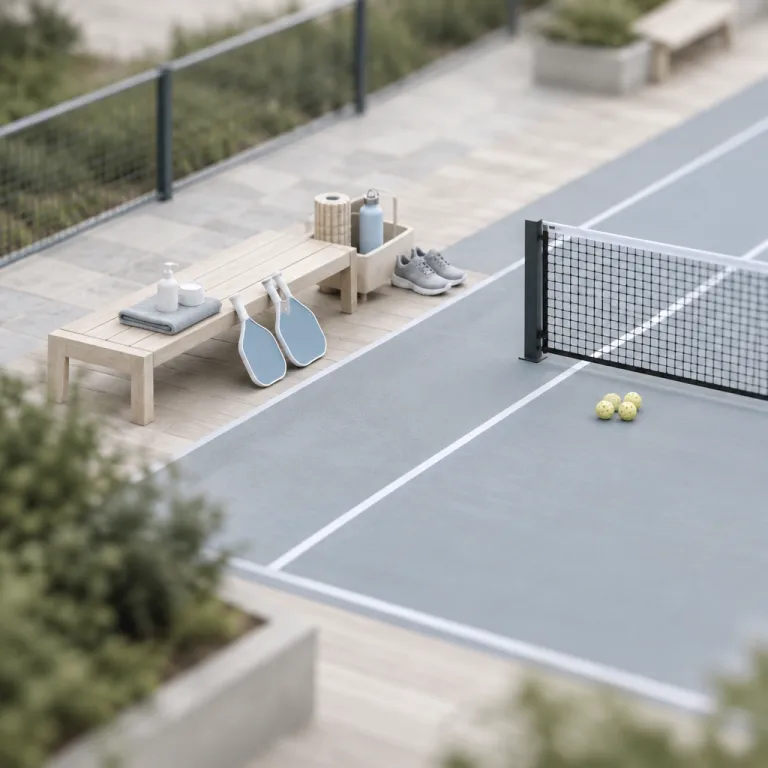
Why targeted recovery gear matters for modern pickleball players
Pickleball has shifted from casual pastime to demanding racket sport, and that change exposes how fragile muscles and joints can be under repetitive stress. As matches lengthen and intensity rises, players now treat their recovery gear as seriously as their paddles, which is where a focused product such as picklebalm muscle recovery magnesium foam enters the conversation. When you think about long rallies, quick direction changes, and hard stops, you quickly see why pain and fatigue cluster around the knees, wrists, and shoulders of committed players.
Traditional relief cream or a basic relief roll can help, yet many athletes now prefer a fast acting recovery foam that absorbs quickly and leaves hands free for taping or stretching. A formulation like this magnesium foam aims to deliver pain relief without heavy residue, so players can move from post game cool down to daily life with minimal interruption. This type of product sits alongside braces, compression sleeves, and massage tools as an essential item in a complete health and recovery kit for pickleball.
When evaluating any picklebalm muscle solution, serious pickleball players look beyond marketing claims and examine ingredients, application method, and long term health impact. They want a product that supports muscle recovery while respecting skin sensitivity and overall health, not just a quick fix for temporary pain. That is why the best recovery foam options are now discussed in the same breath as reputable health brands and medical suppliers rather than only in general sports retail.
Key ingredients in picklebalm muscle recovery magnesium foam
The core of picklebalm muscle recovery magnesium foam is its blend of magnesium, botanical extracts, and soothing emollients designed for stressed joints and soft tissue. Many formulations use magnesium sulphate in combination with arnica cucumber complexes, sometimes described as sulphate arnica paired with cucumber extract to support circulation and reduce the perception of pain. For pickleball players who battle picklebalm pain around the calves, forearms, and lower back, this ingredient profile can feel very different from a generic relief cream bought without research.
Some versions of this product are marketed as magnesium foam that spreads easily over large areas, which is ideal after long sessions on hard courts. The arnica cucumber pairing is often highlighted because arnica is traditionally associated with bruising and impact, while cucumber extract is linked to cooling comfort on the skin. When these elements are combined in a recovery foam format, they can offer fast acting coverage that suits post game routines where time is short but pain relief is urgent.
Players comparing health brands will notice that compass health and other medical distributors tend to emphasize transparent labeling and clinically familiar ingredients such as magnesium sulphate. This gives athletes more confidence that the product they apply to their knees, wrists, or shoulders aligns with broader health guidance rather than only sports marketing language. For a deeper look at how performance metrics intersect with physical strain, many players also review rating guides such as this analysis of choosing the right ball for indoor versus outdoor pickleball play, then match their gear and recovery tools to their typical playing environment.
How application format shapes real world recovery for pickleball players
Beyond ingredients, the way a product is delivered to the skin matters greatly for active pickleball players. A pump based picklebalm muscle recovery magnesium foam allows controlled dosing, so each item dispenses a consistent amount of recovery foam without mess or waste. This is especially useful when players share gear bags, because a clean pump reduces contamination risk and keeps the foam texture stable over time.
Some athletes still prefer a relief roll format for targeted lines along tendons, yet many now combine a roll with a broader magnesium foam application after intense tournaments. The foam spreads quickly over large muscle groups such as quadriceps, hamstrings, and shoulders, while the relief roll can trace around smaller joints like wrists and ankles. In both singular and plural uses, these products complement braces, kinesiology tape, and portable practice systems that players carry between clubs and community courts.
For those building a complete equipment kit, it helps to think of picklebalm muscle recovery magnesium foam as part of a modular system that includes paddles, shoes, and training aids. Portable nets and rebounders, such as the options reviewed in this guide to top portable practice systems, increase total impact volume on the body, which in turn raises the need for reliable pain relief strategies. When practice intensity climbs, having both foam and cream formats available lets players adapt their post game routine to time constraints, travel schedules, and specific pain patterns.
Evaluating price, value, and health trade offs in recovery foam
Cost is always part of the decision when choosing any picklebalm muscle recovery magnesium foam for regular use. Players compare the price per millilitre, the number of applications per pump, and whether the product ships with free delivery or bundled items such as sample sized relief cream. On marketplaces like amazon, the same product may appear under different brands, so careful reading of ingredient lists and volume is essential to judge real value.
Serious pickleball players often calculate how long a single item of recovery foam will last during tournament season, when matches and practice sessions multiply. They weigh whether a slightly higher price from established health brands or distributors such as compass health is justified by consistent quality control and clearer pain relief labeling. In many cases, athletes report that a great performing foam that is genuinely fast acting saves money over time, because they use fewer pumps per application and avoid buying multiple overlapping products.
Value is not only about money; it is also about long term health and sustainable performance on the court. A product that supports muscle recovery without irritating skin or masking serious pain can help players recognise when they need rest or medical assessment. When evaluating picklebalm muscle recovery magnesium foam options, it is wise to treat them as part of a broader health strategy rather than a stand alone fix for every ache.
Integrating picklebalm muscle recovery magnesium foam into post game routines
Effective post game routines for pickleball now resemble those used in other high repetition sports, combining hydration, stretching, and targeted topical care. Many players apply picklebalm muscle recovery magnesium foam within thirty minutes of finishing, focusing on areas that repeatedly signal pain such as knees, wrists, and shoulders. This timing aligns with the period when circulation remains elevated, which can help distribute the active ingredients from the foam more evenly through superficial tissues.
Some athletes pair magnesium foam with light massage, using their hands or a small roller to work along the muscle fibres without excessive pressure. Others alternate between a cooling recovery foam and a thicker relief cream on alternate days, especially when managing chronic picklebalm pain or recurring tendon irritation. One competitive player described a simple routine of foam after evening matches and cream before bed as the change that finally allowed back to back tournament days without constant discomfort.
Players who track their progress often notice that consistent use of picklebalm muscle products correlates with fewer missed sessions and more stable performance ratings. When they compare their match statistics or rating explanations, such as those discussed in this guide to understanding your DUPR rating, they see how small gains in recovery translate into more confident play. In this way, a simple pump of magnesium foam after each outing becomes a quiet but powerful contributor to long term health and enjoyment of the sport.
What pickleball players should look for when choosing recovery products
When selecting any picklebalm muscle recovery magnesium foam, informed pickleball players start by clarifying their main pain patterns and playing schedule. Someone who competes several times per week and trains with portable systems will likely need a fast acting recovery foam that can be applied quickly between sessions. In contrast, a recreational player with occasional soreness may prioritise a lower price or a smaller item size that fits easily into a compact gear bag.
Ingredient transparency is non negotiable for athletes who care about long term health and regulatory compliance. They look for clear references to magnesium sulphate, arnica cucumber complexes, and cucumber extract, while avoiding vague terms that obscure what actually provides pain relief. Products associated with recognised health brands or distributed through medical channels such as compass health often inspire more trust than unverified listings, even when those listings appear prominently on amazon.
Comfort and sensory experience also matter, because players must actually love using the product for it to become a habit. A non greasy magnesium foam that absorbs quickly and leaves no residue on paddles or clothing is more likely to be used consistently than a sticky alternative. Over time, the combination of reliable pain relief, pleasant texture, and reasonable price turns a simple picklebalm muscle recovery magnesium foam into a quiet cornerstone of sustainable pickleball performance.
Key figures on pickleball strain, recovery, and topical support
- According to the Sports and Fitness Industry Association, pickleball participation in the United States grew by more than 150 percent over a recent three year period, which has increased total exposure to overuse injuries among recreational players (Sports & Fitness Industry Association, 2023).
- Data from the American Academy of Orthopaedic Surgeons indicate that knee and shoulder issues account for a large share of racquet sport injuries, with knee problems representing roughly one third of lower limb complaints in adult participants (American Academy of Orthopaedic Surgeons, 2021).
- Market research from Grand View Research reports that the global topical pain relief market is valued in the tens of billions of US dollars, reflecting strong demand for creams, gels, and foams that support muscle recovery after sport (Grand View Research, 2022).
- Surveys of recreational athletes published in journals such as the Clinical Journal of Sport Medicine suggest that more than half of respondents use some form of topical product for post exercise pain relief at least once per week (Clinical Journal of Sport Medicine, 2018).
- Consumer trend analyses show that products featuring magnesium and arnica have seen double digit annual growth in the sports recovery segment, driven by players seeking alternatives or complements to oral pain medication. Evidence for topical magnesium and arnica is still emerging, so users should follow label directions, avoid broken skin, and consult a clinician about dosage and safety if they have existing conditions or take other medicines.
FAQ about picklebalm muscle recovery magnesium foam for pickleball
How does picklebalm muscle recovery magnesium foam differ from standard creams ?
This type of foam uses a pump to create a light, aerated texture that spreads quickly over large areas without leaving a heavy film. Many formulations combine magnesium sulphate with arnica cucumber complexes and cucumber extract, aiming to provide fast acting comfort for stressed muscles and joints. For pickleball players, the main advantage is rapid absorption that allows taping, stretching, or dressing without delay.
Can picklebalm muscle recovery magnesium foam replace medical treatment for injuries ?
No topical product should replace professional assessment for significant or persistent pain, swelling, or loss of function. Picklebalm muscle recovery magnesium foam is best viewed as a supportive tool for mild post game soreness, not as a cure for structural injuries such as ligament tears. If pain relief from foam or cream is only temporary and symptoms return quickly, players should consult a qualified healthcare professional.
Where should pickleball players apply magnesium foam after matches ?
Most athletes focus on areas that experience repetitive impact or strain, such as quadriceps, calves, forearms, and the regions around knees, wrists, and shoulders. The foam can be smoothed over broad muscle groups, while a relief roll or cream may be reserved for smaller joints or specific trigger points. Always follow label instructions and avoid broken skin or sensitive areas such as eyes and mucous membranes.
Is picklebalm muscle recovery magnesium foam suitable for daily use ?
Many products in this category are designed for regular use, but players should always read the manufacturer’s guidance and monitor skin response. If redness, itching, or unusual discomfort occurs, application should stop and medical advice may be needed. For most healthy adults without known sensitivities, daily use after pickleball sessions can be part of a balanced recovery routine that also includes rest, hydration, and stretching.
How should players compare price and value between different recovery foams ?
Comparing price per millilitre, number of pumps per container, and ingredient quality offers a clearer picture than headline cost alone. Products from established health brands or distributors such as compass health may cost slightly more but often provide more consistent formulations and clearer labeling. Players should balance budget with performance, choosing a picklebalm muscle recovery magnesium foam they will use consistently rather than the cheapest option that ends up forgotten in a gear bag.