From Seattle to San Antonio: mapping the new indoor pickleball facility franchise wave
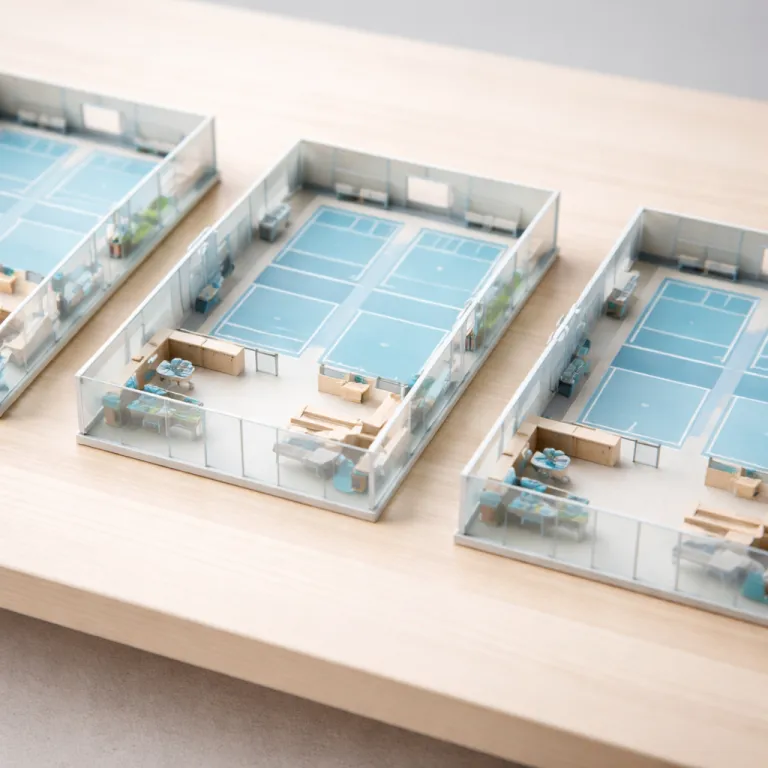
Picklr Fremont in the Seattle area, Picklr Goleta near Santa Barbara, and Picklr Live Oak in San Antonio form a clear pattern for any pickleball player watching the indoor shift. These three venues show how an indoor pickleball facility franchise uses big box real estate, climate control, and standardized courts to turn a casual park sport into a predictable business for franchise owners and every franchise owner who joins the network. For players, the step from free outdoor pickleball at a local park to paid indoor pickleball inside a branded pickleball club is not just about comfort, it is about how the sport is organized and who controls access to courts.
In Fremont, the Picklr brand brings an indoor pickleball layout to a rainy metro where public courts stay slick for months and where pickleball players often fight for a single taped pickle pad on a tennis surface. Goleta’s Picklr club, built in a former Bed Bath & Beyond at Fairview Shopping Center, runs six regular courts plus one tournament court, which turns a dead retail box into a pickleball business that can host leagues, social mixers, and a structured community focused on scheduled play instead of random drop in sessions. San Antonio’s Picklr Live Oak goes further with fourteen indoor courts including an ADA accessible championship court, a scale that rivals early pickleball kingdom style complexes and shows how indoor pickleball franchises can anchor a regional community of players across many skill levels.
Climate controlled courts change the daily reality for pickleball players who used to rely on cracked asphalt and fading lines at public parks. Indoors, the ball plays truer, wind is gone, and lighting is consistent, which matters for players skill development and for any pickleball franchise that wants repeat visits from both beginners and tournament regulars. The tradeoff is clear in a growing sport where demand already outstrips supply, as SFIA data shows the United States needs more than 900 million dollars of court investment and major metros sit roughly ninety eight percent below national averages for dedicated courts, so indoor franchises and other pickleball franchises are stepping into a real gap that public agencies have not filled.
Membership math and the new business model behind indoor pickleball
For a curious beginner, the first real request is simple, how much does this cost compared with free park play. A typical indoor pickleball facility franchise will offer a mix of monthly memberships, punch cards, and drop in rates, and the business model depends on keeping courts busy at off peak hours while still leaving enough prime time slots for working players and retirees who want evening or morning play. When you compare that with a public park, where the pickleball business is effectively subsidized by taxpayers, you start to see why franchises chase former retail boxes and why real estate investors now treat pickleball as a serious sport rather than a passing fad.
In practice, a player might pay the equivalent of several café visits each week for unlimited access to indoor pickleball, ball machines, and structured open play that is sorted by skill levels instead of first come chaos. That fee also supports a paid équipe of coaches and desk staff, which is something a volunteer run pickleball club at a park cannot easily match, and it gives franchise owners a predictable revenue stream that can justify more courts and better lighting. For a deeper look at how large complexes change local access, the analysis of Chicago’s one hundred court push and Medford’s nineteen court complex in this facility boom breakdown shows how concentrated investments can reshape where and when pickleball players actually get on court.
Franchise opportunities in this fastest growing racket sport now range from boutique four court studios to multi site systems like Picklr, Ace Pickleball Club, Dill Dinkers, and Pickleball Kingdom, each with its own take on a community focused business. Some pickleball franchises lean hard into league play and social events, others emphasize high performance coaching and tournament hosting, but all of them rely on a clear business model that turns every pickle into a booked hour and every open slot into a revenue KPI. For the average player, the key is to read the fine print on memberships, ask about court to member ratios, and understand how the franchise balances casual social play with reserved time for teams, clinics, and private lessons.
Culture shift: from open park play to franchise led indoor communities
Moving from a public park to an indoor pickleball facility franchise is not just a change of roof, it is a change of culture. At a park, open play often runs on a whiteboard, a few paddles on the fence, and a loose sense of who is next, while in an indoor pickleball club the rotation is usually software driven with clear time slots, court assignments, and sometimes even automated waitlists that handle every request. That structure can feel rigid to some players, but it also protects beginners from being steamrolled by advanced teams and gives serious competitors a reliable place to train without arguing over courts.
Franchise owners know that community is their moat, so they program social mixers, ladder leagues, and beginner nights that help new pickleball players move up through skill levels without feeling lost. A brand like Picklr or Ace Pickleball Club will often segment play by rating bands, run coached open play, and offer clinics that break down third shot drops, dink patterns, and transition zone footwork, which is a level of organized instruction that most public parks cannot sustain. For players who still love outdoor vibes, hybrid models are emerging, such as coastal destinations with both indoor and outdoor courts, as seen in the analysis of Worthy Park’s rise as a top coastal California pickleball destination in this destination courts report.
Before you sign a contract with any indoor pickleball franchise, run a simple checklist that treats your time as seriously as their business. Ask for the number of active members per court, the peak hour booking rules, cancellation windows, and the pricing for lessons or small group sessions, then compare that with what you could do on a portable net using the guidance in this portable court setup guide at a nearby park. In a growing sport where franchises from Pickleball Kingdom to Dill Dinkers and Pickle Pad compete for your monthly fee, the best real value is not the logo on the wall but how often you actually play, how quickly your players skill improves, and whether the community feels like a welcoming team or just another transaction.