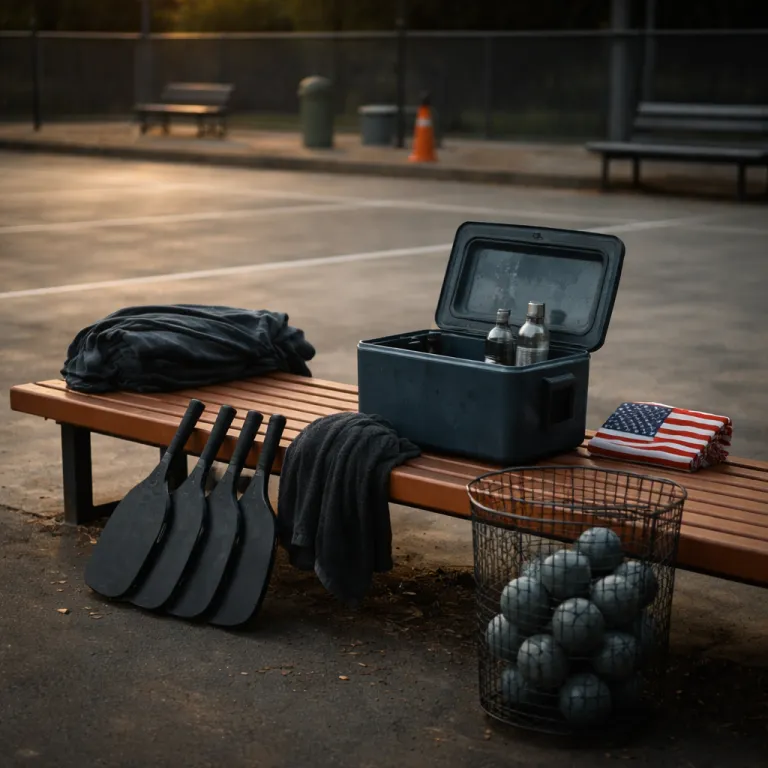
Memorial Day pickleball tips for crowded, hot public courts
Memorial Day turns every public pickleball court into a stress test. For many pickleball players in their sixties and seventies, this holiday is the first long day of real heat, real queues, and real risks of pickleball injuries. Treat it less like a picnic and more like a planned sport session, and your body will thank you for hours afterward.
Start with a realistic schedule for the day, because playing pickleball for three straight hours in direct sun is very different from your usual 90 minute morning game. In most cities, the busiest window on Memorial Day runs from late morning to mid afternoon, so senior players do better when they block a limited time slot at cooler hours and leave before the asphalt starts radiating heat back through their shoes. That simple timing choice will help prevent strains and sprains that come from tired feet, slower reactions, and late split steps on a crowded pickleball court.
Think of this holiday as a live fire drill for your health, not an advertisement for how many games you can grind out. Emergency department studies in journals such as Injury Epidemiology and The American Journal of Sports Medicine report that adults over fifty account for a large share of pickleball-related visits, with lower leg and shoulder trauma especially common, and heat only amplifies those pickleball injuries. If you want to stay active all season, your best Memorial Day pickleball tips will focus on pacing, shade, and smart matchups rather than chasing one more hit ball when your calves are already cramping.
Gear choices matter more on a hot holiday than during a cool weekday ladder. A lighter pickleball paddle with a polymer honeycomb core and a swing weight under about 115 kilogram–centimetres (a common unit used by paddle manufacturers) can give you better control on reflex volleys while reducing shoulder load for older pickleball players. If you usually play with a head heavy paddle to drive big shots, consider bringing a second, more balanced paddle for the later hours when your body is tired and your joints need a break.
Memorial Day also exposes every weak link in paddle care habits. Leaving your pickleball paddle face up on a metal bench in ninety degree heat will soften the core over time and create dead zones that ruin your touch on third shot drops. Keep your paddle in the shade between games, wipe sweat off the grip so you maintain control on every serve and dink, and you will feel the difference in both comfort and shot quality by the end of the day.
Quick checklist for hot holiday play
- Limit your time block and avoid the peak midday heat window.
- Rotate through shade between games instead of lingering on the baseline.
- Bring a lighter or more balanced paddle for late-session play.
- Store paddles off hot metal and out of direct sun whenever possible.
Hydration, heat index, and the two line walk off rule
Most Memorial Day pickleball tips talk about drinking water, but very few explain how to structure it over a long day. For senior pickleball players who plan to play pickleball in back to back games, a simple four bottle hydration plan works better than vague advice to sip when thirsty. Think of your health strategy as a pre match routine, not a mid game emergency fix.
Bring at least two litres of fluid for any block of three to four hours on court, and split it into four bottles so you can pace yourself. The first bottle should be mostly water and finished in the hour before you start to play, the second during your first two or three games, the third with electrolytes during the hottest part of the day, and the fourth slowly on the drive home to help prevent nighttime cramps and next day stiffness. This structure keeps your body ahead of dehydration instead of chasing it after your vision blurs and your good serve turns into a shaky push.
Heat index matters more than the number on the thermometer when you are playing pickleball on dark asphalt. Public health agencies such as the U.S. National Weather Service and the Centers for Disease Control and Prevention note that when humidity pushes the heat index above about 32 °C, older players with a history of heart issues, strains, sprains, or previous pickleball injuries should cut their planned hours in half and build in longer shade breaks between games. If you are new and still trying to learn pickleball, that slower pace will also give you more time to process tips about footwork, paddle position, and shot selection instead of just surviving the next rally.
Use a simple two line walk off threshold to protect your health on any holiday session. Line one is environmental, where a heat index above 35 °C plus full sun and no breeze means you skip content like one more social game and head for the car, even if your friends want to stay. Line two is personal, where any combination of dizziness, calf tightness, or a sudden drop in your ability to control the paddle and hit ball cleanly means you will stop immediately, sit in the shade, and reassess rather than pushing through and risking serious injuries.
Newer players often ask where to find structured help to build safe mechanics before the big holiday crowds arrive. A focused series of beginner lessons, such as those described in this guide to starting your journey with beginner pickleball lessons, can teach you how to play pickleball with compact swings that reduce shoulder strain and improve control on every shot. That kind of technical foundation turns generic tips into a real tips game plan that keeps people ages fifty and above on the court longer with fewer overuse problems.
Hydration and heat safety: do and don’t list
- Do drink on a schedule using smaller bottles instead of guessing.
- Do add electrolytes during the hottest stretch of the day.
- Do check the heat index and shorten sessions above 32 °C.
- Don’t wait for dizziness, nausea, or blurred vision before resting.
- Don’t ignore calf cramps or chest discomfort just to finish one more game.
Shade rotation, paddle stack etiquette, and mixed skill sessions
On Memorial Day, sun strategy is as important as any drill you run. When sixteen players show up for eight spots, the way you rotate through shade, manage the paddle stack, and handle mixed skill levels will decide whether the day feels like a community event or a survival test. Senior players who plan ahead can protect their health while still getting quality play.
Think of shade rotation as a second court that protects your body between games. If there is only one tree or shelter near the pickleball court, agree that waiting players will stand or sit there while the next group stages near the baseline, because five extra minutes in the sun every cycle adds up over three hours. On a hot holiday, that small habit can help prevent heat related strains, sprains, and the kind of late match footwork mistakes that lead to rolled ankles and other injuries.
Paddle stack etiquette gets tested hardest on holiday weekends, when people ages fifty to eighty all show up with their favourite gear and limited time. Use three simple rules for the stack; first in, first out, no skipping, and no secret side games while others wait, because fairness keeps tempers down when the sport is already physically demanding. If you want to run a higher level game, place four paddles together on one side of the divider and clearly label that group, then keep a second stack for more casual play so nobody feels shut out.
Mixed skill sessions are inevitable when a couple at a lower level asks to join your stronger group. The best Memorial Day pickleball tips here are social, not technical; say yes, but frame the game as cooperative by agreeing on one or two rally goals, such as every player getting a touch each point or working on soft shots instead of slamming every hit ball at the weaker team. That approach lets you stay active, protect your body from reckless lunges, and still get meaningful practice on dinks, resets, and controlled drives.
If you want structured ideas for how to use these mixed games, look at formats like the ones described in this piece on enhancing your game with Friday paddle sessions. Those kinds of planned rotations give pickleball players at different skill levels a clear sense of when they will play, how long each game will last, and what specific shots they will emphasize. The result is less frustration, more learning, and a stronger will to come back for the next Memorial Day instead of feeling burned out by chaos.
Crowded-court etiquette snapshot
- Use shade as the default waiting area, not the sideline fence.
- Follow first-in, first-out paddle stacking with no quiet line-cutting.
- Label advanced groups clearly and keep a second stack for social play.
- Set rally goals in mixed skill games to keep points safe and cooperative.
Gear, paddle care, and using Memorial Day as a training lab
Holiday crowds expose every weakness in your gear setup, from worn shoes to a slick grip that twists on every off centre hit. Memorial Day pickleball tips should treat the day as a live test of your paddle, footwear, and warm up routine, especially for senior players who rely on this sport to stay active without overloading their joints. Think of each game as data, not just a race to eleven.
Start with your pickleball paddle, because the way it feels after three hours in the sun tells you more than any advertisement or spec sheet. If your hand tingles after hard drives or your elbow aches after a long day, you may need a softer core, a slightly heavier but more evenly balanced paddle, or a thicker grip that lets you control the face without squeezing. For many older pickleball players, a mid weight paddle around 215 to 230 grams with a 4.25 grip and a forgiving sweet spot will reduce shock and improve touch on dinks and third shots.
Paddle care is not just about vanity; it is about performance and injury prevention. Wipe the face with a damp cloth after each session to remove dust that can change how the ball grabs on spin shots, and store the paddle in a padded cover so the edges do not chip when bags get stacked near the court. On a hot Memorial Day, never leave your paddle in a closed car, because repeated heat cycles can soften the core and shorten the usable years of your favourite stick.
Use this holiday as a chance to evaluate your shoes, socks, and warm up as seriously as your gear. If you feel calf tightness in the first game or notice that your first step to the kitchen line is sluggish, that is your body telling you to add five minutes of dynamic movement before you play, even if friends want to skip content like warm ups and jump straight into a competitive game. A short routine of marching, gentle lunges, and light side shuffles will help prevent strains, sprains, and the kind of late day missteps that send older players to the emergency room.
Finally, think beyond your local park and look at how other communities manage growth and crowding. Articles such as this report on how new courts are reshaping play in North Alabama show how dedicated facilities can spread demand and give people ages fifty and above more options than fighting for a single public pickleball court. Memorial Day is a reminder that the sport has outgrown many city plans, and that your voice as a regular player will matter more than any glossy brochure when it comes to getting safer, better lit, and more accessible places to play.
Gear and warm-up essentials
- Check midsoles and tread on court shoes before long holiday sessions.
- Refresh worn grips so sweat does not cause the paddle to twist.
- Protect paddles with covers and avoid leaving them in hot vehicles.
- Add a five minute dynamic warm up before your first game, not after an injury.
FAQ
How many hours should senior players stay on court during Memorial Day?
Most senior pickleball players do best with one to two hours of focused play on a hot holiday, broken into short games with real shade breaks. Once you push past that window in high heat, fatigue increases the risk of pickleball injuries such as strains, sprains, and falls on a crowded pickleball court. If you want more social time, stay active by chatting in the shade rather than forcing extra games when your body is already tired.
What is a safe hydration plan for a long holiday pickleball session?
A practical plan is to bring at least two litres of fluid for any three to four hour block of playing pickleball, split into several smaller bottles so you can pace your intake. Drink one bottle before you start to play, one during the first few games, one with electrolytes during the hottest part of the day, and one slowly afterward to support recovery. This structure helps control your core temperature, supports heart health, and will help prevent cramps and dizziness that can ruin your tips game goals.
How can I handle mixed skill levels without ruining my session?
When lower skill levels ask to join your group on Memorial Day, set clear expectations before the first serve. Frame the game as cooperative by agreeing to focus on longer rallies, soft shots, and shared targets instead of blasting every hit ball at the weaker team. This approach lets you work on control and placement, protects everyone’s health, and keeps the day welcoming for people ages across the spectrum.
What are the early warning signs that I should stop playing?
Key red flags include sudden dizziness, blurred vision, calf tightness, or a noticeable drop in your ability to control the paddle and execute a good serve. If you feel any chest discomfort, unusual shortness of breath, or sharp joint pain, you should walk off the court immediately and cool down in the shade. Treat Memorial Day as a limited time test of your awareness; stopping one game early is always safer than playing through and risking serious injuries.
How should I care for my paddle during hot Memorial Day sessions?
On hot holiday weekends, keep your pickleball paddle out of direct sun whenever you are not on court, and never leave it in a closed car. Wipe sweat and dust off the grip and face between games so you maintain reliable control on every shot, especially when the ball softens in the heat. Good paddle care will extend the usable years of your gear and support consistent performance for many Memorial Days to come.