Why the sharp pop of pickleball feels louder than tennis
Stand near a busy pickleball court and you hear it instantly. The sharp pop of polymer ball on hard paddle cuts through background sound in a way tennis rarely does, and that pickleball sound is at the center of almost every modern noise complaint. For many seniors who play this sport several times a week, the joy of daily play now collides with neighbors who experience that same sound as a constant noise problem.
The physics are simple, but the politics are not. Pickleball paddles use rigid cores and textured faces, so the impact creates a high frequency pop that travels farther than the lower thud of a tennis ball on a tennis court, and those higher noise levels are exactly what trigger many city noise ordinances. When multiple pickleball courts create overlapping echoes off fences and nearby buildings, the combined sound can feel relentless to the nearest residential property even when the total decibels technically match a pair of tennis courts.
For older players, this conflict can feel personal. Many moved into 55 plus communities precisely because the community promised active recreation and permanent courts for a joint friendly sport, yet the same residents may later file noise complaints when a new pickleball court opens too close to their bedroom windows. The language of local rules rarely anticipated a sport where four compact courts include up to sixteen players in the footprint of one tennis court, so the planning assumptions about sound and distance are now badly outdated.
From Kittery to Sunnyvale: how 500 feet became the political line
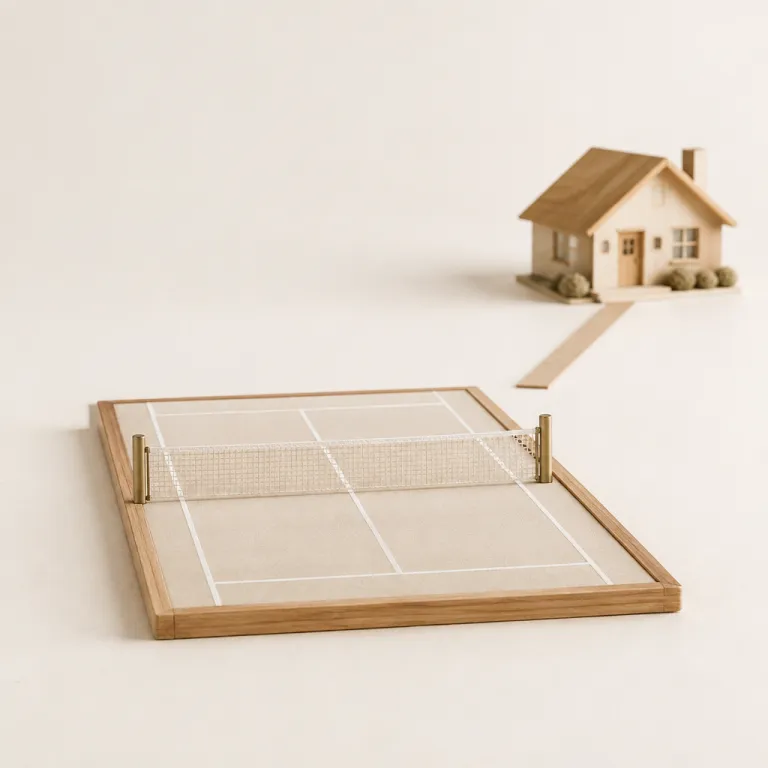
Municipal lawyers now talk about pickleball noise the way traffic engineers talk about speed bumps. In Kittery, Maine, the Town Council shut down an outdoor pickleball court after an acoustic study showed that pickleball sound exceeded the city’s noise ordinance limits at nearby homes, and the town responded by requiring that new courts be at least about 150 meters from any residential property. That 500 feet setback has become a reference point for planners in other cities wrestling with where to place permanent pickleball courts without triggering fresh complaints.
On the West Coast, Sunnyvale, California, took a different route. The city initially banned pickleball play at certain public courts after a wave of noise complaints, then rewrote the rules to allow limited hours and only approved quiet equipment, which included specific pickleball paddles designed to reduce noise. In practice, that meant pickleball courts include posted hours, signage in clear language about acceptable gear, and staff empowered to shut down play when noise levels spike near the nearest residential neighbors.
For senior players, these changes reshape daily routines. Morning hours once reserved for tennis on older tennis courts now share space with pickleball, but only within strict windows that aim to reduce pickleball impact during early mornings and late evenings. If you are planning a new pickleball court in a public park, you now need to think like an acoustic consultant, reading the noise ordinance, measuring distances to the nearest residential property, and even considering how court lighting design choices interact with extended hours of play, which is where a detailed guide on how to choose the best lighting for your pickleball court becomes part of the same planning conversation.
Setbacks, barriers and quiet paddles: what actually reduces noise
Distance is still the most reliable tool for any city trying to reduce noise from pickleball. A pickleball noise ordinance court distance of 150 to 500 feet from the nearest residential property gives sound room to dissipate, and that alone can reduce pickleball impact more than any single product or barrier. When courts create clusters of six or eight side by side, though, even a generous setback can fail if the site funnels sound toward homes.
That is where acoustic design matters. Smart layouts angle pickleball courts so that the sharp pop projects toward open fields or existing traffic noise rather than toward backyards, and some permanent complexes now use sound absorbing panels on fences to reduce noise levels at the property line. In practice, the best performing sites combine distance, barriers, and quiet equipment, so that the pickleball sound at the edge of the park blends into normal city background noise instead of standing out as a distinct pop.
Quiet paddles are the newest variable in this equation. Models like the Silencer Pro use softer cores and different face materials to reduce pickleball sound at the source, though some competitive players argue that these pickleball paddles change spin and touch in ways that alter the sport. For many 55 plus communities, though, a quiet paddle rule is a small compromise compared with losing a pickleball court entirely, and when courts include that requirement in their posted rules, they often head off future noise complaints before they reach the city council or the planning board that oversees noise ordinances.
Why 55 plus communities sit at the center of the conflict
Retirement communities were early adopters of pickleball, and that success now cuts both ways. A single converted tennis court can host four pickleball courts, which means more neighbors can play the sport at once, but it also means four times as many sharp pop sounds bouncing around a compact property. When those courts sit less than 500 feet from condos or villas, the pickleball noise becomes part of daily life for residents who may never pick up a paddle.
Boards in these communities now face hard planning choices. Some choose to reduce pickleball hours, limiting early morning and evening play to reduce noise when windows are open, while others move courts farther from the nearest residential buildings even if that means losing convenient access. A few communities invest in acoustic fencing and landscaping berms, but those upgrades cost real money and often require approval under existing noise ordinances and property rules that were written long before pickleball courts existed.
For senior players, the politics can feel as complex as any city council hearing. You might love that your community converted old tennis courts into a modern pickleball court complex, yet still understand why a neighbor on the perimeter files repeated noise complaints about the constant pop. The healthiest communities treat pickleball noise as a shared problem to solve, not a battle to win, and they use clear language, transparent asked questions sessions, and trial periods to test whether changes actually reduce noise without killing the social heart of daily play.
How players can advocate for smarter court locations
If you care about long term access, you cannot ignore where new courts get built. The most effective player groups now show up early in the planning process, armed with maps that highlight 500 feet buffers from every residential property and proposals for pickleball courts in parks or near existing tennis courts where traffic noise already dominates. When courts create a new sound source in an otherwise quiet cul de sac, the political fight is usually lost before the first serve.
Advocacy also means accepting some tradeoffs. You might prefer a pickleball court within walking distance of your home, but a site slightly farther away that meets the local noise ordinance setback will likely face fewer noise complaints and stay open longer, especially once the sport attracts more players. Player associations that understand pickleball noise dynamics now push cities to cluster pickleball courts near other active sport facilities, where the pop blends into the broader sound of play instead of standing alone as an irritant.
There is a broader equity question here too. As public agencies race to add new pickleball courts, the pattern of where they go can either widen or narrow access, which is why analyses of who actually gets into new public courts matter as much as the raw count of new sites. Senior players who show up at hearings with constructive proposals to reduce pickleball noise, enforce reasonable hours, and use quiet paddles can shift the conversation from complaints to solutions. The future of this sport in many cities will be decided less by the next pro tour deal, such as the American pickleball expansion into Asian circuits covered in this analysis of international growth, and more by whether local communities can agree on where a pickleball noise ordinance court distance line should be drawn.
FAQ
How far should public pickleball courts be from homes to avoid conflicts ?
Many planners now treat about 150 meters, or roughly 500 feet, as a practical minimum pickleball noise ordinance court distance between a pickleball court and the nearest residential property. That setback gives sound room to dissipate and makes it easier to keep noise levels within typical city noise ordinances. Local rules vary, though, so players and builders should always check the specific noise ordinance language in their city.
Do quiet paddles really reduce pickleball noise enough to matter ?
Quiet pickleball paddles can significantly reduce the sharp pop that triggers many noise complaints, especially on clustered pickleball courts. They work by using softer cores and different face materials to change the sound profile at impact, which can reduce noise at the property line when combined with distance and barriers. Competitive players may notice differences in feel, but for many 55 plus communities the tradeoff is preferable to losing play opportunities.
Why do neighbors complain more about pickleball than tennis ?
The main reason is the character of the sound rather than just volume. Pickleball sound has a higher frequency sharp pop that travels differently than the lower thud of a tennis ball on a tennis court, and multiple courts create a rapid, repetitive pattern that some people find intrusive. When those courts include heavy use for many hours each day near quiet streets, the sport can feel far louder than traditional tennis courts to nearby residents.
Can acoustic barriers alone solve pickleball noise problems ?
Acoustic fencing and sound absorbing panels can help reduce noise, but they rarely solve the issue by themselves if courts sit too close to homes. The most effective solutions combine distance, barriers, limited hours of play, and sometimes quiet equipment rules to reduce pickleball impact. Cities that rely only on barriers without respecting a reasonable pickleball noise ordinance court distance often face continued noise complaints and renewed political pressure.
What can senior players do when their community faces a pickleball noise dispute ?
Senior players can organize calmly, gather data on actual noise levels, and propose concrete changes such as adjusted hours, quiet paddle requirements, and modest court relocations within the property. Showing that players respect the noise ordinance and care about neighbors often softens opposition more than arguing that the sport should always come first. In many 55 plus communities, that collaborative approach has preserved pickleball courts while still reducing noise for residents who do not play.