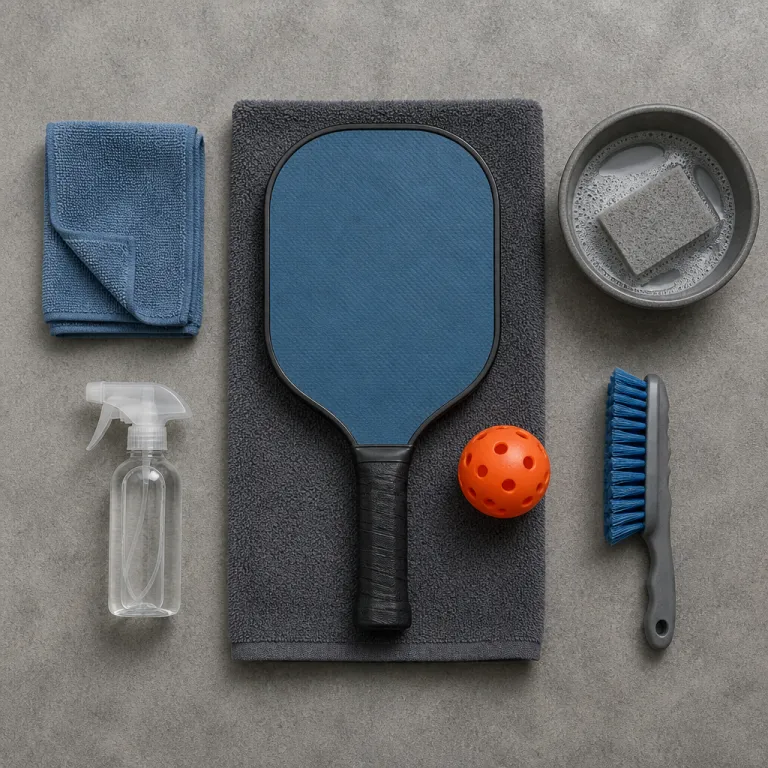
Why cleaning a pickleball paddle matters for control and power
A clean pickleball paddle is not cosmetic; it is a performance tool. When the face of the paddle starts to accumulate dirt, dust, and ball fuzz, you immediately lose spin, control, and subtle touch on every shot. Over time, dirty pickleball paddles also age faster, so regular cleaning protects both your investment and your confidence on the court.
On a modern raw carbon or carbon fiber pickleball paddle, the textured surface is designed to grip the ball and translate friction into spin and control power. If you let dirt, debris, and ball fibers clog that texture, you effectively smooth the paddle face and turn a high performance frame into a dull plank. Players who keep paddle surfaces in top condition report more consistent depth on drives and more reliable dinks under pressure.
Think of a simple cleaning routine the same way you think of stretching or warm up; it is a small habit that pays off every session. When you clean pickleball equipment correctly, you also spot early damage on the paddle face or grip before it becomes a crack or a dangerous edge. For any player who wants the best balance of control and power, learning how to clean pickleball paddle surfaces is as important as choosing the right weight, shape, or core material.
Step by step guide on how to clean a pickleball paddle
Start your cleaning routine with the simplest tool possible: a soft, lint free cloth. Wipe the entire face of the pickleball paddle with gentle circular motions to remove dirt and loose ball fuzz without scratching the surface. This first pass often restores a surprising amount of grip and clean contact, especially on raw carbon paddles used on dusty outdoor pickleball court surfaces.
Next, lightly dampen the same cloth with clean water to create a safe damp cloth for deeper cleaning. Glide this damp cloth over the paddle face, the edges, and the throat, allowing the moisture to lift stubborn dirt debris while you maintain light pressure. You should avoid soaking the paddle or letting water run into the edge guard, because excess moisture can seep into the core and reduce long term performance.
To keep paddle care simple, follow this quick checklist: (1) after every session, use a dry lint free cloth to remove dirt from the face; (2) once or twice per week, use a slightly damp cloth for deeper cleaning paddle sessions; (3) briefly inspect the grip, edge guard, and surface paddles for chips or soft spots; and (4) store paddles in padded bags so they stay clean between matches. If you already use technical training tools such as a dedicated topspin training aid, it makes sense to pair that focus on technique with equally disciplined paddle maintenance.
Special care for raw carbon and carbon fiber pickleball paddles
Raw carbon and carbon fiber paddles demand more attention, because their textured faces are engineered for high friction. The same micro texture that boosts spin also tends to accumulate dirt and rubber residue faster than smoother composite paddles. Fortunately cleaning these advanced surfaces is straightforward when you use the right cloth and avoid harsh chemicals.
Begin by using a dry lint free cloth to gently brush the raw carbon face, working from the center of the paddle toward the edges. This motion helps remove dirt and ball fuzz from the tiny grooves without pushing debris deeper into the texture, which preserves optimal performance for both topspin and slice. If the paddle still looks dull, use a slightly damp cloth and repeat the process, then let the paddle air dry fully before placing it back into your bags.
Players who consider paddle technology a key part of their identity often rotate several carbon fiber paddles through practice and match play. In that case, you should clean pickleball paddles after every intense session, so each paddle stays in top condition and ready for competition. To protect these premium faces between sessions, invest in high quality covers; most manufacturers recommend soft, padded covers that shield the face from grit and help keep paddle surfaces cleaner for longer.
How to protect the grip, edge, and overall paddle structure
While most players focus on the face, the grip and edge guard also influence control and safety. A slippery or worn grip forces you to squeeze harder, which reduces touch and can even cause elbow strain during long pickleball sessions. To keep paddle balance and feel consistent, wipe the grip with a barely damp cloth, then dry it thoroughly before storing the paddle.
When you clean pickleball gear, inspect the edge guard for cracks, gaps, or loose sections that might trap dirt debris. Any separation along the edge can allow moisture and dust to enter the core, slowly degrading performance and changing the sound and feel of the paddle. If you notice damage, consider paddle replacement or professional repair rather than taping over the problem, because a compromised edge can fail suddenly during a match.
Storage habits matter as much as cleaning habits, especially for players who travel frequently between indoor and outdoor pickleball court venues. Always use padded bags that keep paddle faces from rubbing against zippers, keys, or other paddles, and avoid leaving equipment in hot car trunks. When you treat the paddle as a precision instrument instead of a casual toy, you preserve both control power and confidence under pressure.
Common mistakes to avoid when cleaning pickleball paddles
Many players unintentionally damage their paddles by using the wrong cleaning products or techniques. The first mistake is using abrasive pads or stiff brushes on a raw carbon or carbon fiber face, which can flatten the texture and reduce spin potential. To maintain optimal performance, always rely on a soft lint free cloth and gentle pressure, even when the paddle looks heavily soiled.
Another frequent error is spraying household cleaners directly onto the paddle face, especially products that contain solvents or strong detergents. These chemicals can weaken adhesives, discolor graphics, and in some cases soften the resin that binds the carbon layers, which shortens the life of the paddle. Instead, apply a small amount of water to the cloth itself, then use that damp cloth to remove dirt without saturating the surface.
Storage related mistakes also undermine the best cleaning routines, so you should think about where your paddles live between matches. Players should avoid tossing equipment loosely into bags with shoes, drinks, and snacks, because spills and grit can quickly undo careful cleaning. A dedicated compartment in your bags for each pickleball paddle, ideally with a cover, helps keep paddle surfaces in top condition and reduces the need for aggressive scrubbing later.
Building a pro level maintenance routine for pickleball equipment
Professional and high level amateur players treat paddle care as part of their training plan. They schedule regular cleaning sessions, track how many hours each paddle has on court, and rotate paddles to spread wear evenly. This disciplined approach ensures that every pickleball paddle they bring to a tournament is in top condition and ready for pressure points.
If you want to mirror a pro routine, start by setting simple rules such as wiping the face with a lint free cloth after every match. Once a week, perform a deeper cleaning paddle session with a damp cloth, followed by a full inspection of the grip, edge guard, and surface paddles for chips or soft spots. Over time, you will learn how to clean pickleball paddle faces quickly while still catching small issues before they affect performance.
Players who shop carefully for gear often apply the same mindset to maintenance, comparing different bags, covers, and accessories to protect their paddles. When you consider paddle care as part of your overall equipment strategy, you extend the life of your investment and maintain consistent control power across all your paddles. This habit also frees mental energy on the pickleball court, because you can trust your equipment and focus entirely on tactics and shot selection.
Choosing the best tools and products to keep your paddle in top condition
The best cleaning tools for pickleball paddles are simple, affordable, and easy to pack. A small microfiber cloth, preferably lint free, should live permanently in your bags next to balls and tape. Many players also carry a second cloth reserved for the grip, which helps keep paddle handles dry and tacky without transferring face residue back onto your hands.
When you shop for accessories, prioritize products that respect the materials used in modern paddles, especially raw carbon and carbon fiber constructions. Avoid generic household wipes that contain alcohol or strong fragrances, and instead rely on plain water or manufacturer approved sprays applied to a damp cloth. Some brands sell dedicated cleaning kits, but a basic setup can perform just as well if you use it consistently and store it in a small pouch inside your bag.
For players who split time between different pickleball court surfaces, such as indoor wood and outdoor concrete, cleaning frequency should match the environment. Dusty outdoor courts cause paddles to accumulate dirt more quickly, so you may need to clean pickleball gear after every session to maintain optimal performance. Indoors, you can often extend the interval slightly, but a quick visual check of the paddle face before play remains a smart habit for any serious competitor.
Key statistics on pickleball paddle care and performance
- Industry reports such as the SFIA 2023 Pickleball Report note that participation has surged dramatically over the last several years, which means more players than ever need reliable guidance on how to clean a pickleball paddle correctly.
- Informal testing and feedback from major paddle brands suggest that dirty or scuffed paddle faces can noticeably reduce measured spin rates compared with clean surfaces; while exact numbers vary by model, all report a clear link between surface cleanliness and control power on serves and third shot drops.
- Consumer surveys from leading pickleball retailers indicate that players who store paddles in protective covers and padded bags are less likely to replace paddles within two seasons, highlighting the long term value of proper cleaning and storage.
- Indoor facility managers report that regular cleaning of paddles and balls reduces visible dust transfer to pickleball court surfaces, which can lower slip related incidents and improve overall safety for club members.
FAQ about cleaning a pickleball paddle
How often should I clean my pickleball paddle?
For most players, a light wipe with a lint free cloth after every session is ideal. If you play on dusty outdoor courts or use raw carbon paddles, add a deeper cleaning with a damp cloth once or twice per week. Tournament players often clean pickleball paddles before every match to ensure consistent feel and spin.
Can I use household cleaners on a carbon fiber paddle face?
You should avoid strong household cleaners, especially those containing solvents, alcohol, or ammonia. These products can damage the resin that binds carbon fiber layers and may weaken graphics or adhesives around the edge guard. Stick to plain water on a soft cloth, or use a cleaner specifically recommended by your paddle manufacturer.
What is the safest way to clean the grip of my paddle?
The safest method is to use a slightly damp cloth and gently wipe the grip, then dry it thoroughly with a second cloth. Do not soak the handle or expose it to running water, because moisture can seep into the core and affect balance. If the grip remains slippery or worn after cleaning, replace it with fresh overgrip rather than scrubbing harder.
How should I store my paddles to keep them in top condition?
Store paddles in padded bags or cases, ideally with individual covers to protect the faces from scratches. Keep them in a cool, dry place away from direct sunlight and avoid leaving them in hot cars, which can warp materials and weaken adhesives. Good storage habits reduce how often you need to perform deep cleaning and help maintain optimal performance.
Does cleaning really affect spin and control on the court?
Yes, cleaning has a direct impact on how the ball interacts with the paddle face. Dirt, dust, and ball fuzz reduce friction on textured surfaces, which lowers spin potential and makes control less predictable. Regular cleaning restores the designed texture of the paddle, giving you more reliable touch on dinks, volleys, and drives.