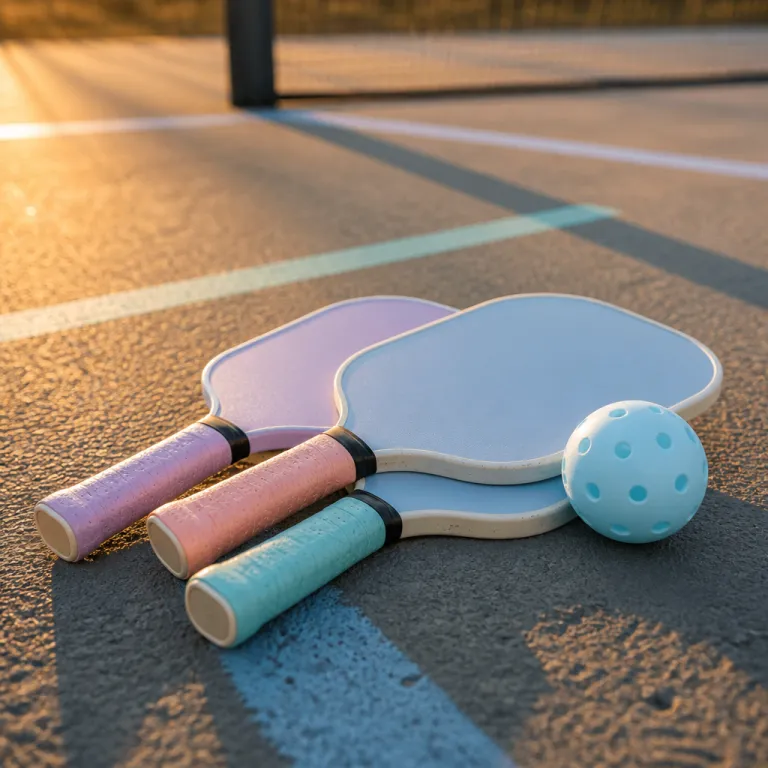
From retirement pastime to young adult magnet
Pickleball used to be framed as a retirement community pastime. As the typical player age settles into the mid thirties, the sport now looks more like a mainstream urban activity than a niche game for seniors. That single shift in average age is quietly rewriting how players, brands, and cities think about the sport over the next few years.
Across the United States, pickleball participation has surged among young adults while still retaining a loyal base of older players. According to the 2023 USA Pickleball “Growth of the Game” report and the 2023 Sports & Fitness Industry Association (SFIA) “Pickleball Report,” the fastest growing age group now sits between roughly 25 and 34 years, and that cohort is pulling the center of gravity away from gated communities and toward city parks, school gyms, and multi use sports fitness complexes. SFIA data for 2022–2023 shows that well over half of core pickleball participants fall between 18 and 44, which helps explain why it is regularly called America’s fastest growing sport in the recent history of recreational games.
For context, pickleball statistics from those same studies show the average age dropping from the high thirties to the mid thirties within just a few seasons. That is not a gentle demographic drift, it is a wholesale reshaping of who shows up on pickleball courts at 07:00 on a Saturday. Every participation report from USA Pickleball and other sports bodies now treats this younger wave as the baseline, not the exception, and that has consequences for court design, professional pickleball pathways, and even how people learn to play pickleball for the first time.
What the age shift means for older players who built the game
The story of pickleball as a growing sport started with retirees who simply wanted a lower impact way to play. Many of those original players still anchor local community ladders, run social round robins, and volunteer at national championships qualifiers. When you walk onto long standing pickleball courts in places like The Villages in Florida or Sun City in Arizona, you are stepping into a culture that predates the current pickleball hype cycle by many years.
As the typical player profile trends younger, some older players worry that the sport they nurtured will turn into just another high intensity racket race. That tension already shows up on public courts where young adults push for faster games, tighter stacking, and more aggressive third shot drives, while seniors often prefer longer rallies and more social breaks between games. Yet the same participation report data that highlights younger growth also shows that players over 60 still represent a significant slice of total pickleball participation, especially in daytime slots and organized leagues.
For curious beginners in any age group, the etiquette bridge between generations matters as much as the rules. A sixty five year old who has played pickleball for a decade may care more about welcoming new players than about whether the sport becomes America’s latest viral trend on social media. If you are just learning how skill levels work, a guide such as this breakdown of pickleball levels can help you join games respectfully, match up with the right pickleball players, and keep both older and younger partners comfortable on shared courts.
How younger players reshape gear: paddles, shoes, and apparel
Walk into any pro shop near busy urban pickleball courts and you can see the demographic shift hanging on the wall. Five years ago, paddle racks leaned toward control heavy graphite faces and thicker cores that flattered slower swing speeds and softer hands. Now, as the average participant skews younger, brands are chasing spin, power, and style that speaks directly to young adults who grew up on tennis, squash, or other fast sports.
On the paddle side, that means elongated shapes, raw carbon faces, and higher swing weights that reward aggressive drives and heavy topspin from players in their twenties and thirties. A typical all court paddle for this new age group might sit around 230 to 240 swing weight with a 16 millimeter polymer core, tuned for both third shot drops and counter attacks at the kitchen. Older players who first played pickleball with lighter, softer paddles now face a choice between staying with familiar gear or adopting some of this professional pickleball inspired technology that younger competitors bring to local tournaments.
Shoes and apparel are following the same curve, with sports fitness brands rolling out court specific shoes that borrow from tennis but add lateral support tuned for smaller pickleball courts. You see more moisture wicking apparel, bolder designs, and even capsule collections tied to pickleball national events or regional tournaments in the United States. For someone who just learned what pickleball is from a beginner friendly guide to the sport, the gear wall can feel overwhelming, but the key is matching your play style and age to equipment that protects your joints while still letting you grow into faster, more competitive play.
Courts, apps, and etiquette in a younger, busier ecosystem
When the typical player is in their mid thirties, the daily rhythm of the sport changes. People in that age group juggle work, family, and social commitments, so they treat pickleball as both a workout and a social outlet squeezed into tight windows. That is why you now see reservation apps, text based ladders, and social media groups coordinating play pickleball sessions at 06:00 or 21:00 on crowded city courts.
Municipalities across the United States are responding by converting underused tennis courts into dedicated pickleball courts, often striping four smaller courts across a single tennis footprint. This maximizes participation per square metre, but it also amplifies noise, wait times, and etiquette friction when America’s fastest growing sport collides with neighbors and other sports. In many cities, the fastest growing conflict is not between pickleball players themselves, but between this growing sport and residents who never asked for a new soundscape outside their windows.
On court, the mix of ages and skill levels makes clear etiquette more important than ever. Younger players who came from competitive tennis or basketball sometimes bring a win at all costs mindset that clashes with the more social, community first culture that defined early USA Pickleball clubs. If you are new and want to understand both scoring and unwritten rules, a resource like this explanation of pickleball scoring and the 0 0 2 rule will help you step onto any court, respect local norms, and keep games flowing smoothly even when the wait list is long.
Money, media, and the next five years of a maturing sport
Broadcast partners and sponsors care about two things above almost everything else in a sport. They want a large, engaged audience in a commercially attractive age range, and they want clear pickleball statistics that show sustained growth rather than a passing fad. The current average player age, sitting in the mid thirties with strong participation among young adults, checks both boxes in a way that few emerging sports can match.
As a result, professional pickleball tours, national championships, and pickleball national series events are drawing more structured investment from brands that previously ignored niche racket sports. Tournament registrations rising year over year signal to networks that there is a pipeline of serious pickleball players who will tune in, travel to places to play, and spend on gear and travel packages. In the United States, USA Pickleball membership numbers, combined with independent participation report data, give sponsors enough confidence to sign multi year deals rather than one off experiments.
For recreational players, the money flowing into the sport will show up in more televised matches, better maintained courts, and more sophisticated apps that connect local community groups. The risk is that a sport built on open play and low barriers could tilt toward paywalled facilities and exclusive tournaments if stakeholders chase only the fastest growth metrics. The safeguard will be local clubs, city parks departments, and long time players across every age group insisting that pickleball remains a sport where someone can show up with a single paddle, find a fair game, and measure their progress not by a logo on the handle but by the tenth tournament game they grind out on a hot afternoon.
FAQ
Why is the average pickleball player age getting younger
The average age is dropping because young adults are adopting pickleball as both a fitness tool and a social outlet. Many came from tennis, padel, or other sports and appreciate that pickleball is easier to learn yet still competitive. Affordable equipment and the rapid build out of public courts in the United States make it simple for this age group to join quickly.
What does the age shift mean for older pickleball players
Older players still play a central role in local clubs and leagues, especially during daytime sessions. The demographic change mainly affects peak evening and weekend times, where younger players now dominate sign up boards and apps. Many communities manage this by setting aside specific time blocks or courts for different pace preferences and mixed age play.
How will gear change as more players are in their thirties
Manufacturers are already designing paddles with more spin potential, higher swing weight, and bolder graphics to appeal to competitive thirty something players. Shoes are shifting toward court specific models that handle quick lateral moves on smaller pickleball courts. Apparel lines increasingly mirror mainstream sports fitness trends, with technical fabrics and street ready styling.
Will pickleball stay accessible if more money and media arrive
Accessibility depends on how cities, clubs, and organizers balance open play with paid programming. If public facilities continue to add free or low cost courts while private venues handle premium experiences, the sport can grow without losing its inclusive roots. Player advocacy at the local level will be crucial to keep a mix of options available.
How can a beginner find the right place to play pickleball
Most beginners start by checking local parks departments, community centers, or school gyms for open play sessions. Many cities now use reservation apps or social media groups to coordinate games and share court schedules. Asking at a nearby sporting goods store or searching for a regional pickleball association can also reveal active, beginner friendly venues.