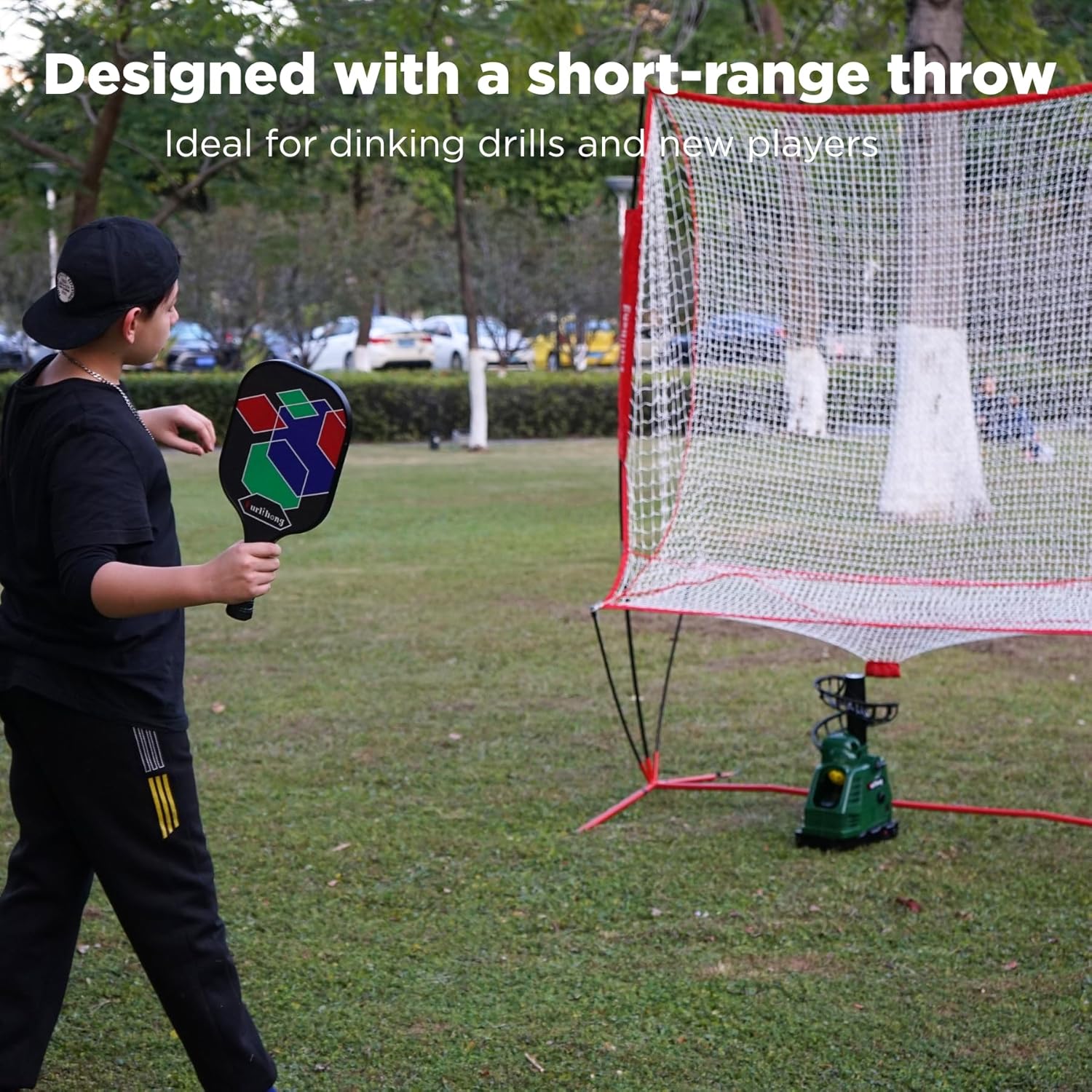
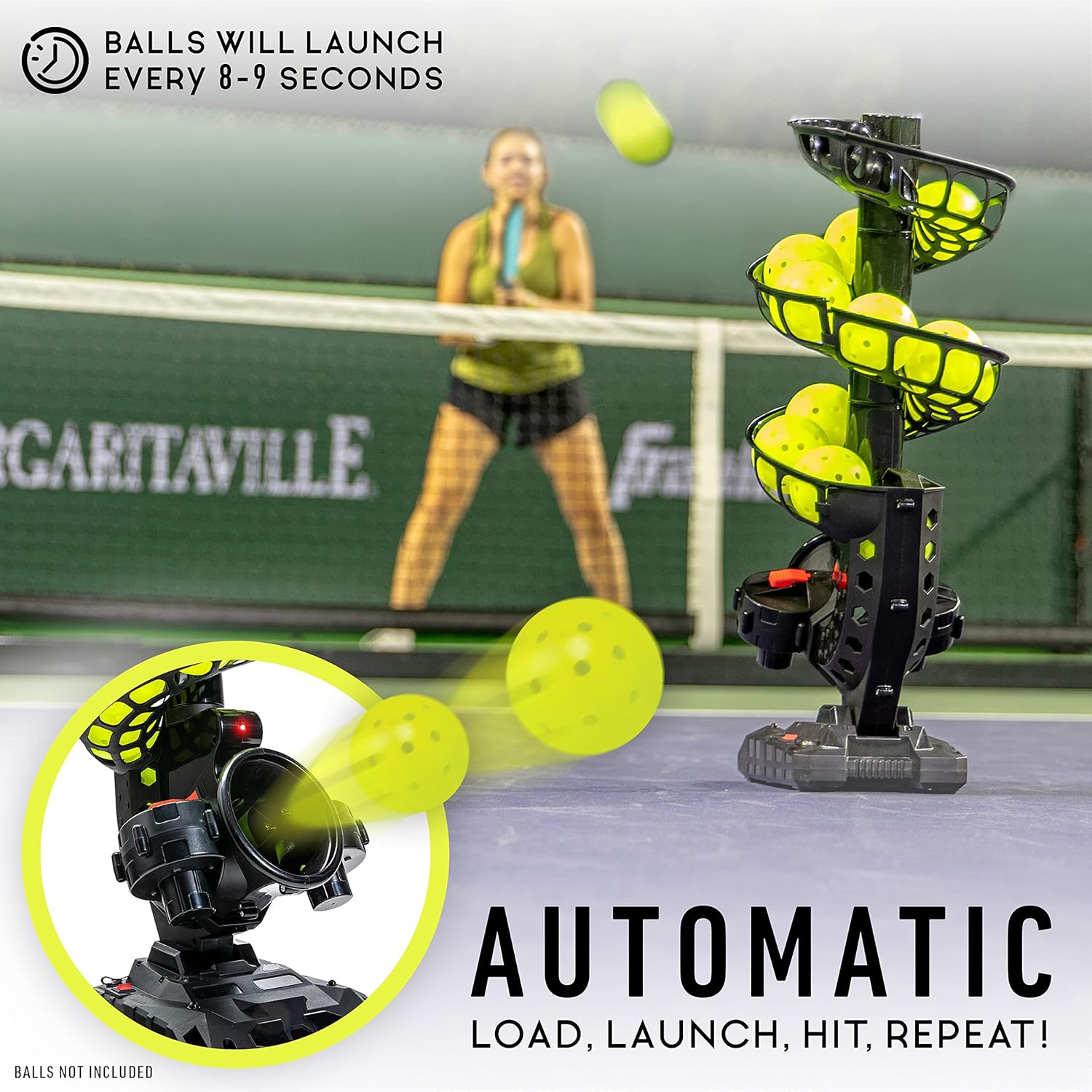
Key performance features that separate average and top pickleball machines
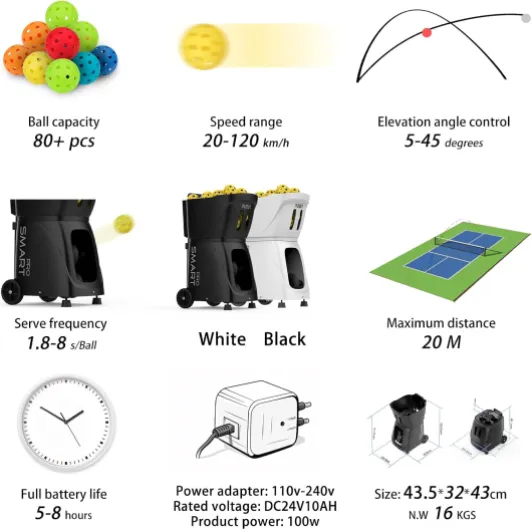
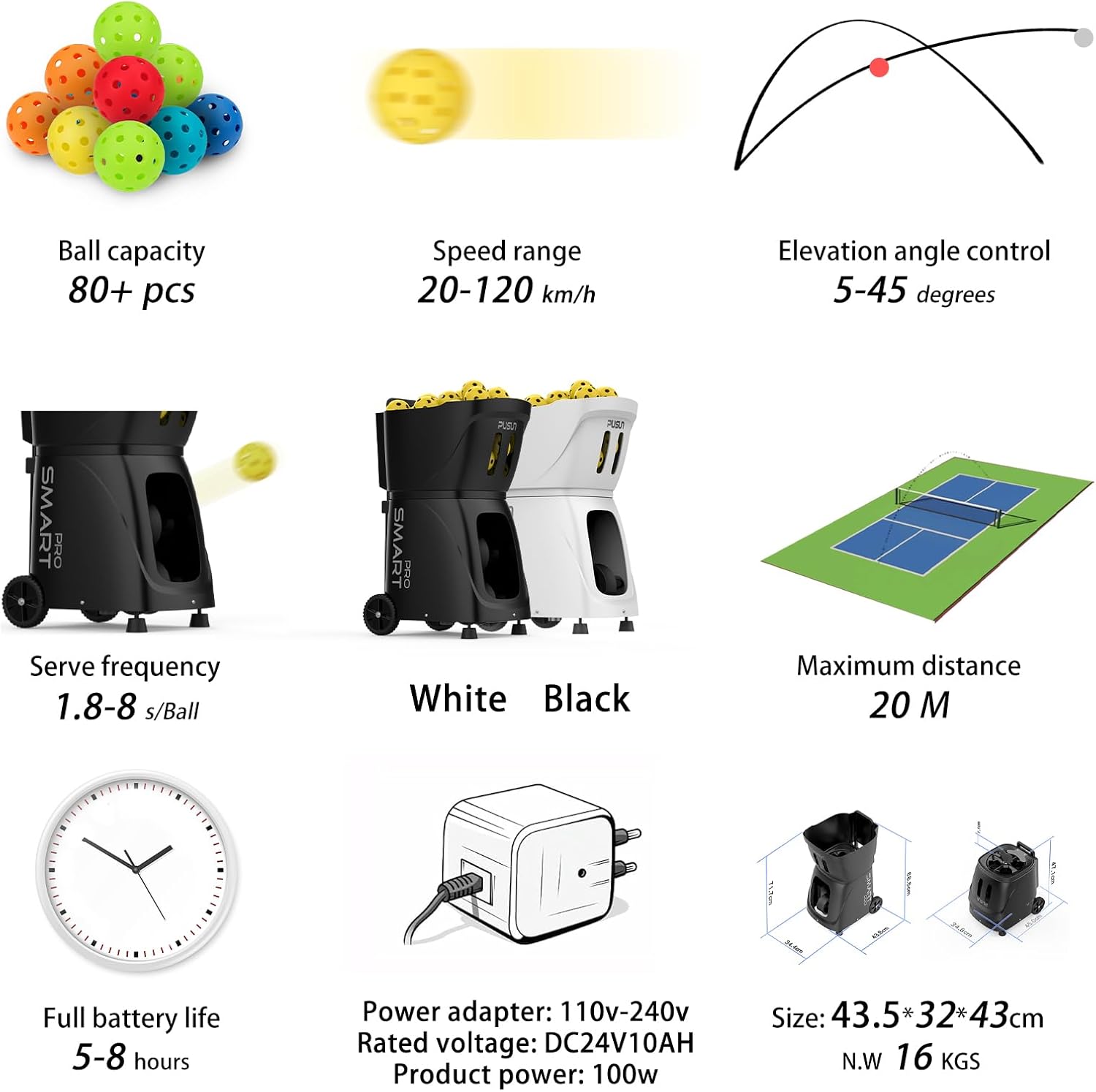
Performance details define whether a model belongs among the best pickleball ball machines or remains a basic tool. Look at the speed range first, because a wider range lets players progress from gentle dinks to powerful drives using the same ball machine. For example, a pickleball machine that feeds balls from roughly 10 to 45 mph (about 15 to 70 km/h) supports both beginner control work and advanced erne attack training.
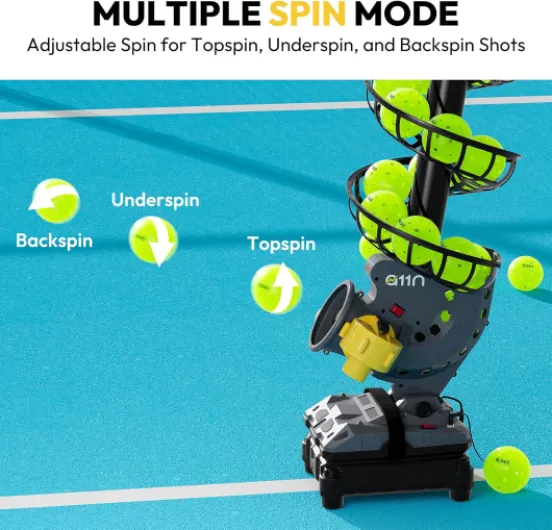
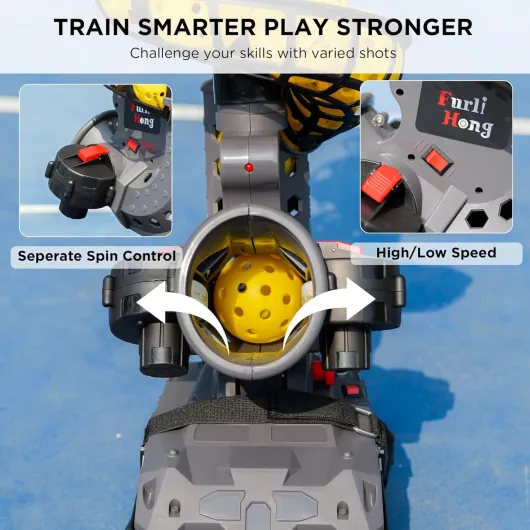
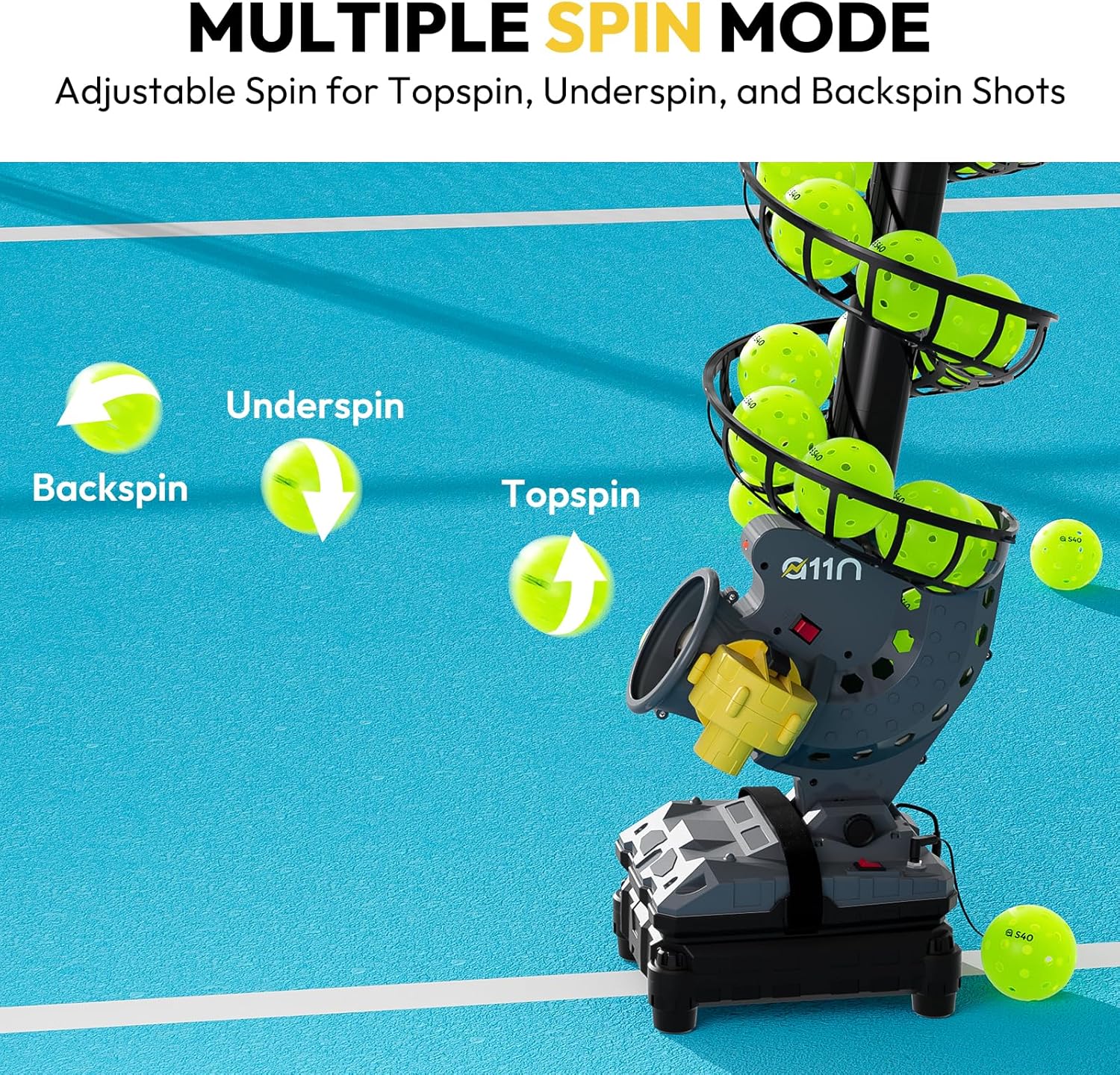
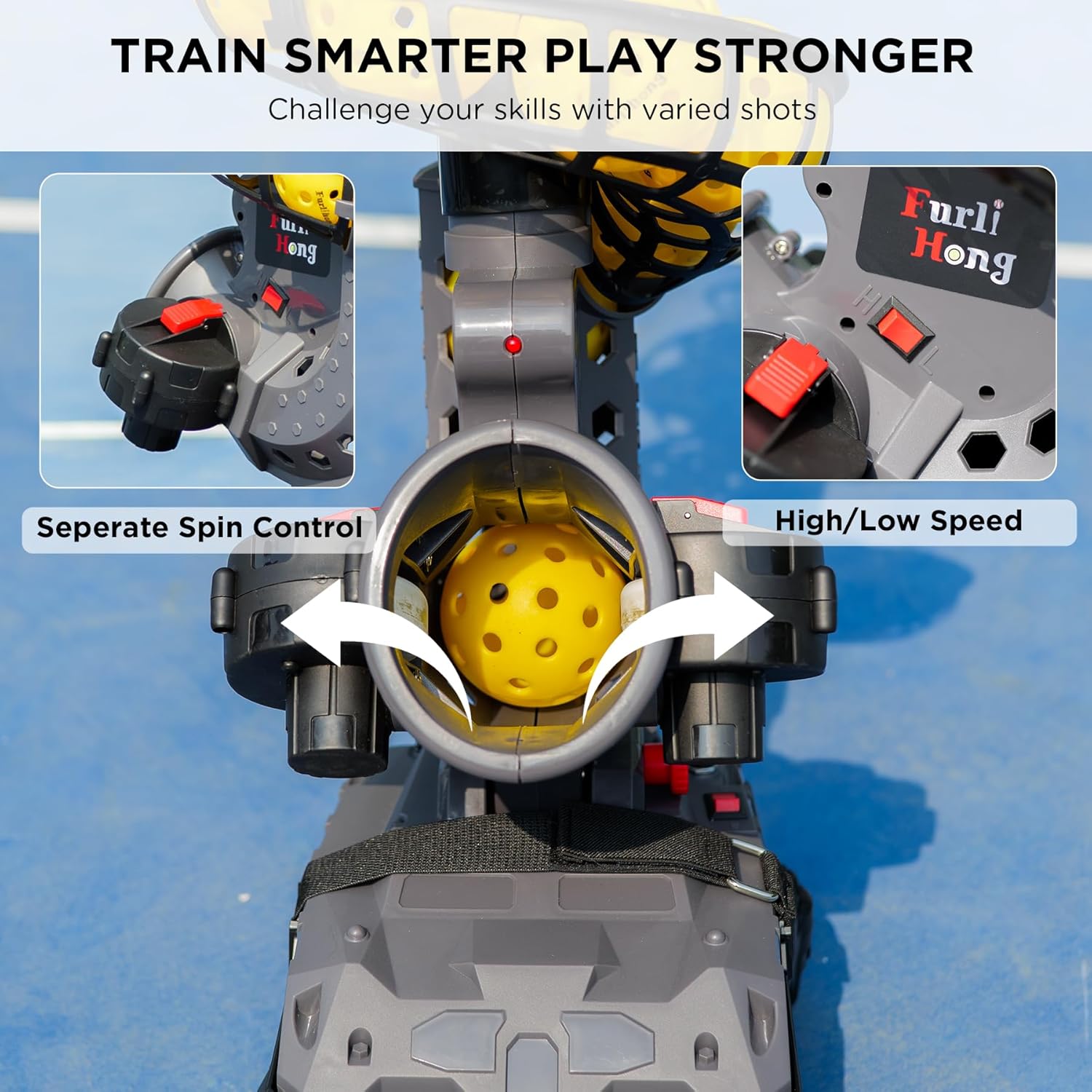
Spin control matters as much as raw speed when you evaluate pickleball machines. A quality Pickleball Tutor–style machine or a modern Lobster Pickle-inspired design should offer topspin and backspin so players can rehearse returns against realistic pickleball balls. When spin functions are adjustable in small increments, you can gradually increase spin to challenge footwork, timing, and paddle control without changing the court setup.
Battery life and ball capacity directly influence how much effective training time you gain from each charge. A machine with a small ball capacity forces frequent stops to reload balls into the ball hopper, which interrupts rhythm and reduces total drills completed. Before you check price for any pickleball machine, confirm that its battery, ball capacity, and speed range match your weekly training volume and the number of players sharing the device.
| Feature |
Typical range |
Example models* |
| Ball speed |
10–45 mph |
Pickleball Tutor Plus, Lobster Pickle |
| Ball capacity |
60–135 balls |
Slinger Bag Pickleball, Tutor Spin |
| Battery runtime |
3–6 hours |
Modern lithium-powered units |
*Specifications based on manufacturer data sheets and coach-tested reviews available from major pickleball equipment retailers and coaching organizations.
Comparing popular pickleball machine types for different player profiles
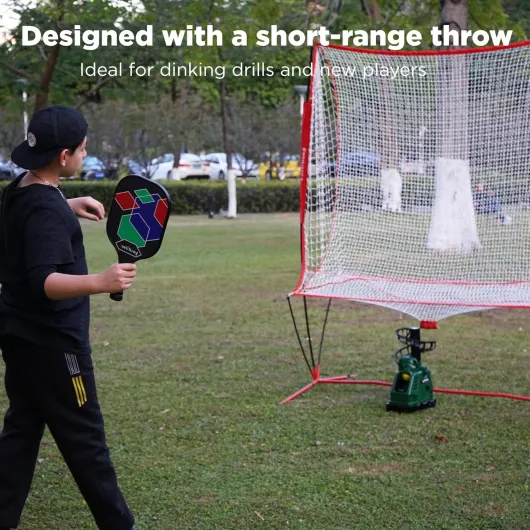
Not every player needs the same type of pickleball machine, even when all of them search for the best pickleball ball machines. Entry-level ball machines with modest ball capacity and simple speed controls suit players who mainly practice serves and basic groundstrokes. These lighter pickleball launchers often have lower price points, shorter battery life, and limited spin, but they still deliver valuable repetition for new players.
Intermediate players usually benefit from a more advanced Pickleball Tutor–style ball machine. Models with programmable drills, variable spin, and remote control let players simulate match patterns, including cross-court dinks, third-shot drops, and sudden erne opportunities. When you compare such a pickleball machine to a portable rebounder system like a solo training net with kitchen lines, remember that machines provide moving balls, while rebounders mainly refine timing and control.
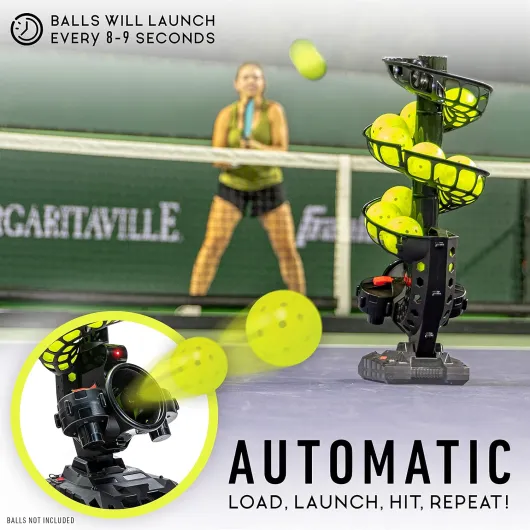
High-performance players and coaches often choose premium ball machines such as Slinger Bag–style launchers or Lobster Pickle–inspired units. These pickleball machines usually feature higher ball capacity, stronger batteries, and sophisticated remote control systems that allow on-the-fly changes to speed, spin, and trajectory. When several players share one pickleball machine for team drills, the higher price becomes easier to justify because the machine supports more court time and more complex training scenarios.
- Beginners: Low cost, light weight, basic speed; limited spin and shorter runtime.
- Intermediates: Moderate price, adjustable spin, simple programs; good for pattern drills.
- Advanced/Coaches: Highest price, large hoppers, long battery life, full programmability.
Design, portability, and practical use on the court
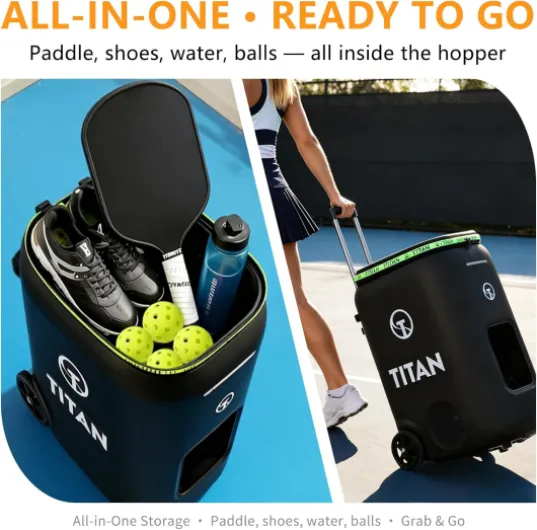
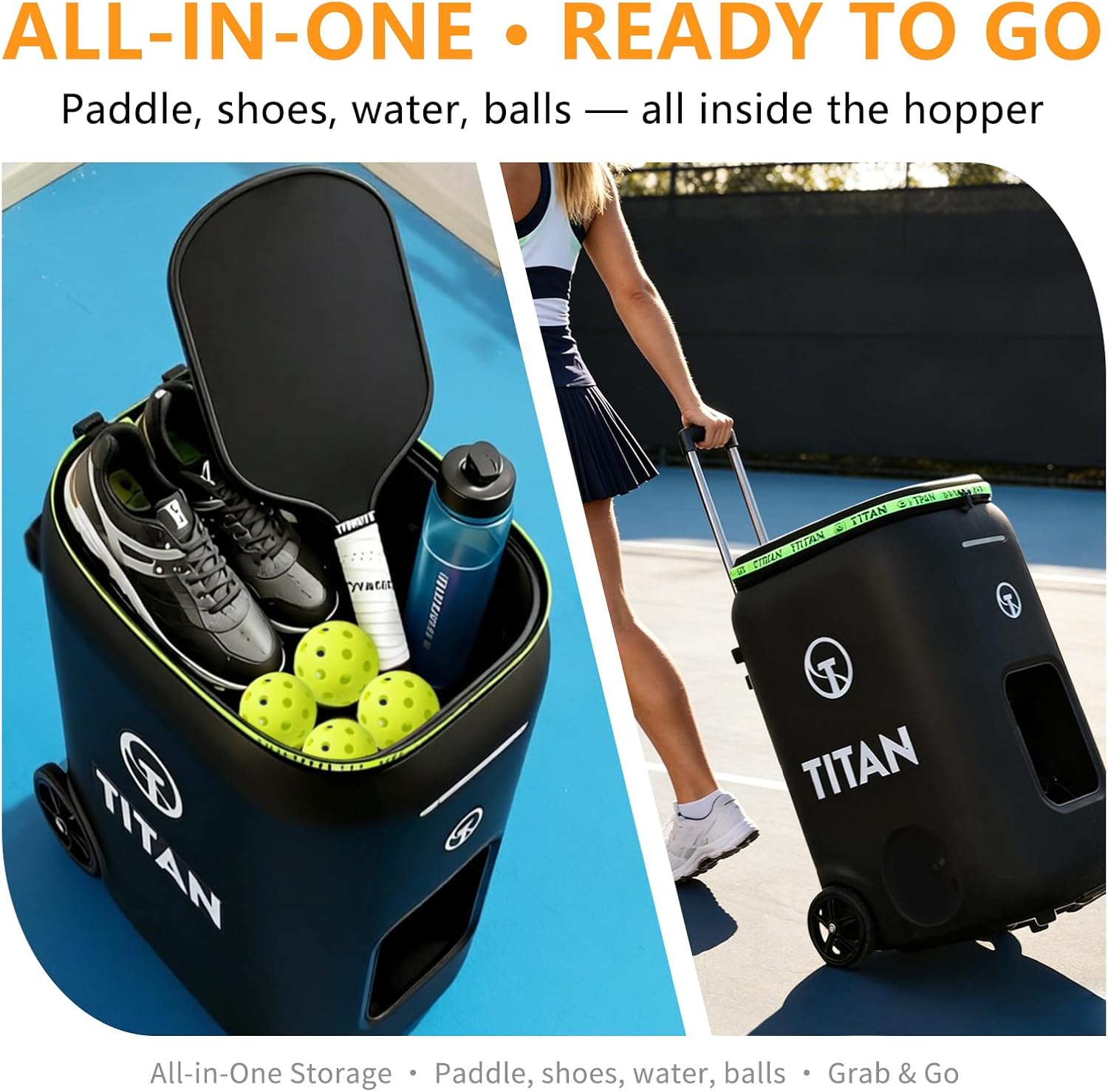
Design details strongly influence how often you actually use even the best pickleball ball machines. A compact pickleball machine with integrated wheels and a comfortable handle encourages players to roll it from car to court without effort. If a ball machine is heavy, awkward, or difficult to load with pickleball balls, it may stay in storage despite its impressive specifications.
Portability also affects how clubs and coaches deploy multiple pickleball machines across several courts. When a machine has a stable base, a secure ball hopper, and weather-resistant housing, staff can move it quickly between indoor and outdoor court surfaces. Some facilities now combine fixed training zones with portable units, mirroring the way indoor venues are reshaping where players train and compete, as seen in the growth of new indoor pickleball locations described in reports about franchise-driven indoor expansion.
Practical features such as remote control access, clear speed range markings, and easy battery charging make a noticeable difference during daily training. Players appreciate being able to adjust ball speed, spin, and feed rate without walking to the machine after every drill. When you check price for any pickleball machine, consider how much extra court time you gain from these design choices, because saved minutes accumulate into many extra balls over a season.
Advanced drills with pickleball ball machines for professional level training
Once you own one of the best pickleball ball machines, the next step is designing intelligent drills. A programmable Pickleball Tutor–style machine or a Slinger Bag pickleball launcher can feed balls to specific zones, allowing players to rehearse third-shot drops, cross-court dinks, and deep drives with precise repetition. By adjusting speed, spin, and feed interval, you can simulate long rallies that test both technique and decision making.
Professional players often use ball machines to isolate difficult patterns such as the erne, where a player jumps outside the court to volley a ball above the kitchen. To train this safely, set the pickleball machine to send pickleball balls with medium speed and moderate topspin to the sideline, then gradually increase speed range as control improves. Over time, these targeted drills help players time their approach, manage body control in the air, and land back in position for the next ball.
Coaches also combine ball machines with other tools to create layered training environments. For example, a high-capacity pickleball machine can feed balls for baseline drives while a separate smart pro pickleball launcher handles lobs and overheads on another court. This structure allows multiple players to rotate through stations, maximizing battery life, machine capacity, and total balls hit per hour.
Budget, price product, and long term value of pickleball machines
Financial planning matters when you evaluate the best pickleball ball machines for personal or club use. The initial price product often reflects ball capacity, battery quality, and the sophistication of speed and spin controls. A lower price may look attractive, but limited battery life and small ball capacity can reduce long-term value if players outgrow the machine quickly.
When you check price for different pickleball machines, calculate the cost per hour of effective training. Estimate how many balls you and other players will hit each week, then divide the machine price by the total number of balls over several seasons. A durable pickleball machine with strong battery performance and a generous ball hopper can deliver a lower cost per ball than a cheaper unit that spends more time charging than feeding balls on the court.
Clubs and academies sometimes invest in several ball machines, mixing entry-level models with higher-end Titan-style units for advanced players. In such cases, managers balance price, machine capacity, and maintenance costs against membership growth and player satisfaction. A carefully chosen fleet of pickleball machines can support structured training, attract serious players, and reduce reliance on tennis ball machines that do not replicate the flight and bounce of true pickleball balls.
Alternatives and complements to pickleball machines in a professional training plan
Even the best pickleball ball machines work best as part of a broader training system. Players should combine machine-based drills with live sparring, footwork exercises, and targeted strength work to build a complete game. A pickleball machine excels at repetition and control, while human opponents provide tactical variety and unpredictable ball patterns.
Some players still use a tennis ball machine for basic timing work, but the different ball weight and bounce limit transfer to pickleball. Purpose-built pickleball machines, including compact Slinger Bag–style units and larger Titan-inspired models, launch pickleball balls with more realistic trajectories. When you alternate between a ball machine session and live play on the same court, you can immediately apply technical adjustments made during drills.
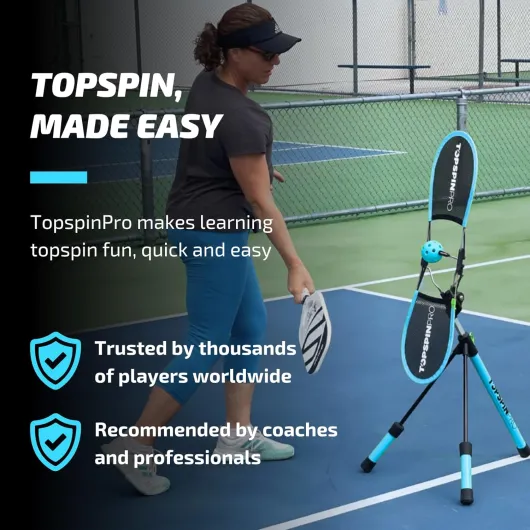
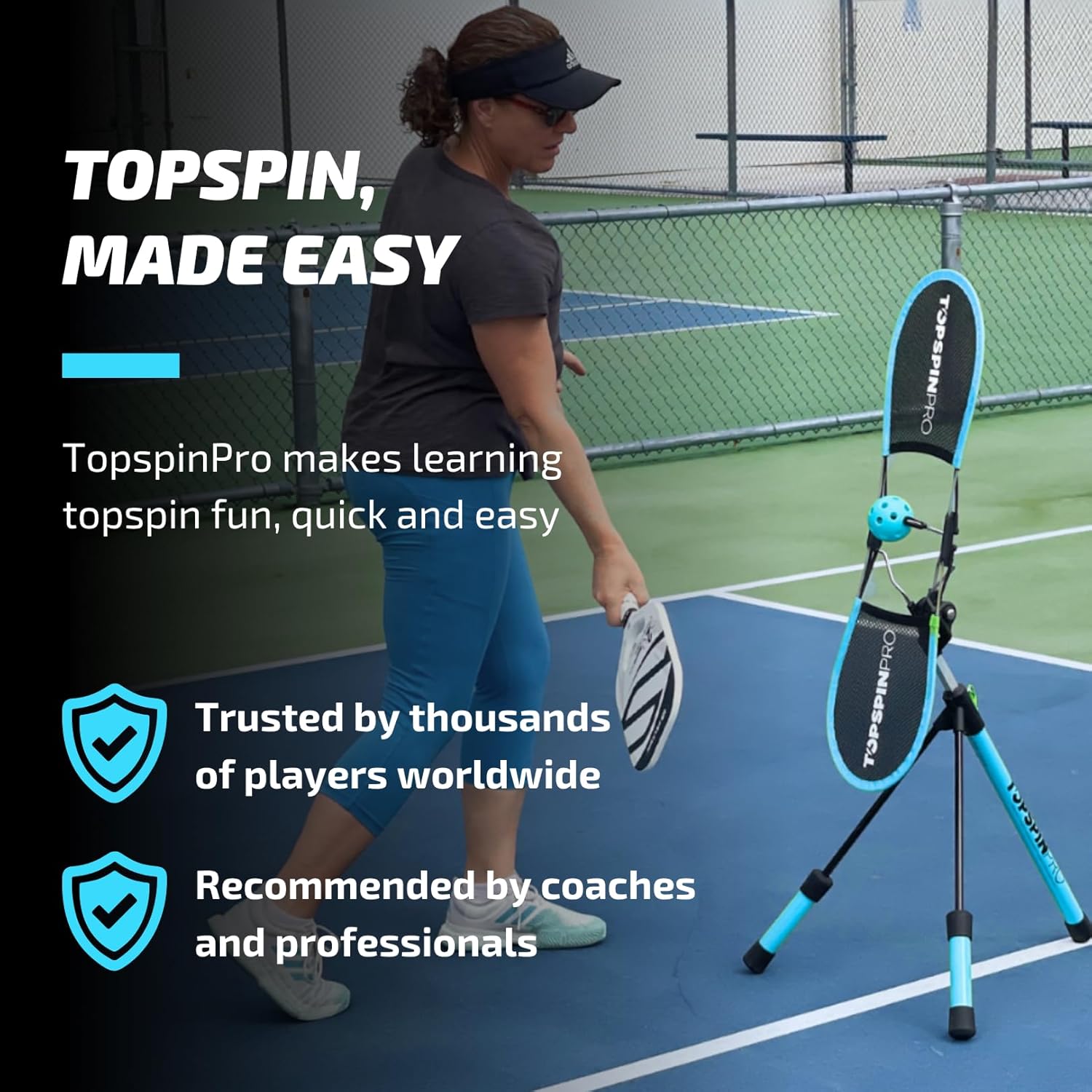
Simple tools such as a rebound net, target cones, and video analysis complement the structured feeds from a pickleball machine. Players can first groove strokes with a machine, then test accuracy against static targets, and finally review footage to refine paddle angle and body control. Over time, this layered approach turns each ball machine session into a precise, data-informed step toward becoming the best pickleball version of yourself.
Key statistics about pickleball ball machines and training impact
- Market analysts report that dedicated pickleball machine sales have grown by more than 30 percent over a recent multi-year period, reflecting the rapid expansion of pickleball participation worldwide.
- Coaches who integrate structured ball machine drills into weekly programs often target 300 to 500 balls per player per session, which can double the number of quality repetitions compared with casual rally-based practice.
- Portable ball machines with modern lithium batteries typically offer between 3 and 6 hours of battery life per charge, while older lead-acid designs may provide only 2 to 3 hours before performance drops.
- High-capacity pickleball machines that hold 80 to 150 balls reduce reload frequency by up to 50 percent compared with compact units, allowing more continuous training time and smoother drill execution.
- Clubs that invest in multiple ball machines often report increased lesson revenue and higher player retention, because structured machine-based training appeals strongly to competitive and professional-minded players.