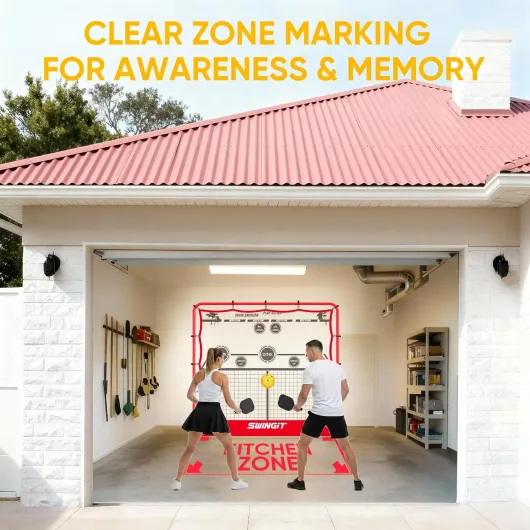
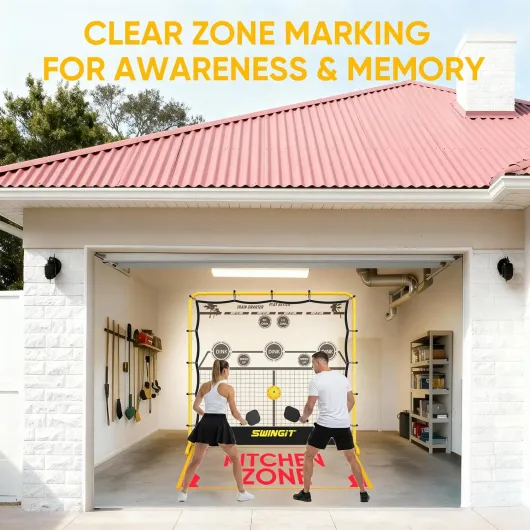
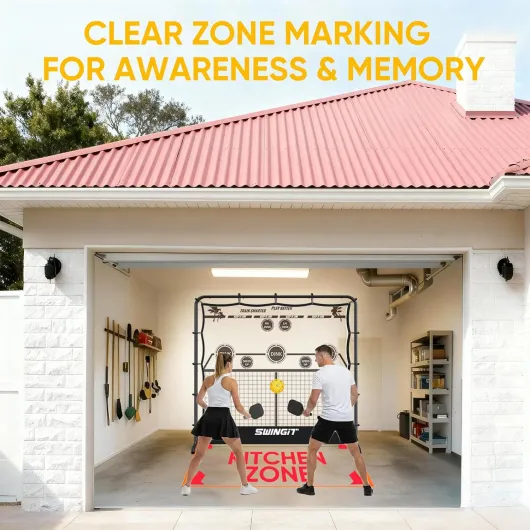
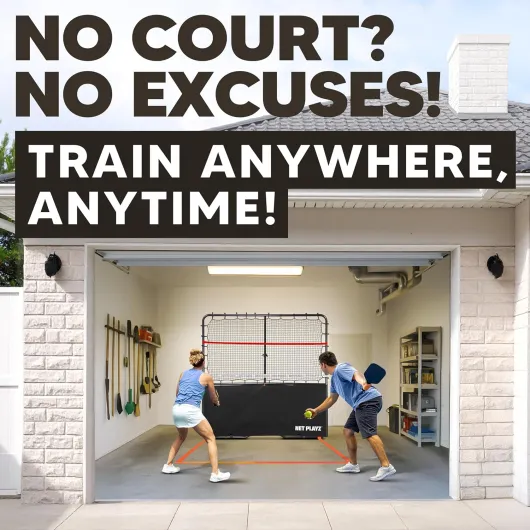
Essential paddles, balls, and nets for solo pickleball practice
Any effective solo practice starts with a reliable pickleball paddle and a consistent batch of training balls. Look for pickleball paddles that balance control and power, because solo drills with a wall or rebounder quickly expose poor technique and uncomfortable grips. Many players keep one primary paddle for matches and a second paddle reserved for intense pickleball training sessions to protect their match gear.
Practice balls matter as much as paddles, especially when you train alone. Indoor balls feel softer and bounce higher, while outdoor balls are harder and less affected by wind, so your best solo training pickleball equipment should include both types for realistic conditions. Buying balls in a larger set usually lowers the price per ball, and it ensures you always have free replacements when a ball cracks during a long pickleball practice routine.
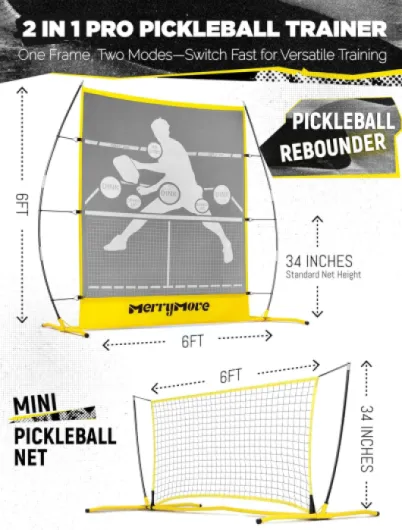
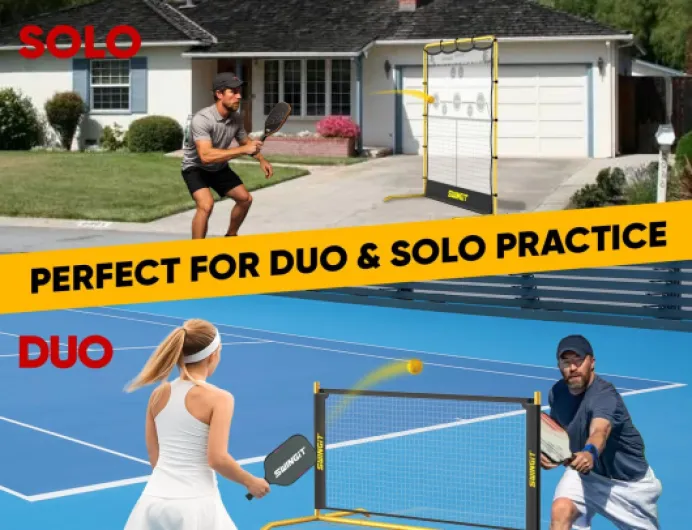
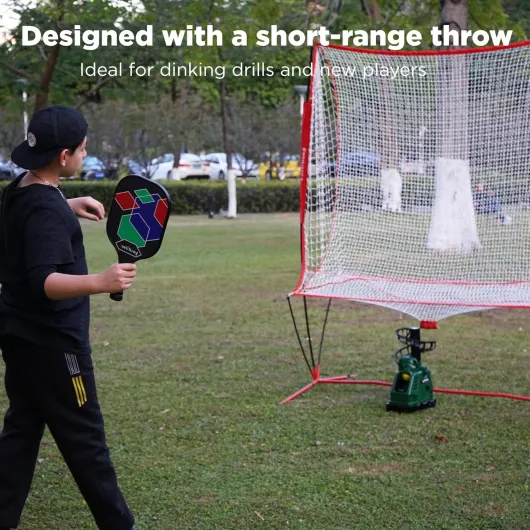
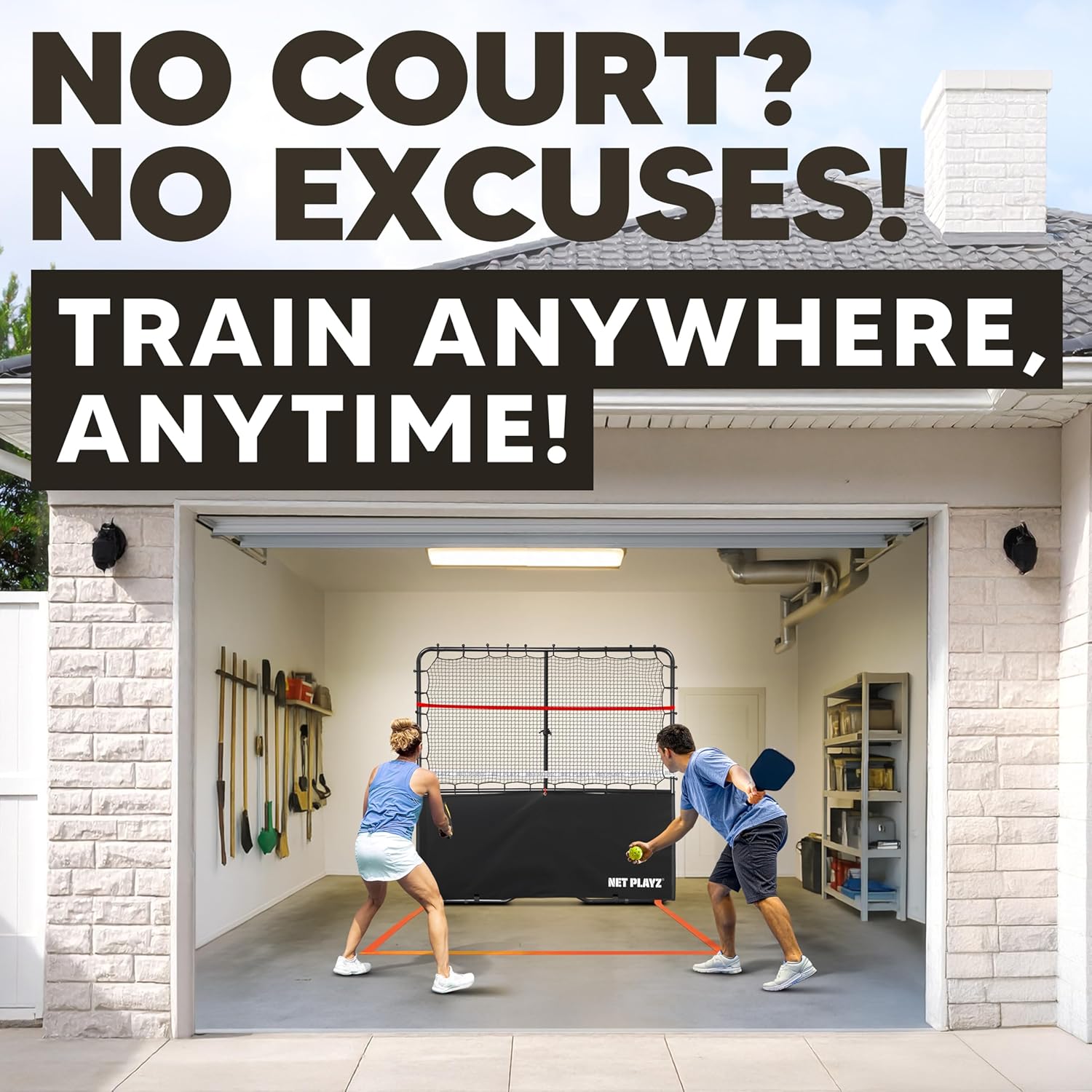
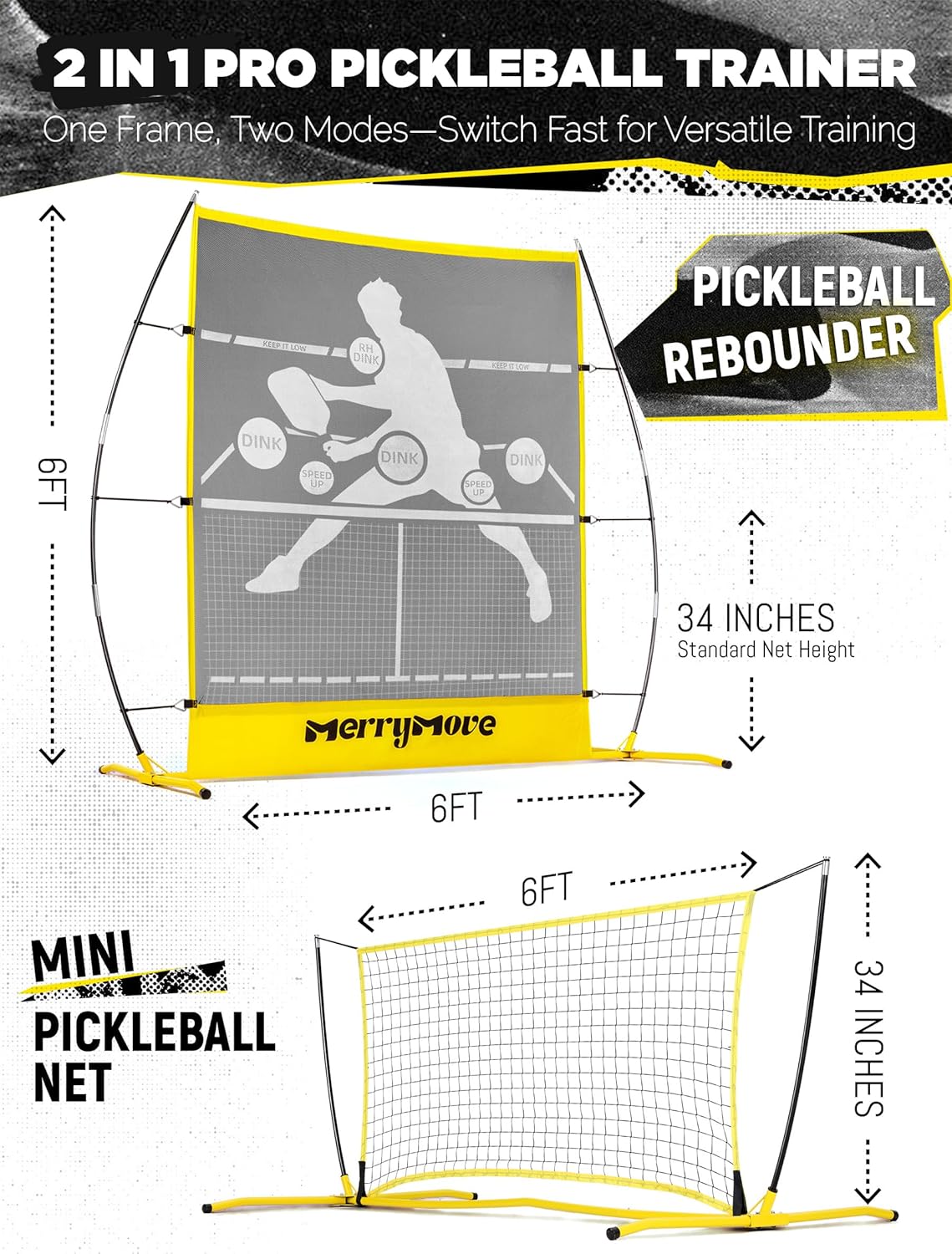
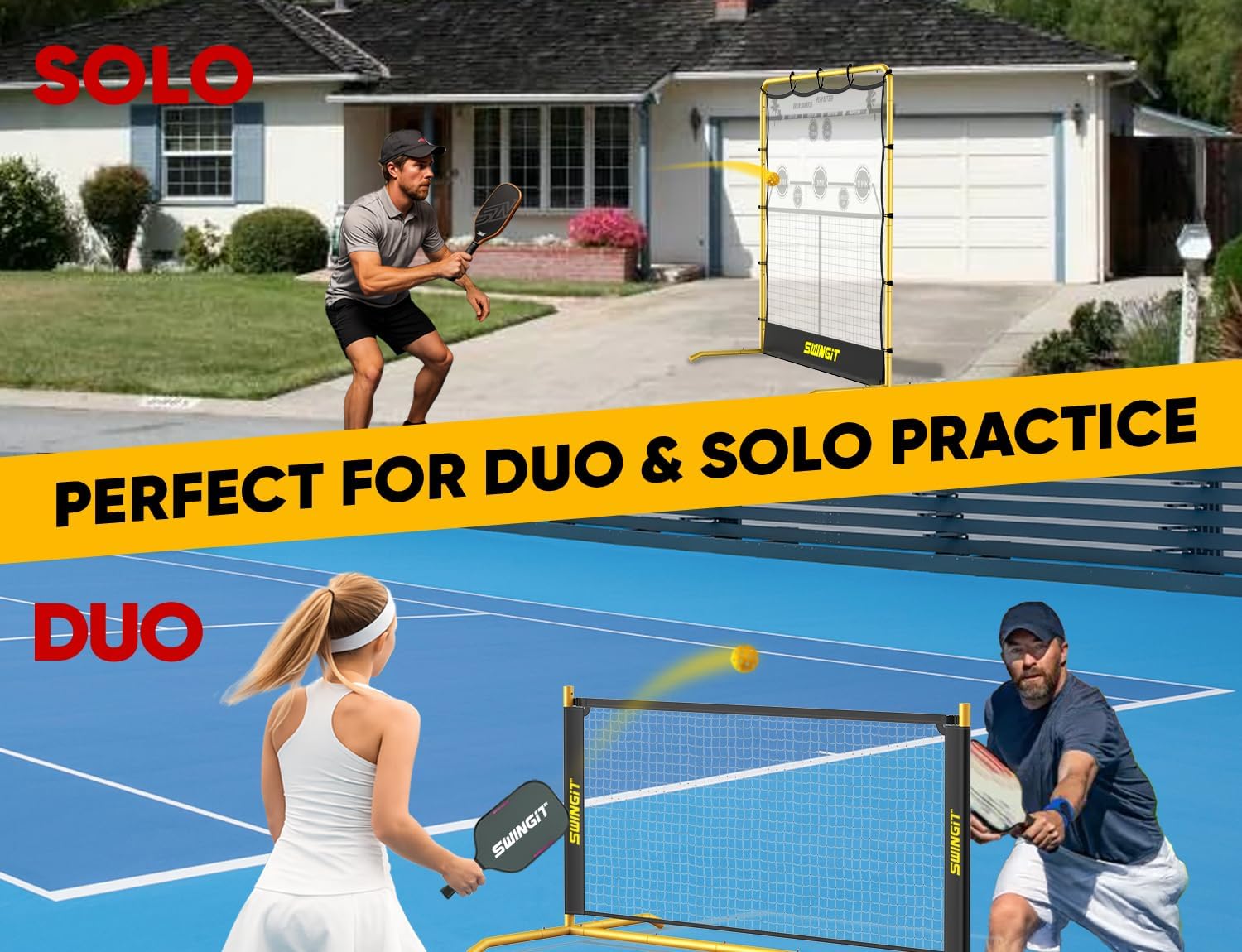
A portable pickleball net transforms a parking area or quiet street into a functional court. Choose a pickleball net with a stable base and clear center strap, because accurate net height is essential when you rehearse dinks, volleys, and third-shot drops. If you often train in small spaces, consider a half-width net or a mini net product, which still supports quality pickleball training while leaving room for a rebounder or wall drills.
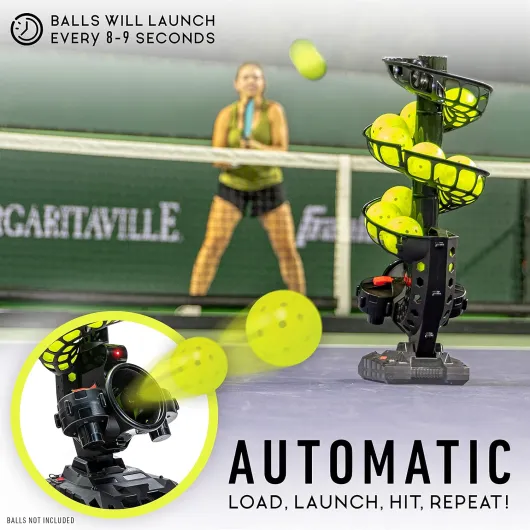
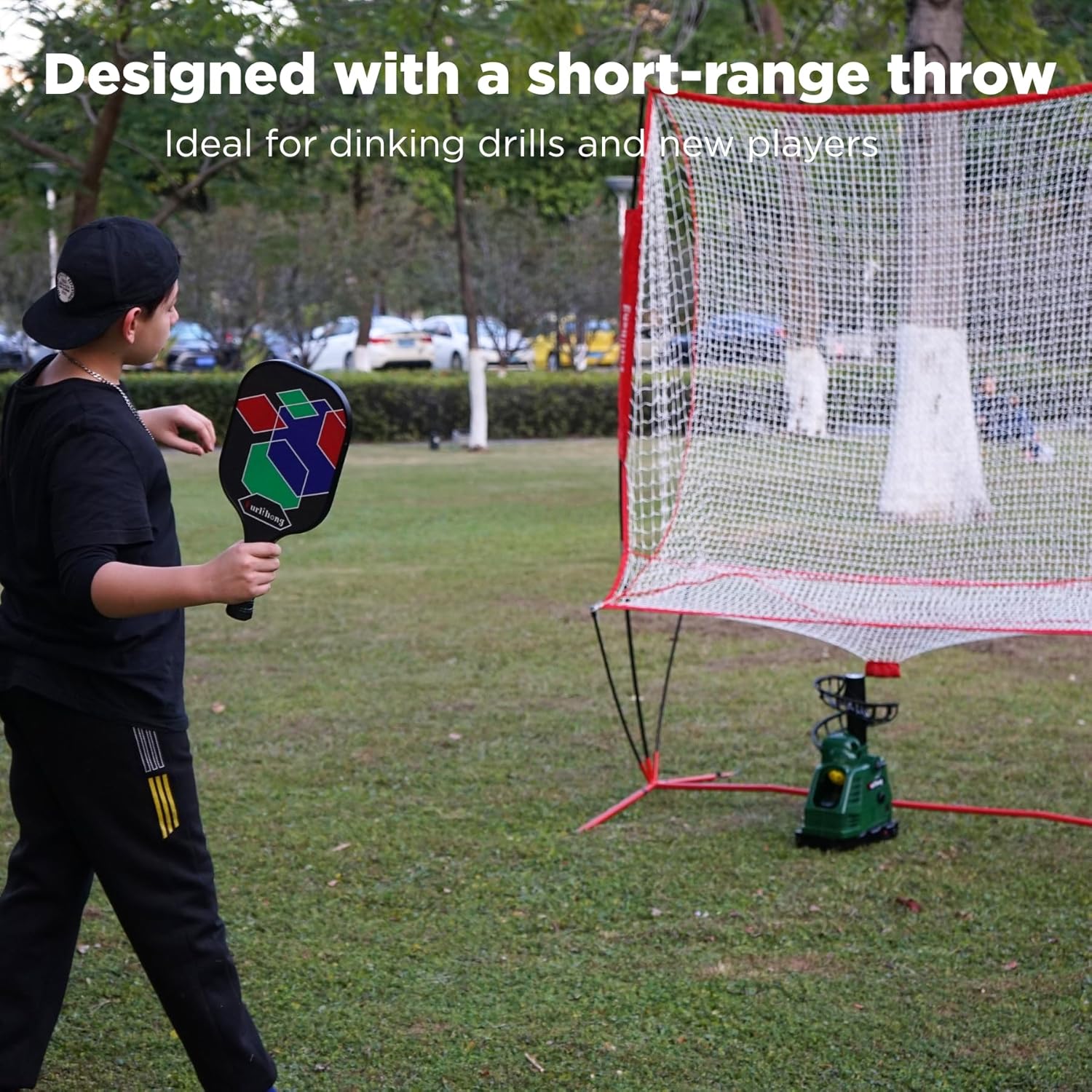
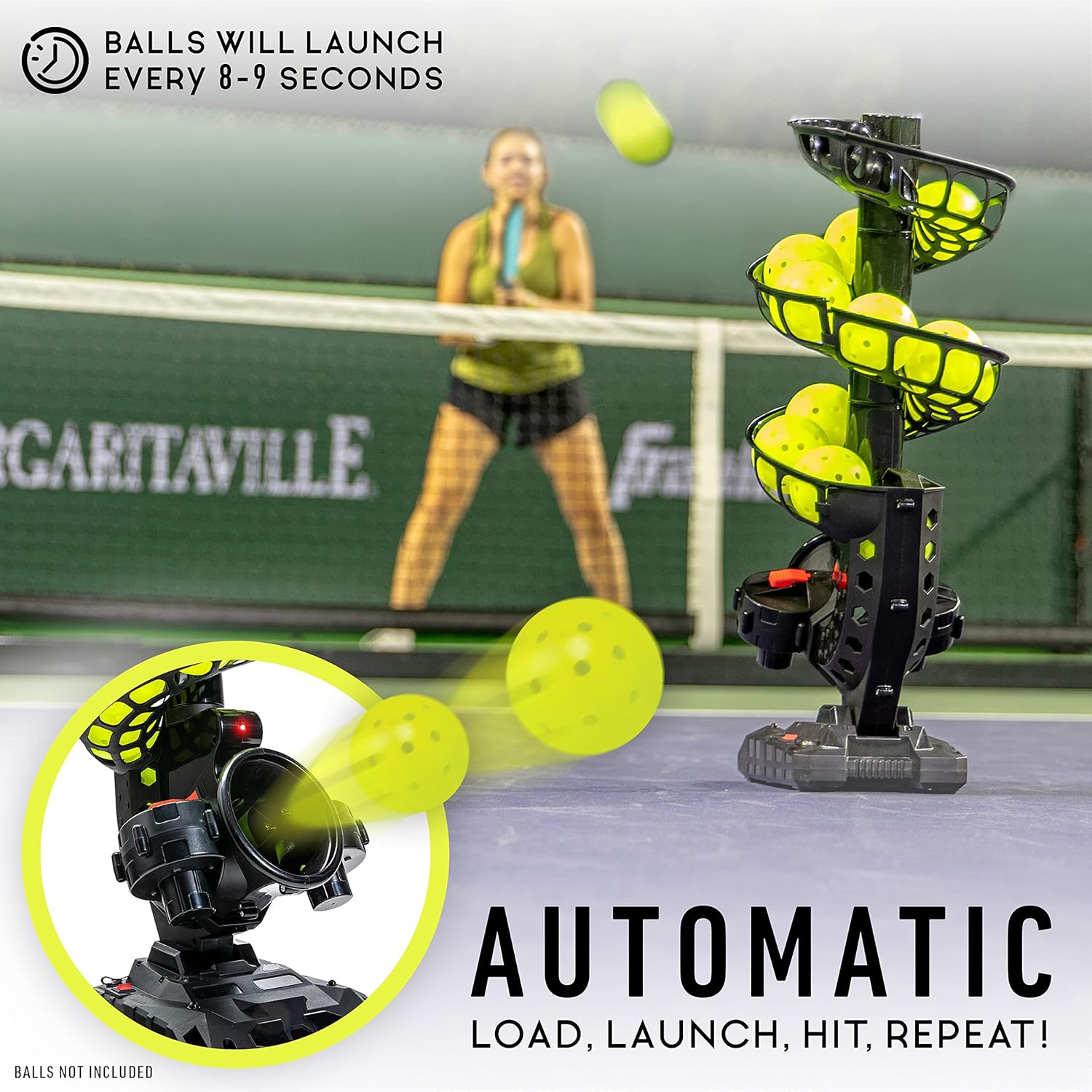
For players who want automated feeds, a dedicated launcher can complement manual drills. A detailed example is the adjustable pickleball training equipment for dinks, chops, volleys, and serves, which allows you to vary speed, spin, and angles during solo practice. Machines like this help refine reaction time and eye coordination by forcing you to adapt quickly to changing ball trajectories.
To make choices easier, here are a few popular options players often use for solo work: a mid-weight (7.8–8.1 oz) graphite paddle with a polymer core in the $80–$120 range for all-around control, a portable steel-frame net system around 22 feet wide priced between $120 and $180 for driveway courts, and a bulk pack of 24 outdoor pickleballs for roughly $35–$50 to keep sessions continuous without constant ball pickup.
Rebounders, walls, and adjustable angle trainers for spin and control
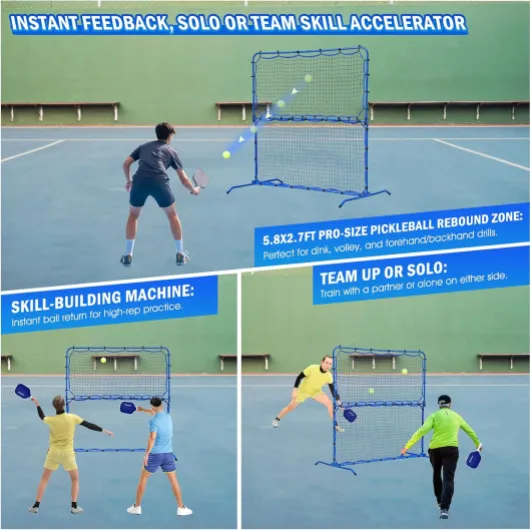
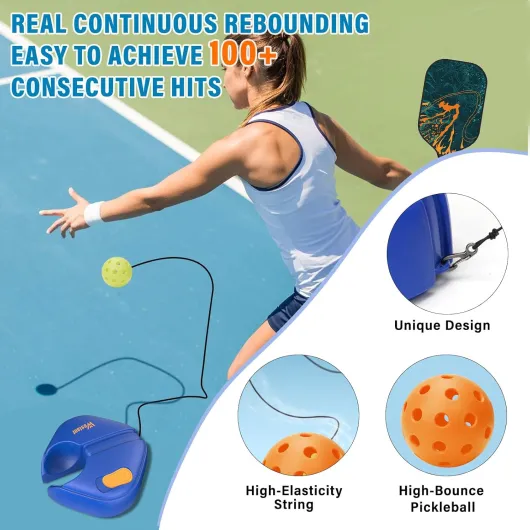
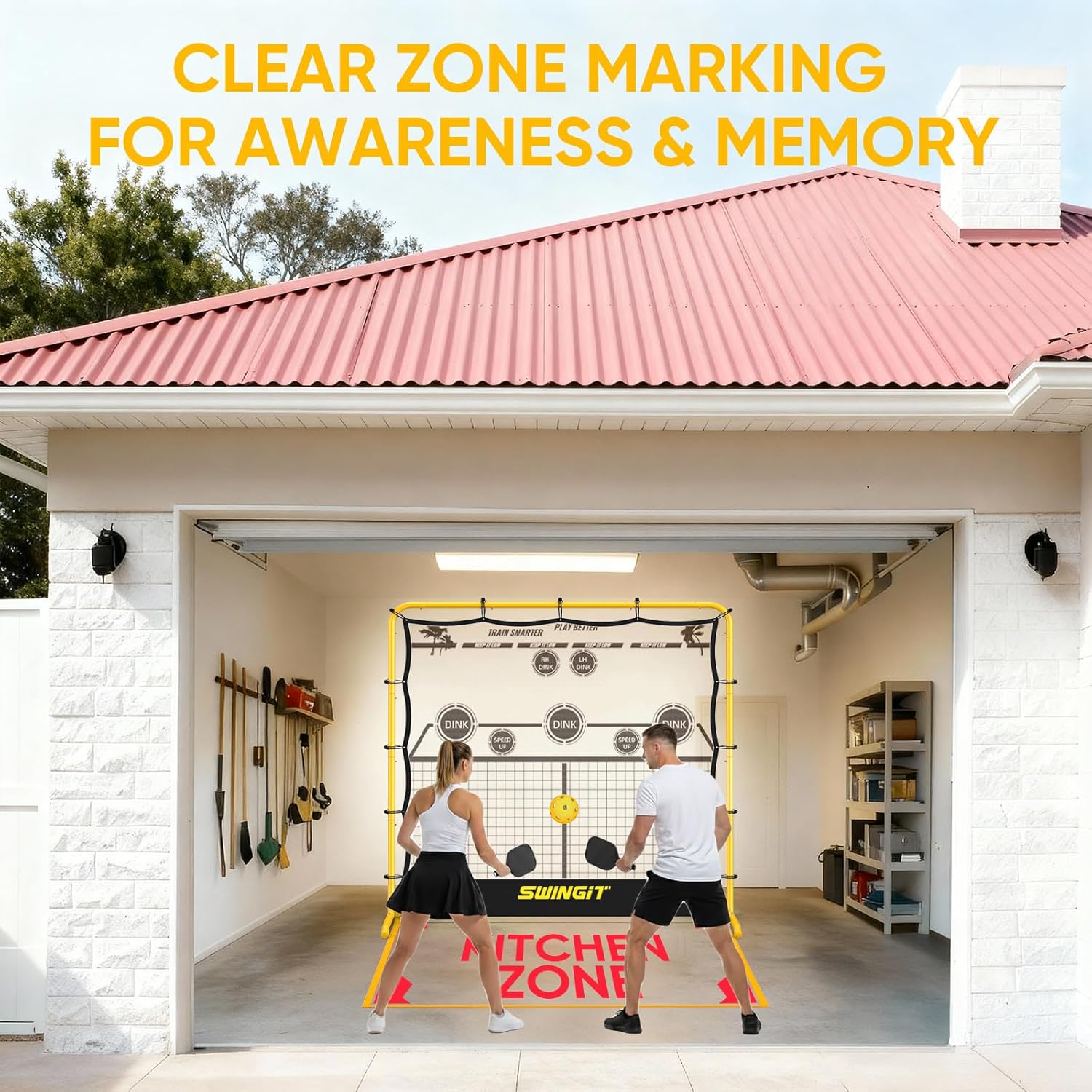
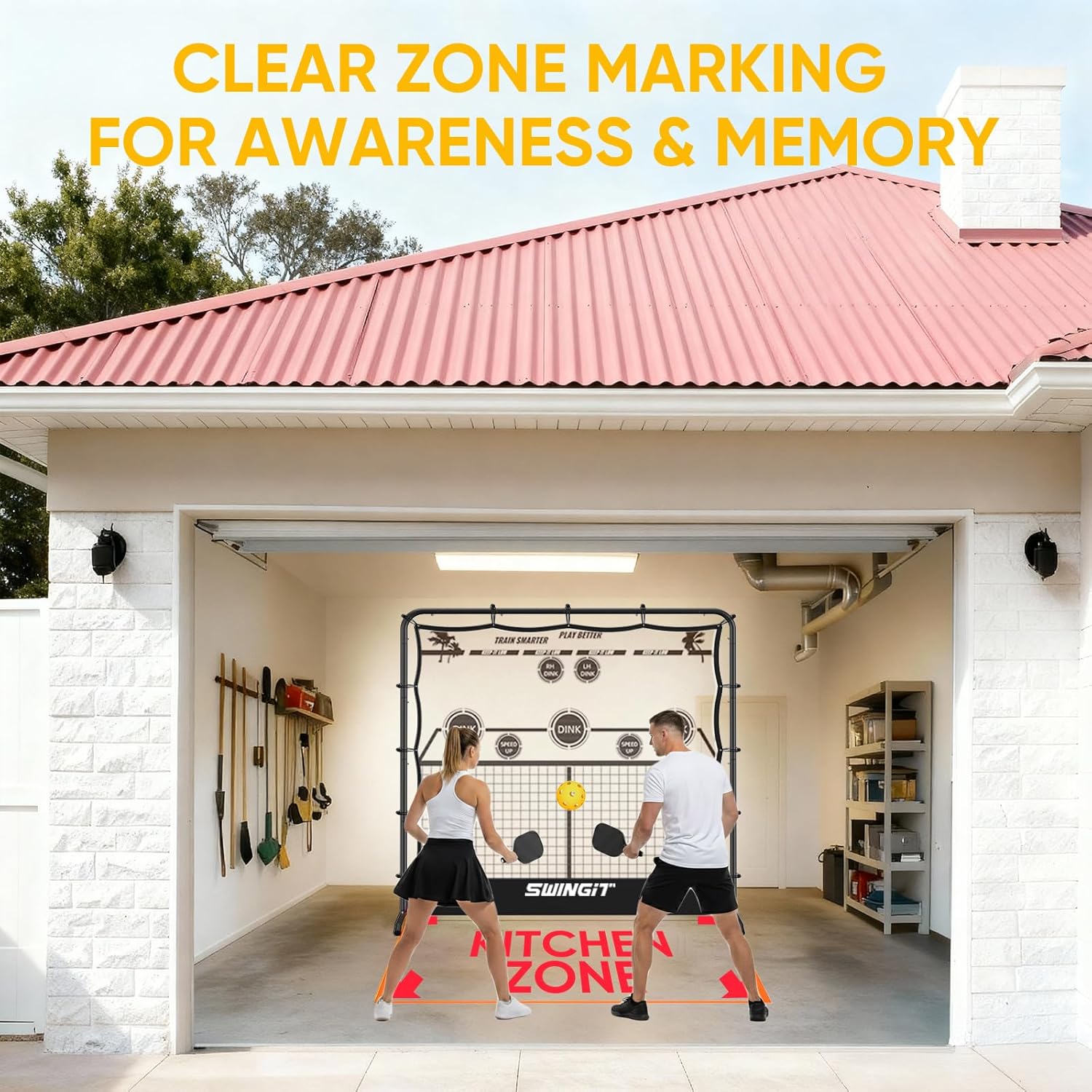
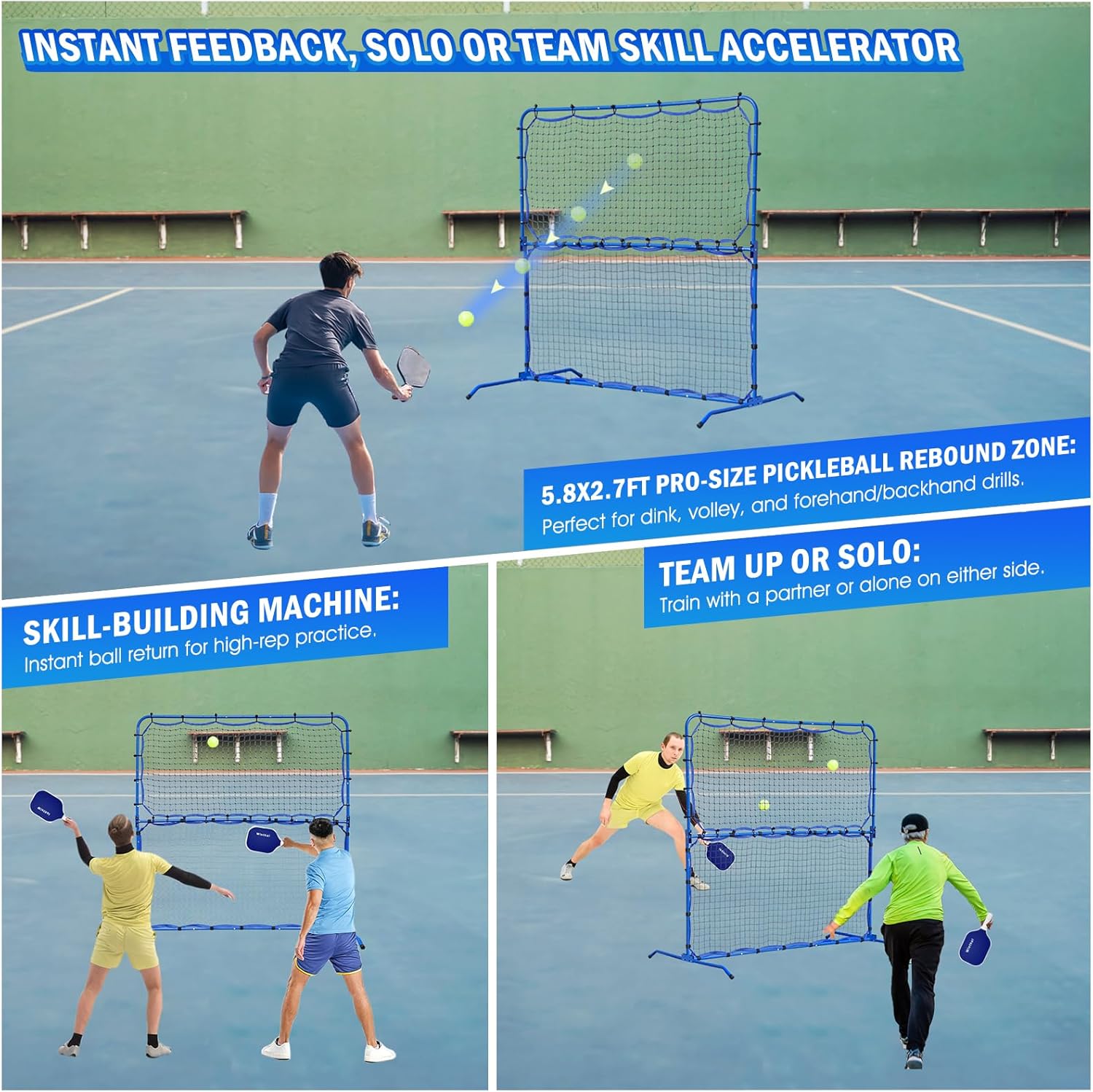
When players talk about the best solo training pickleball equipment, the rebounder and the wall often come first. A pickleball rebounder or rebounder net returns the ball at a predictable pace, letting you repeat hundreds of dinks, volleys, drives, and blocks without a partner. By adjusting your distance from the wall or rebounder, you can simulate both kitchen exchanges and baseline rallies during solo practice.
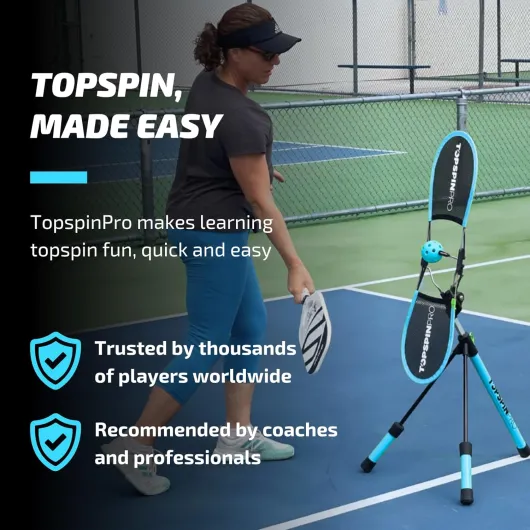
Many modern training aids feature an adjustable angle, which changes how the ball rebounds and challenges your timing. An angled pickleball rebounder can send the ball lower to mimic fast dinks or higher to imitate deep lobs, forcing constant adaptation and sharpening reaction time. When you combine this adjustable angle with targeted pickleball training drills, you improve hand–eye coordination and learn to manage spin under pressure.
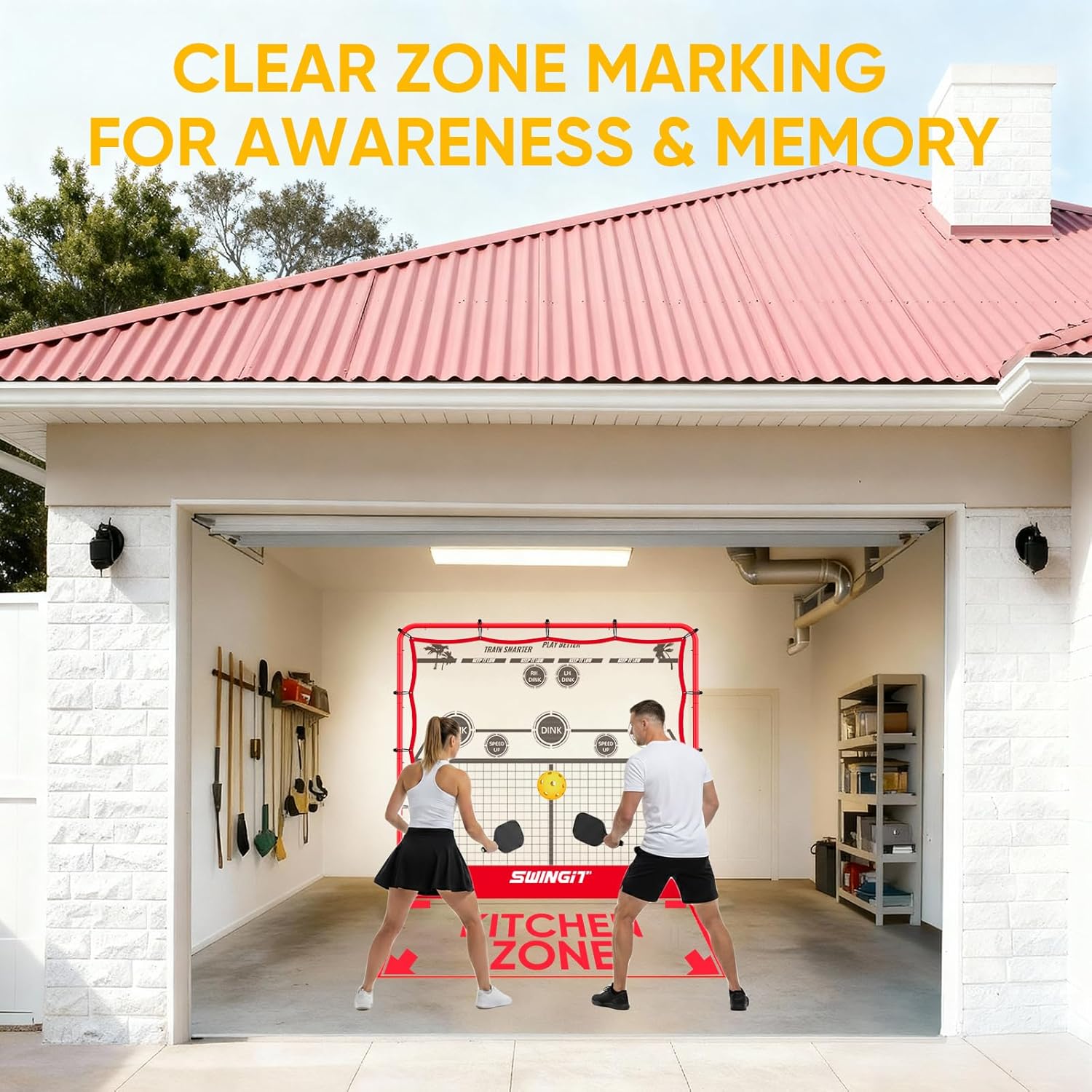
Simple wall drills remain powerful, especially when space or price limits your options. Mark a small target zone on a garage wall or school wall at net height, then hit alternating forehand and backhand shots with your pickleball paddle until you reach a set number of clean contacts. This kind of structured pickleball practice builds consistency, and it turns a basic wall into a surprisingly effective pickleball trainer for all skill levels.
Players who prefer automated feeds can pair wall work with a compact launcher. A practical reference is the portable pickleball training equipment aid for automatic ball feeds, which supports repetitive stroke work before you transition to the rebounder net. Used together, a launcher, a wall, and a pickleball rebounder create a layered solo practice environment that refines both power and touch.
Some players also like compact, foldable rebounder panels made from powder-coated steel frames and weather-resistant nets, typically priced between $90 and $160. These adjustable trainers often offer multiple tilt settings so you can alternate between fast reaction volleys and higher, looping returns that encourage controlled topspin and slice.
Targeted drills for dinks, volleys, and spin with solo training aids
Once you own the best solo training pickleball equipment, the next step is designing specific drills. Start with a dink master style routine by placing a small target near the kitchen line and using your pickleball paddles to land ten consecutive soft shots inside that zone. This simple training aid approach forces you to control ball height, spin, and depth while maintaining a relaxed grip.
For volleys, stand two to three meters from a wall or rebounder net and hit continuous forehand and backhand dinks and volleys without letting the ball bounce. Use a pickleball trainer or launcher if available, or simply feed the ball yourself and keep the rally going as long as possible. These pickleball practice sequences strengthen your reaction time and eye coordination, especially when you gradually increase pace.
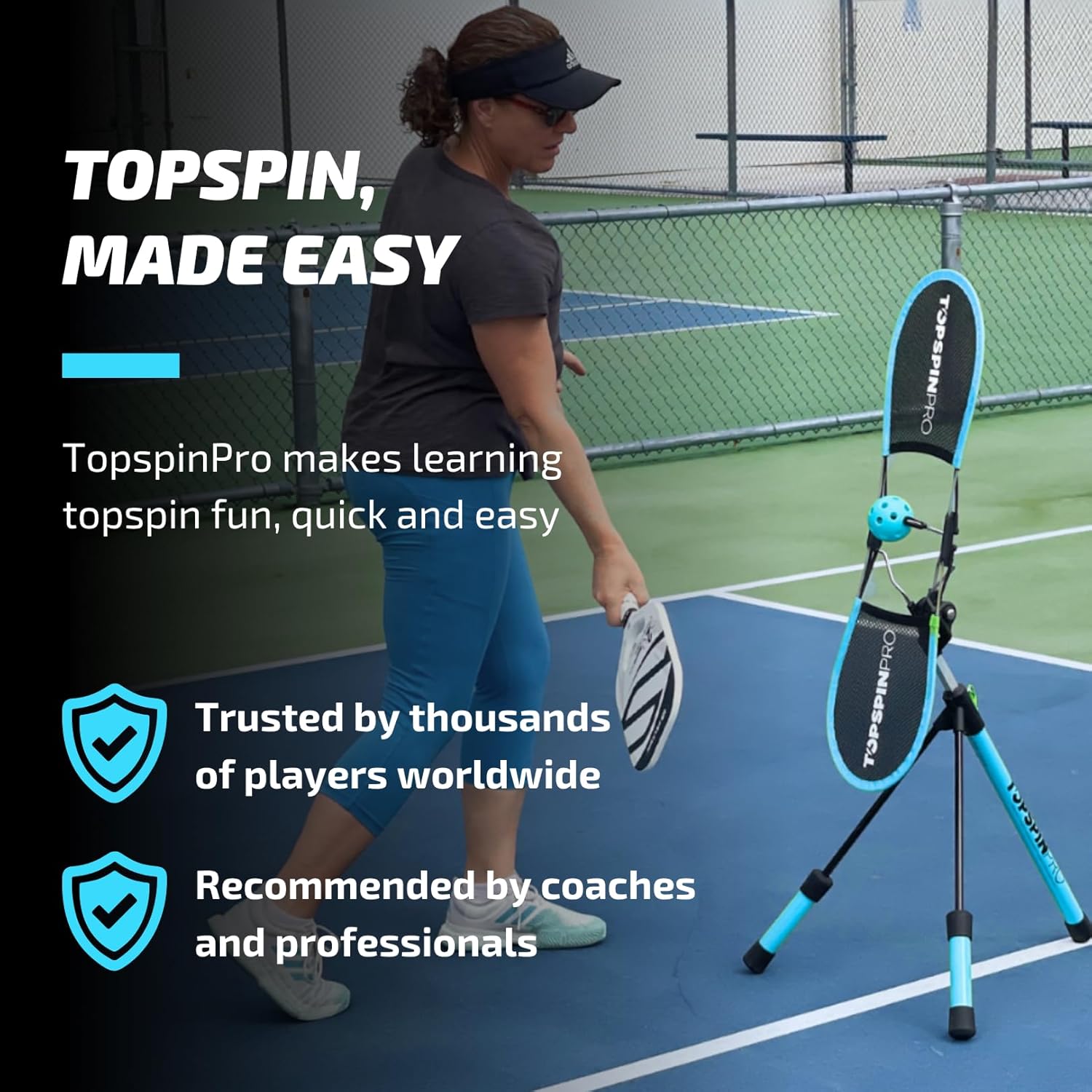
Spin training requires more deliberate technique and feedback. Aim your pickleball paddle slightly under the ball for topspin drives, then slightly over the ball for controlled slices, watching how the ball behaves off the wall or pickleball rebounder. By repeating these spin-focused drills with different balls and paddles, you learn how equipment pickleball choices influence control, and you refine touch for match situations.
Serve and return practice also benefits from solo training equipment. Mark service boxes with tape, use a pickleball net or mini net, and hit a set number of serves to each target before switching sides. Over time, this structured pickleball training routine builds muscle memory, and it helps players at all skill levels enter matches with confident, repeatable serves.
To keep sessions engaging, many players rotate through short blocks: five minutes of soft dinks, five minutes of fast volley reactions, and five minutes of spin-focused drives. This interval style makes solo practice feel more like a real game while still emphasizing technical precision.
Balancing price, value, and where to buy solo training equipment
Choosing the best solo training pickleball equipment means balancing price, durability, and performance. Entry-level players can start with a modest product set that includes a basic pickleball paddle, a portable pickleball net, and a pack of balls, then add training aids such as a rebounder net later. More advanced players often invest early in a higher quality pickleball trainer or pickleball rebounder because these tools support intense pickleball practice without wearing out quickly.
Online marketplaces offer a wide range of training equipment for pickleball, from simple wall targets to full pickleball training systems. When comparing options, look beyond the sale label and read how each product performs for solo practice, especially regarding adjustable angle features and ball return consistency. A slightly higher price can be justified if the equipment lasts longer and provides more realistic spin and bounce.
Local sports shops and club pro stores remain valuable for testing paddles and balls in person. You can feel how different pickleball paddles handle during dinks and volleys, and you can ask staff about which training aid or rebounder suits your available space. Combining in-person testing with online research gives you a clearer view of which equipment pickleball choices will genuinely support your long-term training goals.
Some brands occasionally include free accessories such as carry bags or extra balls with their solo practice sets. While these bonuses are helpful, prioritize core performance factors such as frame stability, net tension, and paddle feel over small extras. In the long run, reliable solo training tools will save both time and money by reducing the need for frequent replacements.
As a rough guide, many recreational players report good results with a $60–$120 paddle, a $100–$180 portable net, and $30–$60 in balls and basic targets, then gradually add higher-end rebounders or launchers as their commitment and playing frequency increase.
Designing a complete solo training routine for different skill levels
A structured routine turns the best solo training pickleball equipment into real progress. Start each session with five to ten minutes of gentle ball taps on your pickleball paddle to warm up hand–eye coordination and loosen the wrist. Then move to controlled dinks and volleys at a pickleball net or wall, focusing on soft hands and precise placement.
Intermediate players can add more demanding pickleball practice blocks using a rebounder net or pickleball rebounder. Alternate between fast volleys, deep drives, and soft dinks, adjusting your distance and the rebounder angle to challenge reaction time and footwork. This kind of layered pickleball training helps you adapt quickly during rallies, and it prepares you for different opponents and playing styles.
Advanced athletes often use a dedicated pickleball trainer or machine to simulate match intensity. They might run timed intervals of serves, returns, and third-shot drops, tracking how many balls land in specific targets to measure progress objectively. By combining these drills with occasional sessions on public courts such as those highlighted in guides to urban pickleball courts that offer a focused city escape, players can test solo skills under real match pressure.
Regardless of level, schedule at least two solo practice sessions per week to reinforce technique. Rotate between wall work, rebounder drills, and net-based patterns so that every major stroke receives attention. Over time, this consistent approach, supported by well-chosen training equipment, turns isolated exercises into a complete, resilient pickleball game.
One long-time coach notes that players who treat solo work like a short, non-negotiable appointment—rather than an optional extra—tend to progress a full skill bracket faster than those who rely only on casual games.
Key statistics about solo pickleball training and equipment use
- According to the Sports & Fitness Industry Association’s 2023 “Pickleball Participation Report,” pickleball participation in the United States grew by 158.6 percent between 2019 and 2022, which has sharply increased demand for training equipment and solo practice tools. The full report is available directly from the SFIA.
- Brand-level paddle ownership data are reported in manufacturer summaries such as the 2022 Selkirk “Pickleball Industry Report” and Paddletek’s 2022 customer insights overview, which together indicate that roughly 60–70 percent of regular players own at least two pickleball paddles, with many keeping one paddle specifically for practice with a wall or rebounder to preserve their match paddle.
- Retail category snapshots published in 2023 by large online marketplaces show that portable pickleball nets and rebounder nets consistently rank among the top-selling pickleball training aids, indicating that players value flexible solo practice options that fit into small spaces. These rankings are typically summarized in annual “best seller” or “top category” reports.
- Coaching organizations such as the Professional Pickleball Registry report in their 2021–2022 education materials that players who add structured solo training two to three times per week often reduce unforced errors by one to two per game within a few months, especially on serves and third-shot drops. These findings are drawn from aggregated coach feedback and player assessments.
- Consumer reviews across leading brands, summarized in 2022–2023 buyer guides from major retailers, highlight that players who invest in mid-range training equipment—rather than the lowest price options—report higher satisfaction and longer product lifespan, which improves overall value for regular solo practice. These buyer guides typically compile verified purchaser ratings and long-term durability comments.
Trusted references for further information
- USA Pickleball – Official rules, equipment standards, and coaching resources.
- Sports & Fitness Industry Association – 2023 Pickleball Participation Report and market data on pickleball growth.
- Professional Pickleball Registry – Education materials and best practices for structured training.