How paddle face, spin, and dwell time shape control
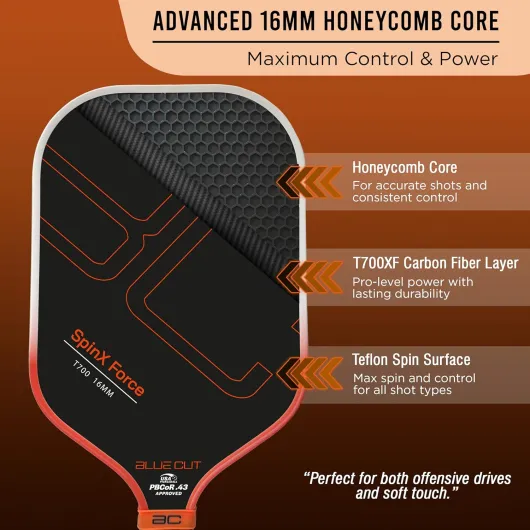
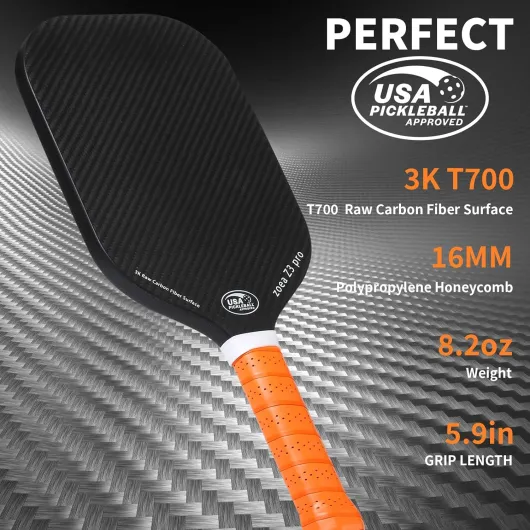
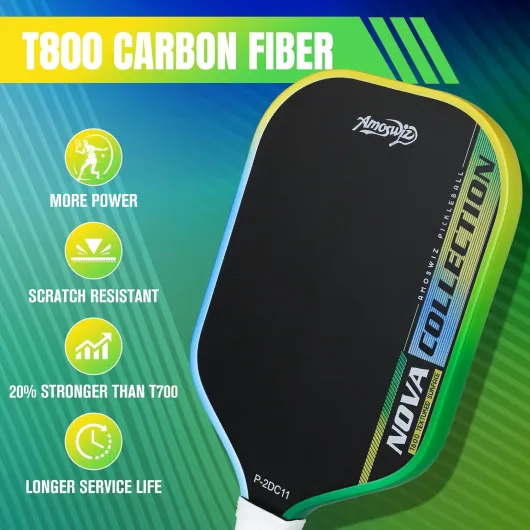
Once you understand the core, the next step is evaluating the paddle face and surface technologies. A carbon paddle face typically increases spin and dwell time, allowing the ball to sit on the face fractionally longer for precise control. Many of the best honeycomb core paddles now use raw carbon or carbon hybrid layups to help players shape topspin drives and sharp crosscourt dinks.
Hybrid faces that blend carbon with fiberglass can add extra pop while preserving enough friction for spin. This hybrid approach suits intermediate advanced players who want more power without sacrificing touch at the net. When a hybrid paddle face is paired with a responsive honeycomb core, the combination can deliver both power control and reliable forgiveness.
Foam integration around the edge of the paddle face further refines performance. A full foam perimeter or partial foam core ring stabilizes the paddle on off center contact and enlarges the effective sweet spot. These foam paddles are particularly helpful for players whose timing varies under pressure, because the paddle feels more solid even when contact drifts toward the edge.
Comfort and footwork also influence how effectively you use any pickleball paddle. Players who invest in supportive footwear, such as the best pickleball shoes for wide feet, can move more efficiently into position and fully exploit the spin and control of their chosen paddles. When your lower body is stable, you can swing a power paddle or a control oriented model with greater confidence and less risk of overcompensating with your arm.
Foam core innovations and the rise of pro level paddles
Foam technologies such as crbn trufoam and trufoam genesis illustrate how manufacturers push beyond traditional honeycomb designs. In these constructions, a foam core or foam injected perimeter works with the polymer honeycomb to fine tune vibration, power, and forgiveness. Many advanced players appreciate how this combination softens the feel without turning the paddle into a mushy control only tool.
Some gen paddles in current lineups use full foam concepts, where foam fills more of the interior rather than just the edges. These full foam or hybrid foam core builds can create a uniquely plush feel, extending dwell time and enlarging the sweet spot for both drives and drops. For intermediate advanced players, this can mean fewer mishits and more consistent depth on third shot drops.
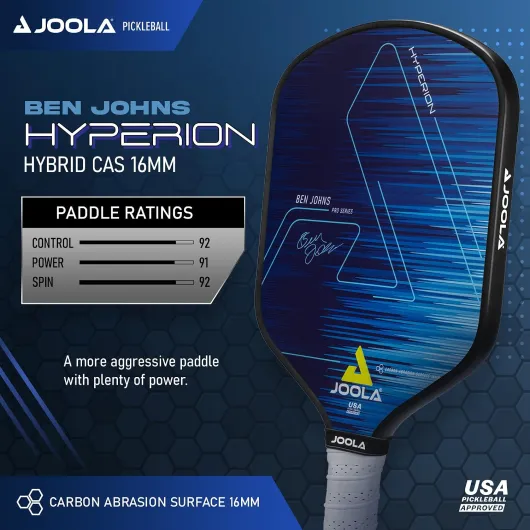
Pro endorsed models like joola perseus and perseus pro highlight how elite athletes influence design priorities. The joola perseus series focuses on a blend of power and spin, while the perseus pro variant typically adds a slightly more aggressive response for players who can handle extra pace. When these paddles use a honeycomb core with strategic foam, they can deliver pro level power control that still offers forgiveness on defensive blocks.
Other notable examples include friction pro concepts and experimental labs boomstik designs that explore new face textures and core layouts. A friction pro style surface increases grip on the ball, enhancing spin for both topspin drives and heavy cut dinks. Meanwhile, labs boomstik prototypes often push boundaries on weight distribution and balance, helping players feel how small changes in core and foam placement affect overall paddle performance.
Comparing leading brands, from selkirk to boutique innovators
Among mainstream brands, selkirk remains a reference point in discussions about the best honeycomb core paddles. Many selkirk models combine a polymer honeycomb core with a carbon or hybrid paddle face, targeting a wide range of players from beginners to advanced players. Their emphasis on a consistent sweet spot and predictable power control has made the brand a fixture on competitive courts.
Boutique offerings such as black opal themed paddles appeal to players who want distinctive aesthetics alongside performance. A black opal design often pairs a striking visual finish with a textured carbon face and a tuned honeycomb core, ensuring that style does not compromise function. When these paddles integrate foam around the perimeter, they can rival larger brands in forgiveness and dwell time.
Some manufacturers experiment with location inspired names like honolulu to evoke a relaxed yet competitive pickleball lifestyle. A honolulu series paddle might emphasize a lighter weight and a softer foam core to suit recreational players who value comfort and control. Yet even these lifestyle oriented paddles can deliver impressive spin and a generous sweet spot when they use a quality honeycomb core and a modern paddle face.
Footwork and stability remain crucial, which is why many players pair their chosen pickleball paddle with specialized footwear such as the best Brooks shoes for pickleball. Better traction and cushioning allow players to fully exploit the power of a heavier power paddle or the quick maneuverability of a lighter control model. Across brands, the shared goal is to give players paddles that feel like natural extensions of their hands, whether they favor selkirk, black opal, or emerging foam paddles built around advanced foam core technologies.
Matching paddle characteristics to player level and style
Choosing among the best honeycomb core paddles requires an honest assessment of your skill level and playing style. Beginners and many intermediate advanced players often benefit from a midweight pickleball paddle with a large sweet spot and high forgiveness. This type of paddle, especially when it uses a polymer honeycomb core and a textured carbon face, helps players learn consistent mechanics before chasing maximum power.
Advanced players who generate their own pace may prefer a slightly heavier power paddle with a more compact sweet spot. These paddles, often built with a stiff carbon paddle face and a responsive honeycomb core, reward clean contact with explosive power and precise control. When combined with perimeter foam or a partial foam core, they can still offer enough forgiveness to handle fast hands battles at the kitchen.
Players who rely on spin and touch should prioritize dwell time and surface friction. A friction pro style face or a similar textured carbon surface allows the ball to grip the paddle face longer, enhancing topspin, sidespin, and underspin. Foam paddles with full foam or crbn trufoam style constructions can further extend dwell time, making it easier to execute soft dinks and sharp angle rolls.
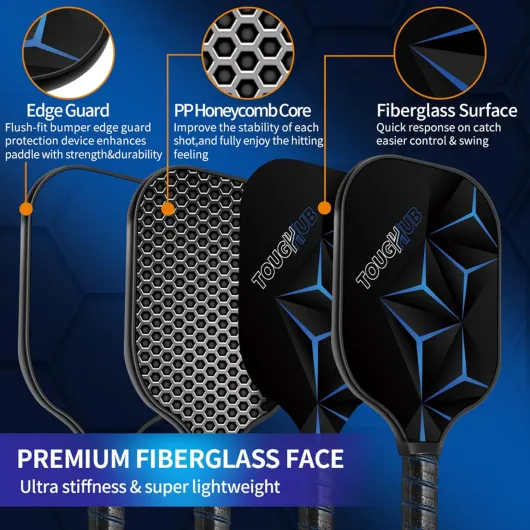
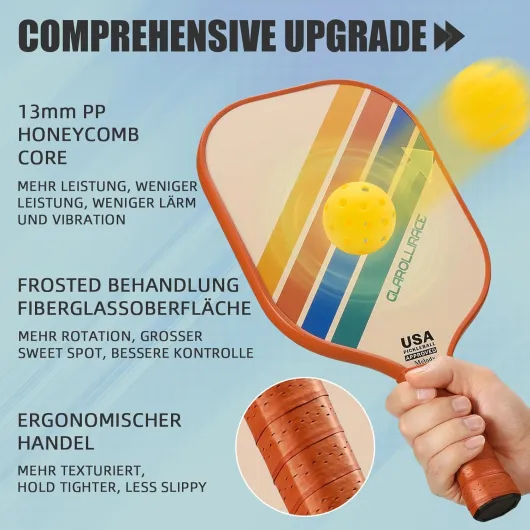
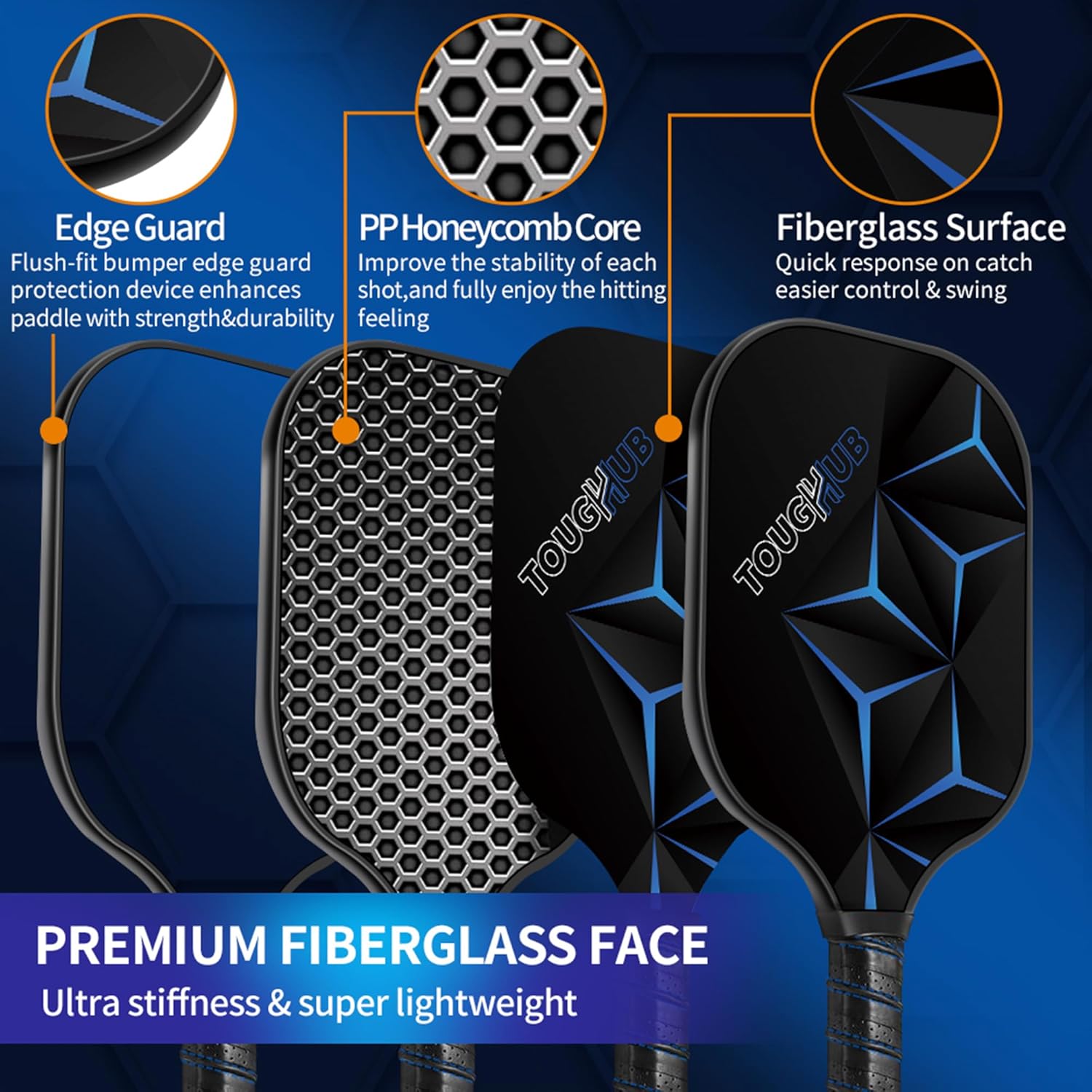
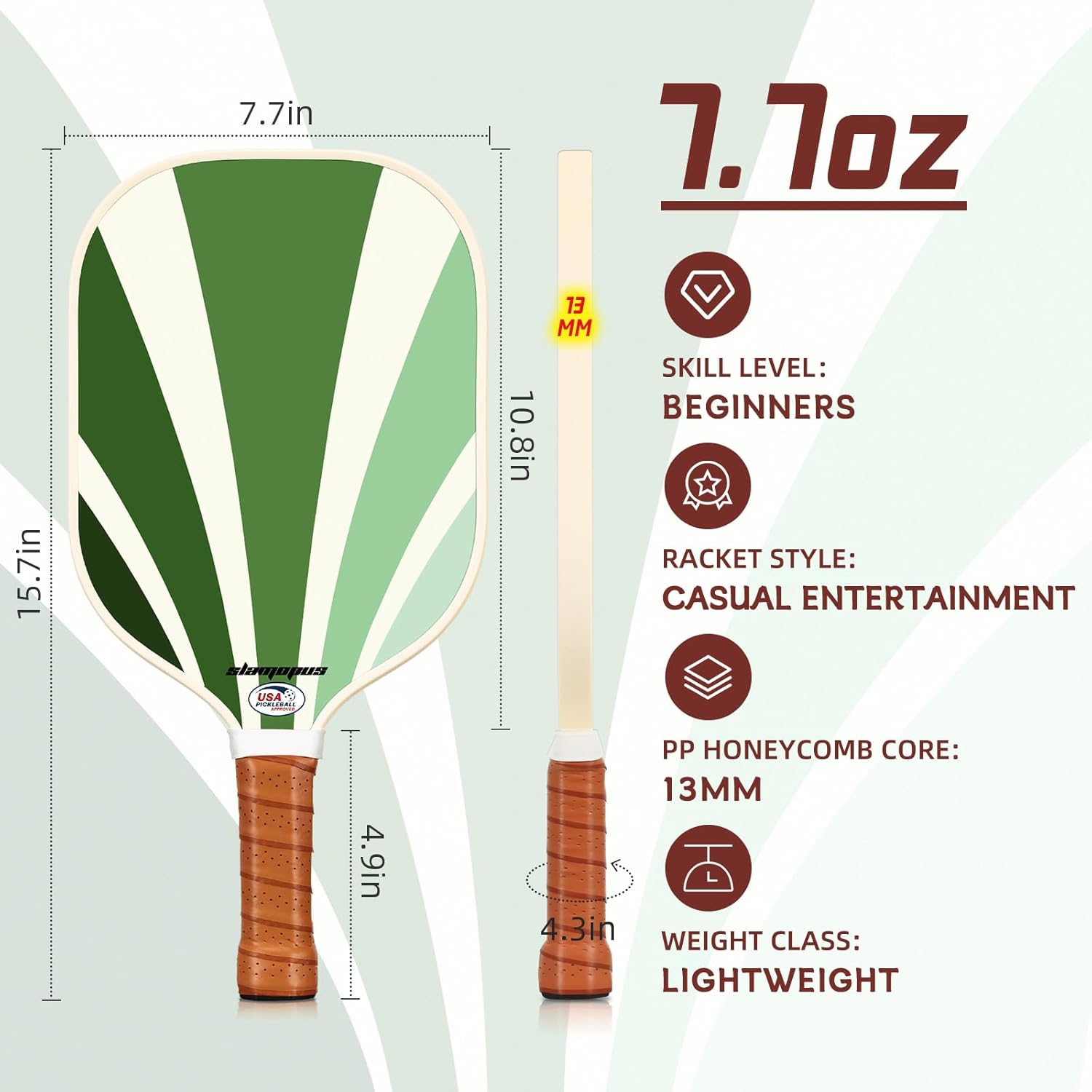
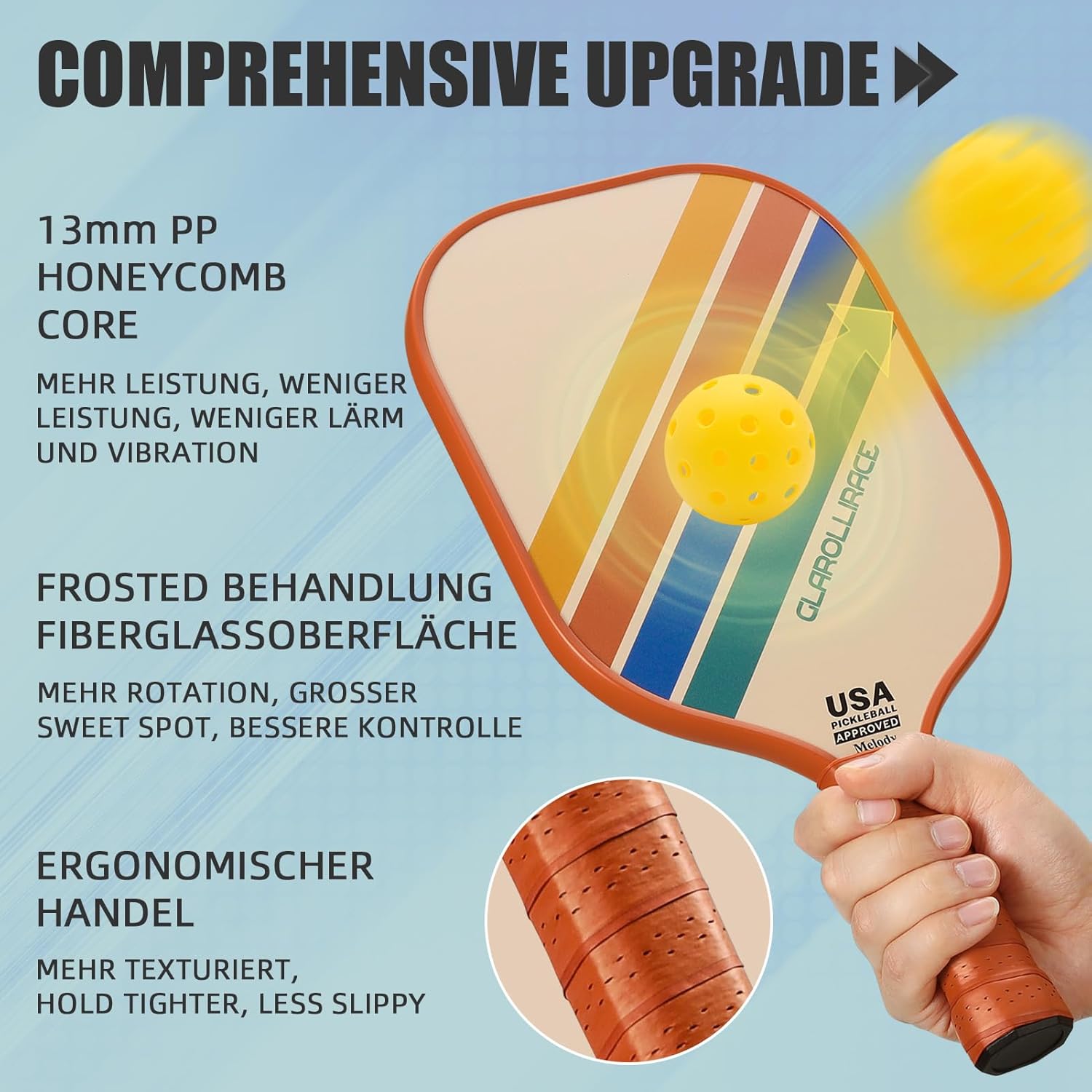
For those unsure where to start, testing a variety of gen paddles through demo programs or curated sets can be invaluable. One option is to explore a fiberglass pickleball paddle set with a polypropylene honeycomb core, which offers an accessible way to feel differences in weight, power, and control. Over time, players can refine preferences for foam paddle versus traditional honeycomb only builds, as well as for lighter versus heavier paddles.
Deep dive topic: managing joint stress with modern paddle technology
One of the most pressing yet under discussed issues in pickleball is joint stress, particularly in the elbow and shoulder. The best honeycomb core paddles now address this by combining polymer cores, foam perimeter systems, and optimized weight distribution. These elements work together to reduce vibration and torque, which can aggravate conditions such as tennis elbow.
Foam core innovations like crbn trufoam and trufoam genesis play a central role in this protective trend. By adding a compliant foam layer around or within the honeycomb core, manufacturers create paddles that absorb more shock at impact. This design can be especially beneficial for intermediate advanced and advanced players who hit hard drives and overheads repeatedly during long sessions.
Perimeter foam and full foam concepts also help stabilize the paddle face on mishits. When the sweet spot effectively expands, players experience fewer jarring vibrations from off center contact, which reduces cumulative strain on joints. Over time, this added forgiveness can allow players to maintain aggressive power control without sacrificing long term comfort.
Weight selection further influences joint health, as excessively heavy paddles can overload the shoulder while ultra light paddles may transmit more shock. Many experts now recommend a balanced midweight pickleball paddle with a polymer honeycomb core, a textured carbon or hybrid face, and some form of foam integration. This combination offers a practical compromise between power, control, and joint friendly vibration damping for a wide range of players.
Practical checklist for evaluating the best honeycomb core paddles
When assessing any candidate among the best honeycomb core paddles, start with the core material and construction. A polymer honeycomb core remains the standard for balanced power and control, while foam core or foam perimeter additions can enhance forgiveness and comfort. Check whether the paddle uses full foam, partial foam, or no foam at all, and consider how that aligns with your needs.
Next, examine the paddle face, paying attention to carbon, fiberglass, or hybrid layups. A raw carbon paddle face or friction pro style texture typically increases spin and dwell time, which benefits players who rely on heavy topspin and precise dinks. Hybrid faces that mix carbon and fiberglass can offer a lively response, making them suitable for players who want a blend of power and touch.
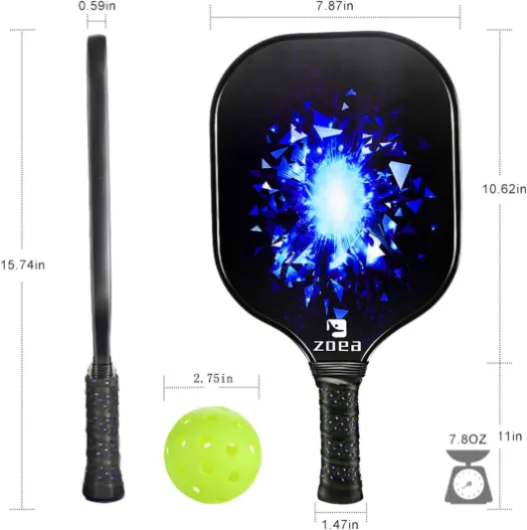
Weight and balance should match your physical capacity and tactical preferences. Heavier power paddles provide more plow through and stability, while lighter paddles favor quick hand battles and fast resets at the kitchen. Many advanced players settle on a midweight pickleball paddle that offers enough mass for penetrating shots without overloading the shoulder.
Finally, consider brand reputation and specific models such as selkirk, joola perseus, perseus pro, black opal themed paddles, and experimental labs boomstik designs. These paddles, along with emerging gen paddles that use crbn trufoam or trufoam genesis concepts, showcase how the industry refines power control, forgiveness, and sweet spot size. By methodically evaluating core, foam, face, weight, and feel, players can select paddles that support both performance and long term joint health.
Key statistics about pickleball equipment and participation
- Global pickleball participation has grown by double digit percentages in recent seasons, driving rapid innovation in paddle cores and faces.
- Market analyses show that polymer honeycomb core paddles now represent the majority of performance paddle sales worldwide.
- Surveys of intermediate and advanced players indicate that more than half prioritize control and forgiveness over maximum power when choosing a new paddle.
- Injury reports suggest that players using midweight paddles with vibration dampening cores experience fewer elbow and shoulder complaints than those using very stiff, heavy models.
Common questions about honeycomb core paddles
What makes honeycomb core paddles different from solid core paddles ?
Honeycomb core paddles use a lightweight grid structure that spreads impact forces across the paddle face. This design reduces overall weight while maintaining stiffness, which improves maneuverability and stability. Solid core paddles tend to feel heavier and transmit more vibration, which can be less comfortable over long sessions.
Are foam enhanced paddles better for joint health in pickleball ?
Foam enhanced paddles can reduce vibration and harsh impact sensations, which may help players with sensitive elbows or shoulders. When foam surrounds a polymer honeycomb core, it acts as a cushion that softens mishits and enlarges the sweet spot. Many players report that these foam paddles feel more comfortable during long matches, especially when combined with a midweight configuration.
How should I choose the right weight for my pickleball paddle ?
Players with strong upper bodies or power oriented styles often prefer slightly heavier paddles for extra plow through. Those who rely on quick hands and fast reactions at the kitchen usually favor lighter or midweight paddles. Testing several weights and noting how your joints feel after extended play is the most reliable way to find an appropriate balance.
Do textured carbon faces really increase spin on the ball ?
Textured carbon faces increase friction between the paddle face and the ball, which helps generate more spin. This added grip allows players to shape topspin drives, sidespin rolls, and underspin dinks with greater precision. While technique remains crucial, many players notice a clear difference in spin potential when switching from smooth fiberglass to raw carbon surfaces.
Can beginners benefit from advanced honeycomb and foam technologies ?
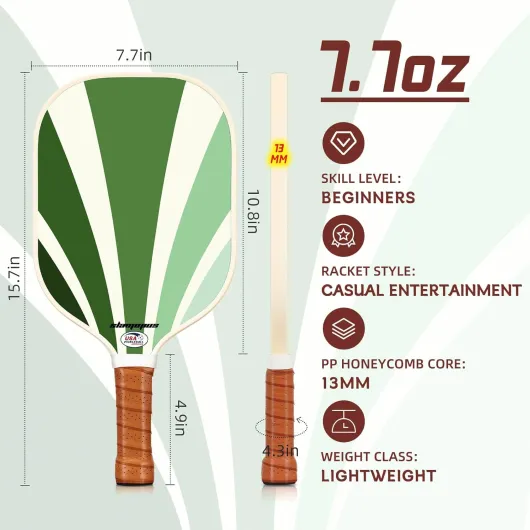
Beginners can absolutely benefit from modern honeycomb and foam technologies, especially in terms of forgiveness and comfort. A paddle with a polymer honeycomb core, a generous sweet spot, and some foam integration can make early learning more enjoyable. These features reduce mishits and vibration, allowing new players to focus on developing sound mechanics and court awareness.