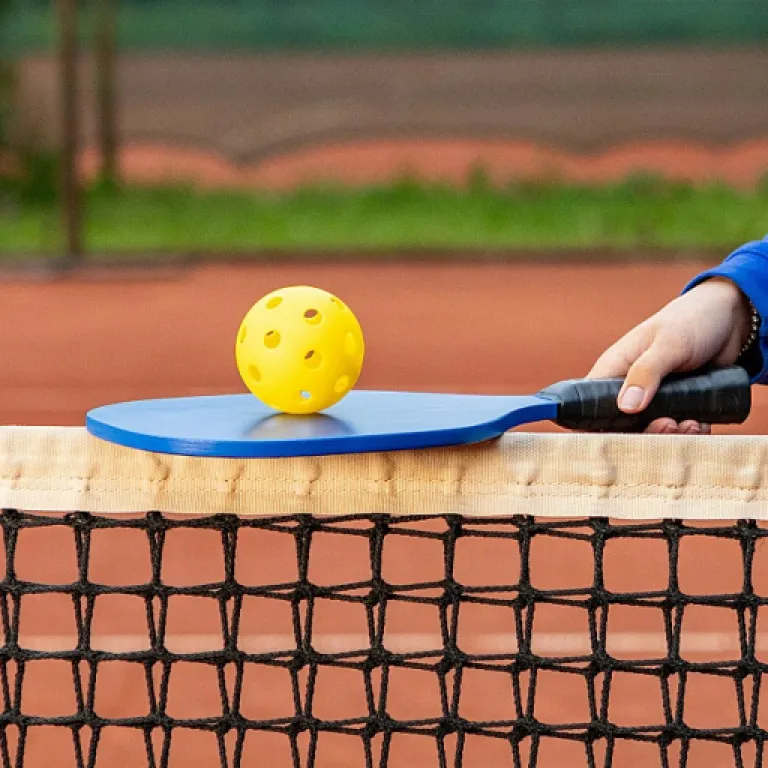
Pickleball in Riverhead as a growing town passion
Pickleball in Riverhead has shifted from niche pastime to central town activity. As more residents learn to play, the sport now shapes how the community uses public space and plans recreation, especially in the eastern part of the region. This rapid growth means every new pickleball facility must balance fun, safety, and access for different skill levels.
Local players describe pickleball as a game that feels welcoming yet surprisingly competitive. In Riverhead, pickleball courts near the town center and further east attract retirees, working adults, and teenagers who all want to play at their preferred game level without feeling intimidated. The challenge for town Riverhead planners is to support this enthusiasm while avoiding conflicts over noise, parking, and shared use with tennis or basketball.
For newcomers, the first question is usually where to find a place to play pickleball in Riverhead. Some start with casual lessons offered through community programs, while others join informal groups that organize box pickleball sessions in converted indoor spaces. As these groups grow, the town will need clear policies on court reservations, league schedules, and how to integrate Riverhead pickleball into broader recreation strategies.
Because the sport is easy to learn and genuinely fun, participation keeps rising. Families use pickleball as a low impact way to play together, while more competitive players look for structured leagues and a ladder league to test their skills. This mix of casual and serious play is exactly what makes pickleball Riverhead a revealing case study for how small towns manage fast growing sports.
Learning to play and building skills across game level
For people seeking information, the first step is understanding how to learn to play pickleball without feeling overwhelmed. In Riverhead, lessons are increasingly tailored to different skill levels, so absolute beginners can focus on basic movement and rules before entering more competitive settings. This staged approach helps residents build confidence and keeps the game fun rather than stressful.
Structured lessons in town Riverhead often start with simple drills that teach how to serve, return, and move safely in the non volley zone. Coaches emphasize that pickleball is a game of placement and patience, not just power, which reassures older adults and those new to racket sports who want to play at a comfortable game level. Many programs also encourage players to learn play in both singles and doubles formats, using resources such as this guide on mastering the basics of playing pickleball singles.
As skills improve, players often look for a facility where they can practice more advanced patterns. In Riverhead, pickleball courts at community centers and private clubs sometimes reserve specific hours for intermediate or advanced skill levels, which helps maintain fair and competitive games. This separation also allows coaches to run targeted lessons that refine strategy, footwork, and shot selection.
Parents increasingly ask how their children can learn to play pickleball safely and productively. Youth lessons in Riverhead focus on coordination, respect for opponents, and understanding that a competitive game can still be friendly and fun. When families share court time, they often find that pickleball Riverhead becomes a bridge between generations, with grandparents and grandchildren able to play together at adjusted game levels.
Facilities, equipment, and the rise of box pickleball
The availability and quality of each pickleball facility in Riverhead strongly influence who can play and how often. Outdoor courts in the town center and further east are usually the most visible, but indoor options such as box pickleball spaces are increasingly important for year round access. These box style courts, often created inside repurposed gyms or warehouses, allow the community to play regardless of weather.
In Riverhead, pickleball organizers must think carefully about court layout, lighting, and noise when planning a new facility. Good design supports different skill levels on adjacent courts, so beginners can learn play without feeling watched by highly competitive players. It also ensures that a ladder league or other structured league can run smoothly alongside casual open play sessions.
Equipment access is another practical concern for people seeking information about starting pickleball Riverhead sessions. Many facilities keep loaner paddles and balls in a simple equipment box, which lowers the barrier for newcomers who want to try the game before buying gear. Clear signage explaining rules, safety guidelines, and how to join leagues or lessons helps transform a basic facility into a welcoming community hub.
Technical skills such as grip and paddle control become more important as players advance. Coaches in town Riverhead often refer learners to detailed resources on topics like mastering the continental grip in pickleball, which can significantly raise a player’s game level. When combined with well maintained courts and organized schedules, these educational tools make each Riverhead pickleball facility a place where both fun and performance can thrive.
Leagues, ladder league formats, and competitive pathways
Once players in Riverhead feel comfortable with basic skills, many look toward leagues as a structured way to play more. Local organizers now experiment with different league formats, from social evening leagues to more competitive divisions that group participants by game level and skill levels. This variety allows residents to choose whether they want a relaxed night out or a serious test of their abilities.
The ladder league model has become particularly relevant for Riverhead pickleball because it offers flexible progression. In a typical ladder league, players move up or down rungs based on match results, which means each game is competitive but still fair, since opponents have similar skill levels. For town Riverhead, this system reduces frustration among both beginners and advanced players, who can find appropriate challenges without complicated rating systems.
Organizers also use leagues to strengthen the broader community around pickleball Riverhead. Weekly league nights encourage players to join recurring groups, share tips, and even arrange informal lessons for friends who want to learn play. Over time, these connections can support volunteer coaching, fundraising for new facility upgrades, and coordinated outreach to schools or senior centers in the east part of town.
However, running successful leagues requires clear communication and transparent rules. Players need to know how many games they will play, what game level each division represents, and how to move between leagues if their skills improve. When these details are handled professionally, leagues and ladder league structures transform Riverhead pickleball from a casual pastime into a sustainable, competitive ecosystem that still feels inclusive and fun.
Technique, injury prevention, and long term enjoyment
As participation in pickleball Riverhead grows, technique and injury prevention become central concerns for both players and facility managers. Poor mechanics or inadequate warm ups can turn a fun game into a source of chronic pain, especially for older adults returning to sport. That is why many coaches in town Riverhead emphasize fundamentals such as footwork, posture, and grip from the earliest lessons.
Improving paddle control is one of the fastest ways to raise your game level while reducing strain. Detailed guides on topics like how to improve your pickleball grip for better performance help players understand how small adjustments can protect wrists and elbows. When combined with progressive drills that match individual skill levels, these techniques allow residents to play more often without overuse injuries.
Facility design in Riverhead also influences safety and long term enjoyment. Adequate spacing between courts, non slip surfaces, and clear markings reduce collisions and missteps during fast, competitive rallies. Many centers keep a first aid box courtside and encourage players to learn play with proper footwear, hydration habits, and realistic expectations about how many games they will play in a session.
For people seeking information, it is important to recognize that pickleball can be both gentle and demanding. A casual game with friends in east Riverhead might feel light and social, while a high intensity ladder league match will test reflexes and conditioning. By respecting these differences and choosing appropriate leagues, lessons, and partners, players in Riverhead can keep the sport fun, sustainable, and aligned with their health goals.
Community impact, access, and the future of pickleball Riverhead
The rise of pickleball Riverhead is reshaping how residents think about public space, health, and social connection. Courts have become informal meeting points where neighbors from different backgrounds play together and share local news. This sense of community is especially visible in the east side of town, where new facilities often serve as anchors for broader recreation projects.
Access remains a critical issue, however, particularly for people who lack transport or cannot afford private club fees. Town Riverhead officials must weigh how many public courts to build, where to place each facility, and how to schedule open play alongside leagues and lessons. Transparent policies about court reservations, lighting hours, and noise management will help maintain goodwill between pickleball players and nearby residents.
Community groups increasingly use Riverhead pickleball events to support charitable causes and youth programs. A weekend ladder league or themed league night can raise funds while giving participants a fun, competitive game experience that still feels inclusive. These events also introduce newcomers who want to learn play, helping them find regular partners and understand the range of skill levels present in the local scene.
Looking ahead, the town will likely face decisions about indoor expansions, dedicated box pickleball complexes, and partnerships with schools. If managed thoughtfully, pickleball Riverhead can continue to offer great health benefits, social ties, and economic opportunities without overwhelming other sports. For individuals seeking information, the key message is that there is now a place to play, learn, and join this growing community at almost any game level.
Key statistics about pickleball participation and facilities
- Global participation in pickleball has grown by double digit percentages over recent seasons, with small towns like Riverhead mirroring this rapid rise.
- Surveys of community sports programs show that a majority of new adult participants choose pickleball as their first racket sport.
- Facility audits in comparable towns indicate that converting a single tennis court can create up to four pickleball courts, significantly increasing playable capacity.
- Health studies on recreational racket sports associate regular play with reduced cardiovascular risk and improved balance in older adults.
Questions people also ask about pickleball in Riverhead
How can a beginner start playing pickleball in Riverhead ?
Beginners in Riverhead should start by attending introductory lessons offered through local community centers or recreation programs. These sessions explain rules, basic strokes, and safety, allowing newcomers to learn play at comfortable skill levels. After a few lessons, beginners can join open play sessions or social leagues that match their game level.
What equipment do I need to play pickleball in Riverhead ?
To play pickleball in Riverhead, you need a paddle, a perforated plastic ball, and appropriate court shoes with non marking soles. Many facilities keep a shared equipment box with loaner paddles and balls, which helps new players try the game before buying gear. As skills progress, players often invest in higher quality paddles that suit their preferred game style and competitive level.
Are there organized leagues and ladder league formats in Riverhead ?
Yes, Riverhead now offers several organized leagues, ranging from social evening formats to more competitive divisions. Many players appreciate the ladder league structure, which adjusts pairings based on results so that opponents share similar skill levels. Information about how to join these leagues is usually available through town Riverhead recreation offices or facility notice boards.
Is pickleball suitable for older adults in Riverhead ?
Pickleball is widely considered suitable for older adults because the court is small and the movement can be controlled. In Riverhead, lessons for seniors focus on safe footwork, proper warm ups, and moderate intensity play that still feels fun. Players are encouraged to choose game levels and leagues that match their fitness, ensuring long term enjoyment without excessive strain.
Where can I find indoor or box pickleball options in Riverhead ?
Indoor and box pickleball options in Riverhead are typically located in repurposed gyms, community centers, or private sports complexes. These facilities allow residents to play year round, regardless of weather, and often host both lessons and leagues. Details about schedules, fees, and how to join are usually listed on town Riverhead recreation websites or posted at each facility.
Trustful sources :
- USA Pickleball
- International Federation of Pickleball
- Centers for Disease Control and Prevention (CDC) – Physical Activity Guidelines