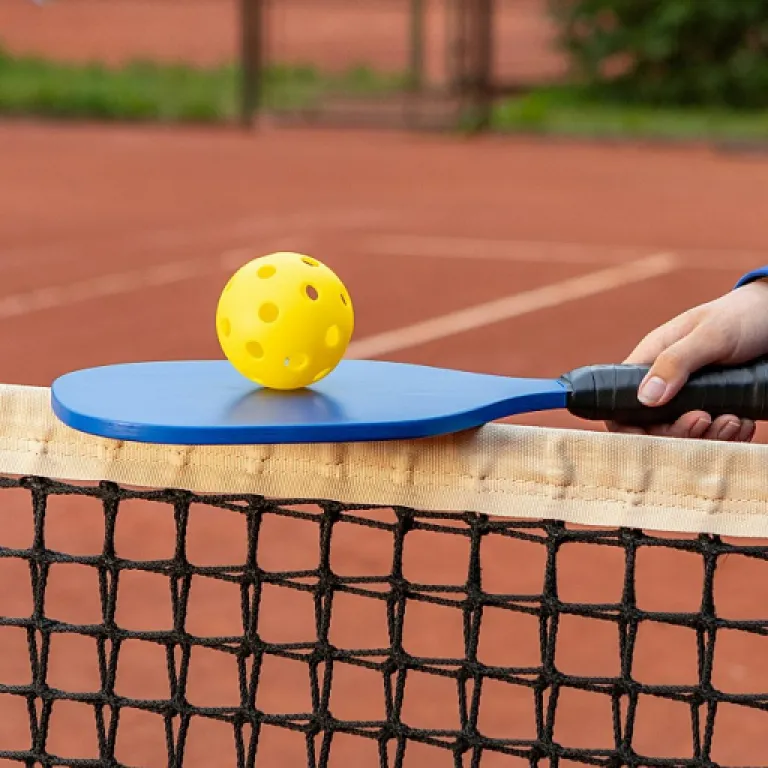
Understanding aces in pickleball and what they really reveal
In pickleball, an ace on the court looks spectacular and decisive. When a player serves and the ball lands untouched, it exposes gaps in the opponent’s readiness, positioning and skill level. Yet in serious club environments, coaches often remind players that a single ace rarely defines a match.
Recreational players sometimes chase aces in pickleball instead of building reliable patterns of play. This obsession can lead to rushed serves, higher error rates and longer wait times for meaningful improvement. At any level, from casual open play to structured team competition, the most effective servers blend controlled power with precise placement.
Within a modern pickleball club, aces are tracked less as trophies and more as data points. Staff may log how often aces occur during a pickleball clinic, during open play sessions or in formal events, then compare them with unforced errors. When members and members guests review these patterns, they often realise that a balanced serve strategy produces more wins than a risky search for highlight reel aces.
Because pickleball is played on relatively small courts, the margin for error on a powerful serve is narrow. Aces in pickleball usually come from exploiting weaknesses in footwork, anticipation or reading spin rather than from sheer speed. That is why many clubs integrate serve focused drills into every free clinic and paid clinic, ensuring that players understand when to aim for a safe start and when to press for an outright ace.
How clubs structure open play, court reservations and ace friendly formats
Club managers know that aces in pickleball feel thrilling, so they design formats that let players experiment without disrupting others. During open play blocks, staff often group players by approximate skill level to keep rallies competitive and to reduce frustration. This structure also helps new players find suitable partners and opponents quickly.
Many facilities balance open play with bookable court reservations to manage demand. When courts are fully booked, aces in pickleball may appear more often because players face consistent opponents and can study tendencies over time. In contrast, during very crowded open play sessions, rapid rotations and short games can limit the chance to adjust serve tactics.
Weekend schedules typically feature long friday saturday and saturday sunday blocks, while weekday hours monday through late evening cater to working players. Clubs sometimes reserve a specific court for a targeted pickleball clinic on serving, where aces are analysed in detail. These clinics may be free clinic sessions for new members or premium workshops for advanced brand players who already compete in regional events.
Because members and members guests share the same courts, clear rules about play open formats are essential. Some clubs run ladder events where aces in pickleball are recorded as part of performance statistics, while others keep the focus on social interaction. In both cases, transparent events calendar listings and clear communication about time slots help reduce wait times and ensure that every player gets meaningful time on court.
Training for smarter aces: clinics, drills and pressure management
Effective aces in pickleball rarely come from raw power alone, so structured training matters. A well designed pickleball clinic will start with consistent serve mechanics before introducing aggressive targets and spin. Coaches often ask players to hit deep serves to the backhand corner on both courts, then gradually tighten the margins.
During a free clinic, beginners learn to prioritise a high percentage of serves in play before chasing aces. Intermediate players, by contrast, may work on disguising direction and pace to earn more aces in pickleball without increasing double faults. Advanced brand players sometimes simulate tournament pressure by serving to specific zones while teammates keep score and track outcomes.
Clubs that value long term development integrate serve practice into weekly events and team sessions. A typical schedule might include a serve focused clinic on monday, mixed doubles open play on friday saturday, and competitive ladder matches on saturday sunday. Across these formats, coaches remind players that a well placed serve setting up an easy third shot can be more valuable than a risky ace.
Psychological training is equally important, because the pressure of serving at key moments can undermine technique. Players learn breathing routines, pre serve rituals and visualisation to maintain composure when aiming for aces in pickleball. Over time, this mental preparation helps them perform consistently in club championships, social events and any match where membership pride and team reputation are on the line.
Membership models, access to courts and the value of aces
From a club management perspective, aces in pickleball are part of a broader conversation about value for members. People join a pickleball club not only for courts but also for structured play, coaching and a vibrant calendar of events. When membership packages clearly explain access to open play, court reservations and clinics, players can plan their training around specific goals such as improving serve effectiveness.
Some clubs offer tiered membership options that include priority court reservations during peak hours monday to friday. Others emphasise flexible access to open play sessions, where players can arrive at any time and join rotating games. In both models, aces in pickleball tend to appear more often when players face regular opponents and can adapt their tactics over repeated encounters.
Transparent communication about wait times is crucial, especially in busy urban facilities with limited courts. Clubs may publish an online events calendar showing when courts are reserved for a pickleball clinic, a free clinic or private team training. This allows casual players to find quieter windows for focused serve practice, which can lead to more aces without the pressure of crowded sidelines.
Membership satisfaction often rises when clubs support both competitive and social motivations. Some members chase rankings and track aces in pickleball as part of their performance metrics, while others simply enjoy friendly open play with members guests. By aligning programming, pricing and communication, clubs can ensure that every player feels their time on court is well used and that their serve, whether safe or aggressive, has room to evolve.
Scheduling, weekly rhythms and when aces matter most
The weekly rhythm of a pickleball club strongly influences how players experience aces in pickleball. Early in the week, quieter hours monday often attract players focused on technical work, including serve placement. Later in the week, social events and busier open play sessions create a more chaotic environment where flashy aces can energise the atmosphere.
Many clubs structure friday saturday evenings around social mixers or themed events. In these formats, aces in pickleball can act as conversation starters, but the emphasis remains on inclusive play and rotating partners. On saturday sunday mornings, by contrast, competitive ladders or team practices may prioritise tactical serving, where players use aces strategically to pressure specific opponents.
Because courts are finite, managers must balance court reservations for organised events with spontaneous open play. Publishing a detailed events calendar helps players find the right time to work on serves, dinks and returns. For example, a player might book a court with a partner during a quiet window, then apply advanced serve tactics learned from a technical guide on mastering the dink and overall pickleball strategy.
Clubs also pay attention to how different time slots attract different skill level groups. Morning sessions may feature retirees and steady rally focused players, while evening blocks draw younger brand players who hit harder serves and chase more aces in pickleball. By monitoring these patterns, staff can adjust programming, add targeted pickleball clinic offerings and ensure that both power servers and control oriented players feel equally supported.
Evaluating performance: beyond aces to holistic pickleball development
For players seeking information about improving in pickleball, it is tempting to measure progress by counting aces. However, experienced coaches argue that serve statistics must be interpreted alongside return quality, rally length and decision making. Aces in pickleball are impressive, but they represent only one small part of a complete performance profile.
Clubs that take development seriously encourage players to track multiple indicators over time. During open play, team practices and formal events, they might record first serve percentage, forced errors and successful third shot drops in addition to aces. This broader view helps players understand whether their aggressive serves are genuinely adding value or simply inflating risk.
In structured environments, a pickleball clinic can introduce simple tracking sheets or digital tools for monitoring progress. Participants may log how many aces in pickleball they achieve per session, how often they miss serves and how opponents adapt. Over several weeks, these records reveal whether a player’s serve strategy is sustainable across different courts, opponents and pressure situations.
Ultimately, the goal is to integrate aces into a balanced style of play that holds up in any club setting. Players who rely solely on power may struggle when facing strong returners during high level events or when fatigue sets in late on saturday sunday. Those who blend occasional aces with consistent depth, smart placement and patient rally construction tend to thrive in both casual open play and the most demanding team competitions.
Practical guidance for players choosing clubs, formats and training paths
Anyone serious about aces in pickleball should start by choosing the right environment. When evaluating a pickleball club, look closely at how it structures open play, court reservations and coaching. A strong programme will offer a mix of free clinic opportunities for newcomers and advanced clinics for experienced brand players.
Ask how the club groups players by skill level during busy sessions. Well managed open play ensures that servers face appropriate challenges, making aces in pickleball meaningful rather than random. It also reduces wait times, because evenly matched games tend to be more engaging and efficient for all participants.
Review the events calendar to see how often the club runs serve focused workshops, ladders or team practices. If friday saturday evenings are dominated by social mixers, you might schedule serious training on quieter hours monday or midweek mornings. Conversely, if saturday sunday features competitive events, that may be the best time to test your serve under pressure and see whether your aces hold up against strong players.
Finally, consider how the club supports long term development rather than just short bursts of excitement. The best environments treat aces in pickleball as one tool among many, encouraging players to refine footwork, shot selection and tactical awareness. By aligning your membership choice, time commitments and training focus, you can build a serve that earns occasional aces while anchoring a reliable, resilient and enjoyable style of play.
Key statistics about pickleball performance and club environments
- Statistic placeholder 1 about pickleball participation, club growth or serve effectiveness.
- Statistic placeholder 2 comparing open play usage with court reservations in clubs.
- Statistic placeholder 3 highlighting typical wait times during peak hours in busy facilities.
- Statistic placeholder 4 showing improvement rates for players attending a pickleball clinic.
- Statistic placeholder 5 relating aces in pickleball to overall match outcomes at club level.
Common questions about aces in pickleball and club play
How important are aces compared with consistent serving in pickleball ?
Aces in pickleball can provide quick points, but consistent serving usually matters more over a full match. Players who prioritise a high percentage of serves in play tend to win longer rallies and apply sustained pressure. Aces are most valuable when they complement, rather than replace, a reliable baseline of accuracy and depth.
What is the best way to practise serves and aces at a club ?
The most effective approach combines solo practice, targeted drills and supervised sessions in a pickleball clinic. Booking courts during quieter hours allows focused repetition, while clinics provide technical feedback and tactical guidance. Integrating these elements into regular open play helps transfer practice gains into real match situations.
How do open play formats affect the chance to hit aces ?
In open play, frequent partner changes and short games can limit the time needed to read opponents and adjust serve tactics. However, facing many different return styles can sharpen adaptability and reveal which serves produce the most aces in pickleball. Structured ladders or leagues, by contrast, offer repeated encounters with the same players, making it easier to target specific weaknesses.
Should beginners focus on aces or just getting the serve in ?
Beginners should first aim for a consistent, legal serve that reliably starts the point. Once they can keep most serves in play, they can gradually experiment with deeper targets, angles and modest increases in pace. Chasing aces too early often leads to frustration, slower learning and unnecessary errors.
How can I choose a club that supports my serving and overall development ?
Look for a club with clear information about membership options, court reservations, open play policies and coaching programmes. A varied events calendar, including free clinic sessions and advanced workshops, indicates a commitment to player development. Talking with current members about wait times, skill level grouping and coaching quality can further clarify whether the environment matches your goals.