Origins and evolution of pickel ball
The roots of a fast-growing sport
Pickleball is a unique sport that blends elements from tennis, badminton, and table tennis. It first emerged in the United States, specifically on Bainbridge Island, where it was created as a fun and accessible game for all ages. The sport quickly gained popularity due to its simple rules and the smaller size of the pickleball court compared to a tennis court. This made it easier for new players to learn and enjoy the game, whether playing singles or as a team.
From backyard pastime to organized competition
What started as a backyard activity soon evolved into a structured sport with official rules and governing bodies. The establishment of USA Pickleball as the main governing body helped standardize the rules, including the serve, volley, and scoring system. This organization also promoted the construction of dedicated pickleball courts across the United States, making it easier for people to play pickleball in both recreational and competitive settings.
Why pickleball stands out today
One of the reasons pickleball has grown so rapidly is its accessibility. The game can be played by people of all ages and skill levels, and the equipment—such as the paddle and ball—is relatively affordable. The sport’s unique blend of serving, volleying, and the bounce rule keeps matches engaging and fast-paced. Today, pickleball players can find games in parks, recreation centers, and clubs across the country.
- Pickleball combines skills from several racquet sports
- It is played on a court smaller than a tennis court, with a lower net
- The sport features a distinctive volley zone, also known as the "kitchen"
- USA Pickleball oversees official rules and tournaments
For a deeper look at how the sport is evolving and the impact of new organizations, check out this article on how TopDog Pickleball is changing the game for players.
Basic rules and how the game is played
How a Pickleball Game Starts
Pickleball begins with a serve. The serving team stands behind the baseline on their side of the pickleball court. The serve must be made underhand, with the paddle contacting the ball below the waist. The ball is served diagonally across the court, landing in the opponent’s service court. Only one attempt is allowed, unless the ball touches the net and lands in the correct service court (a let serve), in which case the serve is replayed. The serving side alternates after each point, and both players on a team get a chance to serve before the serve passes to the opponents.
Basic Rules and Scoring
- Pickleball is played either as singles or doubles, with two or four players on the court.
- The game is played on a rectangular court, similar to a badminton court, with a net in the center. The court is divided into right and left service courts, and a non-volley zone (also called the kitchen) near the net.
- Points can only be scored by the serving team. The first side to reach 11 points and lead by at least 2 points wins the game, though some games may be played to 15 or 21 points.
- After the serve, both teams must let the ball bounce once on each side before volleys are allowed. This is known as the double bounce rule.
- Players cannot volley (hit the ball in the air) while standing inside the non-volley zone.
- If the ball lands outside the lines, hits the net, or is volleyed from the non-volley zone, it results in a fault.
Movement and Play on the Court
Pickleball players move quickly across the court, using a combination of volleys, groundstrokes, and dinks (soft shots that land in the non-volley zone). The sport requires agility and awareness, as the ball can change direction rapidly. Teams work together to cover the court, communicate, and set up shots that challenge their opponents. The governing body, USA Pickleball, sets the official rules for play in the United States, ensuring consistency across pickleball courts nationwide.
Key Terms to Know
- Volley: Hitting the ball before it bounces.
- Non-volley zone: The area near the net where volleys are not allowed.
- Service court: The area where the serve must land.
- Bounce rule: The ball must bounce once on each side after the serve before volleys are allowed.
- Team score: Only the serving team can score points.
For a deeper look at the heart of pickleball, including how the sport brings people together and what makes it unique, check out this article on exploring the heart of pickleball.
Essential equipment for playing pickel ball
What You Need to Play Pickleball
Getting started with pickleball is simple, thanks to the sport’s accessible equipment. Whether you’re playing on a dedicated pickleball court or adapting a tennis court, the essentials remain the same. Here’s a breakdown of what you’ll need to enjoy the game and follow the rules set by the governing body, USA Pickleball.
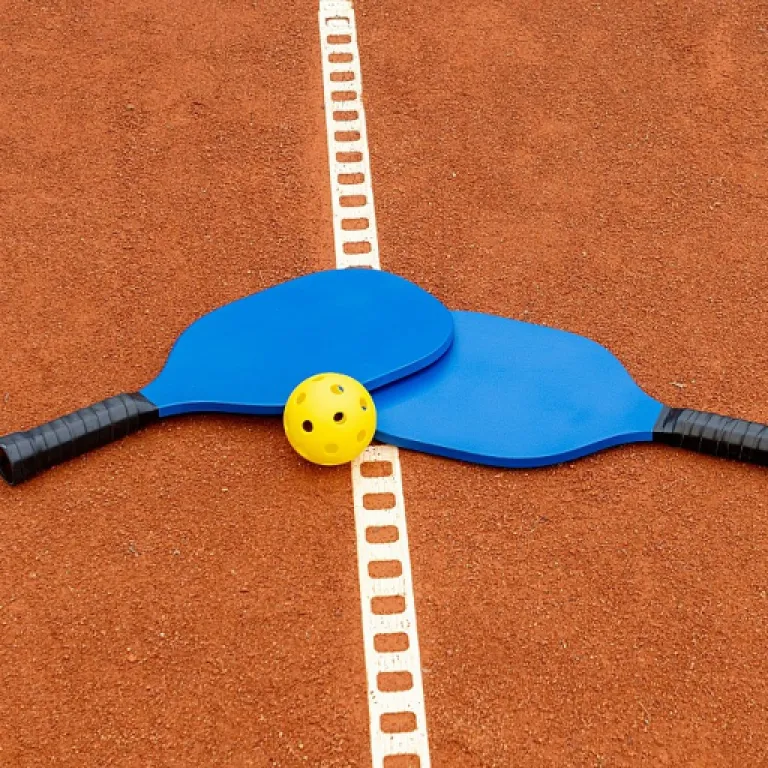
- Paddle: Unlike a tennis racquet, a pickleball paddle is solid and usually made from lightweight materials such as composite or graphite. The paddle’s size and weight can affect your control and power during volleys and serves. Most beginners find midweight paddles easier to handle as they learn the game.
- Ball: The pickleball ball is unique. It’s made of plastic and has holes, similar to a wiffle ball. There are indoor and outdoor versions, with outdoor balls being slightly heavier and having smaller holes to handle wind. The ball’s bounce is lower than a tennis ball, which influences the pace and strategy of play.
- Net: The net is lower than in tennis, standing at 36 inches at the sidelines and 34 inches in the center. This height makes it easier for players of all ages to play pickleball, but it also means that volleys and serves require precision to avoid hitting the net.
- Court: A standard pickleball court is 20 feet wide and 44 feet long, including the lines. The court is divided into service courts, a non-volley zone (often called the "kitchen"), and side courts. If you’re setting up at home or in a community center, understanding the right mini pickleball court dimensions for your space can help you get started.
Other Useful Gear for Pickleball Players
- Proper Shoes: Court shoes with good grip are recommended to prevent slipping, especially when moving quickly for a volley or a serve.
- Comfortable Clothing: Lightweight, breathable sportswear helps you stay cool during games, whether you’re playing singles or as part of a team.
- Water Bottle and Towel: Staying hydrated and wiping off sweat keeps you focused on the game and your team’s score.
Why Equipment Matters in Pickleball
Using the right equipment helps you follow the rules, improves your performance, and reduces the risk of injury. For example, a paddle that’s too heavy can make serving and volleys more difficult, while the correct ball ensures the bounce rule is respected. As you play more games and become familiar with the court, you’ll discover which gear best suits your style and helps your team score points.
Pickleball’s popularity across the United States is partly due to its easy setup and minimal equipment needs. Whether you’re playing on Bainbridge Island or at your local recreation center, having the right gear makes every pickleball game more enjoyable and competitive.
Unique skills and strategies in pickel ball
Mastering the Serve and Return
The serve is a fundamental skill in pickleball, setting the pace for each point. Unlike tennis, the serve in this sport must be underhand, with the paddle making contact below the waist. The ball is served diagonally across the pickleball court, landing in the opposite service court. The serving team must ensure the ball clears the net and lands within the correct area, or the serve is lost. After the serve, the receiving team must let the ball bounce once before returning it, and then the serving side must also let it bounce once. This is known as the double bounce rule, which is unique to pickleball and helps keep rallies fair and accessible for all players.Volleying and the Non-Volley Zone
Volleying, or hitting the ball before it bounces, is a key part of the game. However, players must be careful around the non-volley zone, often called the "kitchen." This area extends seven feet from the net on both sides. According to the rules, players cannot volley the ball while standing inside this zone. This rule prevents aggressive net play and encourages strategic shot placement. Learning when to volley and when to let the ball bounce is crucial for success.Shot Selection and Court Positioning
Pickleball players use a variety of shots, including dinks, drives, and lobs. Dinks are soft shots that land just over the net, often used to draw opponents into the volley zone. Drives are faster, more aggressive shots aimed deep into the opponent’s side court. Lobs send the ball high over the net, forcing opponents to move back. Good court positioning is essential, especially in doubles games. Teams often move together, staying side by side to cover the pickleball court efficiently and reduce open spaces.Scoring and Team Strategy
Understanding pickleball scoring is vital for effective team play. Only the serving team can score points, and games are typically played to 11 points, with a two-point margin required to win. Communication between teammates helps coordinate movement and shot selection. Teams often develop signals or verbal cues to decide who will take shots down the middle or cover specific areas. The governing body, USA Pickleball, provides official guidelines to ensure fair play and consistency across courts in the United States.- Practice serving with accuracy to gain an early advantage.
- Work on soft hands for effective dinks near the net.
- Stay alert to the bounce rule to avoid faults.
- Use court awareness to anticipate opponents’ shots.
Health and social benefits of playing pickel ball
Physical Benefits for All Ages
Pickleball is a sport that offers a wide range of health benefits, making it popular among players of all ages in the United States and beyond. The game involves constant movement on the pickleball court, including quick sprints, lateral steps, and frequent changes in direction. This helps improve cardiovascular health, agility, and balance. The act of serving, volleying, and chasing the ball across the court provides a moderate-intensity workout, which can help with weight management and muscle toning. Because the court is smaller than a tennis court, players get a good workout without excessive strain on the joints, making it accessible for older adults and those new to physical activity.
Mental and Emotional Wellbeing
Playing pickleball is not just about physical fitness. The sport also supports mental health by reducing stress and boosting mood. The fast-paced nature of the game requires focus and quick decision-making, which can sharpen cognitive skills. Learning the rules, understanding the bounce rule, and keeping track of the team score or side court positions all engage the mind. Many players find that regular games help them feel more energetic and positive, contributing to overall wellbeing.
Social Connections and Community
One of the standout aspects of pickleball is its strong sense of community. Whether you play pickleball in local parks, dedicated pickleball courts, or community centers, the sport encourages interaction and teamwork. Doubles play, in particular, fosters communication and cooperation between team members. The inclusive nature of the game means that beginners and experienced pickleball players can enjoy matches together, making it easy to meet new people and form friendships. In the USA, pickleball is governed by organizations like USA Pickleball, which help organize events and leagues, further strengthening the social fabric around the sport.
Accessible and Inclusive Play
Pickleball is designed to be accessible. The equipment, such as the paddle and pickleball racquet, is lightweight, and the ball is easy to handle. The rules are straightforward, and the smaller court size means less running compared to tennis, making it suitable for a wide range of fitness levels. The sport is played both indoors and outdoors, and many facilities offer instruction for beginners. This inclusivity has contributed to its rapid growth, especially in communities across the United States, from Bainbridge Island to urban centers.
- Improves cardiovascular health and coordination
- Reduces stress and supports mental sharpness
- Encourages social interaction and teamwork
- Accessible for all ages and skill levels
Common challenges and tips for beginners
Overcoming Early Mistakes on the Pickleball Court
Starting to play pickleball can be exciting, but many beginners face similar challenges as they learn the sport. Understanding the rules, mastering the serve, and getting used to the unique court layout are all part of the journey. Here are some common hurdles and practical tips to help new pickleball players improve their game:
- Getting Used to the Bounce Rule: One of the most misunderstood aspects for new players is the double bounce rule. Remember, after the serve, the ball must bounce once on each side before volleys are allowed. Practicing this will help you avoid faults and keep the game flowing.
- Serving Consistently: Many beginners struggle with serving the ball into the correct service court. Focus on a smooth underhand motion and aim for the diagonal service box. Consistency comes with practice, so don’t get discouraged by early faults.
- Staying Out of the Volley Zone: The non-volley zone, often called the "kitchen," can be tricky. Players must avoid volleying the ball while standing in this area. Learning when to step in and out of the volley zone is key to following the rules and improving your net play.
- Understanding Scoring: Pickleball scoring can be confusing at first, especially since only the serving team can score points. Take time to learn how the team score changes and how to announce the score before each serve.
- Adapting to the Paddle and Ball: Unlike tennis, pickleball uses a solid paddle and a perforated plastic ball. It may take time to adjust your swing and timing. Practicing with different paddles can help you find what feels best for your style of play.
- Movement and Positioning: New players often stay too far back on the court or crowd the net. Good positioning—moving with your partner and covering your side of the court—will help you react to fast volleys and tricky shots.
Helpful Tips for New Pickleball Players
- Watch games at your local pickleball courts to observe experienced players and learn about court movement and strategy.
- Join beginner clinics or group lessons to get hands-on instruction from certified coaches, often recognized by the governing body, USA Pickleball.
- Practice serves and returns with a partner to build muscle memory and confidence.
- Focus on communication with your team, especially in doubles games, to avoid confusion and missed shots.
- Stay patient and enjoy the process. Every player, from Bainbridge Island to courts across the United States, started as a beginner.
Pickleball is a welcoming sport with a growing community. By understanding the rules, practicing your serve, and learning from each game, you’ll quickly gain confidence and skill on the pickleball court.