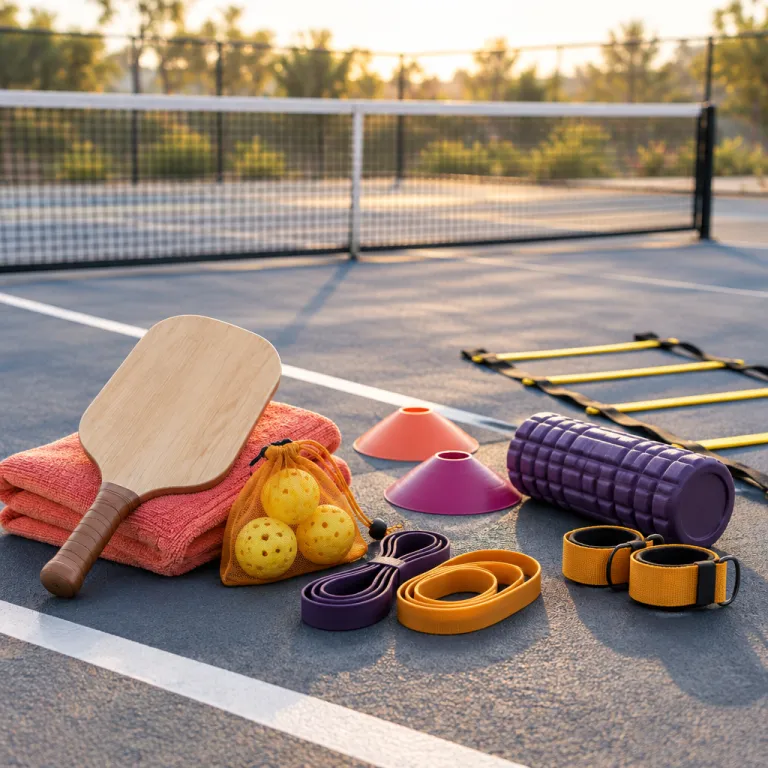
Why a structured pickleball warm up is non negotiable
A well designed pickleball warm up is the quiet difference between casual play and consistent performance. When you arrive at the pickleball court and move straight into a fast game, your muscles and joints are forced to react before your body is ready, which increases fatigue and makes precise footwork harder. A short but structured warm up routine prepares every major muscle group for playing pickleball and lets your mind settle into the match.
Think of warming up as a bridge between daily life and the specific demands of this sport. Your body play in a pickleball game involves rapid lateral steps, split step reactions, and quick pivots that challenge the ankles, knees, and hips, so a targeted dynamic warm phase is essential to prevent injury and sharpen balance. When players treat the pre game window as serious preparation rather than social time, they usually report better performance court awareness and fewer nagging muscle issues during match time.
Many tennis players already understand that a proper pre match warm routine is non negotiable, yet they sometimes underestimate how intense a game pickleball can feel on smaller spaces. The pickleball court compresses the action, so every step, stretch, and paddle swing happens faster and closer to your opponent, which magnifies any weakness in your warm exercises. A consistent pickleball warm up habit will not only prevent injuries but also elevate game confidence because your body knows exactly what is coming when the first serve starts the match.
Dynamic warm phases that prime muscles for agile footwork
The most effective pickleball warm up starts with dynamic warm movements that raise heart rate gradually while keeping joints mobile. Begin with two to three minutes of brisk walking around the pickleball court, then shift into light jogging and side shuffles so your body transitions smoothly from rest into sport specific playing. These warm exercises should feel easy at first, then slightly challenging as your muscles loosen and your breathing deepens.
Next, add dynamic stretch patterns that mirror the demands of a real pickleball game. Use walking lunges with a gentle torso twist to activate the hips and spine, then perform controlled high knee marches and butt kicks to prepare the quadriceps, hamstrings, and calf muscle groups for explosive step changes. Finish this phase with quick forward and backward shuffles over 5 to 7 metres, which simulate the constant repositioning you need during pre match dinking exchanges and fast kitchen battles.
Players who struggle with knee comfort should pay special attention to this dynamic warm segment. A resource such as the knee smart pickleball footwork reset shows how small changes in step patterns can protect cartilage while still supporting strong performance. When you combine that kind of intelligent footwork work with a thorough pickleball warm up routine, you not only prevent injury but also create a game routine that keeps you active on the court for many seasons.
Static stretching versus static stretching at the right time
Many players still confuse static stretching with dynamic warm movements and apply both at the wrong moment in their pickleball warm up. Static stretching means holding a stretch for 20 to 30 seconds without moving, which can temporarily reduce muscle power if done too aggressively right before a match, while dynamic stretch drills keep the body moving and better match the demands of playing pickleball. The key is timing, not elimination, because both static and dynamic methods have a place in a smart warm routine.
Use dynamic warm drills before a pickleball game to prepare muscles for rapid step changes and directional shifts. Save most static stretching for after match time, when your body is already warm and your muscles benefit from longer stretches that restore length and reduce stiffness from repeated paddle swings and lunges. Short, gentle static stretching holds can appear in the pre game phase, but they should never replace the active warming that raises heart rate and primes the nervous system for quick reactions on the pickleball court.
Footwork and positioning demand precise control, so your warm exercises must reflect that reality. A guide such as pickleball precision footwork and positioning mastery explains how each step pattern supports better angles and faster recovery between shots. When you pair those concepts with a disciplined pickleball warm up that blends dynamic movements and well timed static stretching, you elevate game consistency and reduce the risk of muscle strains that can derail a promising season.
Building a five step pickleball warm up routine for real matches
A practical pickleball warm up for everyday players can follow a simple five step structure that fits into 10 to 12 minutes. Step one is general warming, where you walk or jog around the pickleball court and include light side shuffles until your heart rate rises and your body feels comfortably warm. Step two adds dynamic stretch drills such as leg swings, arm circles, and hip rotations to prepare the major muscle groups for the specific demands of this sport.
Step three focuses on footwork patterns that mirror playing pickleball under pressure. Use quick split step hops on the spot, then practice diagonal movements from the baseline toward the non volley zone, always returning to a balanced stance ready for the next match situation. Step four introduces paddle and ball control, where you perform gentle dinks, mini volleys, and soft drives with a partner to connect your warm muscles to the fine motor skills needed for a competitive pickleball game.
Step five is a short pre match rally that simulates real points without full intensity. Alternate serves, returns, and third shot drops while maintaining smooth movement and controlled breathing, which helps your body play at match speed without shock when the official game routine begins. For players who want to refine their drop shot movement during this phase, the backwards walking drop drill offers a structured way to link warm exercises, footwork, and paddle touch into one integrated habit.
Pre game and pre match habits that protect the body
What you do in the 30 minutes before stepping onto the pickleball court matters as much as the formal pickleball warm up itself. Hydration, light nutrition, and mental focus all influence how your muscles respond to warming and how your joints tolerate repeated step changes during a long match. Treat this pre game window as part of your warm routine rather than dead time spent scrolling on a phone or chatting on the sidelines.
Begin by drinking water steadily in the hour before playing pickleball, especially in hot conditions where heart rate climbs quickly and dehydration can increase cramp risk. Eat a small, easily digestible snack if your last meal was several hours earlier, because low energy levels can make your body play feel heavy and slow even after careful stretching and dynamic warm drills. Use a few quiet minutes to visualise your first game pickleball patterns, including serve placement, return depth, and the footwork you will use to reach the non volley zone efficiently.
Protective habits also extend to equipment and environment checks. Make sure your shoes offer enough lateral support for this sport, because worn soles or loose laces can undermine every pickleball warm up effort and increase the chance of prevent injuries during sudden stops. Scan the court surface for wet spots or debris, then confirm that your paddle grip feels secure, so when match time arrives you can focus fully on performance rather than worrying about avoidable hazards that could cause prevent injury incidents.
Translating warm up quality into better court positioning and performance
The ultimate purpose of any pickleball warm up is to translate preparation into better decisions and sharper movement once the pickleball game begins. When your muscles are properly warm and your heart rate has risen gradually, you react faster to opponents, reach the kitchen line more efficiently, and maintain balance during aggressive volleys and overheads. This improved body control directly supports smarter court positioning, because you can adjust your step patterns without fear of sudden muscle pulls.
High quality warming also supports endurance across multiple matches in a tournament or long club session. Players who skip their warm exercises often feel strong in the first match but fade quickly, while those who follow a consistent warm routine usually sustain performance court standards deeper into the day. Over time, this consistency helps elevate game results, because you win more late match rallies where tired legs and slow reactions decide the outcome.
Footwork is the hidden engine of playing pickleball well, and it depends on healthy joints and resilient muscles. A disciplined pre match approach that blends dynamic warm drills, targeted stretching, and short paddle control sequences will prevent injuries more effectively than any single piece of equipment. When you treat every pickleball warm up session as an investment in long term body play capacity rather than a chore, you build a sustainable game routine that keeps you moving confidently on the court for years.
Key figures on pickleball warm up and injury risk
- Observational data from recreational racquet sports show that structured warm up routines can reduce acute muscle strain rates by roughly 30 percent compared with no warm up, especially in players over 40 years old (for example, see Soligard et al., Br J Sports Med 2010;44(11):823–829, doi:10.1136/bjsm.2009.070672).
- Studies on dynamic warm protocols in field and court sports report improvements of 2 to 5 percent in sprint and change of direction performance, which directly translates to faster first steps and better coverage on a pickleball court (e.g. Little and Williams, J Strength Cond Res 2006;20(1):173–177, doi:10.1519/R-16724.1).
- Research on static stretching suggests that long static holds performed immediately before explosive efforts can reduce peak power by up to 5 percent, which is why most performance programmes now place extended static stretching after training or matches (see Behm and Chaouachi, Eur J Appl Physiol 2011;111(11):2633–2651, doi:10.1007/s00421-011-1879-2).
- In surveys of adult racquet sport participants, knee and ankle issues account for more than half of reported overuse injuries, highlighting the importance of warm exercises that target lower body stability and controlled lateral movement (for instance, Pluim et al., Br J Sports Med 2006;40(5):415–423, doi:10.1136/bjsm.2005.023184).
- Hydration studies in intermittent sports indicate that even a 1 to 2 percent loss of body mass through sweat can impair decision making and reaction time, reinforcing the role of pre game fluid intake alongside physical warming (see Nuccio et al., Sports Med 2017;47(1):27–41, doi:10.1007/s40279-017-0698-7).
FAQ about pickleball warm up and footwork
How long should a pickleball warm up last before a match ?
Most players benefit from a pickleball warm up lasting 8 to 12 minutes, which is enough time to raise heart rate, mobilise joints, and activate key muscles without causing fatigue. Shorter routines often miss dynamic warm drills for the hips and ankles, while much longer sessions can leave you tired before the first rally. Aim for a consistent duration so your body recognises the pattern before every pickleball game.
What is the best order of exercises in a warm routine ?
The safest order is general warming, dynamic stretch drills, sport specific footwork, then paddle and ball control. Start with walking or light jogging, progress to leg swings and arm circles, then add split step hops and lateral shuffles that match real court movement. Finish with gentle rallies so your body play and timing are aligned when match time begins.
Should I use static stretching before playing pickleball ?
Short, gentle static stretching holds can be included after your dynamic warm phase, but they should not dominate the pre match routine. Long static stretching is better placed after the game, when muscles are already warm and more responsive to flexibility work. This timing helps prevent injury while preserving the power you need for quick directional changes on the pickleball court.
How can a warm up help prevent injuries in older players ?
Older players often have stiffer joints and slower circulation, so a structured pickleball warm up is crucial to prepare muscles and tendons for sudden step changes. Dynamic warm drills that focus on ankle, knee, and hip control reduce the load on vulnerable areas and support safer body play. When combined with appropriate footwear and sensible match scheduling, these habits significantly reduce the likelihood of prevent injuries.
Do tennis players need a different warm up when they switch to pickleball ?
Tennis players already understand the value of warming, but the smaller pickleball court and faster exchanges demand more emphasis on short lateral steps and quick recovery to the non volley zone. Their pickleball warm up should therefore include extra work on split step timing, compact shuffles, and soft touch paddle drills near the kitchen. This targeted approach helps elevate game performance while respecting the different movement patterns of the new sport.